REVIEW · CATACOMBS TOURS
Catacombs in Rome with Private Transfer
Book on Viator →Operated by Rome Italy Explora · Bookable on Viator
San Callisto feels like a secret Rome. This private catacombs experience cuts through the hardest part of the trip—getting out to the Via Appia area—by bringing you from your hotel with a chauffeur and handling the timing so you can focus on what matters underground. I like the private transfer because it saves your energy, especially on a day when Rome already has you on your feet.
My favorite part is the guided visit inside the catacombs with an official-style approach, plus included access to key stops like the crypt area connected to Santa Cecilia and the Papi crypts sometimes nicknamed the small Vatican. I also like that you can choose a departure time that fits your day, and you’ll have a mobile ticket to keep things simple.
One consideration: the catacombs are tight by nature. If you’re sensitive to claustrophobia, this might feel like a lot, and you’ll need to follow the dress code (knees and shoulders covered).
In This Review
- Key highlights worth your attention
- Why San Callisto is one of Rome’s most moving detours
- Hotel pickup and luxury transfer: where the time really goes
- Inside the Catacombs of Saint Callixtus: what to look for
- The “why” of the catacombs
- Must-see crypt stops: Santa Cecilia and the Papi crypts
- Real-world rule: entrances organized in groups
- Claustrophobia warning isn’t a scare tactic
- Walking the Appian Way: ancient cobblestones with actual air
- Chiesa del Domine Quo Vadis: the legend stop you’ll remember
- How the 3-hour plan fits with a real Rome day
- Price and value: paying for convenience, not just access
- Who this tour suits best
- Quick decision: should you book this?
- FAQ
- How long is the catacombs with private transfer experience?
- Does the tour include hotel pickup and drop-off?
- Are entrance tickets included?
- Is this tour private?
- Do I need to follow a dress code?
- Is there any claustrophobia warning?
- How does the child rate work?
Key highlights worth your attention
- Stress-free Via Appia transport with hotel pickup and drop-off so you skip the planning headache.
- Guided entry in the catacombs with professional help inside the site.
- Included tickets for the catacombs (whichever are open) plus the Appian Way and Chiesa del Domine Quo Vadis.
- The Appian Way walk along ancient cobblestones, past roadside tombs and open countryside views.
- Legend + faith stop at Quo Vadis with the small church tied to the story of Christ meeting Peter.
- Private format: only your group goes with your escort and guide.
Why San Callisto is one of Rome’s most moving detours
Rome can feel like it’s all stacked on top of itself. You’re walking past emperors, churches, and ruins from different centuries, all in the same few square miles. Then you step out toward the Via Appia and you suddenly get a different scale of time—first generations of Christians buried beneath the ground on the outskirts of the city.
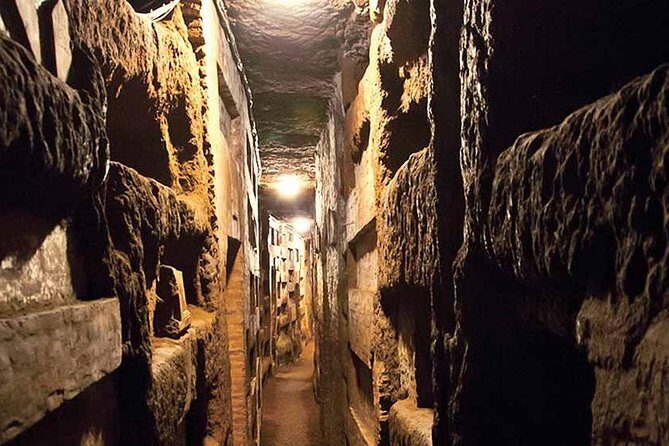
That’s the magic of the San Callisto catacombs area. You’re not just seeing a dark room or a photo spot. You’re walking through a whole network of underground burial tunnels carved by hand in soft stone. The way these spaces were built makes the catacombs feel like a maze with purpose: a place of rest, waiting for resurrection and salvation, according to early Christian belief. For many people, this is the one Rome stop that actually makes them slow down.
The private format matters here. Public transit can be doable, but it’s often awkward and slow for getting out there and back. When I’m choosing experiences in Rome, I treat “getting there” as part of the deal. If the logistics are hard, the visit often feels rushed or tiring. With this tour, you’re transported directly to the entrance area, and that changes the tone of the whole day.
You can also read our reviews of more private tours in Rome



Hotel pickup and luxury transfer: where the time really goes
This isn’t just a ticket. The big practical benefit is the pick-up and drop-off with luxury transportation and a private chauffeur. Catacombs trips live outside the center, and Rome’s traffic and distances can turn a “quick trip” into a long one. Your chauffeur removes that uncertainty.
I also like that you’re not stuck trying to coordinate your own arrival timing at multiple spots. The plan groups the day into three connected parts: catacombs first, then the Appian Way walking section, then the small Quo Vadis church. That flow keeps the day from turning into random out-and-back wandering.
From the experience side, communication is a clear strength. I’ve seen examples of staff handling curveballs—like plan changes or last-minute route tweaks—without making it your problem. That kind of responsiveness is the difference between a calm morning and a stressful one when you have a tight Rome schedule.
Inside the Catacombs of Saint Callixtus: what to look for
The catacombs visit is about more than walking down stairs and looking around. It’s about understanding how the site worked for early Christians and why it’s so extensive.
You’ll enter with a professional guide who walks you through what you’re seeing and helps you make sense of the space. The catacombs are large enough that it would be very easy to feel lost—so guidance isn’t just nice, it’s practical. The guide context also helps you understand the mix of people represented through the burial history, from martyrs to ordinary believers.
The “why” of the catacombs
The tour framing focuses on the core idea: in the early centuries, burials often happened outside the city walls. The Via Appia consular road was a major connection to the south, and the road corridor became a popular burial zone. Christians used underground tunnels as a kind of long-term resting place, carved in soft stone.
As you move through, you’ll also see why the catacombs feel both structured and mysterious. There are underground corridors that can feel endless, but they’re arranged for real use—family burials, commemorations, and the reuse of space over time.
Must-see crypt stops: Santa Cecilia and the Papi crypts
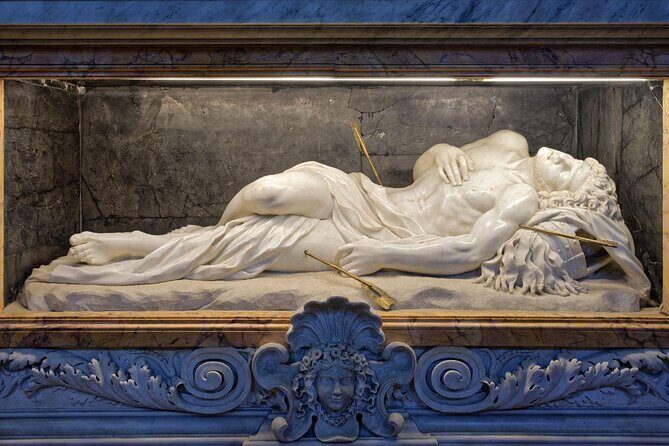
The highlighted crypt experiences include the area tied to Santa Cecilia and the Papi crypts, often referred to as the small Vatican. Even without turning this into a theology lesson, the nickname says a lot: this is a deeply important underground spiritual space.
If you’re the kind of traveler who likes “what exactly am I looking at,” the guide’s explanations make a big difference. You’re not just staring at symbols; you’re learning the purpose behind them and how the early Christian community used these spaces.
You can also read our reviews of more tours and experiences in Rome





Real-world rule: entrances organized in groups
One important note to keep in mind: access inside the catacombs is organized in groups under Vatican regulations. That can affect pacing slightly. It’s not usually a problem, but it’s the kind of detail that explains why your schedule is structured the way it is. You’ll want to be ready when you arrive, because group movement is part of how the site runs.
Claustrophobia warning isn’t a scare tactic
The catacombs are underground tunnels and rooms. If you already know you struggle in narrow or closed spaces, take the warning seriously. This tour can be fascinating, but it’s not the place to “push through” anxiety.
Walking the Appian Way: ancient cobblestones with actual air
After the underground portion, you switch to the Appian Way (Via Appia Antica). This stop is short—about 10 minutes in the plan—but it’s chosen for impact.
The Appian Way is famous for good reason. You’ll walk along ancient cobblestones with open countryside around you, and it feels like time slows down. You’re passing massive tombs along the roadside, and you get a sense for why this road became such an important burial corridor.
Even a short walk changes how the catacombs land in your mind. Underground burial spaces can feel abstract until you experience the surface geography that shaped where burials happened. The Appian Way walk gives you that anchor.
Practical note: wear shoes you trust. Cobblestones look pretty, but they’re not forgiving. Keep it simple with comfortable, supportive footwear.
Chiesa del Domine Quo Vadis: the legend stop you’ll remember
Next comes the small church of Chiesa del Domine Quo Vadis. You’ll have about 20 minutes there, and it’s a perfectly timed break after the darker catacombs.
This church is tied to a legend about Christ meeting Peter as Peter was fleeing Rome. The story centers on the question Quo Vadis—where are you going?—and it gives the stop a personal emotional tone, not just a historical one.
Because the church itself is small, this part of the tour doesn’t feel like another rushed checklist stop. It’s more like a pause point. You get a moment above ground, with a story that echoes the themes you’ve just heard underground: faith, fear, and direction.
If you like religious art and storytelling, you’ll likely enjoy this stop more than you’d expect from a quick schedule block.
How the 3-hour plan fits with a real Rome day
This tour is listed at about 3 hours total. That’s a sweet spot. In Rome, most people can’t afford a half-day loss to travel uncertainty. Here, the schedule is structured so you still get value without wrecking the rest of your sightseeing.
The order helps too:
- Catacombs first (because you’ll want your energy while you’re fresh)
- Appian Way walk (above ground, right after)
- Quo Vadis (story and rest point, then you’re done)
Also, you can pick an arrival time that fits your plan. That’s more important than it sounds. If you hit the catacombs when you’re too tired, you’ll miss the explanations. When you start at a reasonable time, it all clicks.
And if you’re a planner type, that average booking timing matters. This is something people book around 82 days in advance on average. If you’re traveling in peak season or on weekends, I’d treat it as a “book sooner, relax later” activity.
Price and value: paying for convenience, not just access
At $355.75 per person, this isn’t a budget add-on. So let’s be honest about what you’re buying.
You’re paying for:
- Private hotel pickup and drop-off with a chauffeur
- A private escort available before and during the experience
- Professional guide time inside the catacombs
- Included entrance tickets for the catacombs area (whichever site is open), plus the Appian Way and Quo Vadis
The only way this feels like a good value is if your situation makes logistics matter. If your hotel is far from the center, if you hate unpredictable transit, or if you have limited hours in Rome, the private transport cost stops feeling like a splurge and starts feeling like “time you can’t buy back.”
There’s also an intangible value: in a place like this, a good guide changes what you remember. In the tour experience, guides named Francesco and Gloria have been described as very knowledgeable and kind, while Juliana has been praised for taking care of the group and keeping things fun. Chiara is cited for connecting with children and answering questions on the spot. Rossana is mentioned as responsive and hands-on when plans shift.
Those details matter. If the guide is strong, you don’t just see a site—you understand it enough to talk about it later.
That said, one fair criticism exists: if you’re the type who’s comfortable figuring things out on your own, you might feel you could replicate part of the visit with less spending. You can. But you’d also be trading away the direct pickup, the built-in timing, and the convenience of bundled tickets and guided interpretation.
So I’d frame it like this: pay for peace and structure, especially if you’re short on time or traveling as a small group that wants privacy.
Who this tour suits best
I’d put this private catacombs experience on your shortlist if you fit one or more of these:
- You want to see something big and meaningful without spending your day on buses.
- You’re visiting Rome for the first time and want the catacombs to be explained clearly.
- You’re traveling as a couple or small group and like having the space to ask questions.
- You have kids (or multi-generational timing needs). People have specifically highlighted guides adjusting their pace and explanations for grandchildren or family interests.
It might not be your best match if:
- You’re extremely budget-sensitive and comfortable doing the trip independently.
- Claustrophobia is likely to be triggered by narrow underground sections.
- You prefer long free time in each stop. The schedule is structured and efficient, not slow and wandering.
Quick decision: should you book this?
Book it if you want one organized catacombs day with transportation solved, tickets included, and a guide to make the underground spaces understandable. If your hotel is outside the center or you don’t want to gamble on transit timing, this is the smarter move.
Skip or reconsider if you know you’ll feel uncomfortable underground. In that case, you might still enjoy the Appian Way and Quo Vadis area, but the catacombs themselves may not feel good.
If you do book, choose a start time that keeps you fresh, and wear clothing that matches the rule: knees and shoulders covered.
FAQ
How long is the catacombs with private transfer experience?
It’s listed at about 3 hours.
Does the tour include hotel pickup and drop-off?
Yes. Pickup and drop-off are included with luxury transportation and a private chauffeur.
Are entrance tickets included?
Yes. Entrance tickets are included for the catacombs (the specific open area depends on opening days), plus the Appian Way and Chiesa del Domine Quo Vadis.
Is this tour private?
Yes. It’s private, and only your group participates.
Do I need to follow a dress code?
Yes. Knees and shoulders must be covered.
Is there any claustrophobia warning?
Yes. People with claustrophobia may find the underground spaces difficult.
How does the child rate work?
A child rate applies only when the child is shared with 2 paying adults.