REVIEW · PRIVATE
Art Nouveau Rome: Villa Torlonia & Coppedé Private Tour
Book on GetYourGuide →Operated by Eyes of Rome Private Tours · Bookable on GetYourGuide
Rome has an Art Nouveau surprise.
This private 3-hour tour takes you off the usual Rome checklist and into two very different styles of dream-making: the parkland world of Villa Torlonia and the storybook streets of the Coppedè Quarter. I like that you’re not just looking at buildings; you’re getting the who, when, and why behind the details, from aristocratic life to political history that shaped parts of the estate.
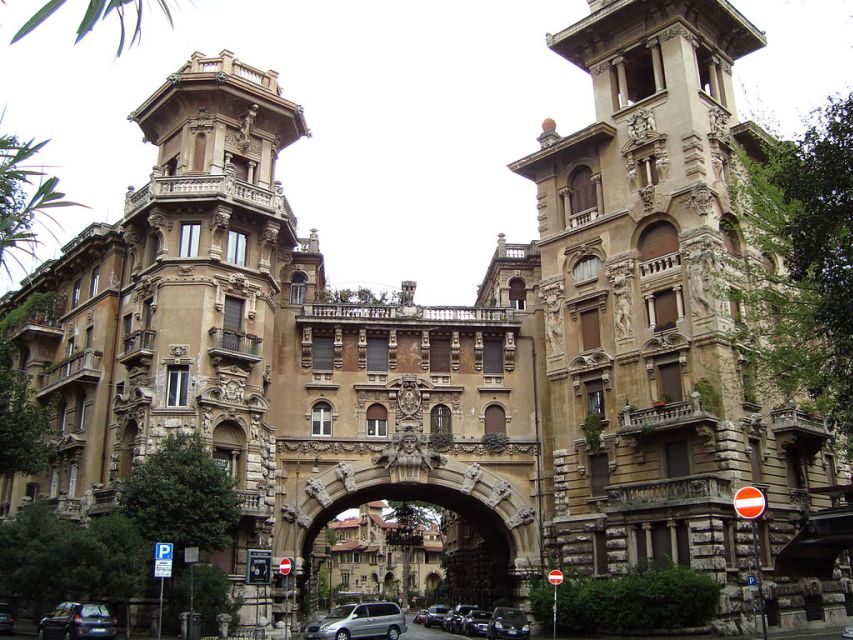
I also like how the stops are built for eyes-on design. You get the ornate stained glass and inlaid-wood craft at the Casina delle Civette, then you walk through the Coppedè Quarter with your guide calling out the Art Nouveau architecture of Gino Coppedè. One thing to plan for: the route involves a fair amount of walking, so if you want to move slowly, you can ask to see fewer sites with a private guide.
In This Review
- Key highlights you’ll actually care about
- Villa Torlonia: Rome’s fancy estate in 90 minutes
- Mussolini at Villa Torlonia: rooms, bunkers, and the basement story
- Casina delle Civette: the House of the Owls and why it feels theatrical
- Stained glass, inlaid wood, and two levels of decoration
- Quartiere Coppedè: walking Gino Coppedè’s fantasy streets
- The private tour value: what you pay for (and what you don’t)
- Your guide matters: the difference between seeing and reading
- How to plan your 3 hours in Rome without overdoing it
- Who should book this Villa Torlonia and Coppedè tour
- Should you book Art Nouveau Rome: Villa Torlonia & Coppedè Private Tour?
- FAQ
- What is the duration of the Art Nouveau Rome tour?
- Where does the tour start?
- What stops are included?
- Is this a private tour?
- What languages are available?
- Are entrance fees included?
- Is the tour wheelchair accessible, and is there a lot of walking?
Key highlights you’ll actually care about
- Skip-the-line entry for the museum visit at Villa Torlonia, so time goes to the good stuff.
- Mussolini’s Villa connection, including the separate rooms used by him and Rachele, plus the basement bunkers.
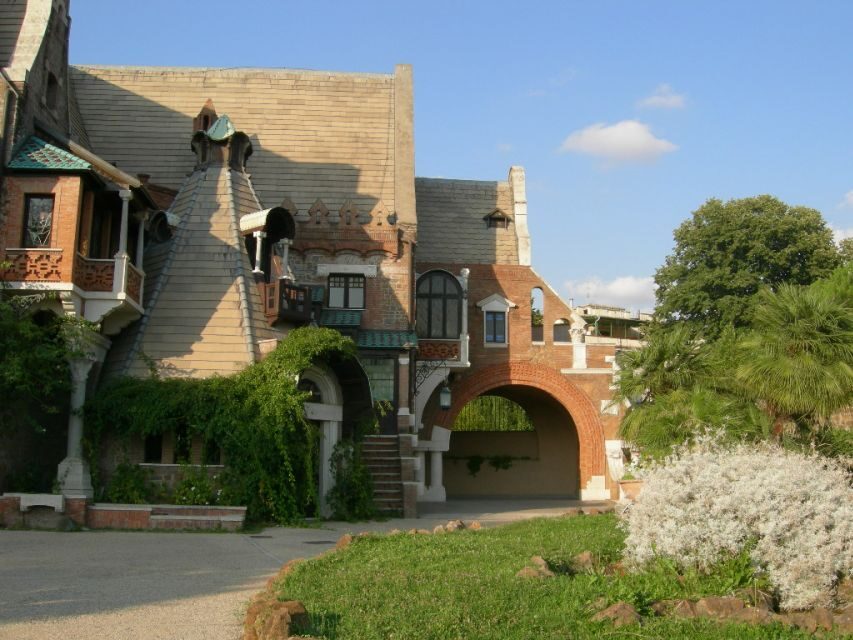
- Casina delle Civette (House of the Owls) with stained glass and standout decorative craft.
- Two-level interiors at Casina delle Civette, finished with sculptures and furniture effects.
- Piazza Mincio in the Coppedè Quarter, treated like a little kingdom on foot.
- A private Blue Badge guide, bringing architecture together with context and interpretation.
Villa Torlonia: Rome’s fancy estate in 90 minutes
If you’re used to Roman sightseeing that feels like sprinting between ruins, Villa Torlonia is a different kind of experience. It’s a scenic estate setting, and the pacing is designed for a guided visit rather than a quick photo stop.
This is an early 19th-century home with high-level backstory. The villa was built for a rich banking family that had already been ennobled by the pope about a century earlier. So before you even get to the flashy details, you’re standing in a place shaped by money, status, and power in Rome.
The tour is also practical: it’s only about 1.5 hours at Villa Torlonia, which keeps it focused. You’ll get the main architecture and the key rooms tied to the family story and later events, without turning into a half-day slog.
You can also read our reviews of more private tours in Rome


Mussolini at Villa Torlonia: rooms, bunkers, and the basement story
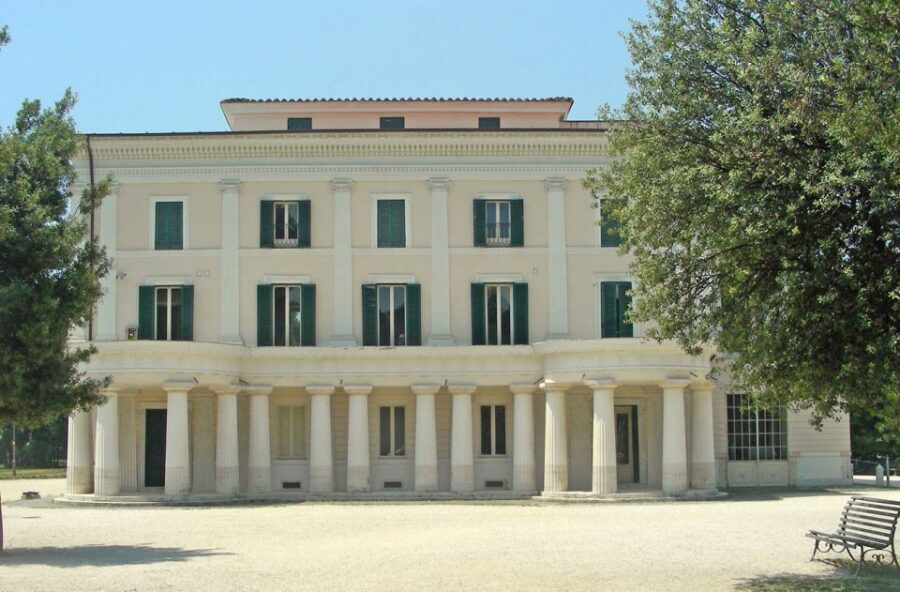
Villa Torlonia isn’t just pretty. You also get the part of the estate linked to Benito Mussolini in the 1930s. That alone changes how you view the space, because it’s not only a family landmark—it becomes part of a political era.
Your guide explains when it became Mussolini’s home, and you’ll hear how the layout supported his life there. The separate bedrooms he and his wife Rachele used were on the upper floor of the Villino Nobile. The original furniture is no longer there, but the tour still connects the building plan to how people lived inside it.
Then the tour takes a sharper turn underground. The basement has access to two bunkers Mussolini built: one used as a bomb shelter and the other as a gas shelter. Even if you’re not a history person, this is one of those details that makes the estate feel real—like the building was designed to handle very serious emergencies, not just receptions.
Casina delle Civette: the House of the Owls and why it feels theatrical
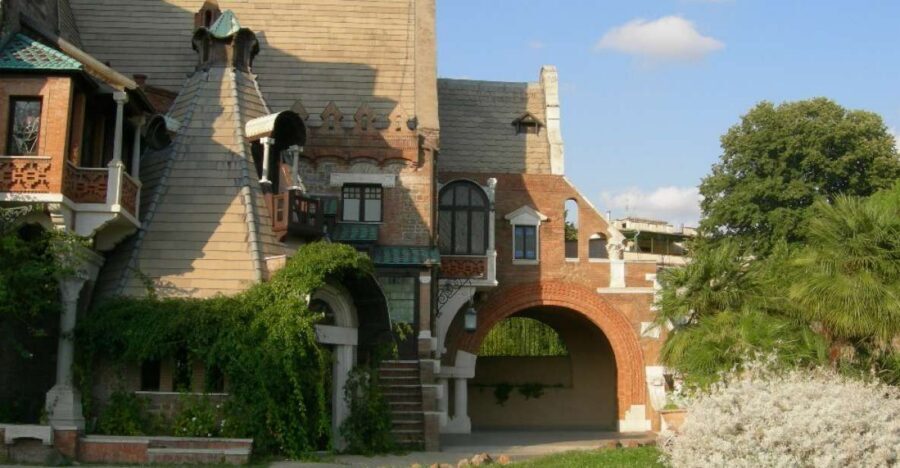
After Villa Torlonia, the time changes gears at Casina delle Civette, often called the House of the Owls. This stop is shorter—about 45 minutes—but it’s packed with design moments.
The building served as a former residence of Prince Giovanni Torlonia the Younger, and it stayed in his hands until his death in 1938. The idea wasn’t to live in the same stiff world as the main residence. Instead, the Casina was tucked at the park edge in a more discrete setting, designed as a refuge from formal life.
What you’re really seeing is a building shaped by change. The architecture came through a series of transformations and additions planned by different architects, using both artisanal and industrial materials. So it doesn’t feel like a single uniform “museum object.” It feels like a living project, built up over time until it became its own mood.
Stained glass, inlaid wood, and two levels of decoration
Casina delle Civette is famous for its owls, but the real payoff is how craft shows up everywhere. You’ll spend time admiring the extravagant decoration tied to the stained glass windows—the kind of Rome detail that’s hard to notice when you’re walking on your own.
The tour calls out two internal levels, both finished with artistic sculptural touches and furniture with pictorial effects. In other words, it’s not just one pretty room. It’s decorative all the way through, which is exactly what makes it work on a short schedule.
You’ll also learn about local material traditions. The tour highlights some of the best examples of Rome stained glass and inlaid wood sourced from local workshops. That means the beauty isn’t only about the design concept—it’s also about regional craft systems making those concepts real.
One small tip for your visit: use the guide’s pacing to slow down when they point. If you try to rush through Casina’s details, the building’s charm can slip by.
Quartiere Coppedè: walking Gino Coppedè’s fantasy streets
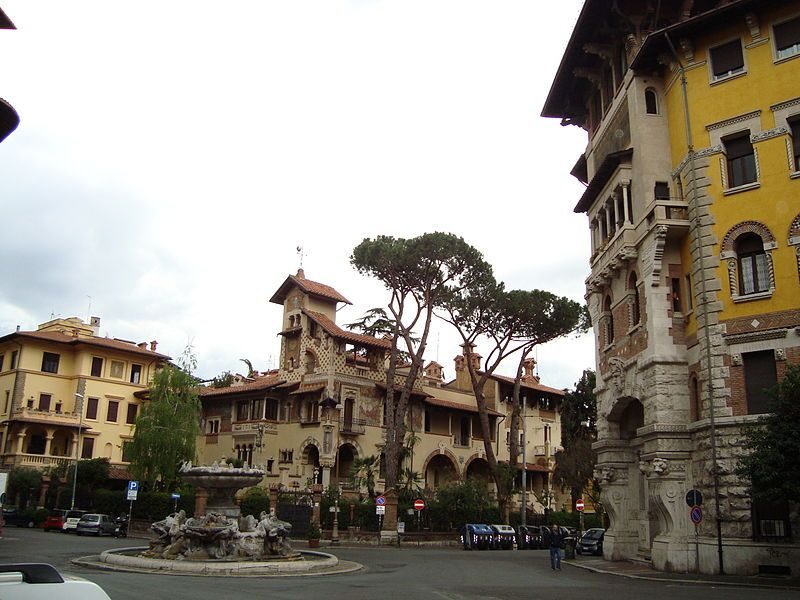
Then comes the part that feels like you turned a page. The Coppedè Quarter is where you leave the typical tourist routes and walk through Art Nouveau architecture created by Gino Coppedè.
This neighborhood is often described as magical, but the best way to think of it is as a mini world built to entertain the eye. As you stroll, your guide points out the architectural features designed by Coppedè and helps you read the shapes as intentional storytelling, not random decoration.
A standout location here is Piazza Mincio, described as a sort of kingdom within the quarter. Your guide will help you see why the square works visually and how the surrounding buildings frame it. It’s the kind of place where you’ll look up, then look again, then notice a new detail each time.
You’ll also hear why this area matters as a residential neighborhood. The tour frames Coppedè as one of Rome’s finer residential districts—so it isn’t only a showpiece for tourists. That adds an extra layer of charm because you’re walking among streets that feel lived-in, not staged.






The private tour value: what you pay for (and what you don’t)
At $362.51 per person for a 3-hour private tour, the price makes sense only if the experience saves you time and gives you context you can’t easily get on your own. The good news: this one is built around both.
You’re paying for a private walking tour with a Blue Badge Guide, plus museum entrance fees and skip-the-line entry. That combination is the practical part—fewer delays, more time spent inside the places that require ticketing.
You also pay for interpretation. The stops jump from elite villa history to Prince Torlonia’s decorative refuge to the Coppedè streetscape. A guide ties the threads together so you don’t just collect photos. You understand what you’re looking at, and that’s where value usually lands for design-focused tours.
One more value point: it stays flexible to your pace. The tour is set at an average speed, but with a private guide you can ask to see fewer sites if you want a slower visit. That matters in a city where “3 hours” can feel short or long depending on how aggressively you usually walk.
Your guide matters: the difference between seeing and reading
A big reason this tour earns high praise is the guide quality. In one of the top reviews, the guide was Marco, described as a history and archaeology professor at Sapienza, with a reputation for being punctual and very well prepared.
What stands out about that kind of guide is the range: you don’t only get architecture facts. You also get connections across art and literature, explained in a way that keeps the tour moving. Even if you’re not hunting for academic depth, that style helps you understand why the buildings are built the way they are.
Because this tour includes both a villa interior experience and a neighborhood walk, you’ll benefit from a guide who can switch from room-by-room explanation to street-level reading without losing the thread.
How to plan your 3 hours in Rome without overdoing it
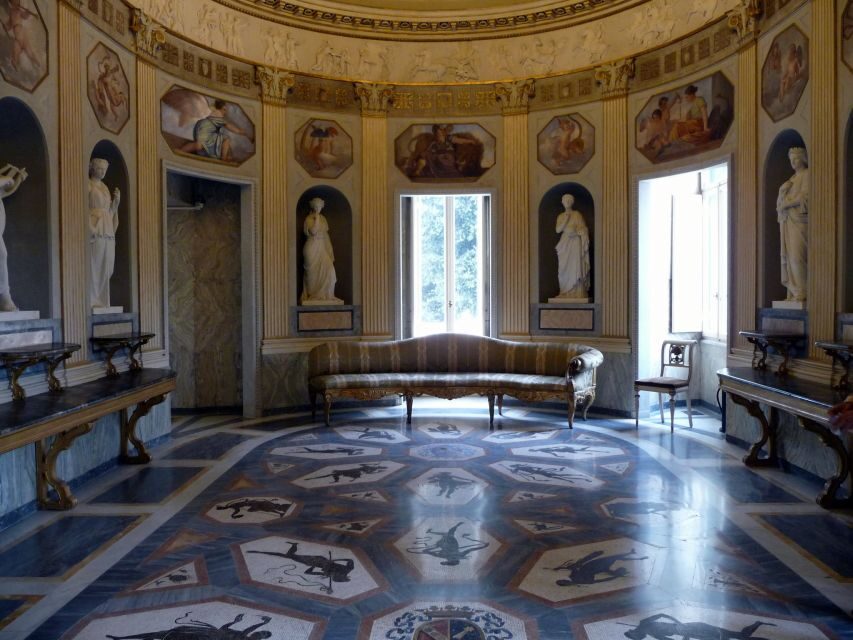
This is a half-day style outing, starting at Via Nomentana, 70 near the Villa Torlonia ticket office. You’ll meet your guide at the entrance of Villa Torlonia, and the tour ends back at the meeting point.
The tour is designed to be close enough to city movement to feel easy. It’s about 10 minutes by taxi from Rome city center, which helps if you’re staying central and don’t want to spend your sightseeing time stuck in commute mode.
Still, keep your body in mind. You’ll do a fair amount of walking, and you’ll be standing to look at details indoors and outdoors. If your group has mobility needs, the tour can be adjusted, but it’s important you flag that early so the plan can change smoothly.
When to schedule it? If you want the most relaxed experience, I’d treat this as a morning or early afternoon plan. That way, you’re not stacking it late after long daytime walks around Rome’s busier sights.
Who should book this Villa Torlonia and Coppedè tour
This tour is a strong fit if you like any of these things:
- Art Nouveau and design details, including stained glass and inlaid wood
- Architecture with a story, not just architecture as scenery
- A quieter side of Rome, away from the most predictable routes
- A guided explanation that connects interiors, history, and street-level design
It’s also a good choice if you want a “two-part” Roman day. You get estate history at Villa Torlonia, then you switch to a neighborhood atmosphere at Coppedè. That blend keeps the brain busy in a good way.
If you’re the type who hates walking, or you can’t handle extended indoor/outdoor movement, you might ask your guide to adjust the pace and potentially see fewer sites. The private format is built for that kind of tailoring.
Should you book Art Nouveau Rome: Villa Torlonia & Coppedè Private Tour?
Book it if you want Rome that doesn’t feel like the usual photo factory. You’ll see Villa Torlonia’s political and aristocratic layers, then enjoy the Casina delle Civette’s intense decorative personality, and end with the Art Nouveau street theatre of the Coppedè Quarter.
Skip it if your main goal is ancient ruins and you only want one theme for the day. This is design-forward, and the value comes from understanding the details through a guide.
In a nutshell, this is the kind of tour that makes you leave with more than images. You leave with a mental map of how power, craft, and imagination shaped parts of Rome that many people never slow down to notice.
FAQ
What is the duration of the Art Nouveau Rome tour?
The tour lasts 3 hours (and you should check availability to see the starting times).
Where does the tour start?
You meet your guide at Villa Torlonia, Via Nomentana 70, near the ticket office.
What stops are included?
You’ll visit Villa Torlonia, Casina delle Civette (House of the Owls), and the Quartiere Coppedè.
Is this a private tour?
Yes, it’s a private group tour with a live guide.
What languages are available?
The guide is available in English, Italian, French, and Spanish.
Are entrance fees included?
Yes. Museum entrance fees are included, and you also get skip-the-line entry through a separate entrance.
Is the tour wheelchair accessible, and is there a lot of walking?
It’s wheelchair accessible, but the tour still involves a fair amount of walking. If anyone has mobility issues, you should advise in advance so the itinerary can be modified.