REVIEW · ROME
Ancient Rome with Archaeology – Small Group Only
Book on GetYourGuide →Operated by LeonardoDC · Bookable on GetYourGuide
Rome is louder with archaeology.
This is a small-group walk led by Leonardo that turns big monuments into a timeline you can actually understand. I love that the approach starts with context first, then uses what you see in front of you to explain why, when, and how Rome’s major sites took shape.
What I also like is the way Leonardo connects architecture and art history with archaeology, so the Colosseum and the Roman Forum feel like chapters in one story, not separate photo stops. The only real drawback to note: this experience does not include entering the monuments or buying tickets, so you’ll be outside, looking closely and learning from vantage points instead of going in.
You’ll be moving for about 2.5 hours, with a light pace that’s suitable for all ages and offered in English or Portuguese. The meeting point is right in front of the Fountain of the Turtles, and the tour wraps up back near the start area.
In This Review
- Key moments that make this tour worth it
- Why an archaeology-first walk beats a quick photo stop
- Starting at Piazza Mattei: setting the timeline before you hit the ruins
- Colosseum from the outside: reading the monument instead of just staring
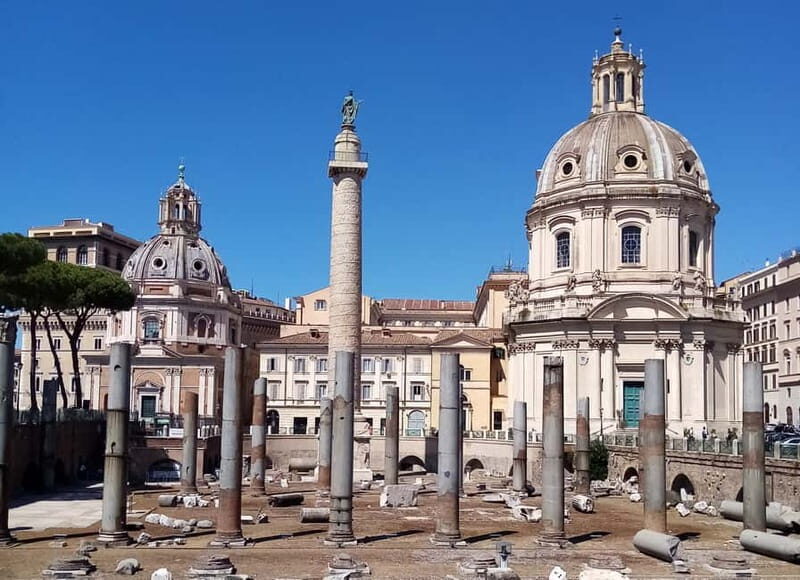
- Imperial Fora: how Rome used power as real estate
- Roman Forum and Palatine Hill viewpoints: the city’s core explained
- Piazza del Campidoglio: the Capitoline Hill story behind the square
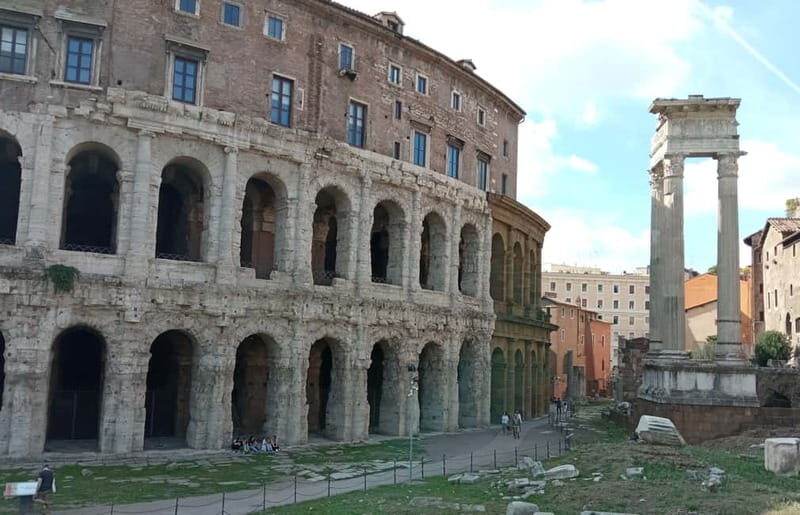
- The Theater of Marcellus finale: Temple of Apollo and Porticus of Octavia
- Pace, comfort, and what you should plan for
- Price and value: what $36.08 buys you in Rome
- Who this tour suits best
- Should you book Ancient Rome with Archaeology?
- FAQ
- What monuments and areas are covered?
- Does the tour include tickets or going inside the monuments?
- How long is the tour?
- Where does the tour start?
- What languages is the tour offered in?
- What is the group size?
Key moments that make this tour worth it
- Archaeology-first storytelling that links each monument to the bigger evolution of Rome
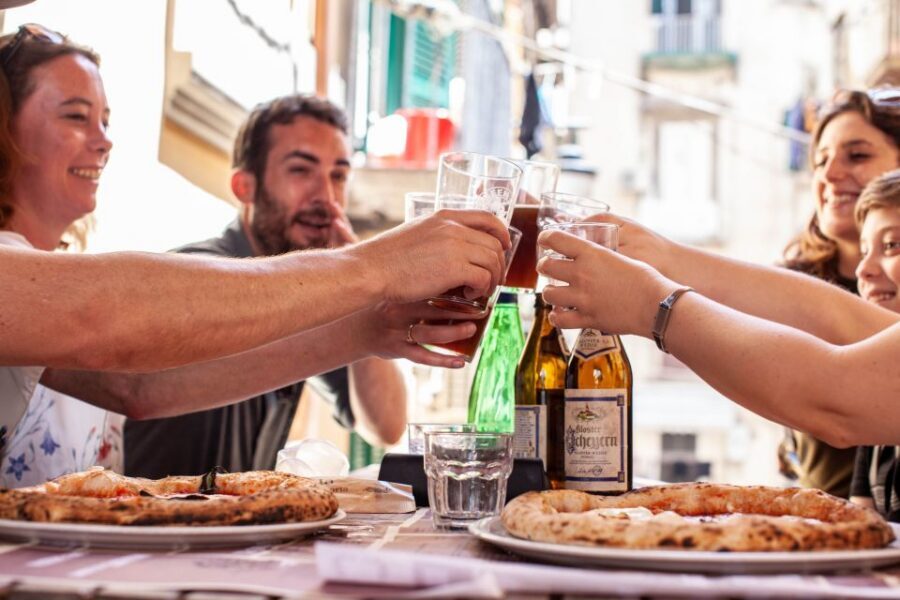
- Leonardo’s timeline opener in a café or while walking, before you reach the sites
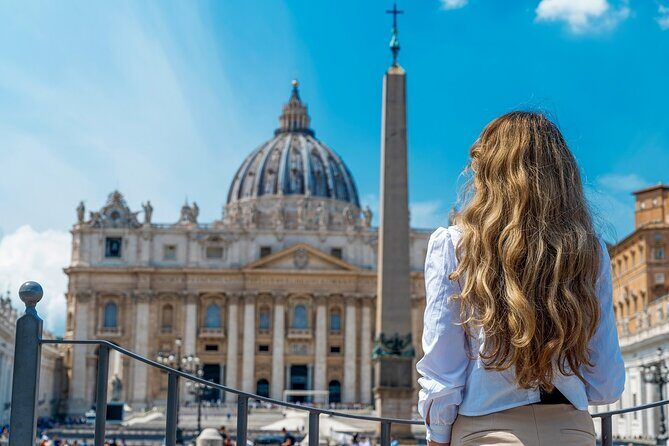
- Outside viewing from strategic vantage points at the Colosseum, Imperial Fora, and Forum areas
- Capitoline Hill square insights that help you understand how symbolism mattered in Roman planning
- Theater of Marcellus area finish with Temple of Apollo and Porticus of Octavia in the mix
- Small group limit of 6 so the conversation stays personal and you can ask questions at a human pace
Why an archaeology-first walk beats a quick photo stop
If Rome is your first time in Italy, it can feel like you’re drowning in landmarks. This tour is built to stop that. You don’t just look at famous ruins. You learn how the city formed and transformed, using archaeology as the thread that ties it all together.
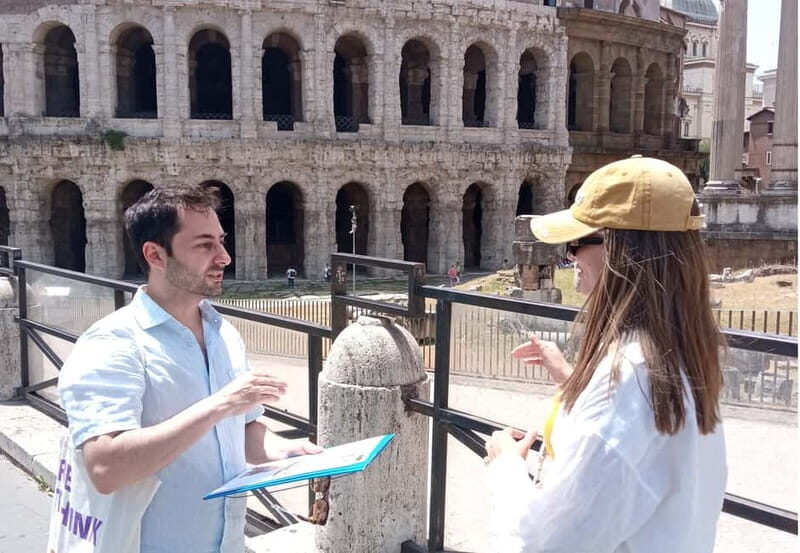
The value here is in the method. Leonardo guides you through the sites while you’re still able to see the big shapes clearly, then he explains the context that makes those shapes meaningful. That changes how you look. A wall stops being a wall and becomes evidence of an era, a decision, and a purpose.
And since the group is limited to 6, you’re not lost in a crowd. You can hear the explanation, and Leonardo can adjust to your interests and your pace instead of rushing everyone through the same script.
You can also read our reviews of more tours and experiences in Rome.



Starting at Piazza Mattei: setting the timeline before you hit the ruins
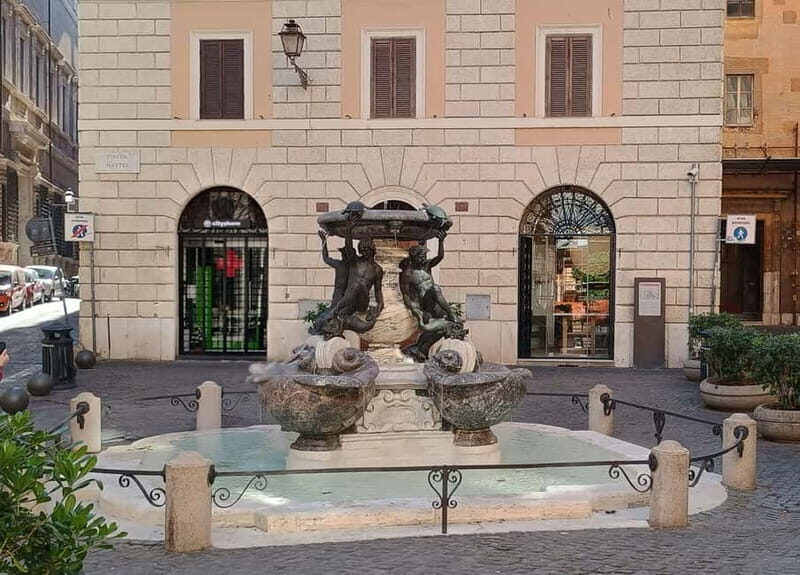
You meet at Piazza Mattei, 1, right in front of the Fountain of the Turtles. It’s a good anchor point because you start in a real, local Rome setting rather than sprinting straight to the busiest monuments.
Before you get too far, there’s a short introduction that covers a timeline of Rome’s history. The tour also touches on the main features of Roman art and architecture, and it frames what you’ll see next. That matters more than it sounds. If you don’t have a mental timeline, the Forum and the Imperial Fora can blur together fast.
You should expect some discussion that connects the buildings to the city’s changing priorities over time. The tour also leans into a practical art-historical lens, so you’re not only learning facts. You’re learning how to interpret forms you can still see today.
Colosseum from the outside: reading the monument instead of just staring
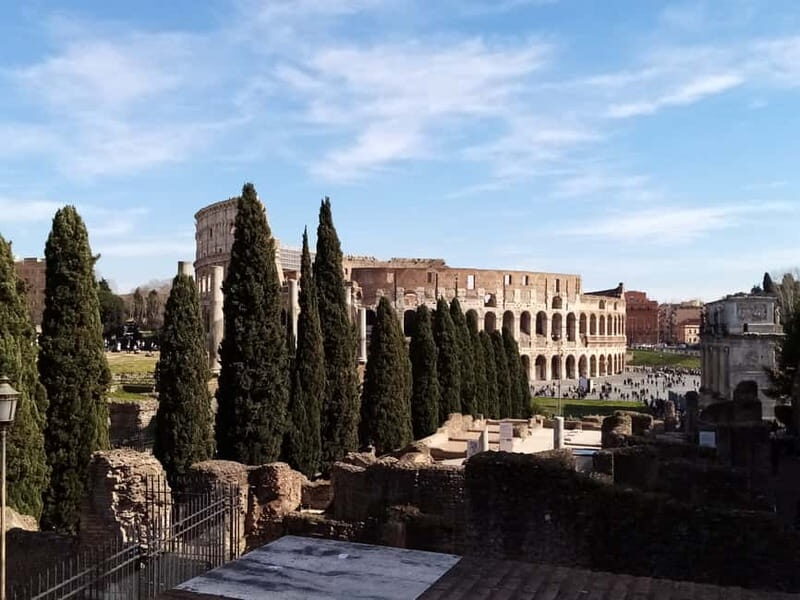
The first major site stop is the Colosseum, with time for a guided walk and sightseeing (about 30 minutes). Since the tour does not include tickets or entry, your experience is built around looking outward: how the monument sits, how different parts relate, and what you can infer when archaeology and history explain the story behind the stone.
I like the outside approach here because it forces you to slow down. When someone explains the purpose and the era behind what you’re seeing, the Colosseum stops being a single postcard image. It becomes a piece of a larger urban plan.
Also, because you’re not inside, you avoid the common stress of timed entry and rushing through queues. You still get the key payoff: understanding the site’s role in the evolving city and how earlier and later eras shaped what you can see now.
Imperial Fora: how Rome used power as real estate
Next comes the Imperial Fora area, again guided with sightseeing time (about 30 minutes). This is one of those parts of Rome where, without context, it’s easy to get lost in the scale. With archaeology-based explanations, the space becomes legible.
Leonardo’s focus is on evolution and context. He helps you understand why these complexes were built and how they fit into Rome’s growth. Instead of treating the Fora as a set of ruins, you start seeing them as a statement—political power made visible in stone and urban design.
A practical tip: this stop is a good moment to ask questions in real time. Since it’s a small group, you can steer the conversation toward what you care about most, whether that’s how the city developed, how monuments relate to each other, or how archaeological evidence clarifies what happened when.
Roman Forum and Palatine Hill viewpoints: the city’s core explained
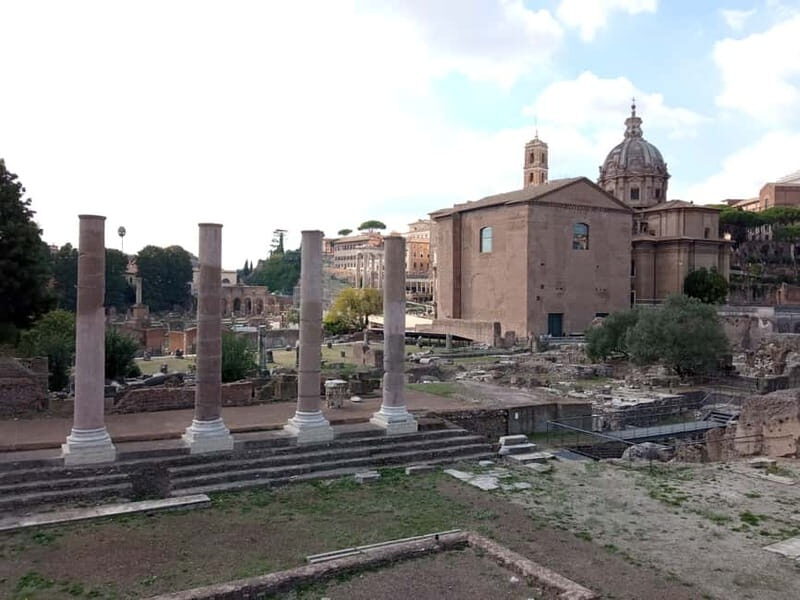
Then you move to the Roman Forum and nearby Palatine Hill area, with another guided block of sightseeing and explanation (about 30 minutes). The Forum is where Rome feels most like a living argument across centuries. You can stand in the open air and still sense overlapping layers of time.
What makes this stop especially effective is that the tour doesn’t treat the Forum as one era. Leonardo frames the site as something that grew and changed, which makes the ruins easier to grasp. You’ll pass by and analyze areas around the Forum and learn how the monuments connect to the story of Rome’s development.
In the included approach, you’ll be viewing from vantage points that let you take in temples and basilicas, and then understanding how those features fit into the larger picture. If your goal is to leave Rome with an actual mental map—beyond a list of stops—this is a key part of the trip.
Possible consideration: the Forum area can be visually busy even with a guide. If you prefer quiet, photo-only sightseeing, you might find the constant “why this, why then” commentary slightly intense. But if you want understanding more than snapshots, it’s exactly the right tempo.



Piazza del Campidoglio: the Capitoline Hill story behind the square
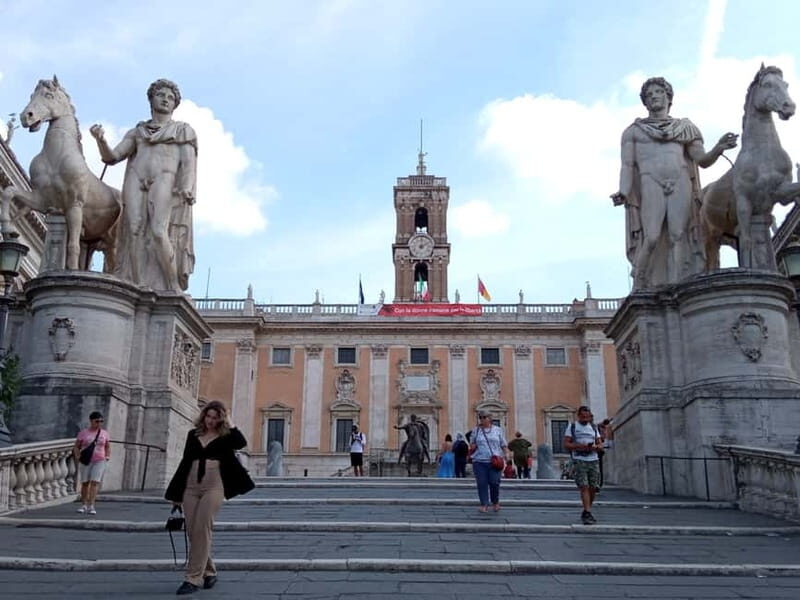
You continue to Piazza del Campidoglio on Capitoline Hill, with guided sightseeing and a walk (about 30 minutes). This is a shift in feel from the dense ruin zones to a more open, civic kind of view. It’s also a chance to see how Rome used design to reinforce identity.
Leonardo connects the city’s symbolism to the architecture and planning choices you can still recognize in the square. That’s a theme throughout the tour: the buildings aren’t only about function. They’re also about messaging, authority, and continuity—things archaeology can help confirm when it reveals how different parts came together.
If you like the idea of learning how Rome framed itself to citizens and visitors, this stop hits the mark. You’ll finish with a better sense of how these places weren’t random. They were part of a long-term plan shaped by politics and culture.
The Theater of Marcellus finale: Temple of Apollo and Porticus of Octavia
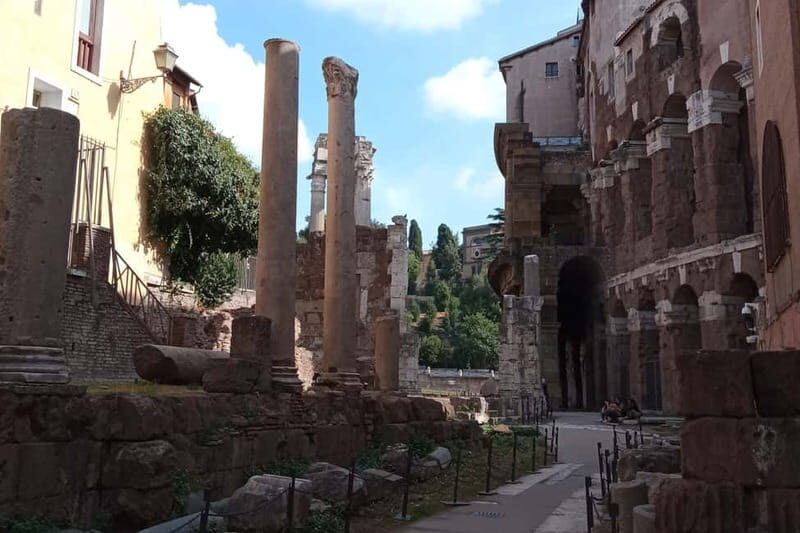
The last segment takes you to the Theatre of Marcellus area, with a guided visit and sightseeing (about 30 minutes). What I like about ending here is that it feels like a natural transition: you leave behind the biggest headline ruins and finish in an archaeological zone where you can see how multiple structures belong together in one wider area.
This finale includes the Temple of Apollo and the Porticus of Octavia as part of the overall experience. You’ll also end at an archaeological area with free entrance, and you’ll be led toward the zone connected with the former Jewish Ghetto area.
That ending is practical. You get a structured, taught conclusion at the monuments, and then you’re positioned well for further self-guided walking afterward. Even if you don’t know the area’s details in advance, the connection to a meaningful neighborhood makes the finish feel purposeful, not just “we’re done.”
Pace, comfort, and what you should plan for
This is a light walking tour. The guide specifically builds it to be suitable for all ages and doesn’t require effort. The city’s physical accessibility is part of the plan as well, and the tour is wheelchair accessible.
Still, Rome on foot can surprise you. You’ll be outside, walking between sites, spending time on streets and viewpoints, and moving through archaeological areas. I’d wear comfortable shoes and bring water, even if you don’t expect a workout day.
Timing-wise, the entire experience runs about 2.5 hours. Each major stop gets around 30 minutes, which means you’re not stuck for ages at one monument. It also means you’ll want to treat this as a learning walk, not a “linger forever” photo stroll.
Price and value: what $36.08 buys you in Rome
At about $36.08 per person for a 2.5-hour small-group guided experience, you’re paying for three things:
- a structured timeline at the start that makes the rest of the day make sense
- on-the-spot archaeology and art-history interpretation of the sites you see
- a limited group size (up to 6) that keeps the explanations interactive and audible
The big note on value: you’re not paying for entry tickets, because the tour does not include tickets or going inside monuments. That can be a plus if you’d rather spend your time learning instead of managing timed access.
If you’re the type of traveler who wants the most meaning per hour—and you’re okay staying outside—this price-to-time ratio is hard to beat. If you specifically want to step inside major sites, you’ll need a separate plan for that.
Who this tour suits best
I think this tour is a strong fit if you:
- love archaeology and want the monuments explained through evidence and context
- want help understanding how Rome changed over time, from early development to later greatness
- prefer a smaller group so you can ask questions and move at a human pace
- want a light, manageable walking day that still feels substantial
It’s also a great choice if you’ve been to Rome before but felt like you only did surface sightseeing. The archaeological framing can turn repeat visits into new understanding.
Should you book Ancient Rome with Archaeology?
If your goal is not just to see famous ruins but to understand what they meant and how Rome evolved, you’ll likely enjoy this. The combination of Leonardo’s guided timeline start, the small group size, and the archaeology-led explanations across the Colosseum, Imperial Fora, Roman Forum, Capitoline Hill, and Theater of Marcellus makes it a smart use of 2.5 hours.
I’d only skip it if you strongly prefer to go inside monuments every time or you need long stretches of quiet, unguided time. Otherwise, this is exactly the kind of tour that makes Rome feel less like a list and more like a story you can follow.
FAQ
What monuments and areas are covered?
You’ll see and get guided interpretation around the Colosseum, Imperial Fora, Roman Forum (including the Palatine area), Piazza del Campidoglio on Capitoline Hill, and the Theater of Marcellus area, including Temple of Apollo and Porticus of Octavia.
Does the tour include tickets or going inside the monuments?
No. The experience does not include going inside the monuments or tickets for them.
How long is the tour?
The duration is 2.5 hours. Starting times vary, so it’s best to check availability.
Where does the tour start?
The meeting point is right in front of the Fountain of the Turtles at Piazza Mattei, 1.
What languages is the tour offered in?
The live tour guide offers Portuguese and English.
What is the group size?
It’s a small group limited to 6 participants.