REVIEW · EVENING EXPERIENCES
10-Night Italy Tour: Rome, Florence, Venice and Sorrento
Book on Viator →Operated by Gray Line I Love Rome by Carrani Tours · Bookable on Viator
If you want Italy without the planning headache, this loop helps. You’ll bounce between Rome, Florence, Venice, and Sorrento, with guided stops at major sights plus some smart add-ons like Rome’s hop-on hop-off bus and Venice time after dark. I also like that the ride is air-conditioned with onboard Wi‑Fi, so long transfer days don’t feel quite as brutal.
Two big wins: the tour takes care of your 3- to 4-star hotels for 10 nights, and you get real “signature” stops rather than a random grab bag. Still, there’s one consideration: the schedule is tight, with multiple big days and occasional bus changes, so it’s not ideal if you hate moving around or need lots of slow, unstructured time.
In This Review
- Key things that make this tour worth a close look
- What This Tour Solves (And What It Can’t)
- Getting Oriented in Rome: Piazza Venezia and a Hop-On Hop-Off Lifeline
- Assisi, Siena, Florence, and Pisa: A Whirlwind Day You Can Still Enjoy
- Florence Power Stops: Duomo and Palazzo Vecchio
- Bologna and Venice at Night: When the Tour Turns Romantic
- Venice Classics: San Marco, Doge’s Palace, and the Human Drama
- Tuscany Hill Town Mood: Montepulciano’s View and Wine Square
- Rome’s Big Religion Day: Sistine Chapel and St. Peter’s Basilica
- Pompeii and the Switch to Sorrento: Two Worlds in One Trip
- Capri and the Blue Grotto: Worth It, With Real-World Limits
- Sorrento’s Walkable Charm: Tasso Views, Lemon Air, and City Nights
- Guides and Group Energy: Names Matter
- Hotels, Meals, and the Fine Print That Changes Your Comfort Level
- Price and Value: Is $3,158.95 Actually Fair?
- Should You Book This Rome–Florence–Venice–Sorrento Tour?
- FAQ
- What is included in the 10-night tour price?
- Are entrance fees to attractions included?
- Do you visit Capri and the Blue Grotto every time?
- Is there time to explore on your own in Rome or Sorrento?
- How big is the group?
- What is the cancellation window for a full refund?
Key things that make this tour worth a close look
- Vatican Museums skip-the-line (your time in line shrinks, even though entry fees aren’t included)
- Rome hop-on hop-off daily ticket for an easy self-guided add-on
- Venice after-hours energy, including the Grand Canal at night and a spritz & cicchetti light lunch
- Pompeii plus a south-coast switch into Sorrento
- Capri with Blue Grotto, with backup options if access is limited
- Max 50 travelers, so you’re not stuck in a giant cattle herd
What This Tour Solves (And What It Can’t)
This kind of Italy trip is a trade. You trade freedom for structure, and you trade deep, slow immersion for coverage. In return, you get something you can actually use: a plan that moves you between Rome’s monuments, Florence’s art powerhouses, Venice’s waterways, and the Amalfi coast’s postcard mood—without you needing to book every train, bus, and hotel night.
I like that the tour includes practical comforts that matter on multi-city days. Air-conditioned transport helps in hot seasons, and onboard Wi‑Fi is handy when you’re coordinating meet-up times, downloading tickets, or just trying to keep your phone battery alive. Group size capped at 50 travelers also tends to keep things more workable than the mega-bus situations.
The big limitation is physical pace and schedule intensity. You’re seeing a lot, and some days stack multiple towns or headline sights. If you have mobility limits or dislike strict timing, this may feel stressful rather than relaxing.
You can also read our reviews of more evening experiences in Rome
Getting Oriented in Rome: Piazza Venezia and a Hop-On Hop-Off Lifeline
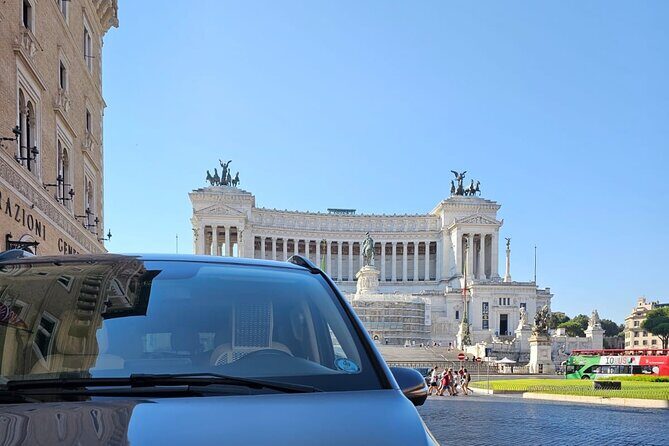
Your first base is Rome, and the starting point is Piazza Venezia. After you arrive and make your own way to the hotel, you’re given a daily hop-on hop-off panoramic bus ticket (Gray Line’s I Love Rome City Tour). This matters because Rome can be disorienting fast—streets twist, landmarks are spread out, and “nearby” often means a walk plus a wrong turn.
With a bus ticket in your pocket, you can:
- get a quick overview of where things sit
- come back later for specific neighborhoods
- save your energy for guided days
If you love a mix of guided and self-directed time, this is a good setup. You also have a free evening on Day 1, which is often the best time to start your Rome routine—grab something simple near your hotel and let the city find its rhythm.
Assisi, Siena, Florence, and Pisa: A Whirlwind Day You Can Still Enjoy
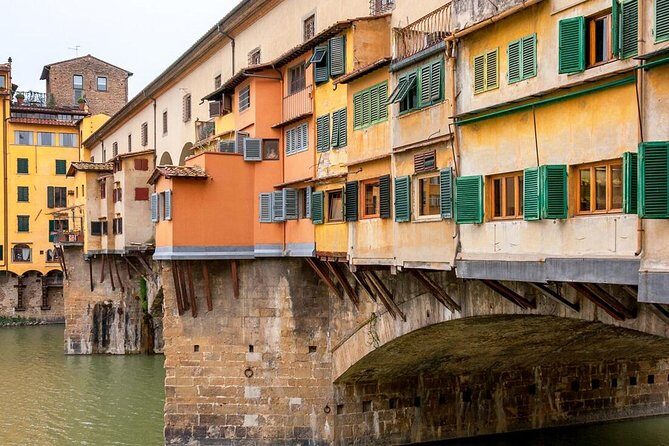
One of the tour’s early “wow” days strings together several UNESCO-level stops and iconic Italian scenes. You start with Assisi, then head to Siena’s Piazza del Campo, see Ponte Vecchio in the evening, and finish with Pisa’s Leaning Tower.
Assisi is spiritually heavy in the best way. The focus here is Basilica Papale e Sacro Convento di San Francesco d’Assisi, tied to Saint Francis’s life and legacy, with Assisi recognized as a UNESCO World Heritage Site. This stop can feel calmer than the big-city rush, but still emotionally memorable.
Siena’s Piazza del Campo is the kind of place that makes you look up and slow down. It’s described as a medieval piazza with no strict conventional shape, and it’s also where the Palio di Siena tradition lives. Even if you’re not there for the horses, the square gives you the sense of how Siena organizes community life.
Then you get to Florence’s most famous postcard stop: Ponte Vecchio. The idea is clear—go in the evening so the crowds soften a bit and the bridge becomes more than a photo checkpoint.
And then there’s Pisa. You get a short visit to the Leaning Tower area, mainly as a classic icon stop. If you want the longer cathedral complex experience, plan to add that later with your own time.
Consideration: stacking multiple big-name towns in one day can mean your time is shorter at each stop. The payoff is seeing the highlights quickly—just don’t expect a slow lunch and museum marathon.
Florence Power Stops: Duomo and Palazzo Vecchio
Florence is where the tour shifts from “icon sightseeing” into real art-and-architecture territory. You’ll visit:
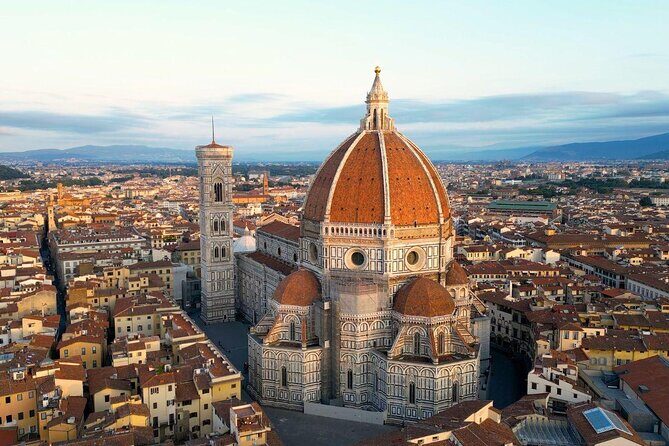
- Cattedrale di Santa Maria del Fiore (the Duomo), including the famous tiled dome designed by Brunelleschi and Giotto’s bell tower
- Palazzo Vecchio, in Piazza della Signoria, tied to Florence’s civic power
This is the part of the trip where your photos start telling a story beyond travel snapshots. The Duomo experience is mostly about scale and design choices—why the dome looks the way it does and how it became a symbol of Renaissance ambition. Palazzo Vecchio adds the civic angle: this was government, not just grandeur.
One practical tip: Florence is full of steps and uneven stone. Even when the guided time is short, you’ll still walk a fair amount. Wear shoes that can handle cobblestones without making your day miserable.
Bologna and Venice at Night: When the Tour Turns Romantic
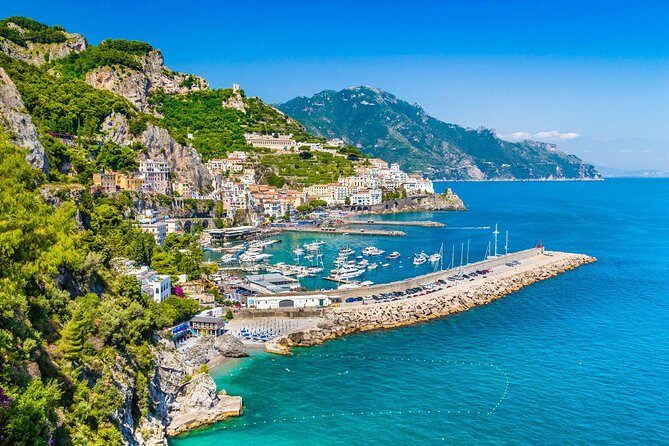
After Florence, the next stop is Bologna, home of Piazza Maggiore—arcades, bars, medieval and Renaissance buildings, and a square that feels like it’s built for wandering.
Bologna is also known for food, and this tour leans into that with a street food experience (listed as a street food experience in Bologna). Even if you’re not a food-obsessed person, the point is simple: Bologna’s culture lives in how people eat and share.
Then you’re off to Venice. The tour schedules Grand Canal time near sunset or after dark, which is exactly when Venice changes. Daytime crowds thin out as people head away, and the lagoon breeze makes the atmosphere feel less intense. You’ll see Venice’s palace-lined canal scenery and get anchored at Piazza San Marco area on your later Venice day.
Also, Venice runs on water and foot traffic, not cars. That’s why getting there early in the day can be nice, but seeing it late is special too.






Venice Classics: San Marco, Doge’s Palace, and the Human Drama
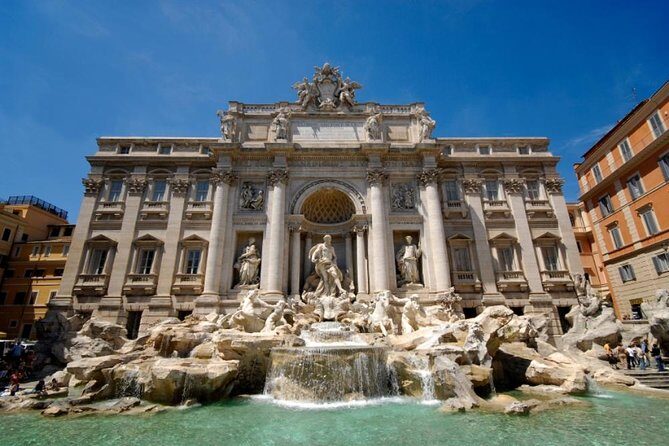
Venice’s main checklist stops arrive fast. You’ll cover:
- Basilica di San Marco, known for Byzantine-style mosaics and the Piazza San Marco setting
- Doge’s Palace, plus the famous “Bridge of Sighs” story connection
Doge’s Palace is the kind of place where the architecture does the talking. Even if your history facts are rusty, you’ll understand the vibe: power, law, and spectacle in one building. The tour highlights the idea that the Bridge of Sighs was the last look at Venice prisoners saw, which adds a human layer to the Gothic details.
A standout included moment here is the spritz & cicchetti experience in Venice. This gives you a light meal without forcing you to hunt for a perfect bar spot after you’re already tired from walking. It’s also a good time to plan your evening: where you want to wander next and how you’ll get back without stressing.
Tuscany Hill Town Mood: Montepulciano’s View and Wine Square
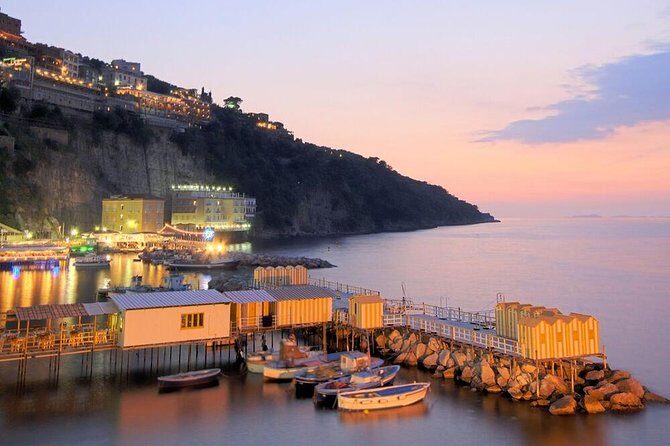
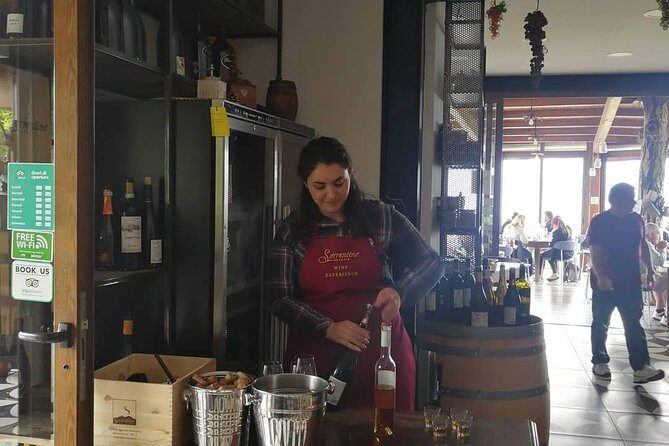
You’ll spend time in Montepulciano, a medieval town surrounded by vineyards and known for Vino Nobile di Montepulciano. The stop centers on Piazza Grande, where the Palazzo Comunale sits and where the Pulcinella Tower adds character.
This is a more relaxed-feeling day compared with Venice or major city blocks. The focus is on atmosphere: the hills, the town layout, and that sense Tuscany has of being both agricultural and artistic.
If you love wine culture: you’ll likely enjoy the way this stop connects the countryside to the local economy. Just keep expectations realistic—this tour gives you town time and viewpoints, not a full vineyard deep dive.
Rome’s Big Religion Day: Sistine Chapel and St. Peter’s Basilica
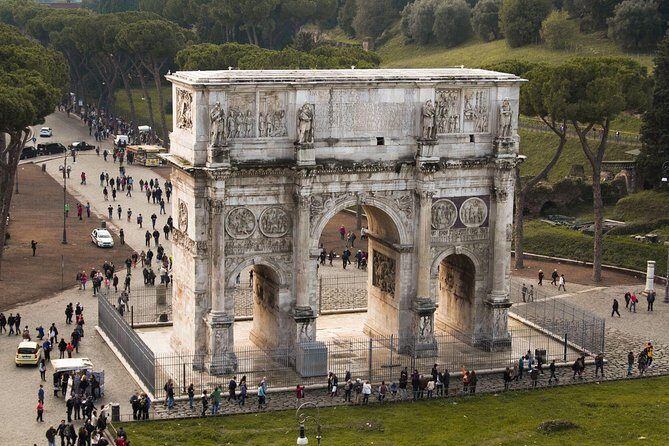
Rome returns with the tour’s headline religious-art pair. You’ll visit:
- the Sistine Chapel, known for Michelangelo’s ceiling work and the Last Judgment
- St. Peter’s Basilica, with emphasis on the dome and major artworks like Michelangelo’s Pietà
Because the tour includes skip-the-line to the Vatican Museums, you should expect smoother entry than the general public experience. Still, don’t assume all access issues disappear—special events and religious ceremonies can affect what parts are reachable. The tour notes that during the Jubilee Year, some areas may be inaccessible.
Even if you’ve seen images of these spaces, the scale and craftsmanship are hard to fake. The Sistine Chapel experience is about visual impact—standing in that room is different from watching a video.
Practical note: this is a heavy walking day. Your knees and calves will file complaints, so pace yourself and drink water when you can.
Pompeii and the Switch to Sorrento: Two Worlds in One Trip
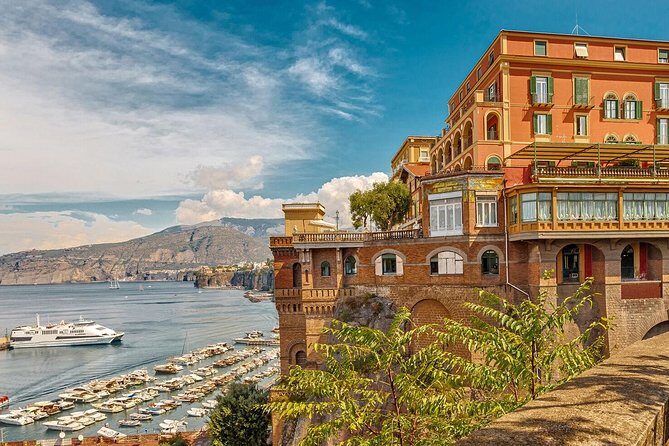
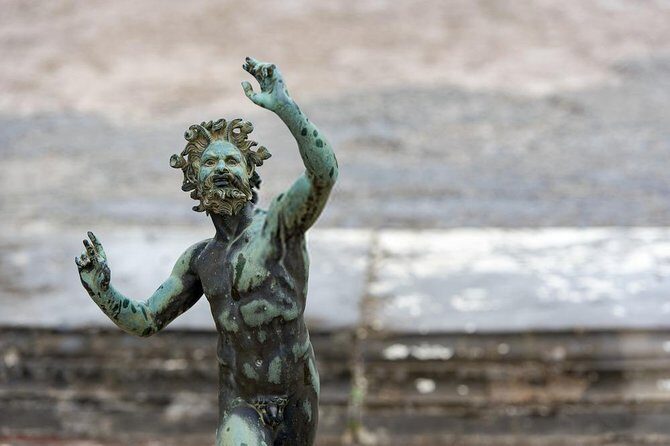
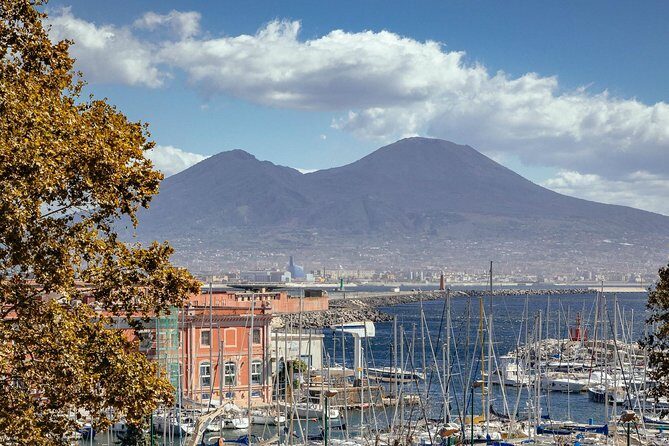
Then comes Pompeii Archaeological Park, tied to the eruption of Vesuvius in 79 AD and the preserved remains across a broad area. You’ll get a guided-style visit (listed as about two hours). This isn’t just “old stones.” Pompeii shows daily life frozen in time, and that’s the reason it grabs people.
After Pompeii, the tour moves you toward Sorrento, based on your schedule. That change of scenery is part of the value: you go from Roman disaster history to bright coastal towns quickly, which keeps the trip feeling varied rather than repetitive.
Capri and the Blue Grotto: Worth It, With Real-World Limits
Capri is the trip’s most famous break from mainland routines. You’ll go for the Blue Grotto, described as a cave where sunlight filters and makes the water appear electric blue. You’ll also get a sense of Capri’s steep terrain and high-end island life.
Here’s the real-world angle. During peak months, lines can be long and access can be limited. If the Blue Grotto isn’t possible due to access or weather, the tour states guides will suggest alternatives, such as the Faraglioni rocks.
If you’re the type who hates waiting, do yourself a favor and keep expectations flexible. You’re not only buying the attraction; you’re buying the day’s overall pacing and the guide’s plan B.
And yes, Capri can be hot and tiring—so plan to take breaks, not just chase perfect photos.
Sorrento’s Walkable Charm: Tasso Views, Lemon Air, and City Nights
Back on the mainland side, you get Sorrento Apartments ONE as the base for the next nights, plus guided orientation time. The stop includes:
- views from Piazza Tasso, often described with coffee culture around the square
- the historic center’s narrow streets
- mention of San Francesco, a 14th-century church with a tranquil cloister
- the local identity around limoncello
This is your decompression zone. After Pompeii and Capri, Sorrento feels human-scaled and easy to enjoy on foot.
In low season (November to March), the tour notes that Capri may not happen, and instead you get a full day in Sorrento on your own. That can be a blessing if you prefer coastal strolling over boat schedules.
Also, during peak season (August and September), the tour warns that hotels may be in the surroundings of Sorrento on Days 8 and 9. That usually means a bit more travel time to reach the center, so choose your expectations accordingly.
Guides and Group Energy: Names Matter
What makes a multi-city tour work is the people running it. From the experience feedback, strong guiding shows up repeatedly. You may be with leaders like Dimitri and Patricia, Sabrina P, Miriam, Mirjam, Mario, or Carlos, depending on dates. When the guide is on top of details, the day feels smoother—especially with meet-up points, timing between stops, and practical suggestions like how to route your free time.
There’s also a pattern that the “northern leg” tends to feel more coordinated, while the south portion can sometimes require extra patience with timing or bus transfers. If you’re sensitive to changes, keep your day-mindset flexible from Pompeii onward.
Hotels, Meals, and the Fine Print That Changes Your Comfort Level
This tour includes 10 nights of hotel accommodation with 3- or 4-star hotels. In the winter months (January and February), most 4-star hotels in Sorrento close, and you’ll be offered selected 3-star hotels instead. It’s a real seasonal shift, not a minor detail.
Meals are included as per itinerary with breakfast, lunch, and dinner options listed. Still, meal quality isn’t uniform every day. One included dinner at Hotel Vesuvio has drawn criticism, so if you’re a picky eater, I’d treat included meals as a bonus—not a guarantee of top-tier dining. Have a plan for a snack or gelato stop when you want something more reliably satisfying.
Also note what’s not included: monument and museum entrance fees. So you’ll still pay for key entries even if you skip some lines with the Vatican Museums arrangement.
Finally, keep your packing realistic. You’re allowed up to 1 suitcase and 1 carry-on bag, and oversized luggage may face restrictions.
Price and Value: Is $3,158.95 Actually Fair?
At $3,158.95 per person, this tour is priced like an all-in logistics package: hotels, guided coverage, transport, and multiple included experiences. What you’re paying for is not just sightseeing. You’re paying for the structure that removes the hardest parts of Italy planning—booking rooms for 10 nights, lining up transport, and managing time across cities.
The value gets better if you:
- want a curated hits list (Rome, Florence, Venice, Pompeii, Capri, Sorrento)
- appreciate guided direction and skip-the-line time
- don’t want to coordinate train schedules and hotel changes yourself
The value gets weaker if you’re someone who prefers total freedom or wants to spend most of your day in one city without moving on. This trip moves you often, and your time is governed by group timing.
A smart way to judge it: count how many paid items you’d otherwise arrange yourself (hotels + guided entries + transport). Then decide if the trade-off for flexibility is worth it.
Should You Book This Rome–Florence–Venice–Sorrento Tour?
Book it if you want Italy highlights with minimal planning, and you’re okay with a guided, fast-moving rhythm. I think it’s especially good for first-timers who want the “greatest hits” in a single run, plus a few smart extras like Vatican skip-the-line, Rome hop-on hop-off, Venice cicchetti, and a Pompeii day.
Skip or consider a different style of trip if you:
- hate strict schedules and bus changes
- need lots of downtime in each city
- expect every included meal to be a standout
If you like your travel organized but still want your own moments, this tour hits a workable sweet spot. Just remember: bring comfortable shoes, keep your expectations flexible for Capri logistics, and let the guide do the juggling.
FAQ
What is included in the 10-night tour price?
The tour includes 10 nights of hotel accommodation, a professional guide, air-conditioned transport with onboard Wi‑Fi, and meals as listed in the itinerary (breakfast, lunch, and dinner). It also includes skip-the-line access for the Vatican Museums, a spritz & cicchetti experience in Venice, a street food experience in Bologna, and a Rome hop-on hop-off panoramic bus daily ticket.
Are entrance fees to attractions included?
No. Entrance fees to monuments and museums are not included, even though the tour includes skip-the-line for the Vatican Museums.
Do you visit Capri and the Blue Grotto every time?
Capri and the Blue Grotto are included as part of the plan, but in low season (November to March) the visit to Capri does not take place and you have a full day in Sorrento on your own. In peak season, Blue Grotto access can involve long lines and limited capacity; if access isn’t possible, guides suggest alternatives such as Faraglioni rocks.
Is there time to explore on your own in Rome or Sorrento?
Yes. Day 1 includes a free evening in Rome, and you also have a daily hop-on hop-off bus ticket to explore at your own pace. In low season, when Capri isn’t visited, you get a full day in Sorrento on your own.
How big is the group?
The tour has a maximum group size of 50 travelers.
What is the cancellation window for a full refund?
You can cancel up to 6 days in advance for a full refund. A 50% refund applies when you cancel 2–6 days before the experience start time. Less than 2 days before start time is not refunded.