REVIEW · ROME
The Marvels of Rome: A Journey through Time and Landmarks
Book on Viator →Operated by RomAbout Tours · Bookable on Viator
Rome is better on foot.
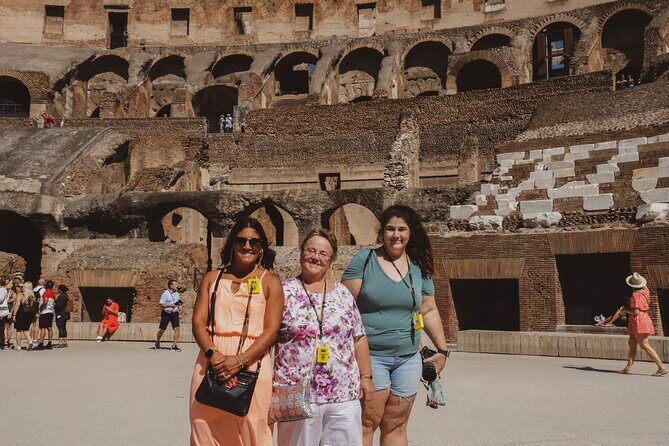
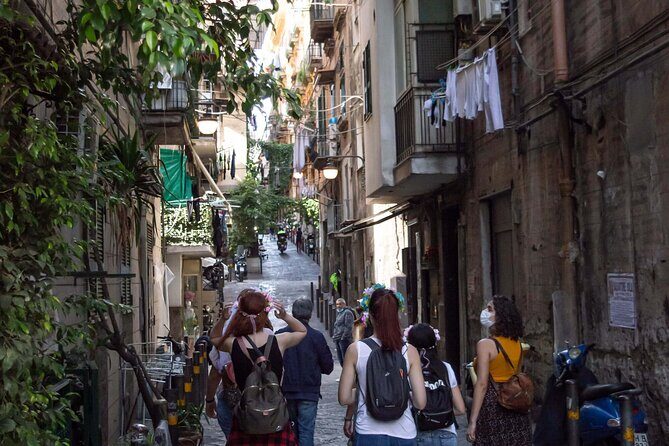
This guided 2 to 3 hour walk strings together Rome’s most recognizable sights into a logical route, so you’re not zigzagging through the city wondering what you’re looking at. I love how the guide spots the key details you’d miss on your own, and I also love the way the group gets set up for better photo moments even when the streets are crowded.
Next, two more reasons I liked it: each stop is treated as a main event, from the Pantheon’s dome to Trevi Fountain’s coin-toss tradition, and the stops are marked as free admission within the experience. The one drawback to factor in is simple: you’ll be walking through a very central, very popular area, so if your stamina is limited, build in extra patience for crowds and uneven sidewalks.
In This Review
- Key Highlights You’ll Care About
- Where the Tour Starts: Piazza del Popolo to Get Your Bearings
- People’s Square (Piazza del Popolo): Why This Stop Matters
- Spanish Steps: The Best Way to Handle Crowds Without Missing the Point
- Trevi Fountain: Coin Tossing With a Smarter Timing Plan
- The Pantheon: Dome Views and the Art of Not Rushing
- Piazza Navona: Bernini Fountains and the Perfect Ending Spot
- What Makes This Tour Worth Your Time (Beyond the Stop List)
- Tickets, Duration, and How to Think About Value
- Walkability and Weather: The Real-World Considerations
- Who Should Book This Walking Tour
- Should You Book The Marvels of Rome Tour?
- FAQ
- How long is the Marvels of Rome walking experience?
- Is the tour offered in English?
- Do I need to bring a printed ticket?
- Where do I meet the guide?
- Where does the tour end?
- Is there a limit on group size?
- Are admission tickets included for the stops?
- Is the tour suitable for someone with limited mobility?
- What happens if the weather is bad?
- What is the cancellation policy?
Key Highlights You’ll Care About
- Small group size (max 20): easier pace and more attention from the guide.
- Mobile ticket in English: less fuss, smooth start.
- A concentrated route: People’s Square to Piazza Navona in about 2–3 hours.
- Free admission at the major stops: you focus on seeing, not calculating entry fees.
- Guide-led photo strategy: the best “stand here” moments matter in Rome.
Where the Tour Starts: Piazza del Popolo to Get Your Bearings
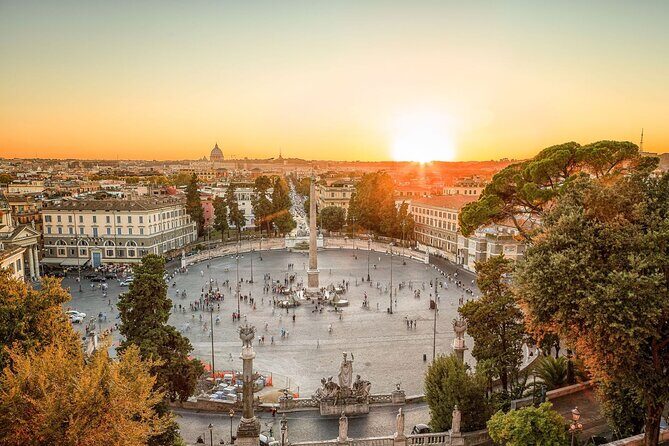
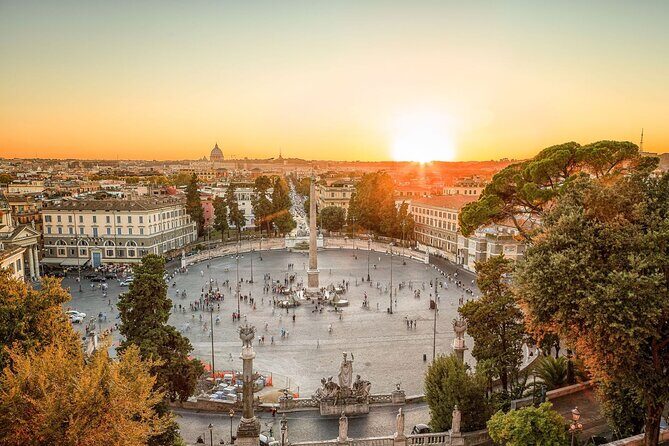
You begin at Basilica Parrocchiale di Santa Maria del Popolo, right on Piazza del Popolo (the People’s Square). It’s a smart start because this spot gives you a quick mental map of central Rome. Before you even move, you get context for why these places sit where they do, which makes the rest of the walk feel less like sightseeing bingo and more like a real stroll through the city’s layout.
The meeting point is also practical. It’s in a central zone with near public transportation, so it’s easier to reach if you’re hopping between neighborhoods. And you’ll be moving with a small group, not a massive crowd—up to 20 people means your guide can actually manage the flow.
You can also read our reviews of more tours and experiences in Rome.



People’s Square (Piazza del Popolo): Why This Stop Matters
This first “anchor” stop is about orientation and architecture. People’s Square is the kind of place where you can tell Rome plans were meant to impress—wide open views, major sightlines, and buildings that frame the space like a stage. Even if you’ve seen photos, being here in person helps you understand how Rome funnels foot traffic toward big landmarks.
A good guide also helps you notice what to look for right away: where the eye is drawn, how the buildings “hold” the square, and what historical layers you’re walking through next. This matters because the best Rome trips are the ones where you know what you’re seeing, not just where it is.
Spanish Steps: The Best Way to Handle Crowds Without Missing the Point
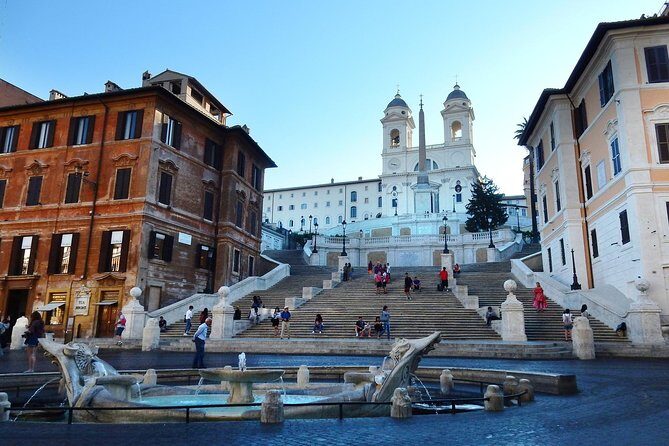
The next stop is the Spanish Steps, a staircase that always draws people—day or night. Here’s the key: the steps are less about climbing and more about watching the flow around them. You’ll see luxury boutiques and classic cafés nearby, but the real win is learning how the square works as a stage for street life.
The biggest practical tip you’ll take from a good guide in this kind of area is positioning. In crowded Rome, it’s easy to stand in the wrong spot and lose the view you came for. With the guidance of people like Camilla, Estefania, and Marianne (names that have stood out in recent guide feedback), you tend to get directed to photo angles that feel calmer and more intentional—so your pictures look like a plan, not like a scramble.
Trevi Fountain: Coin Tossing With a Smarter Timing Plan
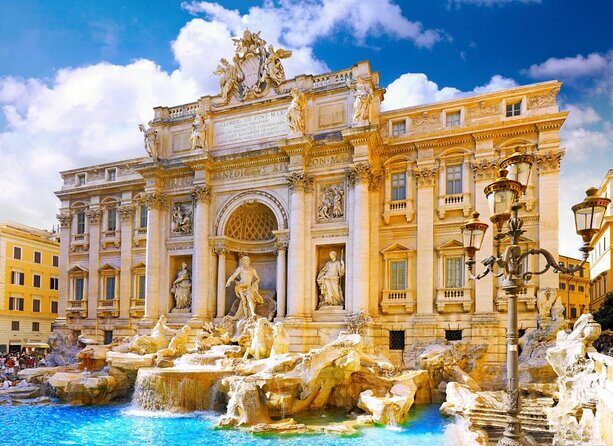
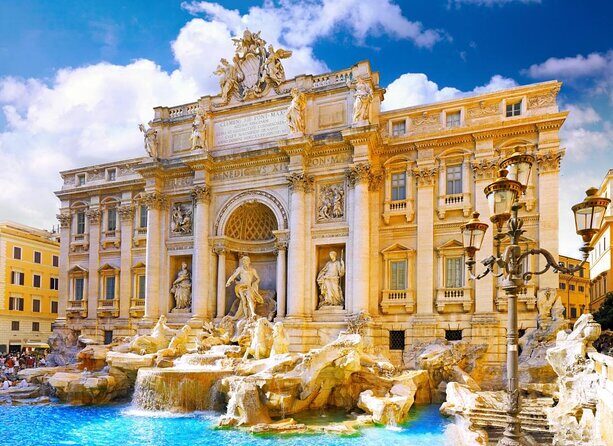
Trevi Fountain is iconic for a reason. It’s not just the size; it’s the drama of the design and the way the water becomes the center of gravity for the whole scene. The tradition is simple: toss a coin into the clear water and hope you’ll return to Rome. The fun is in the ritual and the crowd energy—though you’ll want a guide to help you navigate it.
This stop is short on purpose. About 20 minutes is enough to appreciate the fountain, take your photo, and do the coin toss without burning your whole walk. The value here isn’t lingering; it’s doing Trevi Fountain as a highlight within a broader route. If you try to “stall” here for an hour, the rest of your day gets squeezed.
Also, expect crowd density. That’s not a complaint—it’s Rome. Your best move is to treat this like a quick, focused visit: look, photograph, toss, then move on while your energy is still good.
The Pantheon: Dome Views and the Art of Not Rushing

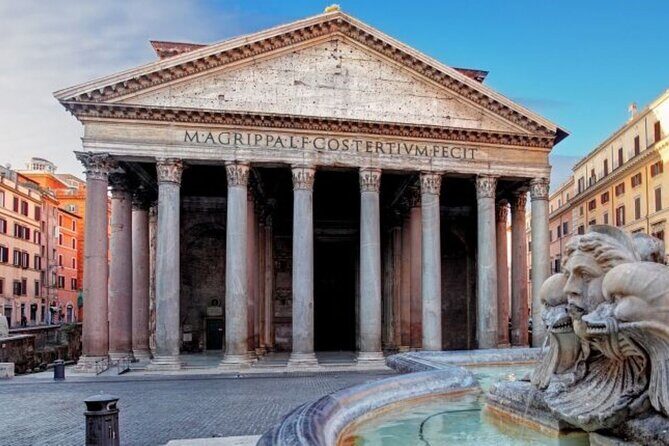
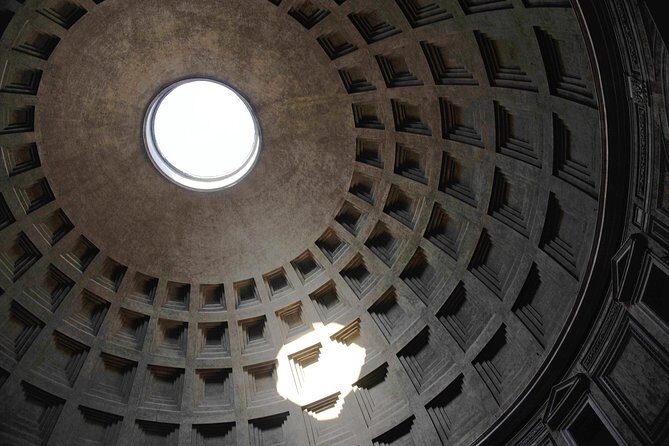
Then comes the Pantheon, and it’s the stop where Rome often clicks into place. Even if you’re not an architecture nerd, the building’s design speaks instantly. The dome is the headline, but the real payoff is learning how the space is composed: where your eyes go, how light behaves inside the structure, and why the Romans engineered it to feel both grand and controlled.
You’ll spend about 30 minutes here, which is a solid window. It gives you time to step in, orient yourself, and absorb the details without feeling rushed. The Pantheon is one of those places where you can look for five minutes and feel wow—or look for 15 minutes and feel like you understand why it still matters. A good guide helps you aim your attention so you don’t miss the best parts while you’re staring at the ceiling.
This stop also sets you up well for the final stretch. By the time you’re done with the Pantheon, Piazza Navona feels like the next page in the same story: grand public space, dramatic design, and people using the setting as part of the experience.



Piazza Navona: Bernini Fountains and the Perfect Ending Spot
Your walk ends in Piazza Navona, where Bernini’s fountains take center stage. This is a great finish because it’s lively in the human sense—street performers, café conversations, and lots of people circling the same focal points. The square works well as a closing scene because you can sit, snack, and let the day’s sights settle in.
Ending here also keeps you from feeling trapped by timing. You’re not sprinting to another monument right after a crowded fountain stop. Instead, you land in a place designed for lingering. If you want to turn your “tour time” into a real afternoon, Piazza Navona is a natural spot to do it.
What Makes This Tour Worth Your Time (Beyond the Stop List)
This experience earns its value by keeping the pacing tight and the storytelling focused. In Rome, the biggest problem with self-guided sightseeing is that you lose the thread: you see a lot, but you don’t connect the dots. Here, the guide’s job is to connect dots quickly—history, design, and practical context—so each stop has a reason, not just a name.
I also liked the small-group setup. With a max of 20 people, you’re less likely to feel like one of many bodies. That matters for photo stops. In reviews and word-of-mouth guidance, Camilla, Estefania, and Marianne came up as guides who work hard to get the group into good positions, even when the streets are packed. That effort shows in the overall experience: you spend less time fighting for angles and more time actually seeing.
Tickets, Duration, and How to Think About Value
The tour uses a mobile ticket, and the experience is offered in English. You’re also told you’ll receive confirmation at booking time. Those are small details, but they reduce friction—especially in Rome, where every “logistics step” adds stress.
As for value, the big thing is that each landmark on the route is listed as admission free in the experience. That doesn’t just save money. It saves decision-making time. You don’t spend your walk calculating whether you should pay, queue, or skip. You follow the route and focus on what you’re there for.
Duration is another part of value. At 2 to 3 hours, you get a concentrated highlight reel without swallowing your whole day. This is ideal if you’re doing other Rome plans too—meals, museums, or a separate longer attraction.
Walkability and Weather: The Real-World Considerations
The tour is rated for moderate physical fitness. Translation: you should be comfortable walking through central streets and handling typical Roman sidewalk unevenness and crowding. You don’t need athletic stamina, but you do need steady feet and some patience.
Weather is also a factor. This experience requires good weather. If it can’t run due to poor conditions, you’re offered a different date or a full refund. My advice: if your schedule is flexible, that insurance is fine. If your dates are very tight, plan for an alternate Rome activity nearby so you’re not stuck.
Who Should Book This Walking Tour
This is a strong fit if you:
- Want a guided introduction to Rome’s top sights without spending half the day planning.
- Prefer a small group over a bus full of people.
- Like structure, meaning you want stops connected into a route you can remember.
It may be less ideal if you:
- Struggle with walking in crowded city centers.
- Need long, slow time inside monuments. Some stops are intentionally brief so the overall route stays smooth.
Should You Book The Marvels of Rome Tour?
I think you should book it if you want a smart, efficient way to hit Piazza del Popolo, the Spanish Steps, Trevi Fountain, the Pantheon, and Piazza Navona in one guided flow. The combo of a small group, English narration, mobile ticket convenience, and free admissions at the main stops makes it feel like you’re paying for guidance, timing, and better photo positioning—not just a checklist.
If your ideal Rome day is slow, solitary, and flexible, you might prefer a self-paced plan. But if you want a guided route that helps you read the city while you’re in it, this one is an easy yes.
FAQ
How long is the Marvels of Rome walking experience?
It runs for about 2 to 3 hours.
Is the tour offered in English?
Yes, the tour is offered in English.
Do I need to bring a printed ticket?
No. You’ll use a mobile ticket.
Where do I meet the guide?
Your start point is Basilica Parrocchiale di Santa Maria del Popolo, Piazza del Popolo 12, 00187 Roma RM, Italy.
Where does the tour end?
You’ll end at Piazza Navona, 00186 Roma RM, Italy.
Is there a limit on group size?
Yes. The tour has a maximum of 20 travelers.
Are admission tickets included for the stops?
The experience lists admission ticket free for each stop on the route.
Is the tour suitable for someone with limited mobility?
The tour calls for moderate physical fitness. It may not be the best choice if you have trouble with walking in busy areas.
What happens if the weather is bad?
This experience requires good weather. If it’s canceled due to poor weather, you’ll be offered a different date or a full refund.
What is the cancellation policy?
You can cancel for a full refund up to 24 hours in advance. Within 24 hours, the amount paid is not refunded.