REVIEW · COLOSSEUM TOURS
Small Group Tour of Colosseum and Ancient Rome
Book on Viator →Operated by Roman Vacations · Bookable on Viator
Gladiators and emperors, in one tight walk. This tour turns three famous sites into one storyline, with a guide who links arena life, Roman politics, and imperial power so you don’t just look at ruins. I especially like how it focuses on the best viewpoints while you move, so your photos don’t feel like an afterthought.
Two things I really like: the small group size (15 max) keeps you from being overlooked, and you get help planning where to stand for photos inside the Colosseum. One possible drawback: it’s a lot of ground in about 2.5 hours, so the pacing can feel nonstop if you prefer to linger or absorb slowly.
In This Review
- Small-Group Vibe Near the Colosseum
- Getting Reserved Entry at the Colosseum
- Inside the Arena: Gladiators, Weapons, and Best Photo Angles
- Roman Forum Walk: Power, Religion, and Caesar’s Final Rest
- Palatine Hill: Imperial Villas and the Emperors’ Daily Life
- How Much Time You Really Spend (and Why That Matters)
- What You’re Paying For: Tickets Plus Guide Time
- Guides You Might Meet: Storytellers With a Plan
- Best Photo, Best Comfort: What to Do Before You Go
- Should You Book This Colosseum, Forum, and Palatine Hill Tour?
- FAQ
- FAQ
- How long is the tour?
- Is admission included?
- What language is the tour offered in?
- How big is the group?
- Where do I meet the guide?
- What ID do I need for entry?
Small-Group Vibe Near the Colosseum
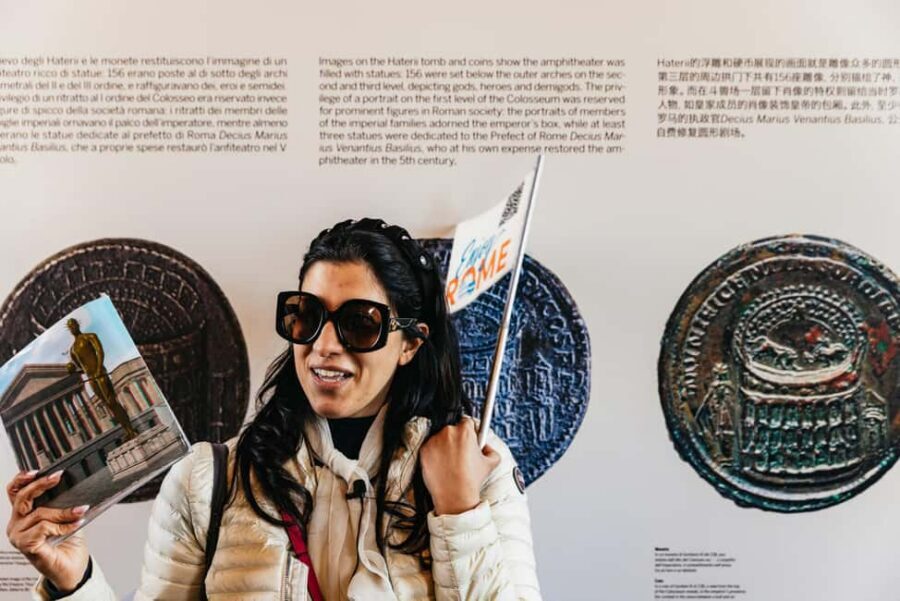
This is built for people who want their questions answered without fighting the crush. With a maximum of 15 people, you’re more likely to stay with the group, hear the guide clearly, and actually process what you’re seeing instead of doing mental triage.
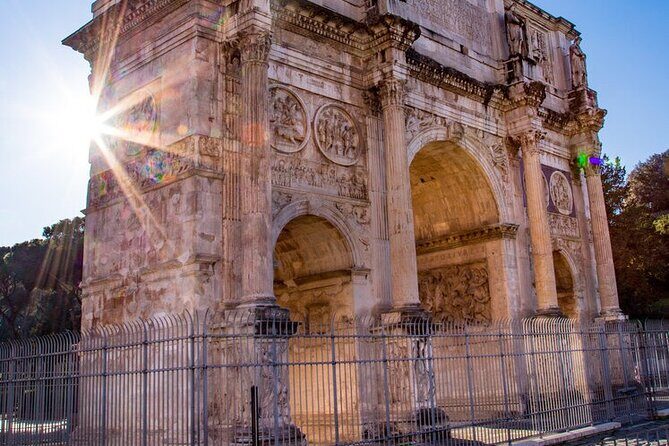
Check-in happens at Via dei SS. Quattro, 81 (Roman Vacations). The start location is close enough to the Colosseum area that you won’t waste your time crossing town, and the end is at/near the Arch of Constantine area. You’ll also get headsets when appropriate, which matters in the loud, crowded, windy parts of the site.
One more practical point: the Colosseum and Roman Forum require names to match your ID. You’ll need to provide full traveler names when booking, and bring a valid passport or ID document that matches. If you’re off even slightly, you can lose time—or risk being turned away at entry.
Getting Reserved Entry at the Colosseum
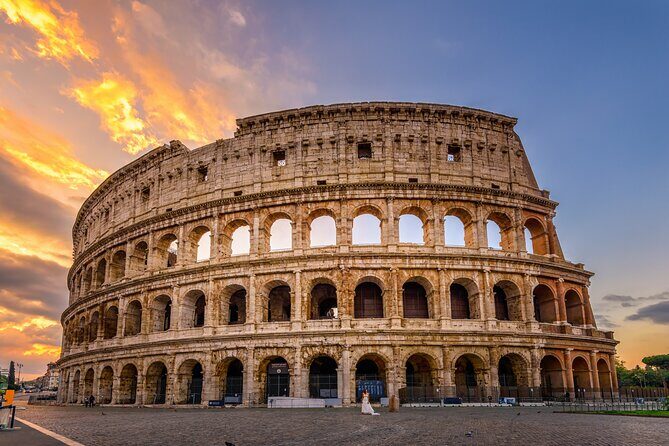
The Colosseum is the star. It’s also the bottleneck. This tour helps by bundling the Colosseum entrance ticket and a reservation fee into the experience, which is a big part of the value (not just the sightseeing).
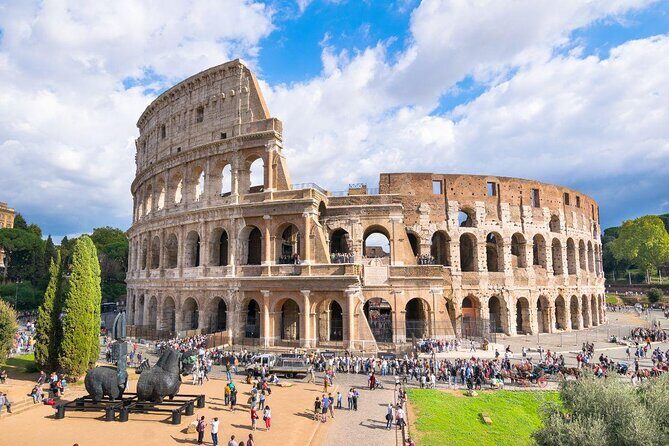
Once inside, you’ll hear how the building was designed for spectacle—what the spaces were for, why the sightlines work the way they do, and how the arena experience would have felt when crowds packed the stands. Guides on this route often bring the story to life with lots of concrete details (the kind that make you stop seeing it as stone and start seeing it as a working machine).
If you’re wondering about the “feel” of the narration, the guide names that show up in people’s feedback—Mircea, Marcello, Dimitri, Richard, Arturo, and Antonello—share a theme: storytelling plus structure. You’ll tend to get both the big picture and the small specifics that connect architecture to people’s lives.
You can also read our reviews of more tours and experiences in Rome.



Inside the Arena: Gladiators, Weapons, and Best Photo Angles
The best part of the Colosseum tour experience is that you’re not only touring. You’re learning how to look.
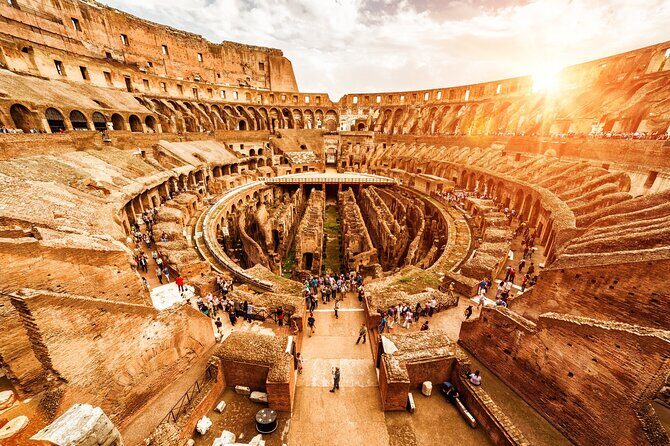
Your guide covers the lives of gladiators and the different weapons used in the fights. That may sound like trivia, but it changes what you notice. For example, instead of staring at the stone and arches, you start asking: Where would fighters have appeared? Where would spectators track the action? That turns the space into a set.
You’ll also get tips for impressive photo points from vantage areas inside the arena. In a complex site like this, a guide doing the “stand here, face that direction, wait for the light” routine can save you from wandering for 20 minutes and ending up with photos that don’t quite capture the scale. Even if you’re not a photographer, those moments help you see the Colosseum like a pro.
One reality check: the Colosseum is crowded, and entrance times are fixed. That’s why the pacing can feel quick. If your travel style is slow and contemplative, plan to focus on the moments the guide prioritizes, and don’t assume you’ll have unlimited time to roam.
Roman Forum Walk: Power, Religion, and Caesar’s Final Rest
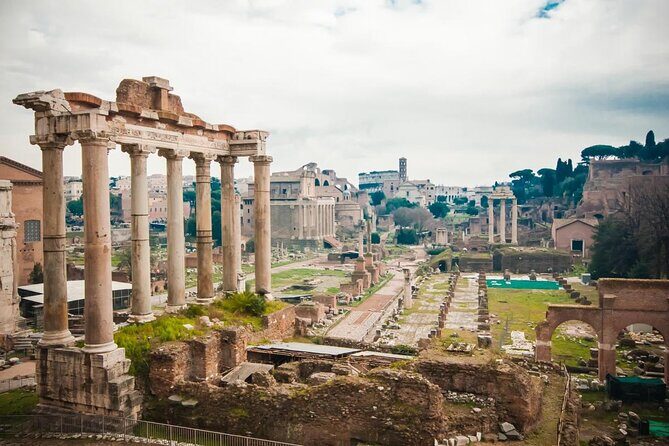
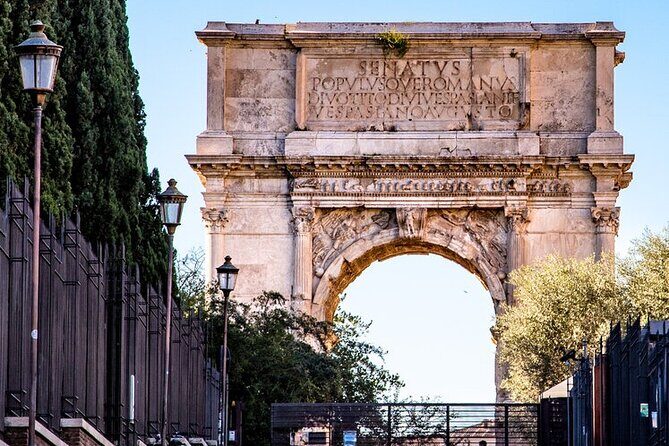
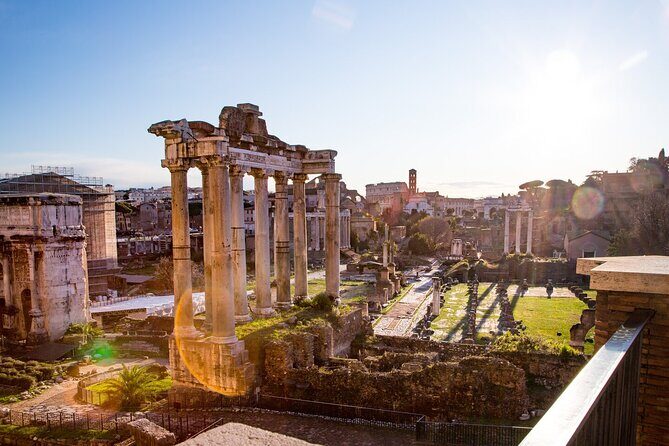
After the Colosseum, you move toward the Roman Forum, the ancient city’s political and ceremonial center. Even when much of it is in ruins, the place still hits hard because it’s a jumble of layers—temples, political buildings, and monuments that show how Rome structured power.
You’ll walk through the park in a way that emphasizes the “why it matters” sites. The route includes key areas near the Senate House and around spaces tied to law courts and triumphal arches. The tour also stops at the famous Temple of Julius Caesar, where his ashes were laid to rest. That detail does a lot of work—it makes the area feel like a real historical stage, not just archaeology.
What I like about this part is that it’s not only sightseeing. It’s context. When you understand that the Forum was the heart of the city—where decisions were made, ceremonies happened, and leaders were celebrated—it becomes easier to connect the dots between the Colosseum’s spectacle and Rome’s governance.
A drawback to keep in mind: the Forum has old paths and uneven ground. The group size helps, but if you have mobility limits or you dislike lots of walking, you’ll want to manage expectations.
Palatine Hill: Imperial Villas and the Emperors’ Daily Life
Palatine Hill is where Rome stops being a monument and becomes a story about lifestyles of power. You’ll climb up gentle slopes under pine trees, and the payoff is a sense of the hill’s role as an address for the elite.
This stop focuses on how rich Romans lived in luxury villas—then zooms out to the emperors’ world. The guide talks about the palace of the emperors and the daily rhythm of people who had enormous control over the empire. You’ll also hear the entertaining side of power, including the occasional madness that came with it (Rome’s leaders didn’t exactly play it safe).
Inside this setting, you’ll visit stately dining rooms and serene gardens. Even with everything in ruins, those descriptions matter because they help you picture the spaces as private, lived-in rooms—not just outlines on the ground. The tour ends at Domitian’s hippodrome, attached to the imperial palace, where the setting and views help you feel the layered change of this city over thousands of years.
This is also a good spot for photos, but again: the tour is timed. You’ll get meaningful viewpoints, not an all-day wandering pass.
How Much Time You Really Spend (and Why That Matters)
The total duration is about 2 hours 30 minutes. That’s short enough to fit into a busy Rome day, but long enough to hit all three major zones: Colosseum, Forum, and Palatine Hill.
The “why” behind the timing is simple: entry and movement constraints. The Colosseum has strict access schedules. The Forum and Palatine Hill involve walking between areas and stopping for key story points. Guides can’t just slow down on instinct; they need to keep the group on the right path for timed entry and crowd flow.
So here’s the practical advice: wear comfortable shoes and don’t schedule something tight right before or after. You’ll want water (the tour doesn’t include food or drink), and you’ll likely be walking continuously rather than taking long sit-down breaks.
If you’re traveling with teens or adults who want lots of narrative and big picture connections, this timing tends to work well. If your ideal day is “slow museums only,” you might find the pace a bit heavy.



What You’re Paying For: Tickets Plus Guide Time
At $36.28 per person, this tour is priced like a guided “priority entry + expert storytelling” package, not a bare-bones walk. You do get key ticket components included: Colosseum admission (valued at €18 per person) and a Colosseum reservation fee (valued at €2 per person).
The rest of your cost goes toward what’s harder to price: guide time, planning, managing timed entry, and the on-site systems (including headsets when appropriate). In other words, you’re paying to save effort and wasted time. You’re also paying for a guide who helps you understand what you’re seeing while you’re actually there.
This is also where the small group size matters. Larger groups can work, but they often turn the tour into a lecture where you can’t ask questions or adjust for your own pace. With 15 people max, your odds of getting real interaction improve.
Guides You Might Meet: Storytellers With a Plan
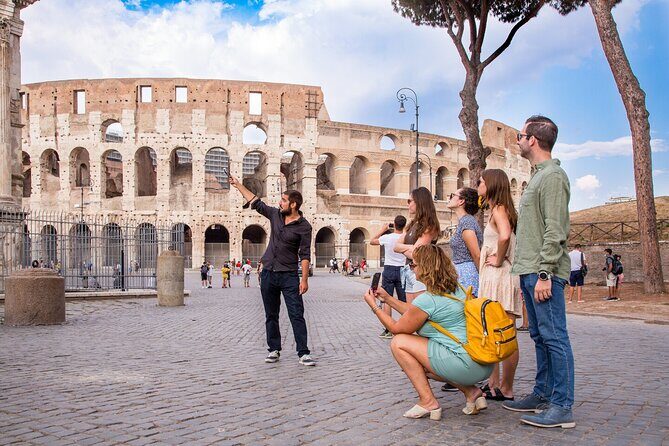
One of the most consistent themes in feedback is that guides make the difference. Names like Mircea, Marcello, Dimitri, Richard, Arturo, and Antonello come up repeatedly, and people commonly describe them as engaging, attentive, and willing to answer questions.
That matters because Colosseum-and-Forum tours can go two ways:
1) A facts-only run where you forget half of it by the exit gate.
2) A guided experience where architecture connects to people, politics, and spectacle.
This tour aims for the second mode. The best results come when the guide’s style matches your learning preference. If you like stories, you’ll probably enjoy it. If you prefer only a few highlights, you might need to focus your attention and ignore the urge to absorb every detail.
Best Photo, Best Comfort: What to Do Before You Go
Because you’ll be outdoors for stretches of time, plan like Rome summer or spring could hit you. Bring a water bottle, and wear shoes you trust. This isn’t “walk in nice sandals and enjoy the vibe.” You’ll be on stone, uneven surfaces, and crowded lanes.
If you care about photos, don’t wait until you’re already tired. Use the guide’s photo advice at each stop, since they’re aiming for specific vantage points inside the Colosseum and key angles around the Forum and Palatine Hill.
And if you want better photos with less stress, keep one mindset: move with the group first, then pause for shots where the guide tells you. You’ll come away with images that look like the Colosseum’s scale, not just random angles.
Should You Book This Colosseum, Forum, and Palatine Hill Tour?
If you want a guided plan that covers the big three—Colosseum, Roman Forum, Palatine Hill—without wasting time figuring out what matters, I’d lean yes. The small group size, reserved entry, and photo point guidance are the kinds of practical perks that make the difference on a first visit.
Book it if:
- You like history explained in plain, story-driven ways.
- You want to ask questions and stay with the group.
- You’re okay with brisk pacing and lots of walking in about 2.5 hours.
Skip or adjust your expectations if:
- You’re sensitive to fast-paced tours and want lots of slow wandering.
- You need frequent stops to rest or to go at your own pace.
- You dislike tours that move continuously with timed constraints.
FAQ
FAQ
How long is the tour?
It runs about 2 hours 30 minutes (approx.).
Is admission included?
Yes. Admission to the Colosseum, Roman Forum, and Palatine Hill is included, with the Colosseum reservation fee also covered.
What language is the tour offered in?
The tour is offered in English.
How big is the group?
The maximum group size is 15 travelers.
Where do I meet the guide?
The start point is Via dei SS. Quattro, 81, 00184 Rome (you check in at Roman Vacations at that address).
What ID do I need for entry?
You must bring a valid passport or ID document that matches the name you provided when booking, since names must match for Colosseum and Roman Forum entry.