REVIEW · COLOSSEUM TOURS
Small-Group Colosseum Tour with Roman Forum & Palatine Hill
Book on Viator →Operated by Walks - Italy & Spain · Bookable on Viator
Rome’s biggest stage, in one morning.
This small-group tour is a smart way to see three heavyweight ancient sites without spending your whole day playing map app. You start at a metro-accessible meeting point opposite the Colosseum, then move through the Colosseum, the Roman Forum, and up to Palatine Hill with reserved passes and a guide who keeps the story moving. You’ll also get built-in listening support: headsets kick in for groups of six or more.
I particularly like the tight pacing: about 3 hours total, with enough time inside the Colosseum to feel like you actually went there and enough time in the Forum to understand what you’re looking at. I also love that you’re not just doing “ruins sightseeing”—the tour includes specific details like how emperors used hand signals in gladiator condemnations and what daily gladiator life looked like.
One drawback to plan for: this is real walking with stairs at the Colosseum and a hill climb at Palatine Hill. If heat and steps are an issue, you’ll want to go slow, drink water, and be ready for a moderate fitness workout.
In This Review
- Key highlights worth getting excited about
- A 3-hour circuit that makes ancient Rome feel readable
- Meeting near Via delle Terme di Tito and the 11:15 start rhythm
- Inside the Colosseum: reserved entry, tiers, stairs, and gladiator details
- The Roman Forum’s politics-and-everyday-life story (45 minutes that can feel longer)
- Up Palatine Hill: Romulus and Remus, palaces, and the feeling of power
- Upgrade to private: when one-on-one changes everything
- Price and value: what the $83.44 actually covers
- The walking plan: how to survive the heat, stairs, and photo stops
- Guide quality makes or breaks it (and you can steer the odds)
- Should you book this Small-Group Colosseum + Forum + Palatine tour?
- FAQ
- How long is the Colosseum, Roman Forum, and Palatine Hill small-group tour?
- Is the Colosseum ticket included in the price?
- What time does the tour start?
- How big is the group?
- Do I get a headset?
- Where do I meet the guide?
- Is hotel pickup included?
- What physical condition do I need?
- What IDs do I need to bring?
- Can I cancel and get a refund?
- Where does the tour end?
Key highlights worth getting excited about
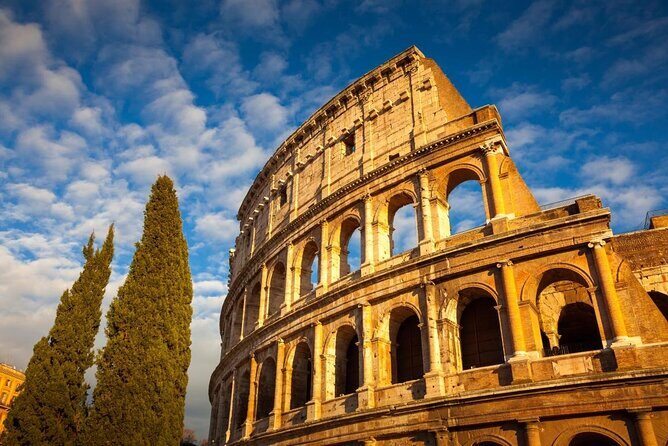
- Small group size (max 8 guests): easier navigation than big-bus crowds, with more time for questions.
- Reserved entry to the Colosseum: you bypass crowds and go in on a scheduled pass.
- First and second tiers of the Colosseum: you’re not stuck staring from the ground.
- Roman Forum routing that makes ruins make sense: stops include the kinds of structures people actually used daily.
- Palatine Hill + Romulus and Remus: the founding legend ties the hill to why Romans cared about power.
A 3-hour circuit that makes ancient Rome feel readable
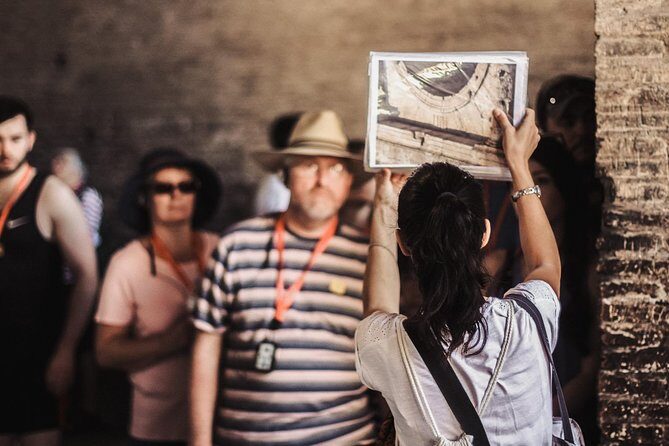
If Rome can feel like a blur of stone and street corners, this route helps you build a mental map fast. You move through three linked places—where games happened (Colosseum), where politics and status were performed (Roman Forum), and where myth and residence overlapped (Palatine Hill).
What makes it work for me is the order. You start with the stadium experience first, while the Colosseum is still visually overwhelming. Then you step into the Forum, where the ruins can otherwise feel like random piles. Finally, you go up Palatine Hill, where the legend of Romulus and Remus helps explain why people romanticized this spot long after the empire aged.
You can also read our reviews of more tours and experiences in Rome.



Meeting near Via delle Terme di Tito and the 11:15 start rhythm

You meet at Via delle Terme di Tito, 72, which puts you close enough to get going without a long commute. The tour start is 11:15 AM only, so you’re committing to a midday-to-early-afternoon window rather than a first-thing-in-the-morning stroll.
This matters because your pace is guided, not self-paced. The schedule is built around access to the Colosseum and then moving through the Forum and up Palatine Hill within the time box. If you’re the kind of person who loves lingering, you’ll still get good moments—but you’ll also feel that the clock is there.
If you can, keep your expectations simple: arrive a few minutes early, bring water, and treat it like a guided walk with major stops rather than a slow museum tour.
Inside the Colosseum: reserved entry, tiers, stairs, and gladiator details
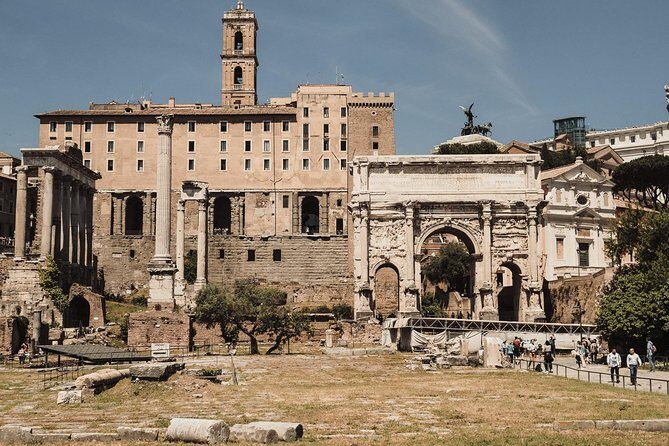
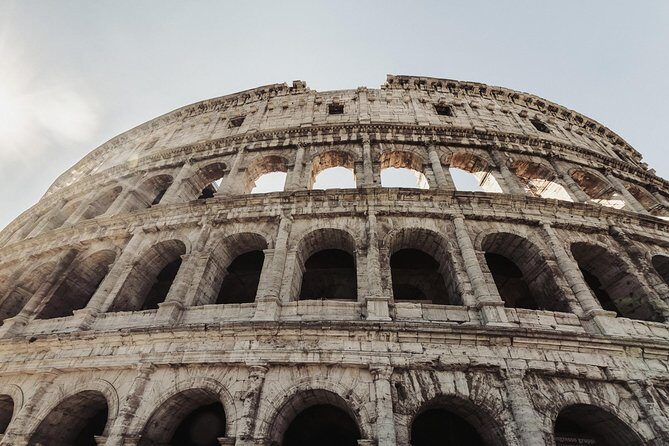
Your first real moment is the Colosseum. The big win here is the pre-reserved passes, which help you avoid the worst crowd bottleneck. Your guide leads you inside, up through stairs, and through the arches for early views of the interior.
Once you’re in, you explore the first and second tiers. That’s a useful choice. From the ground, the Colosseum can look like one huge empty shell. Up higher, it starts to feel like architecture made for movement and spectacle—walkways, sightlines, and the whole geometry of showtime.
And this tour is not shy about the human side. You get stories about gladiators who fought by choice (or not), emperors who decided their fate, and even the “captive audience” energy—there’s mention of graffiti that still marks areas of the walls. One of the more specific and memorable details is the talk about hand signals emperors used to condemn combatants. That kind of detail helps you picture decisions happening in real time, not just reading about them later.
Practical note: there’s waiting even with reserved entry. A few people reported delays getting into the monument, and that’s normal in a place as busy as this. The guide usually builds in small breaks for photos once you’re inside.
The Roman Forum’s politics-and-everyday-life story (45 minutes that can feel longer)
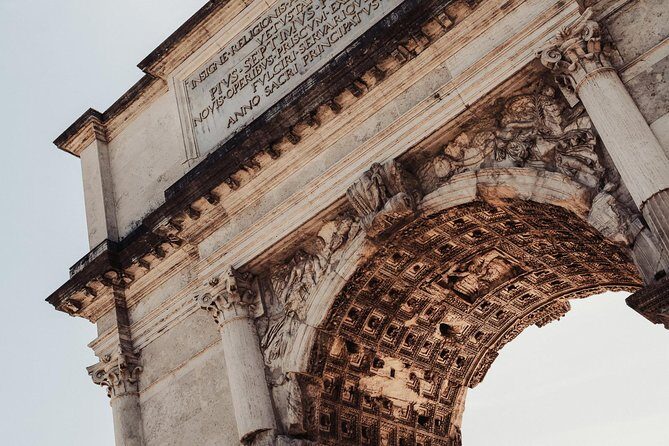
Next you head to the Roman Forum, the empire’s public heart—where power, commerce, and daily routine collided. The guide’s job here is crucial: ruins without context can look almost the same. With a good historian-style guide, you start seeing differences that reflect what each building was for.
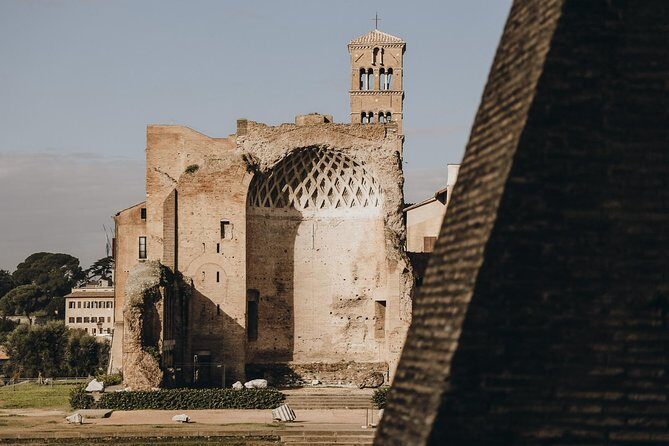
You’ll pass recognizable highlights on the walk toward the Forum area, including the Temple of the Vestal Virgins, the final resting place of Julius Caesar, and the Arch of Constantine. Even if you’ve seen those names on signs before, hearing how they connect to the daily rhythm of Roman life can make the whole area click.
Inside the Forum, the tour focuses on how the place functioned. The explanation includes ideas like noticing subtle differences between structures to identify whether something was tied to a shop, a public bath, or other common uses. It’s the difference between “I saw columns” and “I understand why people walked here every day.”
The time here is about 45 minutes. That’s not long enough to wander, re-wander, and get lost—good news if you want clarity. If you’re someone who loves slow exploration, you may want to save extra time afterward on your own, since the Forum rewards extra wandering.
Up Palatine Hill: Romulus and Remus, palaces, and the feeling of power
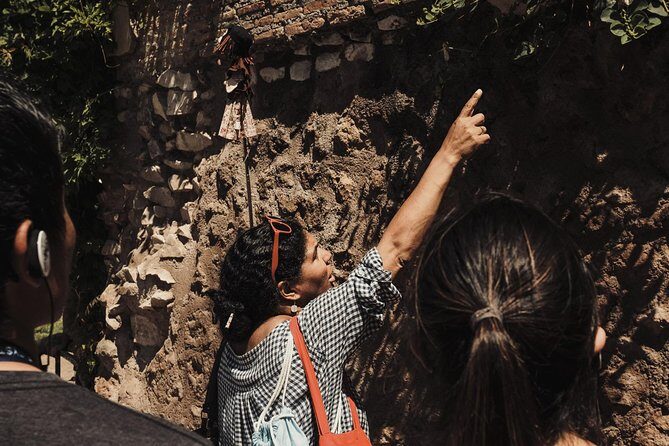
Finally, the tour moves to Palatine Hill. This part is both physical and emotional. You climb to see the palaces of Palatine Hill, but the story doesn’t start with marble—it starts with myth.
You’ll hear the legend of Romulus and Remus, the twins associated with Rome’s founding and the she-wolf story. That matters because Palatine Hill isn’t just “where you can view ruins.” It’s tied to the idea that political authority grew from sacred origins and elite residence—an empire building its own origin story.
You pause during the visit to take in the legend and connect it to why the Romans would have cared so much about this space. The tour stay is about 45 minutes, so again: enough time to feel the place, not enough time to become an amateur archaeologist on your first pass.



Upgrade to private: when one-on-one changes everything
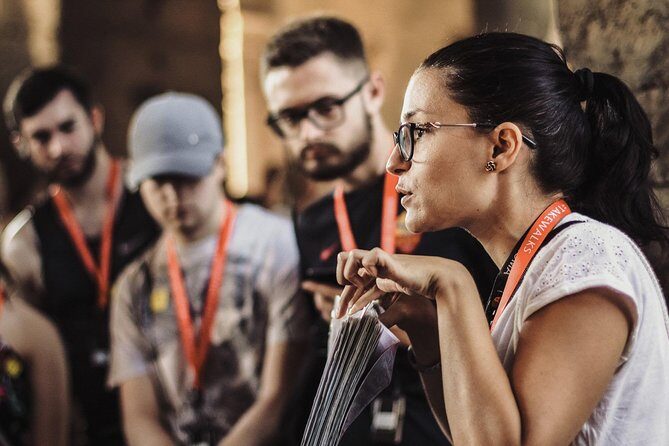
The tour includes an option to upgrade to a private tour for undivided attention. This is especially worth considering if you:
- travel with teens who want answers on demand,
- have mobility needs and want to pace more closely with the guide,
- or simply don’t want to compete for the best photo spots and the next explanation.
In a private setup, your guide can tailor the pacing. For big monuments like these, that can mean fewer “wait while we regroup” moments and more time where you feel curiosity.
Price and value: what the $83.44 actually covers
At $83.44 per person, this isn’t the cheapest way to see the Colosseum. But it’s also not just paying for entry. The value is in the package:
- Colosseum entrance ticket included, tied to the monument ticket set for the Colosseum/Forum/Palatine area (not just a single stop).
- A Colosseum reservation fee (listed as €2 per person in the tour details).
- An expert guided walking tour across all three sites.
- Headsets for groups of six or more, so the guide doesn’t get swallowed by the crowd noise.
- The payoff: you avoid the “I paid entry, now how do I make this make sense?” problem.
If you’re comparing to doing this alone, the trade-off is simple. Self-guided can be cheaper, but you’ll spend more time figuring out what you’re looking at and where to go next. With a guide, you pay for interpretation and for smoother movement between monuments.
Also, the tour is booked about 58 days in advance on average. That’s a hint: if your dates are fixed, don’t wait until the last couple of weeks.
The walking plan: how to survive the heat, stairs, and photo stops
This tour expects a moderate fitness level. You’ll walk a lot and climb stairs at the Colosseum. You also climb up to Palatine Hill. If you’re traveling in warmer months, build your strategy around comfort, not just stamina.
Here’s what I’d do:
- Wear shoes with real grip. Stone can be slick.
- Bring water and plan to drink early, not when you feel thirsty.
- Slow down before you get tired. The route is guided, but your body decides your pace.
- Be ready for long moments inside crowded spaces. Even with reserved entry, the Colosseum can be packed.
One thing I appreciate from guide behavior patterns in the feedback: some guides keep an eye on safety and pacing. People specifically noted shade breaks and attention to the group in hot conditions. That’s the difference between a “walk and hope” tour and one led by someone who manages the human side of the plan.
If you need elevator access for steps, plan to ask the guide if your group route uses the options available inside the Colosseum complex. (The tour details don’t spell out accessibility mechanics, so you’ll want clarity before you commit to stair-heavy days.)
Guide quality makes or breaks it (and you can steer the odds)
Most guide write-ups for this experience are strongly positive. Names that show up with praise include Laura, Paula, Eddy, Amber, Davide, Emanuel, Marco C., Julia, Francesca, Emily, Gigi, and Sara—often for the same pattern: detailed storytelling, clear explanations, and enough engagement that the ruins stop feeling like empty landmarks.
That said, there can be variability. A small number of people described problems like a guide who didn’t talk much, trouble with English, or an experience that felt rushed or off-topic. I can’t predict your specific guide, but you can protect yourself by:
- coming with questions you want answered (gladiators, emperors, daily life, myth),
- using the headset so you can actually hear everything clearly,
- and speaking up if you feel lost or the tour pace isn’t working for you.
When the guide is strong, the stories stick. When the guide is weak, you’ll wish you’d booked a more active tour.
Should you book this Small-Group Colosseum + Forum + Palatine tour?
I think this is a great choice if you want three top ancient sights with a plan, not a puzzle. The small group size (max 8) is a real quality-of-life upgrade in a place that can otherwise feel like shoulder-to-shoulder chaos. You also get reserved access and headsets, which helps you spend your energy on seeing, not decoding.
Book it if:
- you want skip-the-line style reserved entry,
- you like explanations that connect ruins to real Roman life,
- and you’re okay with walking and stairs.
Skip it or rethink if:
- you’re looking for a slow, independent exploration with maximum wandering time,
- you struggle with hills and steps,
- or you prefer a hands-on, self-guided experience over a strict time plan.
If you do book, treat it like your best “first pass” through ancient Rome. Then, if you still have energy, you can return on your own later for extra wandering—this tour gives you the roadmap.
FAQ
How long is the Colosseum, Roman Forum, and Palatine Hill small-group tour?
It lasts about 3 hours.
Is the Colosseum ticket included in the price?
Yes. Colosseum entrance tickets are included, covering the Colosseo, Foro Romano, and Palatino ticket.
What time does the tour start?
The tour has an 11:15 AM start time only.
How big is the group?
This is a small-group tour with a maximum of 8 guests (and the experience is listed with a maximum of 16 travelers overall).
Do I get a headset?
Yes. Headsets are offered for groups of six or more.
Where do I meet the guide?
The meeting point is Via delle Terme di Tito, 72, 00184 Roma RM, Italy.
Is hotel pickup included?
No. Hotel pickup and drop-off are not included.
What physical condition do I need?
You should have moderate physical fitness. It’s a walking tour, and you should be able to keep a moderate pace.
What IDs do I need to bring?
A government-issued ID or passport is required for all participants, and the full names must match the names on the booking.
Can I cancel and get a refund?
The tour is fully refundable up to 7 days prior to the experience. Within 7 days, it’s 100% non-refundable.
Where does the tour end?
It ends in the Roman Forum area.