REVIEW · VATICAN CITY
Skip the line fast Entrance Tickets: Vatican Museums & Sistine Chapel
Book on Viator →Operated by Travel In Rome · Bookable on Viator
Your day at the Vatican can be painless.
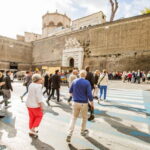
This experience is built for the real-world problem in Rome: long, hot admission lines. With prebooked direct access to the Vatican Museums and Sistine Chapel, you spend less time queuing and more time actually seeing the art. Even better, you get to roll through major highlights like the sculpture-filled museum complex, the Raphael Rooms, and then the Sistine Chapel ceiling.
Two things I really like: first, the focus on saving time with skip-the-line entry where it matters most. Second, the route is short enough to feel doable—about 2 to 3 hours—so you’re not stuck in “Vatican all day” mode.
One drawback to plan around: even with priority entry, you’ll still go through mandatory security checks, and you’ll need to handle the voucher-to-ticket step correctly (paper ticket exchange, right meeting point, and a proper dress code).
In This Review
- Key takeaways before you go
- Is Skip-the-Line Vatican Access Worth It?
- The Real Logistics: Ticket Pickup, Paper Tickets, and the Correct Address
- Your Dress Code and What to Pack (So You Don’t Get Turned Away)
- Vatican Museums: How the Time-Saver Works in Practice
- Stanze di Raffaello (Raphael Rooms): The Fast Stop That Packs a Punch
- Sistine Chapel: What You Should Focus On (Besides the Crowd Noise)
- If You Upgrade: What a Guide Adds (And What It Doesn’t)
- Walking, Timing, and How to Make This Fit Your Rome Plan
- Value Check: What You’re Actually Paying For
- Who This Tour Suits Best
- Should You Book This Vatican Skip-the-Line Ticket?
- FAQ
- Where is the ticket redemption point?
- How long does the visit take?
- What does the ticket include?
- Do I need a guide?
- What are the dress requirements?
- Do I need to bring identification?
- Can the Sistine Chapel close on some dates?
Key takeaways before you go

- Direct access cuts down the scariest part of the Vatican visit: the entry queue
- Vatican Museums + Raphael Rooms + Sistine Chapel in one compact outing
- You must do the ticket exchange at the redemption point before you enter
- Security still exists, so expect a little slowdown despite the skip-the-line promise
- Pack light: you’ll leave big bags and gear in the cloakroom
- Dress code is non-negotiable: covered knees and shoulders
Is Skip-the-Line Vatican Access Worth It?
Let’s be honest: the Vatican is famous for crowds, and those crowds show up everywhere—lines, corridors, and the small bottlenecks that form around popular rooms. Paying for a skip-the-line ticket isn’t about buying luxury. It’s about buying time, because the longest wait is the one before you even step into the Museums.
This ticket is priced at $53.25 per person and is typically booked about 17 days in advance. That advance timing matters because it helps you lock in an entry window when availability is better. When you’re traveling in summer or on a busy schedule, the value isn’t just convenience; it’s avoiding the “we’ll see, if the line dies down” gamble.
Also, this is a short visit by Vatican standards—about 2 to 3 hours. That’s a practical sweet spot. You’ll cover the big visual hits without needing to plan an entire day just for one complex. If you’re pairing the Vatican with other Rome stops, this structure can save you from schedule headaches.
You can also read our reviews of more tours and experiences in Vatican City


The Real Logistics: Ticket Pickup, Paper Tickets, and the Correct Address
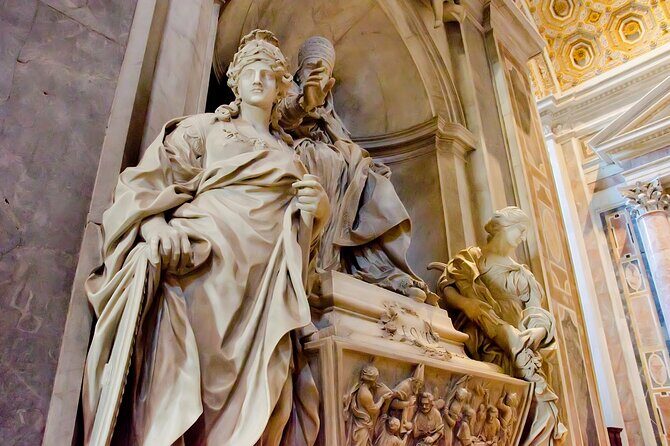
Here’s where your experience can either feel smooth or feel annoying: the ticket exchange step.
Your redemption point is listed as Via Germanico, 40, 00192 Roma. In real life, that kind of “very specific address” is where mistakes happen. I’d treat it like a must-do accuracy test: if the voucher instructions don’t match exactly, pause and confirm before you walk up expecting the wrong number to work.
A recurring theme you should take seriously: you may need a paper ticket rather than using something purely electronic. So don’t plan on showing a phone screen at the gate and calling it done. Instead, plan to swap your voucher for the ticket you’ll need to enter.
Bring your passport or driving license because Vatican security requires identification checks. If your name on the booking doesn’t match your ID, the ticket can become unusable. So double-check the spelling on your booking before you travel.
Finally, arrive with realistic expectations about delays. Even with skip-the-line access, security checks can still take time. Think of skip-the-line as “less waiting at entry,” not “zero waiting.”
Your Dress Code and What to Pack (So You Don’t Get Turned Away)
The Vatican enforces a dress code for places of worship: your knees and shoulders must be covered for both women and men. This isn’t about being stylish—it’s about passing the door rule. I recommend planning your outfit like you’re visiting a church that’s strict about coverage: bring a light layer if your tank tops or shorts are borderline.
For what to bring: the museums use a cloakroom system, and you’ll need to store luggage, backpacks, tripods, etc. before entering. That means if you show up with a giant daypack, you’ll spend extra time dealing with storage—time you’re trying to save by booking skip-the-line.
My practical advice: travel with a smaller bag you’re comfortable leaving behind only if you must, and keep what you bring simple. Water is a must in summer, but don’t assume every room allows every item without rules—follow museum staff guidance and keep it easy.
Vatican Museums: How the Time-Saver Works in Practice
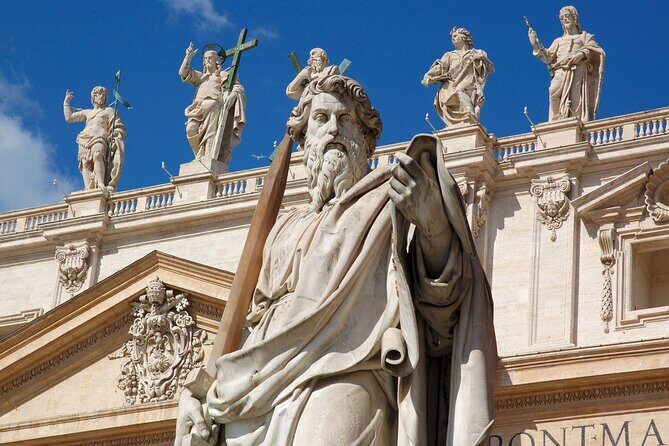
Once you’re through entry, the Vatican Museums can feel like a maze of rooms that all deserve longer attention. The good news is that your time here is designed to be efficient.
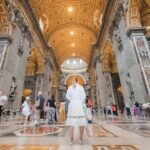
You’ll move through a sequence of museum spaces featuring sculpture, artifacts, and antiquities, including major collections such as the Pio-Clementine museum, the Chiaramonti Museum, the Etruscan museum, and the Egyptian museums. If you enjoy seeing how different civilizations were displayed and collected, this variety is part of the point. You get a sense of the Vatican’s collecting power, not just one theme stretched across a single hallway.
One standout you should plan for is the Pinacoteca gallery. This is where painting becomes the focus after the sculpture-and-antiquities momentum. The experience often feels like your eyes are being trained to notice scale and detail—how Renaissance artists and classical subjects both get framed by the museum environment.
You’ll also encounter artworks tied to Rome’s larger “golden era” storytelling, which can be surprisingly fun even if you’re not a museum expert. The Museums can be overwhelming, but when you’re not stuck in line, you have enough energy to slow down for what catches your attention instead of rushing everything.
A drawback to be aware of: this is still a big building with lots of walking. Even when you skip the worst queue, you’re not avoiding the physical reality of the museum complex.
Stanze di Raffaello (Raphael Rooms): The Fast Stop That Packs a Punch

Next you’ll reach the Stanze di Raffaello, also called the Raphael Rooms. This part matters because it bridges the museum world to the Sistine Chapel world.
The Raphael Rooms include frescoes by Raphael Sanzio da Urbino, and the context here is powerful: Raphael was a major figure of the Renaissance, and he also worked in the same broad cultural orbit as Michelangelo’s circle. Even if you don’t know the timeline by heart, you’ll feel the shift in style when you walk into rooms dominated by fresco scenes.
This stop is shorter—about 30 minutes—so it’s not the place to panic about seeing everything. Instead, treat it like a “get the look and understand the vibe” room. Pick a few frescoes to really notice, especially faces, expressions, and composition. That way you walk out feeling like you learned something, not just passed through.
If you choose an upgraded option with a guide, this is also where a guide can help you connect what you’re seeing to Vatican history and artistic purpose. Without a guide, it still works—you’ll just rely more on your own eye.
You can also read our reviews of more museum experiences in Vatican City



Sistine Chapel: What You Should Focus On (Besides the Crowd Noise)
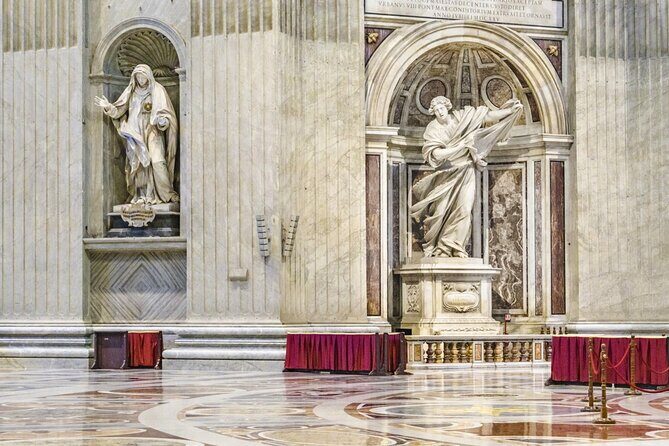
Finally, the Sistine Chapel. Even people who think they’re not “art people” usually get hit with the ceiling immediately. This is the room where the Vatican goes from impressive museum to almost unreal visual intensity.
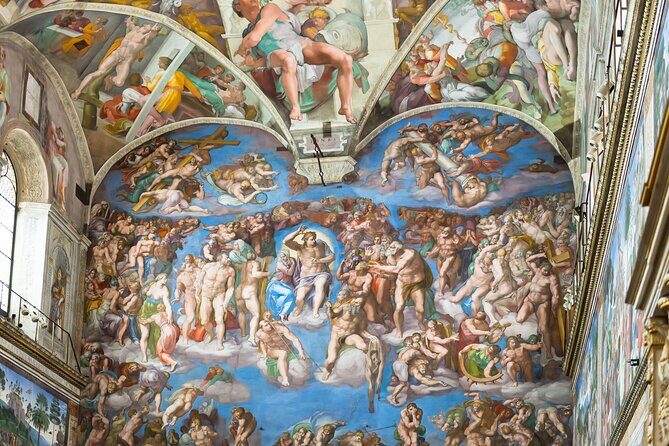
You’ll see Michelangelo’s most famous work, including the ceiling scene The Creation of Adam. The ceiling artwork is the main event, and it’s worth stepping back and letting your eyes do the traveling—because the details don’t read the same way up close.
The altar wall includes The Last Judgement, another Michelangelo landmark. Even if you’ve seen images before, the scale and presence in the chapel space changes how the work lands.
On the side walls, you’ll also find other significant artworks by Renaissance painters, which helps broaden the chapel beyond just Michelangelo. That matters because it turns the chapel into a wider story space, not a single-artist billboard.
A practical note: the chapel experience can feel intense, mostly because everyone is looking up. Keep your movements calm and follow posted guidance. This is also why having priority access helps—you’re more likely to get in with enough energy to actually absorb what’s in front of you.
When you exit, you’ll have the chance to get a quick look at St. Peter’s Basilica. Don’t plan a long detour unless you have spare time, but do take advantage of the nearby moment to see one of the world’s most recognizable church interiors from the outside area.
If You Upgrade: What a Guide Adds (And What It Doesn’t)
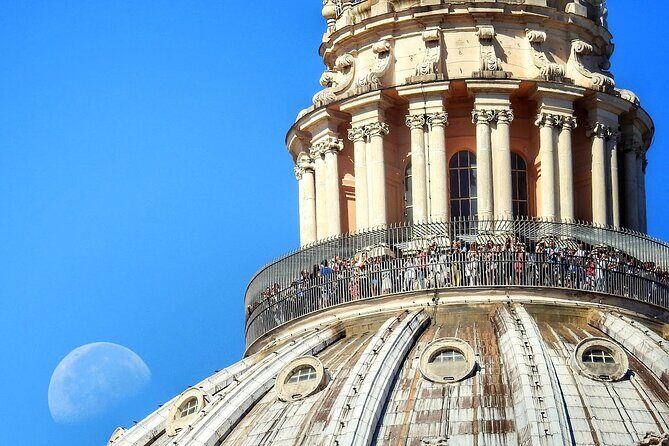
An optional upgrade can add a professional guide, which can be a smart move if you want more context tied to Vatican history and the meaning behind what you’re seeing.
Here’s the honest balance: a guide won’t erase the crowds, and they won’t turn a 2 to 3 hour experience into a slow museum day. What they can do is help you translate the art into something you carry home—like what Raphael’s rooms were designed to communicate, or why specific chapel themes were chosen.
If you’re someone who likes understanding what you’re looking at, a guide can make the same rooms feel richer. If you prefer to roam with your own pacing, the self-guided flow still works well—just plan to slow down for a few key ceiling sections and fresco rooms rather than trying to absorb everything.
Walking, Timing, and How to Make This Fit Your Rome Plan
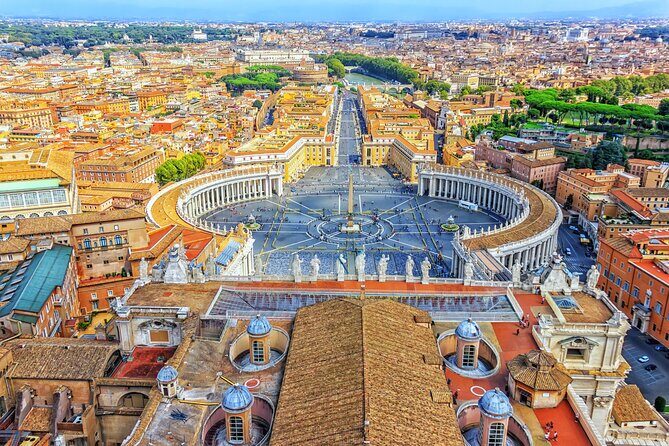
This outing is compact: about 2 hours in the museum sequence, roughly 30 minutes in the Raphael Rooms, and about 20 minutes in the Sistine Chapel area. That totals just under the “2 to 3 hours” range, with real-world time for moving between rooms and security.
So how do you make it feel good, not rushed?
- Go in ready to walk. Comfortable shoes are your real upgrade.
- Take breaks only when you naturally find space; don’t plan long sitting.
- Pick a personal priority. For me, that’s the Sistine Chapel ceiling and a few Raphael fresco moments—everything else becomes bonus.
Also think about the day’s weather. This experience “requires good weather.” If weather conditions affect operations, you may be offered a different date or a full refund. Practically, that means you should book when your schedule has flexibility.
Value Check: What You’re Actually Paying For
At $53.25, this is not the cheapest way to enter the Vatican. But the “what you’re buying” is clear: you’re buying less time in the worst bottlenecks and more time inside the art spaces.
If you’re traveling with limited days in Rome or you’ve built a day around seeing multiple major sights, time saved is worth real money. In that scenario, paying for skip-the-line access can be cheaper than losing half a day to queues.
On the other hand, if your schedule is loose and you’re not bothered by waiting, you might decide this price isn’t worth it. The value equation changes based on how many hours you can spare and how important it is to keep your plan intact.
Who This Tour Suits Best
This experience fits best if you:
- want big Vatican highlights without turning it into a full-day commitment
- are visiting during crowded months and want to reduce line stress
- prefer a structured route with enough time to actually look
It may be less ideal if you:
- want a slow, deep museum day (this is compact by design)
- struggle with walking in crowded interiors
- don’t want to deal with ticket exchange steps and dress code rules
Should You Book This Vatican Skip-the-Line Ticket?
I’d book it if you want the Vatican’s main hits without losing hours to entry lines. The short duration and direct access make it a smart choice for most first-timers—especially if you’re doing more than one major Roman attraction in a single trip.
But I’d also set yourself up for success: confirm the correct Via Germanico, 40 redemption point, bring your passport or driving license, plan for paper ticket exchange, and dress for the Vatican rule (covered knees and shoulders). If you handle those details, the experience is exactly what you want it to be: a faster route into rooms that are worth every step.
FAQ
Where is the ticket redemption point?
The ticket redemption point is Via Germanico, 40, 00192 Roma RM, Italy.
How long does the visit take?
It’s listed as approximately 2 to 3 hours.
What does the ticket include?
It includes direct access to the Vatican Museums and skip-the-line entry for the Vatican Museums and the Sistine Chapel, plus access to the Raphael Rooms.
Do I need a guide?
A professional guide is not included unless you select an option that adds it. Without that option, you’ll be entering for self-guided museum time.
What are the dress requirements?
You must have knees and shoulders covered for entry.
Do I need to bring identification?
Yes. You must bring your passport or driving license, because this is required for security check-in.
Can the Sistine Chapel close on some dates?
Yes. The Sistine Chapel may close for religious holidays and papal conclaves, and you may not receive advance notice. In those cases, refunds are not offered.