REVIEW · ROME
Sistine Chapel, Vatican Museums Tour & Entry to St Peter’s
Book on GetYourGuide →Operated by CityRomeTours · Bookable on GetYourGuide
A few spots in Rome feel like speed-running history. This tour packs Vatican Museums, the Sistine Chapel, and St. Peter’s Basilica into one smooth visit with an expert guide and official entry. I especially like the terrace photo stop for St. Peter’s Dome, and I like how your guide points out the stories behind Michelangelo’s frescoes instead of just saying what you’re looking at.
The main thing to consider is that Vatican access can change unexpectedly, and the tour is non-refundable if the Vatican closes areas or sites that day. You also need to plan for strict dress rules once you get close to the basilica—so check your outfit before you leave your hotel.
In This Review
- Key Highlights You’ll Actually Feel
- Why This Tour Works (Even If You’ve Visited Vatican Grounds Before)
- Meeting Point Timing: Small Tip, Big Difference
- Terrace Views of St. Peter’s Dome: The Photo Stop That Sets the Mood
- Pinecone Courtyard: Bronze, History, and a Calm Breath Before the Crowds
- Pio-Clementino Museum: Roman Sculpture With Real Art-Watching Payoff
- Tapestry Gallery and the Gallery of Maps: How the Vatican Thinks About Italy
- Sistine Chapel: The Main Event, Guided So You Don’t Miss the Stories
- St. Peter’s Basilica: From The Pietà to the Underground Papal Tombs
- What the Tour Includes (And What It Really Means for Your Time)
- Dress Code and Rules: Don’t Get Stuck at the Door
- When Vatican Sites Close: The Risk You Should Know
- Who This Tour Is Best For
- Should You Book This Sistine Chapel and St. Peter’s Tour?
- FAQ
- How long is the Sistine Chapel and Vatican Museums tour?
- Does this tour include entry to St. Peter’s Basilica?
- Is skip-the-line access included?
- What language is the tour guide?
- What should I bring to the Vatican?
- What clothing is not allowed?
- What happens if Vatican sites close unexpectedly?
- Is there anything about mobility or wheelchair access?
Key Highlights You’ll Actually Feel
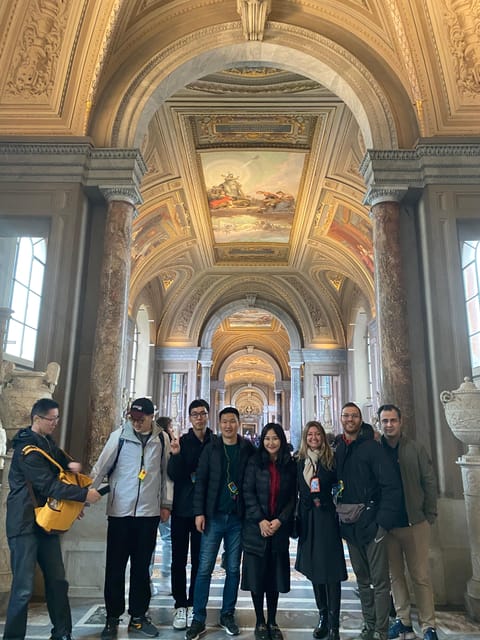
- Skip-the-line entry with a separate entrance and official tickets
- Panoramic terrace views of St. Peter’s Dome, built for photos
- Pinecone Courtyard with the 13-foot bronze pine cone from the 1st century B.C.
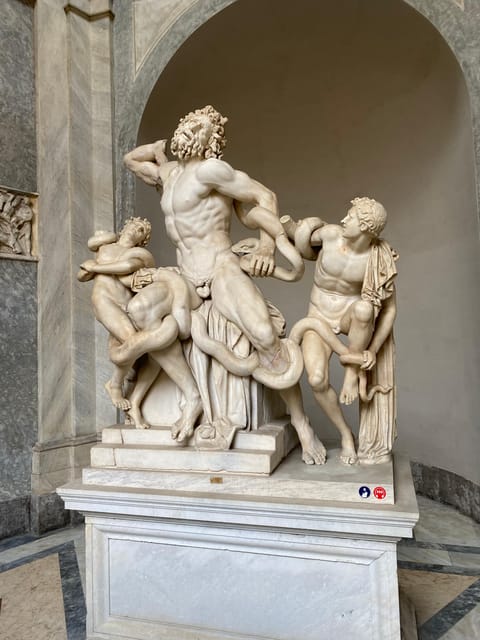
- Pio-Clementino Museum icons like Laocoön and His Sons and Torso del Belvedere
- Sistine Chapel storytelling with focus on major frescoes including The Last Judgment
- St. Peter’s Basilica access including The Pietà and underground Papal tombs
Why This Tour Works (Even If You’ve Visited Vatican Grounds Before)
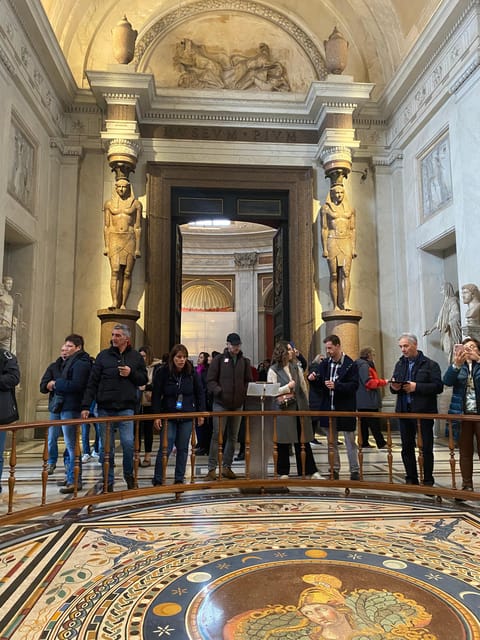
The Vatican can feel like a maze of ticket lines and crowded rooms. This tour takes one big headache off your plate: you get priority skip-the-line access and you move with a licensed guide who knows how to pace the day. That matters because time inside the Vatican Museums is limited, and you don’t want to waste it wandering.
I also like that the structure is built around “big impact” stops. You start with view-making, then classic sculpture, then the Sistine Chapel, and you finish at St. Peter’s. It’s a smart flow, especially if you’re only in Rome for a short stretch.
One more practical advantage: headsets are included. In places where crowds are dense and sound bounces off ceilings, being able to clearly hear your guide is a real quality-of-life upgrade.
You can also read our reviews of more tours and experiences in Rome.



Meeting Point Timing: Small Tip, Big Difference
You check in at the meeting point 15 minutes before your starting time. That may sound standard, but at the Vatican it can be the difference between starting relaxed versus starting late and stressed.
Because the activity runs only about 2 to 2.5 hours, you want your day to be flexible and your arrival punctual. If you’re late, you’ll be the one trying to “catch up” instead of enjoying the first terrace views.
Also note the practical timing reality: reservations made within 72 hours may not guarantee direct access to St. Peter’s Basilica. If your travel dates are tight, it’s worth booking earlier when you can.
Terrace Views of St. Peter’s Dome: The Photo Stop That Sets the Mood
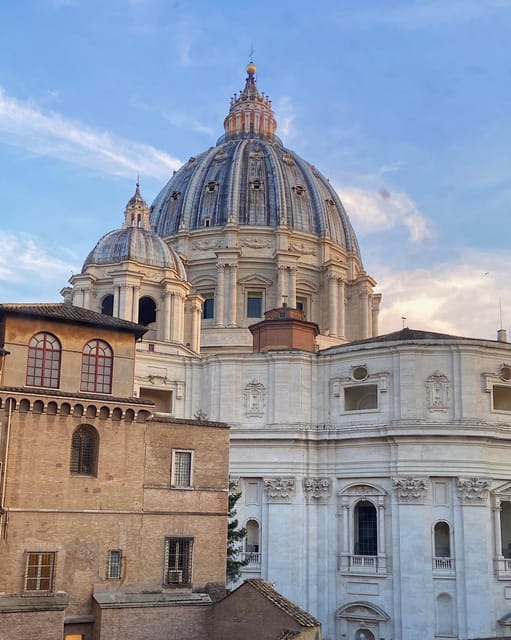
One of the first “wow” moments is the panoramic terrace with views of St. Peter’s Dome. If you’ve seen the Dome in photos but never in person, the scale is what grabs you. From the terrace you can frame it, notice architectural details, and orient yourself before going indoors.
This is also a good moment for your brain to switch gears. The Vatican feels like art and religion stacked on top of centuries, and that terrace view helps you anchor what you’re about to see. Your guide’s commentary here usually keeps you thinking in the right direction as you move deeper into the complex.
It’s a short stop, but it’s not random. It’s the kind of beginning that makes later rooms feel connected instead of disjointed.
Pinecone Courtyard: Bronze, History, and a Calm Breath Before the Crowds
Next you pass into the Pinecone Courtyard. The name comes from a 13-foot bronze pine cone dating to the 1st century B.C. It’s the kind of detail many visitors miss if they’re only chasing the famous rooms.
This courtyard works as a transition space. You get fresh air, a sense of the courtyard layout, and a quick visual marker for where you are in the museum flow. It’s also a nice contrast before the galleries start stacking art after art.
If you’re the type who enjoys small anchors—one object, one story, one time period—this courtyard gives you that. It’s not just waiting time.
Pio-Clementino Museum: Roman Sculpture With Real Art-Watching Payoff
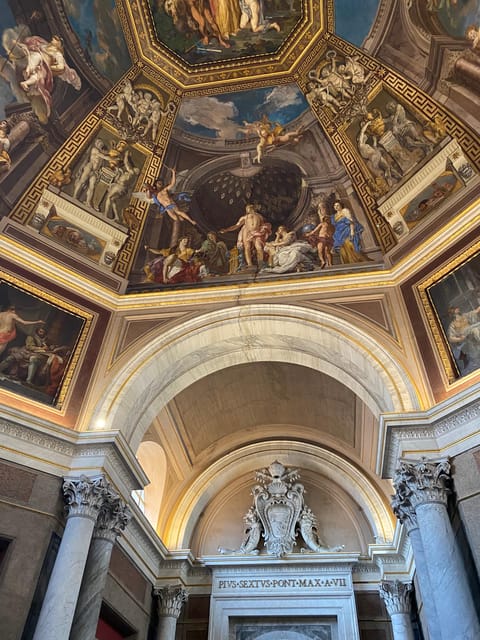
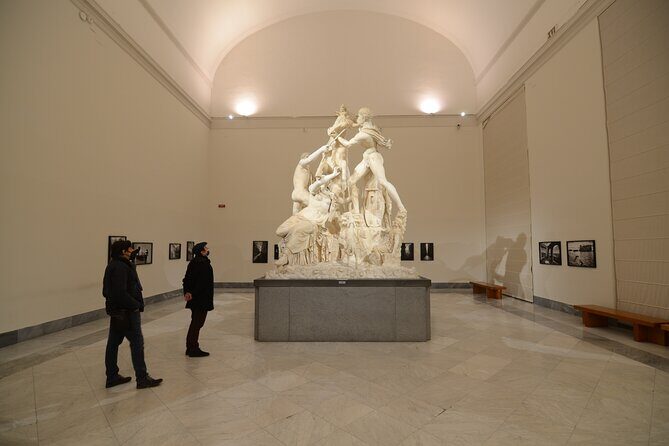
From there you move into the Pio-Clementino Museum, known for exceptional ancient Roman sculpture. This is where the tour becomes more than a checklist, because your guide helps you look at form, emotion, and influence—not just labels.
You’ll see Laocoön and His Sons. The big reason it matters is its impact: it was discovered in the early 1500s and made waves for later artists, including Michelangelo. When your guide frames it that way, you start noticing the theatrical movement and the tension in the figures instead of thinking it’s just another famous statue.
You’ll also encounter Torso del Belvedere, along with stops that include the Round Hall and bright decorative mosaics. Even if you’re not a sculpture expert, these moments teach you how much the Vatican Museums are about how people learn to see. Your guide’s “what to notice” approach makes the sculptures feel alive and connected to later art.
A balanced note: because this is a guided tour with a fixed length, you won’t linger in every gallery for long. That’s not a flaw—it’s just how value is created here. You’ll see major works and you’ll understand why they mattered.



Tapestry Gallery and the Gallery of Maps: How the Vatican Thinks About Italy
After sculpture, the tour moves into galleries that feel completely different in texture and purpose.
You’ll pass through the Tapestry Gallery, where woven artworks demand a slower eye. Up close, you can appreciate the craftsmanship and the way these tapestries communicate story through detail.
Then comes the Gallery of Maps, a 120-meter-long corridor with richly detailed cartographic artwork showing the geographical evolution of Italy. This stop is easy to overlook if you’re only chasing the Sistine Chapel. But it’s one of the best “context” rooms because it shows the Vatican wasn’t just preserving art—it was also mapping identity and knowledge.
If you like history that feels practical, this corridor gives you a way to understand how art can teach geography, power, and perspective all at once.
Sistine Chapel: The Main Event, Guided So You Don’t Miss the Stories
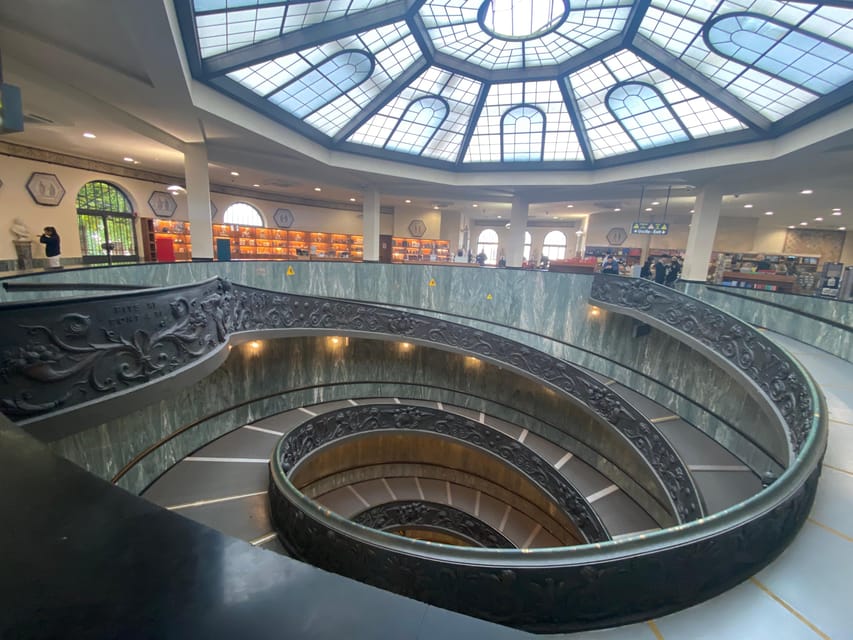
Then you reach the crown of the tour: the Sistine Chapel. This is the moment most people mentally picture, but the guided piece is what makes the visit land.
Inside, you’ll see Michelangelo’s frescoes, including The Last Judgment. Your guide will explain in detail and point out hidden stories behind the works, so you’re not just looking for famous faces—you’re learning how the scenes connect and why the imagery was so shocking and influential.
A practical reality: the chapel is famously crowded, and you’ll need to follow your guide’s cues. That’s where being with a licensed guide helps. You’ll get the best chance to view major sections without getting stuck in the wrong spot.
If you’re worried you’ll feel rushed, this is one area where the tour structure makes sense. The guide’s task is to help you see the important parts fast enough that it doesn’t turn into a blur.
St. Peter’s Basilica: From The Pietà to the Underground Papal Tombs
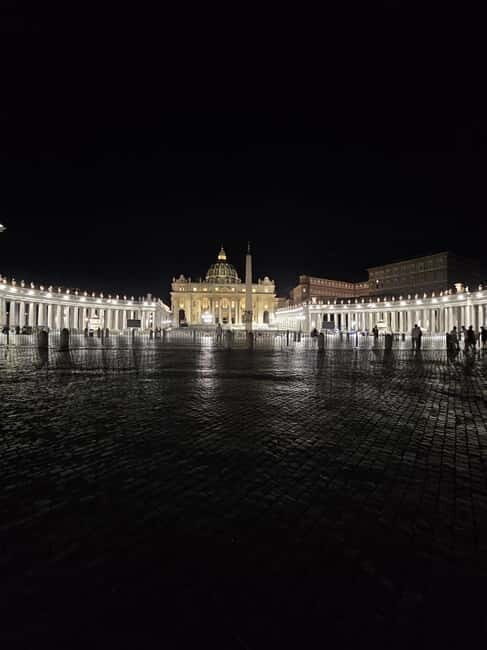
After the Sistine Chapel, you move to St. Peter’s Basilica, described as the largest church in the world. Your guide’s insights help you recognize what you’re looking at once you’re inside, especially if you’ve only seen pictures online.
One key highlight is The Pietà. The reason this works on a guided tour is simple: you’ll know what to look for and why it became famous. Seeing it with context helps you understand how artists created emotion and realism in marble.
You’ll also have time to explore at your own pace once you’re inside. That’s important. Even if you love tours, St. Peter’s is the kind of place where you’ll want a minute to stand still, look up, and choose your own route.
For those who want more, the tour includes heading down into the underground level where the tombs of Popes from centuries past are located. That’s a quieter, more solemn layer of the basilica experience, and it adds depth beyond the famous statues and ceilings.
What the Tour Includes (And What It Really Means for Your Time)
This experience bundles the essentials you’d otherwise piece together yourself:
- Entrance tickets
- An official licensed guide
- Headsets (English)
- Assistance on arrival
- Entry to St. Peter’s Basilica
In plain terms, you’re paying for fewer uncertainties. When you’re inside the Vatican, uncertainty is expensive—time-wise and stress-wise. A licensed guide plus skip-the-line access reduces both.
The price is $100.82 per person. For a first-time Vatican visit, that’s often a good value because the “big three” are included: Vatican Museums, Sistine Chapel access through priority entry, and St. Peter’s Basilica entry. If you try to DIY all of that at once, you end up spending time coordinating tickets, queues, and entry timing.
Dress Code and Rules: Don’t Get Stuck at the Door
St. Peter’s and the Vatican have strict rules, and they’re not negotiable at security. Not allowed: shorts, short skirts, and sleeveless shirts. Weapons or sharp objects are also not allowed. There’s also a no alcohol and drugs rule, and electric wheelchairs are not permitted.
Also keep in mind: the tour is listed as not suitable for wheelchair users and not suitable for people with mobility impairments. That doesn’t mean you can never do the Vatican, but it does mean this particular pacing and route may not work.
If you think you might qualify for disability-related free admission to the Museums (for mobility impairments exceeding 74%), the process is different: free tickets can’t be booked online, and they’re issued at the Special Permits Desk or Reception after you show valid disability certification. That info matters if you’re planning around eligibility.
When Vatican Sites Close: The Risk You Should Know
One hard reality is that Vatican closures can happen unexpectedly. Because of Pope Francis’s passing, Vatican sites including the Sistine Chapel and St. Peter’s Basilica may close unexpectedly.
If that happens, no refunds are possible, since the closures are determined by the Vatican.
I’d treat that as a weather-like risk. If your schedule is tight and these are your must-sees, consider having a backup plan for a day that keeps you flexible.
Who This Tour Is Best For
This is a strong fit if you want:
- The famous rooms without wasting half your day in lines
- Expert guidance that explains what you’re looking at
- A fast but meaningful arc through the Vatican and St. Peter’s
It’s especially good if you’re traveling with limited time, or if your itinerary needs to end with St. Peter’s rather than stretching into multiple separate days.
If you’re the kind of visitor who wants to spend hours in one room scanning art like a scholar, you might find the fixed tour length limiting. But for most people, the pace feels like a smart trade-off: you see the major highlights and you leave understanding more than you would alone.
Should You Book This Sistine Chapel and St. Peter’s Tour?
I’d book it if you value time and clarity. Priority skip-the-line access plus headsets plus an official licensed guide is a combo that usually pays off at the Vatican. The terrace view is a nice touch, and the tour’s focus on storytelling—especially in the Sistine Chapel—makes the visit feel more purposeful than a rushed sightseeing sprint.
I would hesitate if your plan depends on St. Peter’s being open at a specific moment or if your schedule is so strict that an unexpected Vatican closure would wreck your day. Also, if you’re not able to follow the dress code, don’t count on a workaround.
If you’re ready to dress appropriately, arrive a little early for check-in, and enjoy a guided highlights path, this tour is a solid way to tackle the Vatican without losing your sanity—or your view.
FAQ
How long is the Sistine Chapel and Vatican Museums tour?
The duration is about 2 to 2.5 hours.
Does this tour include entry to St. Peter’s Basilica?
Yes. Entry to St. Peter’s Basilica is included, along with assistance on arrival and headset-equipped guidance.
Is skip-the-line access included?
Yes. The tour includes skip-the-line access through a separate entrance.
What language is the tour guide?
The live tour guide and included audio are in English.
What should I bring to the Vatican?
Bring your passport or ID card (for you and any children).
What clothing is not allowed?
Shorts, short skirts, and sleeveless shirts are not allowed.
What happens if Vatican sites close unexpectedly?
If closures occur due to Vatican decisions, no refunds are possible.
Is there anything about mobility or wheelchair access?
The tour is listed as not suitable for wheelchair users and not suitable for people with mobility impairments. If you qualify for free admission based on disability certification (mobility impairments exceeding 74%), you can receive free tickets at the Special Permits Desk or Reception, but they cannot be booked online.