REVIEW · ROME
Rome: Trastevere and Jewish Ghetto Walking Tour
Book on GetYourGuide →Operated by The Voyager · Bookable on GetYourGuide
Rome’s lanes have real character.
This walking tour strings together two of Rome’s most memorable areas: the Trastevere side-streets and the Jewish Ghetto with its key religious sights. The route is short—just 2.5 hours—but it covers a lot of ground on foot, including major landmarks like Santa Maria in Trastevere, the synagogue, and the Portico d’Ottavia.
I like the mix of big-name churches and smaller, atmospheric stops, because you get a feel for how different neighborhoods worship and live side by side. I also like the practical setup: live guide plus headsets (handy on crowded streets) and a clear start in Piazza Trilussa.
One thing to weigh: there have been cases of late starts and even last-minute cancellation with short notice. It’s not a deal-breaker, but it’s smart to plan your day so you’re not dependent on this tour for anything time-critical.
In This Review
- Key things I’d watch for before you go
- Piazza Trilussa to Trastevere’s side streets
- What I like about the pace right away
- A practical note
- Santa Maria in Trastevere and the church stops that anchor the story
- Why these stops are a good use of your time
- Dress rules are real
- Isola Tiberina: crossing the river that changes the mood
- What you’ll feel as a visitor
- Jewish Ghetto essentials: synagogue and Portico d’Ottavia
- How to get the most out of this part
- A respectful heads-up
- Ending at the Fountana delle Tartarughe
- How the 2.5 hours really works on your feet
- Timing reality check
- What to bring (and what to leave at home)
- Why these details matter
- Headsets and language: how you’ll hear the guide
- Language tip for planning
- Rain or shine: what weather means for this route
- Value for $71: is it a smart use of time?
- When this feels worth it
- When you might question the value
- Who should book this Trastevere and Ghetto tour
- Should you book? My practical take
- FAQ
- Where does the tour start?
- How long is the tour?
- Is this tour offered in English and Italian?
- What’s included in the price?
- Is food or drinks included?
- Will the tour run in bad weather?
- What should I bring?
- What clothing is not allowed?
- Is it suitable for mobility impairments?
Key things I’d watch for before you go
- Piazza Trilussa start: easy to find, right in the middle of Rome’s night-scene energy
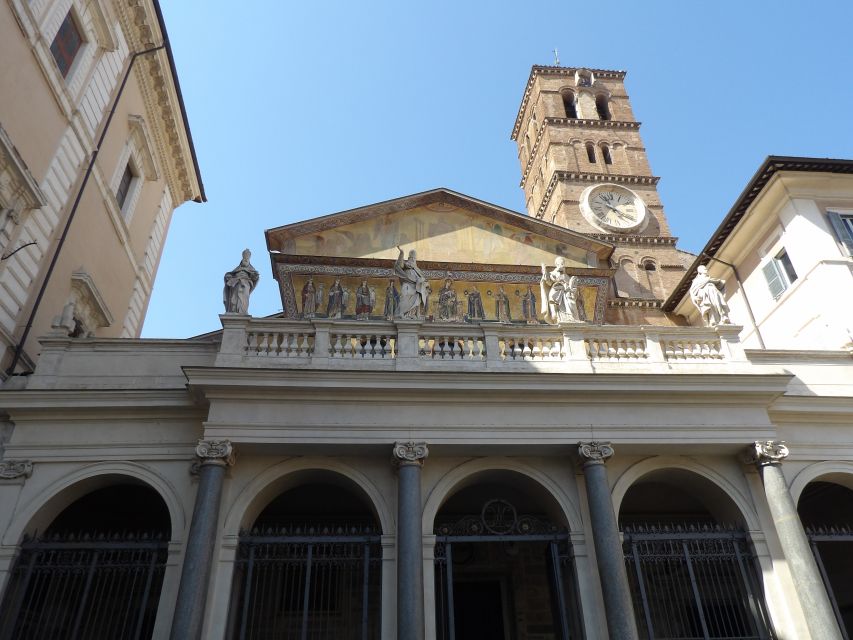
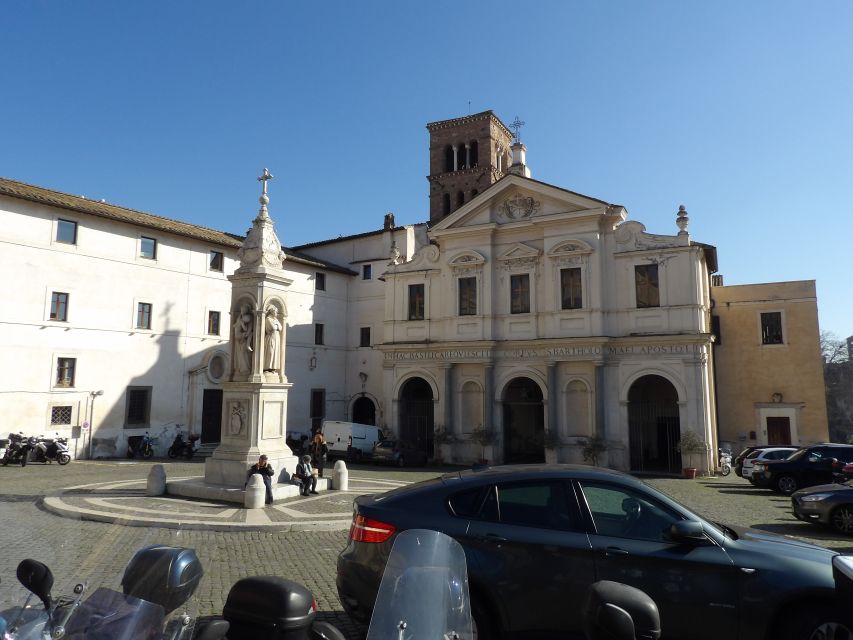
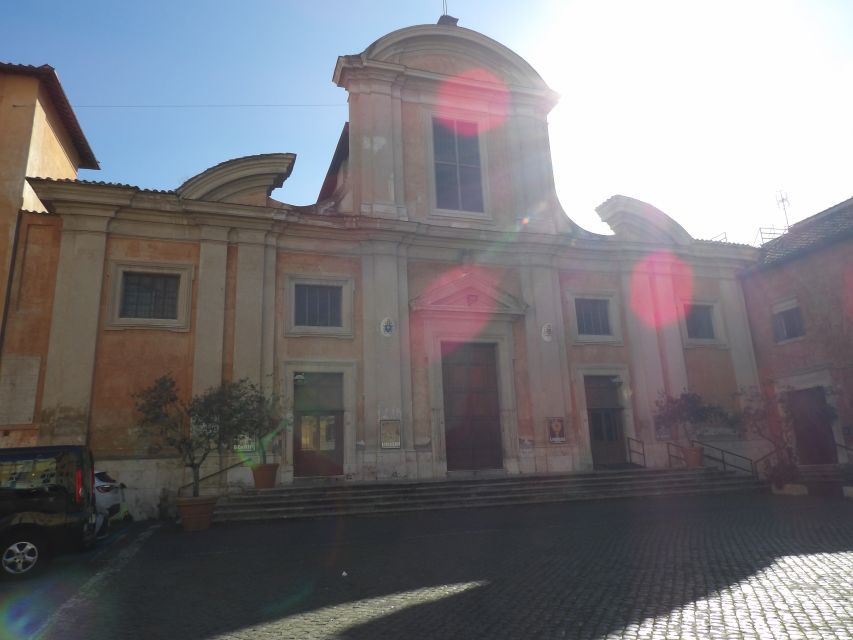
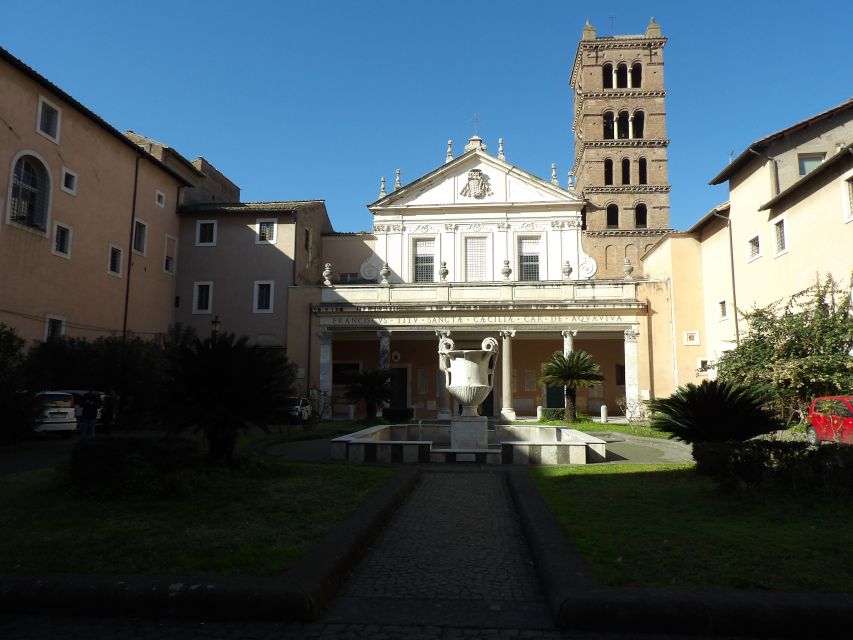
- Trastevere churches: Santa Maria in Trastevere plus San Francesco a Ripa and Santa Cecilia on the same loop
- Isola Tiberina crossing: you literally change scenery by crossing the river to the island
- Jewish Ghetto focus: synagogue plus Portico d’Ottavia are the core moments
- Comfort rules matter: no short skirts, no sleeveless shirts, and no large bags
- Mobility limits: this is not suitable for people with mobility impairments
Piazza Trilussa to Trastevere’s side streets
Your tour begins in Piazza Trilussa, a lively square that anchors the Trastevere area. It’s a good meeting point if you want to start your day near street life, not at some remote bus stop. The guide will have a flag with the Voyager logo, which makes it faster to spot them when you arrive.
From there, you head into the older fabric of Rome. Trastevere is famous for its tight streets and church fronts that feel like they’ve been there forever—because, well, they have. This part of the walk is where the “Rome” feeling really kicks in: stone underfoot, buildings close together, and plenty of corners where the city slows down.
You can also read our reviews of more tours and experiences in Rome.



What I like about the pace right away
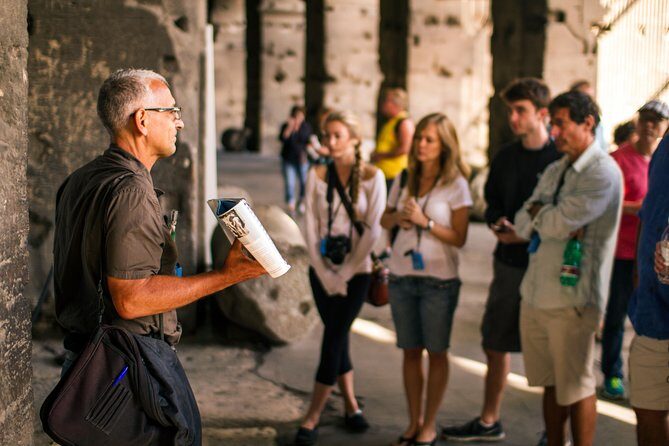
The tour is designed as a walk-through experience, not a long museum session. You’ll spend time outside looking at churches and neighborhood landmarks while a guide ties the story together. With headsets included, you can keep moving without constantly craning your neck to catch every sentence.
A practical note
This is still a street walk. Wear shoes you’d be happy to use for a couple of hours of steady walking, not just casual sightseeing.
Santa Maria in Trastevere and the church stops that anchor the story
The walking route focuses on places of worship that help you understand how Roman life has layers—religious, cultural, and architectural—stacked right on top of each other.
Here’s what you should expect to see in Trastevere:
- Santa Maria in Trastevere
- San Francesco a Ripa
- Santa Cecilia
Even if you’re not a religious-history superfan, these stops work because they’re visual. Churches in Rome aren’t just buildings; they’re orientation points. They’re often the first thing you notice from a street corner, and they pull the neighborhood around them.
Why these stops are a good use of your time
With only 2.5 hours, it’s smart that the tour doesn’t scatter you. Instead, it clusters key worship sites in one area. You get a more meaningful comparison of styles and settings—how each church sits in its own pocket of the city, and how the neighborhood “reads” when you’re walking from one sacred landmark to the next.



Dress rules are real
If you’re planning to visit inside churches (and this tour is built around worship places), you’ll want to follow the stated clothing guidance:
- no short skirts
- no sleeveless shirts
- bring comfortable clothes you don’t mind adjusting
This isn’t the time for tank tops and a dramatic breeze. Rome churches can be strict, and the tour instructions make that clear.
Isola Tiberina: crossing the river that changes the mood
After the Trastevere portion, you cross Isola Tiberina, the only island within a city in the way Rome is usually talked about. Even though the time here is short, this is the sort of transition that makes a walking tour feel smarter than a straight line.
Crossing water does a few helpful things:
- You break the monotony of street-to-street walking.
- You get a small “chapter change” in the route.
- It gives the guide a natural moment to shift the focus toward the historic district ahead.
What you’ll feel as a visitor
This isn’t a long sightseeing detour. It’s a short, strategic move to help the next area land differently. When you arrive in the Jewish Ghetto, the shift feels sharper because you’ve already traveled through a different setting.
Jewish Ghetto essentials: synagogue and Portico d’Ottavia
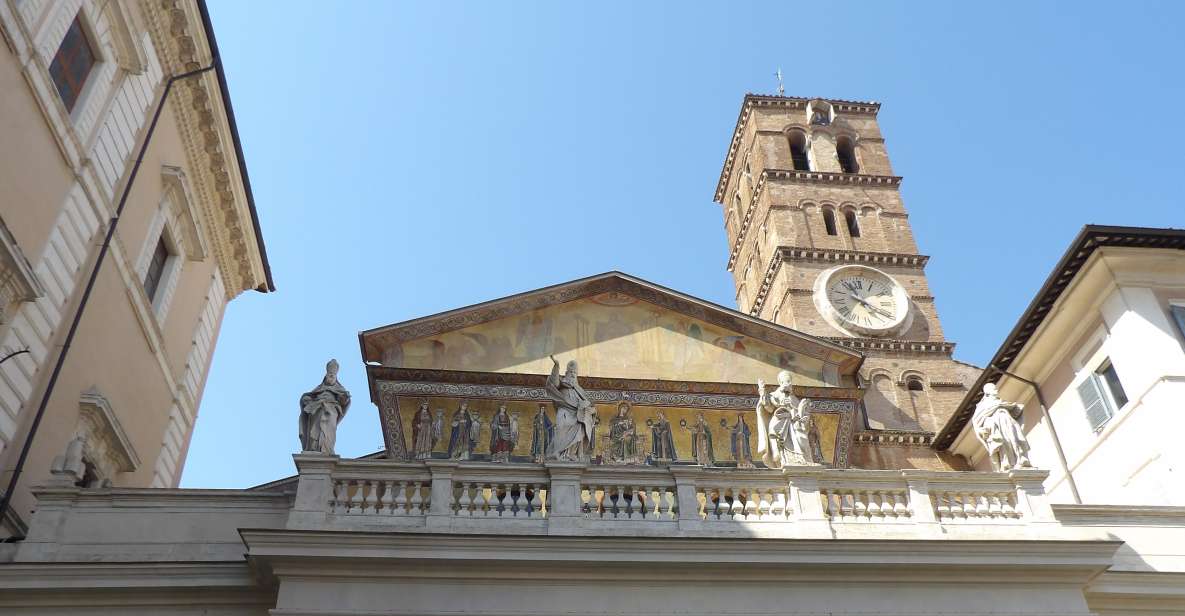
This is the tour’s headline moment. You’ll reach the historic district often referred to as the Jewish ghetto, and you’ll see two core symbols of the area:
- the Synagogue
- the Portico d’Ottavia
These aren’t random photos stops. They’re landmark points that help you understand the district’s identity as more than a name you’ve heard in passing. You’ll also get context from the guide as you move around the area.
How to get the most out of this part
Here’s how to make this section work for you:
- Look at the buildings from multiple angles as you walk. The portico and surrounding structures create different impressions depending on where you stand.
- Pay attention to what the guide connects to the street layout and worship sites. In this area, the city plan and the history really do go together.
A respectful heads-up
You’re visiting active or historically significant religious locations. Keep your voice down, follow guide instructions promptly, and remember this is a neighborhood as well as a sightseeing route.
Ending at the Fountana delle Tartarughe
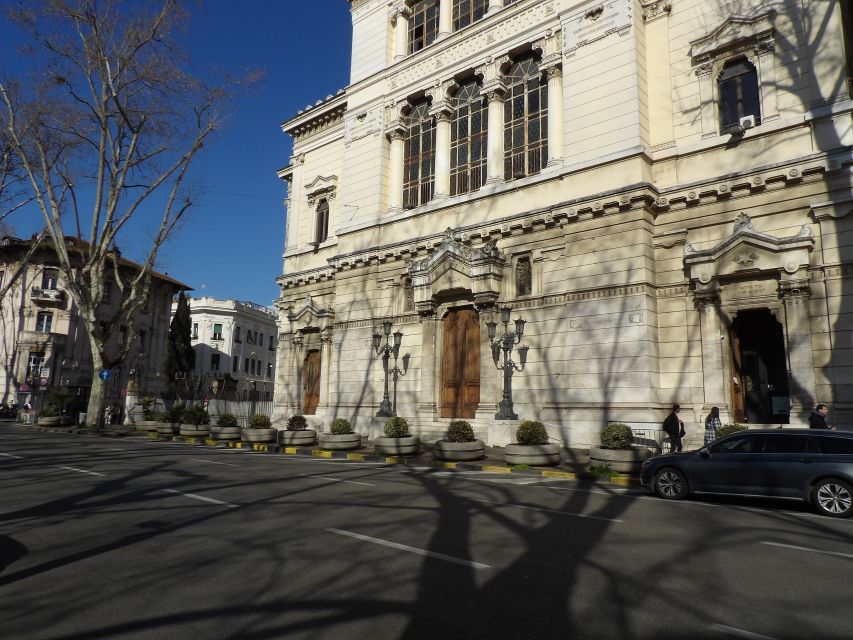
The tour finishes in the square that houses the Fountana delle Tartarughe. This is a satisfying “wrap” landmark: you end near a recognizable focal point instead of wandering off into the unknown.
Ending at a fountain matters for real-life convenience. You’ve got an easy visual reference to regroup, and you can decide where to go next without immediately needing to solve Rome navigation on your phone.
How the 2.5 hours really works on your feet
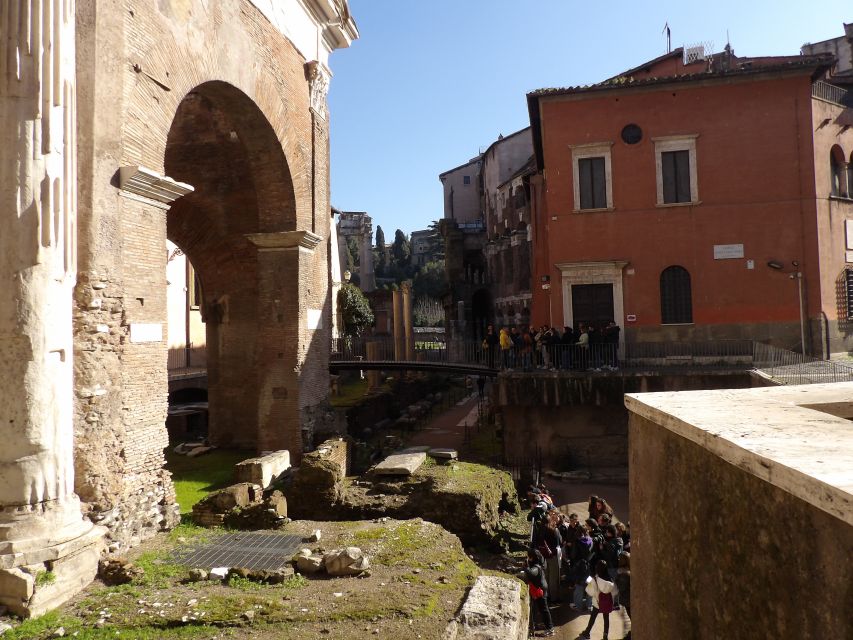
The tour is listed as 2.5 hours, with the understanding that timing can be tight once you factor in how slow crowds can get in older neighborhoods.
What you should expect:
- A paced, guided walking route where each stop gets enough time to register.
- Some movement between areas, including the crossing to Isola Tiberina.
- A schedule that assumes you’ll keep up with the group.
Timing reality check
Based on real-world reports tied to this activity, there have been situations where the start was delayed by about half an hour, and in one case the tour ran in a mixed-language format, which created confusion and likely ate into time for explanations. None of that changes the attractions you’ll see—but it can affect how much the guide is able to cover.
If your day is packed, I’d build in buffer time around this tour so one delay doesn’t domino into your evening plans.
What to bring (and what to leave at home)
This is a walking tour in Rome, and the comfort rules are straightforward.
Bring:
- Passport or ID card
- Comfortable shoes
- Water
- Comfortable clothes
Leave behind:
- Luggage or large bags
Why these details matter
Large bags are a headache in narrow streets and crowded church areas. Water is essential because you’re out for 2.5 hours in real weather—rain or shine.
Headsets and language: how you’ll hear the guide
The tour includes live guidance and uses headsets (over 10), plus options for Italian and English.
That headset piece is a big practical win on busy streets. Without it, you’d end up too far from the guide at each corner, and you’d lose the story. With it, you can keep pace and still catch explanations.
Language tip for planning
If you book English or Italian, double-check the language you’re expecting when you arrive. In at least one case tied to this tour, a mixed-language experience happened, which caused confusion and reduced the number of explanations that could be delivered within the time limit.
Rain or shine: what weather means for this route
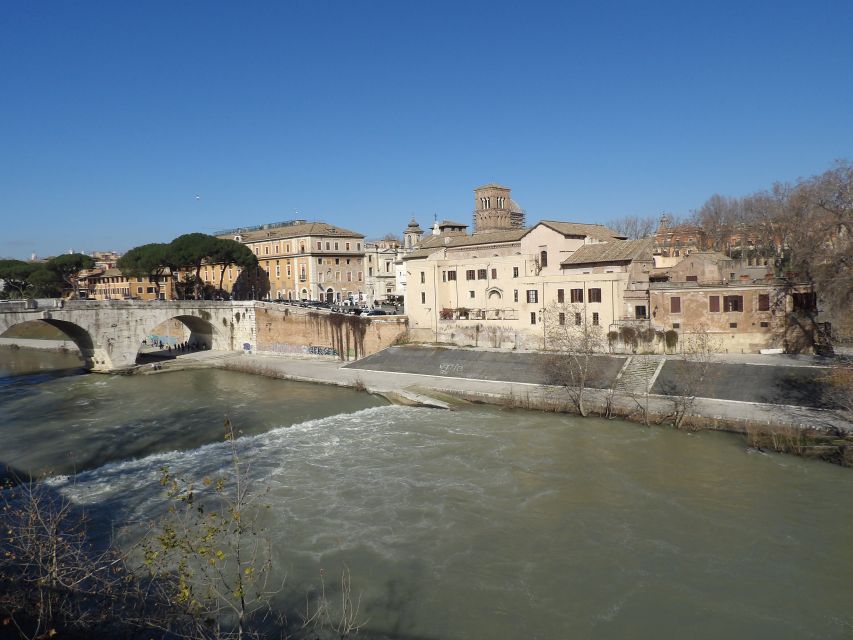
This tour runs rain or shine. Rome in wet weather can mean:
- slick sidewalks
- quieter crowds
- less time spent wandering off
If it’s rainy, wear shoes that handle puddles and use a layer you don’t mind getting damp. Since church visits are part of the route, plan for the fact you may need to dry off a bit before continuing.
Value for $71: is it a smart use of time?
At $71 per person for about 2.5 hours, the value is in the concentration. You’re paying for:
- a guide
- live interpretation of multiple worship sites
- headsets
- a route that covers Trastevere + Isola Tiberina + the Jewish Ghetto without you having to piece everything together
What you’re not paying for includes food and drinks, and there’s no hotel pickup/drop-off. So the real cost is that you’re responsible for getting there on your own and handling your own water/comfort.
When this feels worth it
This tour is a strong fit if:
- you want a structured way to see major landmarks in a short time
- you prefer walking and looking rather than sitting in a museum
- you like learning with context while moving through neighborhoods
When you might question the value
If timing issues would stress you out (tight dinner reservations, early next-day obligations), consider building in extra flexibility. A last-minute cancellation or delayed start—reported for this activity—changes how “efficient” the cost feels.
Who should book this Trastevere and Ghetto tour
This works best for you if you:
- like guided walking routes with real stops (churches + landmark districts)
- want a mix of architecture and neighborhood story
- are comfortable following dress and bag rules
It’s not suitable for you if you have mobility impairments, since the format is a walking tour through older streets and stops.
Should you book? My practical take
I’d book this if you want a focused, walking-based route that takes you from Trastevere churches to the Jewish Ghetto highlights like the synagogue and Portico d’Ottavia, all in a manageable 2.5 hours. The headsets help you get the full guide experience without getting lost in the crowd.
But I’d only book it with confidence if you can tolerate the small risk that comes with street-level tours—things like late starts and, in rarer cases, cancellations with short notice have occurred. If your schedule is flexible, this tour can be a great way to get your bearings in Rome while seeing meaningful landmarks on foot.
FAQ
Where does the tour start?
The meeting point is Piazza Trilussa. The guide will have a flag with the Voyager logo.
How long is the tour?
The duration is 2.5 hours.
Is this tour offered in English and Italian?
Yes. The live guide speaks Italian and English.
What’s included in the price?
The tour includes a live guide and headsets (over 10).
Is food or drinks included?
No. Food and drinks are not included.
Will the tour run in bad weather?
Yes. The tour takes place rain or shine.
What should I bring?
Bring passport or ID, comfortable shoes, water, and comfortable clothes.
What clothing is not allowed?
Short skirts and sleeveless shirts are not allowed.
Is it suitable for mobility impairments?
No. This tour is not suitable for people with mobility impairments.