REVIEW · ST PETER'S BASILICA TOURS
Rome: St Peter’s Basilica Tour with Optional Dome Climb
Book on GetYourGuide →Operated by Crown Tours · Bookable on GetYourGuide
Crowds fade fast with fast-track entry. This tour is built for people who want the big stuff without losing an hour to shuffle-and-stare lines. You get an expert-led visit inside St. Peter’s Basilica, plus an optional Dome Terrace climb for panoramic city views, with priority access doing most of the heavy lifting.
I especially like the focus on the standout art you actually came for. You’ll see Michelangelo’s La Pietà and Bernini’s Baldacchino, and the experience is designed to be heard clearly thanks to an audio system (plus guides like Katalina have been praised for answering questions well). The main drawback: the tour is not a match for everyone, especially if you have claustrophobia, vertigo, or a fear of heights, since parts of the experience can involve tight spaces and climbing stairs on the dome option.
In This Review
- Key things to know before you go
- Where this tour shines: St. Peter’s Basilica, but with a plan
- Meeting point at Via di Porta Angelica: start smart and stay calm
- St. Peter’s Square and the obelisk: the opening scene you shouldn’t skip
- Inside the basilica: mosaics, columns, and the story in layers
- The big artwork stops: La Pietà and Bernini’s Baldacchino
- Michelangelo’s La Pietà
- Bernini’s Baldacchino
- Time around the papal tombs and St. Peter’s necropolis area
- Optional dome terrace climb: Rome’s view from above (and the reality check)
- How the tour stays clear in a crowded basilica
- Practical tips that will save your day
- Dress for Vatican rules
- What not to bring
- Wear your feet strategy
- Price and value: is $57 a good deal?
- Who should book this tour, and who should skip it
- Final verdict: should you book St. Peter’s with a dome option?
- FAQ
- How long is the St. Peter’s Basilica tour?
- Where is the meeting point for the tour?
- Is fast-track entry included?
- What is included in the basic St. Peter’s Basilica visit?
- Does the tour include the Vatican Museums or Sistine Chapel?
- What does the optional dome climb add?
- What should I bring to enter?
- What is not allowed during the tour?
- Is this tour suitable for people with mobility issues?
Key things to know before you go
- Fast-track entry helps you start seeing the basilica sooner, when it matters most for your patience.
- Expert licensed guide + audio system keeps the story clear even when the basilica is busy.
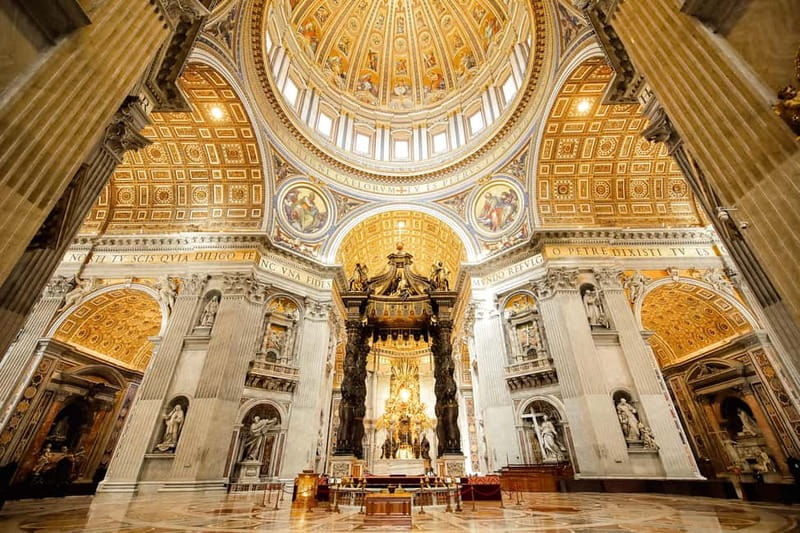
- Michelangelo and Bernini set the pace with La Pietà and Baldacchino as clear anchors for your visit.
- Dome Terrace option = 360-degree views over Vatican City, Rome, and the seven hills.
- Dress and item rules are strict, so plan clothing that fits Vatican standards.
Where this tour shines: St. Peter’s Basilica, but with a plan
St. Peter’s Basilica can feel like you walked into a whole planet made of marble, gold, and meaning. Left to your own devices, you can spend the entire visit looking up and still not feel like you connected the dots. This tour solves that problem by putting you in a clear route with a guide explaining what you’re seeing and why it matters.
The other big win is time. At this site, time disappears fast: queues, security checks, and that moment when you realize you’re standing in front of something famous but have no idea what you’re looking at. The fast-track entry approach is meant to cut down the dead time so you get more actual looking, more actual learning, and more photos before your feet stage a quiet rebellion.
If you add the dome climb, you’re also upgrading from “inside greatness” to “Rome from above.” It changes how you understand the basilica in the bigger city picture, especially with views over Vatican City and Rome’s seven hills.
You can also read our reviews of more tours and experiences in Rome.



Meeting point at Via di Porta Angelica: start smart and stay calm
You meet at Via di Porta Angelica 69, near the archway leading toward St. Peter’s Square. The simplest way to get there is from Ottaviano Metro Station: walk along Via Ottaviano toward Piazza del Risorgimento, then continue onto Via di Porta Angelica.
Here’s the practical mindset I’d use: arrive a bit early and treat meeting time like it’s a timed museum ticket, not a casual stroll. Vatican-area plans can tangle quickly once you’re near the square, and you’ll want to stay in sync with the group for the priority entry flow.
Also note that the tour starts and ends back at the meeting point, and there’s no hotel pickup. That’s typical here, but it’s worth factoring into your day so you don’t accidentally plan an over-tight schedule after the tour ends.
St. Peter’s Square and the obelisk: the opening scene you shouldn’t skip
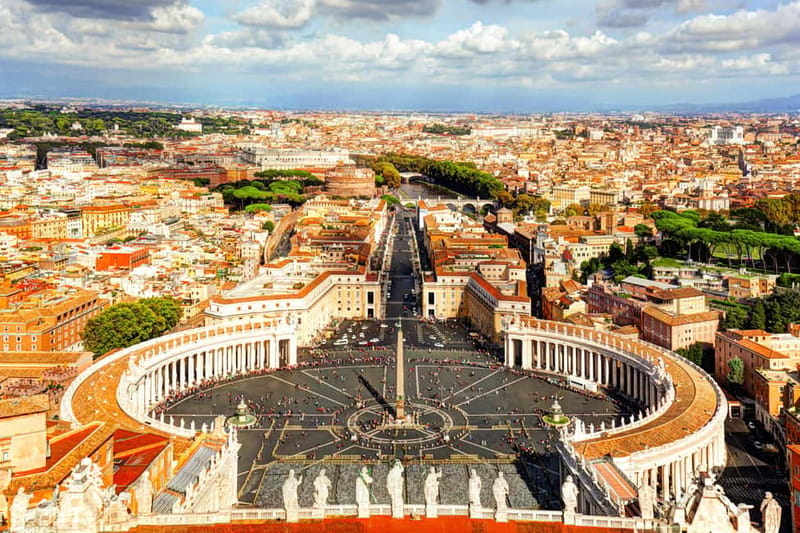
You begin outside in Saint Peter’s Square, where the setting does more than look impressive. It frames the basilica you’re about to enter and sets the emotional tone: this is a place people come to for devotion, art, and history all at once.
From there, you spend time around the Obelisco di Piazza San Pietro, guided so it doesn’t become just another photo spot. Seeing the square first helps you orient yourself before you step into the interior, where details multiply fast.
If you tend to rush, slow down here. The square is your visual warm-up. You’ll move inside with a better sense of scale, axes, and where the basilica sits in the overall Vatican complex.
Inside the basilica: mosaics, columns, and the story in layers
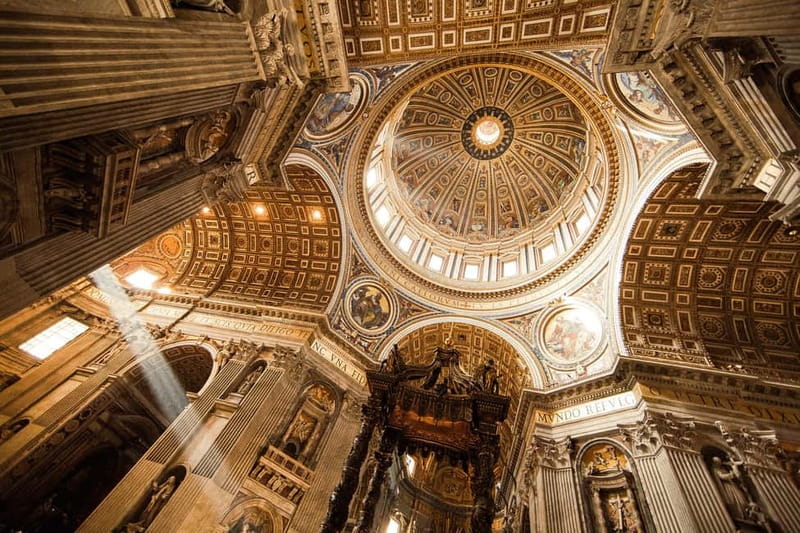
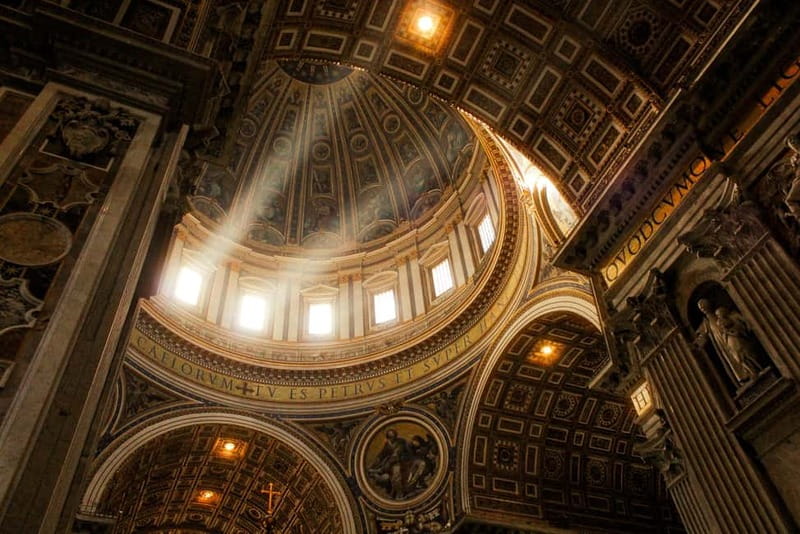
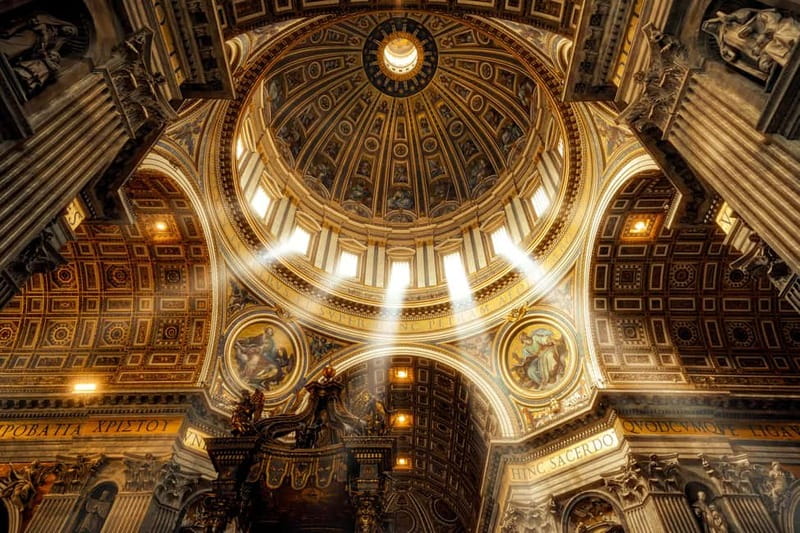
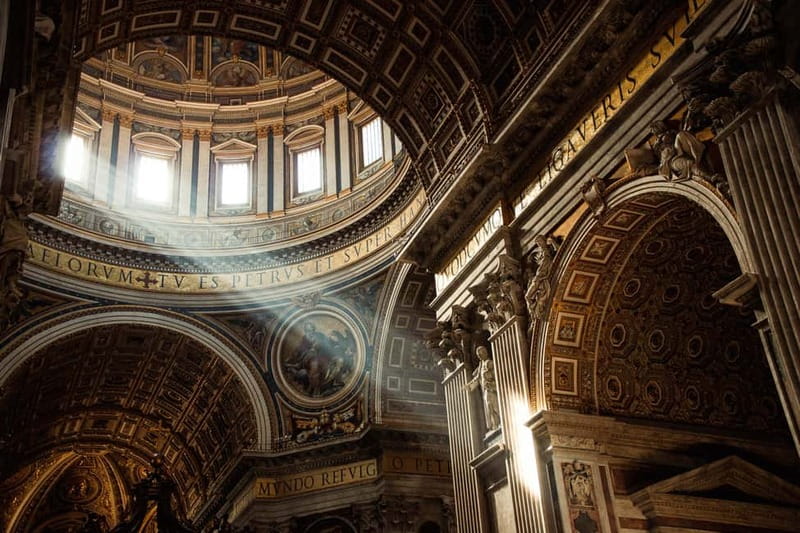
Once you enter St. Peter’s Basilica, expect that classic reaction: eyes up, mouth slightly open, and then your brain trying to catch up. That’s where the guide earns their keep. The tour is designed to point out the basilica’s major features without making you memorize a textbook.
You’ll focus on things like:
- Colorful marble, gold-toned ceilings, and intricate mosaics
- Majestic columns and luxurious chapels
- The site’s evolution from early Christianity through the Baroque era
This isn’t about cramming every detail into your head. It’s about giving you a way to look at the basilica and understand what stage of history you’re seeing. That’s why a guided approach works well here. When you know what changed and when, the basilica feels less like random grandeur and more like a purposeful “timeline in stone.”
Also, the audio system matters more than you’d think. The basilica environment can get noisy and echo-y, and having hearing support helps you actually follow the guide instead of constantly asking people what they’re saying.
The big artwork stops: La Pietà and Bernini’s Baldacchino
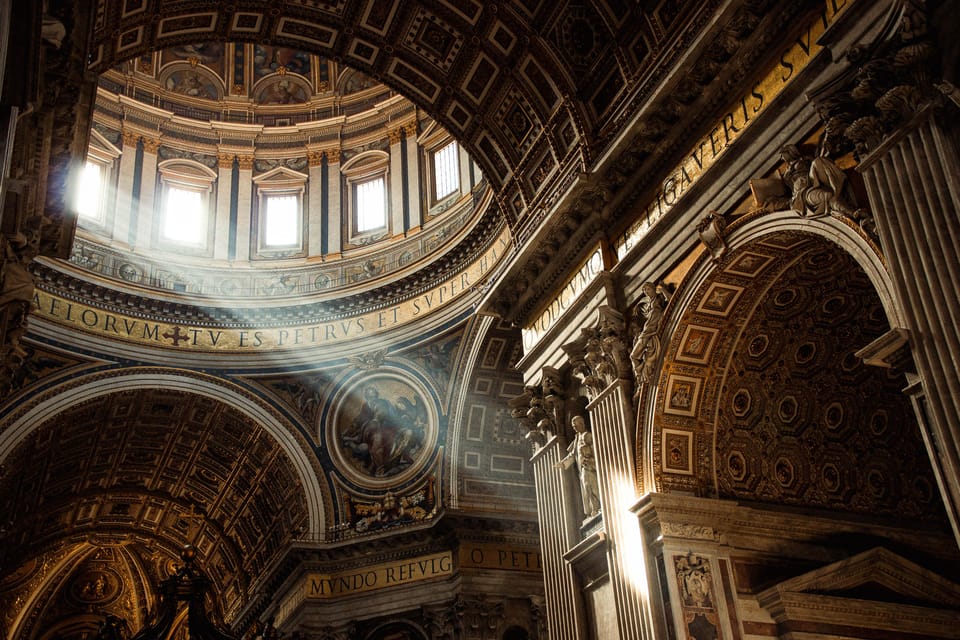
Two moments on this tour do the heavy lifting for art lovers: Michelangelo’s La Pietà and Bernini’s Baldacchino.



Michelangelo’s La Pietà
La Pietà is one of those works where you can see it in seconds but need a minute to process it. The tour frames it with context—especially the fact that it was created by Michelangelo when he was only 24. That detail makes the sculpture feel even more intense, because it’s not just famous. It’s shockingly early genius.
Bernini’s Baldacchino
Then you move to Bernini’s Baldacchino, the ornate bronze canopy above St. Peter’s high altar. This is the kind of artwork you can’t really “get” from a quick glance. It’s sculptural, theatrical, and built to pull your attention upward and inward.
When the guide connects these art stops to the broader meaning of the basilica—papal tomb areas and the necropolis of St. Peter—you’re not just passing famous pieces. You’re seeing how the art supports the site’s role as a spiritual and historical center.
Time around the papal tombs and St. Peter’s necropolis area
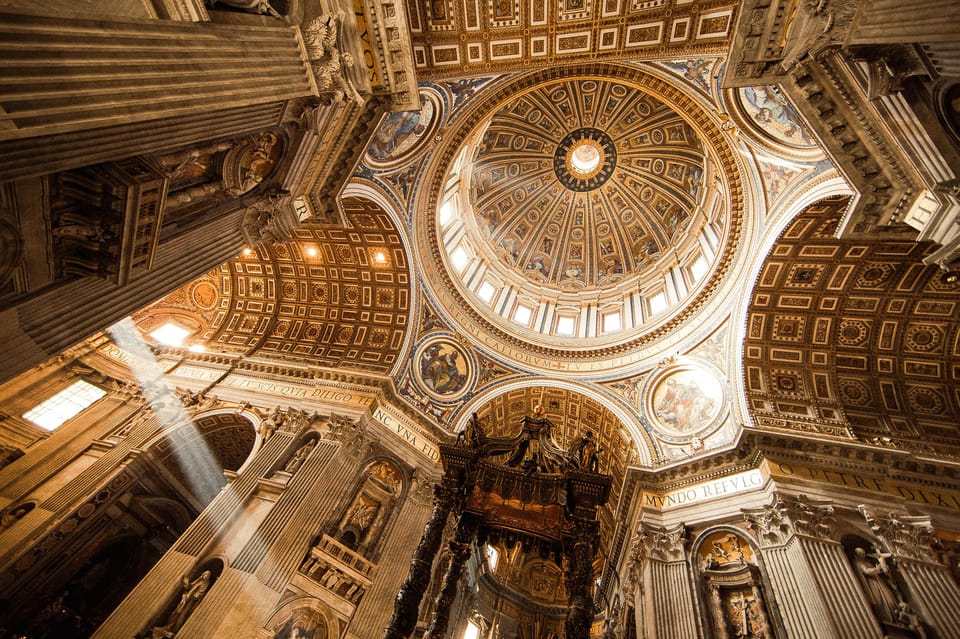
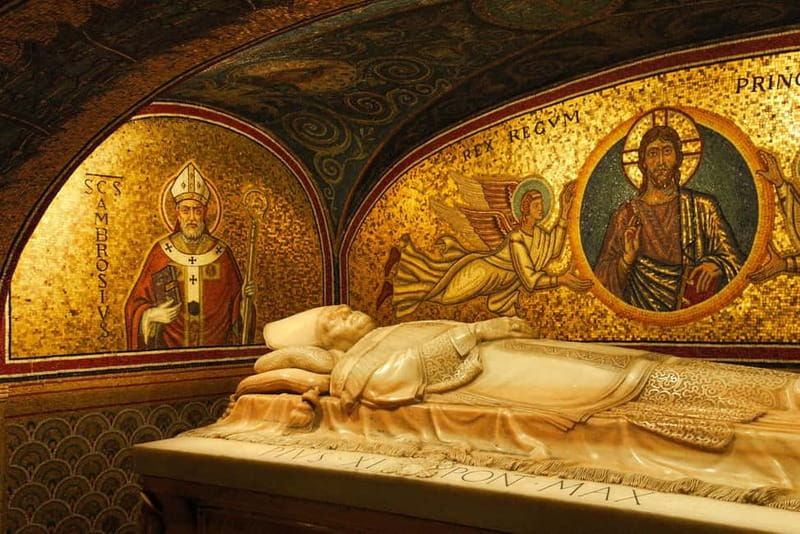
The tour also takes you toward the area tied to holy papal tombs and the necropolis of St. Peter. Even if you don’t know all the names or dates, you’ll feel why this part is treated with care. Guides typically explain how the basilica functions as more than a church building—it’s a focal point for centuries of devotion.
I like this stop because it grounds the visit. Without it, the basilica could feel like museum sightseeing. With it, the art and architecture become part of a much bigger human story.
Optional dome terrace climb: Rome’s view from above (and the reality check)
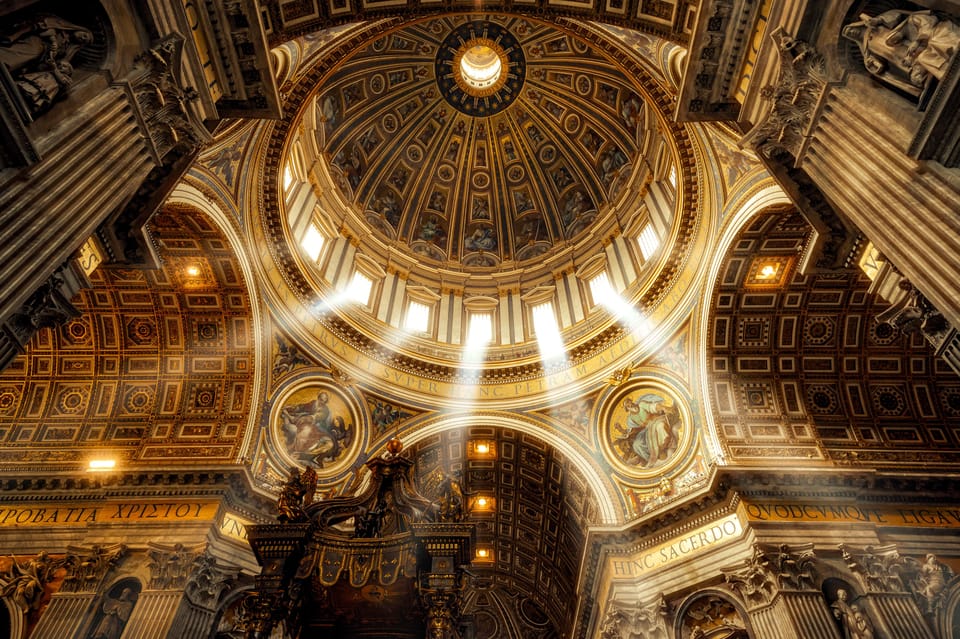
If you choose the Dome Terrace option, you’re adding a climb for panoramic views. The reward is described as a 360-degree scene over Vatican City, Rome, and Rome’s seven hills, so you get the city-scale perspective that you simply can’t get inside.
But here’s the practical reality: this is not a stroll. The experience is described as a scenic climb up steps. That means you should be comfortable with exertion and with being around enclosed architectural spaces along the route.
This dome option is also where suitability becomes most important. The tour is not suitable for people who:
- have claustrophobia
- are afraid of heights
- have vertigo or vertigo-like symptoms
- have heart problems
- may be sensitive to altitude sickness
- are wheelchair users
- are over 70 years
If any of those apply, stick with the basilica-only portion (if you have the choice) or consider a different Vatican experience that doesn’t include a dome climb.
If none of those apply, you’ll likely love the dome for one reason: it changes your mental map of Rome. After a view like that, you look at the city below with a sharper sense of geography.
How the tour stays clear in a crowded basilica
A big part of why this tour rates so high is the mechanics of communication. You get:
- a passionate and professional licensed tour guide
- an audio system so you can hear clearly
In Rome, it’s easy to lose the thread when a place is busy. The audio system is what prevents that. It also makes the experience more accessible if you’re not standing close to the guide or if you’re trying to keep your attention on the artwork instead of on where the guide is walking.
There’s also exclusive digital content through the Crown Tours app. You might use it as a follow-up, especially if you want a refresher after you’ve stopped staring at ceilings long enough to function.
Practical tips that will save your day
Here are the details I’d treat as non-negotiables for a smoother visit:
Dress for Vatican rules
Bring:
- a passport or ID card
- comfortable shoes
- a long-sleeved shirt
- long pants
Avoid:
- shorts
- short skirts
- sleeveless shirts
What not to bring
The tour doesn’t allow:
- pets
- weapons or sharp objects
- baby strollers
- luggage or large bags
- smoking
- drinks
- flash photography
- alcohol and drugs
- baby carriages
This is one of those situations where your “just in case” habits can backfire. If you’re the type who carries a bag everywhere, plan to travel light for this outing.
Wear your feet strategy
Comfortable shoes matter because you’re doing a guided route that includes outdoor square time plus interior walking. If your shoes are borderline for standing, save that for another trip. This one asks more.
Price and value: is $57 a good deal?
At $57 per person, this tour can be good value because you’re paying for three things that are hard to recreate on your own:
- Guided interpretation of major artworks and architecture
- Priority-style entry so you lose less time at the start
- The structure of seeing the basilica’s key points within a 2–3 hour visit
The Dome Terrace option adds an upgrade: entry tickets to the dome are included if you select it. That matters because you’re not just buying a “maybe” on a climb. You’re buying a timed path to views that many people want but don’t get right.
So I’d treat it like this: if you care about art context and you want an efficient route, the base tour makes sense. If you want that skyline-level perspective over Vatican City and Rome, the dome upgrade is the value add.
Who should book this tour, and who should skip it
This tour fits well if you want:
- a guided look at St. Peter’s Basilica’s most famous art and key architectural features
- a route that’s timed to a 2–3 hour window
- the option for dome views with the Terrace climb
- a clear audio setup so you don’t miss the guide’s explanations
I’d skip the dome option (or choose another plan) if you have any sensitivity to heights or enclosed spaces. The rules explicitly say it’s not suitable for people with claustrophobia, vertigo, fear of heights, heart problems, or for wheelchair users and seniors over 70. Safety comes first, even when the view is tempting.
Also, it’s not suitable for children under 2 years, so plan accordingly for families.
Final verdict: should you book St. Peter’s with a dome option?
Book it if you want St. Peter’s Basilica to feel like more than a selfie run. This is a smart way to see the basilica’s core artworks—especially La Pietà and Baldacchino—with a guide who helps you understand what you’re looking at. Add the Dome Terrace only if you’re comfortable with a step climb and the conditions that come with it.
Don’t book it if dome climbing is a deal-breaker for your comfort. With the clear restrictions for claustrophobia, vertigo, and fear of heights, your best move is to pick an option that matches your limits.
If you’re deciding between doing this on your own versus with a guide, I’d choose the guide here. St. Peter’s Basilica is too big, too layered, and too full of meaning to leave all the interpretation to luck.
FAQ
How long is the St. Peter’s Basilica tour?
The tour lasts about 2 to 3 hours. Starting times depend on availability.
Where is the meeting point for the tour?
The meeting point is at Via di Porta Angelica 69, about 100 meters ahead in front of Galleria Mariana, just before the archway into St. Peter’s Square.
Is fast-track entry included?
Yes. The experience includes priority access to help you enter and start the visit with less crowd pressure.
What is included in the basic St. Peter’s Basilica visit?
You get a guided tour of St. Peter’s Basilica with a licensed English-speaking guide, plus an audio system to hear the guide clearly. Entry tickets to the dome are only included if you select the dome option.
Does the tour include the Vatican Museums or Sistine Chapel?
No. The Vatican Museums and Sistine Chapel are not included in this experience.
What does the optional dome climb add?
If you choose the Dome Terrace option, you get entry to the dome, and you climb to enjoy panoramic views of Vatican City, Rome, and the seven hills.
What should I bring to enter?
Bring your passport or ID card. Wear comfortable shoes and plan for a long-sleeved shirt and long pants.
What is not allowed during the tour?
Pets, weapons or sharp objects, baby strollers, luggage or large bags, smoking, drinks, flash photography, and alcohol or drugs are not allowed.
Is this tour suitable for people with mobility issues?
No. It’s not suitable for people with mobility impairments, wheelchair users, or people with certain medical conditions like heart problems. It’s also not suitable for those with claustrophobia, fear of heights, or vertigo.