REVIEW · ROME
Rome: St Paul’s Basilica, Sarcophagus, & Major Basilica Tour
Book on GetYourGuide →Operated by Crucis Tours · Bookable on GetYourGuide
Holy Door, relics, and art in one focused visit. If you want Rome that feels more like pilgrimage than sightseeing, this St Paul Outside the Walls tour hits the key moments fast—without making you hunt for meaning on your own. I especially like the way the guide connects prayer and St Paul’s sarcophagus to what you’re actually seeing, including the basilica’s most famous artworks and architectural details. I also like the catechesis angle: guides such as Wen, Dan, and Tom are clearly there to explain faith, symbolism, and the story behind the stones.
One thing to consider: the tour has a firm devotional tone, and there’s a dress code. If you plan to show up in shorts or short skirts, you may run into problems at the basilica, and if you only want quick photo stops, you might find the emphasis on religious meaning takes a little longer than you expect.
In This Review
- Key things I’d circle before you go
- St Paul Outside the Walls: a “big four” stop that’s worth the extra effort
- Getting to the meeting point on Via Ostiense (and why it matters)
- The 60–90 minute rhythm inside the basilica
- What you’ll see: mosaics, major altars, and “look-for-this” moments
- The sarcophagus and relic veneration: the heart of the visit
- The Holy Door: what it means, and when you’ll see it
- Architecture and history: from a 4th-century foundation to the fire of 1823
- How guides make it click: Wen, Dan, and Tom as examples
- Group size, language, and what that means for your experience
- Finishing in San Paolo: a calmer Rome corner after the basilica
- Value check: is $65 for a one-hour basilica tour a smart buy?
- Who should book this tour (and who should skip it)
- Should you book this St Paul Outside the Walls tour?
Key things I’d circle before you go
- A bite-sized 60–90 minute pilgrim pace that still covers the basilica’s major spiritual landmarks
- Veneration of St Paul with time focused on the sarcophagus and key relic displays
- Holy Door included as one of Rome’s four Holy Doors that opens during Jubilee Years
- Catholic catechesis woven into the art and architecture, not treated like an optional add-on
- Small group of up to 10, with English and Chinese guide options
- Radio headsets for groups of 7 or more, a practical help in a big, echoing church
St Paul Outside the Walls: a “big four” stop that’s worth the extra effort
Most first-time Rome plans cluster around the most famous center-city sights. St Paul Outside the Walls sits a bit apart, which is exactly why this tour can feel so rewarding. You’re not just ticking a box. You’re entering a place built around one of Christianity’s core stories: the burial site of St Paul the Apostle, one of the great figures of the early Church.
This basilica is also tied to Rome’s major pilgrimage traditions. It’s one of the Seven Pilgrim Churches of Rome and a UNESCO World Heritage site. On top of that, it includes one of the four Holy Doors, which opens during Jubilee Years. Even when the Door isn’t open, the guide’s framing helps you understand why this church matters in the rhythm of Roman Catholic life—spiritually and historically.
If you care about how art, architecture, and worship connect, you’ll appreciate the tour’s emphasis. The guide doesn’t just point at mosaics and statues. They explain what those designs were meant to communicate and why certain relic and landmark moments are placed where they are.
You can also read our reviews of more tours and experiences in Rome.



Getting to the meeting point on Via Ostiense (and why it matters)
The start point is outside Bar Tabacchi Pappagone di Francesconi Monica on Via Ostiense. This is one of those Rome locations where a phone map can wobble, so plan for a careful arrival.
A useful detail: download WhatsApp before you go. The tour includes real-time communication if something goes off track. That small step can save you stress when Google Maps decides to be dramatic.
Also note what’s not included: transport to the meeting point and transport from the end point. You’re on your own for transit. The tour itself is designed to keep you moving on foot near the basilica, with the guide handling the story and the key stops.
The 60–90 minute rhythm inside the basilica
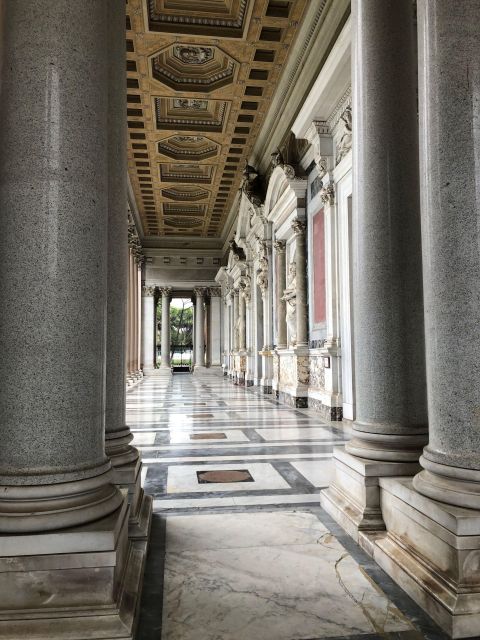
This is a stand-alone, single-site tour. You’ll start at Basilica of Saint Paul Outside the Walls, and your time in the building is part of a tight 60–90 minute visit focused on the basilica’s true spiritual and religious significance.
The good part about that timing: it’s long enough to feel like you actually met the place, not just passed through it. It’s short enough that you can still keep a full day itinerary without burning hours on navigation and waiting in unrelated lines.
The guide approach is also worth calling out. You’re not only looking at the basilica; you’re learning how to look. Expect the guide to weave together the architecture, the artwork, and the religious meaning of the moments you’re seeing—especially the relic and sarcophagus area.
What you’ll see: mosaics, major altars, and “look-for-this” moments
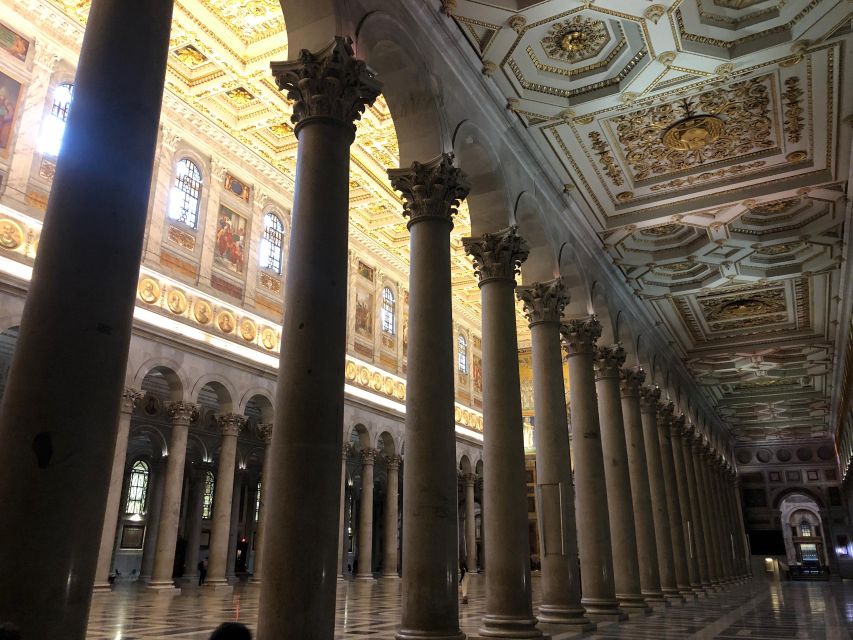
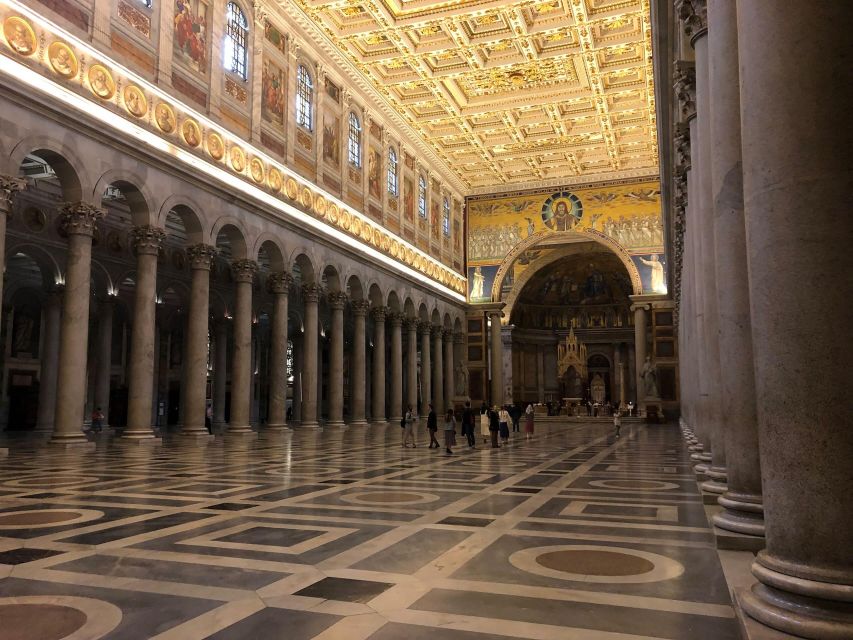
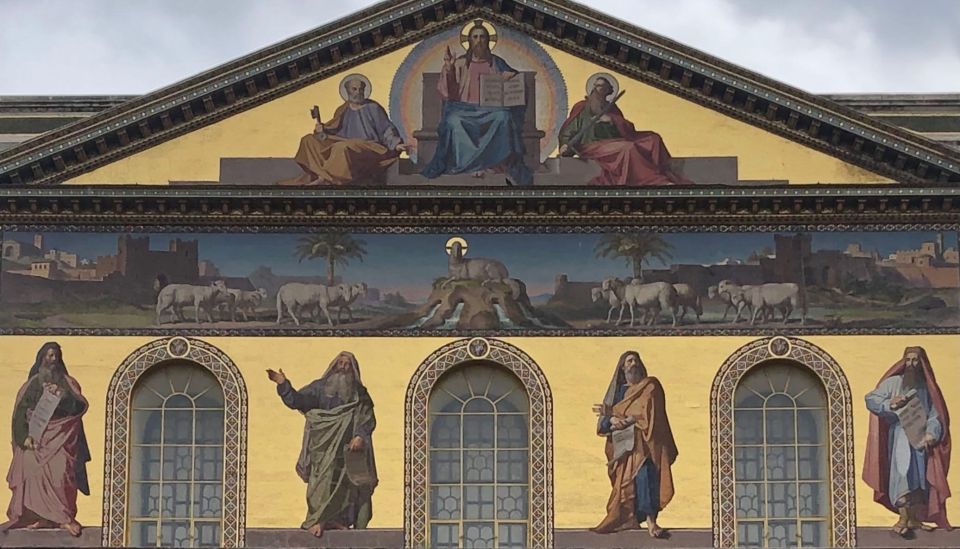
St Paul Outside the Walls is known locally for its golden mosaic facade—often referenced as San Paolo Fuori le Mura. That gold isn’t just decorative. In the tour framing, it’s treated like visual catechesis: a way of teaching faith through design.
As you move through the basilica, the guide helps you focus on:
- the prominent artwork and mosaics tied to saints and Church teaching
- the distinctive design elements behind the main altar
- elements connected to key church spaces like the cloister area
One of my favorite things about this kind of guided visit is that you learn what to pay attention to. Without a guide, many visitors walk past the same patterns with no idea what they represent. With this format, you get an interpretive map for what’s in front of you.
There’s also a practical upside: in a large church, your brain can feel overloaded fast. The guide’s pace keeps you oriented, so the basilica doesn’t feel like a blur of marble and gold.
The sarcophagus and relic veneration: the heart of the visit
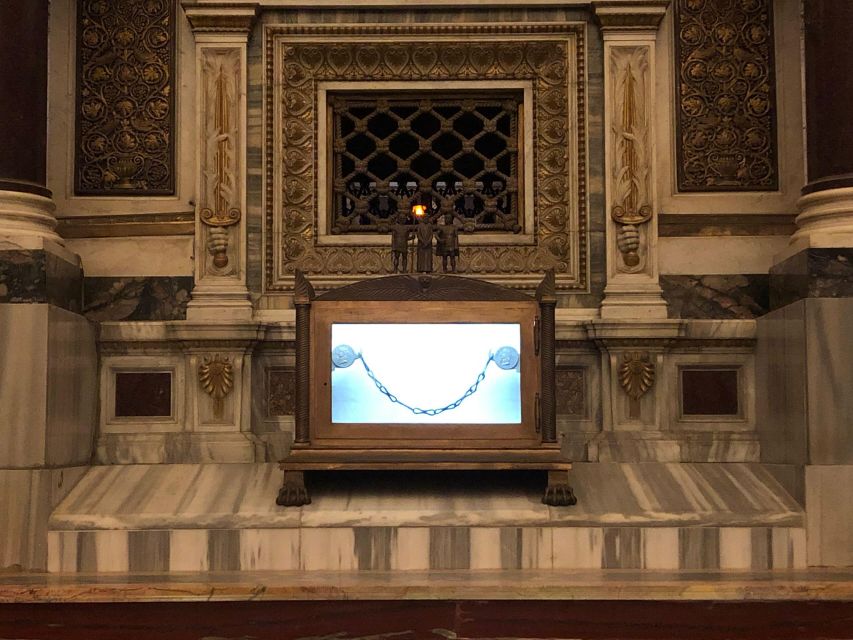
The center of this tour is the experience of honoring St Paul’s body. You’ll visit the basilica’s sarcophagus containing relics of St Paul, and you’ll be guided in understanding who St Paul was and why his burial site became so important for Christians.
The tour also points you toward other items tied to Paul’s story in Rome. You’ll see:
- a relic of the chain that bound the Apostle Paul during his captivity in Rome
- a display connected to a pillar of the Church along with St Peter (as described in the tour)
If you’re Catholic (or simply curious about Catholic devotional life), this is the part that turns the basilica from architecture into faith-in-action. If your visit is mainly about history, it still works, because the guide connects the relics to the Church’s narrative and how tradition preserves memory.
One more intriguing detail: the tour includes a mention of a miraculous cross kept here—an object described as inspiring St Bridget of Sweden to found the Order of the Bridgettines. Even if you’re not familiar with St Bridget, the guide uses it to show how a single church can keep reverberating through centuries.



The Holy Door: what it means, and when you’ll see it
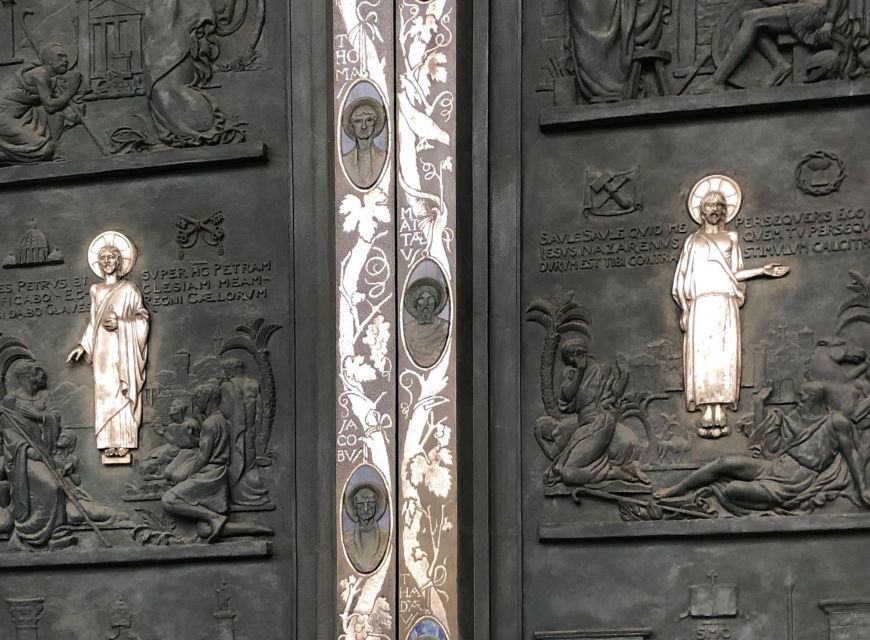
This basilica includes one of Rome’s four Holy Doors. The tour explains that these doors open during Jubilee Years. So here’s the practical reality: depending on when you visit, the Door may or may not be physically open.
Either way, it’s still valuable. The guide’s context helps you understand the concept of Jubilee pilgrimage—why a door becomes a spiritual threshold, not just a piece of architecture. And if you happen to be in Rome during a Jubilee period, this is exactly the kind of tour that helps you notice what’s happening and why it matters.
Architecture and history: from a 4th-century foundation to the fire of 1823
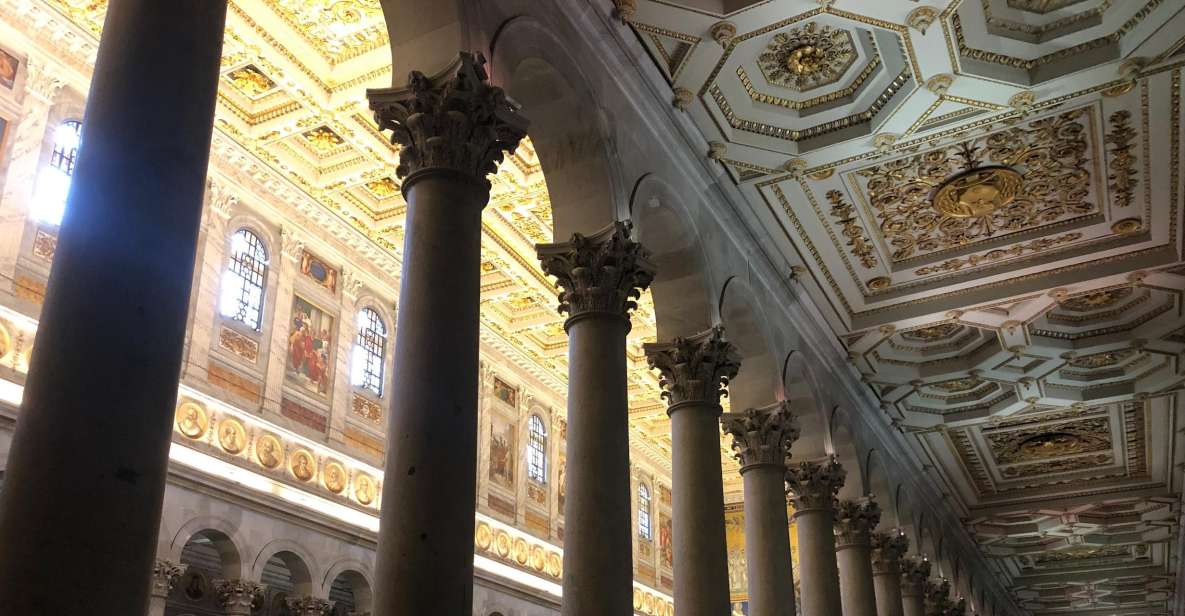
If you like timelines, you’ll get them here. The basilica’s story starts with the early Church. The original basilica is described as being constructed in the 4th century at the location where St Paul was buried.
Then history gets rough. The basilica was restored and improved repeatedly over the centuries, including after a devastating fire in 1823, followed by restoration and partial rebuilding. The tour frames today’s basilica as a building that carries layers of time—surviving setbacks and continuing to serve as a living place of worship.
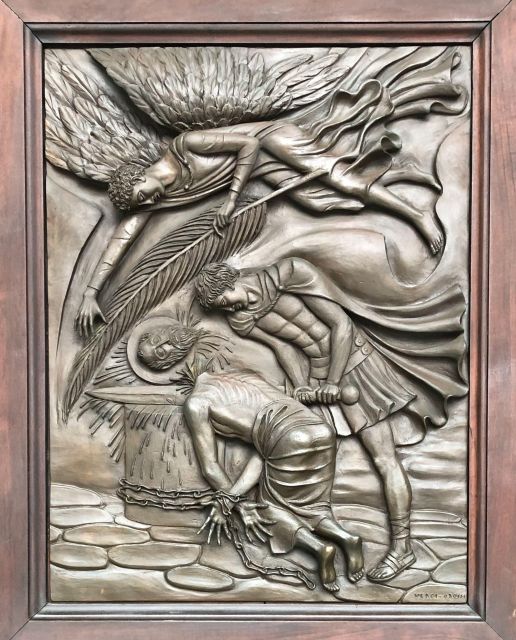
The guide also touches on St Paul’s fate. As a Roman citizen, St Paul was spared crucifixion’s slow agony and instead was beheaded for being Christian. It’s a stark detail, but in the tour’s context it helps explain why the burial site became so symbolically powerful for early Christians.
If you’re the type who usually skips “boring history,” this is still a manageable way to learn it, because the facts are tied to the objects and spaces you’re standing in.
How guides make it click: Wen, Dan, and Tom as examples
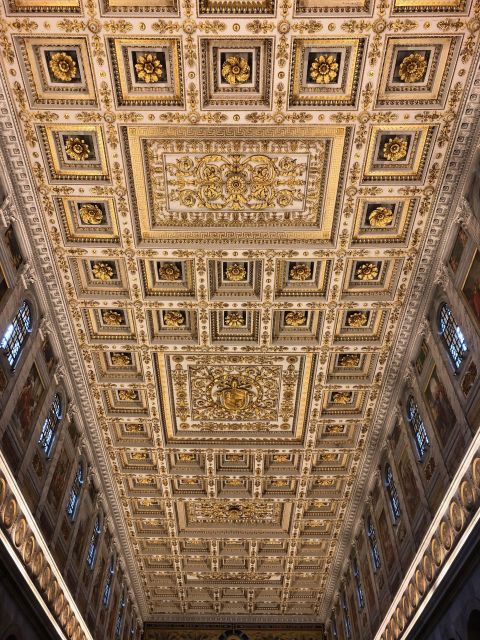
The guiding style matters a lot in a big basilica. This tour is led by devout Catholic scholars who weave catechesis into sightseeing, and that shows up in how they answer questions.
You’ll hear real examples of guides doing it well—people like Wen, who spoke clearly and slowly (helpful if you’re hearing impaired), and Dan, who made the hour feel like it went by quickly. Another guide mentioned in detail is Tom, who is praised for a strong, engaging opening and for keeping both adults and kids interested with a detailed approach.
Here’s the practical take for you: if sound is a challenge, use the tools you have. The tour provides radio headsets for groups of 7 or more, which can make a big difference in a church full of echoes and ambient noise (including any singing you might hear). If you’re in a smaller group, sit where you can hear easily, and let the guide know right away if you need to be closer.
Group size, language, and what that means for your experience
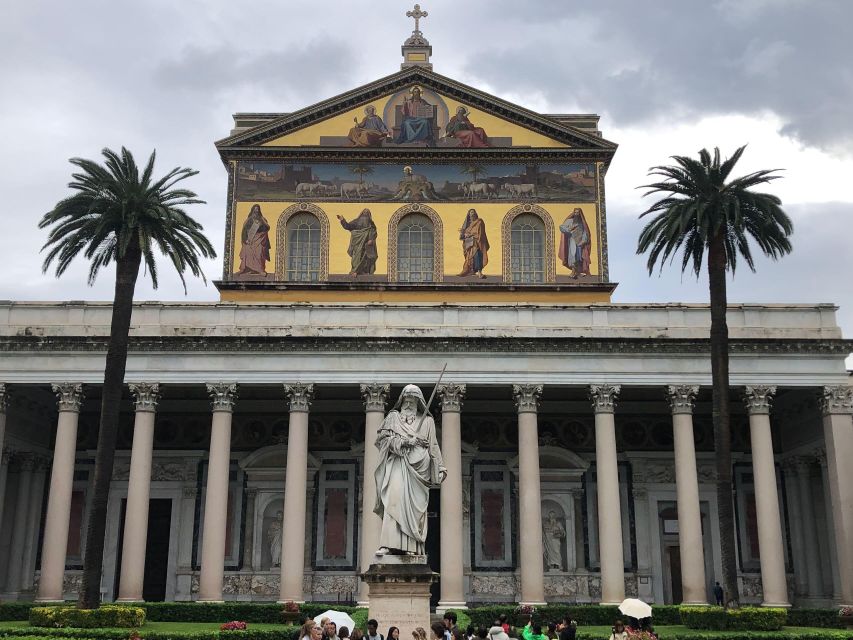
This is a small group capped at 10 participants. That size is a big part of the value. You’re less likely to feel like you’re in a human conga line, and it’s easier to ask questions or get pointed toward what you should notice next.
You can book in English or Chinese, and the tour is wheelchair accessible. Dress code is strict: no shorts and no short skirts. In other words, treat this like a real church visit, not a casual photo walk.
You should also know the tour ends outside the basilica, in the neighborhood called San Paolo. The guide’s approach doesn’t just end at the finish line; you typically get pointers on what to enjoy in the area afterward.
Finishing in San Paolo: a calmer Rome corner after the basilica
Most major sights pull you into the thick of central Rome. After this tour, you’ll be released in the San Paolo neighborhood. It’s described as a fashionable area, and it’s only a few metro stops from the center.
This matters because it gives you options. You can head straight back to your main sightseeing loop, or you can take advantage of the chance to slow down and explore a part of Rome that doesn’t always get top billing in first-time itineraries. Even if you only spend an hour wandering, it can make your whole day feel less crowded and more personal.
Value check: is $65 for a one-hour basilica tour a smart buy?
$65 for a one-hour guided basilica experience can feel high or fair depending on how you travel. Here’s how I’d judge the value using what’s included.
You get:
- a guide
- all taxes and fees
- radio headsets for groups of 7 or more
You do not get:
- transport to and from the meeting point
- guide tip (so factor that into your budget)
- anything that replaces your own planning for transit
So the question becomes: do you want to experience St Paul’s basilica with interpretation, or do you prefer to go solo?
If you’re the type who likes religion-as-meaning (not religion-as-rules), this tour is strong value. The focus on veneration, relics, the Holy Door concept, and the catechesis behind architecture isn’t something you’ll reliably pick up from a quick self-guided glance. The small group size also helps you feel like you’re being guided, not just moved along.
If you’d rather read plaques at your own pace and skip the religious framing, you might find the cost less worth it. Still, even then, the sarcophagus-and-relic focus is the kind of moment that benefits from a guide—because it’s easy to miss what matters if you don’t know where to look.
Who should book this tour (and who should skip it)
Book it if:
- you want a spiritual visit that still explains the art and architecture
- you care about St Paul’s story and how it’s preserved in Church tradition
- you like a smaller group and a structured hour that doesn’t sprawl
- you appreciate guides who can connect faith, symbolism, and history in plain language
Skip it if:
- you plan to wear clothing that violates basilica dress rules
- you want a mostly secular, photo-first experience
- you dislike any devotional framing and prefer only neutral art and architecture commentary
Also, if accessibility is part of your planning: the tour is listed as wheelchair accessible, so it’s worth considering seriously.
Should you book this St Paul Outside the Walls tour?
I think this is a good choice for travelers who want less “checklist Rome” and more meaning in a major Roman basilica. The price makes sense when you factor in the guide’s focus on relic veneration, the Holy Door significance during Jubilee Years, and the fact that you’re not left to figure out symbolism alone.
If your goal is to feel the place and understand what you’re seeing—especially around the sarcophagus, relic chain, and the basilica’s visual language—this one-hour visit is a solid use of time. If you’re mainly chasing broad, casual sightseeing, you may prefer a self-guided approach instead.