REVIEW · ROME
Rome: Private Night Golf Cart Tour
Book on GetYourGuide →Operated by Kirba Tours · Bookable on GetYourGuide
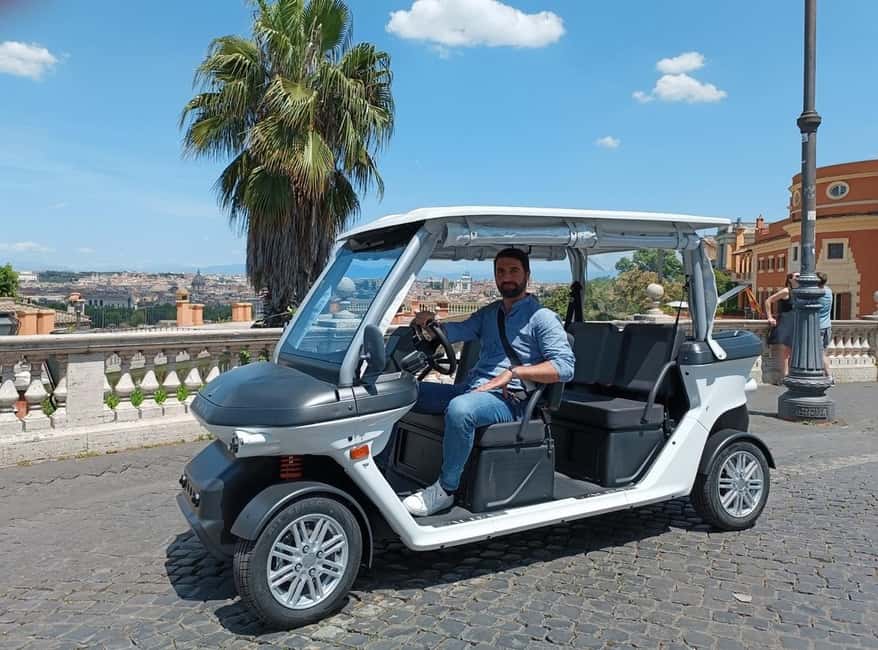
Rome at night looks better from rolling wheels. This private night golf cart tour glides through Rome’s illuminated streets, hitting major sights when the light turns soft and photogenic. You also get real-time local guidance as the city shifts from day noise to evening calm.
I love two things right away: the eco-friendly transportation and the fact that you’re not stuck doing long stretches on foot. It is set up for short rides and photo stops, so you can see more without feeling wrecked. One possible drawback: at night, some areas can be too dark to study closely, so think of this as an experience for views and photos, not a detailed sightseeing march.
In This Review
- Key highlights that make this tour click
- Why a private night golf cart in Rome makes sense
- Getting picked up: Kirba Tours sign, two options, and an easy meet-up
- The route overview: from major monuments to classic Rome corners
- Colosseum photo stop: the best first wow
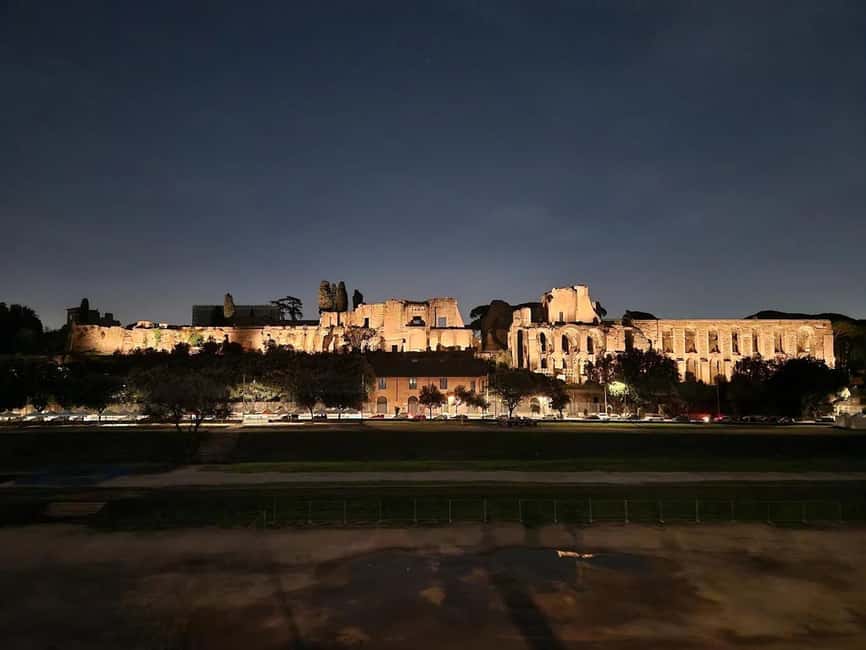
- Circus Maximus: a long, low Rome you can actually see
- Trastevere by night: quick photos, real atmosphere
- Fontana dell’Acqua Paola: a calmer pause with perspective
- Janiculum Hill: where the city lighting does its job
- Via Giulia after dark: classic streets, quick orientation
- Piazza Navona: lighting and geometry you’ll feel right away
- Pantheon area: exterior views and a major Rome anchor
- Piazza di Spagna and the Quirinale area: Rome in postcard angles
- Trevi Fountain at night: the final big icon
- How long is 2.5 hours, really?
- Price and value: what you’re paying for at $99 per person
- Who this tour fits best
- Little planning notes that matter
- Should you book this Rome night cart tour?
Key highlights that make this tour click
- Photo stops timed for night views at big icons like the Colosseum, Pantheon area, Piazza Navona, and Trevi Fountain
- Private, driver-led routing so you spend less time figuring out streets and more time looking up
- English, Italian, or Spanish-speaking drivers who share local tips during the ride
- Minimal walking thanks to the golf cart format and frequent short transfers
- Wheelchair accessible (with limits) for up to 3 people, using a foldable wheelchair
Why a private night golf cart in Rome makes sense
Rome at night has a different rhythm. Streetlights soften edges, domes and facades glow, and the crowds feel thinner in motion (even if you still see plenty of people near the biggest landmarks). This tour leans into that mood.
The big value is how the golf cart format changes your day. Instead of turning landmarks into a stamina test, you get a string of short, easy transitions. That matters if you’re short on time, don’t love hot-weather walking, or you just want to see the highlights without spending hours navigating on foot.
The other smart piece is pacing. The stops are built for photos and quick moments, not long museum-style sessions. That’s a plus for first-timers because you leave with a clear mental map of where things are and what to visit later in more detail during the day.
You can also read our reviews of more tours and experiences in Rome.



Getting picked up: Kirba Tours sign, two options, and an easy meet-up
Pickup is included, and the tour is designed so you can meet the driver without stress. In many cases, pickup at or near your hotel inside the city center is possible—still, it’s worth verifying your exact location before the tour.
If your hotel is outside the pickup area, the meeting point can be set at Piazza della Repubblica 10. On the day of your tour, the driver arrives with a sign or flag showing Kirba Tours, which makes it simpler to spot the right vehicle.
Also, the tour reconfirms your pickup location before departure. That’s a small detail, but it reduces the usual Rome headache: wondering if you’re in the right place, at the right time, with the right group.
The route overview: from major monuments to classic Rome corners
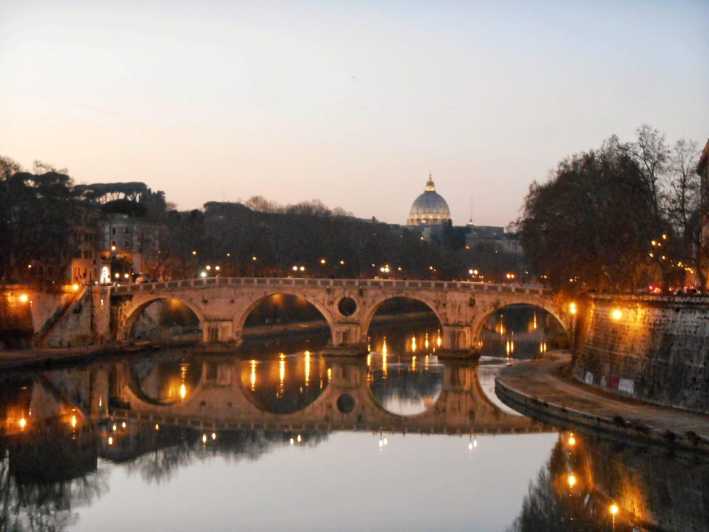
The ride is structured around several major landmarks with photo stops throughout the evening. You start with the Colosseum, then move through Circus Maximus and Trastevere, later reaching views from Janiculum Hill, and finishing up through Via Giulia, Piazza Navona, the Pantheon area, Piazza di Spagna, the Quirinale area, and Trevi Fountain.
Even if you’ve been to Rome before, the night timing can change how these places feel. You get the overall shapes and lighting—then you can decide later which stops deserve a daytime return.
One practical note: entrance fees are not included. So if you’re hoping to walk inside monuments, this isn’t that type of tour. It’s about exterior views, street-level atmosphere, and getting the photos you’ll actually want in your camera roll.
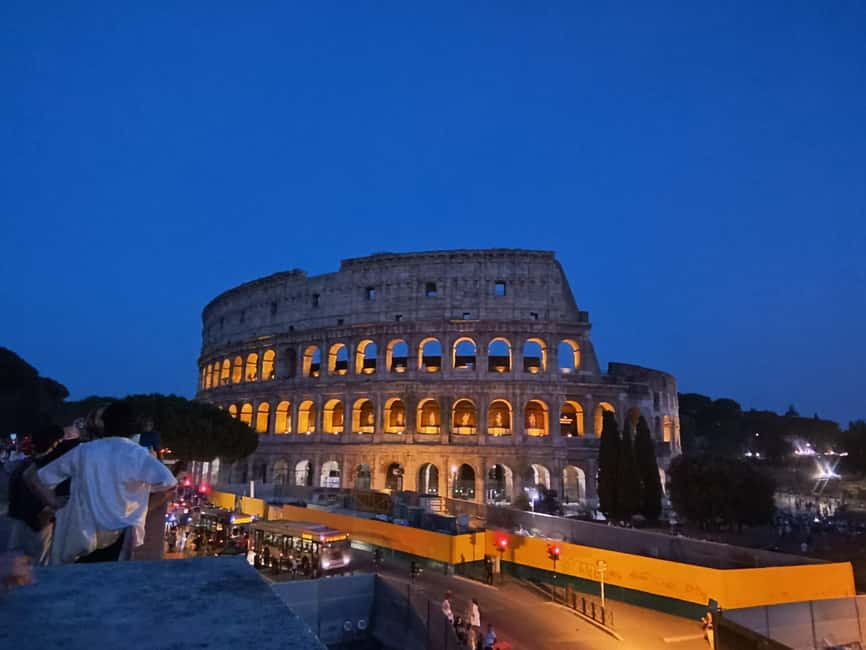
Colosseum photo stop: the best first wow
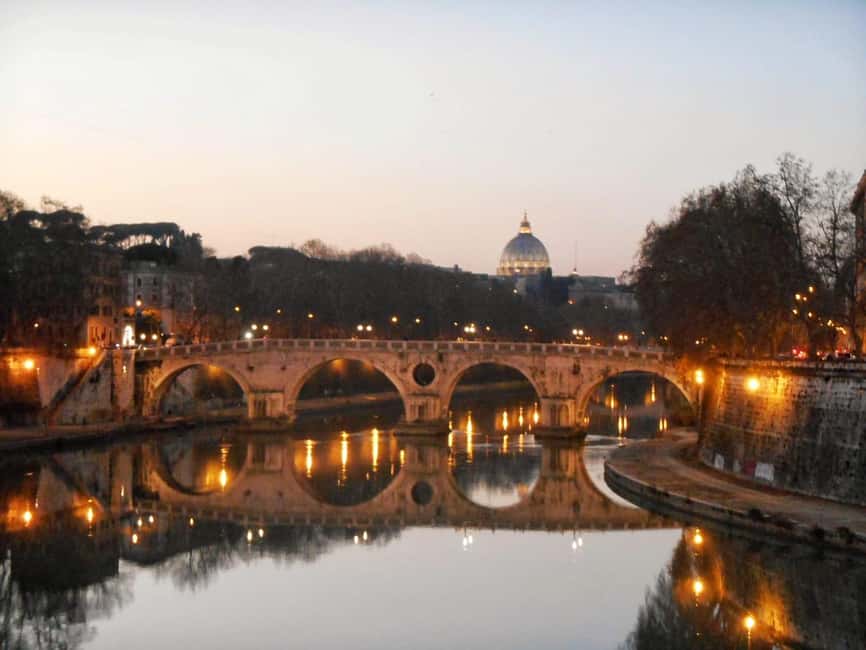
The Colosseum is always impressive. At night, it becomes a silhouette with drama—especially when the first wave of evening lighting kicks in. Your tour gives you a dedicated photo stop here, with enough time to step out, find a viewpoint, and capture the landmark before you start moving again.
What I like about this approach is that it sets your Rome “before and after” frame. Many people visit the Colosseum by day and remember heat and noise. This version gives you a calmer first impression and helps you place the surrounding neighborhoods for later.
Possible drawback to keep in mind: even with a photo stop, night lighting won’t show every detail the way daytime does. Expect the overall look more than the fine textures.
Circus Maximus: a long, low Rome you can actually see
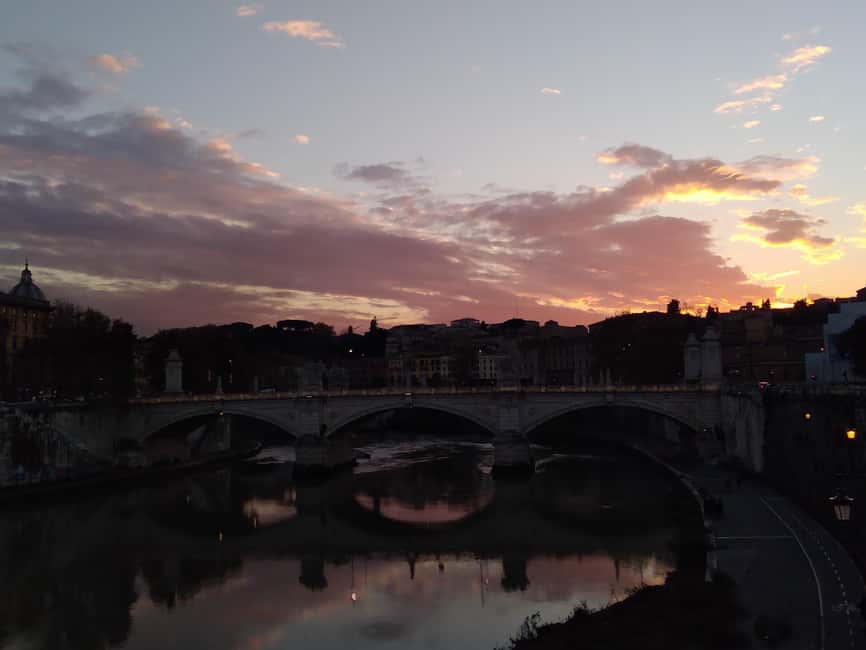
Circus Maximus is one of those sites that feels huge but can be hard to understand on foot if you don’t know the lay of the land. From the golf cart, you get a more sweeping view, plus the chance to snap photos that communicate scale.
This stop is short, which is intentional. It keeps the tour flowing and prevents you from getting stuck in a single place while the city continues to glow around you.
If you’re the type who loves noticing how Roman space was designed for crowds and movement, this is a nice bridge between grand ruins and city streets.



Trastevere by night: quick photos, real atmosphere
Trastevere is all about vibe. Even when you’re not doing an in-depth neighborhood walk, catching Trastevere at night gives you something you don’t get in a rush during the day: that lively, slightly off-beat Rome feeling.
Your tour includes a photo stop there, so you can frame streets, bridges, and building facades with the warm evening tone that makes Trastevere famous. It also helps you get oriented—so if you decide to come back later for dinner or a longer stroll, you’ll know what you’re looking at.
Because it’s a photo stop, you won’t get a full neighborhood tour with extended time on every side street. If your priority is eating or walking deep into Trastevere, you’ll still want a daytime plan for that.
Fontana dell’Acqua Paola: a calmer pause with perspective
This fountain stop is a change of pace. Instead of another ancient arena or major square, you get a classic Rome water moment that works well at night because it adds movement and sparkle to your photos.
Your time here is designed for photos and a quick look—enough to notice the fountain’s presence, but not long enough to derail the tour.
I like this stop because it breaks up the march of the most famous icons. It also gives you a visual “breather” in your photo set, which makes the whole trip album feel more balanced.
Janiculum Hill: where the city lighting does its job
Janiculum Hill is a strong choice for a night tour because elevated views make the whole city feel like a single scene. This is where you’re most likely to understand how Rome’s lights spread across hills and rooftops.
You get a longer photo stop here compared with some of the other stops, which makes sense. To get good photos from a viewpoint, you need time to slow down, reposition, and choose angles.
If you’re sensitive to darkness or prefer not to rush in low light, this is one of the stops that justifies the night timing. It’s also a great mental reset before heading back into the denser core for the remaining squares.
Via Giulia after dark: classic streets, quick orientation
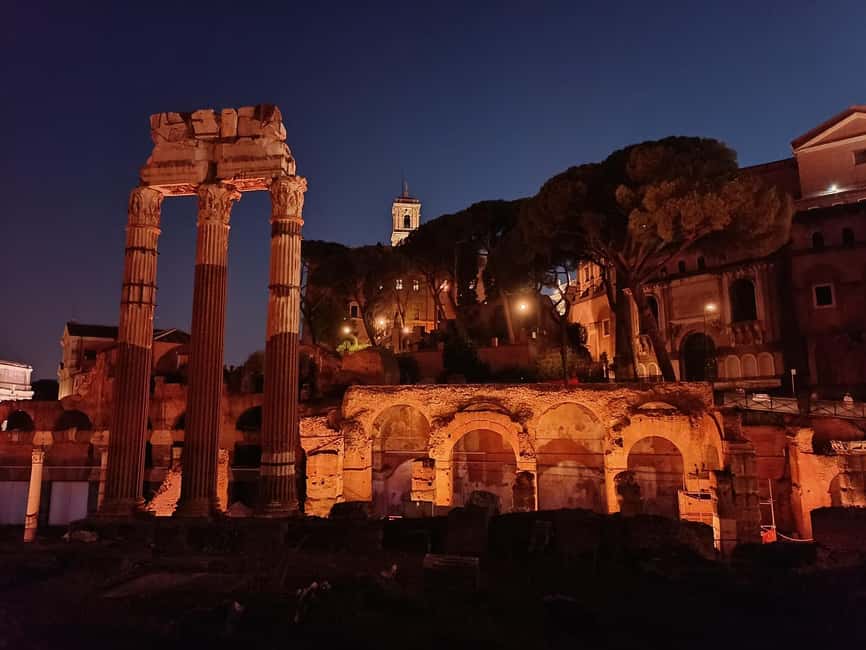
Via Giulia is a street that rewards attention. At night, you get the lines of architecture with less of the midday crush, and the street feels more like a passage than a destination.
Your stop here is for photos, but it has a useful purpose: it helps you connect major squares to the street grid you’ll navigate later. If you plan to return to Rome for a self-guided day, this kind of orientation can save you time.
Another nice part is that your driver shares local tips while you ride. That kind of commentary helps you notice what you might otherwise miss, like how streets funnel you toward certain landmarks.
Piazza Navona: lighting and geometry you’ll feel right away
Piazza Navona is famous in daylight for a reason. At night, it turns into a stage: bright illumination, open space, and strong baroque shapes that photograph well.
Your tour includes a photo stop here, giving you time to frame the fountain and the square’s architecture. Even if you’ve seen Piazza Navona before, seeing it at night can help you understand why it’s one of the most lived-in public spaces in the center.
Keep expectations realistic: this isn’t an extended sit-down time. It’s a quick snapshot stop designed to keep the overall tour within about 2.5 hours.
Pantheon area: exterior views and a major Rome anchor
The Pantheon is one of those landmarks you can recognize even from a distance. At night, its dome and surrounding geometry stand out cleanly against the darker streets.
Your tour includes a photo stop at the Pantheon. Because the tour is focused on exterior viewing, it’s a good moment to do a quick “mental check”: confirm what you want to revisit in detail later.
If you’re tired from daytime walking, this stop is also a nice way to still experience a top-tier sight without spending hours in line or navigating on your own.
Piazza di Spagna and the Quirinale area: Rome in postcard angles
Piazza di Spagna is one of Rome’s most camera-friendly locations. In the evening light, it becomes more about shape, silhouettes, and street glow than daytime crowds.
Your tour includes a photo stop there, followed by a stop near Palazzo del Quirinale. That sequence works well because it turns two major visual areas into a single connected evening moment, with the cart repositioning you between views.
This is a good part of the tour if you enjoy wandering with direction. You get the big postcard angles without the stress of trying to find exact viewpoints while you’re already tired.
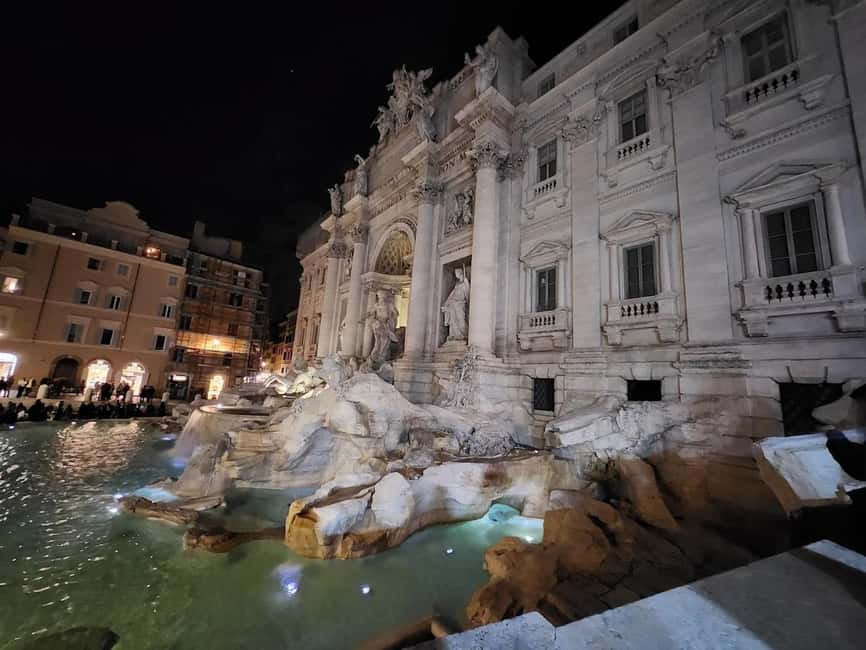
Trevi Fountain at night: the final big icon
Trevi Fountain is usually a magnet for attention. At night, the water and lighting give it a slightly different vibe—more cinematic, less daytime rush energy.
Your tour ends with a Trevi Fountain photo stop, and then you’re dropped off at your selected Rome location. This timing is also practical because it gives you the most iconic closer for your evening. You finish with a landmark that you can’t avoid seeing later when you’re planning daytime photos too.
Remember: entrance fees aren’t part of the tour, so this is for pictures and quick viewing. But for many first-timers, a great Trevi Fountain night photo is the kind of souvenir you’ll actually re-live later.
How long is 2.5 hours, really?
On paper, it’s about 2.5 hours total. In practice, it feels like a guided hit list with breathing room. You’ll do short golf cart rides between stops, then get specific photo time windows to step out and capture the main views.
That pacing is the point. The tour is built for people who want Rome’s highlights without spending the entire evening marching across sidewalks.
It’s also private, so you’re not dealing with a slow group that forces you to wait every time you want a photo. Private setup doesn’t automatically mean you’ll never feel rushed, but it generally gives you a cleaner flow.
Price and value: what you’re paying for at $99 per person
$99 per person can feel steep if you compare it to buying transit tickets. But this tour isn’t just transportation. You’re paying for a private driver-led route, easy transfers between major landmarks, and the time saved from planning and navigating.
You also get:
- bottled water to keep you comfortable during the ride
- a customized itinerary based on your preferences and interests
- insider tips and local insights shared along the way
For many visitors, those extras are what make the price feel fair. You’re not only seeing sights—you’re getting help understanding where things fit in Rome and what might be worth a daytime return.
Where the value is weaker: if you want long time at a few places, museum entry, or a deep neighborhood walk. This is a night highlights tour. Think “great overview” rather than “complete Rome.”
Who this tour fits best
This private night golf cart tour fits best if you:
- want to see the biggest Rome icons without heavy walking
- are traveling with limited time and want a smart order of sights
- like night photos and atmospheric streets
- want your route handled by someone who can share local context as you ride
It may not fit if you:
- need extended time at fewer sites (this is photo-stop style)
- prefer daytime visits for maximum detail (night lighting can limit what you can see)
- are hoping for included attraction entry tickets (those aren’t included)
Little planning notes that matter
If you’re bringing a child under 12, the tour requires letting them know their age and height because regulations require the right seat setup. If you have mobility needs, the tour is wheelchair accessible for up to 3 people, as long as the wheelchair folds and can be stored in the rear compartment during transfers. Mention this when booking so the setup is ready.
Your driver speaks English, Italian, and Spanish. That’s helpful if you want to ask quick questions about where you are, what you’re seeing, and what to do next.
Should you book this Rome night cart tour?
Yes—if your goal is a smooth, private, low-walking introduction to Rome’s top landmarks at night. The combination of eco-friendly golf cart rides, timed photo stops, and local tips makes it a strong use of an evening, especially if you want that iconic Colosseum-to-Trevi Fountain story arc.
Skip it only if you want deep time inside monuments or a slower neighborhood experience. In that case, you’ll be happier with a daytime walking plan plus a separate, shorter evening stroll.
If you’re choosing just one “first night in Rome” activity that helps you get your bearings fast, this one does the job.