REVIEW · ROME
Rome: Ostia Antica Archaeological Park Ticket & Audio App
Book on GetYourGuide →Bookable on GetYourGuide
Ancient Ostia feels shockingly close.
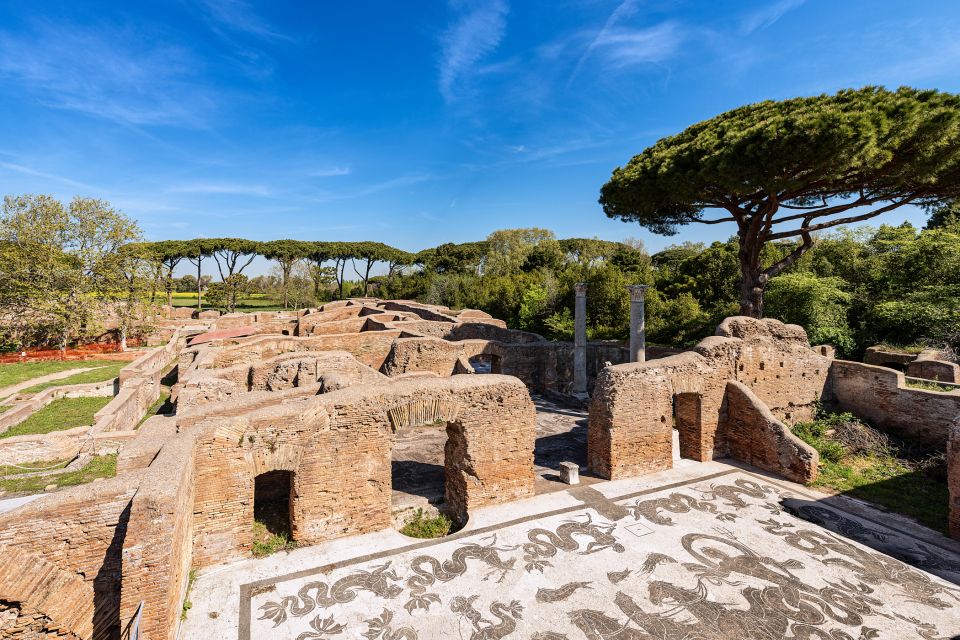
What makes this ticket special is how much you can see for one price, and how well the site holds onto its Roman life. I especially love the mosaics and the standing-room streetscape of Ostia Antica, where colors and patterns survive like someone saved them yesterday. The big caution: the ruins are extensive and the route isn’t always obvious, so you may need extra patience (and a map) to stay on track.
You can roam at your own pace with a digital audioguide and use your phone to unlock the experience. I also like the built-in photo trick—turning one of your own images into a unique postcard to send home. Do one more thing before you go: bring comfy shoes and expect uneven paths.
In This Review
- Key highlights worth planning around
- Ostia Antica: A Roman Port City You Walk Through
- Your ticket’s real value: More than one site
- Entering the park: exchange voucher and start walking
- Audio app: helpful, but don’t bet your day on perfect GPS
- Streets and buildings: the apartments tell the story fast
- The Villas of Procoio: baths, theater, and stone masks
- Mosaics and frescoes: why the preservation still matters
- The postcard feature: instant souvenir, easy to share
- Adding Castle of Julius II and the port-side sites
- How long to plan: think all-day, not half-day
- Who this ticket suits best
- Is $27 good value for Ostia Antica plus the port sites?
- Final verdict: should you book this?
- FAQ
- Where do I start the experience?
- How much does the ticket cost?
- What sites are included with this admission?
- How long is the ticket valid?
- Is transportation included?
- What do I need to bring?
- Do I need to present ID?
- Is there an audio guide?
- Can I really make a postcard from my own photo?
Key highlights worth planning around
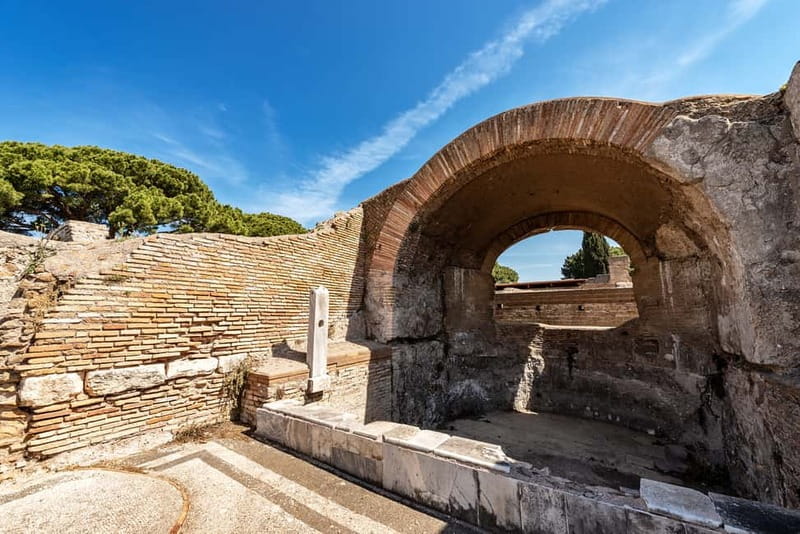
- Stunning mosaics and frescoes preserved under silt that sealed the city for centuries
- Two-story apartment blocks and daily-life spaces you can actually walk through
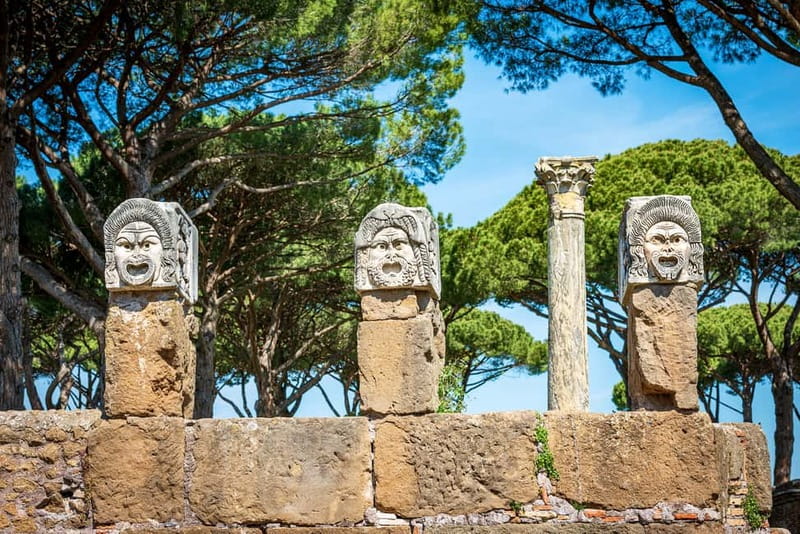
- Villas of Procoio, including a bath complex and an amphitheater with stone theatrical masks
- Integrated admission to multiple nearby sites, not just Ostia Antica
- Audio app pacing that’s flexible, though location tracking can be imperfect
Ostia Antica: A Roman Port City You Walk Through
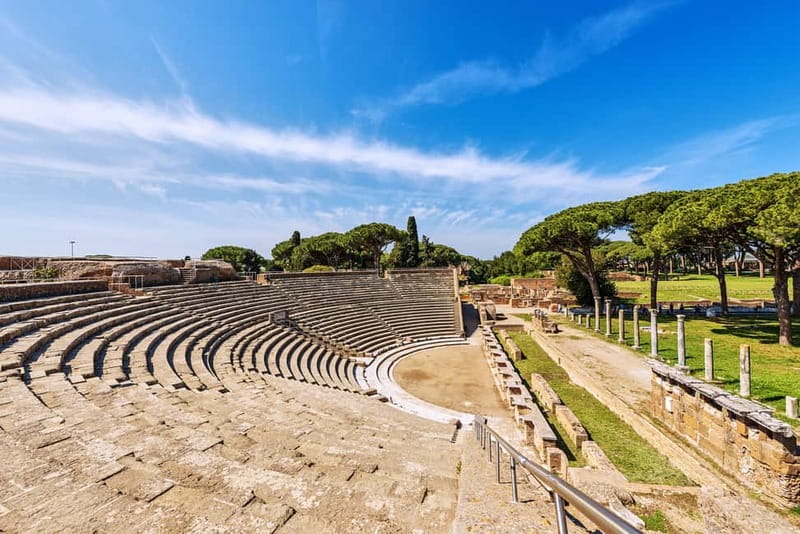
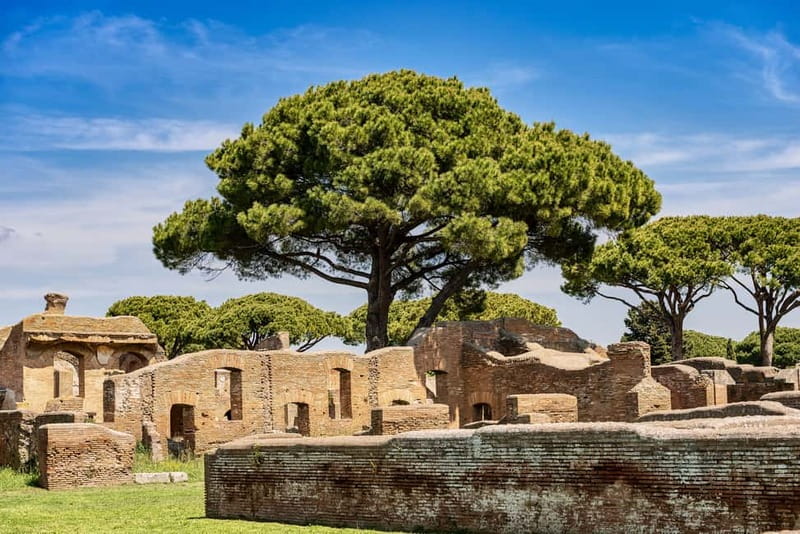
Ostia Antica sits just outside Rome, and the feel is very different from the big headline ruins. You’re not looking at scattered columns from a distance. You’re moving through a full ancient town layout—the streets, the room clusters, the “you are here” feeling that makes history easier to understand.
The setting helps. Ostia was a coastal city on the mouth of the Tiber, and over time the river brought silt that buried parts of the town. That covering did something rare: it protected buildings, frescoes, and mosaics in remarkably good condition. When you stand in front of those surfaces, you’re seeing everyday visuals from Roman life, not just architecture.
If you like Roman cities that show how people lived (not just how they ruled), Ostia Antica is an easy “yes.” And if you want an attraction that doesn’t force a strict group schedule, the self-paced format matters a lot.
Your ticket’s real value: More than one site
A lot of entrance tickets only get you into one place. This one is an integrated admission ticket that covers several sites tied to the Roman port world around Ostia and Fiumicino.
Your pass includes entry to:
- Ostia Antica Archaeological Park
- Castle of Julius II
- Museum of Ships in Fiumicino
- Imperial Ports of Claudius and Trajan
- Necropolis of Porto on Isola Sacra
For your money, the win is flexibility. If you’re the type who wants to build a mini “ancient port” day, you can stay in the archaeological park first, then spread the rest of the covered sites across your visit window. If you’re tired or the weather turns, you can choose the easiest remaining options.
One small thing to watch: the pass validity is listed as 8 days from first activation, but the fine print also mentions 7 days. Check the validity window shown in your voucher or activation screen so you don’t lose time by accident.
Entering the park: exchange voucher and start walking
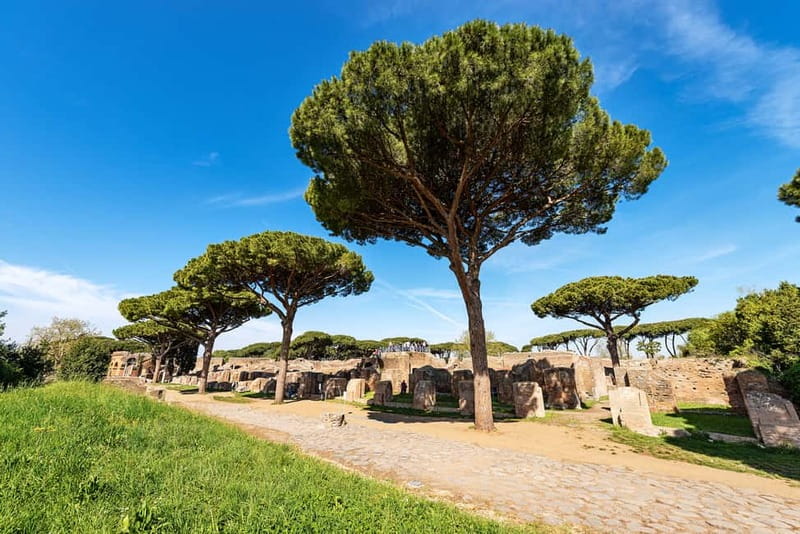
Your experience starts by exchanging your voucher at the Ostia Antica ticket office. After that, the activity ends back at the meeting point, so plan your time as a full roam rather than a quick drop-off.
Once you’re in, think of Ostia Antica as a route you’ll build yourself. The site is large, and you’ll likely want a few “anchor” stops to prevent wandering that eats hours. A smart strategy is to pick one main focus—like mosaics and interiors—then let the rest fill in around it.
Also plan for movement. Paths at the site are uneven. You’re dealing with real walking, not a smooth museum floor. Bring comfortable shoes and accept that you’ll want to slow down for details.
Audio app: helpful, but don’t bet your day on perfect GPS
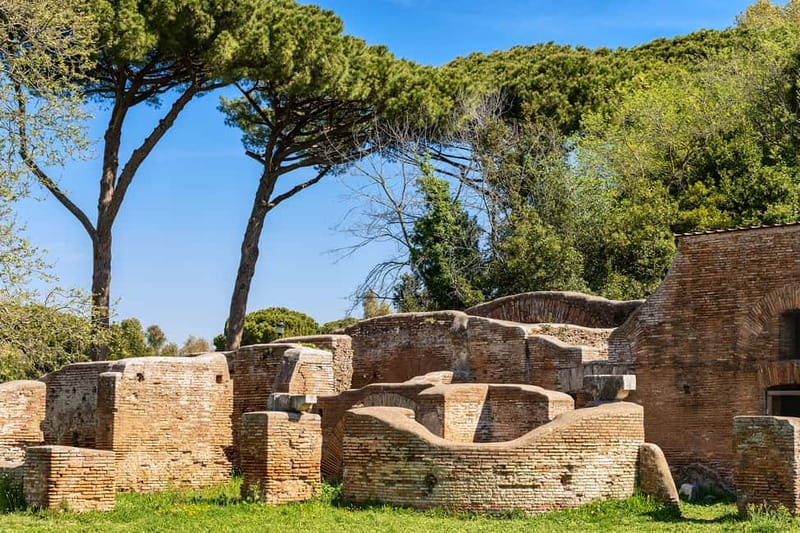
The digital audioguide is included, and it’s one of the reasons this ticket works so well without a live guide. The audio helps you connect what you’re seeing to what it meant—especially with topics like domestic spaces, city layout, and how the preservation happened.
The tradeoff: at times it can be a little difficult to track the exact location of individual sites using the app. That doesn’t make the visit unusable, but it does mean you should avoid rushing.
Here’s what works in practice:
- Go a bit slower than you normally would at ruins.
- When you hear a section, look around for matching features (mosaic floor areas, doorways, room layouts).
- If the app seems to lag, use a map approach—zoom out and re-orient before you chase the next stop.
If you’re visiting as a solo traveler, with kids, or with friends who don’t want a formal group tour, the audio format is a good match. If you hate any chance of “where am I?” moments, you might prefer a guided tour—but the audio still gives you strong self-guided structure.
Streets and buildings: the apartments tell the story fast
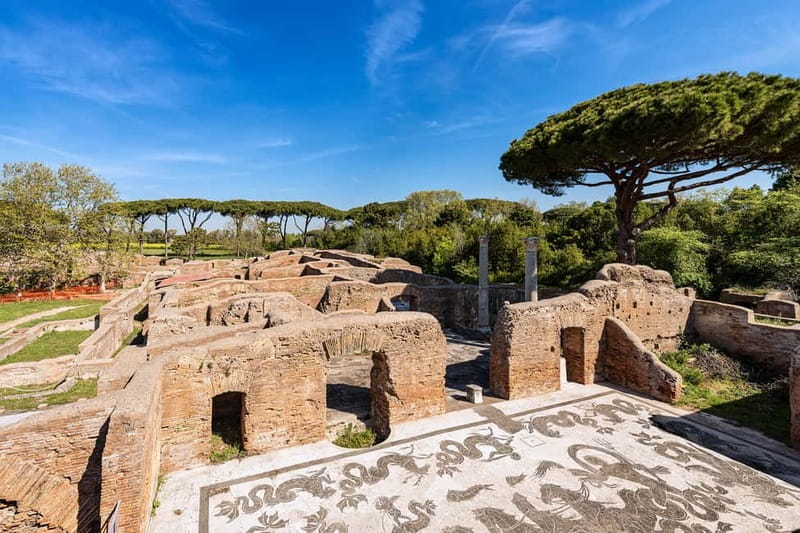
One of Ostia Antica’s best features is how clearly you can picture a functioning Roman city. You’ll be walking through the kinds of spaces that made daily life run: residential areas, street edges, and multi-level structures.
A big highlight is the two-story Roman apartment blocks. Seeing these building forms helps you grasp how dense life could be. It’s not just big monuments. It’s housing, rooms stacked for city living—exactly the kind of detail that turns “Roman times” from a vague concept into something concrete.
As you move through, keep an eye on the layout logic. Rooms, entries, and stair-like movement patterns help you understand how people actually moved through their day. Even if you don’t want to “study,” the physical evidence is doing the teaching.
The Villas of Procoio: baths, theater, and stone masks
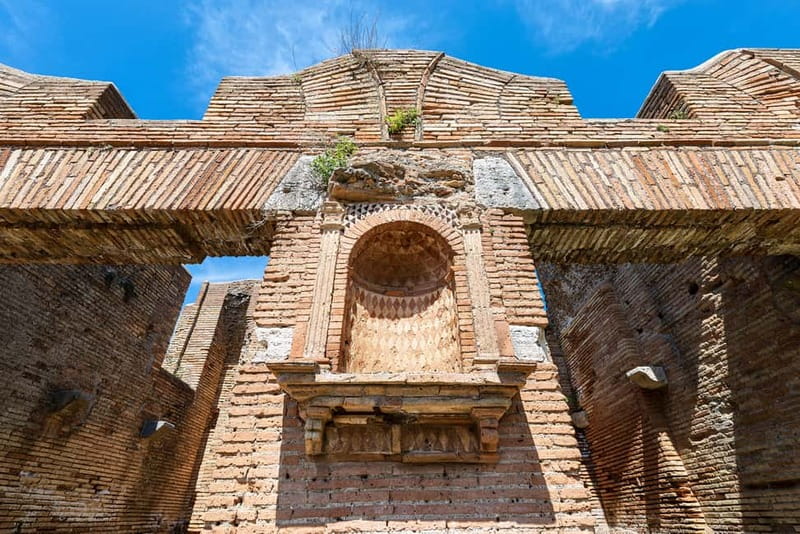
Ostia Antica doesn’t only show housing blocks. It also gives you a look at more elaborate residences, including the seaside villas of Procoio.
The standout detail here is the mix of leisure and public-style spectacle within a villa setting. You can explore a large bath complex, which gives you a sense of how important bathing and relaxation were. And you can also visit an amphitheater lined with striking theatrical masks made from stone—a visual detail that’s hard to forget once you spot it.
This is a great section for slowing down. The site is best when you let the scale hit you. Baths especially benefit from time because they show how Romans designed comfort and routines into architecture.
If you’re photographing, this is also where you’ll likely get your sharpest images. The mosaics and architectural edges help you frame shots without needing a drone or special angles.
Mosaics and frescoes: why the preservation still matters
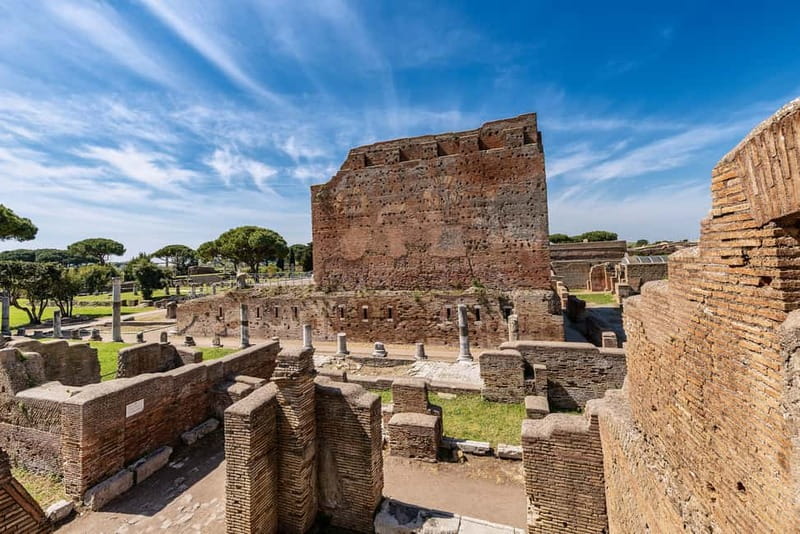
Ostia Antica is famous for its decorated surfaces, and it’s not just hype. The mosaics and frescoes are part of the main reason the city feels “alive” rather than like a skeleton of walls.
The preservation story is a key part of the value. Silt from the river covered the town and helped protect buildings for centuries. That’s why you can see decorative work still clinging to the spaces they were made for, rather than only seeing traces.
In practical terms, that means your visit isn’t only about reading signs and imagining. You can look at patterns, floors, and color remains and get a direct sense of Roman taste. The best strategy is to stop often. Don’t speed past mosaics just because you’ve seen a few. Pick a few and really look—close enough to understand their structure.
The postcard feature: instant souvenir, easy to share
One of the clever extras is the option to turn one of your own digital photos into a unique postcard you can send to friends and family anywhere in the world.
This is exactly the kind of add-on that makes a visit feel more personal. You’re not just taking photos for your camera roll; you’re turning an image into something you can mail.
To make this work smoothly, bring a charged smartphone. If your battery is low, you’ll spend your visit hunting outlets instead of enjoying the ruins.
Adding Castle of Julius II and the port-side sites
The best part about an integrated pass is you can expand your day based on your interests. After Ostia Antica, you can choose to visit the other included stops, many of which connect to the port story and maritime life.
With your ticket, you can also go to:
- Castle of Julius II
- Museum of Ships in Fiumicino
- Imperial Ports of Claudius and Trajan
- Necropolis of Porto on Isola Sacra
You don’t have to force everything into one day. If you’re the type who likes to move carefully—spend longer with the mosaics and then let the port sites be “bonus chapters.” If you’re on a tighter schedule, you can focus on the parts that feel most meaningful to you and still know your ticket covers the rest while your time allows.
This pass is particularly useful if you’re staying near Rome and want one ticket to handle more than one ancient corner without buying separate admissions.
How long to plan: think all-day, not half-day
The ruins are extensive, and the walking adds up fast. Sturdy shoes matter, and water matters, especially in warmer months. The good news is that the site gives you plenty of material to keep you interested for hours—apartment blocks, villas, baths, mosaics, fresco areas, and amphitheater-like spaces with those stone masks.
If you only have a couple of hours, you can still do it, but you’ll have to choose. My advice: don’t try to hit everything. Pick your “must-see” sections and accept that you won’t see every room and every decorative patch.
If you have a full day, you’ll feel less rushed and more able to stop, look, and understand the site’s flow. With the audio app, that extra time also helps because you can listen without racing between points.
Who this ticket suits best
This experience fits well if you want:
- Roman history you can walk through, not just look at
- A self-guided visit with enough structure from an included audioguide
- A way to cover multiple related sites with one ticket
It’s also a solid fit for couples, friends, and solo travelers who like independence. If you prefer a very guided experience with someone leading you stop to stop, this may feel more “you manage the route.” Still, the audio guide is there to help you connect what you see.
It’s less ideal if you hate uneven surfaces and long walking, or if you strongly dislike any chance of getting turned around at a large site.
Is $27 good value for Ostia Antica plus the port sites?
At about $27 per person, this ticket can be a strong value if you’ll use it as intended: not just Ostia Antica, but also the other included sites.
The value logic is simple:
- You’re paying once for entry to several locations.
- You’re also getting a digital audioguide included.
- You have a validity window that lets you spread visits rather than forcing everything into a single day.
If you’re only going to do Ostia Antica itself and skip every other included site, the price still might feel fair, especially given the quality of mosaics, frescoes, and preserved architecture. But the best math comes when you treat the pass like a mini “Roman port” plan—Ostia first, then use the extra sites when your legs and attention level allow.
Final verdict: should you book this?
I’d book this if you want a lot of Roman atmosphere for one admission, and you’re comfortable planning a route through a large archaeological park. The mosaics, the preserved buildings, and the option to add the other covered port-related sites make the ticket more than a single-site visit.
Skip it (or consider a more guided option) if you know you hate uneven walking, or if the idea of route uncertainty makes you anxious. But for most people who enjoy exploring on their own terms, this is a practical, high-reward way to experience Ostia Antica.
FAQ
Where do I start the experience?
You exchange your voucher at the Ostia Antica ticket office. The activity ends back at the meeting point.
How much does the ticket cost?
The price is listed as $27 per person.
What sites are included with this admission?
The integrated ticket includes Ostia Antica Archaeological Park, Castle of Julius II, Museum of Ships in Fiumicino, Imperial Ports of Claudius and Trajan, and Necropolis of Porto on Isola Sacra.
How long is the ticket valid?
It’s listed as valid for 8 days from the first activation, and the fine print also states 7 days from the first admission. Check the validity shown with your voucher.
Is transportation included?
No. Transportation is not included.
What do I need to bring?
Bring a passport or ID card, comfortable shoes, and a charged smartphone.
Do I need to present ID?
Yes. You will need to present a valid ID.
Is there an audio guide?
Yes. A digital audioguide is included.
Can I really make a postcard from my own photo?
Yes. The experience includes a feature that lets you turn one of your own digital photos into a unique postcard to send anywhere in the world.