REVIEW · ROME
Rome: IoBus&RomeBoat Hop-On Hop-Off Bus and Boat Combo
Book on GetYourGuide →Operated by The Voyager · Bookable on GetYourGuide
Rome runs better by bus and boat. This combo gives you a 30-hour hop-on hop-off ride on an open-top bus plus audio commentary as you move between Rome’s top sights, so you can set your own pace without cramming everything into walking distance.
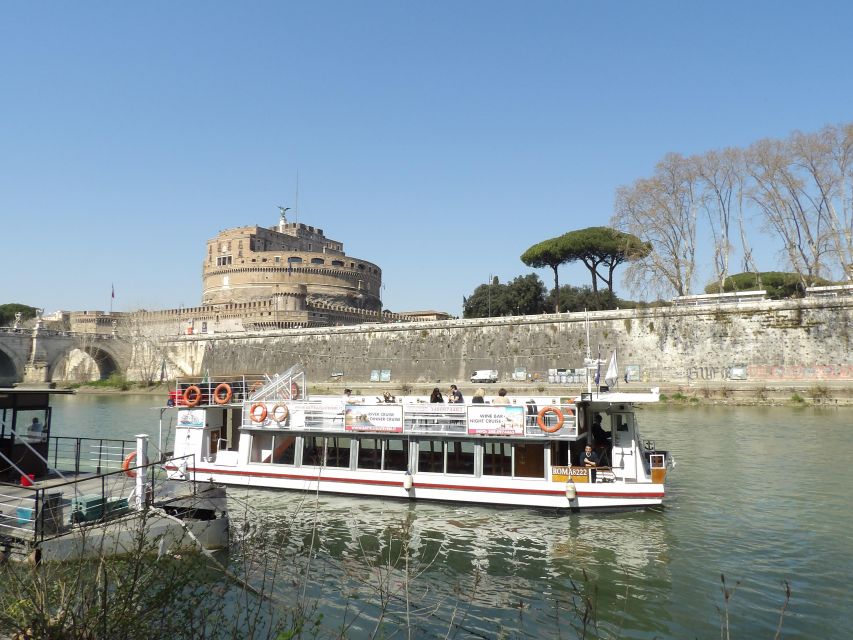
I love how the Tiber cruise gives you a second viewpoint on the same monuments, especially around Castel Sant’Angelo and the bridges. One consideration: boat comfort can vary, and some departures may use a smaller or older-feeling boat, so it pays to be ready for that.
In This Review
- Key highlights worth your attention
- Why this Rome bus-and-boat combo is a smart first-timer move
- 30 hours of sightseeing time: how to plan your day without rushing
- Mainland hop-on hop-off bus: the 8 stops that hit Rome’s biggest icons
- Termini area: a practical launch point
- Santa Maria Maggiore: a classic stop for church fans
- Colosseum (Via di San Gregorio): ancient Rome with instant context
- Circo Massimo (Piazzale Ugo La Malfa): where you can “see” the old race track
- Piazza Venezia (Via di Teatro Marcello 12): a key Rome crossroads
- Vatican (Via della Conciliazione 4): near the Vatican corridor
- Piazza di Spagna: a shopping-and-views pause
- Trevi Fountain (Via del Tritone 59): the coin toss zone
- Tiber River cruise: the 4 piers and the view angle you cannot recreate
- What you can expect along the way
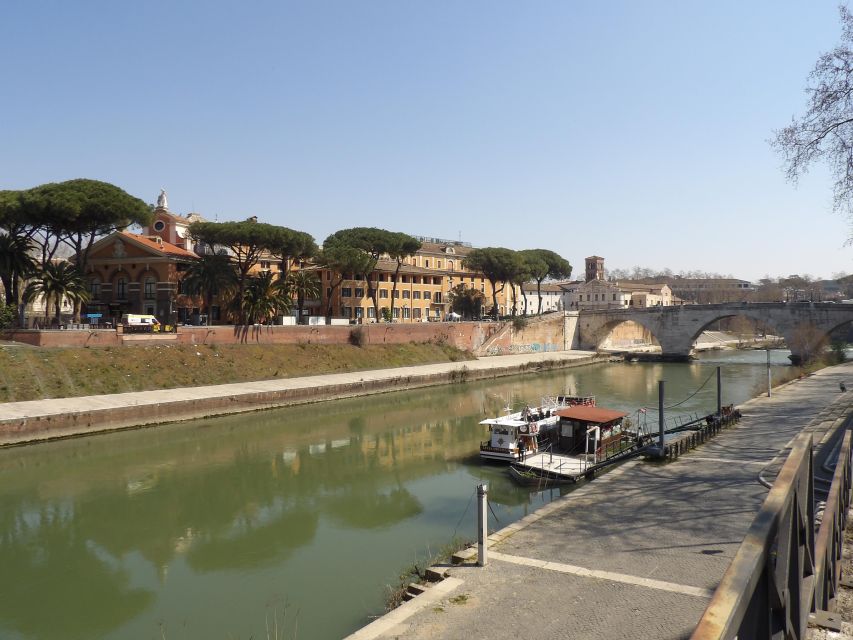
- Tiber Island (Lungotevere degli Anguillara): a classic Rome river scene
- Ponte Sisto (Lungotevere dei Tebaldi): bridge views and photo angles
- Castel Sant’Angelo Bridge (Lungotevere tor di Nona): the Vatican-side anchor
- Ara Pacis (Lungotevere in Augusta): memorial energy along the river
- Boat size note: plan for comfort variability
- Audio commentary that makes Rome feel connected
- Comfort, timing, and the realistic trade-offs
- Price and value: does the $51.24 bundle make sense?
- Should you book this IoBus and RomeBoat combo?
- FAQ
- FAQ
- What is included in the Rome IoBus and RomeBoat combo ticket?
- How long is the Tiber River cruise?
- When do the bus and boat run?
- How often do buses and boats depart?
- What stops are included on the mainland hop-on hop-off bus?
- What stops are included on the Tiber River cruise?
- Is food included with the ticket?
- Can I cancel for a full refund?
Key highlights worth your attention
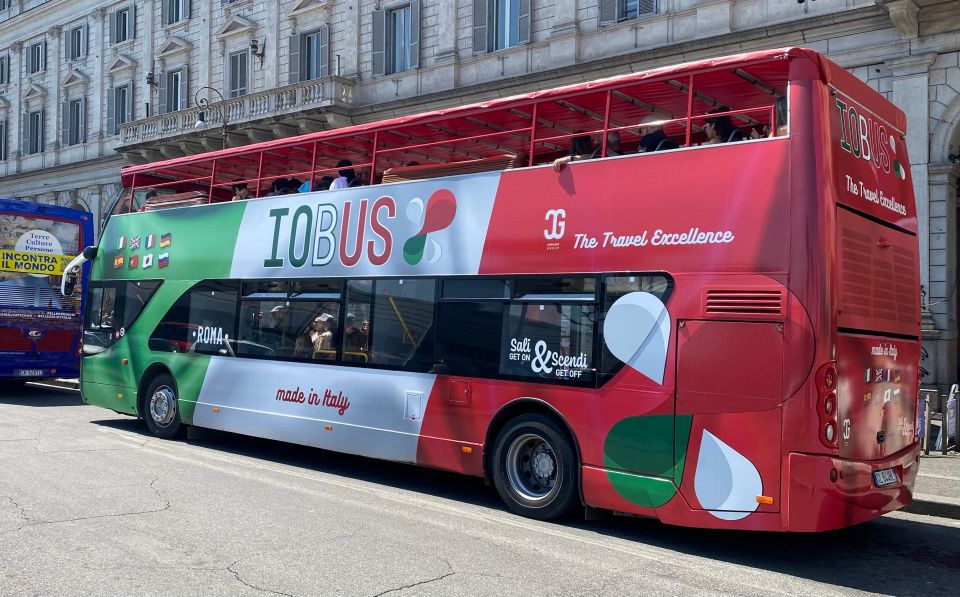
- Two modes, one ticket: open-top bus over Rome plus a hop-on hop-off style cruise on the Tiber
- 12 stops near major sights: 8 mainland stops and 4 river piers
- 30-hour flexibility: spread your rides across the day instead of racing a fixed itinerary
- Time-managed cruising: river rides run from 10:00 to 18:00, with boats every 30 minutes
- Audio in multiple languages: English, Spanish, German, and Italian on board
Why this Rome bus-and-boat combo is a smart first-timer move
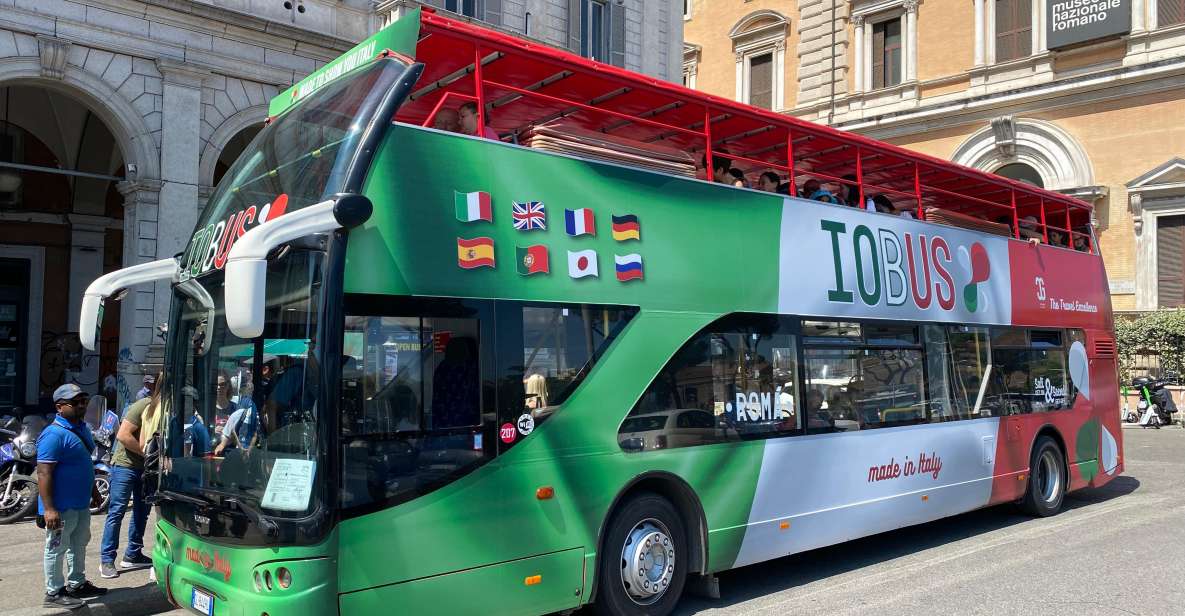
Rome has a way of making you feel like you either walk everywhere or you miss things. This ticket reduces that stress by mixing wheels and water. You get a classic orientation ride on the hop-on hop-off bus, then add river views that you simply cannot get from street level.
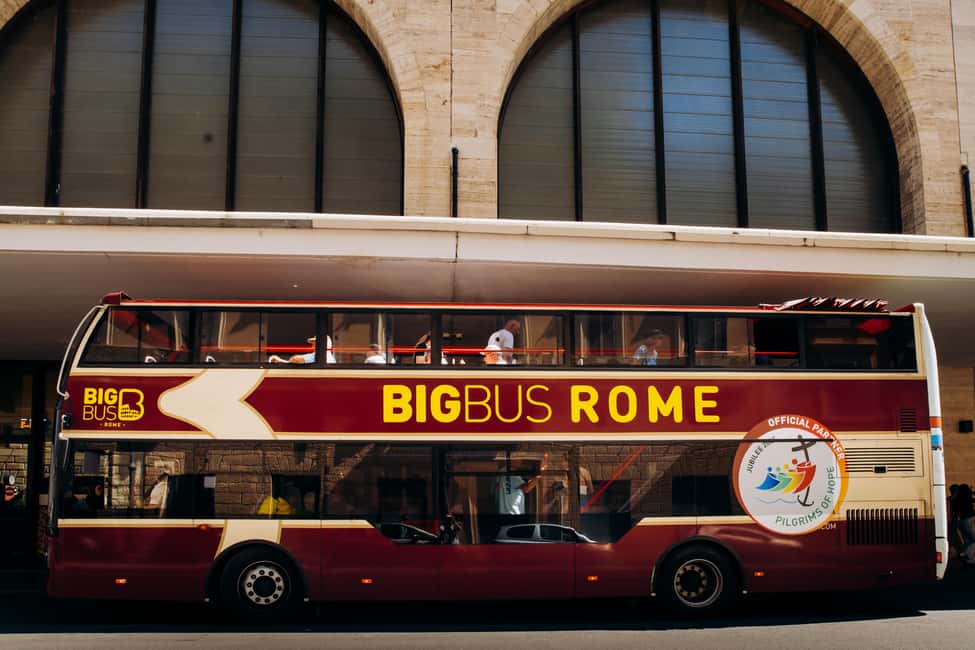
What makes this setup genuinely useful is the pacing. The bus loop takes about 2 hours without getting off, and the cruise takes about 1 hour and 15 minutes. That means you can plan a few “anchor” stops, hop on again, and still have time to wander on your own.
Also, you are not stuck listening to your own guesses. The on-board system includes audio commentary in English, Spanish, German, and Italian, so you have context while you pass the monuments.
You can also read our reviews of more tours and experiences in Rome.



30 hours of sightseeing time: how to plan your day without rushing
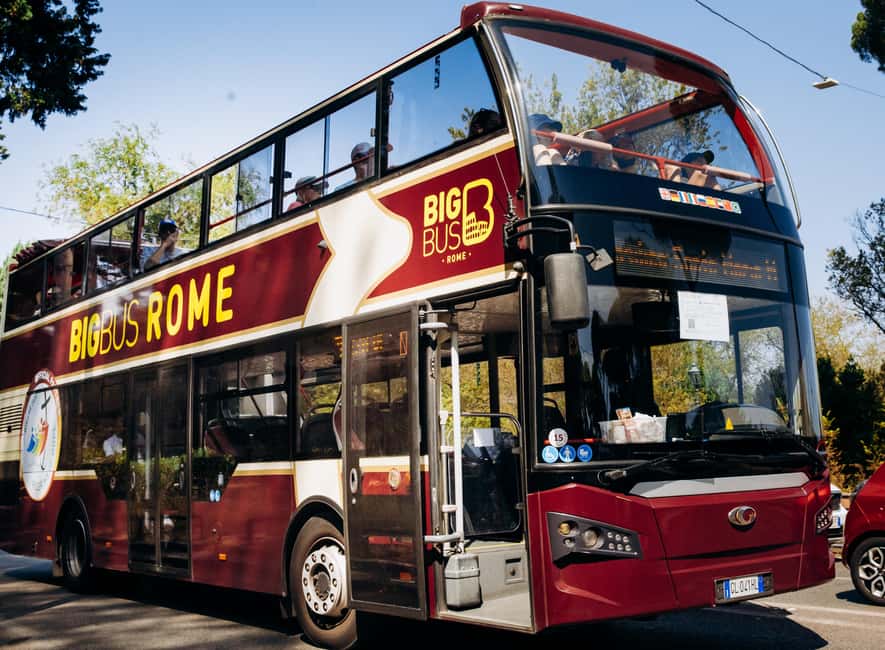
This is a one-day ticket with 30 hours of validity tied to the service window. Practically, that means you should think in blocks, not in one rigid tour timeline.
Here’s a way to make it work well:
- Start with the bus for orientation, then use the cruise when your feet need a break.
- Or do the opposite: cruise first to learn the river geography, then hop on the bus to map the monuments back onto the streets.
Bus service runs from 08:30 to 20:30, with departures about every 15 minutes. Cruise service runs from 10:00 to 18:00, with boats about every 30 minutes. If you are traveling with kids, dealing with jet lag, or just trying to avoid “see it all, then collapse” fatigue, this schedule gives you options.
One more real-world note: the operator reserves the right to change the itinerary due to river conditions or other factors. Plan your day with a little slack, especially if you have a tight dinner or museum plan.
Mainland hop-on hop-off bus: the 8 stops that hit Rome’s biggest icons
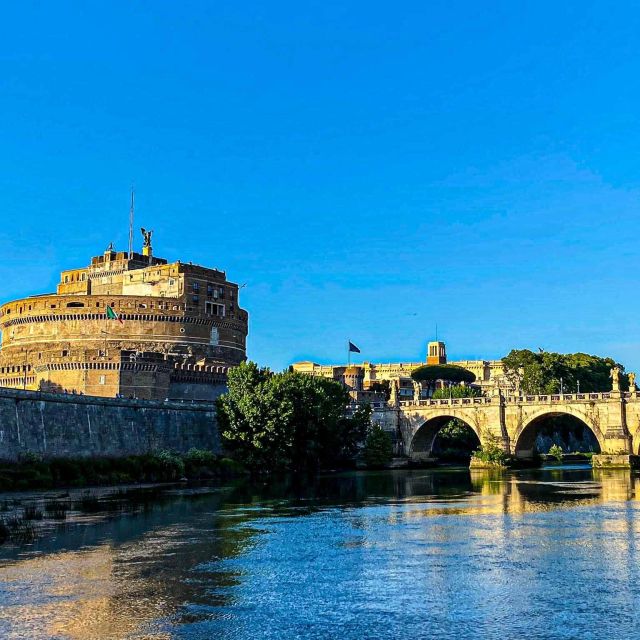
The bus gives you 8 mainland stops, and you can get on and off at each one. Since the full loop is about 2 hours (no hopping off), you can do a quick “first circuit,” then return later for longer stops where you want time.
You start at either of two key areas:
- Terminal A: Termini – Marsala, Via Marsala 7
- Terminal B: Largo di Villa Peretti, Largo di Villa Peretti 1
From there, the route is built to cover the major name places without forcing you to chain together long walks.
Termini area: a practical launch point
If you are staying near Termini, this start is convenient. Even if you are not, it is a good place to begin because you can get the bus right away and avoid hunting for viewpoints in your first hour in Rome.
Santa Maria Maggiore: a classic stop for church fans
Santa Maria Maggiore is one of those Rome landmarks that makes the city feel layered. If you like architecture and want a break from ancient ruins, this is a solid hop-off choice.
Time tip: if you hop off here, give yourself a little buffer. Churches often reward slow walking, and you do not want to feel like you must sprint back to the next bus.



Colosseum (Via di San Gregorio): ancient Rome with instant context
The bus stop at Colosseum (Via di San Gregorio) puts you near the heart of Ancient Rome. Even if you do not go inside, the surrounding area gives you the scale. This is also where the audio commentary helps most, because you are seeing the space while hearing what it used to be.
A consideration: this area can be busy. If you want calmer photos, try hopping off slightly earlier or later than peak museum hours.
Circo Massimo (Piazzale Ugo La Malfa): where you can “see” the old race track
Circo Massimo is huge in a way that looks different in person than it does in photos. You can use this stop for an open-air moment and a change from dense ruin streets.
If you are interested in Roman entertainment, this is a good time to listen closely to the audio narration as you pass by—because the stories help you picture crowds and events.
Piazza Venezia (Via di Teatro Marcello 12): a key Rome crossroads
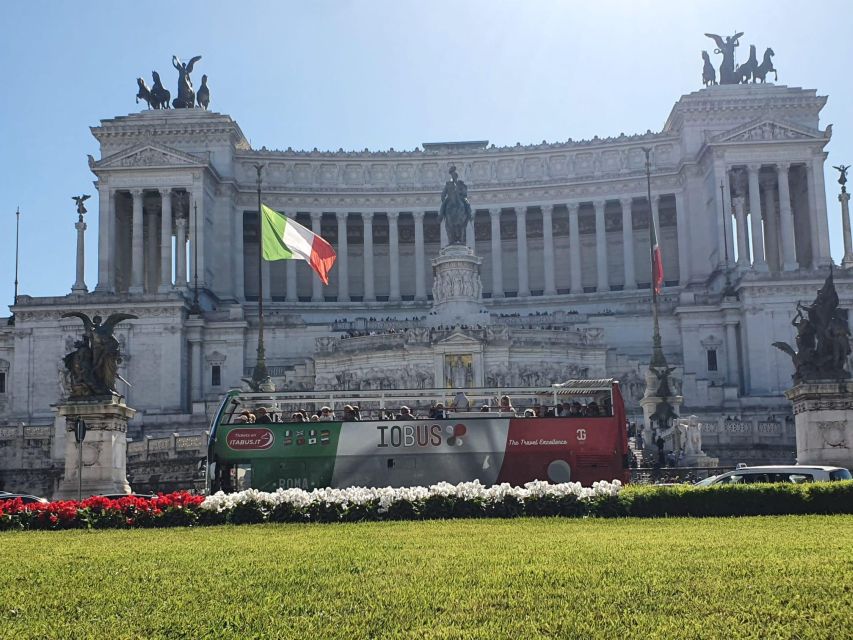
Piazza Venezia is not just a sight, it is a hub. You’ll also hear about the monument tied to the first king of a unified Italy. From here, you can get your bearings fast, then decide where you want to spend your next hour.
This is a great stop if you want to break the day into “I saw the big stuff” and “now I’ll linger.”
Vatican (Via della Conciliazione 4): near the Vatican corridor
The bus includes a Vatican-side stop, and it pairs nicely with the cruise because the water view helps you understand the geography. If your plan includes Vatican-area time, this stop reduces the stress of getting there by foot and bus connections.
One thing to keep in mind: the whole Vatican area can feel like a magnet for crowds. Treat it like a sightseeing zone, not a quick photo pit stop.
Piazza di Spagna: a shopping-and-views pause
Piazza di Spagna is a natural break point in the middle-late part of your day. It works well if you want something more relaxed, with space to stroll and people-watch between bigger monuments.
If you are tired, this is also an easy place to hop off and reset rather than forcing more walking.
Trevi Fountain (Via del Tritone 59): the coin toss zone
Trevi is always busy, but it is still worth seeing—especially if you have not visited before. The highlight here is the famous fountain experience: toss the coin, take the photos, then decide if you want to stay a bit longer or move on.
If the crowd is intense, use the bus system like a safety valve. You do not have to wait it out. Hop back on, circle, and come back later if it calms down.
Tiber River cruise: the 4 piers and the view angle you cannot recreate
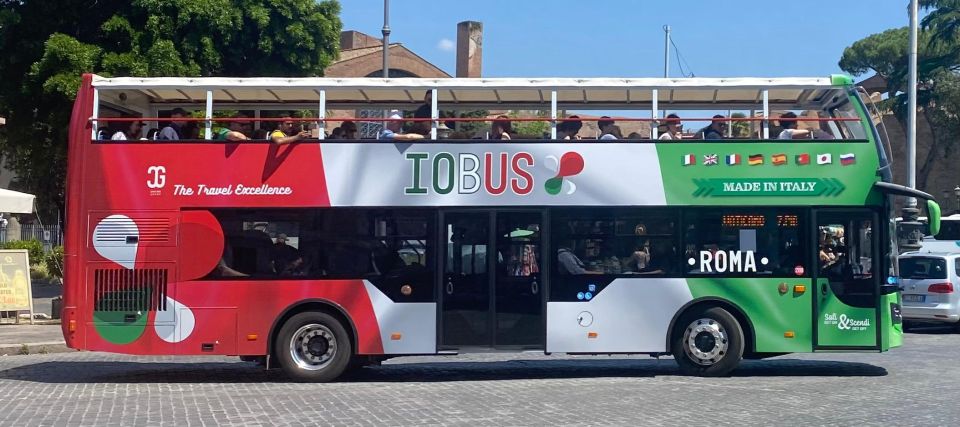
The river cruise runs about 1 hour and 15 minutes. Boats are available daily from 10:00 to 18:00, and they depart roughly every 30 minutes from the piers at Tiber Isle and Ponte S. Angelo.
Your cruise travels along the Tiber and sails to Ponte Nenni (close to Piazza del Popolo) and back. This is where the combo really earns its keep: you get to see the city’s monument relationships from the water.
What you can expect along the way
From a boat, you see building facades, bridges, and riverbanks as part of one picture. It also helps you understand why Castel Sant’Angelo is such a major reference point for navigating the Vatican area.
Tiber Island (Lungotevere degli Anguillara): a classic Rome river scene
This stop is a good start if you want the river to feel like a Rome postcard from the get-go. Tiber Island gives you a central feel for the river’s bend and the movement of traffic around it.
Ponte Sisto (Lungotevere dei Tebaldi): bridge views and photo angles
Bridges are where the cruise shines. Ponte Sisto gives you the chance to frame views in a way streets rarely allow.
If you care about photos, stand where you have the best sightlines on the boat and keep it simple: one or two angles, not ten.
Castel Sant’Angelo Bridge (Lungotevere tor di Nona): the Vatican-side anchor
Castel Sant’Angelo matters in the story of Rome, because it connects to Hadrian’s mausoleum. The service area here is especially handy if your day includes Vatican sights—steps from the bigger Vatican zone.
This stop is also where the audio commentary can be more than background. The narration helps you look at the structure with purpose, not just as a pretty silhouette.
Ara Pacis (Lungotevere in Augusta): memorial energy along the river
Ara Pacis (Altar of Peace) is another “listen and look” moment. It is a place where the narration can give you the reason you should care, not just the name.
Tip: if you want a calmer moment on the cruise, consider hopping off only when you truly need it. The bus and cruise are built for reboarding, so you can pace your land and water breaks.
Boat size note: plan for comfort variability
One detail that can affect your day: the boat experience may vary depending on which vessel is used. Some departures can feel smaller or older, while later boats may be larger with the same staff support. If comfort matters to you, try to choose a departure that looks bigger when you board.
Audio commentary that makes Rome feel connected
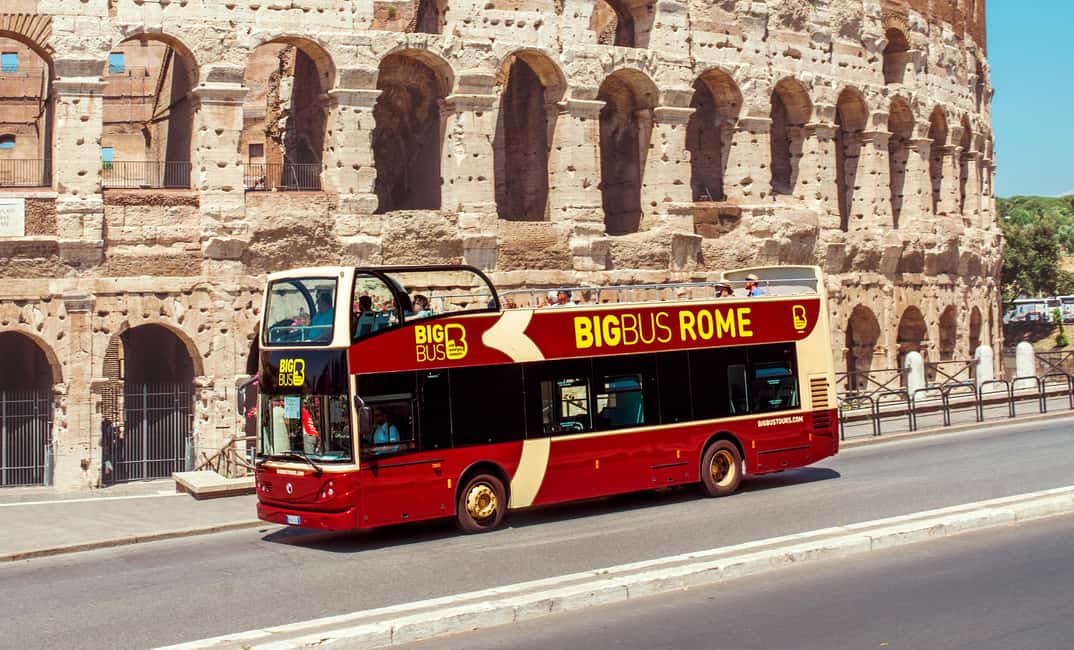
I like audio guides most when they do not just read facts. This one ties Rome’s sights together as you travel. It is included, and it is offered in English, Spanish, German, and Italian, which is a big deal if you want everyone in the group to actually follow along.
Here are the kinds of moments the audio is built around:
- Ancient Rome landmarks like the Colosseum and Circus Maximus
- A walkthrough of big civic and religious symbols you pass on the bus
- The Trevi Fountain coin-toss tradition, so you know what you are doing instead of just repeating a ritual
- Details like Piazza Venezia’s monument tied to unified Italy
- The Bocca della Verità in the portico of Santa Maria in Cosmedin, mentioned as a distinct story moment
- Castel Sant’Angelo’s connection to Hadrian’s mausoleum
The payoff is practical. When you hop off and walk, you are not facing random marble. You are seeing how Rome’s layers fit: ancient power, medieval streets, then grand Baroque statements.
Comfort, timing, and the realistic trade-offs
Let’s be fair about where this combo shines and where it can annoy you.
Open-top bus reality: It is an outdoor ride, so weather matters. If it is hot, bring water and plan shade breaks when you hop off. If it is rainy, you might want a light jacket or poncho for the bus segments.
River cruise comfort variability: As noted earlier, boat size can change. That does not ruin the value, but it can affect how nice the experience feels if you are sensitive to cramped seating.
Crowd management: The bus stops that anchor you near major icons can get busy. Your advantage is flexibility. If you hop off and it feels too packed, you can simply reboard at the next convenient point.
Itinerary changes are possible: River conditions can shift things, so treat your schedule as guidance, not a promise. Build in buffer time around the time you board and around any walking breaks you add.
Price and value: does the $51.24 bundle make sense?
At $51.24 per person, this ticket is priced like a bundle: bus access over key neighborhoods plus a Tiber cruise, with an audio guide included. You are not paying for a single attraction and hoping it carries the day. You are buying coverage—Rome from land and water.
It tends to be best value if:
- You want to see a lot without committing to long guided walking tours
- You like the flexibility to hop off for photos and hop back on for transit
- You want both “big ancient” and “big iconic” sights in one travel plan
- Your day includes times when walking might not be ideal
It may feel less ideal if:
- You already have a tight plan for only one specific zone
- You prefer purely walking exploration and do not like split transport days
- You are only free during hours that do not match the cruise window (cruise runs 10:00 to 18:00)
Should you book this IoBus and RomeBoat combo?
If your goal is to get your bearings fast and cover the main must-sees without turning the trip into a nonstop grind, I think this combo is a solid pick. The 30-hour flexibility plus on-board audio in multiple languages helps you stay oriented even when your schedule shifts.
I would book it if you want an easy plan that still feels personal: you choose the order, you choose which stops turn into long visits, and the river cruise gives you a fresh angle on familiar monuments.
Skip it if your priorities are ultra-specific and you are only interested in one tight area. In that case, you might prefer a more focused plan and spend less time managing reboarding.
FAQ
FAQ
What is included in the Rome IoBus and RomeBoat combo ticket?
The ticket includes a 1-day hop-on hop-off sightseeing bus experience, a Tiber River cruise with hop-on access, and an on-board audio guide.
How long is the Tiber River cruise?
The river cruise takes approximately 1 hour and 15 minutes.
When do the bus and boat run?
Buses run daily from 08:30 to 20:30. Boats run daily from 10:00 to 18:00.
How often do buses and boats depart?
Buses depart every 15 minutes. Boats depart every 30 minutes from the piers.
What stops are included on the mainland hop-on hop-off bus?
The bus includes stops at: Terminal A Termini – Marsala, Terminal B Largo di Villa Peretti, Santa Maria Maggiore, Colosseum, Circo Massimo, Piazza Venezia, Vatican, Piazza di Spagna, and Trevi Fountain.
What stops are included on the Tiber River cruise?
The cruise includes stops at Tiber Island, Ponte Sisto, Castel Sant’Angelo Bridge, and Ara Pacis.
Is food included with the ticket?
No. Food and beverages are not included.
Can I cancel for a full refund?
Yes. You can cancel up to 24 hours in advance for a full refund.