REVIEW · ROME
Rome: Illuminati Trail Angels & Demons Tour
Book on GetYourGuide →Operated by Romaetravel · Bookable on GetYourGuide
Rome turns into a puzzle on this walk. You trace the Angels & Demons Illuminati trail across major sites while your guide connects Dan Brown’s symbols to what’s actually carved, painted, and built in Rome. I especially like how the small-group format makes it easier to ask questions, and I like the way the tour links storytelling clues to real Baroque art, including Bernini-era masterpieces.
One heads-up: this is a lot of walking over uneven church floors and city streets, so it’s not a great match if you use limited mobility.
In This Review
- Key things to love about this Illuminati trail tour
- Starting at Santa Maria della Vittoria on Via Venti Settembre
- Spotting symbols and Bernini details where your eyes usually skip
- Castel Sant’Angelo and the Passetto: the thriller stop that changes the tone
- Pantheon and Piazza Navona: classic Rome, story-ready clues
- St. Peter’s Square to Piazza San Pietro: finishing at the drama peak
- Why the small-group format actually matters here
- How the tour blends Rome art and Dan Brown-style clues
- Practical tips so your feet and attention hold up
- Is $79 a good value for this Rome Illuminati trail experience?
- Should you book this Angels and Demons Rome tour?
- FAQ
- How long is the Rome Illuminati Trail Angels and Demons tour?
- Where does the tour start, and where does it end?
- What is included in the tour price?
- Is Castel Sant’Angelo admission included?
- What languages is the tour offered in?
- Is there free cancellation, and what if plans change?
Key things to love about this Illuminati trail tour
- Start at Santa Maria della Vittoria, where the mystery is set up and the symbol game begins
- Decode the four elements (fire, air, earth, water) using hidden meanings you’d normally miss
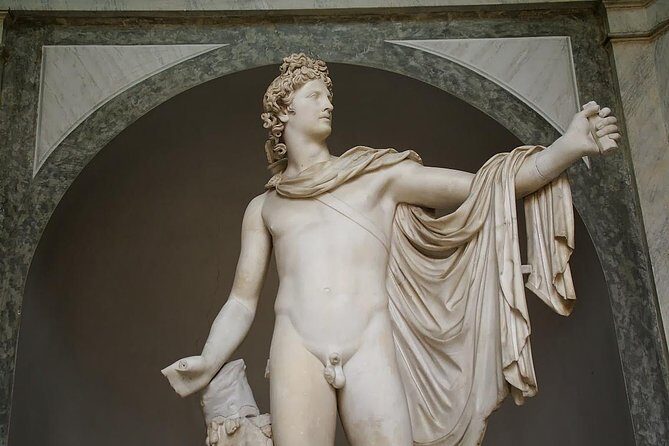
- Bernini-focused stops with clear explanations of how religious art carries symbolism
- Castel Sant’Angelo + Passetto energy, with the thriller-style Vatican connection
- Pantheon and St. Peter’s Square anchor the walk with Rome’s most iconic scale
- Small-group pacing that keeps the stories moving without feeling rushed
Starting at Santa Maria della Vittoria on Via Venti Settembre
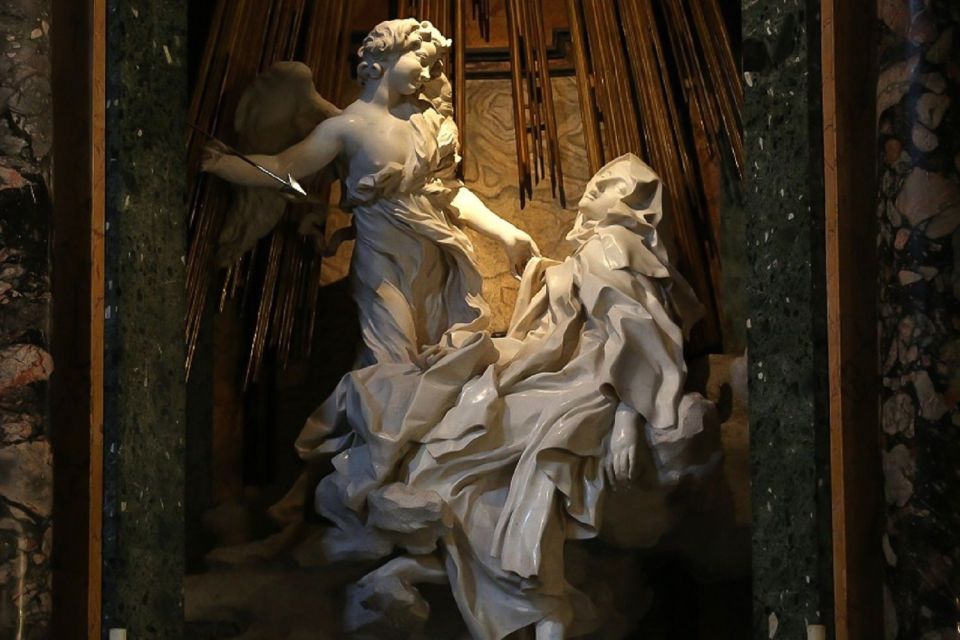
The tour begins at Chiesa di Santa Maria della Vittoria, at Via Venti Settembre, 17 (in front of the church). Expect a first stop that sets the tone: the guide frames the Illuminati plot and then points you toward the kinds of symbols people often overlook in plain sight.
This is a smart opening because it trains your eyes fast. Instead of treating the landmarks like a checklist, you start learning how to read Roman church art as meaning, not decoration.
You can also read our reviews of more tours and experiences in Rome.



Spotting symbols and Bernini details where your eyes usually skip
After the kickoff, you continue through the church-and-art rhythm that makes this walk fun even if you’re not rereading the book on the bus. The tour leans hard on the idea that the story’s symbols map onto real visual language—so you’re not just hearing “movie stuff,” you’re learning what iconography looks like in Rome.
One of my favorite elements here is the way the tour frames the four elements trail—fire, air, earth, and water—as a guide for noticing. When the story points you to a symbol, you also get help translating what it means in the context of the setting.
You’ll also spend time at Santa Maria del Popolo, where the tour focuses on hidden marks and major Baroque art. More than one guide associated with this experience has made the Chigi Chapel a standout moment, and it makes sense: it’s the kind of place where details reward attention.
If you love architecture, sculpture, and the way Renaissance and Baroque artists used symbols to communicate ideas, this is the sweet spot.
Castel Sant’Angelo and the Passetto: the thriller stop that changes the tone
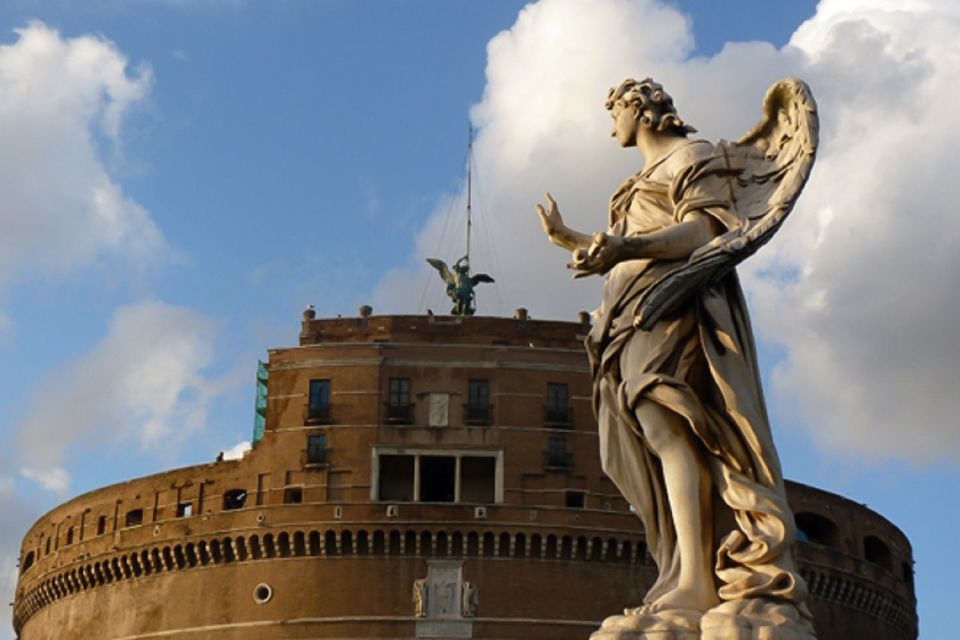
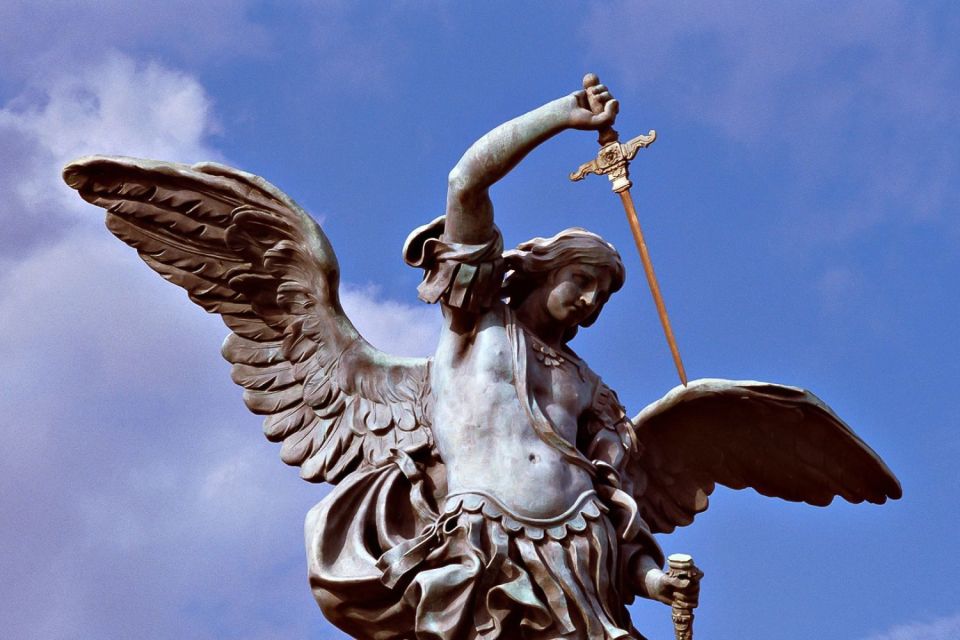
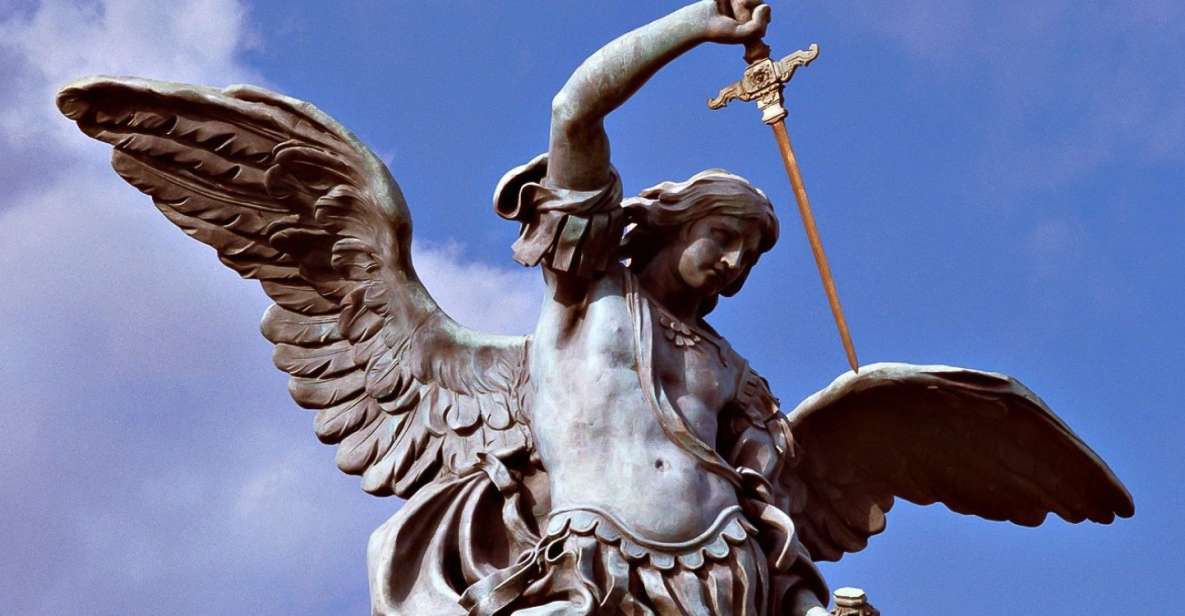
Next comes Castel Sant’Angelo, a location that naturally turns the volume up. You spend about 30 minutes there, and the guide zeroes in on why it matters in the Angels and Demons story world.
The big draw is the Passetto—the hidden passageway associated with the Vatican. Even if you already know the famous name, you’ll likely come away with a clearer sense of how Rome’s layout and layers of power shaped the setting.
Do plan for one practical cost: the Castel Sant’Angelo admission fee is not included. If you want to step inside, check the timing rules ahead of time so you’re not scrambling right as the group arrives.
This stop is also where the tour becomes less “museum calm” and more “story momentum.” It’s a strong midpoint that keeps the rest of the walk from feeling like only sightseeing.
Pantheon and Piazza Navona: classic Rome, story-ready clues
Then you hit the Pantheon, with another about 30 minutes to take it in properly. The guide’s job here is useful: turning a world-famous space into something you can connect to the tour’s themes. Instead of simply admiring the scale, you’re taught what to look for and how Rome’s sacred spaces operate visually.
From there, you continue through the core central-city stretch where the story’s most dramatic beats are tied to real streets and plazas. Piazza Navona is part of the experience in the way the tour describes the novel’s discoveries, so you’ll get that “oh, that’s why the author picked this place” feeling.
I like this part because Rome works best when you can see it at street level. A plaza is where the fiction becomes believable; you can picture the scene, then look up at the architecture and understand why the setting fits.
St. Peter’s Square to Piazza San Pietro: finishing at the drama peak
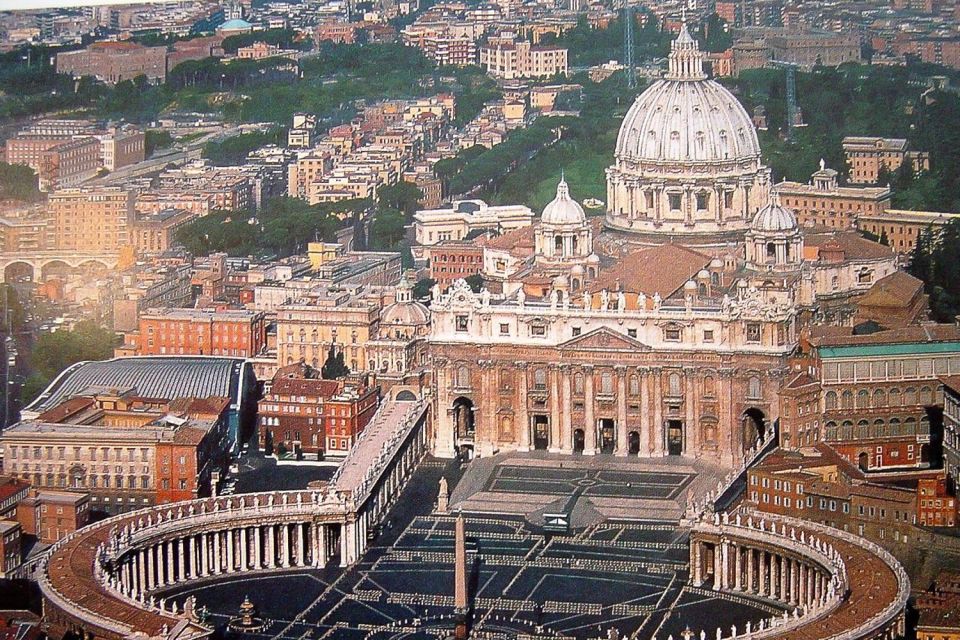
The tour spends about 1 hour around St. Peter’s Square, which is the perfect endgame. This is where the story reaches its loudest emotional peak, and the guide ties the drama back to real context in the space itself.
You finish at Piazza San Pietro, so you’re essentially walking out with your finale right in front of you. If your timing aligns with late-day light, you’ll often get the best photo atmosphere—especially around the open sightlines where the square feels most cinematic.
This finishing section works well for first-time Rome visitors. You get a high-impact view of a major landmark, but the experience still makes you think in symbols, not just selfies.



Why the small-group format actually matters here
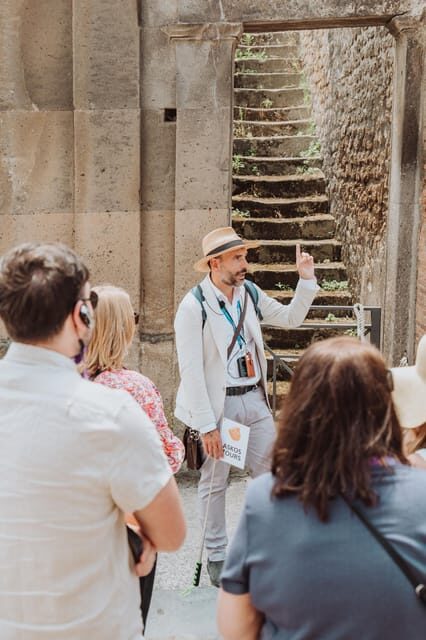
This isn’t a tour where you’ll get value from racing from one stop to the next. The real payoff is the back-and-forth: you can ask questions, get clarifications, and learn how a guide separates fact from fiction.
The small-group approach also helps with pacing inside churches. Rome can be a squeeze inside crowded spaces, and a group that’s kept limited makes it easier to hold your place, hear the explanations, and actually look.
From the way this tour is taught, guides often bring a mix of story and real-world context. Names you might hear associated with the experience include Antonio, Irene, Luisa, Felice, Elisa, Giorgia, Estefania, and Anestis, and the common thread is the ability to compare what a book or film suggests with what you can physically see in Rome.
That’s where the value lives. You don’t just leave knowing the plot beats. You leave with a sense of how Rome’s visual language can support a modern thriller without being fantasy.
How the tour blends Rome art and Dan Brown-style clues
If you’re wondering what you’ll learn, focus on the method: the guide points at something in the church or the landmark, then explains why that detail belongs to the story-world—and what it means outside the story-world too.
That two-layer approach is why this works for different types of travelers. Dan Brown fans get the thrill of recognizing the settings. Art and history lovers get the real structures behind the entertainment.
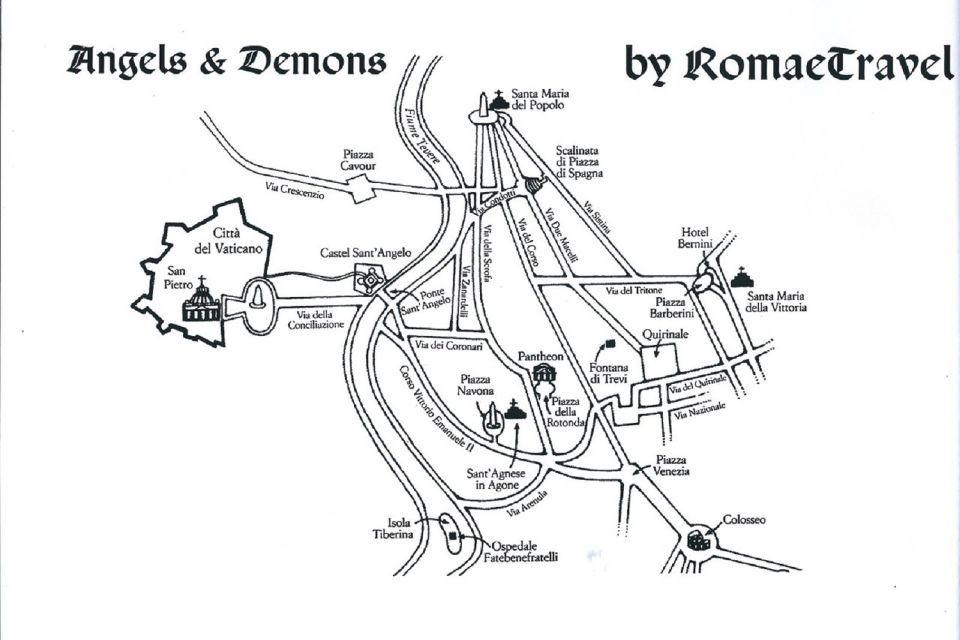
You’ll also likely appreciate that the route isn’t only churches. You’ll mix in major public spaces and iconic landmarks so the walk feels like Rome, not a set visit. The combination of Santa Maria della Vittoria, Pantheon, Santa Maria del Popolo, Castel Sant’Angelo, and the Vatican-area finish creates a wide Rome snapshot in only about 4 hours.
Practical tips so your feet and attention hold up
This is a walking tour, plain and simple. Build your day around it: wear supportive shoes, because the surface can be uneven and the church interiors can include steps and narrow passages.
I’d also treat water as a must. Rome can get warm, and the tour is long enough that you’ll feel it by the middle. If you can choose the start time, going earlier is usually easier on comfort and stamina.
One more small piece of advice: bring patience for the pace shift inside churches. The guide spends real time connecting symbols to places, so don’t expect a “quick look and go.” If you want time to read details and ask questions, this helps.
Also, if you’re planning to visit Castel Sant’Angelo’s interior, factor in that the admission fee isn’t included. That way, you won’t be surprised at the moment you’re deciding whether to enter.
Is $79 a good value for this Rome Illuminati trail experience?
At $79 per person for about 4 hours, the value comes from what you get bundled together: a live guide plus a themed route across multiple major landmarks, with time spent on art details and symbol interpretation—not just quick photo stops.
You’re paying for:
- a guided explanation of hidden symbols and how they connect to the story’s “elements” trail
- time at major anchor sites like Pantheon and St. Peter’s Square
- a route that’s designed for understanding, not speed
If you were doing these stops on your own, you’d still pay transit and face the problem of “what am I actually looking at?” Here, the guide gives you a framework so the places feel connected.
The only obvious cost add-on is Castel Sant’Angelo admission if you choose to go inside.
Should you book this Angels and Demons Rome tour?
Book it if you fit any of these:
- You love Dan Brown and want to see where the story plants its clues in real locations
- You enjoy religious art and want help reading symbols in churches
- You want a focused route that hits major Rome landmarks in only a half day
- You like small-group walking tours where you can actually ask questions
Skip it if:
- You’re not comfortable with lots of walking
- You want a mostly passive tour with minimal explanations
- You need wheelchair-friendly access (this one is not suitable for wheelchair users)
If you’re somewhere in the middle, start with this simple test: do you want your Rome sightseeing to come with a narrative lens? If yes, this Illuminati trail is one of the more fun ways to turn iconic sites into something you’ll remember.
FAQ
How long is the Rome Illuminati Trail Angels and Demons tour?
It runs for 4 hours.
Where does the tour start, and where does it end?
It starts in front of Chiesa di Santa Maria della Vittoria, Via Venti Settembre, 17, 00187 Rome, and it finishes at Piazza San Pietro.
What is included in the tour price?
The price includes a local live guide, a small-group walking tour, and guided visits to key Angels and Demons locations with personalized attention in a limited-size group.
Is Castel Sant’Angelo admission included?
No. Admission fee for Castel Sant’Angelo is not included.
What languages is the tour offered in?
The live guide offers English and Italian.
Is there free cancellation, and what if plans change?
You get free cancellation up to 24 hours in advance for a full refund. The booking option also includes reserve now & pay later (you pay nothing today).