Trastevere rewards the slow look. This 2-hour walk takes you through Rome’s off-the-main-map feel, with stops that mix historic churches and everyday neighborhood streets. You get a local guide to connect the dots as you move from the Tiber river views to quiet plazas and then into one of Rome’s most mosaic-famous churches.
I really like two things about this tour: first, the route starts with the big postcard view from Ponte Sisto, then cools down into calmer Trastevere corners. Second, you’re not just sightseeing outside—you also get entrance to Santa Maria in Trastevere, so the time actually lands on something you can’t easily replicate on your own.
One thing to keep in mind: it’s a walking-focused experience and isn’t suitable for people with mobility impairments, and it may not feel great if you’re prone to motion sickness.
In This Review
- Key points before you go
- Two hours in Trastevere: why this walk is such a smart choice
- Meeting at the Ponte Sisto fountain (Piazza Trilussa) and what to expect
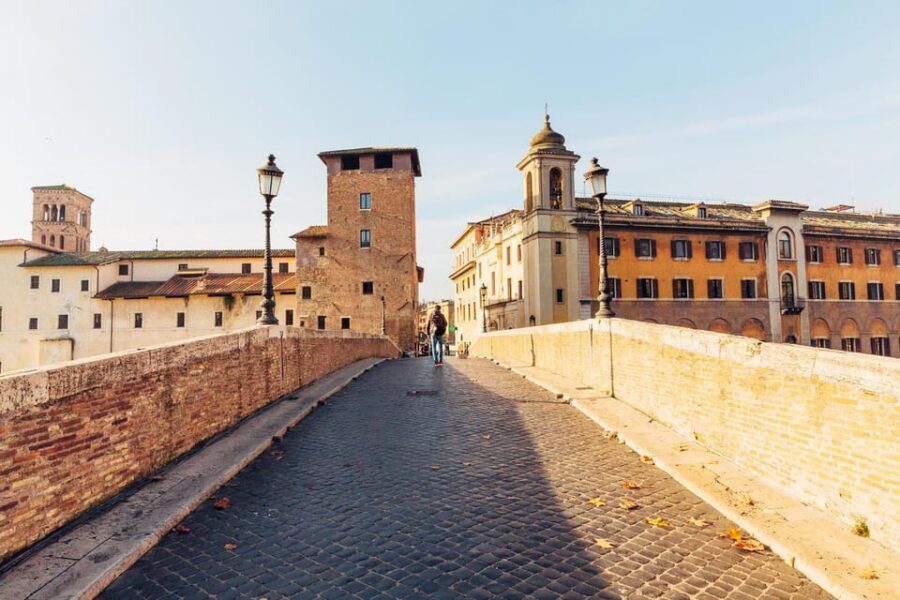
- Ponte Sisto: the view that sets the tone
- Piazza di Santa Maria in Trastevere: stepping into the neighborhood’s spiritual center
- Via della Lungaretta: a traditional Trastevere street walk (with a little “watch your step” humor)
- Piazza di San Calisto: the quiet corner that makes the tour feel real
- Basilica of Santa Maria in Trastevere: what makes the mosaics worth the visit
- The people factor: the guide is the real “hidden treasure”
- Price and value: is $39.97 worth it?
- Timing, pace, and the “walking reality” part
- Who this tour suits best
- Should you book Rome: Guided Tour of the Hidden Treasures of Trastevere?
- FAQ
- Where is the tour meeting point?
- How long is the tour?
- What does the tour include?
- What language is the guide?
- Is food included?
- Where does the tour end?
- Is the tour refundable if plans change?
Key points before you go
- Ponte Sisto first: you cross into Trastevere with a classic Tiber payoff right away
- Local plazas with real quiet: Piazza di San Calisto is a calmer, resident-minded stop
- Via della Lungaretta: a street that feels like traditional Rome rather than staged tourism
- Santa Maria in Trastevere access included: entrance is part of the price, so you’re not hunting tickets
- Guides like Helena and Cristina show up in feedback: expect lively, human guidance (language depends on the group)
Two hours in Trastevere: why this walk is such a smart choice
Trastevere can feel like a movie set, but only if you rush. This tour works because it gives you structure without killing the wandering. You’ll start in a lively spot, then move toward viewpoints, then into smaller, quieter spaces where Trastevere’s everyday rhythm shows up.
And the pacing matters. Two hours is long enough to cover several meaningful stops, but short enough that you won’t feel like you’re being dragged around Rome for half your day. This is the kind of plan that helps you get bearings fast, especially if it’s your first visit to the neighborhood.
You can also read our reviews of more guided tours in Rome



Meeting at the Ponte Sisto fountain (Piazza Trilussa) and what to expect
You meet at the Fontana di Ponte Sisto in Piazza Trilussa. That’s a useful detail because it anchors the whole walk in an area where you can easily orient yourself before you start. If you’re already in central Rome, you’ll likely find it easier to connect to than meeting points buried deeper in residential streets.
At the start, expect a guide with English/Italian/German availability. The guide could be bilingual or monolingual depending on the group composition. In practice, that means you should be ready for the tour to run smoothly, but not assume every line of commentary will land in exactly the language you picked.
Also, this is not a sit-and-stare tour. You’ll be walking through narrow streets and changing scenes—so wear comfortable shoes. Trastevere’s charm comes with cobblestones and curbs. Your calves will have opinions.
Ponte Sisto: the view that sets the tone
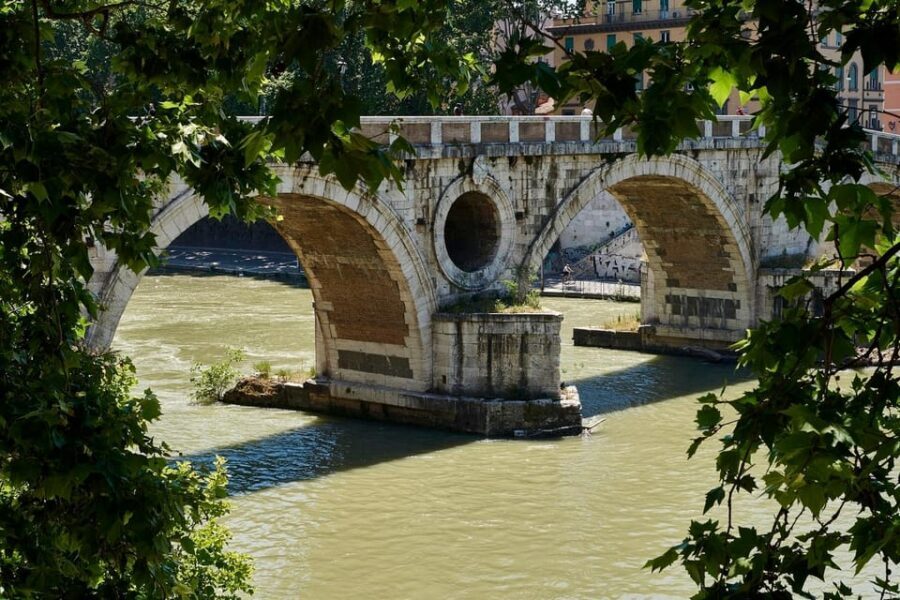
The first major walking moment is crossing Ponte Sisto. This bridge isn’t just a path from one side to the other. It’s where you get your early “OK, Rome is special” moment—views toward the Tiber that instantly frame what Trastevere is all about.
Why this matters: if you jump straight into churches and lanes without the river context, Trastevere can feel like a collection of stops. With the bridge view early, the neighborhood starts to make sense as part of the city’s geography, not just its aesthetics.
This is also a great place to take a breath. You’re building anticipation for the quieter squares and the church interior that come later. Just don’t treat it like a 20-minute photo shoot unless the group pace slows down—keep moving.
Piazza di Santa Maria in Trastevere: stepping into the neighborhood’s spiritual center
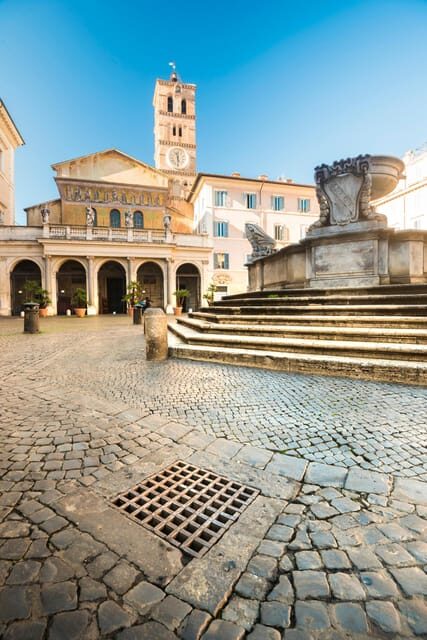
Next you reach Piazza di Santa Maria in Trastevere, followed by your visit to the church. Even if you’ve seen photos of Rome’s churches before, this area has a particular energy. It’s a meeting place for the neighborhood, not just a tourist checkpoint.
Here’s what I like about starting with the plaza: you’re not immediately confronted with the long line-or-no-line reality of major sites. Instead, you ease into the setting—walk with your guide, get context, then transition into the basilica visit.
The tour format also helps you notice details you’d otherwise miss. A good guide makes you look up at the right time and understand why certain design choices exist. In a place like this, that’s the difference between seeing a church and understanding why people kept returning for centuries.
Via della Lungaretta: a traditional Trastevere street walk (with a little “watch your step” humor)
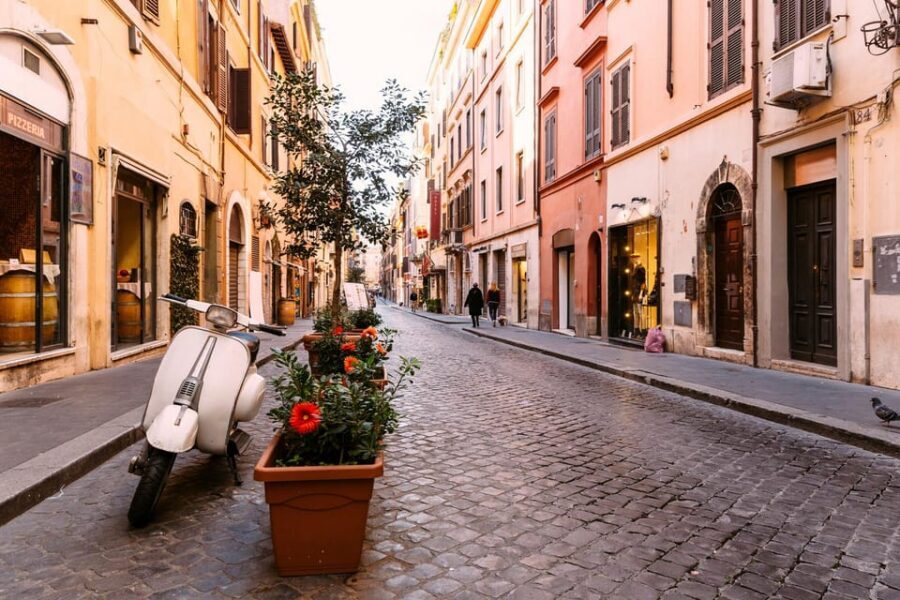
After the church-area stop, you’ll walk along Via della Lungaretta. This is one of those streets that feels like it belongs to real life—small-scale, local, and full of everyday texture.
Why I think this stop is valuable: Trastevere isn’t only about architecture. It’s also about street life—shops, workshops, and the general “people still live here” vibe. The tour is designed to show you that side, not just the postcard corners.
Practical note: streets here can be uneven, and you’ll be on foot for the full 2 hours. So it’s not the time to experiment with brand-new shoes. Your feet will vote early.



Piazza di San Calisto: the quiet corner that makes the tour feel real
Then comes Piazza di San Calisto—a quieter, more local-feeling part of Trastevere where local residents frequent the area. This stop is important because it breaks up the intensity of the church and the main river-view moment.
It’s the kind of plaza where you can slow your pace mentally. Your guide’s storytelling can land better here because you’re not fighting a constant swirl of tour groups. You’ll get a sense of how Trastevere looks when it’s not trying to perform for visitors.
If you like neighborhood walking tours, this is the point where it clicks: the tour shifts from landmarks to lived-in feeling. And that’s where the best Rome moments usually happen.
Basilica of Santa Maria in Trastevere: what makes the mosaics worth the visit
The highlight is the visit to the Basilica of Santa Maria in Trastevere, with entrance included. This is the part that turns a “nice neighborhood walk” into a “you should do this even if you’re only here briefly” experience.
The church is famous for its golden mosaics and its millenary history—history that’s not stuck behind glass. You’re inside, looking at artwork and design that shaped how people expressed faith and community over a very long time.
What to focus on while you’re there:
- Let your eyes move slowly. Mosaics reward patience.
- Listen for guidance about what you’re seeing. Even a short explanation can make the whole church feel more intentional.
- Don’t just photograph everything. Take one minute to stand still and look.
Also, this tour includes entrance, which is a simple value win. When a church visit is on your plan, paying separately for tickets is one more friction point. Here, the tour handles it as part of the experience.
The people factor: the guide is the real “hidden treasure”
One of the strongest signals from feedback is that the guide experience can make a huge difference. Names like Helena and Cristina come up in feedback, and the overall theme is clear: friendly, interesting guidance that keeps the walk lively.
What good guiding does on a tour like this is practical. It prevents you from wandering past important details. It helps you understand how the pieces connect—bridge to neighborhood to church to mosaic focus—so you leave with a story, not just a list of places.
A small-but-important reality: your guide’s language may vary. English, Italian, and German are offered, but whether the guide is bilingual or monolingual depends on the group. If you’re sensitive about language nuance, consider choosing your trip time based on your comfort level.
Price and value: is $39.97 worth it?
At $39.97 per person for about 2 hours, the value mostly comes from two things: an expert guide and included basilica entrance. For Rome, that pairing usually means fewer hassles and more “time-on-task” during the walk.
What you should compare it to:
- If you plan to visit Santa Maria in Trastevere anyway, this tour can feel like a way to buy guided context at a reasonable cost.
- If you were only thinking of a self-guided neighborhood stroll, the guide makes the difference. Trastevere can be romantic, but without guidance it can also be easy to miss what matters.
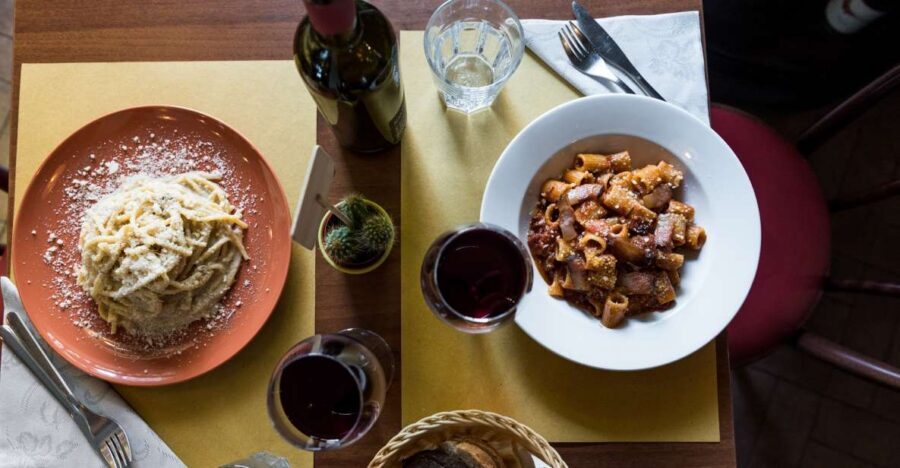
- Food isn’t included, so plan a separate bite before or after. The tour itself may pass areas where you can spot traditional trattorias, but you’ll want to eat on your own schedule.
In short: this is a good buy if you want guided history tied to real places, not just casual wandering.
Timing, pace, and the “walking reality” part
This is a 2-hour tour, with starting times shown when you check availability. So you’re choosing a slot, not a long multi-day commitment.
The pace is “walk with stops,” not “speed through.” You’ll have guided moments, then movement through streets between points. That’s exactly what you want for a neighborhood tour—active enough to feel worth it, slow enough to appreciate the corners.
And a note for your health plan: it’s not suitable for motion sickness. If you’re sensitive, consider whether you can handle a steady walking route with frequent changes in focus.
Who this tour suits best
This works especially well if:
- You want a first-time introduction to Trastevere that still feels personal
- You like combining neighborhood streets with one real interior highlight
- You want a guide to explain the mosaics and the church significance, not just point at them
- You’re short on time but still want a plan that covers multiple key spots
It may not be your best match if you:
- Need a low-walking option (it’s not suitable for mobility impairments)
- Are prone to motion sickness
- Want a totally self-paced experience without a set route
Should you book Rome: Guided Tour of the Hidden Treasures of Trastevere?
I’d book it if you want an easy win: a structured route through Trastevere’s most meaningful viewpoints and streets, plus an included church visit. The bridge-to-plaza-to-basilica flow makes the time feel efficient, and the basilica entrance is a concrete value add.
Skip it if you’re looking for a long, self-guided meander with no guidance, or if walking time is a problem for you. For everyone else, it’s one of those “two hours well spent” Rome plans—especially if you care about seeing mosaics the right way and learning what to look for.
FAQ
Where is the tour meeting point?
The meeting point is the Ponte Sisto fountain in Piazza Trilussa.
How long is the tour?
The tour lasts about 2 hours.
What does the tour include?
It includes an expert guide and entrance to the Basilica of Santa Maria in Trastevere.
What language is the guide?
The tour offers live guides in English, Italian, and German. The guide could be bilingual or monolingual depending on the group.
Is food included?
No. Food is not included.
Where does the tour end?
The activity ends back at the meeting point. It is also listed as finishing at the Basilica of Santa Maria in Trastevere area.
Is the tour refundable if plans change?
Yes, it offers free cancellation up to 24 hours in advance for a full refund.