REVIEW · ROME
Rome: Experience Visiting the Domus Aurea with Virtual Reality
Book on Viator →Operated by C.I.S. Tours · Bookable on Viator
Nero’s Golden House is a brain-bender. This experience pairs a guided walk through the Domus Aurea with an Oculus VR recreation that shows what the Golden Vault room may have looked like in Nero’s time. I love how the guide gives you real context while you’re standing in the ruins, and I love how the VR part turns “museum pieces” into a space you can understand faster than photos ever will.
One thing to set your expectations: the physical area you visit is limited, and the virtual reality segment is on the short side. Still, if you want a calmer, less overwhelming way to understand how this area connected to the Colosseum, this tour is a smart fit.
In This Review
- Key highlights at a glance
- Why Nero’s Golden House feels different from the Colosseum crowds
- Meeting at Piazza del Colosseo: what to know before you go
- The guided walk through Domus Aurea: the story behind the ruins
- Oculus VR inside the Golden Vault: what you get (and what you don’t)
- How long it really takes: 90 minutes that don’t drag
- Who this Domus Aurea VR tour is best for
- Price and value: what you’re really paying for at about $75
- Practical tips to make the most of it
- The reality check: how small the site is, and why that’s still okay
- Should you book the Domus Aurea VR tour?
- FAQ
- How long is the Domus Aurea visit with virtual reality?
- Where does the tour start?
- Does the tour include a guided tour?
- Is the entrance ticket to the Domus Aurea included?
- What virtual reality experience is included?
- Is the tour offered in English?
- How many people are in the group?
- Is food and drink included?
- Is confirmation provided after booking?
- What is the cancellation policy?
Key highlights at a glance
- Small group size keeps the experience focused (max 20 travelers)
- Guided context helps you understand what you’re looking at, not just see it
- Oculus VR recreates the Golden Vault room as it may have appeared
- Peaceful break from the heaviest Colosseum-area crowds
- Includes admission plus the guided tour and VR experience in one ticket
Why Nero’s Golden House feels different from the Colosseum crowds
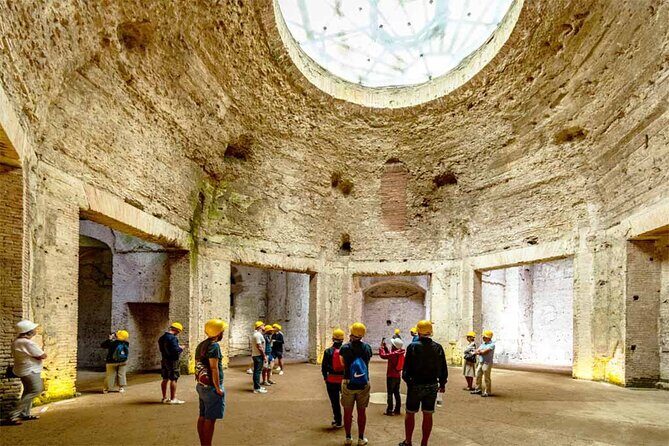
Rome can be loud, packed, and fast—especially around the Colosseum. The Domus Aurea sits in that same big archaeological neighborhood, but the vibe feels calmer. You’re not just chasing famous views. You’re learning what this place was, and why Nero’s world was so different from the rest of the empire.
What makes it special is the way the tour is built around understanding. You get a guided look at the ancient structure, and then the VR takes over to help you picture the room as it once functioned. It’s not just spectacle. The VR is most useful for bridging a gap: standing in a ruin and trying to imagine its full scale and look.
Also, this isn’t a “wander and hope” stop. A real guide helps you connect the Domus Aurea to the broader picture of the ancient Roman site. That context matters a lot because Domus Aurea is easy to misunderstand if you only view it as a small set of remains.
You can also read our reviews of more tours and experiences in Rome.



Meeting at Piazza del Colosseo: what to know before you go
Your tour starts at Piazza del Colosseo and ends back at the same meeting point. That’s handy because you’re not stuck hunting down a new drop-off location after you finish. Since it’s near public transportation, you can plan it as part of a day that also includes other nearby sights.
Timing-wise, plan on about 1 hour 30 minutes total. It’s long enough to feel like a real guided visit, but short enough that you can still keep momentum in your Rome day.
One practical tip: the inside areas can run chilly. Bring a sweater or light jacket even if Rome feels warm outside. You’ll feel it once you’re underground or in enclosed exhibition spaces, and you’ll enjoy the tour more when you’re comfortable.
The guided walk through Domus Aurea: the story behind the ruins
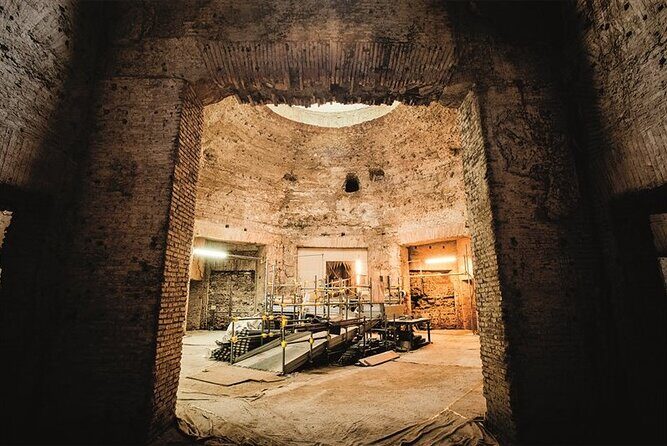
The guided portion is where the tour earns its keep. You’re not only looking at walls and paths—you’re getting the “so what?” that turns the site from confusing fragments into a coherent ancient world.
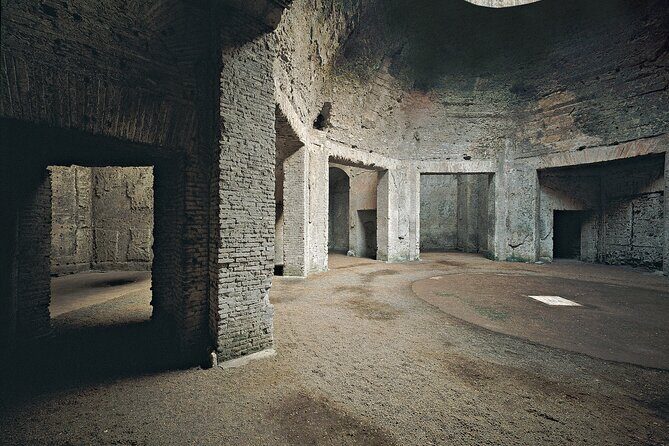
I like the pacing of this part because it’s designed to help you understand scale and purpose. The Domus Aurea is not one single grand room you can fully walk through like a restored palace. Instead, it’s a bigger ancient footprint with parts revealed and parts interpreted. That’s why the guide’s explanations matter: they help you make sense of what you’re seeing and what you can’t easily see at first glance.
If you’re into how Roman construction worked—how they created monumental spaces and how those spaces related to the larger complex—this tour should land well. The experience also gives you context that connects back to the Colosseum area, so you’re not just learning about Nero in isolation. You’re getting a bigger “archaeological neighborhood” picture.
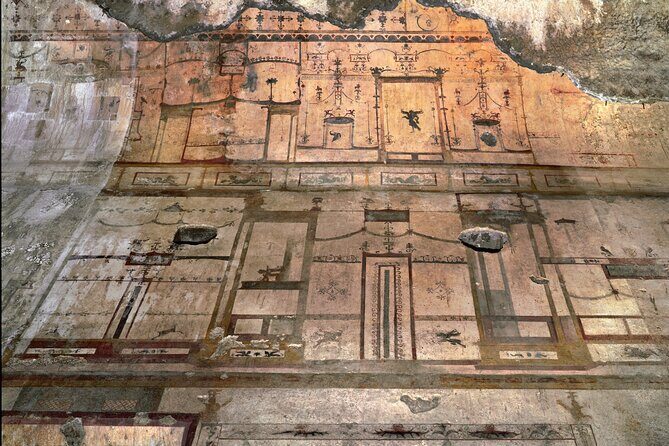
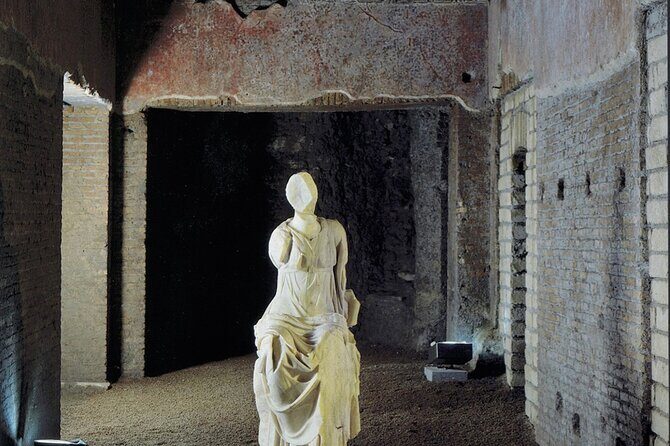
And yes, don’t expect a museum stuffed with refined artwork. The value here is in structure and setting: understanding how the buildings were imagined and built.
Oculus VR inside the Golden Vault: what you get (and what you don’t)
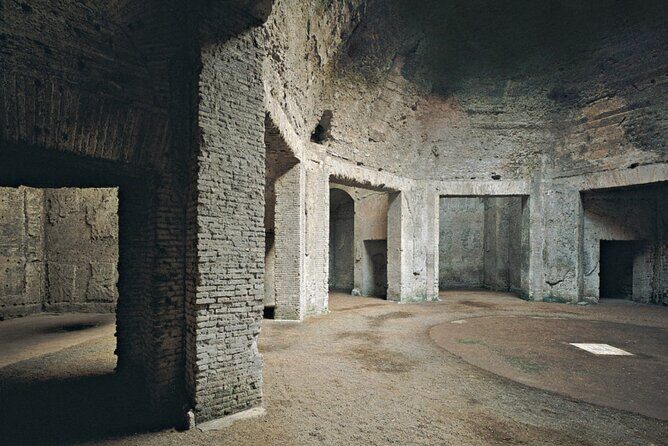
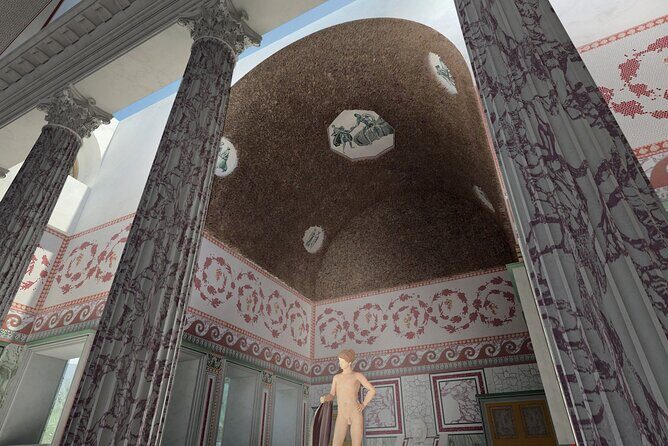
The VR portion uses an Oculus setup, and it’s centered on the Golden Vault room. The goal is to show how the space might have appeared in Nero’s time—helping you replace flat imagination with something more physical and spatial.
This is the standout contrast point of the tour. In a normal visit, you’re stuck mentally reconstructing a room from remains. With VR, the reconstruction does some of that work for you. You’re able to see a complete-feeling environment, which makes the guided explanations click faster.
That said, keep expectations grounded. The VR experience is short. It’s interactive, and it’s cool, but it’s not a long immersive movie you can settle into for ages. Think of it as a focused “time travel burst” that supports understanding, not a full-length virtual theme park ride.
If you’re the kind of person who loves reading a site like a puzzle—then VR is a helpful flashlight. If you’re expecting a massive, multi-room virtual tour, you may feel like you wanted more. Even some reviewers wished for more content and complexity in the VR experience, which is a fair note for your planning.
How long it really takes: 90 minutes that don’t drag
The whole tour runs about 1 hour 30 minutes, including the guided portion and the VR time. For Rome, that’s a comfortable length. You can fit it between other major sights without turning your day into a time-management spreadsheet.
In that time, the tour aims for a clean sequence:
- You begin with the guided context while you’re in the real site.
- Then the VR adds a visual reconstruction to support what the guide is explaining.
- After that, you’re back at the meeting point, ready to keep moving.
Because it’s a smaller-format tour, it doesn’t feel like you’re standing around waiting for a bus. And because it ends where it starts, you don’t lose time figuring out your next step.



Who this Domus Aurea VR tour is best for
This is a strong choice if you fit one of these profiles:
You love ancient Rome history and like learning how architecture and space shaped daily power. Domus Aurea is a “structures and meaning” kind of site, not a “pretty art gallery” kind of stop.
You want a quieter alternative near the Colosseum area. The tour tends to feel peaceful compared with the busiest headline attractions, which makes it easier to concentrate.
You learn best with visuals plus explanation. The guide helps you understand what you’re seeing, and VR helps you translate it into how it may have felt at the time.
You’re traveling with limited time. Ninety minutes plus included admission and VR means you aren’t piecing it together yourself.
If you’re not much into history, or if you only want famous outdoor viewpoints, you might find it less rewarding. This is about understanding a specific part of Nero’s world. It’s not a classic “lookout and photos” experience.
Price and value: what you’re really paying for at about $75
At around $75.06 per person, this isn’t a budget add-on, but it also doesn’t feel overpriced for what you get. The key reason is that the ticket bundles several things:
- Guided tour
- Entrance admission
- Virtual reality experience
- All fees and taxes
In practical terms, you’re not just paying to enter. You’re paying for interpretation plus a VR component that changes how quickly you understand the site. The value is strongest if you appreciate guided storytelling. If you usually skip tours and only do self-guided stops, you might feel the cost more.
Also, the small group size (up to 20) matters. Larger group tours can turn into rushed checklists. Here, the format supports a more attentive experience.
Practical tips to make the most of it
A few habits will help you enjoy this tour more, and they don’t require special planning.
- Dress for indoor chill. Bring a sweater even on warm days.
- Arrive a little early so you can settle in before the tour starts at Piazza del Colosseo.
- During the guided portion, focus on the guide’s explanations about how the space works. The VR will reward that attention.
- When the VR starts, watch it as a reference tool, not just a cool video. Pay attention to room scale and atmosphere, since that’s what makes the reconstruction useful.
If you’re the type who likes taking notes or comparing what you see in VR to what you see in real life, this tour gives you a good “before/after” mental comparison.
The reality check: how small the site is, and why that’s still okay
It’s worth saying plainly: the Domus Aurea you experience can feel small compared to what you might imagine from the name. That’s not the tour’s fault. It’s simply how archaeological sites work—some parts survive, others are gone, and what’s accessible is a slice of a much larger story.
This is exactly why the guided part matters. Without context, you could walk through and wonder what you’re supposed to notice. With the guide’s explanation, the “smallness” becomes part of the lesson: you’re learning about loss, discovery, and interpretation as much as you’re learning about Nero.
And the VR step helps you mentally scale up the story. You get a clearer sense of how the space might have been designed and how it was meant to feel.
Should you book the Domus Aurea VR tour?
Book it if you want a guided, high-context visit to Nero’s Golden House with the added boost of Oculus VR. It’s a strong choice for history lovers, for people who want a calmer stop near the Colosseum, and for travelers who like learning through both explanation and visualization.
Skip it or consider it less strongly if you’re mainly chasing photo hotspots and outdoor views, or if you’re expecting a long, multi-scene virtual world. The VR is cool, but it’s designed to support understanding, not replace the site.
If you’re deciding between doing Domus Aurea on your own versus with a guide, the tour format is the selling point. You pay for the ticket, but you also pay for clarity. And clarity is what makes this kind of ancient site truly memorable.
FAQ
How long is the Domus Aurea visit with virtual reality?
It runs about 1 hour 30 minutes.
Where does the tour start?
The meeting point is Piazza del Colosseo, Rome, Italy.
Does the tour include a guided tour?
Yes. The experience includes a Domus Aurea guided tour.
Is the entrance ticket to the Domus Aurea included?
Yes. Entrance is included in the price.
What virtual reality experience is included?
The tour includes a virtual reality experience using Oculus.
Is the tour offered in English?
Yes, the tour is offered in English.
How many people are in the group?
The maximum group size is 20 travelers.
Is food and drink included?
No. Food and drink are not included.
Is confirmation provided after booking?
Yes. You receive confirmation at the time of booking.
What is the cancellation policy?
This experience is non-refundable and cannot be changed for any reason. If you cancel or ask for an amendment, the amount you paid will not be refunded.