REVIEW · COLOSSEUM TOURS
Rome: Colosseum, Roman Forum, and Palatine Hill Guided Tour
Book on GetYourGuide →Operated by Roman Way LLC · Bookable on GetYourGuide
Three big sights, one smart route.
This guided walk turns the Colosseum and surrounding ruins into a story you can follow, with an expert leading you from arena views to the political heart of ancient Rome. I like that it includes tickets for all three sites and uses headsets, so you don’t miss the key details while you’re moving.
What really makes this experience feel worthwhile is the guided flow: you enter the Colosseum through a dedicated group entrance, learn how gladiator shows worked, then walk into the Roman Forum to connect what you see to how power actually ran. A possible drawback: it’s not designed for slow, low-impact sightseeing. Expect stairs, uneven stone, and lots of walking, plus airport-style security.
In This Review
- Key highlights you’ll actually feel
- Finding Roman Way near Metro Colosseo
- Value check: what you get for $53.32
- Entering the Colosseum: group entrance and fast orientation
- What to pay attention to
- Gladiators, emperors, and common people in one 60-minute story
- Roman Forum: the heart of the Roman Empire, not just broken stones
- Why the Forum stop is worth your time
- A practical note for your feet
- Palatine Hill in 40 minutes: Rome’s elite neighborhood and the best views
- Photos you’ll want
- Pacing and timing on a 3-hour route
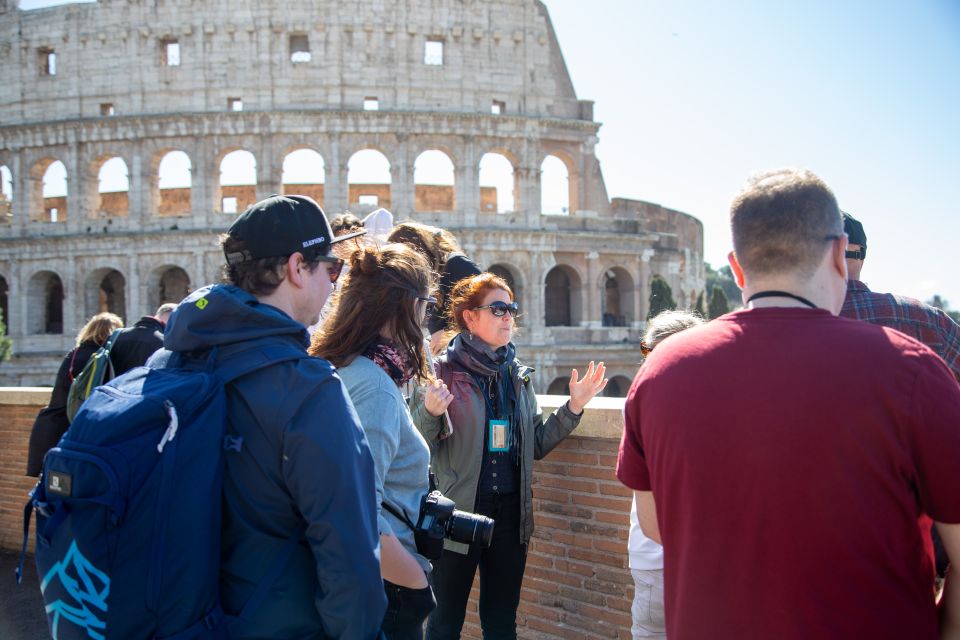
- The guide factor: clear explanations and a human touch
- What to bring (and what to leave at home)
- When closures happen: stay flexible
- Who should book this tour?
- Should you book? My take on the decision
Key highlights you’ll actually feel
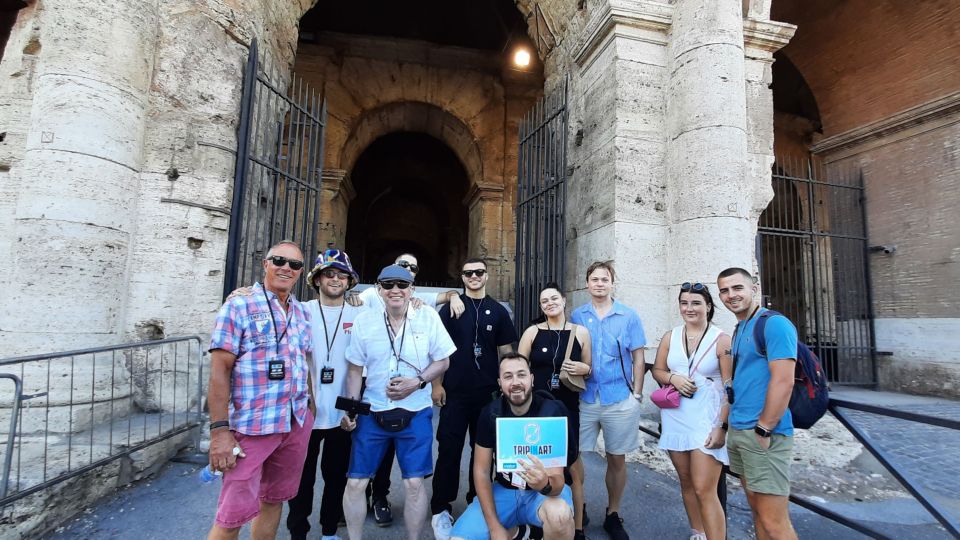
- Dedicated group entrance into the Colosseum to reduce waiting
- Headsets included for clear guide commentary as you walk and look
- Gladiator show organization explained while you stand in the right places
- Roman Forum orientation so you understand what the ruins used to be
- Palatine Hill panoramic terrace views for photos over the Forum and city
- Story-driven guiding style that keeps the facts moving, including names like Andi from past tours
Finding Roman Way near Metro Colosseo
Your tour starts at Via del Colosseo, 41, but the real key is the meeting point landmark. Look for staff with a Roman Way sign near the upper floor exit of the Metro Colosseo, across the bar Caffè Roma.
This matters more than it sounds. Rome has a way of making “nearby” feel like a scavenger hunt. Getting oriented at the start helps you avoid stress before you even reach the Colosseum gates. If you arrive a few minutes early, you’ll have time to confirm you’re at the right side of the street and ready to go.
The tour ends at Foro Romano, and the activity description also notes that it returns you back to the meeting area. In practice, plan to finish in the Forum area and then let the staff guide you to the correct end point.
You can also read our reviews of more guided tours in Rome



Value check: what you get for $53.32
At $53.32 per person, the big value is that you’re paying for more than one ticket. This tour includes Colosseum, Roman Forum, and Palatine Hill entry tickets, plus a live guide and headsets.
Here’s how that helps you: you’re covering three major archaeological zones with one guided plan, which is usually the part that costs time (and sometimes money) when you’re trying to DIY. Also, the tour explicitly includes skip-the-ticket-line via a dedicated group entrance, which can be the difference between spending your Rome morning reading signs and actually seeing things.
What’s not included is simple: no hotel pickup, and no food or drinks. So bring water plans of your own, and don’t assume you’ll have a built-in break to eat. If you’re doing this as your first big stop, that’s fine, but you’ll want comfortable shoes for a full 3-hour stretch.
Entering the Colosseum: group entrance and fast orientation
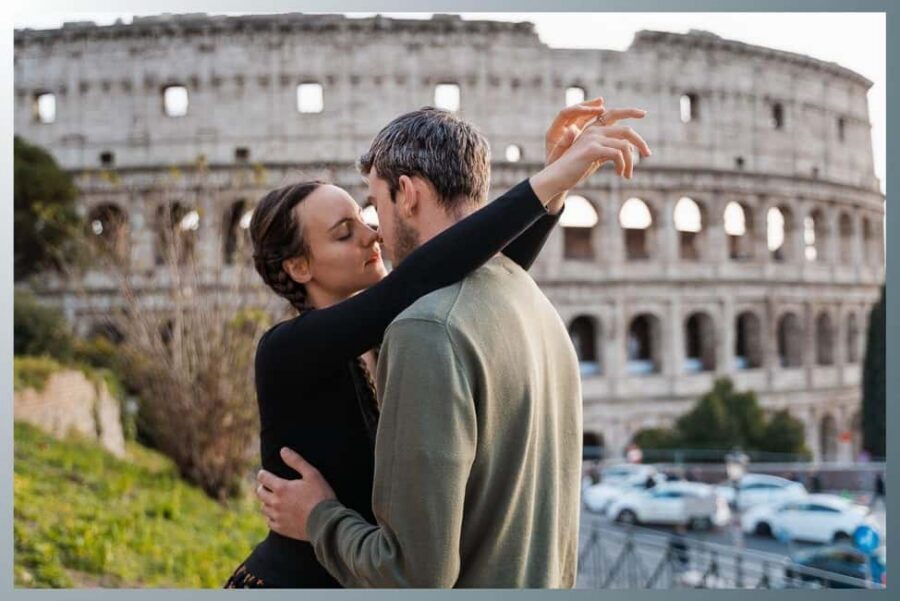
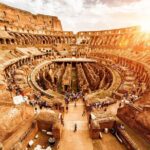
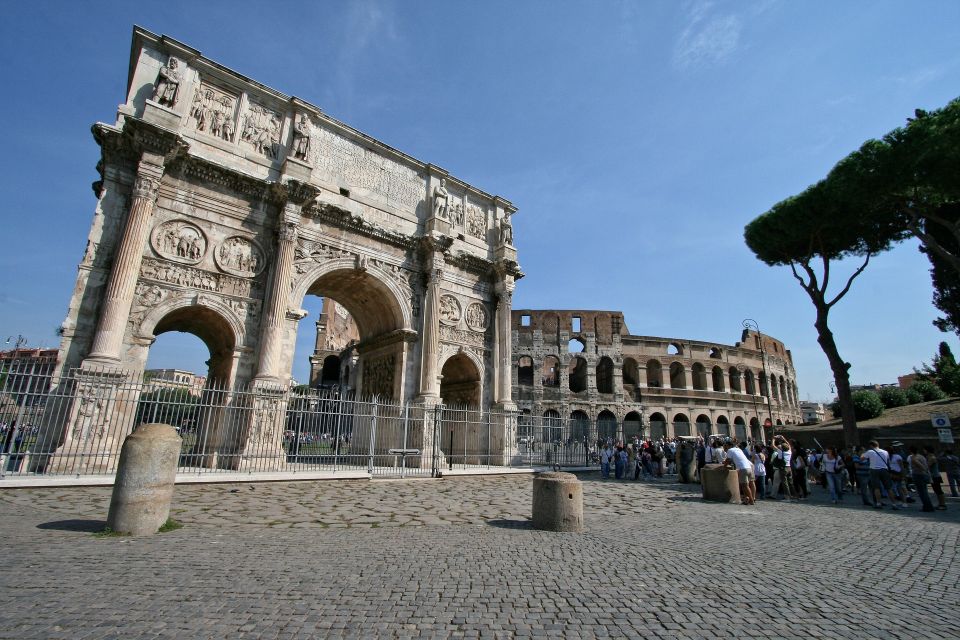
Once your group gets inside, the flow is set up to help you understand the arena quickly. You’ll explore the main levels of the Colosseum with your guide explaining how gladiator shows were organized and how fighters fought as part of entertainment for the Roman public.
The dedicated group entrance and the ticket-line skip are not just “convenience.” They help you keep your focus. The Colosseum can feel chaotic if you enter when crowds are thick. Here, you’re moving as a group with a plan, which makes it easier to look up, look around, and actually connect the architecture to what you’re being told.
What to pay attention to
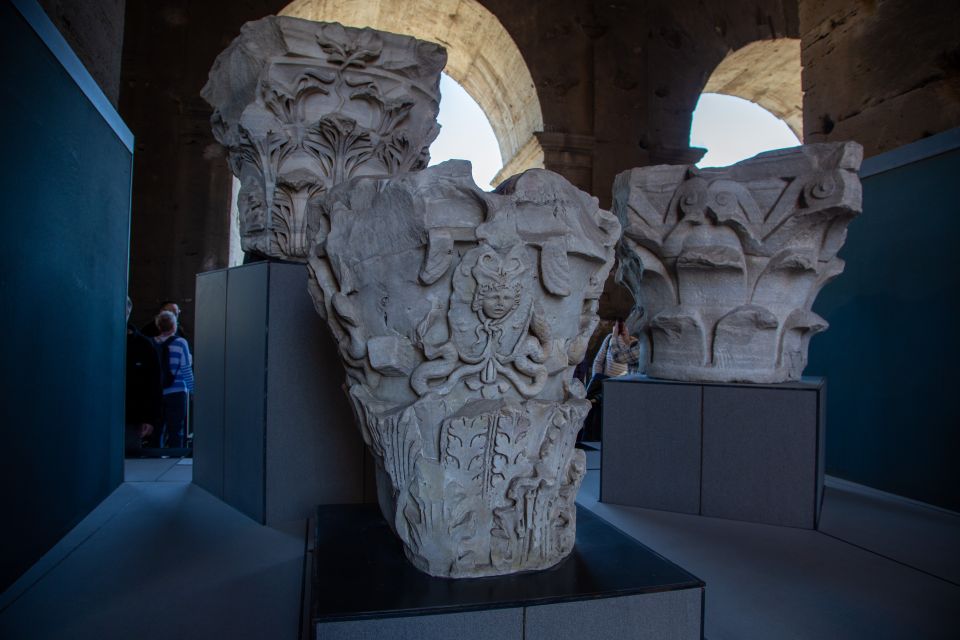
As you walk through the main levels, keep an eye on how the space is structured. The guide will do the work of translating “ruins” into something functional, like viewing areas and circulation patterns that shaped the show.
Even if you’ve seen photos of the Colosseum, standing inside it with a guide can change how you picture the event. It stops being a postcard and becomes a mechanism.
Gladiators, emperors, and common people in one 60-minute story
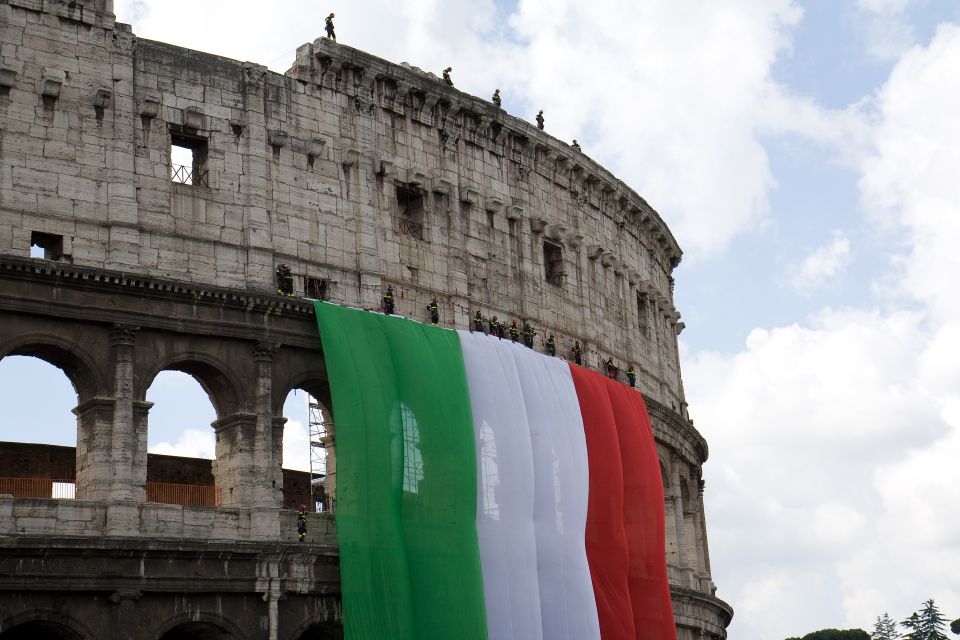
The Colosseum stop is guided for about 1 hour, and that time is used for more than general descriptions. You’ll hear stories of gladiators, emperors, and the common people of ancient Rome.
That mix is important. If you only hear about fighters, you miss the point of the Coliseum as social theater. If you only hear about emperors, you miss how ordinary Romans experienced public spectacles. The best part of this format is that it aims to keep you moving through layers of meaning—who mattered, who watched, and how the show worked.
Also, because headsets are provided, you can focus on the guide without turning your head every time a group member walks in your way. It’s a small detail that makes the whole experience more comfortable.



Roman Forum: the heart of the Roman Empire, not just broken stones
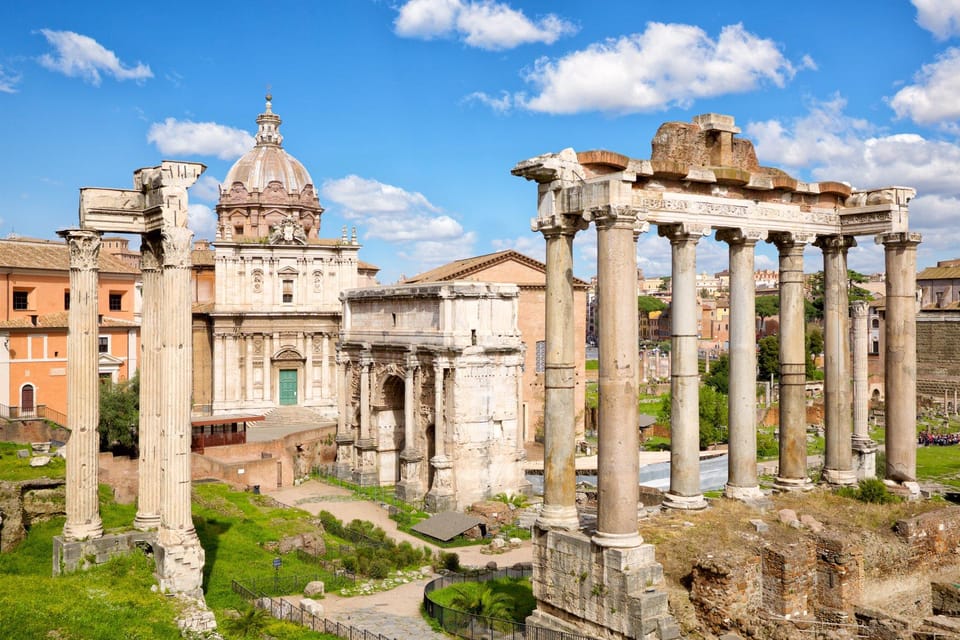
After the Colosseum, you’ll head to the nearby Roman Forum for about 45 minutes of guided exploring. This is where the story shifts from the arena to the city’s power center.
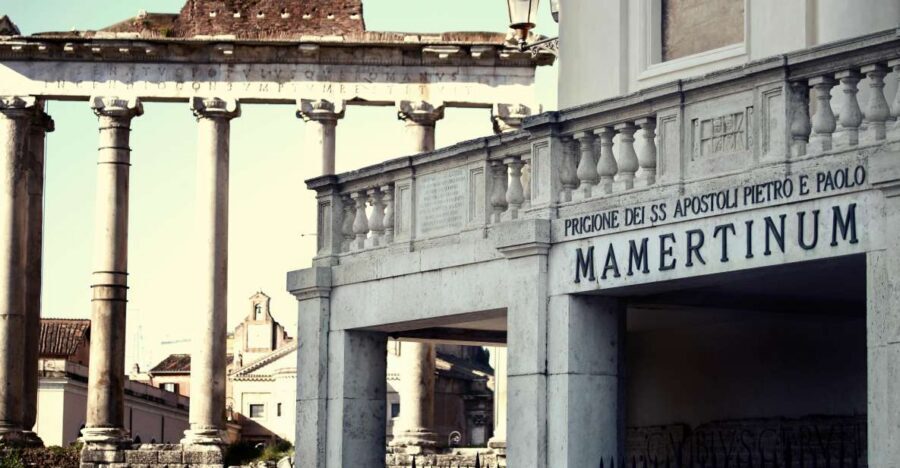
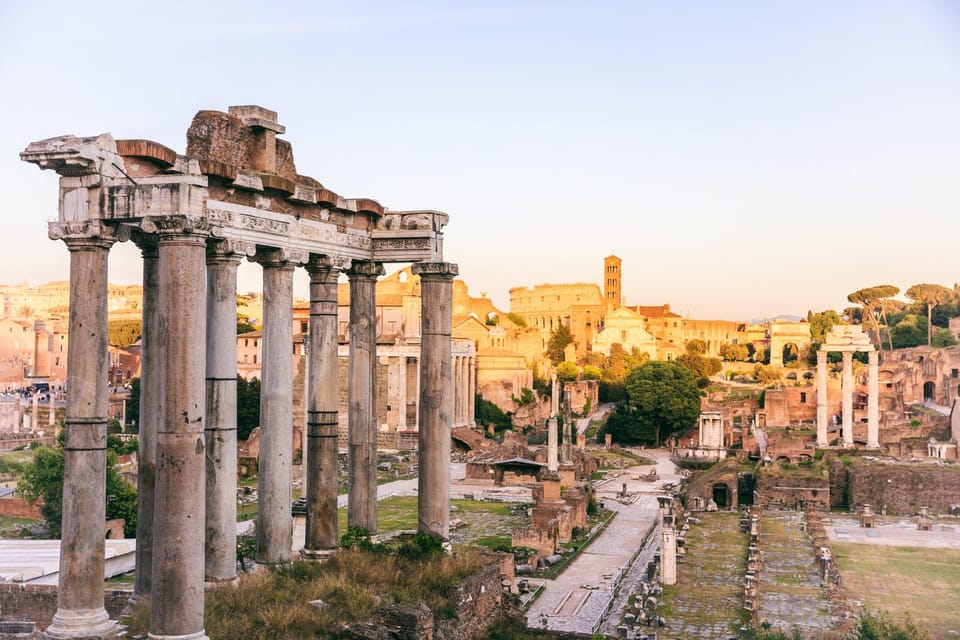
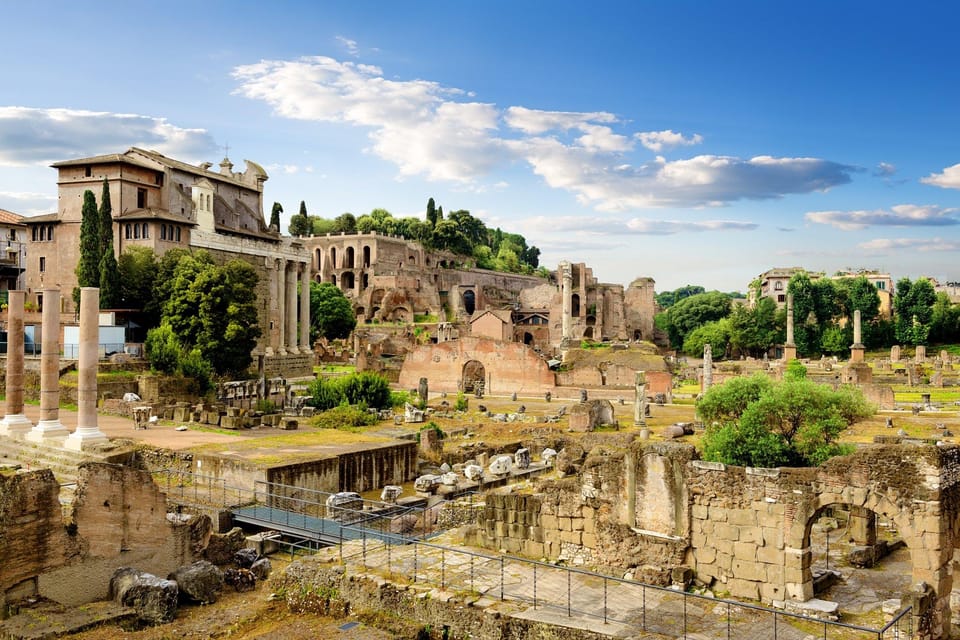
Your guide will lead you through what remains—things like churches, government buildings, temples, and other structures—so you can understand the Forum as more than scenery. It was the heart of the Roman Empire, and the ruins still show the footprint of that political gravity.
Why the Forum stop is worth your time
The Roman Forum can be overwhelming if you’re wandering without context. With a guide, you get an orientation: what the space was for, who used it, and why so much authority clustered here.
You’ll also be able to read the landscape better. Instead of seeing random foundations, you start to see relationships: where civic life happened, where religious power touched politics, and how the city’s identity formed in layers.
A practical note for your feet
You’re moving from one major site to another in a short window. Keep your pace steady and avoid long stops that break the group rhythm. It’s better to let the guide point out what matters, then take your photos when you have a beat of breathing room.
Palatine Hill in 40 minutes: Rome’s elite neighborhood and the best views
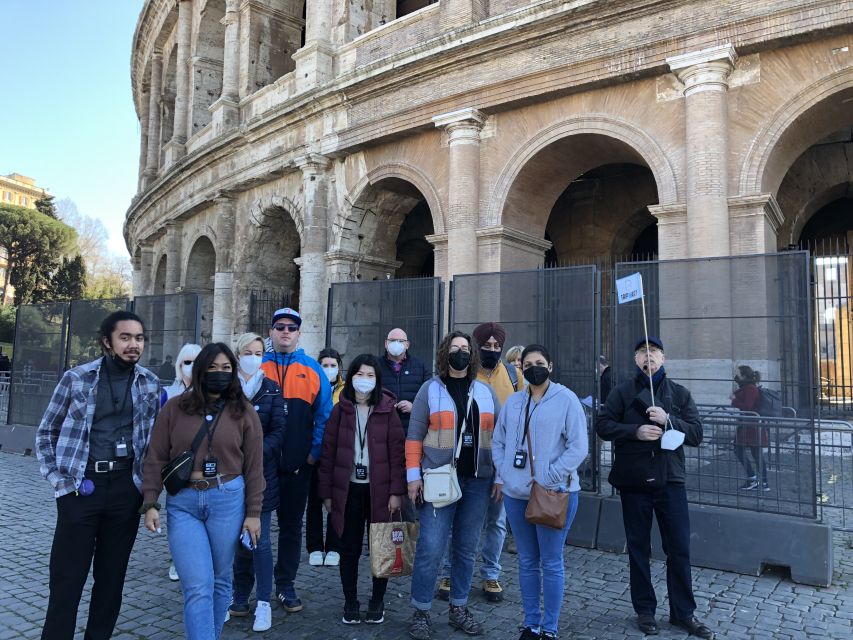
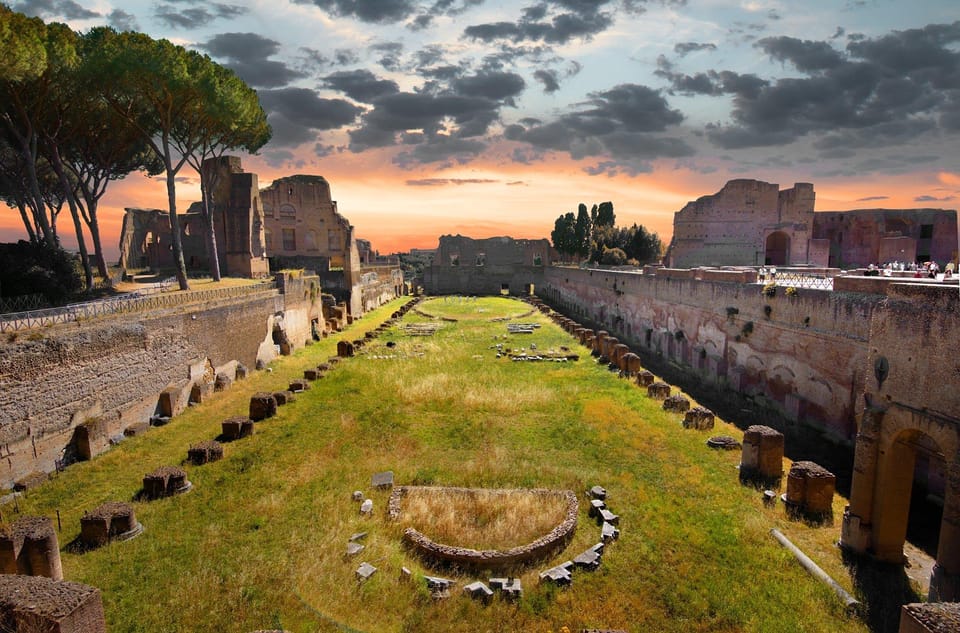
Next comes Palatine Hill, guided for about 40 minutes. This is the area once home to Rome’s wealthiest and most influential families.
What you’re really going for here is perspective. Palatine Hill gives sweeping views over the Roman Forum and the wider city of Rome from a panoramic terrace. The height turns the ruins into geography, so you can better understand the layout of ancient Rome.
Photos you’ll want
If you care about getting a view that makes the Forum look like a real place, not a set of scattered ruins, this stop delivers. The panoramic terrace is built for looking outward, not just photographing stones up close.
Also, this is where the tour’s storytelling pays off. When your brain connects “elite homes” with the view over the political center, the sites stop feeling separate. They start feeling like one system.
Pacing and timing on a 3-hour route
The whole tour runs 3 hours (and the specific start time depends on availability). The itinerary order can also change depending on ticket availability, so don’t plan to slot it as the only thing you do that day without buffer time.
In terms of pacing, the schedule is tight but not rushed. You get:
- ~1 hour at the Colosseum
- ~40 minutes on Palatine Hill
- ~45 minutes on the Roman Forum
That adds up to a format that’s designed to keep you sight-saturated without turning it into a marathon.
Your best move: wear comfortable shoes and keep your expectations realistic. You’ll be outdoors, walking, and looking at ruins with changing light. Rome’s weather also has a habit of surprising people, so dress for warmth or sudden wind.
The guide factor: clear explanations and a human touch
A standout from the tour feedback is the guide style. Past guides have included Andi, and the consistent theme is teaching with the right balance of history and humor. That matters because Colosseum-and-Forum facts can turn dry fast if the guide only recites names and dates.
With a good guide, you get stories that help you place people in a real setting. You’re not just learning that gladiators fought; you’re learning how the shows were organized and why the arena was built the way it was.
You’re also hearing about different types of Romans—those at the top and those in the crowd—so the city feels layered instead of one-note.
What to bring (and what to leave at home)
This tour is straightforward about rules, and following them makes everything smoother.
Bring:
- Comfortable shoes
- Weather-appropriate clothing
- A passport or ID card (a copy accepted)
Not allowed includes:
- Weapons or sharp objects
- Luggage or large bags
- Drones
- Pets (assistance dogs allowed)
- Alcohol and drugs
- Sprays or aerosols
- Glass objects
Also, expect airport-style security. That’s not optional and it can add time even if you skip the ticket line once you’re inside the process.
When closures happen: stay flexible
Rome’s archaeology isn’t always predictable. The tour description notes that on certain occasions or for extraordinary reasons, the archaeological area of the Colosseum, Roman Forum, and Palatine Hill can undergo partial or total closures.
If that happens, you’ll be contacted as soon as possible. So keep your phone handy and don’t schedule something else tightly behind this tour.
Who should book this tour?
This is a strong pick if you want:
- A guided visit through three major landmarks in one go
- Explanations that focus on how the sites connected in real life—gladiators, politics, elite households
- A tour format that helps you avoid getting lost in the Forum without context
- Headsets so you can follow along while you move
It’s not suitable for:
- People with mobility impairments
- Wheelchair users
- People over 80
If you fall into any of those categories, you’ll want a different option built around accessibility and reduced walking.
Should you book? My take on the decision
Yes, I think you should book this tour if your priority is seeing the Colosseum and Forum with structure, not just wandering and hoping you connect the dots. The price makes sense because you’re getting three-site tickets, a guide, and headsets, plus skip-the-ticket-line entry.
The main thing to decide is whether you’re comfortable with the physical side: security, stairs, and walking on uneven ground. If that works for you, you’ll get a lot out of the 3-hour format because each stop builds on the previous one.
If you want a safety net, the tour offers free cancellation up to 3 days in advance, which is helpful if weather or timing changes your plans.
If you’re chasing your best chance to understand what you’re seeing fast—Colosseum to Forum to Palatine Hill—this is a smart way to do it.