REVIEW · COLOSSEUM TOURS
Rome: Colosseum Arena Floor Access & Roman Forum Tour
Book on GetYourGuide →Operated by Let's See Italy · Bookable on GetYourGuide
You can walk the Colosseum like few visitors can. This skip-the-line Rome tour includes arena floor access and special access to Caesar’s underground spaces, plus guided time at the Roman Forum and Palatine Hill. I love that the story is built around what you’re actually standing on, not a generic lecture. I also like the built-in photo and self-exploration time so you can actually soak it in. One drawback: with a tight 2.5-hour schedule, you’ll need to keep moving and wear comfortable shoes.
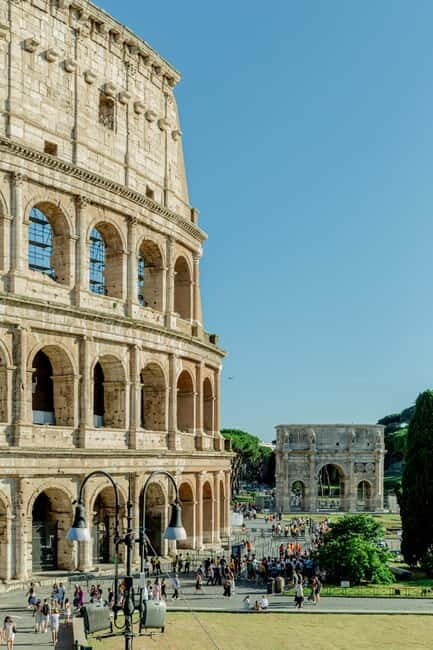
Your main payoff is perspective. You’ll start at the Arch of Constantine, follow the ancient route through the Colosseum, and then step into areas tied to gladiators, executions, and imperial life. Expect an organized flow with an English, licensed local guide, and a finish back near the meeting area so you can head to lunch or gelato without a long commute.
In This Review
- Key highlights at a glance
- Meeting at the Arch of Constantine and getting in fast
- Entering the Colosseum with skip-the-line access (and a guided route)
- Step onto the Colosseum Arena Floor: the real wow moment
- Roman Forum: where the ancient city starts to click
- Palatine Hill and Caesar’s Palace: special passages you can’t always see
- How the 2.5-hour pace works (and how to make it enjoyable)
- Price and value: is $95.83 a good deal?
- Practical tips that help you have a smoother day
- Who should book this Colosseum, Forum, and Palatine access tour?
- Should you book this tour or do it on your own?
- FAQ
- Where do I meet the tour for the Colosseum arena floor access?
- Is this truly skip-the-line access?
- What special access do I get at the Colosseum?
- What ID do I need to enter?
- How long is the tour?
- Are food and drinks included?
- What is not allowed during the tour?
Key highlights at a glance
- Arena-floor access with gladiator-level perspective for a way more real feeling than just watching from the stands
- Skip-the-line entry to the Colosseum, Roman Forum, and Palatine Hill using a separate entrance
- Caesar’s palace tunnels, rooms, and special passages that are not always open to the public
- Guided stops that focus on what you can see right now, so the names and places stick
- A smooth, timed route that helps you get through crowds faster and stay on schedule
- Finish near central ruins, convenient for restaurants and cafes afterward
Meeting at the Arch of Constantine and getting in fast
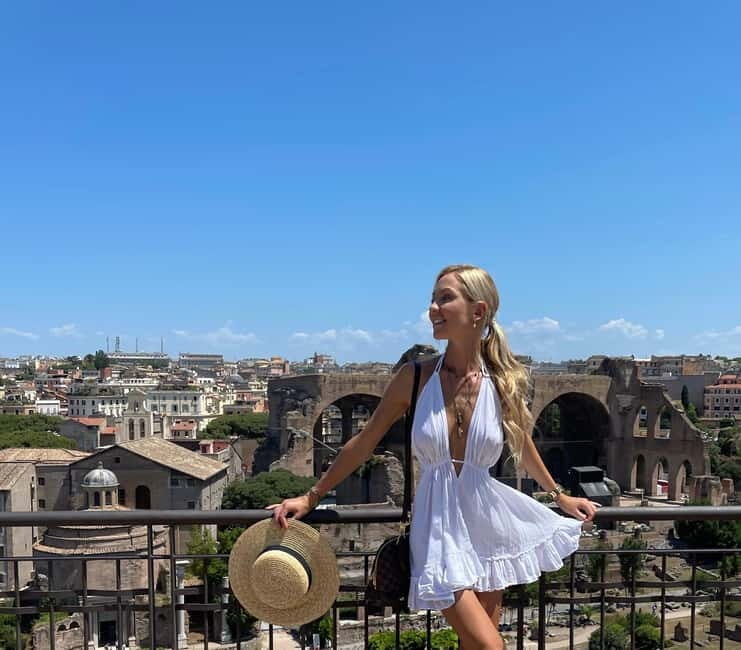
You start at the Arch of Constantine, with a very specific meeting spot: go to the corner farthest from the Colosseum. The tour coordinator holds a Let’s See Italy sign, and they arrive about 10 minutes before start time. I’d aim to be there around 30 minutes early, not because the tour is slow, but because the Colosseum area is crowded and it’s easy to lose time if you’re hunting the right corner.
This is the kind of tour where “being on time” matters. You’re using a separate entrance for skip-the-line access, and those entrances still run on strict schedules. If you miss the window, your day gets less fun quickly.
You can also read our reviews of more tours and experiences in Rome.



Entering the Colosseum with skip-the-line access (and a guided route)
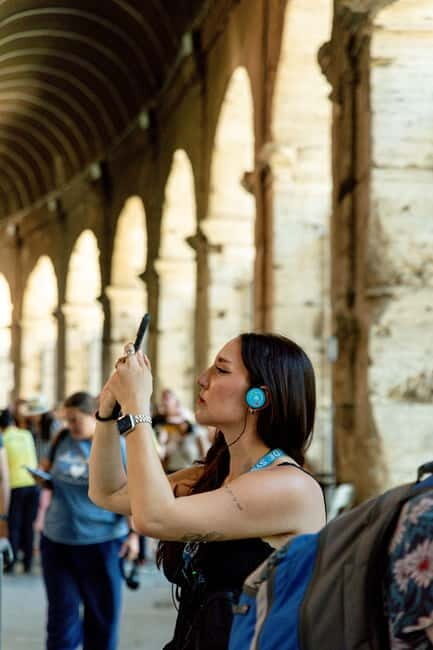
The Colosseum is the headline, but the smarter part is how you enter and move through it. You’ll get skip-the-line tickets specifically for the Colosseum, plus timed guidance that keeps you from wandering. The tour is also built around the classic “walk-the-same-steps” concept, so you don’t just appear in the arena—you follow a route tied to what gladiators, emperors, and condemned prisoners would have experienced.
At this stage, listen closely to your guide. The Colosseum can look like a famous ruin until someone connects the dots: which areas were for performances, which routes people used behind the scenes, and how the structure shaped the spectacle. Guides in this program (for example Jason and Brent, based on guide names you might see on departures) are praised for striking the right balance—enough detail to make the place meaningful without turning it into an exam.
Step onto the Colosseum Arena Floor: the real wow moment
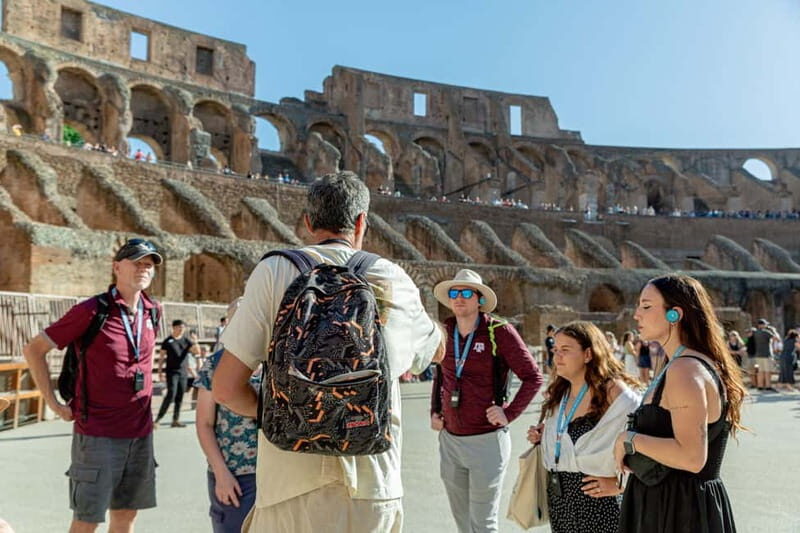
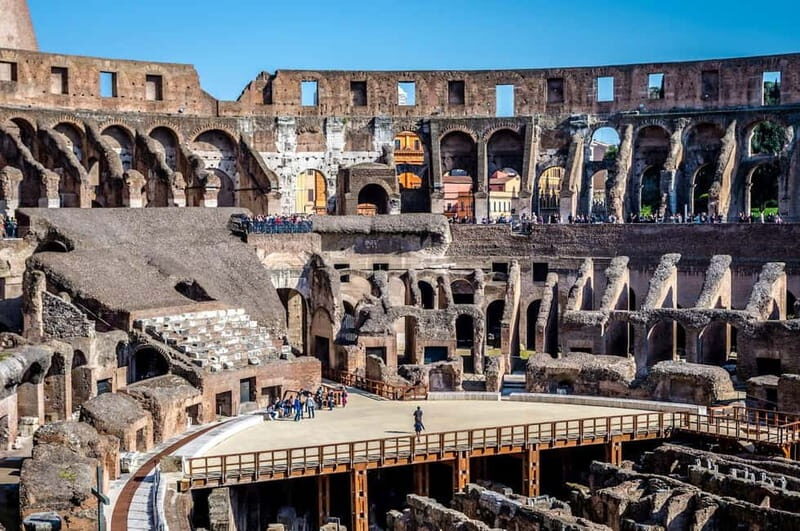
This tour’s signature is arena floor access, which is not what most standard tours offer. When you’re on the ground level, the Colosseum stops being a postcard and becomes a stage. You see the scale of the space, the geometry of the tiers, and how close the action would have felt during events.
You’ll also get access to “backstage” features connected to the arena, including underground and interior areas in the Caesar complex later on. For the Colosseum itself, the key is that you’re walking where the fighters once stood. That changes how you understand the building. Even if you don’t know Roman history beyond the basics, the physical layout does the teaching.
You’re not stuck there for the whole time, either. The tour includes time to pause for photos and self-exploration, so you can take a breath and frame your own angles before the route moves on.
Roman Forum: where the ancient city starts to click
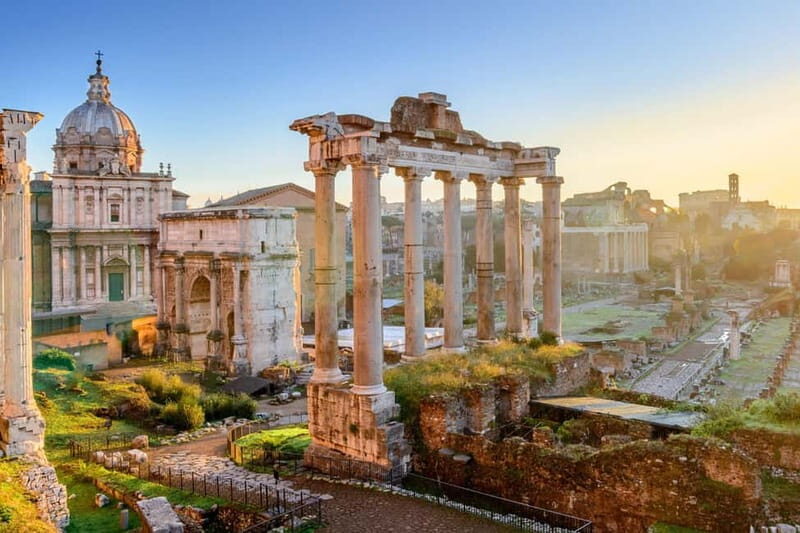
After the Colosseum, you head into the Roman Forum, guided for about an hour. This is where most visitors either feel lost (too many ruins, not enough story) or suddenly get it. The Forum works best when you have a guide who can point to what mattered and why.
During this part, you’ll be shown key spaces tied to political and religious life—think of buildings like the Senate area and the House of the Vestal Virgins. The goal isn’t to memorize names; it’s to understand how Rome functioned day-to-day at the center of power.
One smart thing about a guided Forum stop: it helps you read the ruins as a system. Without help, it’s easy to see scattered stone. With help, you can follow how people moved, what roles different buildings played, and why emperors and elites were so invested in controlling the message of the city.
Palatine Hill and Caesar’s Palace: special passages you can’t always see
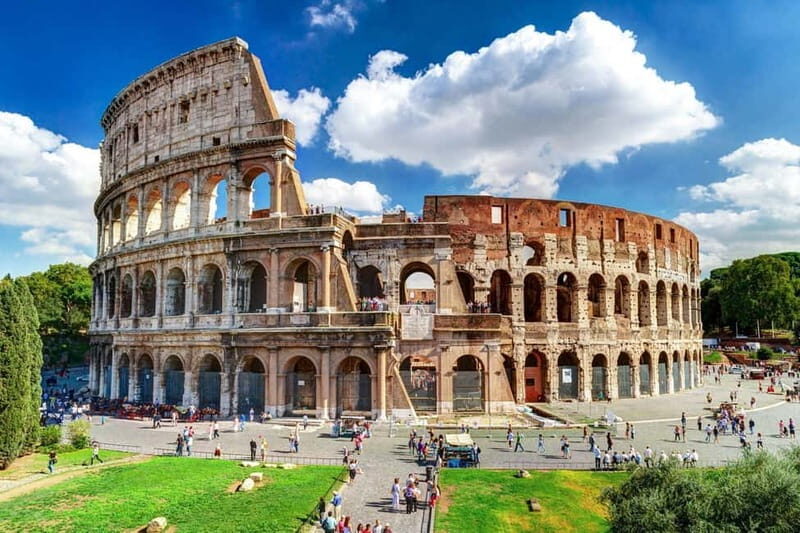
Next comes Palatine Hill, the “emperors’ neighborhood,” with about an hour of guided exploration. This section is built around Caesar’s palace and the imperial story, and it’s where the tour’s special access really earns its keep.
You get special access to Caesar’s Palace spaces, including underground tunnels and rooms, plus special passages that aren’t always open to the public. That detail matters. Palatine is crowded and confusing on your own. A regular ticket can give you access to the open areas, but this style of tour brings you into the restricted-feeling parts of imperial power—spaces that help you imagine the day-to-day reality behind the public spectacle.
Expect to see ancient palaces, temples, and tomb-related stops as the guide connects what you’re seeing to the broader story of rule and ceremony. The tour also includes a final emphasis near the tomb of Julius Caesar, which gives the whole route a satisfying end point. Even if you’re not a Roman history fanatic, you’ll leave with a better sense of how leadership was staged and how the city’s center was designed to project authority.



How the 2.5-hour pace works (and how to make it enjoyable)
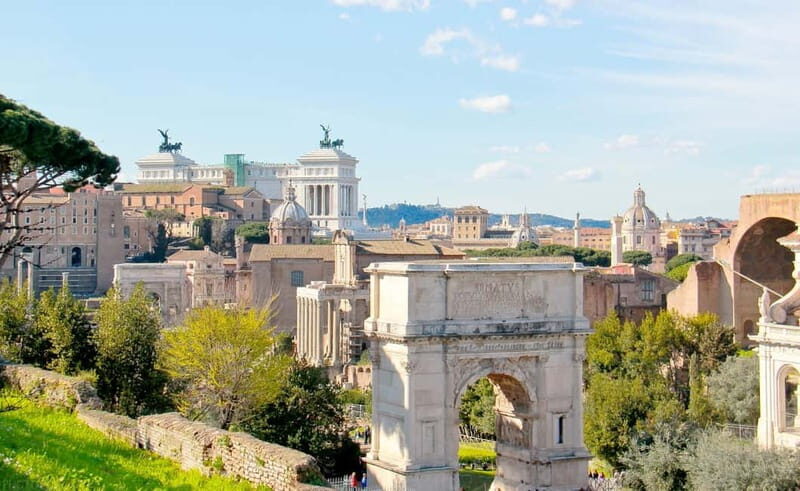
The advertised time is 2.5 hours, with guided time blocks roughly split across the main zones. That’s a short window for three huge areas, so the route is efficient by design. Here’s how to handle it.
First, keep your expectations realistic. You’re getting “see and understand,” not “wandering slowly until everything feels perfect.” You will move. Then you’ll pause at key points for photos or self-exploration, especially around the arena floor.
Second, use your guide like a cheat code. If your guide is Andrea (an archaeologist, based on the guide names you might encounter on this program), you’ll likely get extra clarity about what you’re looking at and why it matters. In general, guide performance is a major part of why this tour earns such strong ratings: people often praise how guides explain without going off into overlong side stories.
Finally, bring the right energy. This is a “heads up your camera” day, not a “Netflix pace” day.
Price and value: is $95.83 a good deal?
At $95.83 per person, this isn’t a bargain-basement tour. But it also isn’t overpriced fluff, because you’re paying for two things that are hard to DIY efficiently:
1) Skip-the-line access across multiple ancient sites, not just one.
2) Special access that ordinary entry usually doesn’t include, particularly the Colosseum arena floor and Caesar-complex underground spaces and passages.
If you were trying to replicate this on your own, you’d still be dealing with crowd flow, ticket timing, and the fact that the most interesting areas are often the ones with the most restrictions. So the value comes from convenience plus access. You’re basically buying time and access together.
The other part of value is practical guidance. People praise guides for making queues easier and the route smoother. That matters because the Colosseum and Forum can overwhelm even confident walkers.
Practical tips that help you have a smoother day
A few details from the rules are worth treating like your own personal checklist:
- Bring a passport or ID card. The Colosseum will refuse entry if the ID you bring doesn’t match the full names you provided at booking.
- If you’re booking for multiple people, double-check name spellings before you pay.
- Leave anything sharp or weapon-like at home. Weapons or sharp objects aren’t allowed, and alcohol and drugs are also prohibited.
- If you’re choosing between departures, pick one that fits your energy. This is a moving tour with three major ancient zones.
Also, this is a tour you’ll likely want to treat like a “morning brain” experience. You’ll get the most out of it if you’re rested enough to listen and look closely, not just to survive it.
Who should book this Colosseum, Forum, and Palatine access tour?
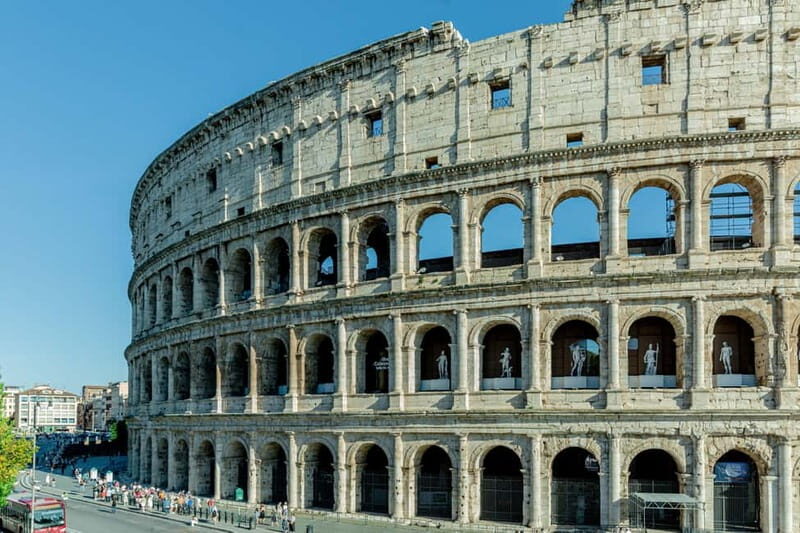
This is a great match if you want more than views from the outside rim. You’ll especially appreciate it if you:
- want arena floor access, not just standing above it
- care about how the empire worked behind the scenes, not only what happened in public
- like a guide who explains in a clear, organized way
- prefer a route that keeps you moving through Rome’s biggest crowd magnets efficiently
It might be less ideal if you want a slow, flexible pace, or if you’re the type who likes to stop and linger at every photo spot for a long time. The tour is timed for access, and it keeps that promise.
Should you book this tour or do it on your own?
Book this tour if special access is your priority—especially the Colosseum arena floor and Caesar’s underground/tunnel areas. The combination of skip-the-line entry plus guided context across the Colosseum, Forum, and Palatine Hill is what turns “three ruins” into a connected story.
Skip it (or rethink it) if you need lots of downtime, or if you’re traveling with concerns about strict entry rules around ID matching names. This one has clear site rules, and you’ll want to be ready for them.
If you’re flexible and want the most meaningful experience in the shortest time window, this tour is a strong choice.
FAQ
Where do I meet the tour for the Colosseum arena floor access?
Meet at the Arch of Constantine. Go to the corner of the arch furthest away from the Colosseum. The coordinator will be holding a Let’s See Italy sign. Aim to arrive about 30 minutes early.
Is this truly skip-the-line access?
Yes. You get skip-the-line tickets with access through a separate entrance for the Colosseum, Roman Forum, and Caesar’s Palace areas.
What special access do I get at the Colosseum?
You get special access to the Colosseum’s arena floor, plus guided time that includes the arena-floor section.
What ID do I need to enter?
Bring a passport or ID card. You also must provide the full names of all participants when you book, and your ID must match those names, or the Colosseum can refuse entry.
How long is the tour?
The tour duration is about 2.5 hours.
Are food and drinks included?
No. Food and drinks are not included.
What is not allowed during the tour?
The tour does not allow weapons or sharp objects, and it also prohibits alcohol and drugs.