REVIEW · ROME
Rome: Catacombs of St. Callixtus Entry Ticket & Guided Tour
Book on GetYourGuide →Operated by OPERA ROMANA PELLEGRINAGGI · Bookable on GetYourGuide
Rome’s underground is weirdly moving.
This guided catacomb tour is short, focused, and packed with early-Christian burial details you won’t get from a quick stroll. I love the contrast: bright Rome above, then you step into an underground cemetery beneath the Appian Way. Two standout parts for me are the Crypt of the Popes and the oldest wall paintings you’ll see in the catacombs. One drawback to think about up front: you’ll be underground in a tight space, and it’s not a fit for claustrophobia or limited mobility.
I also like that the visit stays respectful and story-driven. You’ll meet your guide, hear where the complex gets its name, and walk through key rooms like the Crypt of St. Cecilia and Area I (the sacraments cubicles). Based on guide names I’ve seen tied to this experience—Comfort, Sam, Don Sam, Francesca (archaeologist), and Arishba—you can expect a lively, question-friendly approach even though the whole tour is only about 30 minutes. The main consideration is simply logistics: the site is a bit out of central Rome, so you’ll want to plan the bus/train route and buffer time to find the entrance.
In This Review
- Key points before you go
- Why St. Callixtus Catacombs Feel Different Than Other Rome Sights
- The 30-Minute Route: What You Actually Get to See
- Crypt of the Popes: The Most Important Room on the Map
- Crypt of St. Cecilia: A Nearby Stop With a Strong Story
- Frescoes and Area I: Where the Tour Turns Visual
- Meeting Point and Getting There: Bus Rides Beat Panic
- From Termini Station
- Alternative route using Metro B
- Practical Tips: What to Wear and What to Expect Underground
- Value for $16: Short Tour, Strong Payoff
- Who This Tour Suits Best (And Who Should Skip It)
- Should You Book This Catacombs Tour?
- FAQ
- How long is the guided tour at the Catacombs of St. Callixtus?
- What does the $16 ticket include?
- Is hotel pickup or drop-off included?
- Where do I meet for the tour?
- Are photos allowed inside the catacombs?
- What languages are available for the live guide?
- Is the tour suitable for people with mobility impairments or claustrophobia?
- What should I bring and wear?
Key points before you go
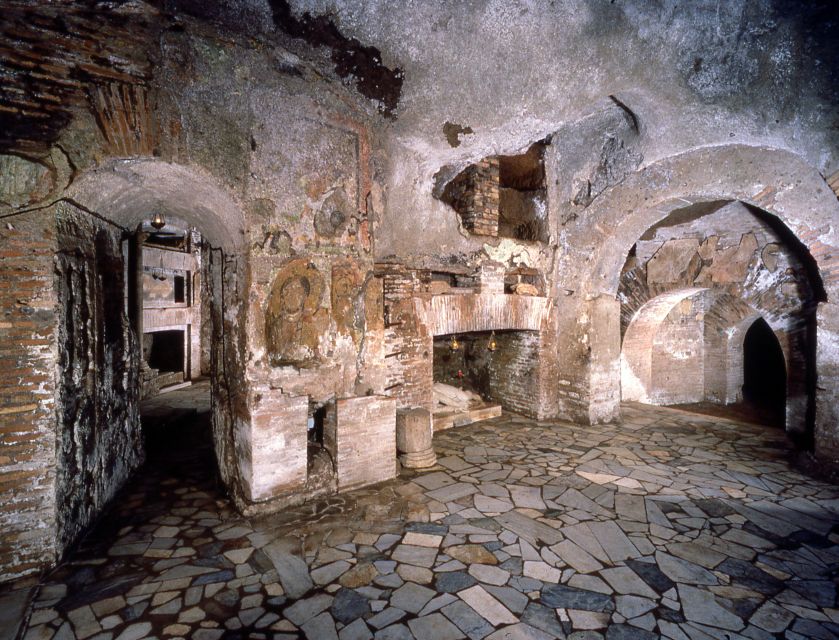
- Crypt of the Popes: you’ll visit the resting place of nine popes and three bishops
- Crypt of St. Cecilia: a dedicated stop tied to a Roman matron known for arranging proper burials
- Old frescoes: some of the earliest wall paintings in Rome’s catacomb spaces are part of the route
- Area I and sacraments cubicles: a specific zone with burial-related “cubicles of the sacraments”
- No photos inside: plan to enjoy with your eyes, not your camera
- Cool temps underground: bring a layer; the chambers stay around the mid-teens Celsius
Why St. Callixtus Catacombs Feel Different Than Other Rome Sights
Rome has plenty of grand ruins. This experience is different. You’re not touring marble or arches—you’re touring a working history site, literally underground, where early Christians were laid to rest in a huge burial network.
What makes it work is the pace and framing. The tour is only about 30 minutes, but it’s guided from stop to stop, with context about martyrs, popes, and the Christian community that used this cemetery. I like that you don’t feel rushed into chaos; you get a clear sequence: introduction to the complex, then the crypts, then the painted rooms and the burial areas that connect the story.
The other big reason this is memorable is the “small group, big meaning” feel. Even when you’re surrounded by other visitors, you’re moving through narrow underground spaces where reverence tends to happen naturally. Some guides are described as funny or playful, but the overall tone stays respectful—exactly what you want in a place like this.
You can also read our reviews of more tours and experiences in Rome.



The 30-Minute Route: What You Actually Get to See
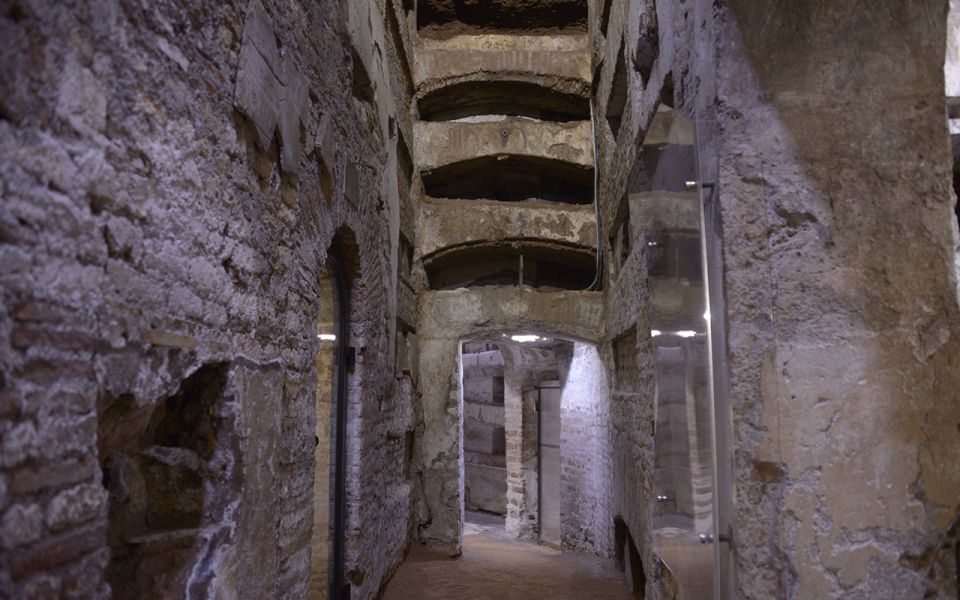
This tour isn’t a long wander. It’s a curated walk through several highlights, with narration built around the site’s purpose.
Here’s the practical flow you should expect:
First, you enter with your Catacombs of Saint Callixtus ticket and meet the guide. You’ll get an explanation of the underground complex, including where it gets its name and why the site mattered to Rome’s early Christian community. Then you’ll move through the main sections that explain how the burial grounds were organized.
Next comes one of the most important stops: the Crypt of the Popes. After that, you head to the adjoining room for the Crypt of St. Cecilia. Then the route shifts into the visual art side of the catacombs: you’ll see some of the oldest frescoes that decorated the walls. After that, you visit Area I, including the cubicles tied to the sacraments.
That’s it. No long detours. No waiting around for the next bus. For many people, the short duration is exactly why it’s good value: you can fit it between other Rome plans without losing the entire day.
Crypt of the Popes: The Most Important Room on the Map
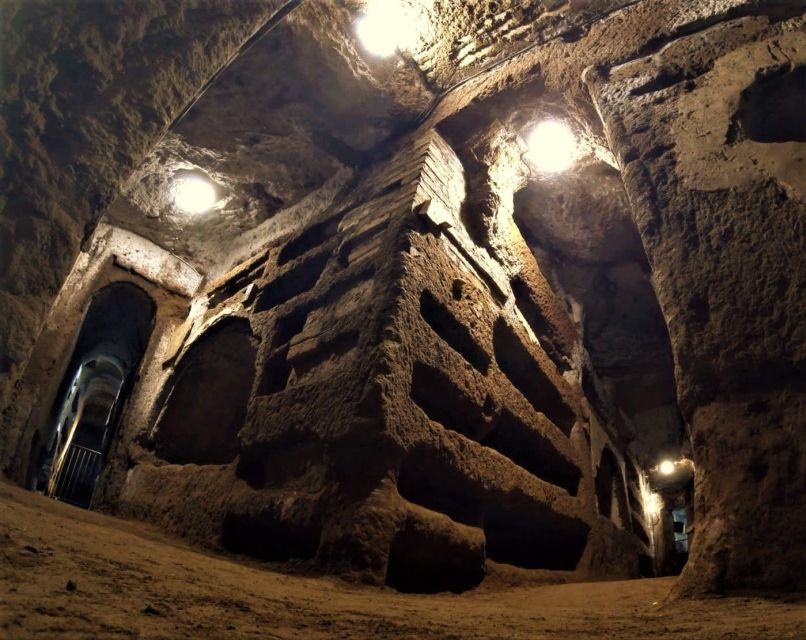
If you only remember one place from this visit, make it the Crypt of the Popes.
This stop is the anchor of the tour: it’s the resting place of nine popes and three bishops. Even if you don’t plan to “study religion,” this is a strong historical moment because it connects names and leadership to the burial world of early Christianity in Rome. The guide’s job here is to help you see that the crypt isn’t just a room—it’s part of a community practice that left a trace underground.
You’ll also learn the kinds of burial traditions and identity markers that show up across the catacombs. The guide pacing matters: you get time to listen, time to look, and the chance to ask questions near the end of the tour.
Crypt of St. Cecilia: A Nearby Stop With a Strong Story
Right after the popes’ crypt, you’ll visit the Crypt of St. Cecilia in an adjoining space.
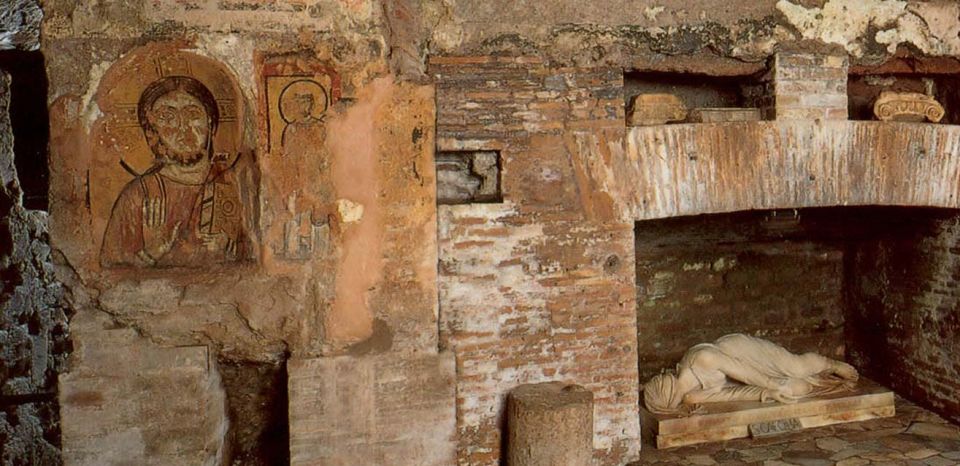
This room is described as connected to a Roman matron remembered for ensuring that many martyrs received a proper burial. That detail matters because it reframes the catacombs from a cold underground storage space into a place shaped by specific people and responsibilities. In other words: the story isn’t only about famous religious figures; it’s about caretakers and community members too.
If you’re the type of person who wants the emotional context, this crypt usually lands better than you expect. It’s also a good break in the route flow—after a very “big names” stop, you get a different angle on care and burial rites.
Frescoes and Area I: Where the Tour Turns Visual
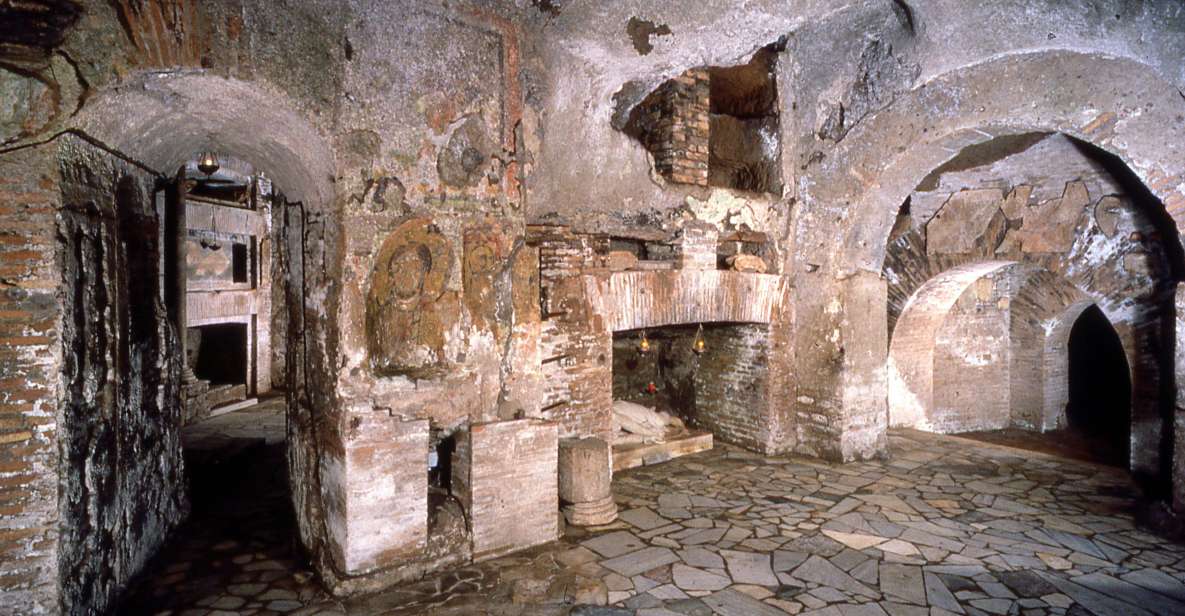
Catacombs can feel samey if the tour is sloppy. This one tries to prevent that by adding visuals and a specific area.
After the crypts, you’ll see some of the oldest frescoes found in Rome’s catacomb settings. Look for the wall paintings as part of the guide’s explanation, not as a background decoration. The route focuses on what these images meant in the context of the burial spaces and early-Christian community life.
Then you’ll get to Area I, which includes the cubicles of the sacraments. This is the “organized details” part of the tour. Instead of random corridors, you’re seeing a structured area where burial-related practices were carried out. It’s also one reason the tour is only 30 minutes: the guide is pointing you to the most informative corners rather than letting you wander blind.
One practical tip: you may want to pause and slow down here. Underground surfaces are dim, and it helps to take in what’s near you rather than racing to the next stop.



Meeting Point and Getting There: Bus Rides Beat Panic
This is not a train-station hop from the center of Rome. The meeting point is at the ticket office of the catacomb site.
Go directly to the Catacomb ticket office and show your voucher at least 10 minutes before the scheduled tour. That 10-minute buffer is your friend—especially because finding the entrance can take longer than you’d hope.
From Termini Station
Take Metro A (direction Anagnina) to San Giovanni, then take bus 218 (direction Ardeatina) to Fosse Ardeatine. The entrance is in front of you.
Alternative route using Metro B
Take Metro B (direction Laurentina) to Colosseo or Circo Massimo, then take bus 118 (direction Appia/Villa Dei Quintili) to Catacombe di San Callisto.
A quick reality check: taxis can be simple ways in and trickier ways back, so plan the return ahead of time if you’re not comfortable with buses. If you like certainty, schedule this as a morning or early afternoon activity when you can track the buses more easily.
Practical Tips: What to Wear and What to Expect Underground
This tour is only 30 minutes, but you should still dress like you’re going into a cooler basement with history.
Wear comfortable shoes. The ground and steps can be uneven, and you’ll be on your feet for the guided stops.
Bring a comfortable layer. One review notes the chambers are cool around 15°C, so even in warm Rome, expect a chill underground.
Plan for rules that keep the site protected:
- No photography inside
- No baby carriages
- Not suitable for people with mobility impairments
- Not suitable for people with claustrophobia
You also won’t have hotel pickup or drop-off, and food and drinks aren’t included—so just plan to eat normally before or after.
Value for $16: Short Tour, Strong Payoff
At about $16 per person for a guided visit, the value is mainly about what you get for the time.
You’re paying for three things:
1) access to one of Rome’s major underground burial sites,
2) a guide who explains the meaning of what you’re seeing, and
3) highlights you’d struggle to connect on your own—especially the Crypt of the Popes, Crypt of St. Cecilia, and the frescoes.
A lot of people read the word “30 minutes” and assume it’s too quick. Here’s the honest angle: it’s short, but the route is built around the most important spaces. You’re not paying for “extra time”; you’re paying for “the right rooms, with context.”
The guide quality seems to be a big part of why this ticket feels worth it. I’ve seen mentions of highly engaged explanations and guides who answer questions after the tour (including one guide who stuck around a bit longer to point out extra important areas on the property).
Who This Tour Suits Best (And Who Should Skip It)
This works best if you want a structured, history-focused experience that doesn’t eat half your day.
You’ll likely enjoy it if you:
- like early-Christian history and burial practices
- prefer a guided route over trying to interpret underground corridors on your own
- want a “one activity” stop that fits into a Rome day plan
You might skip it if you:
- need easy accessibility (the tour isn’t suitable for mobility impairments)
- get anxious in tight spaces (it’s not suitable for claustrophobia)
- expect a show with bones or skeletons (the experience is described as burial places and history, not a skeletal display)
If you’re traveling with teens or older kids, it can still work because the guide can turn the story into something more than names in a textbook.
Should You Book This Catacombs Tour?
Yes, book it if you want one of Rome’s most distinct experiences without overcommitting time. The combination of guided context plus the Crypt of the Popes and old frescoes makes this a strong fit for a “fast but meaningful” day.
Consider alternatives instead if you’re worried about confined spaces or you hate the idea of no photos. Also plan extra time for getting there. The underground is only 30 minutes; your bus ride is what can make the trip feel longer.
If you like value, look at the total package: ticket access plus a live guide plus major highlights, all for a modest cost. This is the kind of tour that gives you something different from the usual Rome sightseeing circuit.
FAQ
How long is the guided tour at the Catacombs of St. Callixtus?
The tour duration is about 30 minutes.
What does the $16 ticket include?
It includes the Catacombs of Saint Callixtus entry ticket and a guided tour.
Is hotel pickup or drop-off included?
No. Hotel pickup and drop-off are not included.
Where do I meet for the tour?
You meet at the Catacomb ticket office. Go directly there and show your voucher at least 10 minutes before the scheduled tour.
Are photos allowed inside the catacombs?
Photography is not allowed inside.
What languages are available for the live guide?
The tour offers live guides in Italian, French, German, and English.
Is the tour suitable for people with mobility impairments or claustrophobia?
No. It is not suitable for people with mobility impairments, and it is not suitable for people with claustrophobia.
What should I bring and wear?
Wear comfortable shoes and comfortable clothes. Bring a layer since the underground spaces are cool.