REVIEW · CASTEL SANTANGELO TOURS
Rome: Castel Sant’Angelo Reserved Entry
Book on GetYourGuide →Operated by Flavio's Journeys · Bookable on GetYourGuide
Castel Sant’Angelo is history you can walk through. With reserved priority entry, you get a smoother start, and with a self-guided visit, you can take your time across the castle’s many levels and stories. I like that you’re not locked into a rigid pace, especially when you’re stopping for details—like the weapons displays, Renaissance frescoes, and the papal sections.
Two big highlights for me are the transformation story—from Hadrian’s commission (135–139 AD) to a Papal-state fortress—and the final payoff: the terrace views over Rome. One thing to consider: you still need to show up right on time at the meeting point (the staff won’t wait), and you won’t have a guided tour included, so you’ll rely on what you can read as you go.
In This Review
- Key points to know before you go
- Castel Sant’Angelo: the Mausoleum that Became a Fortress
- Priority entry and the meeting point: how to make the “reserved” part work
- Inside Castel Sant’Angelo: five floors of weapons, frescoes, and human stories
- The Papal baths of Leo X and Clement VII: a break from the fear factor
- Terrace views over Rome: the payoff at Castel Sant’Angelo
- How long to plan and what your pace should be
- Price and value: is $38 worth reserved entry?
- Who should book this reserved entry?
- Should you book this Castel Sant’Angelo Reserved Entry?
- FAQ
- What is included in the reserved entry?
- Is this a guided tour or self-guided?
- Where do I meet the host?
- What time should I arrive?
- What languages are available for the host?
- How much does it cost?
- What’s the duration?
- Is Castel Sant’Angelo open every day?
- Is it wheelchair accessible?
Key points to know before you go

- Priority entry / skip-the-line via a separate entrance so your visit starts faster
- Self-guided freedom across five floors, at the pace you choose
- Hadrian to the Papal state: you’ll connect the dots between mausoleum and fortress
- Papal baths of Leo X and Clement VII for a surprisingly human (and painted) side of power
- Terrace panoramic views that are worth planning for once you’re done inside
- No large bags, pets, scooters, or wheelchairs, so pack light and plan for walking/stairs
Castel Sant’Angelo: the Mausoleum that Became a Fortress
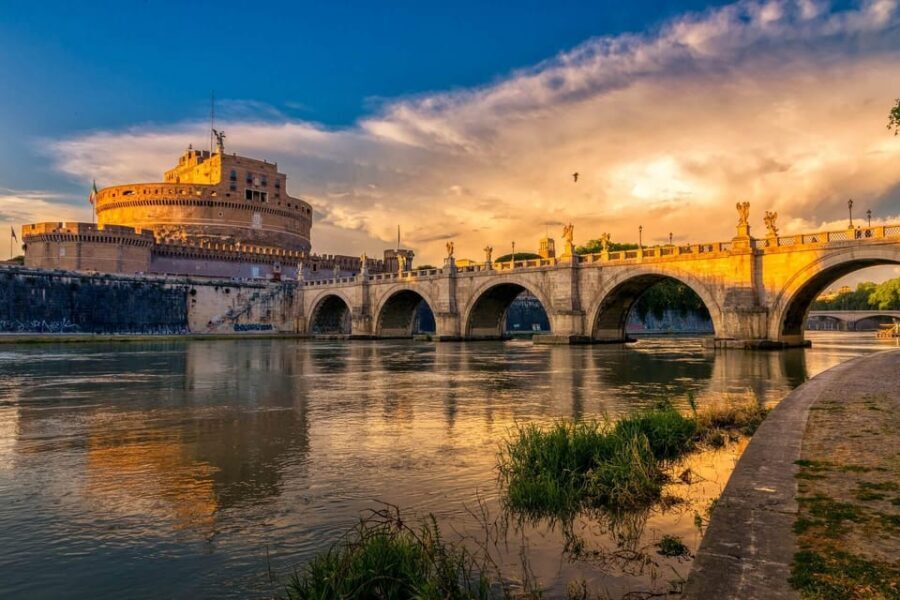
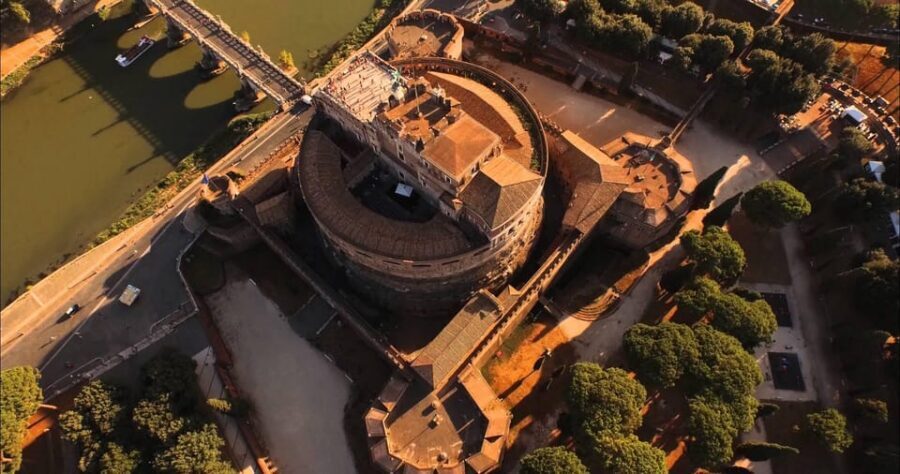
Castel Sant’Angelo, also known as the Mausoleum of Hadrian, isn’t just a pretty stop near the Tiber. It’s a building that kept getting repurposed as Rome’s rulers changed their needs. The structure starts with an imperial commission—Emperor Hadrian, working in the years 135–139 AD—and later becomes something more defensive once the Papal state takes over the story.
That shift is what makes the place click. You’re not only seeing rooms and staircases; you’re watching Rome’s power structure evolve in stone. Think of it like stepping through layers of intent: first as a monument, later as a stronghold. And because the visit is self-guided, you can pause where the building’s clues are strongest—like the sections tied to Papal-era defense and the stories associated with prisoners who were confined inside.
The castle spans five floors, so plan on moving vertically. Even if you love museums, this one is more “walk-and-remember” than “sit-and-stare.” If you prefer a museum where everything is at one level, this might feel like workout history—good for some people, tiring for others.
You can also read our reviews of more tours and experiences in Rome.



Priority entry and the meeting point: how to make the “reserved” part work

This ticket is built around fast-track entry, meaning you’ll use a separate entrance to skip the typical line. That’s the value—especially in Rome, where “we’ll just arrive and see” can turn into waiting.
Here’s the practical part you can’t ignore: you meet your host in front of the main entrance of the Lungotevere Castello, holding an RVG sign. The instructions are clear: arrive 15 minutes before the start time. Late arrivals or no-shows won’t be accommodated, so don’t gamble with time.
One more thing I’d plan for: the handoff process may include digital communication from the organization. In past bookings, people have reported receiving tickets through WhatsApp when the meeting point moment didn’t go smoothly. Translation: it can be efficient, but you should still show up early with your booking info ready, so you don’t end up chasing confirmations while your entry window is shrinking.
If you want the whole “skip the line” experience, treat this like an appointment:
- Know exactly where Lungotevere Castello is before you leave
- Aim to arrive early, not right at the start
- Bring the confirmation details you were given, so the staff can verify you quickly
Inside Castel Sant’Angelo: five floors of weapons, frescoes, and human stories

A self-guided visit is only fun if you know what kind of experience you’re getting. This one is not just corridors and views—it includes a mix of practical and dramatic elements.
Across the floors, you can expect to see:
- Weapons connected to the castle’s defensive role
- Renaissance frescoes, which add an art layer to what could otherwise feel like pure military architecture
- Spaces tied to the Papal period, including the shifting function of the building
- The stories of prisoners within the walls—sad, but important for understanding what this fortress was really used for
What I like about this structure (literally five floors) is that you’re free to build your own narrative. If you’re a “detail person,” you can spend time on what looks out of place for a tomb but makes total sense for a fortress—those defensive elements. If you prefer art, you can make the fresco sections your priority stops.
The only drawback to be honest about: since this is not a guided tour, you won’t get a narrated explanation walking you through the big themes. You’ll have to read what’s posted and connect the timeline yourself. That’s fine for independent travelers who enjoy exploring at their own pace. It’s less ideal if you want someone to explain each room’s significance in a smooth, chronological story.
The Papal baths of Leo X and Clement VII: a break from the fear factor

One of the most memorable parts of Castel Sant’Angelo is also one of the least expected: the painted papal baths linked to Leo X and Clement VII.
This matters because it adds contrast. A fortress is easy to interpret as harsh and purely violent. But these rooms remind you that the same building that served as a security installation also belonged to powerful people who lived there, planned there, and—at least in part—refined their private comfort inside thick walls.
Even if you’re not a “bathroom history” enthusiast, painted spaces like this help you visualize how life worked in the Papal era. The artwork isn’t just decoration; it’s part of the authority and the self-image of the people associated with those rooms.
If you want to make your visit feel extra rewarding, set a small goal for yourself: don’t just walk past the baths. Take a few minutes. Let your brain switch gears from defense to court life.
Terrace views over Rome: the payoff at Castel Sant’Angelo

After you’ve climbed and read your way through mausoleum-to-fortress history, you earn the best reward: the terrace panoramic views of Rome.
This is one of those moments where the building stops being “a museum” and becomes a viewpoint. The location gives you a sense of distance—Rome spread out in all directions, with the Tiber area and nearby landmarks forming your mental map. If you like photos, this is where you’ll want your phone camera ready and your feet calm enough to aim carefully.
Practical tip: plan to linger a bit. Most people rush their terrace moment because they’re ready to be done. I think that’s a shame here. The view is one of the few parts of Castel Sant’Angelo that doesn’t ask for reading or interpretation. It’s simply the payoff for all the stairs.



How long to plan and what your pace should be
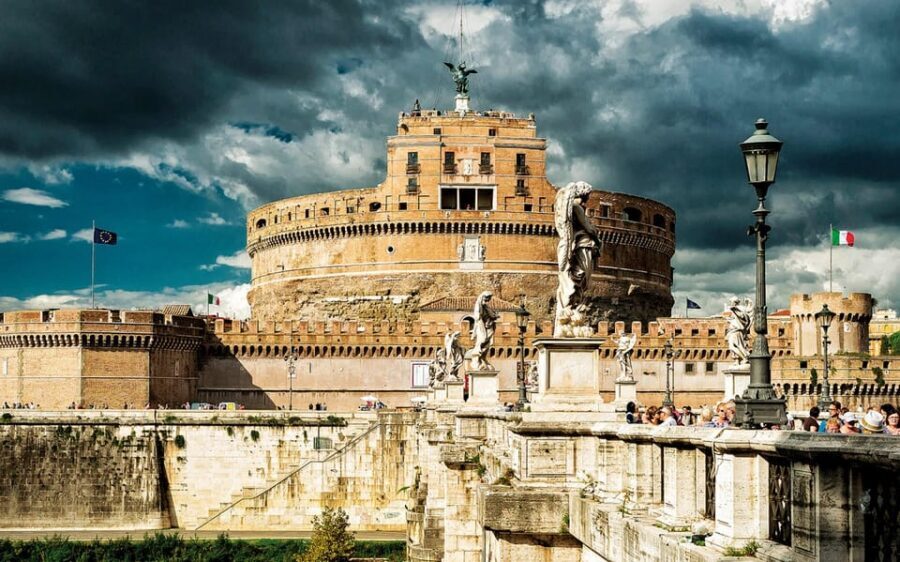
Your booking is listed as a 1-day experience, and the site is open daily. What that really means for you is flexibility: you’ll pick a time slot where you can enter, then explore on your own schedule afterward.
Since it’s self-guided and spans five floors, your pacing matters more than you might think. Give yourself room to move slowly. Even if you’re fast in museums, this is a vertical visit. If you pause for weapons displays, frescoes, and the baths, time adds up quickly.
Also watch your energy. There’s no promise you’ll “see everything” in a rushed hour, because the castle isn’t set up for a stamp-and-go approach. The better plan is to choose what matters to you most:
- If you’re history-first, prioritize Hadrian-to-Papal transformation zones and the prison stories
- If you’re art-first, spend extra time on fresco areas and the baths
- If you’re view-first, time your terrace moment so you don’t end up too tired to enjoy it
Price and value: is $38 worth reserved entry?
At $38 per person, this isn’t the cheapest way to do Castel Sant’Angelo. But the pricing includes more than just access. You’re paying for fast-track entry plus reservation and administrative charges.
So the value question becomes simple:
- If you want to avoid wasting time in line, priority entry can be worth it.
- If you’re flexible and happy to wait, you might question whether reserved entry is necessary.
- If you’re expecting a guided tour, you need to know this ticket doesn’t include one.
One important fairness note: a couple of low-star experiences in the past focused on meeting-point problems and the feeling that the service didn’t match expectations. That’s not something you should ignore. If you book, you can reduce risk by arriving early, keeping your confirmation details handy, and staying alert at the meeting point with the RVG sign.
For me, $38 makes sense when you treat it like a time-saver—especially on a day when you’re juggling multiple stops in Rome and don’t want your schedule hijacked by lines.
Who should book this reserved entry?
This experience is a good fit if you:
- Like self-guided museum visits where you control the pace
- Want priority entry to help protect your day from lines
- Care about the big storyline: Hadrian’s mausoleum → Papal fortress → prison stories and power spaces
- Enjoy panoramic views as a “final act” rather than as a quick photo stop
It’s not a good fit if you:
- Need accessibility support. This visit is not suitable for mobility impairments and is not for wheelchair users
- Rely on mobility scooters or electric wheelchairs—those are not allowed
- Travel with pets or larger luggage. Pets are not allowed, and luggage or large bags aren’t permitted
Basically: pack light, expect walking and stairs, and be ready to read a bit. If that sounds like your kind of day, you’ll probably enjoy it.
Should you book this Castel Sant’Angelo Reserved Entry?
Book it if you want priority entry and a self-paced way to experience a major Roman landmark without committing to a guided tour. The clearest reason to spend the money is the separate entrance and the time it can save—plus the mix of mausoleum origins, Papal defense, painted rooms, and terrace views.
Skip it if you need step-free access, you’re bringing large bags, or you strongly prefer a guided narrative to make sense of every room. And if you’re the type who hates meeting points or timing pressure, be extra careful—show up early and keep your booking details ready.
If you can handle a bit of walking and you want control over your pace, this is a solid way to see Castel Sant’Angelo on your own terms.
FAQ
What is included in the reserved entry?
Your ticket includes fast-track (priority) entry to Castel Sant’Angelo and reservation/administrative charges. A guided tour is not included.
Is this a guided tour or self-guided?
It’s self-guided. You explore the castle at your own pace.
Where do I meet the host?
Meet your host holding an RVG sign in front of the main entrance of the Lungotevere Castello.
What time should I arrive?
Arrive 15 minutes before the activity start time. Late arrivals or no-shows won’t be accommodated.
What languages are available for the host?
The host or greeter is listed as speaking English, Italian, Spanish, and Portuguese.
How much does it cost?
The price is $38 per person.
What’s the duration?
It’s listed as a 1 day experience. Check availability to see starting times.
Is Castel Sant’Angelo open every day?
Yes, Castel Sant’Angelo is listed as open daily.
Is it wheelchair accessible?
No. It’s not suitable for mobility impairments and not for wheelchair users. Mobility scooters and electric wheelchairs are also not allowed.