REVIEW · PRIVATE DRIVERS
Rome: Capuchin Crypt experience with Panoramic transfer
Book on GetYourGuide →Operated by TICKETSTATION SRL · Bookable on GetYourGuide
Bones, art, and faith—stacked close together. This experience pairs a panoramic bus ride with an audio-guided visit to the Capuchin Crypt, where the Capuchin friars’ story comes through in objects, images, and then the famously unforgettable crypt setting. I particularly liked how the journey itself gets you oriented around central Rome, and how the museum doesn’t just feel like a display—it feels like a window into the Capuchins’ simple life and worldview. One consideration: the Crypt-Cemetery is a sensitive stop for people who are claustrophobic or uncomfortable with human remains.
The museum side of this visit is also more detailed than you might expect from a quick crypt stop. You’ll move through 8 rooms at the Capuchin Museum near Piazza Barberini, inside the complex tied to the baroque church of Santa Maria della Concezione, and you’ll see everything from liturgical vestments and everyday items to a painting of Saint Francis in meditation (possibly by Caravaggio). The drawback to plan around is straightforward: photography isn’t allowed inside, so you’ll want to rely on your eyes and the audio guide.
In This Review
- Key things to know before you go
- From Piazza Ara Coeli to Barberini: the panoramic bus transfer
- Entering Santa Maria della Concezione and the Capuchin Museum’s 8-room flow
- Barberini convent origins and Fra Michele da Bergamo’s design
- Saints, spirituality, and how the order’s mission shows up on the walls
- Vestments, everyday objects, and the Saint Francis in meditation highlight
- The 20th-century global story and how it broadens the visit
- Crypt-Cemetery: the emotional climax you should respect
- Audio guide, app, and getting more value from your time
- Price and value: what $43.27 buys (and what it doesn’t)
- Who this is best for (and who should skip)
- Should you book the Capuchin Crypt with panoramic transfer?
- FAQ
- Where do I meet for the experience?
- How long is the visit?
- What does the panoramic transfer include?
- Is there an audio guide?
- Where is the Capuchin Museum located?
- Can I take photos inside?
- Is this suitable for claustrophobia or wheelchair users?
Key things to know before you go
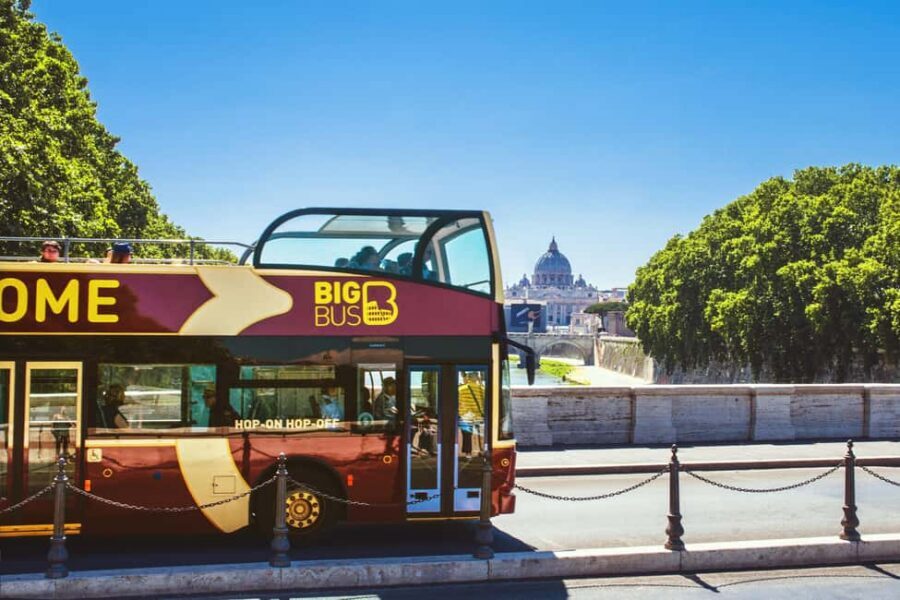
- Panoramic transfer from Piazza Ara Coeli to Barberini keeps the start easy and city-focused
- Priority entry helps you get into the Capuchin site without extra waiting
- 8 museum rooms walk you from the Barberini convent to Capuchin spirituality and worldwide activity
- Vestments, liturgical objects, and everyday artifacts show the order’s approach to life, not just doctrine
- Saint Francis in meditation is a highlight, with the possibility of a Caravaggio connection
- Crypt-Cemetery closes the story in a place that’s emotionally intense and very different from the museum rooms
From Piazza Ara Coeli to Barberini: the panoramic bus transfer
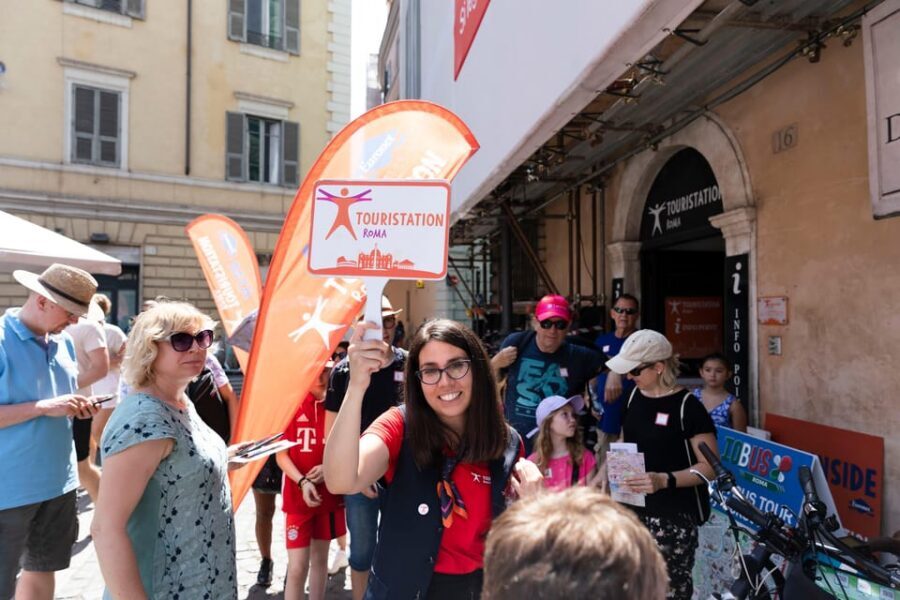
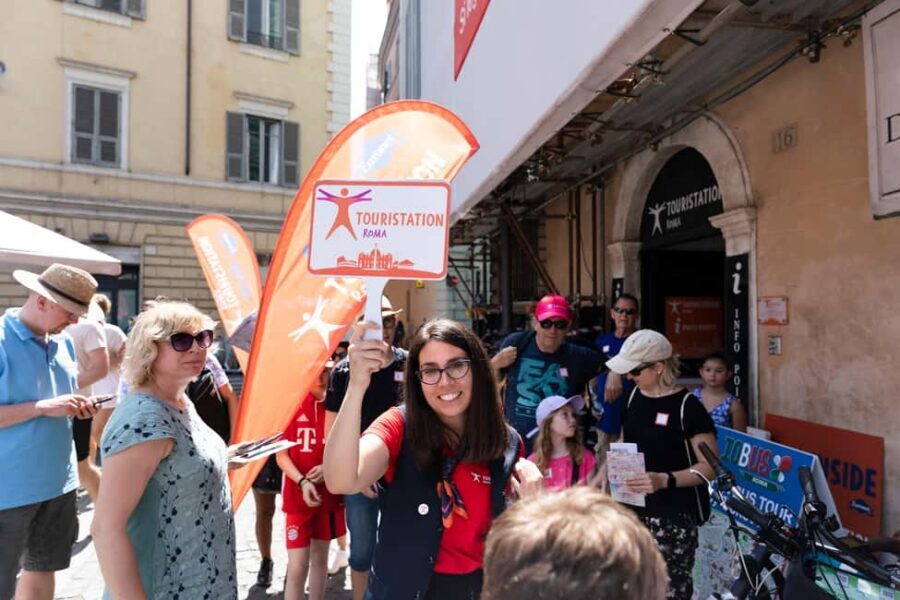
Your day starts at TOURISTATION ARACOELI, Piazza d’Aracoeli 16. Look for the orange flags outside, and yes, there’s a fountain under restoration nearby. Redeeming your voucher there is how you get everything rolling.
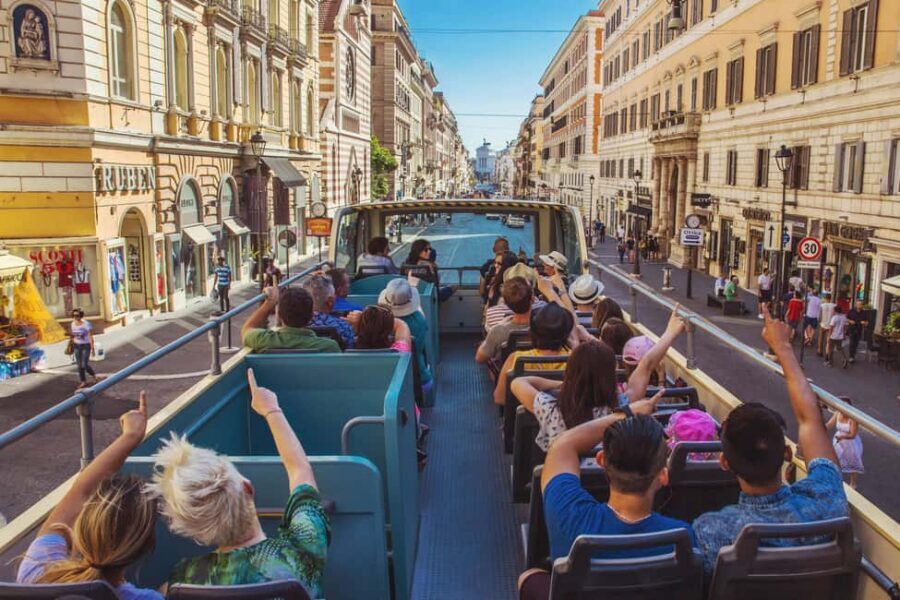
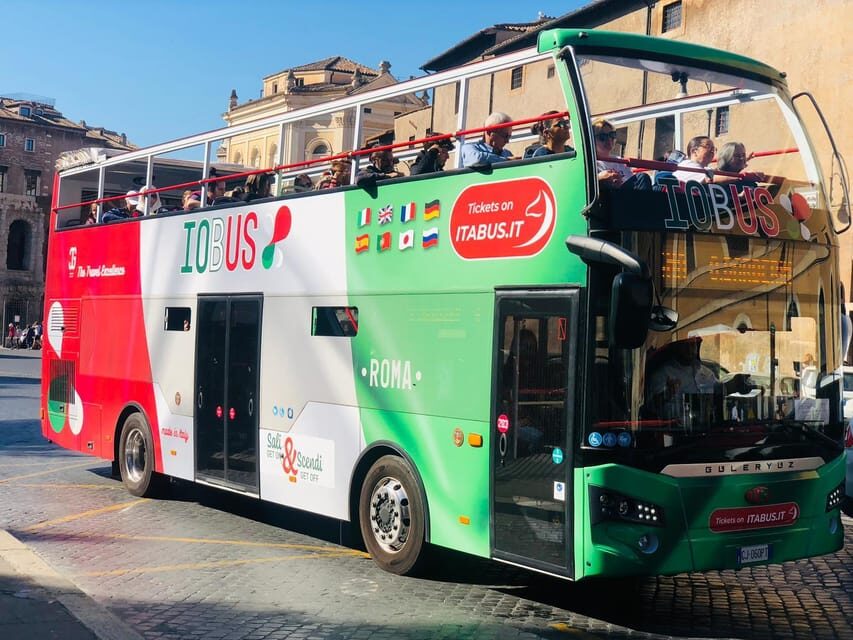
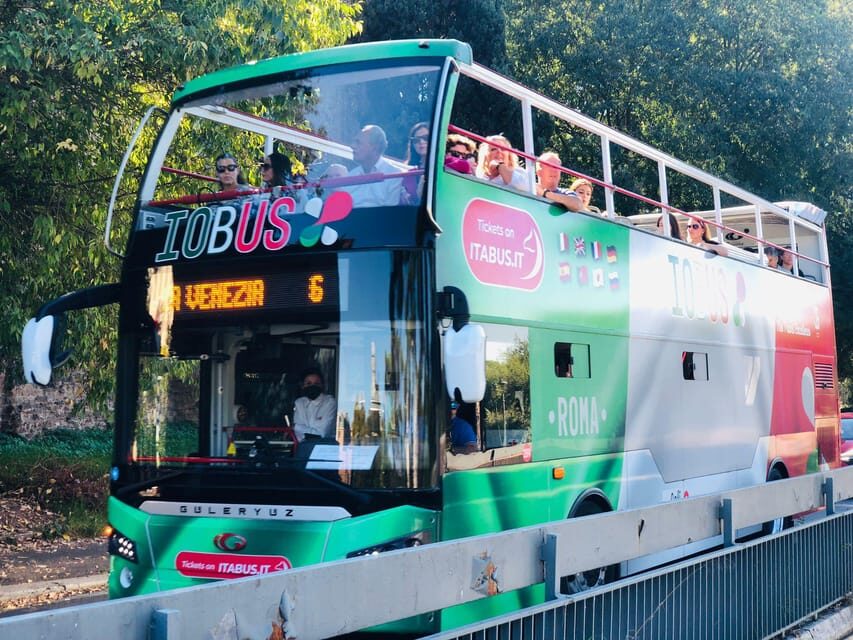
What I like about this setup is that it treats the transfer like part of the experience. You’ll board the panoramic bus right in front of the meeting point, and you’ll ride to the Barberini stop, where the Capuchin Crypt is located. You’re also given an audio guide during the journey, so you’re not just being transported—you’re learning what you’re passing and how it connects to Rome overall.
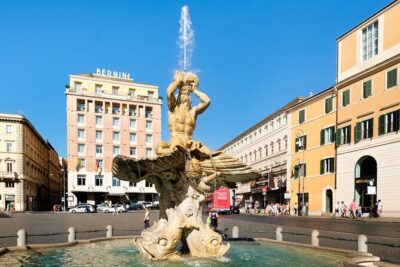
Once you arrive, you’re in the right neighborhood fast. The Capuchin Museum/crypt complex sits near Piazza Barberini, and the whole visit is designed to start smoothly so you can focus on the content instead of logistics.
Practical note: this transfer uses a one-run ticket. You don’t get the kind of “hop on/off” freedom that some city passes provide, so it’s really meant as a direct link to your specific visit.
You can also read our reviews of more tours and experiences in Rome



Entering Santa Maria della Concezione and the Capuchin Museum’s 8-room flow
The Capuchin Museum visit is structured like a story with chapters. It’s attached to the baroque church of Santa Maria della Concezione, and the museum entrance is on Via Veneto, a short walk from Piazza Barberini. This matters because you’re not just walking into a tourist room—you’re stepping into a religious complex that shapes the mood from the first minute.
You’ll explore 8 rooms, and each one shifts the focus. The overall arc moves from the convent setting to spirituality, then to material details (objects you can almost picture in daily use), and then into the “final” room that closes the visit in the Crypt-Cemetery.
The museum sections are what make this more than a quick crypt photo stop. You get context for why the Capuchins developed their practices and how they expressed faith through simple living, missionary work, and art. If you like museum visits where you actually understand what you’re seeing, this format works.
And since the museum and crypt are considered sacred spaces, plan on appropriate attire. I’d treat it like a church visit: comfortable but respectful clothing, since you’ll be inside for some time.
Barberini convent origins and Fra Michele da Bergamo’s design
The first part of the museum focuses on the convent commissioned by the Barberini family, completed in 1631. This gives you a key anchor: the Capuchin presence in this area wasn’t random or temporary. It was supported, built, and integrated into the cultural fabric of the time.
You’ll also hear about the Capuchin architect Fra Michele da Bergamo and his design. Even if you’re not a history person, this section is useful because it explains what kind of place you’re in. You’re not just visiting “the crypt.” You’re inside a complex shaped by 17th-century planning and religious intent.
This is also where the vibe starts to make sense. Capuchin spirituality is often summarized as simplicity and closeness to the poor, and the building context helps you understand how that idea could be lived, daily, in a physical space.
Saints, spirituality, and how the order’s mission shows up on the walls
After the convent introduction, the next two museum sections shift to the Capuchin order and spirituality, using images and stories tied to saints. These rooms are less about one single artifact and more about the order’s worldview: how devotion, brotherhood, and service were communicated to followers and communities.
For me, the value here is clarity. A crypt visit can feel like you’re stepping into the unusual first and learning later. This museum flips that. It gives you a foundation so when the story becomes more intense later, you’re not just reacting—you understand the “why” behind the experience.
As you move forward, the museum’s structure keeps reminding you that the Capuchins weren’t only defined by their distinctive approach to death. They were also active in religious life, education, and mission work.
Vestments, everyday objects, and the Saint Francis in meditation highlight
One of the most interesting museum rooms is the one focused on vestments, liturgical objects, and artifacts of everyday use. This is where the museum feels human. You start to see how faith translated into ordinary items and routines, not just grand ceremonies.
This section can also change how you interpret everything else you’ll see. The Capuchins were known for simplicity and closeness to people at the margins, and that attitude comes through in the practical, lived-in feel of the displayed things.
Then there’s the painting of Saint Francis in meditation. The information provided notes it may have been made by Caravaggio, specifically for the Capuchin convent. Even if you don’t get a chance to confirm the attribution from the label wording alone, it’s still a meaningful highlight—because it connects Capuchin religious life with one of Rome’s most famous art names.
If you love moments where religious devotion and major art history overlap, this is a strong point in the route. It’s also a good mental break before you head into the Crypt-Cemetery, because it shifts you toward contemplation.






The 20th-century global story and how it broadens the visit
The sixth and seventh rooms expand the story into the twentieth century and show the order’s spiritual, cultural, missionary, and artistic activity around the world. That shift matters because it prevents the visit from becoming a “local oddity” story.
Instead, you see how an order that began with a specific spiritual direction continued adapting and working internationally. For you, this means the crypt experience has a larger frame: you’re seeing one small place in Rome, but it connects to something that grew beyond Lazio.
It’s a smart design choice for a two-hour tour. It gives enough time for context, but keeps momentum so you’re not overwhelmed by information.
Crypt-Cemetery: the emotional climax you should respect
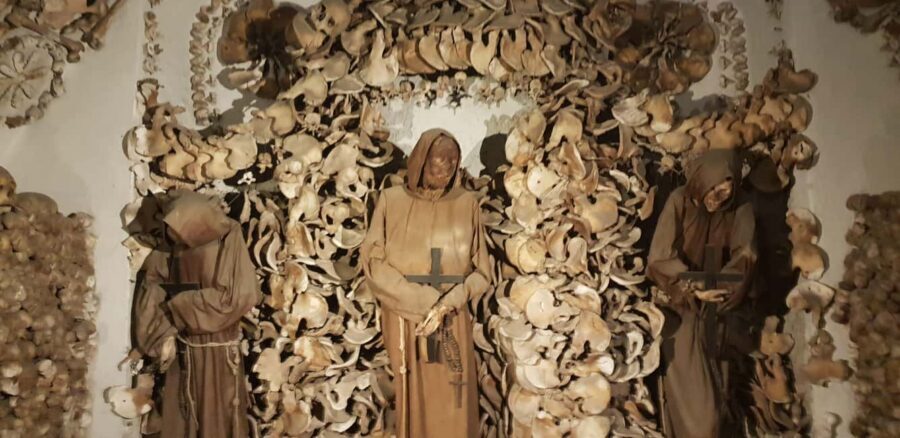
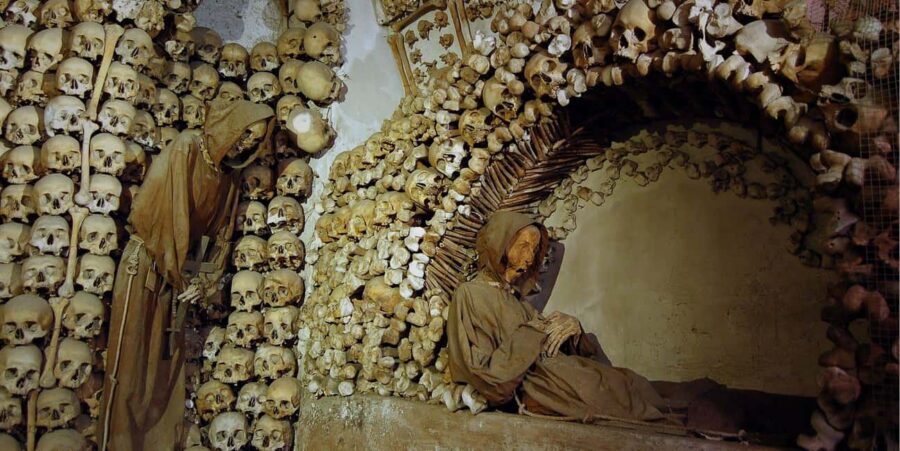
The last museum section is where the visit turns. Room eight leads into the Crypt-Cemetery, described as the place that closes the museum visit. This is the part many people come for, but it’s also the part that deserves the most respect in how you approach it.
You should know what to expect based on the facts you’re given: the Crypt-Cemetery is not recommended for people who are claustrophobic or sensitive to human remains. If that applies to you, don’t force it. Your comfort matters here.
Also, note the rules: photography inside isn’t allowed, and flash photography is not permitted. So bring your camera if you want for outside views, but plan on experiencing the crypt quietly—using your eyes, your audio guide, and your own pace.
One more tip: if you’re prone to getting lightheaded in enclosed spaces, this is exactly the place where you’ll want to go slowly and take breaks. Since the tour duration is set (about 2 hours total), it helps to stay aware of your comfort level instead of trying to “push through.”
Audio guide, app, and getting more value from your time
This experience includes an audioguide for the Capuchin Crypt, plus an audio guide for your panoramic bus journey with main information about Rome. You’re also given access to an audioguida app for Rome with more than 170 points of interest.
What I like about this combination is that it works on two levels:
- During the transfer, it helps you understand where you are in Rome and why certain locations matter.
- Inside the museum/crypt, it turns the rooms into guided storytelling rather than random objects and corridors.
For you, this is especially valuable if your time in Rome is tight. A two-hour slot can still feel like a meaningful experience when the audio layers provide context.
And because you’re also getting the app with many extra Rome points, it’s not only about the crypt. It gives you a way to keep learning after you leave, without needing to hunt for new tours the moment you’re tired.
Price and value: what $43.27 buys (and what it doesn’t)
The price is listed at $43.27 per person for an experience that lasts about 2 hours (starting times vary—check availability). Here’s how I think about the value:
What’s included:
- Entrance to the Capuchin Crypt
- Audioguide for the Capuchin Crypt
- One-run ticket to the Panoramico bus
- A Rome audio guide app with 170+ points of interest
- Skip the ticket line / priority entry
What’s not included:
- Hotel pickup and drop-off
- Food and drinks
- Personal expenses
For most visitors, the strongest value drivers are the combination of transportation + priority entry + audio. You’re not spending time figuring out the bus on your own for a single stop, and you’re not losing time at the entrance. Add in the structured museum path and the app value after the fact, and the price starts to make sense.
Also, the “two-hour” design is a real benefit. If you want something intense and memorable but not a half-day commitment, this fits the bill.
Who this is best for (and who should skip)
This is a great fit if you:
- want a compact Rome experience with clear context
- enjoy museums that explain the meaning behind objects
- like religious art and want the Saint Francis in meditation highlight
- appreciate an experience that starts with an orientation ride, not just a sprint between attractions
You should reconsider if you:
- are claustrophobic
- feel uneasy about human remains
- need wheelchair-friendly access (it’s noted as not suitable for wheelchair users)
- strongly rely on photos inside (since photography inside isn’t allowed)
And one more honest suggestion: treat this as a sacred space, not a performance. The tone of the crypt-cemetery is emotional by design. If you arrive ready to be respectful and a little quiet, you’ll get more out of it.
Should you book the Capuchin Crypt with panoramic transfer?
Yes—if you want the best mix of logistics made simple and meaning made clear. The panoramic bus transfer helps you get positioned quickly, the museum’s 8-room structure gives you context before the Crypt-Cemetery, and the audio guide keeps you from feeling lost in what could be a very strange place.
Book this if you’re the type who likes to understand what you’re seeing—how the convent was built (Barberini, 1631, Fra Michele da Bergamo), how spirituality is communicated through saints, how daily life shows up in vestments and everyday objects, and why the crypt ending hits so hard.
Skip it (or choose something else) if human remains or tight spaces would seriously stress you. In that case, no audio and no priority entry will change the core reality of the Crypt-Cemetery.
FAQ
Where do I meet for the experience?
You redeem your voucher at TOURISTATION ARACOELI, Piazza d’Aracoeli 16. Look for the orange flags outside and a fountain under restoration.
How long is the visit?
The duration is listed as 2 hours. Starting times depend on availability.
What does the panoramic transfer include?
You get a one-run ticket to the Panoramico bus. The ticket is delivered at the Touristation office along with priority entry to the Capuchin Crypt.
Is there an audio guide?
Yes. There is an audioguide for the Capuchin Crypt, and there is also audio during the bus journey. You also receive a Rome audio guide app with more than 170 points of interest.
Where is the Capuchin Museum located?
The museum is located on Via Veneto, a few steps from Piazza Barberini, and it is attached to the baroque church of Santa Maria della Concezione.
Can I take photos inside?
Photography inside the crypt is not allowed, and flash photography is also not allowed.
Is this suitable for claustrophobia or wheelchair users?
It is not recommended for people who are claustrophobic or sensitive to human remains. It is also noted as not suitable for wheelchair users.