REVIEW · ROME
Rome: Best of Rome Three Days Private Chauffeured Tour
Book on GetYourGuide →Operated by Tour in the City - Travel Agency Rome - · Bookable on GetYourGuide
Rome can feel like a maze.
What makes this three-day private, chauffeured plan work is the pacing: you jump between major sights without spending your whole trip stuck in lines or zig-zagging across town. I especially like the skip-the-line focus at both the Vatican (Museums + Sistine Chapel) and the Colosseum/Roman Forum, because that time adds up fast. I also like how the days mix “big icons” with lesser-seen spaces, like the Appian Way catacombs and the Baths of Caracalla. One possible drawback: lunch breaks are built in but aren’t included, so you’ll need to budget extra time and money for meals on your own.
The payoff is a smoother day-to-day flow.
You start with hotel pickup and a private driver, then you switch to expert live guides for each major site so you’re not just looking at stones—you’re understanding what you’re seeing. Guides named Stefano and Giorgio show up in feedback as examples of what you want here: on-time professionalism and clear explanations that make the sites click. Main consideration: the Vatican schedule can change—sometimes the Basilica and the Sistine Chapel close without notice—so you should be ready to adapt if your exact order shifts.
In This Review
- Key things that make this Rome plan worth your time
- Three days with a private driver: why it feels easier than DIY
- Day 1: From Spanish Steps to the Vatican’s fast-track order
- Vatican Museums and Sistine Chapel: what you’re actually going to notice
- Day 2: Appian Way catacombs, then Colosseum without queue stress
- Roman Forum and Palatine Hill: the political center you can picture
- Day 3: Castel Sant’Angelo and the Roman baths you shouldn’t skip
- The Bathhouse lesson: why Caracalla is more than just ruins
- What you’ll manage on your own: shoes, lunch, and “no big bags”
- Languages and guides: you’re getting live interpretation, not silence
- Value check: what you pay for (and what you get back)
- Who should book this Rome tour?
- Should you book this tour?
- FAQ
- How many days is the Rome tour?
- Is this a private tour?
- Which sights include skip-the-line access?
- Do I get a tour guide inside the major sites?
- Are meals included?
- What languages are available for the guide?
- Do I need to bring identification?
- What should I wear or avoid?
- What if the Basilica or Sistine Chapel closes?
- What is the cancellation policy?
Key things that make this Rome plan worth your time
- Skip-the-line access for both the Vatican Museums/Sistine Chapel and the Colosseum/Roman Forum segments
- Appian Way + catacombs on a semi-private style tour with a real sense of underground early-Christian life
- Castel Sant’Angelo with rooftop views—a fortress with layers of purpose, plus a photo-friendly terrace stop
- Baths of Caracalla tour with practical details like the heating system and mosaic fragments
- Hotel pickup plus chauffeur so you’re not spending your energy on crossing Rome’s traffic and crowds
Three days with a private driver: why it feels easier than DIY
I love tours like this because they solve the two biggest Rome problems: time and logistics. When you have a private chauffeur, you spend less time negotiating directions, buses, and bottlenecks, and more time actually inside the places you came for.
The plan also gives your guide the freedom to manage the flow. That matters around Rome’s headline sites—queues can eat a morning, and slow entry rules can turn a “must-see” into a “maybe later.” Here, the “skip-the-line” parts are built into Day 1 and Day 2, which is where the biggest time savings usually happen.
You can also read our reviews of more tours and experiences in Rome.



Day 1: From Spanish Steps to the Vatican’s fast-track order
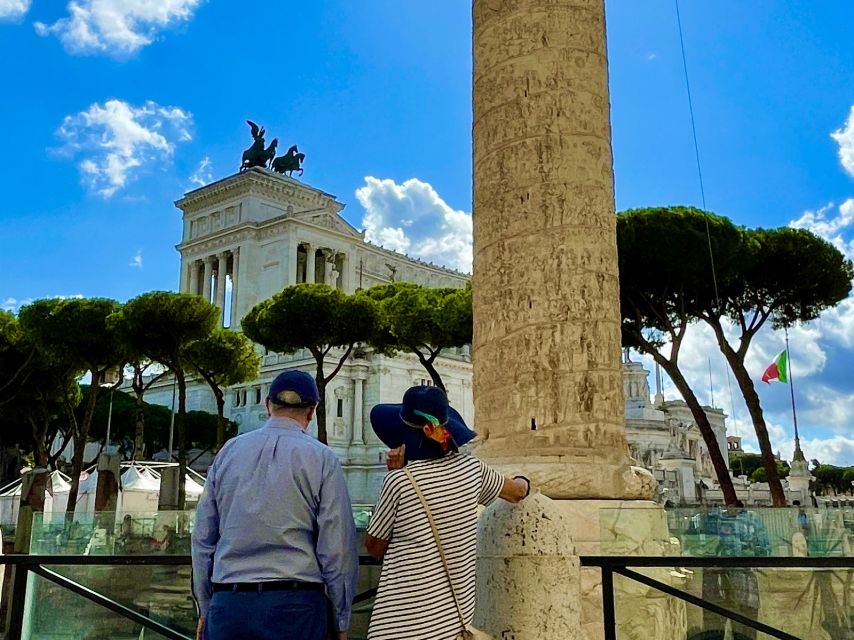
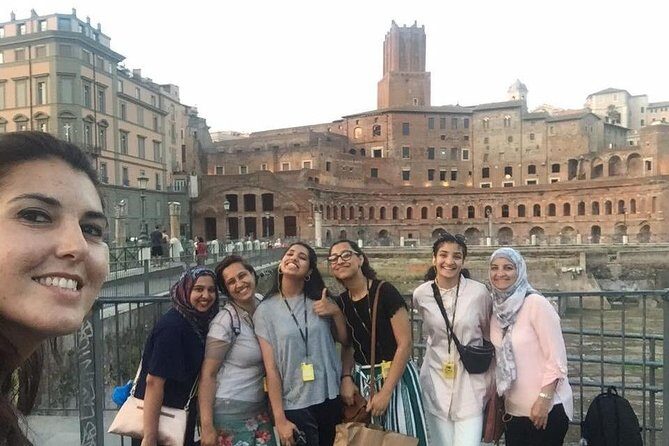
Your Day 1 starts with convenient hotel pickup, then you move through central Rome with stops that help you get oriented right away. You’ll pass by and enjoy views around the Spanish Steps, Piazza Navona, Piazza di Santa Maria della Pace, plus the Trevi Fountain, the Tiber River, and the Pantheon. This isn’t just sightseeing for sightseeing’s sake—it’s a quick primer on what Rome looks like at street level.
Then comes the “save your energy” part: you head toward the Vatican Museum entrance with private guidance and skip-the-line entry. After a one-hour lunch break (not included), you’ll be ready to focus for what follows: long corridors, famous galleries, and then the Sistine Chapel.
One practical note: the itinerary can vary with weather or other events, so think of Day 1 as a strong framework, not a rigid script down to the minute.
Vatican Museums and Sistine Chapel: what you’re actually going to notice
At the Vatican Museums, your private guide leads you through major highlights that make the collection feel less like random rooms and more like a story. You’ll see art and objects collected by Popes over centuries, plus specific stops that set the tone:
- The Gallery of Maps, overlooking Vatican Gardens
- The Tapestry Gallery
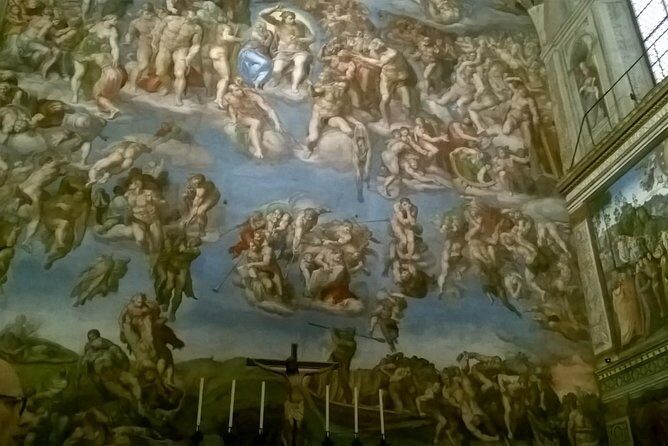
- And finally Michelangelo’s Sistine Chapel
Here’s why I think this works well for first-timers. Without guidance, the Vatican can turn into “I saw a lot,” but not always “I understood what I saw.” With a live guide, you get context you’ll carry with you into the Sistine Chapel, so the ceiling isn’t just impressive—it’s meaningful.
Also, be aware of the one big uncertainty. Sometimes the Basilica and the Sistine Chapel may close without notice. If that happens due to religious holidays or ceremonies, you may not be able to visit the Basilica during those times. The tour operator flags this in advance, so it’s wise to treat Vatican day as flexible.
Day 2: Appian Way catacombs, then Colosseum without queue stress
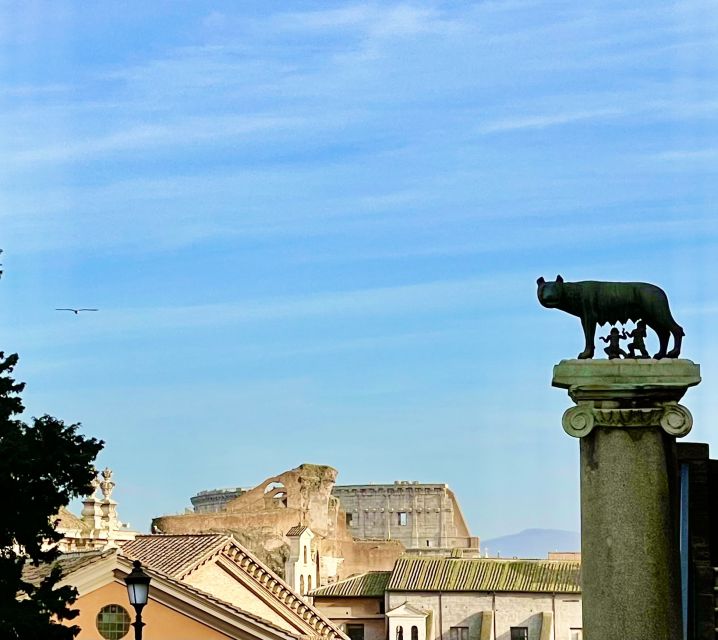
Day 2 starts with a different side of Rome: the underground world along the Appian Way. You’ll drive to the catacombs area and then take a tour of the tunnels used as burial sites for early Christians during Roman persecutions. The tour is about 45 minutes, which is long enough to feel the atmosphere without dragging on.
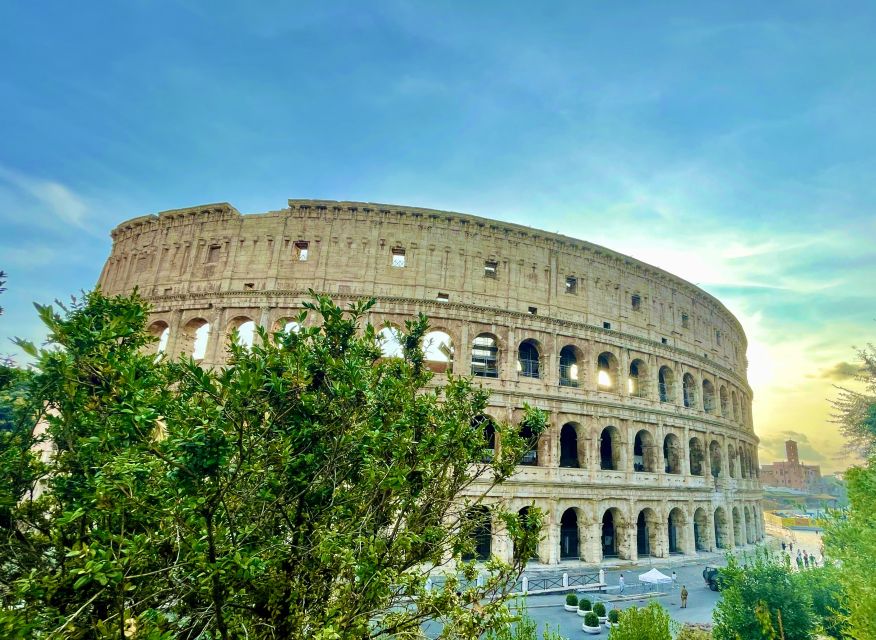
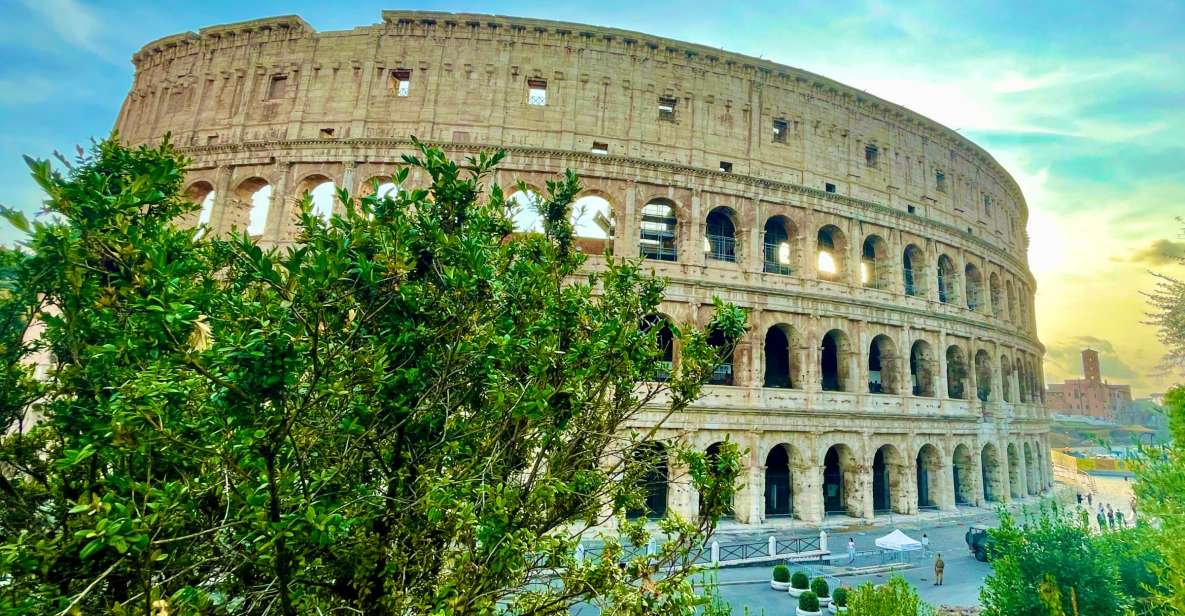
After that, you get a brief panoramic drive that helps transition from “underground” back to “ancient Rome above ground.” Then it’s time for the Colosseum—again with a private skip-the-line tour (about 1.5 hours) that’s designed to get you in and moving.
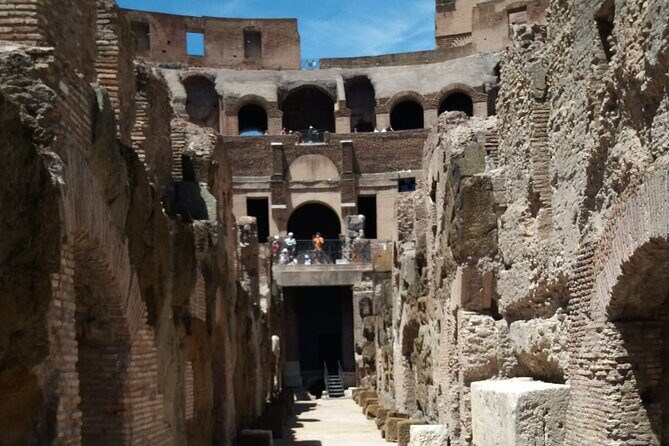
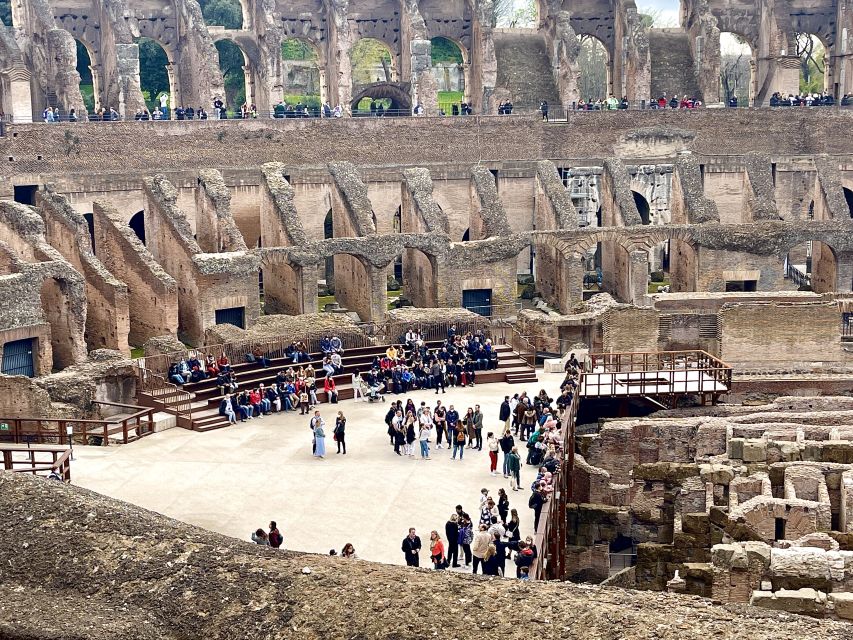
At the Colosseum, you’ll learn how Roman engineering made the arena possible and hear about gladiators and the spectacle of exotic animal fights. You also won’t just stand around in the same place looking at the big outer ring. The point is to understand the arena as a machine for events—where crowds gathered, where performances happened, and why the design mattered.
Roman Forum and Palatine Hill: the political center you can picture
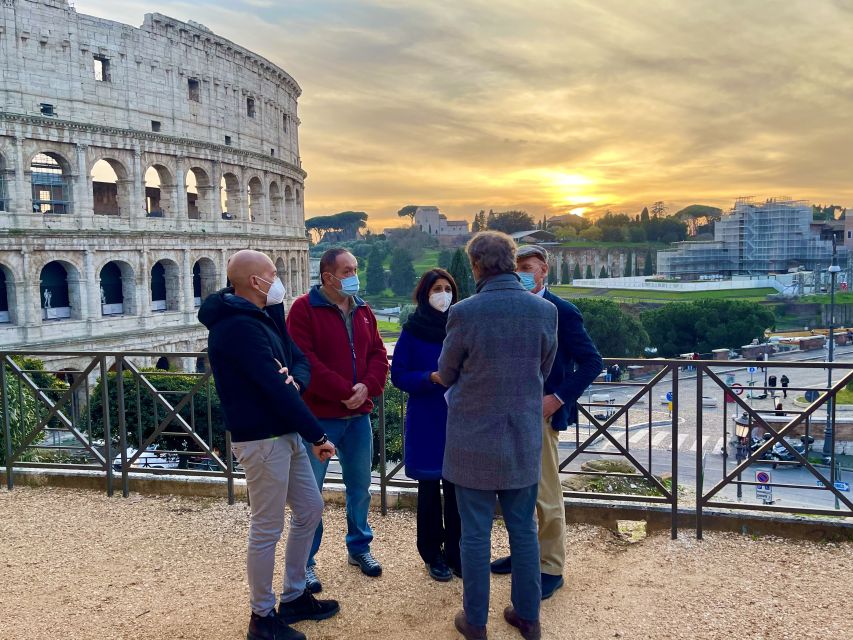
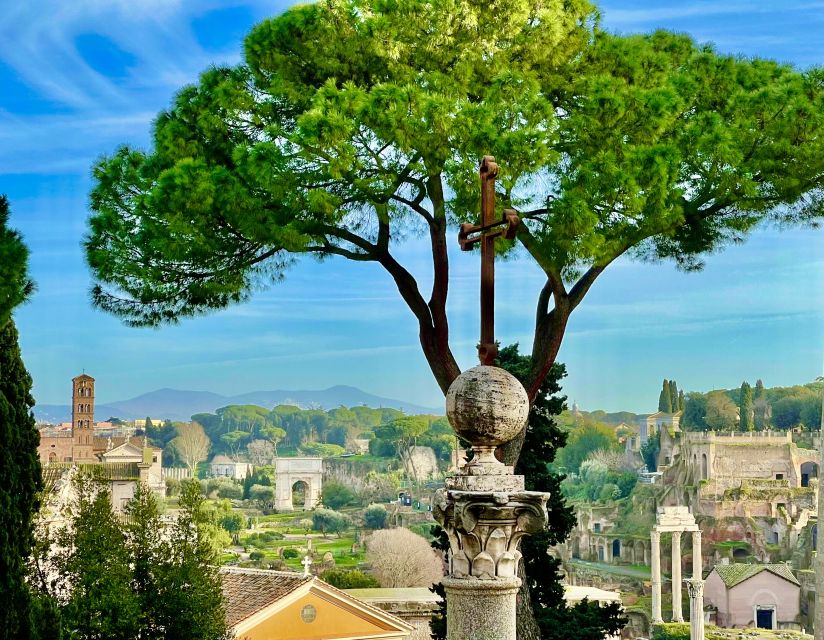
After the Colosseum, you’ll move to Palatine Hill and then the Roman Forum, which is where Rome’s “day job” once happened. This area isn’t just ruins—it’s where political, religious, and commercial life came together.
With your private guide, you’ll see major remnants such as:
- Ruins of the old Senate House
- The Temple of Vesta
- Triumphal arches of Constantine, Titus, and Septimius Severus
I like this sequence because it adds up. You see the spectacle at the Colosseum, then the decisions and power structures at the Forum, then the residences and status signals on Palatine Hill. It’s one continuous picture of how Rome worked.



Day 3: Castel Sant’Angelo and the Roman baths you shouldn’t skip
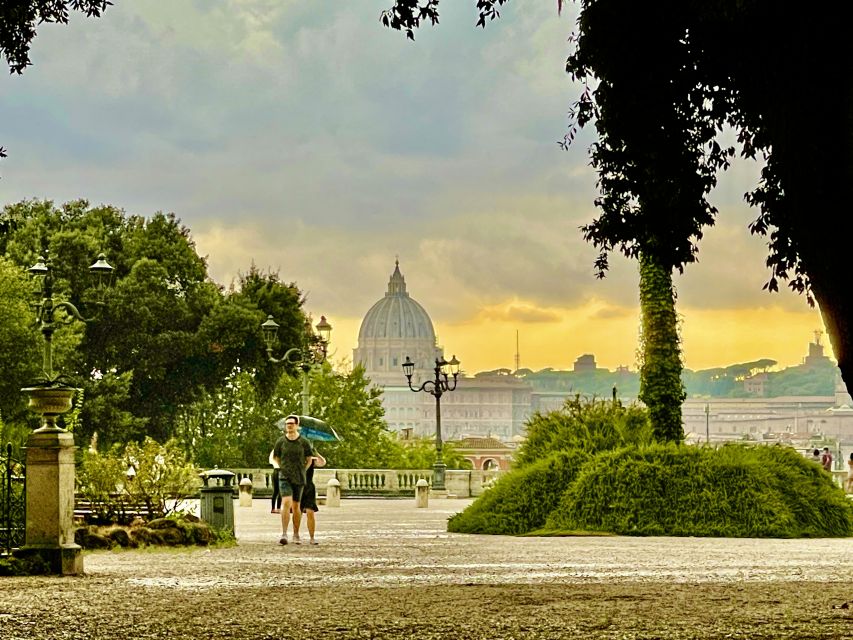
Your Day 3 begins with a two-hour private tour of Castel Sant’Angelo. This fortress has served many roles over time—Roman tomb, papal residence, fortress, prison, execution ground, and now a museum. That list matters because the building doesn’t feel like a single-theme monument. You’re watching layers of Rome’s identity stack up in stone.
You’ll bypass queues with your guide and get time to explore the museum side too. Then there’s a bonus that I consider worth the visit on its own: you ascend to the rooftop terrace for city panoramas and photo time.
After your second lunch break (1.5 hours, not included), your driver takes you to the Baths of Caracalla. This is the second-largest public bath complex of Ancient Rome, and it’s often a better match for people who want something beyond the “top three.” The private tour is about two hours and focuses on what’s unusually preserved: heating systems, mosaic fragments, vaulted rooms, and porticoes.
The Bathhouse lesson: why Caracalla is more than just ruins
At Caracalla, it helps to think of the baths as a full public system, not a soaking pool. Your guide points out the heating infrastructure and how the spaces connected, which makes the scale feel logical instead of random.
The mosaics and vaulted rooms add texture, but the bigger win is understanding the comfort tech. Roman bath design was advanced—so when you see the surviving fragments, you’re not just admiring artwork, you’re picturing daily routines: moving through rooms, using heat, and socializing in a public environment.
If you’re the type who likes practical details, Caracalla will feel satisfying, because you’ll walk away with mental images, not just photos.
What you’ll manage on your own: shoes, lunch, and “no big bags”
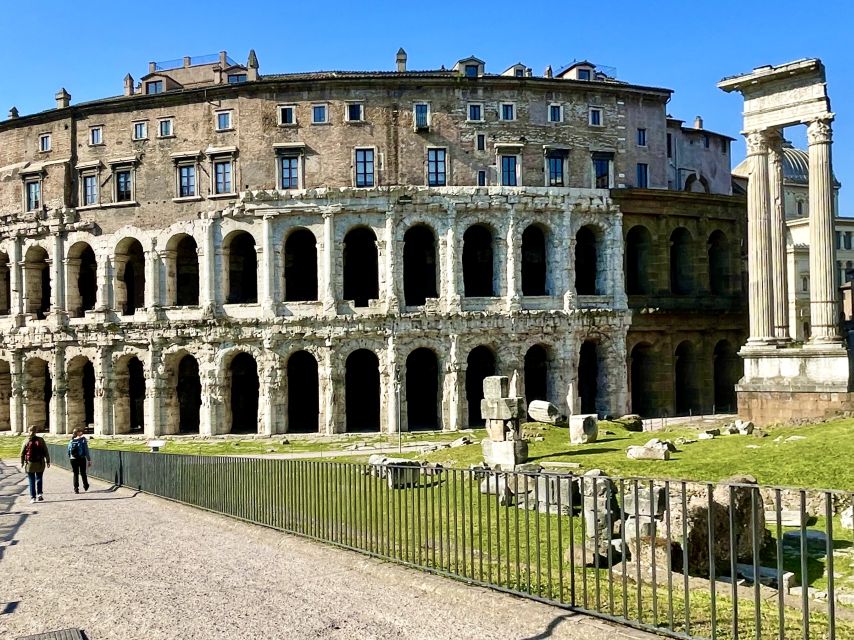
This tour works best when you pack for movement and keep expectations simple.
What to bring:
- Passport or ID card (required at museum and archaeological areas)
- Comfortable shoes
- A change of clothes
What to avoid:
- Shorts
- Short skirts
- Sleeveless shirts
- Luggage or large bags
- Alcohol and drugs
Dress rules matter in Rome, especially around major religious and museum sites. If you show up in something that doesn’t fit the guidelines, you’ll lose time sorting it out.
Also, plan for lunch on all three days. The itinerary includes lunch breaks, but they aren’t included. That’s not a deal-breaker, but it does change how you plan your day. I recommend setting your expectations for “food runs” and nearby cafés rather than assuming a meal stop will be handled for you.
Languages and guides: you’re getting live interpretation, not silence
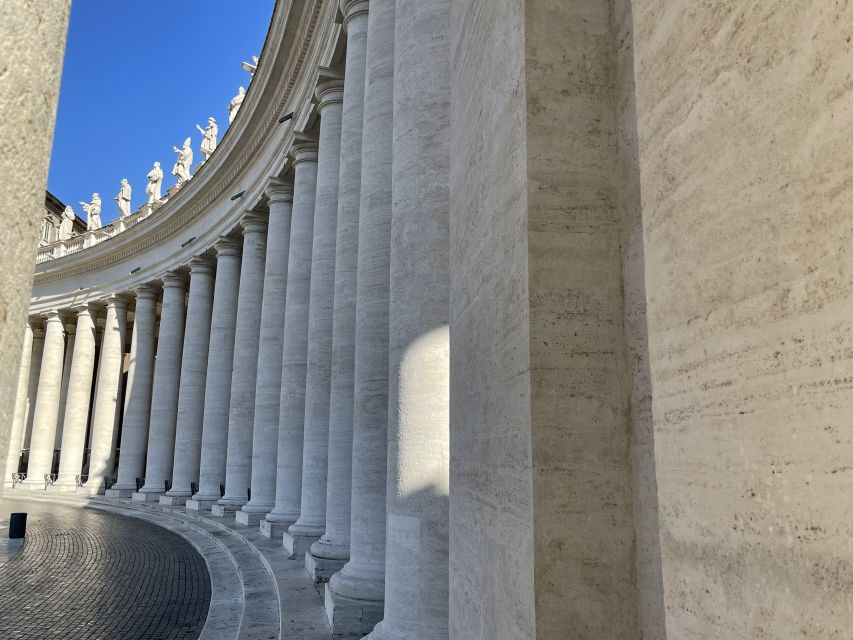
The tour includes live tour guides in English, German, French, Spanish, Russian, Italian, and Portuguese. That’s valuable because these sites require more explanation than you might expect—Vatican art, Colosseum history, catacomb context, and Roman bath design all benefit from translation and pacing.
One reason I trust this kind of private format is the human factor. Names like Stefano and Giorgio come up in feedback as examples of what the best guides and drivers do well: punctuality, professionalism, and clear communication that makes the sights feel less overwhelming.
Value check: what you pay for (and what you get back)
I look at value differently than “lowest price wins.” Here, you’re paying for time savings and reduced friction in the two biggest queue magnets: the Vatican Museums/Sistine Chapel and the Colosseum/Roman Forum.
You’re also paying for private guidance at multiple stops, including the catacombs, Castel Sant’Angelo, and the Baths of Caracalla. That private interpretation is what turns a list of places into a coherent understanding of Rome.
If you can handle lunch on your own and you’re comfortable following dress/ID rules, this plan tends to feel like a smart buy. If you’d rather not travel across town at all (or you want purely self-guided flexibility), then a fully private plan might feel like you’re “following someone else’s schedule,” even if it’s well timed.
Who should book this Rome tour?
This works best for you if:
- You want skip-the-line time savings at the Vatican and the Colosseum
- You like expert interpretation and don’t want to guess what you’re looking at
- You want more than “top sights,” with Appian Way catacombs and Caracalla included
- You prefer a chauffeured setup with less hassle between sites
It might be less ideal if:
- You’re traveling with lots of luggage (large bags aren’t allowed)
- You’re hoping for an all-inclusive meal plan
- Your schedule is ultra-tight and you can’t tolerate possible Vatican closures on religious holidays/ceremonies
Should you book this tour?
If you want Rome without the daily stress of lines, transit wrangling, and deciding what to do first, this is a strong match. The mix is also smart: Vatican + Colosseum satisfy the classics, while catacombs, Castel Sant’Angelo, and Caracalla make the trip feel deeper than the usual highlights.
My practical advice: double-check your outfit and plan for lunch breaks, carry a valid ID, and be flexible on the Vatican day if ceremonies cause closures. If you can do those simple things, you’ll likely feel like your three days were spent wisely, not just spent.
FAQ
How many days is the Rome tour?
It lasts 3 days.
Is this a private tour?
Yes. It’s a private group experience with a private guide and chauffeur/driver services.
Which sights include skip-the-line access?
The tour includes skip-the-line private tours for the Vatican Museums and Sistine Chapel, and for the Colosseum and Roman Forum.
Do I get a tour guide inside the major sites?
Yes. You’ll have live tour guides for the stops listed in the itinerary, including the Vatican Museums/Sistine Chapel, the catacombs area, the Colosseum/Roman Forum, Castel Sant’Angelo, and the Baths of Caracalla.
Are meals included?
Lunch breaks are included in the schedule as breaks, but meals are not included (not included in the itinerary as provided).
What languages are available for the guide?
The guide is available in English, German, French, Spanish, Russian, Italian, and Portuguese.
Do I need to bring identification?
Yes. A valid ID must be shown at the Museum and Archeological area.
What should I wear or avoid?
Bring comfortable shoes. Avoid shorts, short skirts, sleeveless shirts. Large luggage is not allowed.
What if the Basilica or Sistine Chapel closes?
Sometimes the Basilica and Sistine Chapel may close without notice. If it happens due to religious holidays and ceremonies, it won’t be possible to visit the Basilica during those times.
What is the cancellation policy?
You can cancel up to 4 days in advance for a 50% refund.