REVIEW · ROME
Roma: Barocco, segreti e arte della città eterna
Book on GetYourGuide →Operated by Happy walks · Bookable on GetYourGuide
Rome’s baroque show starts fast. This 2.5-hour walk stitches together the big icons with the stories that make them click, from Trevi Fountain to the next major stop. I love how the guide explains the point behind the famous coin tradition at Trevi, and I like the small group size, capped at 10, so you get real answers instead of nodding along.
The main trade-off is time. You’ll cover a lot of ground with photo stops and guided moments, so it moves at a quick walking-tour pace on cobblestones, and the Pantheon entry ticket isn’t included.
In This Review
- Quick hits before you go
- Where the walk begins: Piazza Barberini and a sane pace
- Trevi Fountain: the coin moment and what the Baroque is doing
- Pantheon: bronze doors, the oculus, and the name Raphael
- Sant’Ignazio di Loyola: a quick photo stop with a guide-led look
- Piazza Navona and Bernini’s Four Rivers Fountain
- Piazza di Spagna and Via Condotti: steps, views, and a coffee pause
- Price and value: what $94 really buys
- Comfort, timing, and practical walking tips for Rome
- Who should book this Rome Baroque and “secrets” walk
- Should you book Roma: Barocco, segreti e arte della città eterna?
- FAQ
- Where do we meet the guide?
- How long is the tour?
- How big is the group?
- What languages are offered?
- Is the tour wheelchair accessible?
- What’s included in the price?
- Is the Pantheon entry ticket included?
- Which stops are part of the walk?
- Do we toss a coin at Trevi Fountain?
- Can I get a full refund if my plans change?
Quick hits before you go
- Trevi Fountain’s coin tradition, explained so the sculpture isn’t just eye candy
- Small group of up to 10 with room for questions
- Pantheon interior highlights like the bronze doors and the oculus light
- Piazza Navona + Bernini’s Four Rivers Fountain with the square’s old-stadium setting
- Spanish Steps and Via Condotti viewpoints plus a break for a coffee stop nearby
Where the walk begins: Piazza Barberini and a sane pace
You meet your guide in Piazza Barberini, right next to the fountain in Barberini Square. It’s a handy starting point because it puts you near several of the classic routes you’ll be walking anyway.
The format is simple: you’ll be moving through central Rome with a guide leading the “why this matters” parts, not just pointing at monuments. The group is limited to 10 people, and that small size shows up in how the tour feels—more conversational, less herding, and you can actually ask follow-ups when something catches your attention.
At 2.5 hours, this tour is built for people who want major landmarks plus the stories that connect them. It’s not meant for slow browsing or multiple museum-style returns to the same building.
You can also read our reviews of more tours and experiences in Rome.



Trevi Fountain: the coin moment and what the Baroque is doing
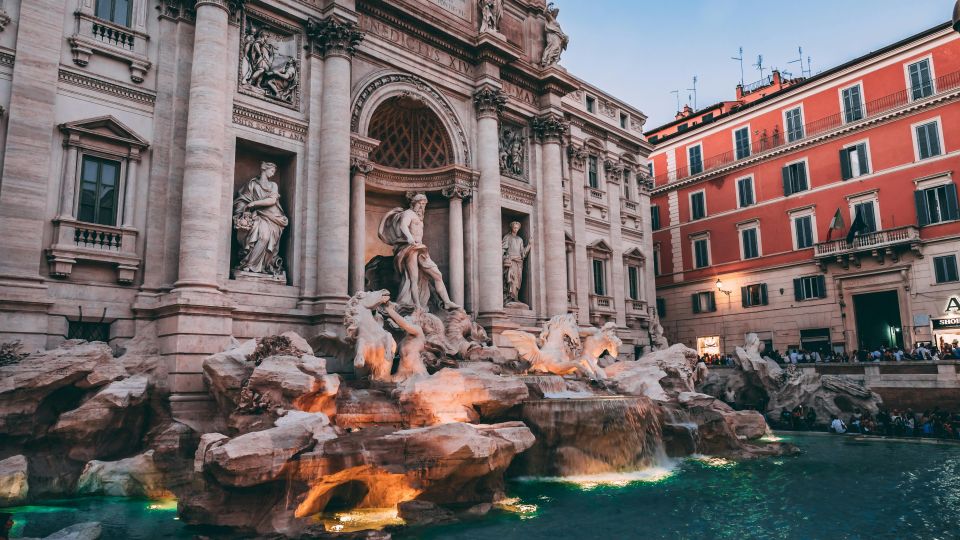
Trevi Fountain is the kind of sight that makes you stop automatically. It’s the biggest fountain in Rome, and the baroque design is all about drama: motion, sculpture, myth, and light. The guide breaks down the concept behind the place, so you understand what you’re looking at beyond the classic postcard view.
Then comes the tradition: you toss a coin into the fountain’s waters. The guide frames it as a ritual tied to your return to the Eternal City, so it feels less like a tourist checkbox and more like part of the fountain’s long-lived culture.
A good tip: if you want a great photo, treat it like a photo shoot. Move slightly to find an angle where you can see the full façade and not just heads. Also, decide in advance whether you’re doing the coin toss first or photos first—doing both in the middle of the crowd can eat time.
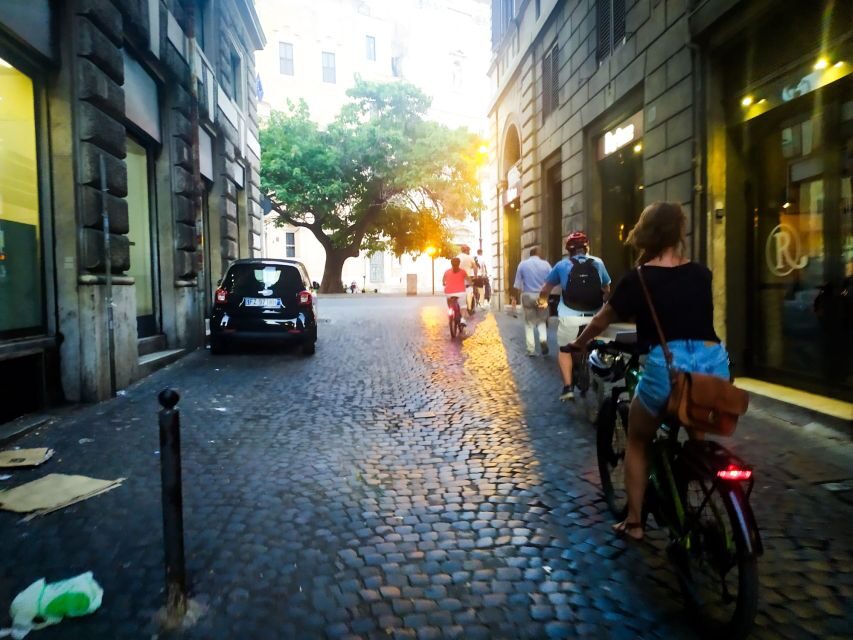
And yes, you’ll see it up close and then continue on foot. The walk between stops is part of the point, because Rome’s “set pieces” are connected by streets that feel lived-in, not like a theme-park hallway.
Pantheon: bronze doors, the oculus, and the name Raphael
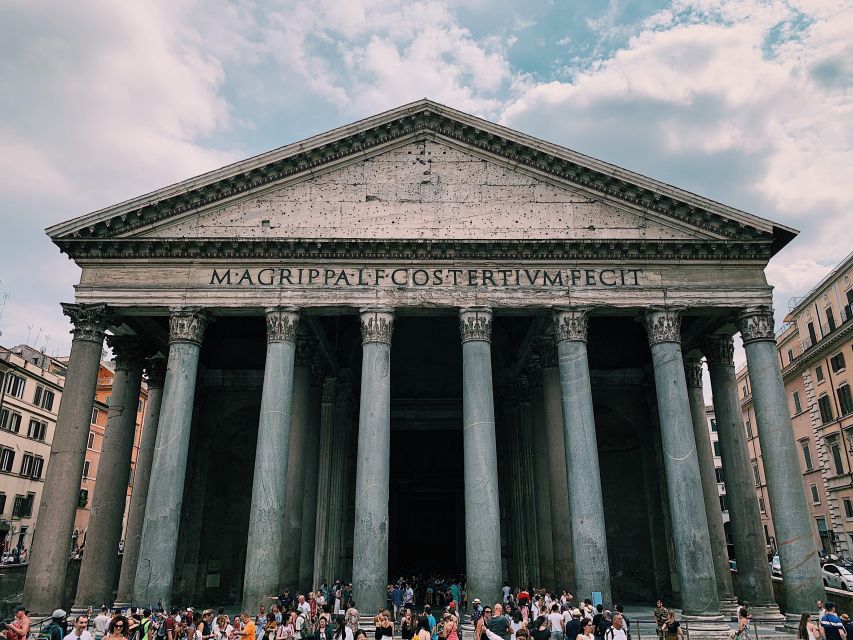
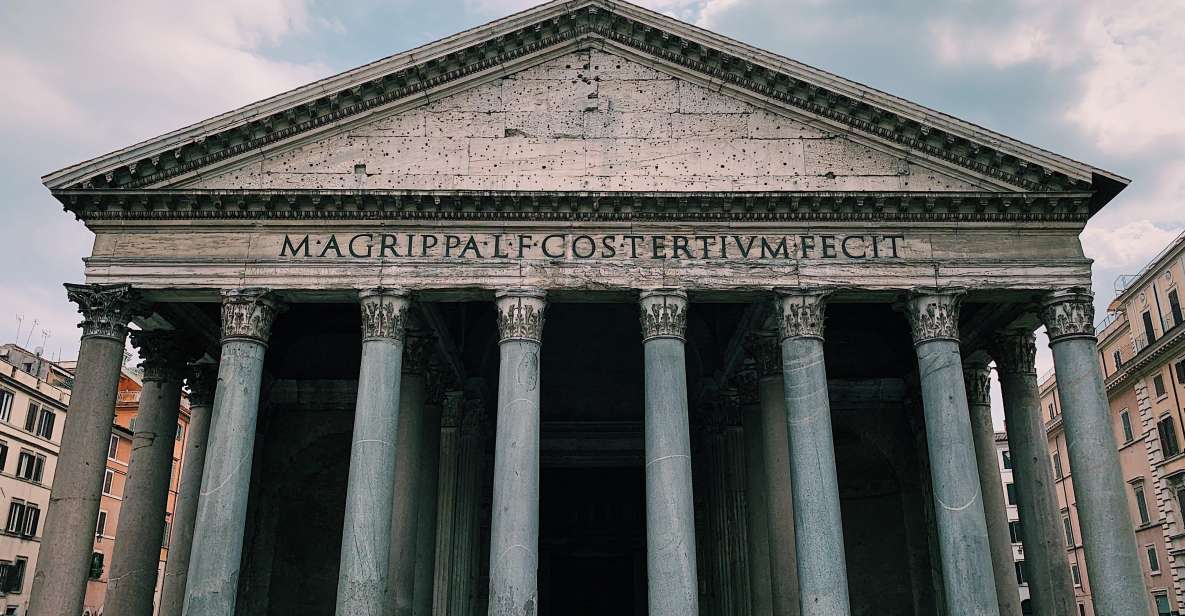
The Pantheon is one of those rare buildings where you can feel the skill even if you’re not hunting for architectural jargon. You’ll stop for photos, get guided context, and then step into the rotunda.
The story here is in how the building is put together. Expect to see the bronze doors and then the interior opening to the sky through the oculus. Daylight pours in from above and makes the marble floor and walls feel almost cinematic—no lighting rig needed.
The guide also points out the impressive fact that it’s one of the best-preserved monuments from ancient Rome. And because Rome does this so well, the conversation links ancient space to later names associated with the building. You’ll hear about the notable figures interred there, including Raphael.
Important practical note: Pantheon entry ticket is not included in the price. So while the tour guide leads you through what to look for, you’ll want to budget for the ticket separately.
Sant’Ignazio di Loyola: a quick photo stop with a guide-led look
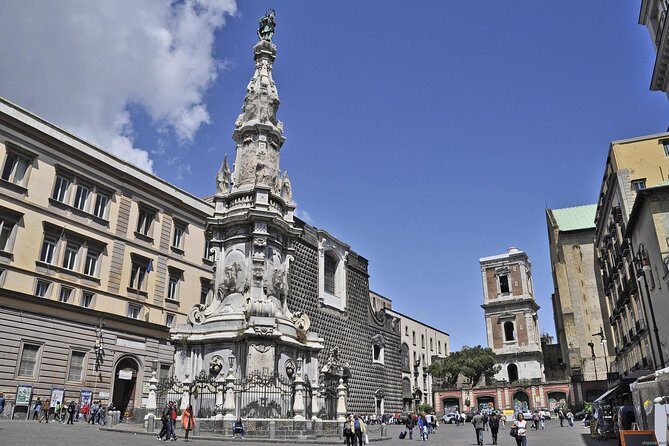
Next you’ll pause at the Church of Sant’Ignazio di Loyola. You’ll get a photo stop plus a short guided visit.
This stop is different from the “big outdoor postcard” moments. It’s more about getting your bearings and seeing how Baroque Rome isn’t only fountains and squares. Even when the time is shorter, the guide’s explanations help you notice details you might otherwise blow right past.
Don’t plan on a long sit-down here. The point is to keep momentum so you still arrive at Piazza Navona and the Spanish Steps with energy.
Piazza Navona and Bernini’s Four Rivers Fountain
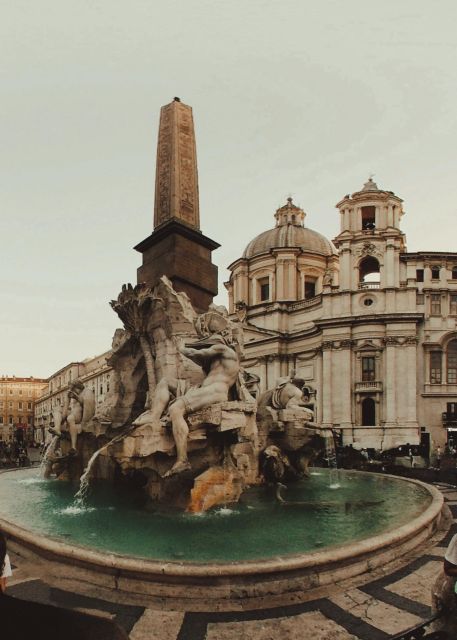
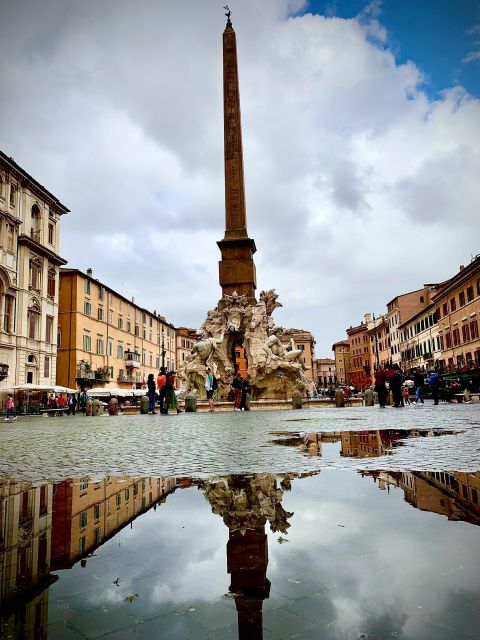
Piazza Navona is a show in its own right. You’ll visit the square and then focus on the Fountain of the Four Rivers—by Bernini—which is one of the most famous sculptural moments in Rome.
The guide connects the square to its earlier function, noting it sits where an old stadium once stood. That context matters, because it reframes the space: you’re not just looking at a pretty plaza, you’re stepping into layers of Rome—ancient footprint, Baroque theater, modern street-life.
You’ll also learn what you’re seeing in the Four Rivers Fountain: a sculptural symbol tied to the continents of the world. The guide’s framing helps you recognize the iconography rather than just enjoying the art at surface level.
One practical thing here: Piazza Navona is the kind of place where street performers and musicians can crop up around you. That’s part of the atmosphere, but it can also mean a little crowd flow. Keep your phone ready for quick shots, then listen for the guide’s points while you’re standing still.



Piazza di Spagna and Via Condotti: steps, views, and a coffee pause
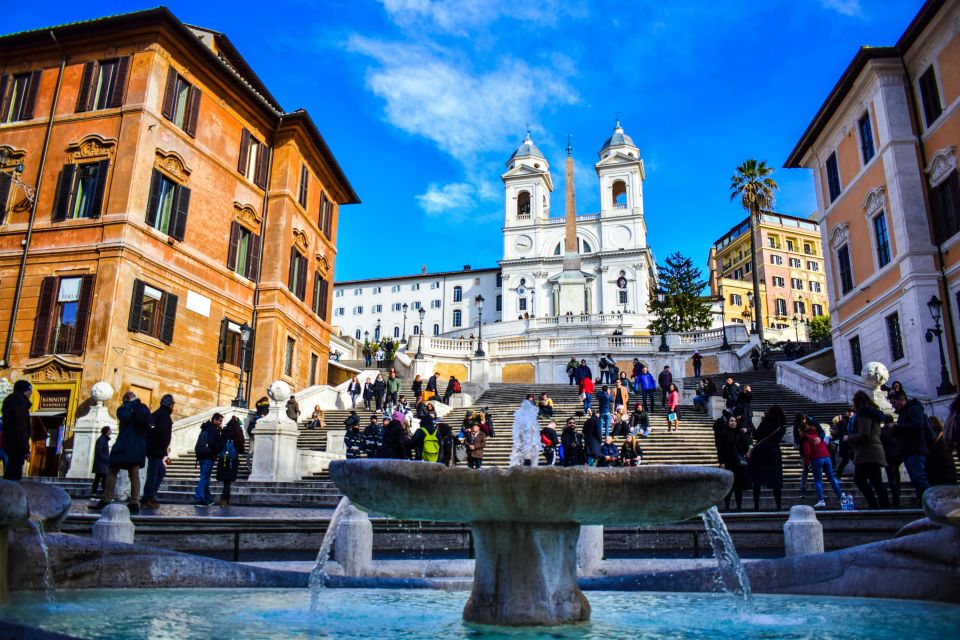
From Piazza Navona you’ll continue toward Piazza di Spagna, home of the Spanish Steps. This is one of Rome’s iconic meeting places, and the tour gives you background on how it became a gathering spot since the 18th century.
You’ll also connect it to Via Condotti, another famous street in the same area. Even if you’re not shopping, it helps to understand why people orbit these streets: they’re at a crossroads between beauty, social life, and high visibility.
On the steps, you’ll get that classic “look back” moment. You’ll ascend and see the staircase lined with colorful azaleas, then pause at the top for views over the area below. It’s a good moment to slow down for a minute and just take in how Rome’s layers stack together visually.
And since this is real Rome, not just monuments, you’ll have time nearby to grab a coffee at a café where the area’s long tradition of artists and poets has hung around for generations. Even if you don’t order anything fancy, the simple break helps you reset for the final stretch.
Price and value: what $94 really buys
The price is $94 per person for a 2.5-hour guided walking tour. The included cost component is straightforward: you’re paying for a live guide, plus the planning that turns a cluster of famous sites into a logical route.
Because Pantheon entry ticket is not included, the all-in cost may be a bit higher once you add that separately. That said, you still get value in how many major landmarks you cover in one go: Trevi Fountain, the Pantheon, Sant’Ignazio di Loyola, Piazza Navona, Bernini’s Four Rivers Fountain, and Piazza di Spagna.
This price is also where the small-group format helps. With a maximum of 10 people, you’re more likely to get answers to questions and clarifications as you walk. One of the strongest themes from past participants is that the guide stays friendly and accommodating and can answer questions well, which is the real “premium” you’re paying for on a history-heavy walking tour.
If you’re the type who likes to stand still for details and then move on when you’re ready, this is a solid value match.
Comfort, timing, and practical walking tips for Rome
This tour is wheelchair accessible, and it’s designed as a walking experience rather than a “hop-on hop-off” day. That means you’ll want to dress and gear for streets on foot.
Bring comfortable shoes. Rome sidewalks can be charming and also unforgiving, especially when the tour is compressed into 2.5 hours. Planning ahead helps: keep your layers light, and carry water if you’re going in warmer weather.
Also, think about photos. Many stops include a photo moment and then a guided explanation. You’ll get the best results if you decide quickly when to take pictures and when to listen. If you stop your brain from multitasking, you remember more and your camera shots come out better.
Finally, timing matters. One advantage of having a live guide is flexibility when your schedule gets messy. Past participants have noted the guide adapts if someone’s train or arrival timing runs late. That doesn’t mean you can ignore timing, but it does mean the tour doesn’t feel rigid.
Who should book this Rome Baroque and “secrets” walk
This tour fits best if you want:
- A first-time Rome plan that touches the biggest highlights without making you research everything yourself
- Baroque-focused context, so fountains and churches feel more meaningful than just pretty shapes
- A small-group pace that feels easier than the typical large-bus crowd
It’s also great if you like the mix of famous stops (Trevi, Pantheon, Navona, Spanish Steps) with a guided “why” behind them. The guide’s job isn’t only to describe. It’s to help you notice the details that make Baroque art work—movement, symbolism, and the way architecture controls what you see next.
If you’re the type who wants long, quiet time in one interior (especially the Pantheon), you might prefer a slower, single-site plan. For this tour’s format, expect “see it well” rather than “see it for hours.”
Should you book Roma: Barocco, segreti e arte della città eterna?
Yes, if your goal is a high-impact Baroque tour in just 2.5 hours. The small-group size, the guided storytelling at major landmarks, and the clear focus on Trevi, Pantheon, Navona, and Piazza di Spagna make it a practical pick.
Book it especially if you:
- want help understanding what you’re seeing, not just where to stand
- prefer a friendly guide who answers questions and stays flexible
- like covering a classic Rome route efficiently
Skip it if you’d rather spend lots of time inside one monument or if you dislike walking. In that case, you might get more satisfaction with a slower itinerary.
FAQ
Where do we meet the guide?
You meet the guide next to the fountain in Barberini Square (Piazza Barberini).
How long is the tour?
The tour lasts about 2.5 hours.
How big is the group?
It’s a small group limited to 10 participants.
What languages are offered?
The live guide speaks English and Italian.
Is the tour wheelchair accessible?
Yes, the tour is wheelchair accessible.
What’s included in the price?
The tour guide is included.
Is the Pantheon entry ticket included?
No. Entry ticket for the Pantheon is not included.
Which stops are part of the walk?
Key stops include Trevi Fountain, the Pantheon, Church of Sant’Ignazio di Loyola, Piazza Navona, the Fountain of the Four Rivers, and Piazza di Spagna.
Do we toss a coin at Trevi Fountain?
The tour includes the tradition of tossing a coin into Trevi Fountain’s waters.
Can I get a full refund if my plans change?
Yes. You can cancel up to 24 hours in advance for a full refund.