REVIEW · NAPLES
Private Tour of the Historic Center of Naples with a Local Guide
Book on Viator →Operated by ELIANA SANDRETTI · Bookable on Viator
Naples clues are on every corner. This is a private historic-center walk led by a local guide, with stories that blend legends, archaeology, art, history, and folklore. You’re not just looking at buildings; you’re learning how Neapolitans connect to these places day after day.
I love two things most. First, the Spaccanapoli route and the way the guide explains why the city’s urban plan matters. Second, the shopping street for nativity scene artisans on Via San Gregorio Armeno, where crafts and tradition feel woven into everyday life.
One thing to consider: you’ll be walking cobblestones and lanes, and the tour runs about 2 hours, so it’s best if you like moving at a steady pace rather than lingering all day.
In This Review
- Key things to know before you go
- Why this Naples historic-center walk feels different
- Starting in Piazza del Gesù Nuovo: the square that frames the walk
- Complesso Monumentale di Santa Chiara: a focused look at a sober facade
- Via Benedetto Croce and Spaccanapoli: the city’s spine
- Piazza Dante: big square energy, but still local
- Port’Alba: stepping through an ancient boundary
- Via San Gregorio Armeno: nativity scene artisan shops up close
- Spaccanapoli again, plus Piazzetta Nilo: the “heart” feeling
- What the guides do well: Luisa, Eliana, and Francesco style lessons
- Price and value: $348.44 per group for up to 10 people
- Timing, tickets, and practical walking notes
- Who this tour is best for (and who should skip it)
- Should you book this Naples historic center private tour?
- FAQ
- How long is the Private Tour of the Historic Center of Naples?
- Is this a private tour, and how many people can be in the group?
- Where does the tour start and end?
- What language is the tour offered in?
- Are tickets or entry fees required for the stops?
- What is included, and what is not included?
- What if the weather is bad, or I need to cancel?
Key things to know before you go

- A story-first route that links street names and squares to Naples life, not just dates and facts
- Spaccanapoli on foot along the old Greek-era street plan that cut through ancient Neapolis
- Santa Chiara’s face worth a focused look, including the large central rose window
- Nativity-scene craft street time on Via San Gregorio Armeno, known for artisan shops
- Private group format (up to 10) so your guide can actually answer questions as you walk
Why this Naples historic-center walk feels different
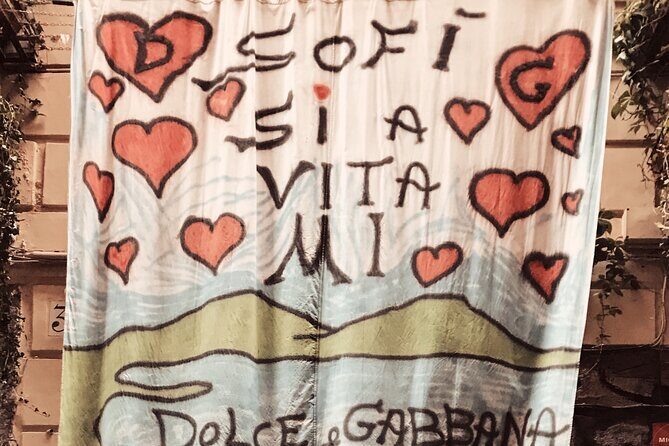
Naples has layers. You’ll see it in the architecture, sure, but you’ll also feel it in the names of streets and squares. This tour is built around that idea: legends, archaeology, art, history, and folklore all get tied together as you move through the historic center.
A local guide makes the biggest difference here. The route is short on paper, but the narration turns it into a guided storyline. Guides on this experience have included people like Luisa, Eliana, and Francesco, and the common thread is clear, well-paced explanation—plus room for questions as you go.
And because it’s private, you’re not stuck watching from the edges. You can ask things like how a gate or a street got its name, or why certain squares matter in the city’s daily rhythm. If you’re traveling with family, it also tends to be practical: one guide was described as patient with prams on cobblestones, which is a good sign for anyone who needs a calmer pace.
You can also read our reviews of more guided tours in Naples


Starting in Piazza del Gesù Nuovo: the square that frames the walk
The tour begins in Piazza del Gesù Nuovo, a symbolic square in the historic center. It’s also entirely pedestrian, which is a small detail but a big comfort when you’re trying to get your bearings fast.
From the first stop, the guide’s job is to set the “why.” This isn’t a random hopscotch of stops. You’ll get an explanation of how this square connects to the city’s identity, before you start moving into narrower streets.
If you arrive a little early, I’d use the time to look around at street flow—how people cross, where the lanes funnel in, and how squares open up after tight alleys. It makes the next part feel easier.
Complesso Monumentale di Santa Chiara: a focused look at a sober facade

Next comes Complesso Monumentale di Santa Chiara. The facade is described as sober and imposing, with a large central rose window that naturally pulls your eyes. This is the kind of stop that works best when you don’t rush past.
A practical tip: give yourself permission to slow down for photos here. The rose window is the visual anchor, but the guide’s commentary is what turns it into a story you can remember later.
If you’re the type who likes to learn while you walk, this stop fits perfectly. It’s short, but it’s pointed.
Via Benedetto Croce and Spaccanapoli: the city’s spine
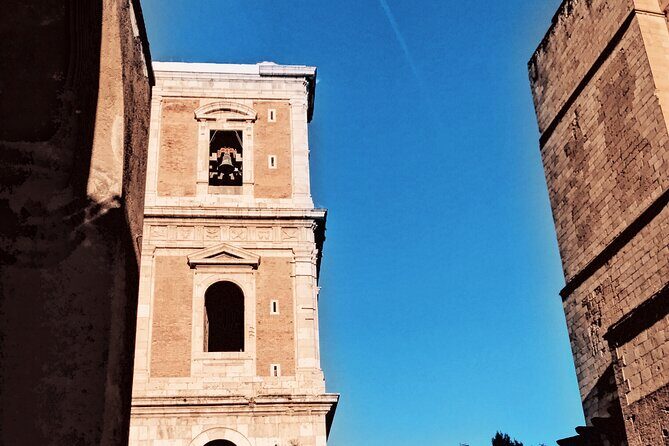
Then you head to Via Benedetto Croce, one of the key roads in Naples, commonly called Spaccanapoli. This is one of the highlights for many people because it’s not just a street—it’s a piece of city design.
What matters here is the context: Spaccanapoli is part of an urban plan designed in the Greek era, crossing ancient Neapolis along its entire length. So when you’re standing in the middle of this modern street, you’re also tracing older lines in the city’s body.
The street-naming and origin details can make a big difference in how you experience Naples. You stop seeing a corridor between sights and start understanding it as the framework of the historic center.
Piazza Dante: big square energy, but still local
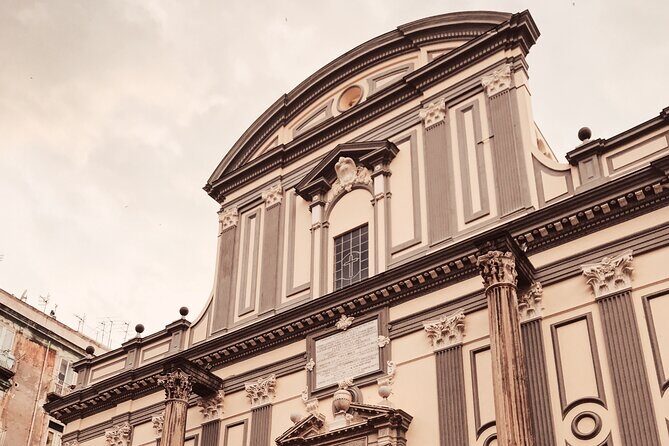
The tour moves to Piazza Dante, described as one of the most important squares in Naples and a major hub today. Even if you’re not spending hours here, it’s a useful contrast to the narrower streets.
Squares change your perspective. After alley walking, a larger open space helps you read the city’s layout again. And since Piazza Dante is a key hub, the atmosphere feels like Naples in real time, not a staged monument zone.
If you want an easy moment to reset, this is it. Stand, listen, and take in the scale before continuing.
You can also read our reviews of more private tours in Naples






Port’Alba: stepping through an ancient boundary

After Piazza Dante, you reach Port’Alba, an ancient gate of the city of Naples. Gates are powerful because they explain a boundary—where the city once ended, how it guarded itself, and how movement worked.
Here’s what I’d watch for: the guide’s explanation of how a gate functions in the city’s story. You’ll likely connect it back to the surrounding street network, which makes the historic center feel less random and more like a deliberate system.
It’s also a good moment for questions. Gates tend to raise curiosity fast—people want to know what changed, what stayed, and why the exact location matters.
Via San Gregorio Armeno: nativity scene artisan shops up close
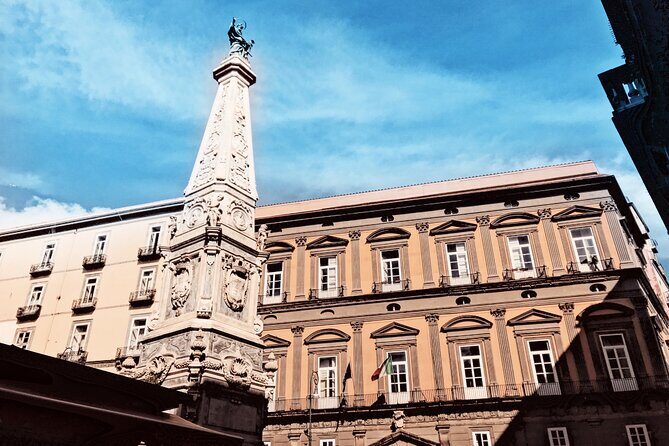
One of the most memorable stops is Via San Gregorio Armeno, the famous street of artisan shops devoted to nativity scenes. This is where Naples shows its hands—craft, tradition, and local identity in shopfront form.
The value of this stop isn’t only shopping. It’s the chance to see how a cultural tradition survives through small businesses and skilled makers. The guide can help you notice what you might otherwise miss, like the purpose behind the craft shops and why this street gained its reputation.
If you enjoy browsing, go slow. If you don’t want to shop, you can still treat it like a cultural walk-through—watch how people move, notice signage and display styles, and let the guide’s background fill in the gaps.
Spaccanapoli again, plus Piazzetta Nilo: the “heart” feeling

Midway through, you spend time on Spaccanapoli, described as a main street of the ancient layout that crosses the length of the historic Neapolis. This is one of those areas where repetition helps. Seeing it more than once makes the route feel cohesive, not like isolated dots on a map.
Then comes Piazzetta Nilo, a small open space in the lower decumanus and described as representing the heart of the historic center. Even though it’s small, “heart” isn’t a random poetic label—open spaces like this help you understand how people gathered, moved, and lived within ancient city planning.
This pairing—Spaccanapoli plus Piazzetta Nilo—helps you build a mental map. When the tour finishes, you’ll likely feel oriented enough to keep exploring nearby without feeling totally lost.
What the guides do well: Luisa, Eliana, and Francesco style lessons
The reviews attached to this tour highlight a few guiding traits that matter for your experience:
- Luisa was praised for making historical details come alive and for answering questions with lots of specifics.
- Eliana impressed people with her street knowledge and calm problem-solving, including handling prams on cobblestones.
- Francesco was noted for taking his time, explaining origins of names and locations, and keeping the tour fun while still detailed.
So what should you expect as a reader? You should expect more than a list of sights. The goal is to connect what you see to why it exists—legends, archaeology, art, and history folded into street-level reality.
Also, it’s worth noting the tour includes a tour guide and archaeologist. Even if you’re not thinking in archaeology terms, that extra lens often changes how explanations land. You start looking at the street plan, not just the buildings.
Price and value: $348.44 per group for up to 10 people
The price is $348.44 per group for up to 10 people, for about 2 hours. On the surface, that’s not cheap if you’re thinking per person like it’s a bus tour. But the private format changes the math.
This price can feel like strong value when:
- you’re traveling as a small group or family and splitting the cost
- you care about questions and context (private guides can adapt on the fly)
- you want a tight, well-structured route through major stops without wasting time figuring it out yourself
What you do not get is food and drink. That’s normal for a short center walk, but it affects value if you’re expecting a meal. Plan to end near your next stop for espresso, pizza, or a post-walk snack.
Timing, tickets, and practical walking notes
This is listed as about 2 hours, and it’s offered in English. The ticket is described as a mobile ticket, which is convenient when you’re moving through a dense area.
Most of the route’s stops show free admission ticket status. That means you’re spending your time on the street story rather than waiting for entry lines or buying multiple timed tickets.
The main practical challenge is physical: Naples’ historic center includes cobblestones and tight lanes. A guide being patient with mobility devices is reassuring, but I’d still think about comfort. If you have sensitive feet, plan for supportive shoes and short pauses when you need them.
Finally, there’s a weather note: the experience requires good weather. If conditions are poor, you’ll be offered a different date or a full refund. That’s a key point for planning so you don’t get stuck with Naples rain roulette.
Who this tour is best for (and who should skip it)
This fits best if you’re:
- visiting Naples for the first time and want your bearings fast
- the type of traveler who likes street names, city planning, and how traditions survive
- a small group that wants privacy rather than a big-funnel tour
- traveling in a way where patience and a calm pace matter
It might not be the best match if you want a long, museum-heavy day. This is a historic-center walk focused on major outdoor points and explanation, not a full-day ticket marathon.
If you love craft and culture, you’ll likely enjoy the stop on Via San Gregorio Armeno. If you love city structure, Spaccanapoli and the ancient layout talk will feel especially satisfying.
Should you book this Naples historic center private tour?
I’d book it if you want Naples explained the way locals understand it: street by street, square by square, with context for why each place matters. The private format, the chance to ask questions, and the blend of legends plus archaeology-style interpretation make it a strong choice for a first visit.
I’d skip or reconsider if you hate walking on cobblestones, or if your ideal day is mostly indoor attractions and paid museum entrances. Also, since it’s only about 2 hours, it works best when you see it as a smart start to your Naples day rather than the whole trip.
If you like guided stories and you’re traveling with up to 10 people, this tour is one of the easiest ways to turn a confusing historic center into a readable map.
FAQ
How long is the Private Tour of the Historic Center of Naples?
It’s listed as about 2 hours.
Is this a private tour, and how many people can be in the group?
Yes, it’s private—only your group will participate. The group size is up to 10.
Where does the tour start and end?
It starts in Piazza del Gesù Nuovo, 80134 Napoli NA, Italy and ends in Piazza San Gaetano, 80138 Napoli NA, Italy.
What language is the tour offered in?
The tour is offered in English.
Are tickets or entry fees required for the stops?
The stops listed in the route show admission ticket free.
What is included, and what is not included?
Included are the tour guide and assistance for the entire duration, a private tour, main attractions of Naples, taxes, and a tour guide & archaeologist. Food and drink are not included.
What if the weather is bad, or I need to cancel?
The experience requires good weather. If it’s canceled due to poor weather, you’ll be offered a different date or a full refund. You can cancel for a full refund up to 24 hours in advance.