REVIEW · NAPLES
Phlegraean Fields: Cuma Baia and Pozzuoli private excursion
Book on GetYourGuide →Operated by Askos Tours · Bookable on GetYourGuide
Volcanic crater country, minus the crowds. This private 8-hour excursion takes you around the Phlegraean Fields, the volcanic zone west of Naples, where the ground has changed over time and you can still read that story in ancient ruins. I love how the route mixes big-name archaeology with natural stops, from the volcanic lake of Averno to the Roman engineering of the Piscina Mirabilis.
You’ll also like the pacing of a private format: you’re not stuck in a mass line, and you get guided context at every major site. The one real drawback is that sites have closures depending on the day (and some major stops can be shut), so it’s worth checking before you lock in plans.
In This Review
- Key highlights worth planning for
- From Naples to Campi Flegrei: a volcanic day trip with real variety
- Pozzuoli’s former market of Puteoli and the Temple of Serapis
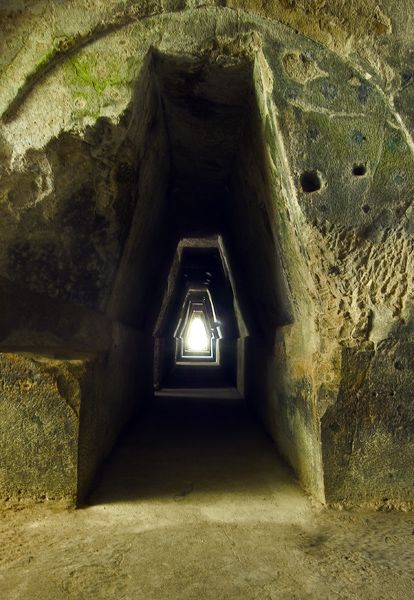
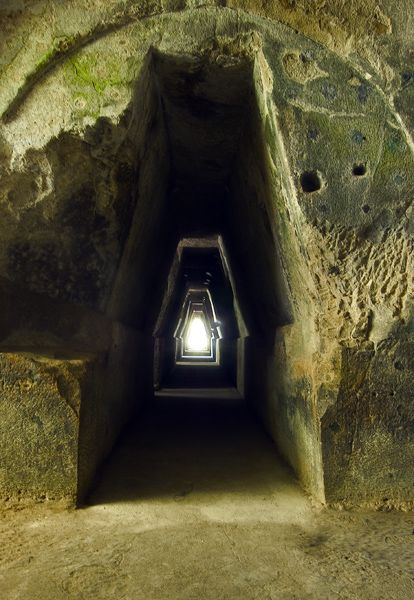
- Cuma on the Tyrrhenian coast: Greek roots and the Sybil cave sanctuary
- Baiae and the Museum of the Phlegrean Fields: temples where the waterline matters
- Piscina Mirabilis at Miseno: Roman engineering at cistern-scale
- Volcanic lakes of D’Averno, Fusaro, and Miseno: nature with ancient mythology on top
- Bacoli: the practical bridge between sites
- Price and value: what $558.97 per person is buying you
- What it feels like with a private guide and careful driving
- Site closures and day-of-week planning
- Who this tour suits best
- Should you book the Phlegraean Fields private excursion?
- FAQ
- How long is the Phlegraean Fields: Cuma Baia and Pozzuoli private excursion?
- Where does pickup happen for this tour?
- What does the tour include besides the guide?
- Is this a private group tour?
- What sites are included on the route?
- What languages are available for the tour?
- Are there day-of-week closures I should know about?
- Is the tour wheelchair accessible?
Key highlights worth planning for
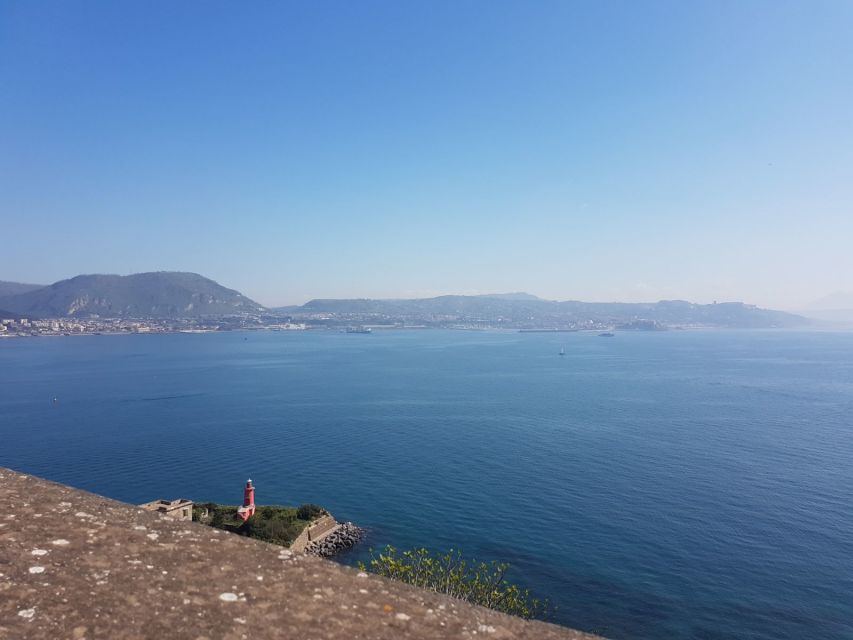
- Averno and other volcanic lakes: see crater-lake scenery tied to ancient imagination
- Macellum Temple of Serapis in Pozzuoli: Roman market ruins with the famous mollusc-holes columns
- Cuma and the Sybil cave sanctuary: Greek founding myths meet archaeology
- Baiae’s underwater city feeling: temples to Venus, Diana, and Mercury with an above-water museum stop
- Piscina Mirabilis at Miseno: colossal Roman cistern linked to the navy’s base
- Skip-the-line admission + private guide: better use of your time than “show up and hope” touring
From Naples to Campi Flegrei: a volcanic day trip with real variety
The Phlegraean Fields aren’t just “near Naples.” They’re a different kind of place—earth that has been active in the past, and quiet right now only because the volcanoes are extinct or dormant. After pickup from Naples, Sorrento, or Salerno, you’ll head into the Campi Flegrei area with a guide who can explain what you’re seeing as you go.
One big reason this tour works is the variety of what’s on offer. You get Roman sites in Pozzuoli and the coast (like Cuma and Baiae), plus nature-driven stops at volcanic lakes. That mix helps the day feel less like you’re checking boxes and more like you’re building a single picture: how people used this dramatic terrain, and why it mattered.
Expect a steady schedule rather than a slow stroll. You’ll be moving between sites in a Mercedes S-Class sedan, van, or minivan, and you’ll get guided time at each stop—excellent for understanding, but you’ll want to keep energy for a full day.
You can also read our reviews of more tours and experiences in Naples.

Pozzuoli’s former market of Puteoli and the Temple of Serapis
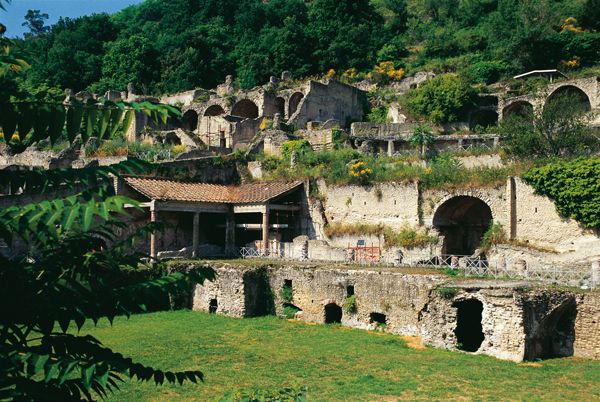
Pozzuoli is where the day shows its Roman bones. You start with a guided visit connected to the former market of Puteoli (Roman colony). This is not just “old stones on a hill.” The site was excavated in the 18th century after the discovery of a statue of Serapis, which gives the ruins a clear “how we learned what’s here” story.
What I like most is the specific detail you can spot on-site: the surviving columns of the macellum are studded with mollusc holes. It’s one of those small physical clues that instantly makes the place feel alive in the way it formed and survived.
This stop is also a good chance to understand the Phlegraean Fields beyond volcano talk. The region’s bradyseismic phenomena (slow ground movements tied to the volcanic system) are especially relevant here, and your guide can help connect those changes to the way structures ended up exposed, buried, or altered over time.
Practical consideration: the Macellum of Pozzuoli has day-based closures. If you’re planning a trip early in the week, verify operating days because some parts of this route won’t run as advertised.
Cuma on the Tyrrhenian coast: Greek roots and the Sybil cave sanctuary
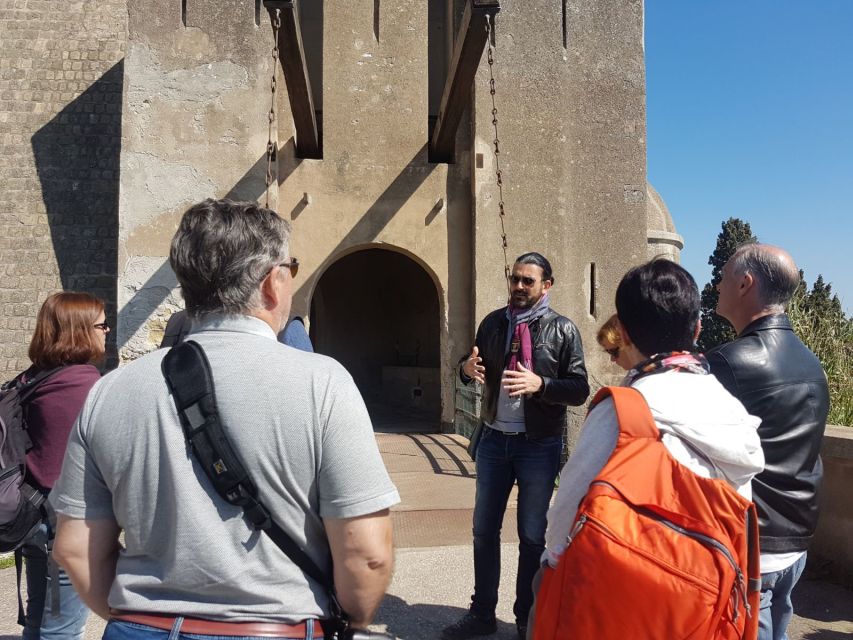
Next comes Cuma, with its setting on the Tyrrhenian Sea. This isn’t only Roman archaeology. The site of the ruined city of Cumae was founded by Euboean Greeks, and that ancient origin matters because it leads you to one of the most famous monuments here: the Sybil cave sanctuary.
If you’ve ever wondered why ancient people connected caves and prophecy, Cuma is where you see that idea in physical space. You’re not just reading about the myth; you’re walking through the kind of setting that made those stories believable.
Another reason this stop is valuable is the emotional shift it creates in the day. After the Roman market and the technical details of city life in Pozzuoli, Cuma adds a more legendary tone—while still being a genuine archaeological visit, not a theme-park moment.
Watch the schedule: Cuma is closed on Tuesday. If your preferred travel day is Tuesday, this can force changes in what you’ll actually see.
Baiae and the Museum of the Phlegrean Fields: temples where the waterline matters
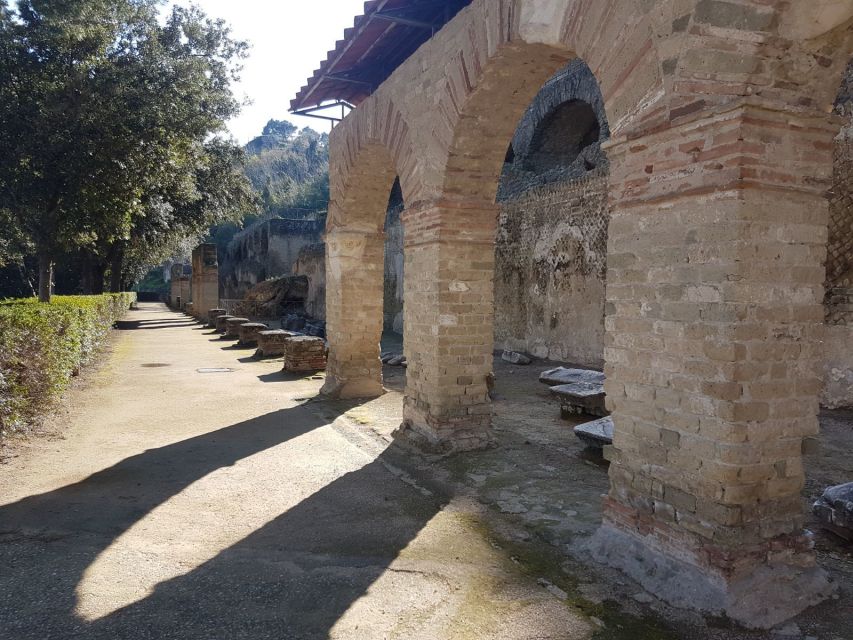
Baiae is where the tour leans into atmosphere. This was a former Roman seaside resort, and much of the site is underwater. That means the ruins don’t read like a tidy ruin field; they read like a shifting boundary between land and sea across centuries of ground movement.
Your guided stop includes the Museum of the Phlegrean Fields, housed in the former Aragonese fortress. It’s a smart pairing: even if the outdoor remains are partly out of sight, the museum context helps you understand what you’re looking at when you do see temples.
Above ground, you’ll visit the remains of temples to Venus, Diana, and Mercury. That trio helps bring the place to life as a religious and leisure destination, not just “ancient buildings near Naples.”
One consideration: parts of the area can feel spread out visually, because you’re dealing with a site where geography and sea level both play a role. Give yourself time to listen to the guide, since the meaning of what you’re seeing is often in the connections.
Also check closures: Baiae Thermal Baths and the museum are closed on Monday, so your day depends on timing.
Piscina Mirabilis at Miseno: Roman engineering at cistern-scale
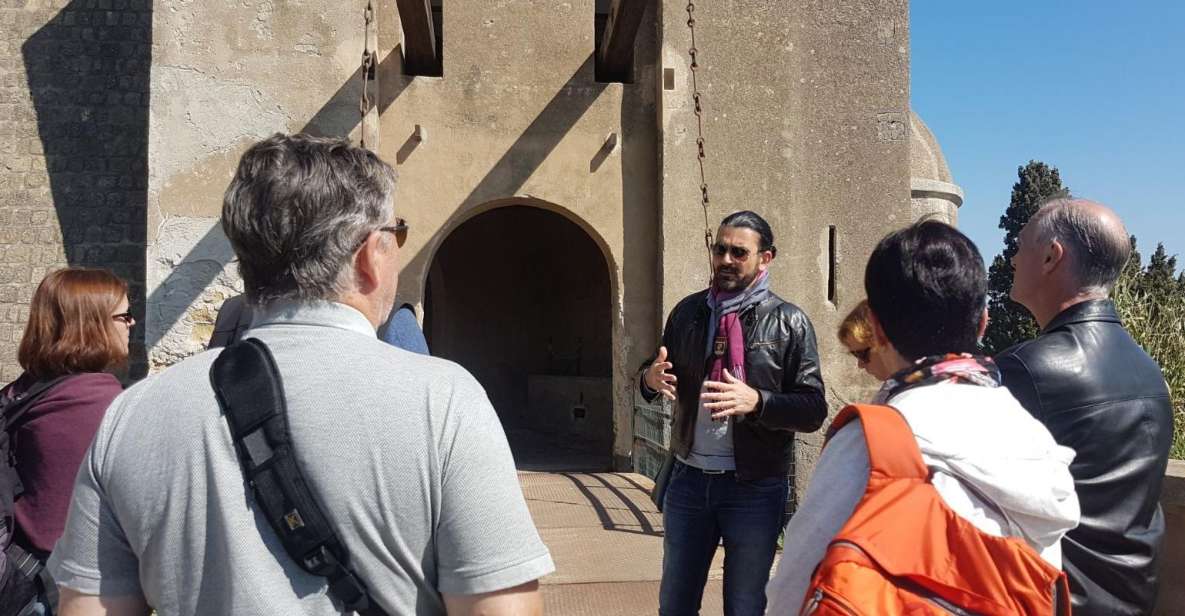
If Cuma gives you myth and Baiae gives you waterfront vibes, Miseno gives you scale. The stop at Piscina Mirabile (also spelled Piscina Mirabilis) is the enormous Roman cistern at Miseno, once home to the largest base of the Roman navy.
A cistern might sound boring until you’re there and your guide starts tying the structure to logistics: storing water on a massive scale for a major fleet. The size of the site makes it hard to treat as “just plumbing.” It’s infrastructure built to support real operations.
Even better, this stop helps you understand why the Phlegraean Fields mattered. The volcanic system is dramatic, but Roman power here also meant controlling resources: water, supply, and movement around the coast.
Tip for your brain: think less about one building and more about a network. In a single day, this tour connects Roman urban life, resort culture, and military logistics—all using the same region as the stage.


Volcanic lakes of D’Averno, Fusaro, and Miseno: nature with ancient mythology on top
You’ll visit the volcanic lakes associated with the Phlegraean Fields. The highlights specifically call out D’Averno, Fusaro, and Miseno.
These are not random scenic breaks. Lakes like Averno were part of how ancient people explained the world. Your guide will help you connect the geography to ancient thought, so the views feel purposeful instead of just “nice water next to rocks.”
This part of the day is also a good reset from ruins. Even if you’re not a geology enthusiast, the crater-lake scenery gives your eyes something different to absorb after hours of stone, sites, and labels.
The tradeoff is weather and visibility. If fog, wind, or heavy light makes it hard to see distant shores, the natural stops can feel less dramatic than they do on clearer days. If your trip date is flexible, consider aiming for better conditions where you can.
Bacoli: the practical bridge between sites
Bacoli shows up as a guided stop on the way through the region, which makes it more than a “transit town.” It’s part of how the day strings together different zones: coast, lakes, and major archaeological points.
One reason I like the inclusion of Bacoli is that it keeps the route coherent. You’re not jumping randomly around the map—you’re moving through connected coastal areas, which helps the day feel like one story rather than separate excursions stitched together.
And since you’re traveling in a private Mercedes (S-Class sedan, van, or minivan), you’re not paying the time penalty of constant transfers between public transport legs.
Price and value: what $558.97 per person is buying you
At $558.97 per person for an 8-hour private excursion, you’re paying for three things that usually cost extra when you DIY this route:
1) Private, guided time at multiple sites
You get a live guide across several stops, including major archaeology and museum time. That guidance is the difference between reading labels and understanding what you’re looking at in context.
2) Skip-the-line admission fees
Admissions can add up, and lines eat your day. Skip-the-line access helps you keep momentum.
3) A full-day transport plan, not a patchwork
A Mercedes S-Class sedan, van, or minivan with an English-speaking driver means you’re not coordinating everything yourself across different zones around Naples.
So the value equation comes down to who’s traveling and how much you care about interpretation. If you’re the kind of traveler who likes your sites explained and hates wasting time, the price starts to make sense fast. If you’re the type who’s fine with quick photo stops and self-guided notes, you might find it expensive compared with lower-cost group tours—but you’d also lose the private pacing.
What it feels like with a private guide and careful driving
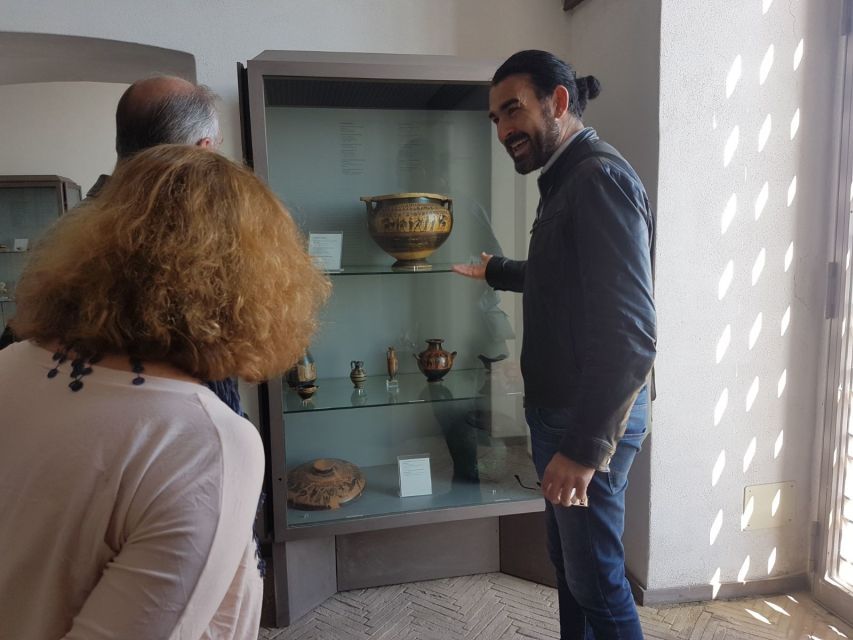
This is a private group tour, which changes the vibe right away. You’re not waiting around for strangers, and the guide can pace the group based on how you’re taking in each stop.
One strong detail from real on-the-ground experience: a guide named Massimo was praised for sharing a wealth of knowledge without spending time dragging the day out. The driver Giovanni was also noted for safety in complicated traffic and close attention to the group.
Even without those exact names, this is the kind of day where guide quality matters. The Phlegraean Fields can feel abstract if you only see ruins and crater lakes with no thread connecting them. With a solid guide, it becomes a coherent story.
Site closures and day-of-week planning
Because this route includes several major sites, closures matter more than usual.
- Macellum of Pozzuoli: closed Monday, Tuesday, Wednesday, and Friday; open Thursday, Saturday, Sunday
- Cuma: closed Tuesday
- Baiae Thermal Baths and Museum: closed Monday
Before you book, match your day-of-week to the closures. If you’re set on a specific date, double-check the schedule so you’re not paying for stops that can’t run.
Who this tour suits best
This excursion is a strong fit if you:
- Want archaeology plus volcano-adjacent nature in one coherent day
- Prefer a guided visit where you understand what the ruins meant
- Don’t want to stress about navigating between Naples, Pozzuoli, Cuma, Baiae, and the lakes
It’s not ideal if you rely on wheelchair access, since it’s not suitable for wheelchair users.
If you’re visiting Naples and already did the classic city highlights, this is a smart “second chapter” day. It gets you out of the urban rhythm and into a region where ancient life and active geology shaped each other.
Should you book the Phlegraean Fields private excursion?
Yes, I think you should book it if your priority is a full-day, guided, no-hassle run through the Phlegraean Fields with real interpretation, not just photos.
Skip booking if:
- You have a fixed day that hits multiple closures
- You dislike structured tours and prefer to wander freely
- You’re traveling on a tight budget and would rather spend less and see fewer stops
If your schedule is flexible, you’ll get the best value by choosing a day that keeps the Pozzuoli Macellum, Cuma, and Baiae museum stops open. When those pieces line up, this tour becomes one of the more satisfying ways to understand the Naples region beyond the city center.
FAQ
How long is the Phlegraean Fields: Cuma Baia and Pozzuoli private excursion?
The tour duration is 8 hours.
Where does pickup happen for this tour?
Pickup is included from Naples, Sorrento, or Salerno. You choose one of the pickup locations and provide the exact details.
What does the tour include besides the guide?
It includes skip-the-line admission fees and transportation by a Mercedes S-Class sedan, van, or minivan, with an English-speaking driver.
Is this a private group tour?
Yes, it’s listed as a private group experience.
What sites are included on the route?
Key stops include the volcanic lakes (including D’Averno, Fusaro, and Miseno), Baiae, Pozzuoli’s macellum/Temple of Serapis area, Cuma (with the Sybil cave sanctuary), and the Piscina Mirabilis at Miseno, plus other guided stops around the Campi Flegrei coast.
What languages are available for the tour?
The languages listed are Spanish, English, Italian, French, and German.
Are there day-of-week closures I should know about?
Yes. The Macellum of Pozzuoli is closed on Monday, Tuesday, Wednesday, and Friday, and open on Thursday, Saturday, and Sunday. Cuma is closed on Tuesday. Baiae Thermal Baths and the museum are closed on Monday.
Is the tour wheelchair accessible?
It’s not suitable for wheelchair users.