REVIEW · ROME
Palazzo Barberini (Caravaggio Exhibition Is Not Included)
Book on GetYourGuide →Operated by TICKETSTATION SRL · Bookable on GetYourGuide
You’ll feel the Baroque before you even reach the paintings. Palazzo Barberini is one of Rome’s big, dramatic “power” buildings, and the collections inside give you hours’ worth of art in a tight visit. I love how the focus stays on real masterpieces—Galleria Nazionale d’Arte Antica—with a clear path through the rooms.
Two things I really like: you get access to a Baroque interior that’s about more than just frames, and you have a ticket that helps you avoid extra friction at the entrance with a skip-the-line approach.
One drawback to flag early: the Caravaggio exhibition isn’t included, so if that’s your main goal, this may feel pricey.
In This Review
- Key highlights you’ll care about
- Palazzo Barberini: Baroque ambition in a timed 2-hour visit
- How the visit flows once you step inside
- Galleria Nazionale d’Arte Antica: 1,400+ works without the panic
- Raphael’s Fornarina: the painting everyone talks about
- The central hall and Pietro da Cortona’s ceiling fresco
- Palazzo Corsini access plus the Rome City audio guide app
- Price and value: $28 is fair only if your expectations match
- Practical tips that keep the visit smooth (and photo-friendly)
- Who should book this Palazzo Barberini experience
- Should you book Palazzo Barberini without the Caravaggio show?
- FAQ
- Is the Caravaggio exhibition included?
- How long does the Palazzo Barberini visit take?
- Can I take photos inside?
- What should I bring?
- Is the gallery open every day?
- What’s included in the ticket price?
Key highlights you’ll care about
- Baroque building first, paintings second: the architecture and decoration shape the whole experience
- Galleria Nazionale d’Arte Antica access: 1,400+ works across centuries, with major names
- Raphael’s Fornarina: a famous painting you can see in person here
- A towering central hall: the room fills the building’s full height
- Pietro da Cortona ceiling fresco: monumental Baroque illusionism overhead
- Extras included: entry to Palazzo Corsini plus a Rome City audio guide app with 170+ stops
Palazzo Barberini: Baroque ambition in a timed 2-hour visit
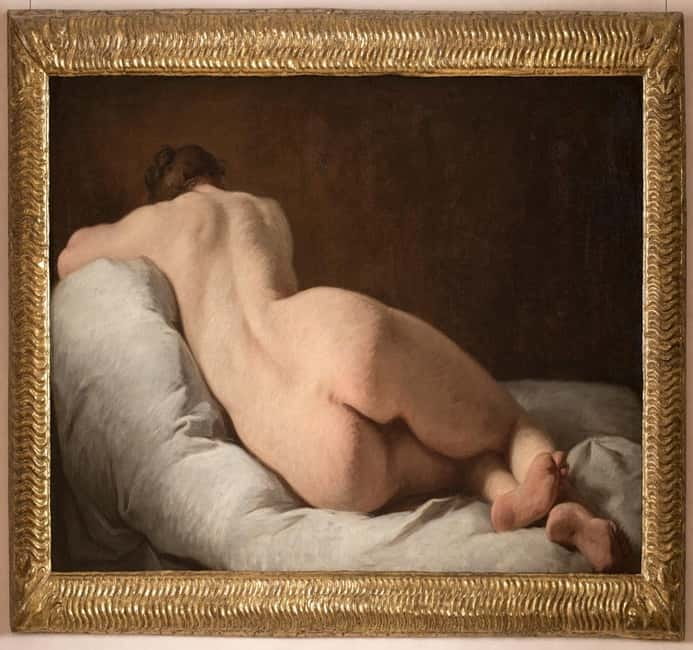
Palazzo Barberini is the kind of Roman palace that doesn’t whisper. Even before you get absorbed by the art, the building tells you what it’s for: prestige, influence, and the theatrical style we call Baroque. The palace was commissioned and shaped by the Barberini family, and it gained extra momentum under Pope Urban VIII—Maffeo Barberini—who was elected in 1623 and helped push Baroque art forward in a big way.
For you as a visitor, that matters because it changes how you look at the collection. You’re not just ticking off paintings. You’re seeing how architecture, ceiling painting, and room design were made to impress. In a short visit, that’s a win.
This experience runs about 2 hours, so it’s best if you want a high-impact museum stop rather than a slow, wandering day.
You can also read our reviews of more tours and experiences in Rome.



How the visit flows once you step inside
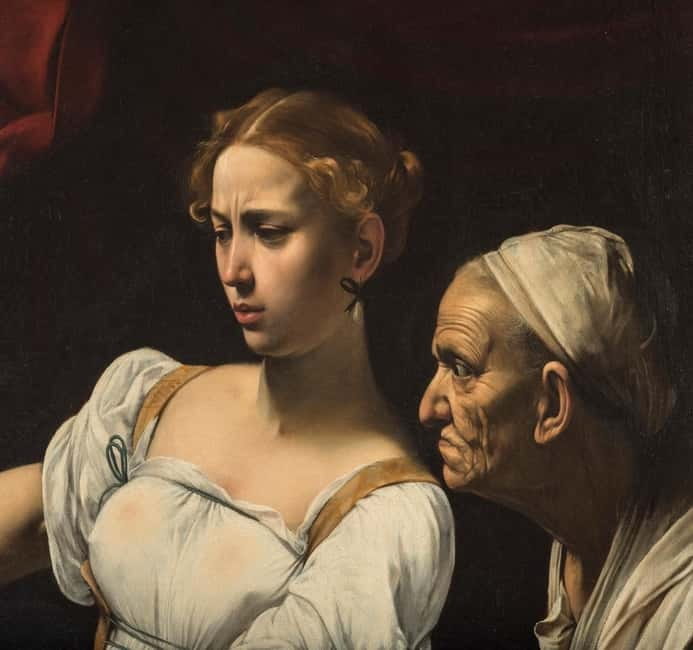
You’ll enter Palazzo Barberini and move through the museum spaces at your own pace, guided by what you choose to linger on. The format is simple: you’re there to see the collection highlights and the big Baroque spectacle areas—then you’re done.
A realistic way to think about it:
- Start by getting oriented in the main gallery rooms.
- Take time with the standouts you came for.
- Don’t rush the central hall ceiling; that’s where the “Baroque effect” really lands.
- If you have energy, you’ll also get access tied to Palazzo Corsini as part of what’s included.
The collection spans works created from the 13th to the 18th century, so you’ll see different styles and eras in the same visit. That’s fun, but it can also feel like information overload if you try to see everything equally. Your best move is to pick a handful of must-sees and let the rest be supporting characters.
Galleria Nazionale d’Arte Antica: 1,400+ works without the panic
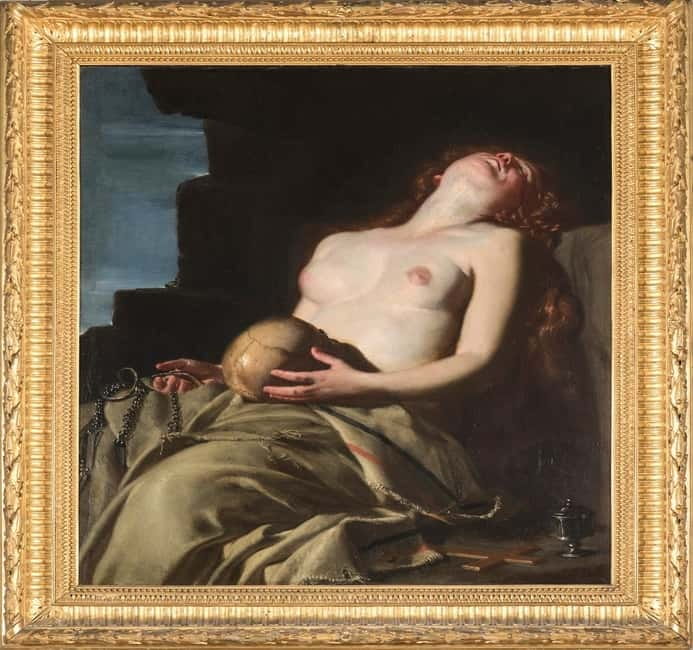
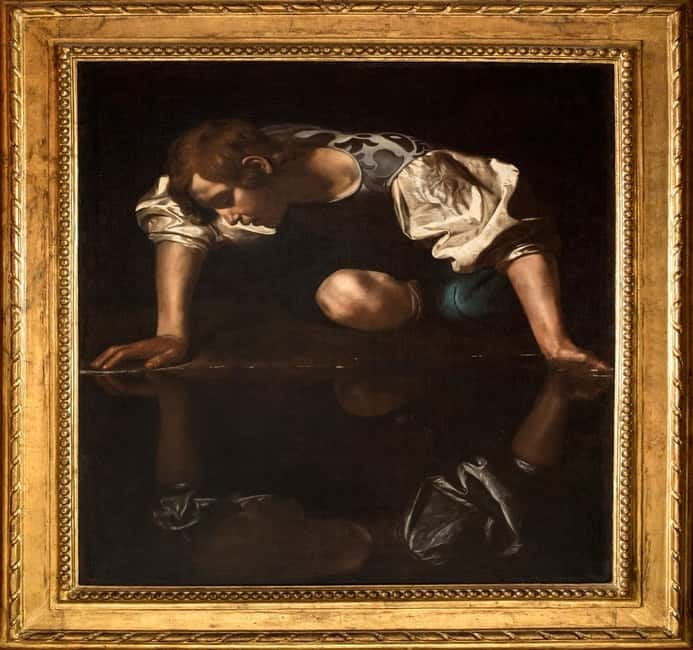
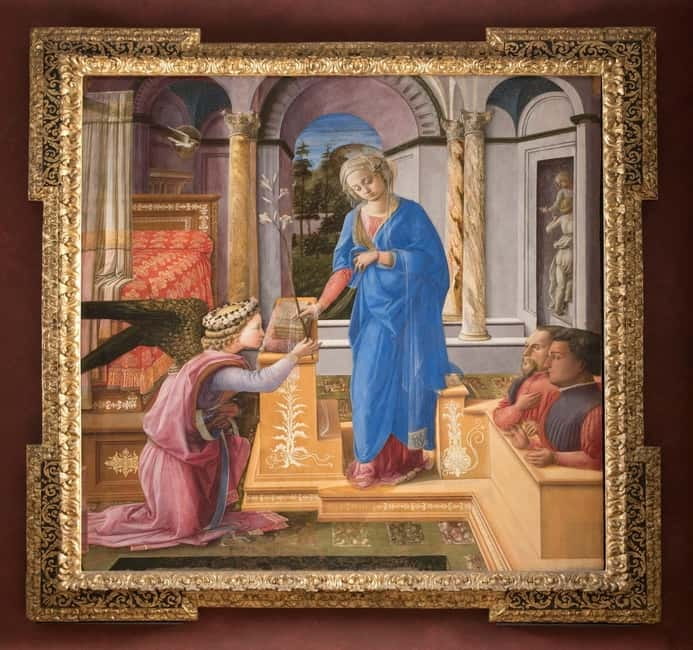
The Galleria Nazionale d’Arte Antica is the heart of this visit. You’re looking at over 1,400 works of art, and that scale is both the appeal and the challenge. The collection includes major artists you’ll recognize—Raphael, Filippo Lippi, Bernini, Borromini, Caravaggio, among others—plus many more.
Here’s how to make the most of it:
- Focus on the famous works you know, then connect the dots to nearby pieces.
- Pay attention to the room context. The same “Baroque look” can feel different depending on the architecture around it.
- If you’re short on time, prioritize the larger rooms and the signature ceiling/central space.
The good news: this visit is designed to be manageable in two hours. So you shouldn’t feel forced to “beat the museum.” Just plan your attention, and the rest will fall into place.
Raphael’s Fornarina: the painting everyone talks about
One highlight listed for this experience is Fornarina by Raphael. It’s famous for its notoriety, and seeing it in person is a different experience than seeing it as a thumbnail. Even if you don’t consider yourself an art expert, Raphael’s work is readable—you’ll likely spot why people keep coming back to it: the human focus, the craft, and the way the painting holds your attention.
My practical advice: don’t treat Fornarina as a “look and move on” painting. Give it a moment—then see whether your eyes stay there or drift. If you feel pulled in, that’s your sign to linger longer than you planned.
And remember: there’s no mention that you’ll receive a live, named guide in this specific offering. That means your best “guide” is your own curiosity—plus the included audio app (more on that next).
The central hall and Pietro da Cortona’s ceiling fresco
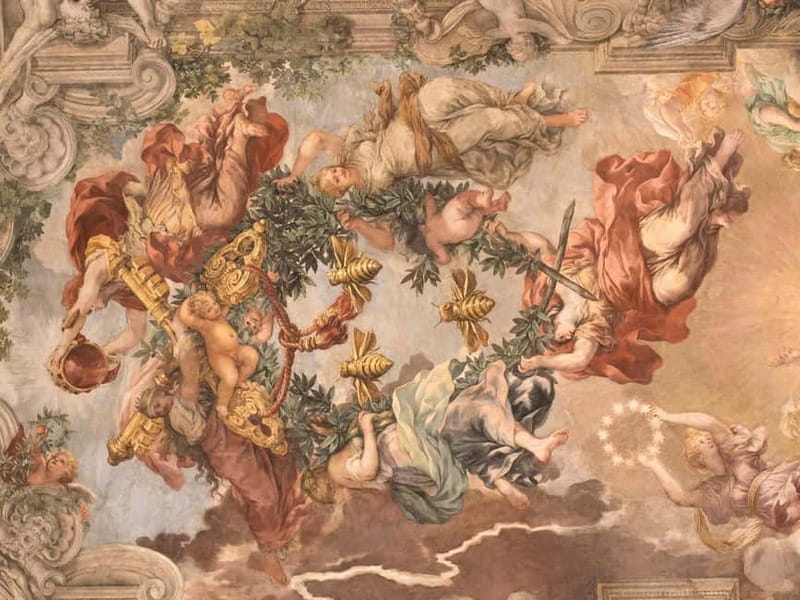
Now for the part that hits you in the neck—in a good way. Palazzo Barberini has a large central hall that occupies the full height of the building. That vertical scale changes the whole museum rhythm: your attention naturally travels upward, and the space becomes part of the experience.
On the ceiling, you can contemplate a monumental fresco by Pietro da Cortona. This is where Baroque illusionism shows its tricks. The effect is less about small details and more about the feeling of space—how painting can make the room seem larger, deeper, or more alive than it really is.
If you do only one “slow down” moment during your two hours, make it this hall. You can take photos without flash (more below), so if you like, you can capture the ceiling for later—but also look without the camera for at least a few seconds. Your eyes will pick up more that way.



Palazzo Corsini access plus the Rome City audio guide app
One of the cleaner values in this offer is that it includes entry to Palazzo Corsini as well, not only Palazzo Barberini. That makes the overall experience feel less like a single-room stop and more like a connected “day of palace art” feeling.
You also get a Rome City audio guide app downloadable to your smartphone, with more than 170 points of interest. The app can be useful before and after your museum visit because it gives you a way to keep learning while you move through Rome at your own pace.
Practical tip: download the app ahead of time if your phone allows it on Wi‑Fi. Once you’re inside museums, cell service can be spotty, and you don’t want to lose your place.
Price and value: $28 is fair only if your expectations match
The price is listed at $28 per person, and the important detail is what it includes—and what it does not. The listing explicitly says the Caravaggio exhibition is not included. That’s the biggest reason this experience can feel disappointing to people who expected to see Caravaggio’s special show.
Here’s how I’d think about value for you:
- If your goal is the wider collection—Raphael, Baroque spaces, and the monumental ceiling work—then this can be good value for a timed, high-impact visit.
- If your goal is specifically the Caravaggio exhibition, you’ll likely feel like you paid for the wrong thing.
There’s also this helpful pricing context: the total retail price includes €15.00 adult admission to Palazzo Barberini (and €0.00 for minors 0–17). The difference is due to the services included in the offer. In other words, part of what you’re paying for is convenience and the additional included items (like Palazzo Corsini entry and the audio guide app).
So the math makes sense if you’re open to the museum as a whole. It doesn’t if you came for one special exhibit only.
Practical tips that keep the visit smooth (and photo-friendly)
A few on-the-ground rules will save you stress:
- Report at the ticket office 10 minutes before your selected timeslot.
- Your voucher isn’t the entry ticket. You’ll be contacted by an operator with instructions to coordinate entry.
- Bring comfortable shoes and a water bottle—you’ll walk more than you expect in two hours.
- Photo rules: no flash photography. Normal camera use is allowed.
Also, plan your timing around the museum’s hours. The gallery is closed on Mondays, and last admission is one hour before closing. If you try to roll in at the last minute, you’ll lose the chance to actually enjoy the main spaces.
One more practical note: this is not suitable for wheelchair users and not suitable for people with mobility impairments. So if mobility is a concern for you, it’s worth checking options that better match your needs.
Who should book this Palazzo Barberini experience
This is a good fit if you want:
- A two-hour museum visit with major art and a strong Baroque setting
- Famous works you can identify quickly, like Raphael’s Fornarina
- The “big space” experience of a central hall and a major ceiling fresco
- A palace-art stop that doesn’t demand an entire day
It’s a weaker fit if:
- Caravaggio is your only reason for being in Rome—and you specifically want the Caravaggio exhibition
- You need wheelchair accessibility or smoother routes than a historic palace can provide
- You expect a full day with food and hotel pickup (neither is included)
If you’re a “planner” type, this works well because the duration is clear and the experience is structured around highlights. If you’re the “wander and see what happens” type, I’d still recommend you pick your must-sees before you go, so you don’t end up sprinting through the best parts.
Should you book Palazzo Barberini without the Caravaggio show?
Book it if you’re excited by Baroque architecture, want to see Raphael and other major names in one visit, and you’re comfortable that Caravaggio’s special exhibition isn’t part of this ticket. For the $28 price, it’s a solid museum hit—especially because the central hall and Pietro da Cortona ceiling work are exactly the kind of Rome experience that’s hard to replicate elsewhere.
Skip it or pair it carefully if your heart is set on the Caravaggio exhibition. In that case, you’d risk paying for a beautiful palace visit and still leaving with the one thing you came for missing.
If you want, tell me what you’re most interested in—Baroque ceilings, Renaissance painting, or Caravaggio specifically—and I can suggest how to structure the rest of your Rome day around this.
FAQ
Is the Caravaggio exhibition included?
No. The Caravaggio exhibition is not included with this experience.
How long does the Palazzo Barberini visit take?
It lasts about 2 hours. You should check availability to see the starting times.
Can I take photos inside?
Yes, you can take photos without flash.
What should I bring?
Bring comfortable shoes, a hat, a camera, sunscreen, and water.
Is the gallery open every day?
No. The gallery is closed on Mondays, and last admission is one hour before closing.
What’s included in the ticket price?
Included are entrance to Palazzo Barberini, entrance to Palazzo Corsini, and a Rome City audio guide app downloadable to your smartphone with more than 170 points of interest. Hotel pickup, food, and drinks are not included.