REVIEW · NAPLES
Naples: San Gennaro Experience With Filangieri Museum Option
Book on GetYourGuide →Operated by D'Uva · Bookable on GetYourGuide
Naples shows its faith through treasure. This 2.5-hour, bundled ticket helps you connect the dots between centuries of devotion and the art you see inside Naples Cathedral. I really like how the Treasure Museum frames the story before you walk into the chapel, and I also like the way the Cappella del Tesoro turns belief into dramatic Baroque space. One thing to consider: it is self-paced with an audio guide and no live tour guide, so your experience depends on room access and how long you want to linger.
You’ll start at the San Gennaro Treasure Museum right by the Cathedral of Naples, then continue into the Cappella del Tesoro, and finish with the Filangieri Museum housed in Palazzo Como. It’s a strong value for the price, especially because the audio guide covers the chapel and treasury in multiple languages (Filangieri audio availability is noted as shortly). Just plan on showing the right clothing and bringing a valid ID for the audio guide deposit.
In This Review
- Key takeaways before you go
- San Gennaro Treasure Museum by the Cathedral: start with the story
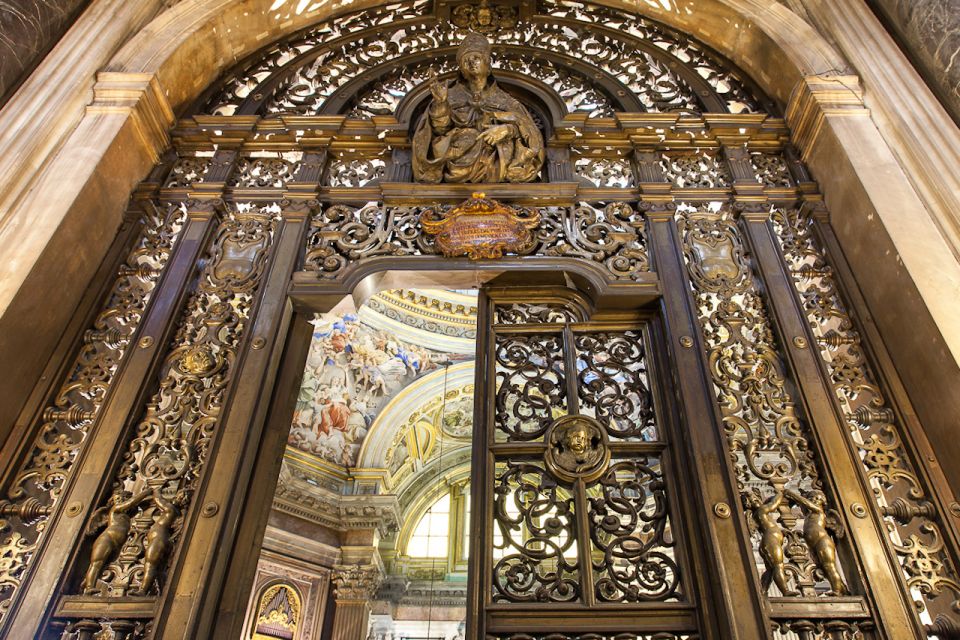
- Cappella del Tesoro inside Naples Cathedral: Baroque art built for faith
- Filangieri Museum in Palazzo Como: coins, cloth, and a big library
- How the included audio guide really affects your 2.5 hours
- Price and value: $20 for three major spaces
- Who should book this San Gennaro + Filangieri ticket
- Practical tips that prevent the common mistakes
- Should you book this experience?
- FAQ
- What does the integrated ticket include?
- How long does the experience take?
- Where is the meeting point?
- Which languages are available on the audio guide?
- What attire do I need for the Basilica?
- What ID do I need to borrow the audio guide?
- Is this experience suitable for people with mobility impairments?
Key takeaways before you go
- One ticket, three connected stops: Treasure Museum, Cappella del Tesoro, and Filangieri Museum.
- Devotion explained through objects: seven hundred years of donations help make the story concrete.
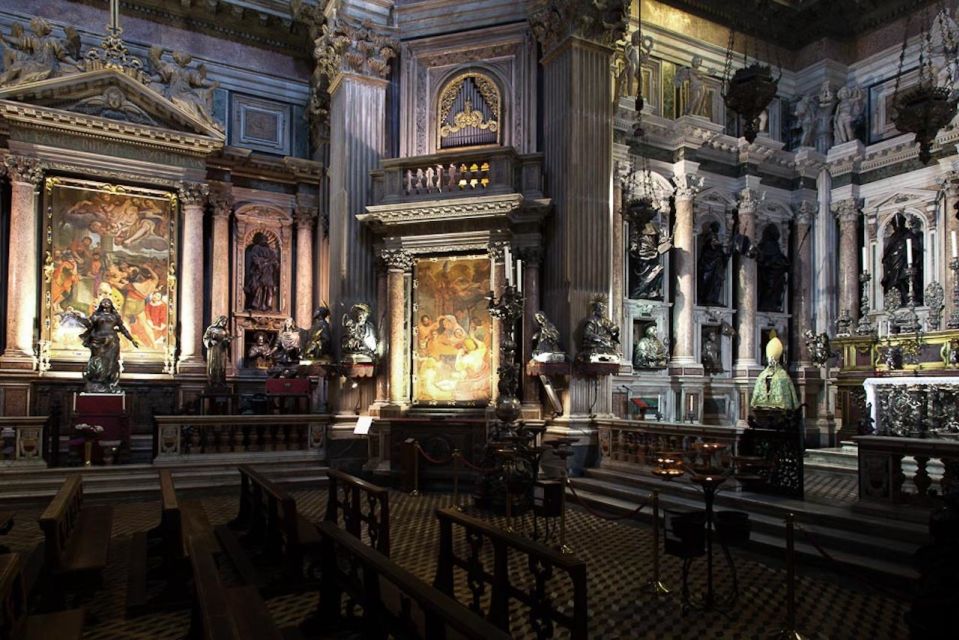
- Baroque chapel as the centerpiece: art and architecture from the 16th and 17th centuries in the Cathedral.
- Filangieri brings everyday luxury into focus: coins, medals, fabrics, and a library of 30,000 volumes.
- Audio guide shapes the pacing: you control how much time you spend, but you won’t get a live explainer.
- Watch for room access hiccups: if the Filangieri portion is closed for a private event, you’ll feel it.
San Gennaro Treasure Museum by the Cathedral: start with the story
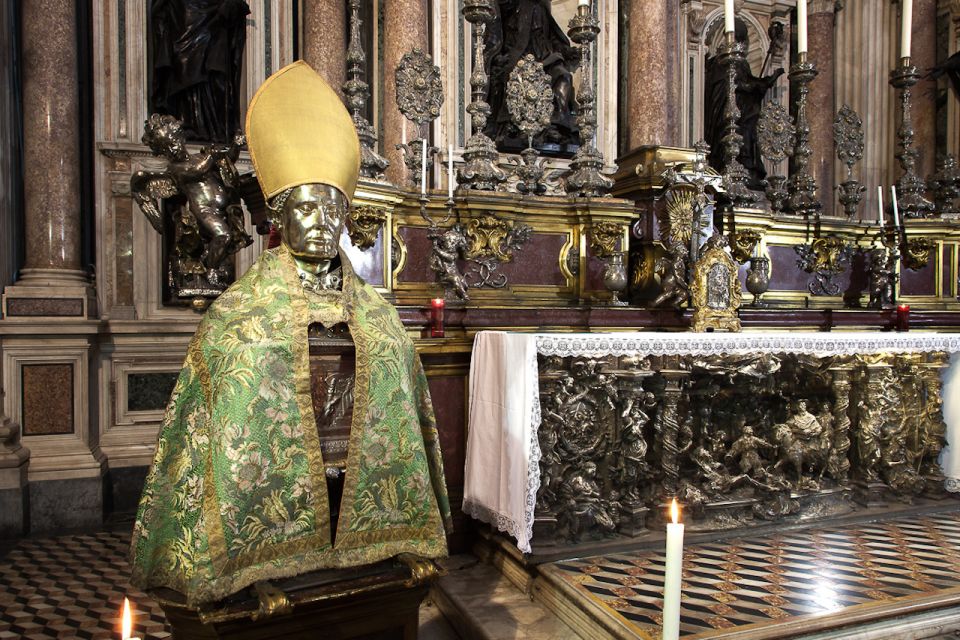
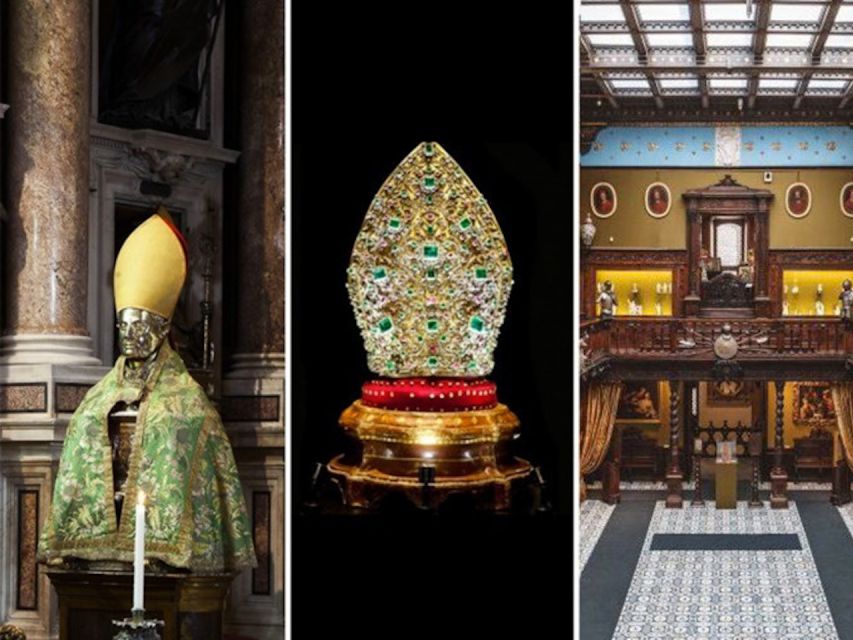
The experience begins at the ticket office at the San Gennaro Treasure Museum, which sits adjacent to the Cathedral of Naples. Don’t treat this first stop like a warm-up. It’s the key to understanding why San Gennaro’s worship is so central in Naples life: the museum collection grew over more than seven hundred years through donations by devotees and the work of the deputation that protects the material.
What I like most here is how the museum gives you context before you face the big visual moment in the chapel. You’re not just looking at decorative things; you’re learning how a community expresses devotion through gifts, preservation, and ritual over time. If you enjoy the “why” behind the “what,” this museum does that job well.
You’ll use the included audio guide in Italian, English, Spanish, French, or German. That matters because the objects are easier to appreciate when you can match what you’re seeing to the narration. If you’re the type who reads quickly, you may skim the early rooms faster than you expect—so give yourself a calm start rather than racing to the chapel.
You can also read our reviews of more tours and experiences in Naples.

Cappella del Tesoro inside Naples Cathedral: Baroque art built for faith
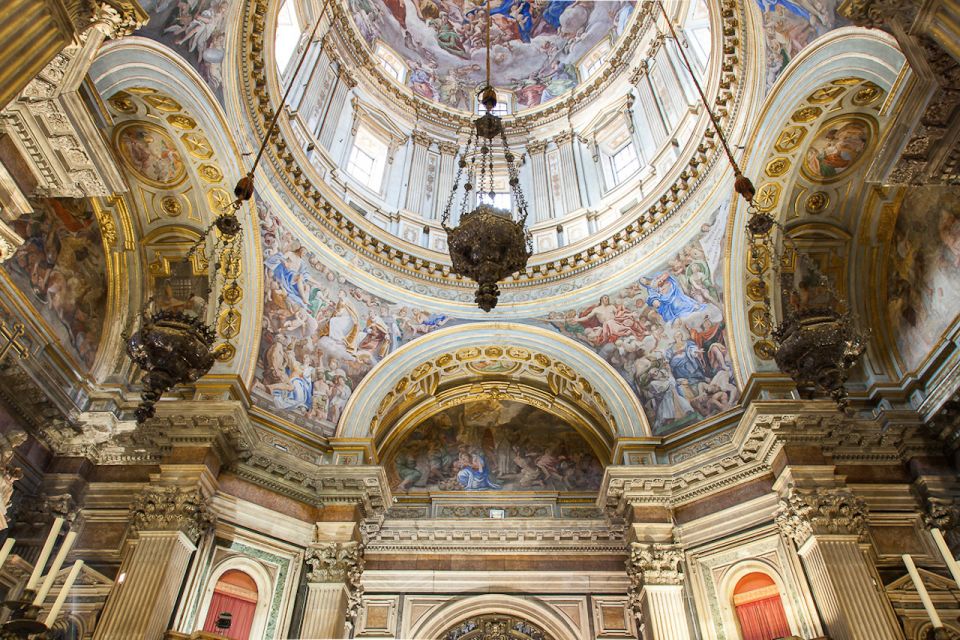
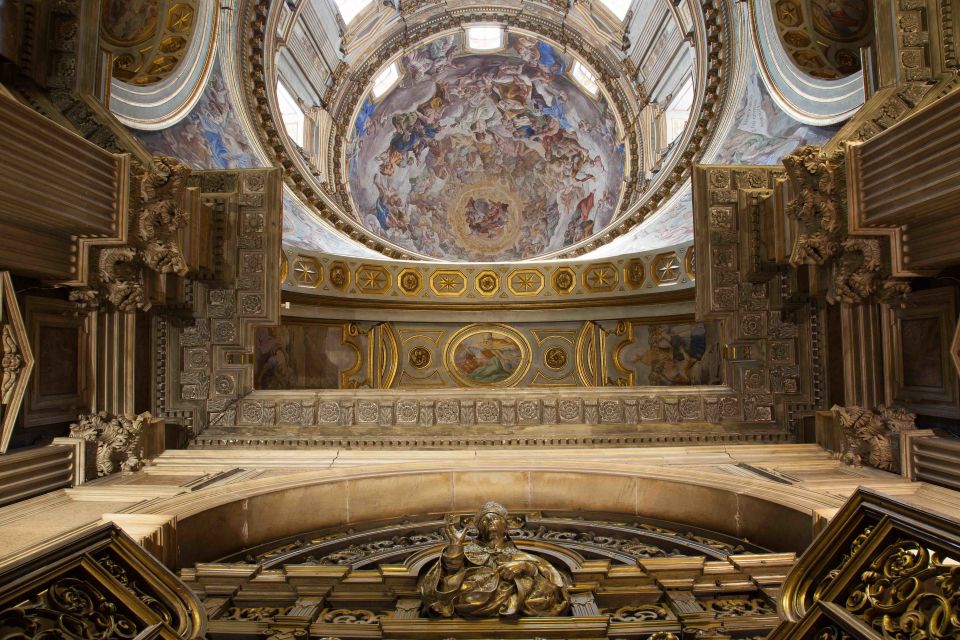
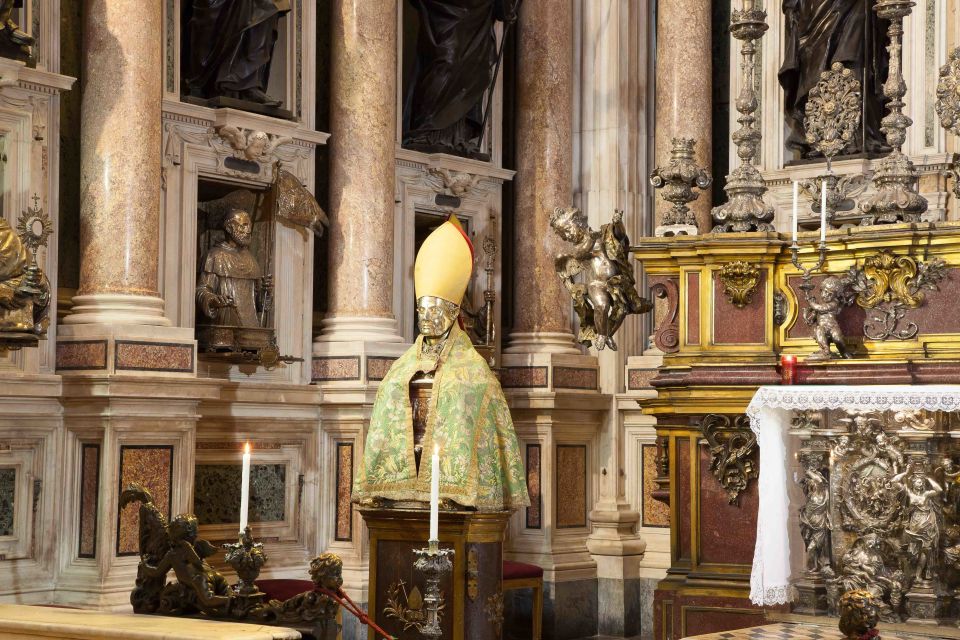
After the Treasure Museum, you move into the Cappella del Tesoro, a symbolic place inside the Cathedral of Naples. This is where the experience becomes more emotional and more architectural. The chapel is described as a true jewel of Baroque art and architecture, and it contains major expressions of art from between the 16th and 17th centuries.
Here’s the practical takeaway: the Baroque style isn’t just decoration. It’s designed to feel powerful—dramatic forms, strong visual focus, and lots of details that reward slower looking. If you rush, you’ll miss the point. If you pause, you’ll feel why the space has such pull for believers.
Two tips that help a lot:
- Dress correctly before you head in. Access to the Basilica is only permitted if you’re wearing suitable attire—no shorts, vests, or sleeveless tops. If you’re traveling in warm weather, plan your outfit like it matters, because it does.
- Use the audio guide right here. This is the part where the narration helps you read the space instead of just passing through it. Since there’s no live guide included, the audio becomes your best friend.
One more consideration: this is a chapel inside an active religious building. Even with an audio guide, it’s not a place where you want to treat everything like a photo stop only. Keep your pace respectful, and you’ll get more from the artwork.
Filangieri Museum in Palazzo Como: coins, cloth, and a big library
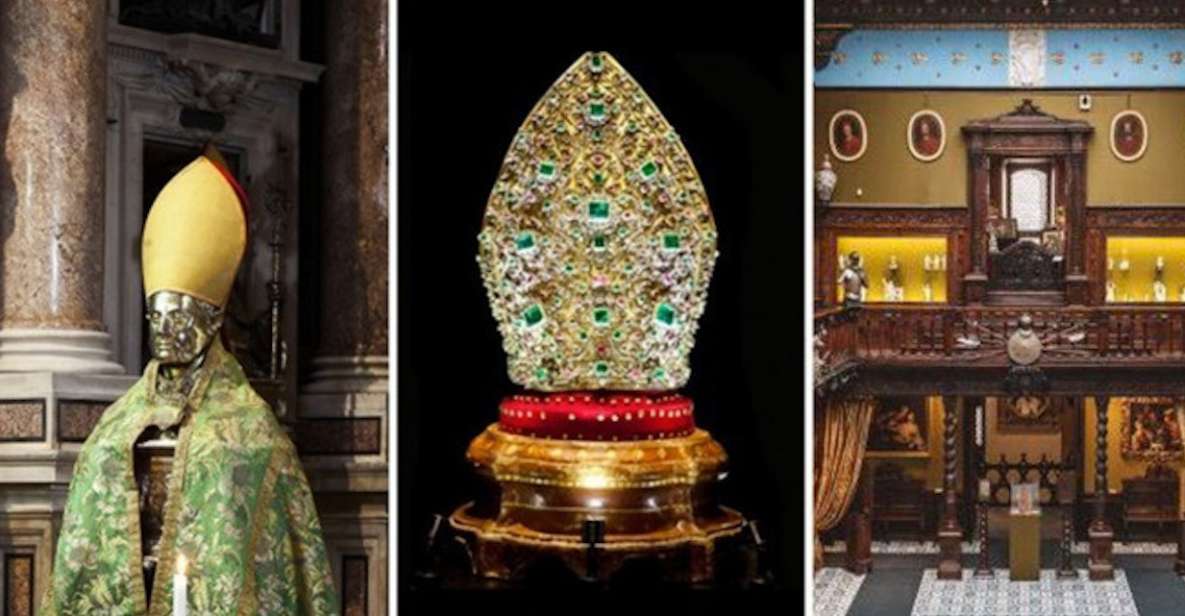
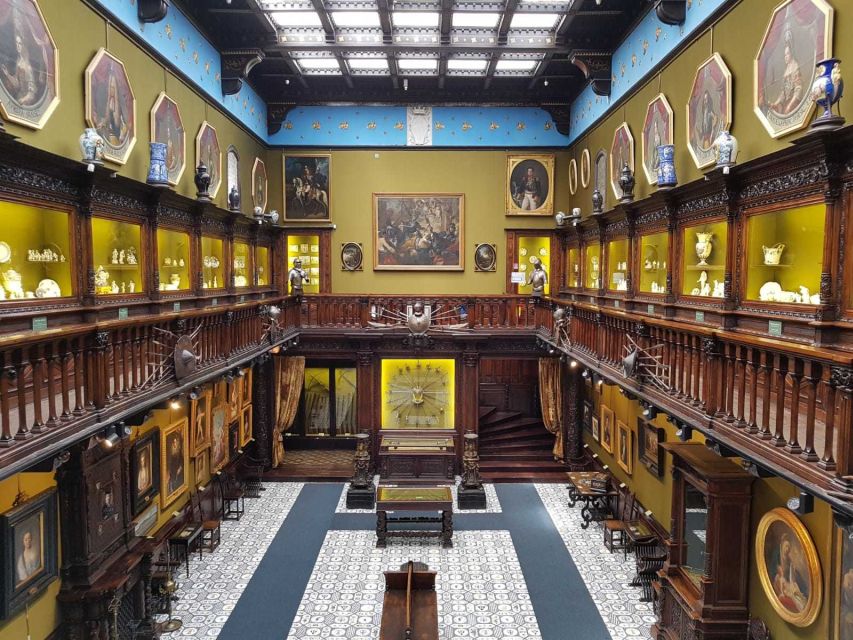
The final stop is the Filangieri Museum in the setting of the reborn Palazzo Como. If the chapel is about sacred drama, the Filangieri Museum is about collecting—how a kingdom’s taste shows up in objects. The museum includes collections of the greatest masters connected to the Neapolitan kingdom, along with items that move beyond paintings into everyday prestige.
You’ll see categories like:
- coins and medals
- precious fabrics, including eighteenth-century clothing
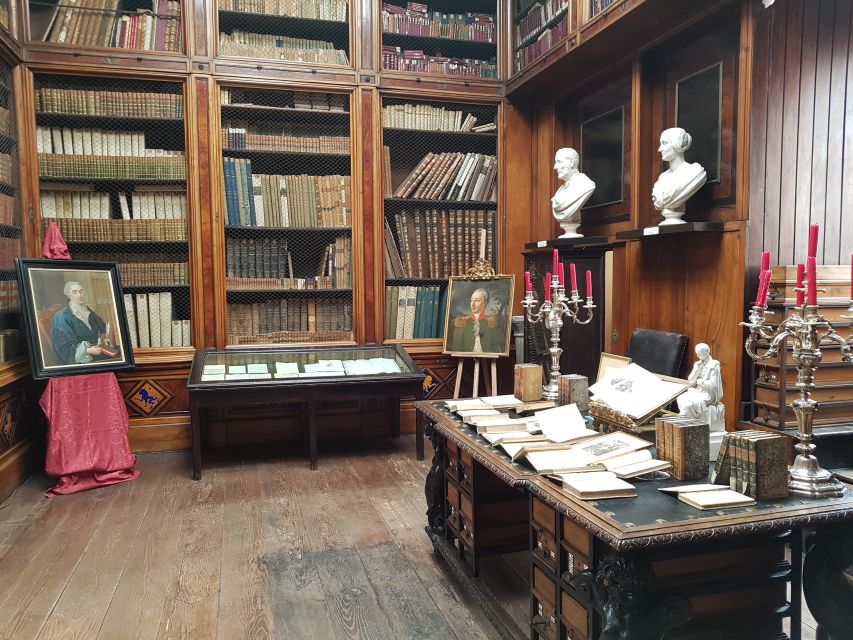
- a library with 30,000 volumes
That mix is a big part of the value for you if you like art history but don’t want only ceilings and altarpieces. Fabrics and material objects can tell you a lot about status, trade, and taste. And the library number—30,000 volumes—gives you a sense of how serious the collection is, not just a quick room with a few highlights.
Audio guide note: the audio guide is included, but for the Filangieri Museum it’s marked as available shortly. Translation: when you go, don’t assume every language will be ready instantly. If you’re counting on the audio for Filangieri, it’s smart to be flexible and ready to enjoy it even without perfect narration.
A real-world watch-out: the Filangieri stop can be affected by a private event, which can limit access. If you’re traveling on a tight schedule and you care strongly about finishing all three stops, ask on-site about opening status when you arrive or when you transition to Filangieri.
How the included audio guide really affects your 2.5 hours
This ticket is built around entry plus an audio guide, not a guided talk. That can be great—more control, fewer interruptions—but it also explains why the experience can feel longer or shorter depending on how you travel.
At its best, the audio guide lets you:
- start with the Treasure Museum’s context
- focus your attention in the chapel
- connect what you saw to themes in Filangieri
At its weakest, you might finish sooner than expected if you move quickly or if you can’t use the audio smoothly in your preferred language. Since the Filangieri audio is noted as available shortly, you might spend extra time reading signs instead.
Also, there isn’t a tour guide included. If you run into a question—about entry, access, or where to go next—support comes from the ticket office and museum staff. One practical move: come with simple questions and have your language plan ready. If you only speak English, don’t count on staff to handle complex back-and-forth.
Price and value: $20 for three major spaces
For $20 per person, you’re paying for more than one museum stop. You’re essentially bundling entry to:
- the Museum of the Treasure of San Gennaro
- the Cappella del Tesoro (included as free admission to the chapel)
- the Filangieri Palace/Museum space
That kind of package matters in Naples. Entry fees add up fast, and the locations are close enough that you’re not paying your time in transit. You’re also getting a multi-language audio guide for the museum and chapel, which turns the ticket into an actual experience rather than just a key card.
Now the balanced part: if the Filangieri Museum is limited due to a private event, or if you find that you prefer a live explainer, the value can feel less satisfying than you expected. The core strength is the integrated, audio-based route. If you want interaction and answer-any-question clarity, this format isn’t designed for that.

Who should book this San Gennaro + Filangieri ticket
I think this ticket fits best if you’re one of these travelers:
- You love art and want it connected to real local devotion
- You like museums where objects explain culture, not just famous names
- You want a self-paced plan that you can manage in about 2.5 hours
- You plan to wear proper attire for a church interior
It’s not ideal if:
- you need a tour guide to manage the experience for you
- you rely on mobility access (the experience is not suitable for people with mobility impairments, based on the provided information)
- you want a guaranteed Filangieri museum experience at the exact time you arrive (private events can affect access)
Practical tips that prevent the common mistakes
A few small details can make this run smoothly.
Bring the right ID for the audio guide deposit. A valid ID is required as a deposit to borrow the audio guide. Photocopies and student IDs aren’t accepted. Bring your passport or government-issued ID card.
Dress for Basilica access. No shorts, no vests, no sleeveless tops. It’s not just about comfort; it’s the rule for entry.
Plan your pace like a museum day, not a sprint. The ticket is set for about 2.5 hours. If you want more quiet looking time in the chapel, give yourself extra buffer and don’t schedule a late meal directly after.
Know what the ticket does and doesn’t include. Audio guide and admissions are included. A tour guide is not included, so you’re responsible for following the audio route and signage.
If you care about Filangieri, ask about access. If there’s any doubt, confirm on arrival that the Filangieri portion is open during your visit window.
Also, if your plans shift, the ticket offers free cancellation up to 24 hours in advance and reserve-and-pay-later flexibility. That’s helpful when you’re juggling Naples weather or matching museum time with other timed entry.
Should you book this experience?
Book it if you want a thoughtful Naples route that connects devotion, Baroque art, and material culture in one ticket. The value is strongest for you if you’ll actually use the audio guide in the chapel and treasure museum, and if you appreciate the way San Gennaro’s story is carried by objects over centuries.
I’d hesitate if you need a live guide for Q&A, if you’re tightly time-boxed and hate any chance of the Filangieri stop being affected by private access, or if mobility is an issue. With the right expectations—and the right clothes—you’ll likely walk away with a much clearer picture of why San Gennaro is more than a name on a church door.
FAQ
What does the integrated ticket include?
It includes an audio guide for the Museum and the Chapel of San Gennaro, free admission to the San Gennaro Chapel, entry into the San Gennaro Treasure Museum, and entry into the Filangieri Palace.
How long does the experience take?
The duration is 2.5 hours.
Where is the meeting point?
The meeting point is the ticket office at the San Gennaro Treasure Museum.
Which languages are available on the audio guide?
The audio guide is available in Italian, English, Spanish, French, German for the museum and chapel. For the Filangieri Museum, the audio guide will be available shortly.
What attire do I need for the Basilica?
Access to the Basilica requires suitable attire. Shorts, vests, or sleeveless tops are not permitted.
What ID do I need to borrow the audio guide?
You need a valid ID as a deposit to borrow the audio guide. Photocopies and student IDs aren’t accepted.
Is this experience suitable for people with mobility impairments?
No, it is not suitable for people with mobility impairments.