REVIEW · NAPLES
Naples: LAPIS Museum Guided Visit in Italian
Book on GetYourGuide →Operated by Campania Overland · Bookable on GetYourGuide
A city reveals itself best underground. Naples’ LAPIS Museum tour takes you beneath the Basilica of Pietrasanta to see revived Greco-Roman water engineering, lit up so you can actually read the space. I like how the visit turns the idea of Roman infrastructure into something you can walk through, not just stare at. I also really enjoy the small-group feel, because you spend more time looking and asking and less time waiting. One thing to consider: this is not wheelchair-friendly, and the underground setup isn’t built for limited mobility.
For 75 minutes, you follow a guided route through ancient cisterns, the museum’s hydraulic displays, and a striking section called the Submerged Decumanus. You’ll also ride an archaeological lift down to 35 meters, which is fast, practical, and honestly a little mind-bending if you like engineering stories. At $15 per person, it’s an efficient way to get a very Naples-specific experience without burning half a day.
In This Review
- Key things to know before you go
- Naples’ water story, told under the Basilica of Pietrasanta
- Where the tour starts: Naples below the Basilica’s basement
- Museo dell’Acqua di Napoli: the Greco-Roman cisterns you can actually see
- The Submerged Decumanus walkway and the lighting that explains the space
- The archaeological lift down to 35 meters: fast, practical, unforgettable
- Pace, group size, and what the 75 minutes really feels like
- Price and value: what $15 buys in Naples
- Who should book this LAPIS Museum visit
- My take: should you book it?
- FAQ
- Where is the LAPIS Museum tour located
- How long is the guided visit
- What does the ticket include
- What group size should I expect
- What language is the tour
- Is it wheelchair accessible or suitable for mobility impairments
- Can I cancel for a full refund
- Can I book without paying right away
- How far in advance can I book
- What are the main things you’ll see
Key things to know before you go
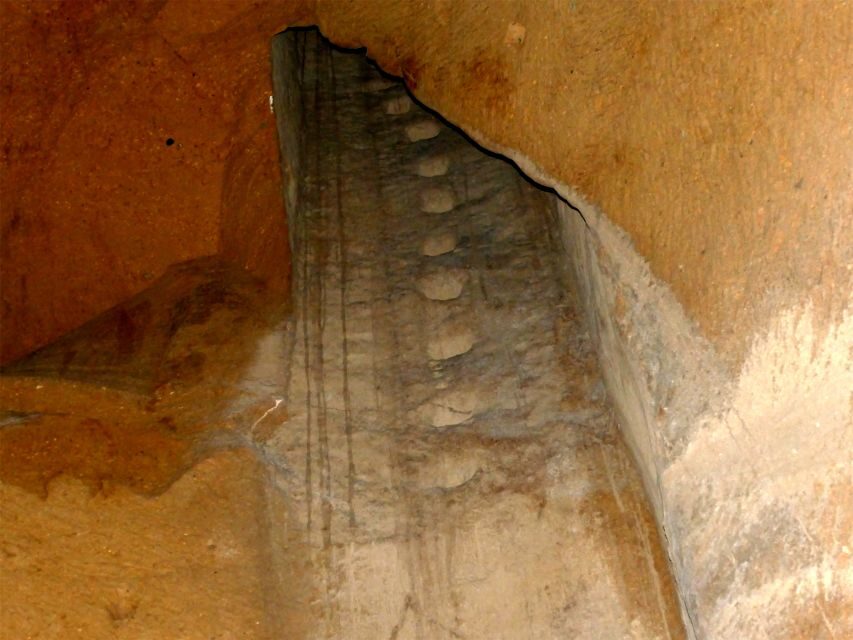
- 35 meters down in an archaeological lift that connects the crypt with the subsoil in about 20 seconds
- Greco-Roman cisterns brought back into operation through a hydraulic engineering project
- The Submerged Decumanus underground path, enhanced by technical lighting on vaults and volumes
- Basilica of Pietrasanta setting, tied to Cosimo Fanzago and built on older sacred remains
- Small group limit of 10, with an Italian-speaking guide and plenty of time for questions
Naples’ water story, told under the Basilica of Pietrasanta
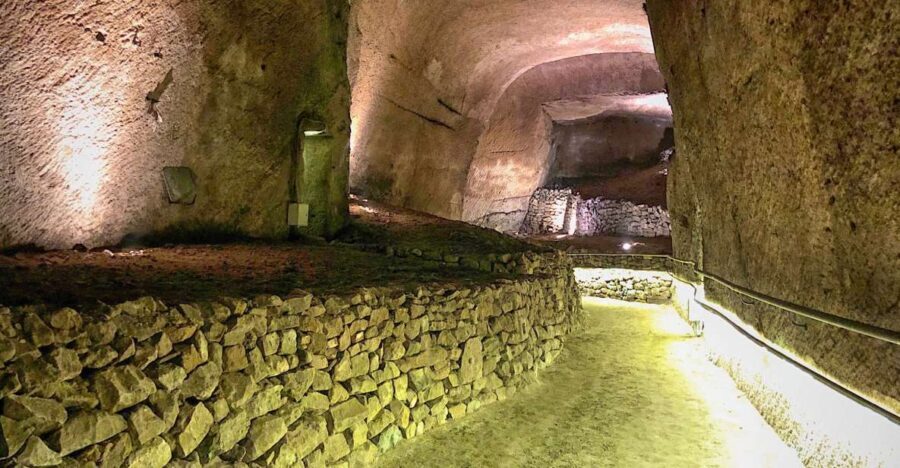
This tour is for people who like Naples beyond the postcard stuff. The focus here is water—how it was collected, stored, and managed long before modern plumbing. The LAPIS Museum (Museo dell’Acqua) sits inside the Basilica of Pietrasanta, and the main attraction is what happens underground once the lights come on.
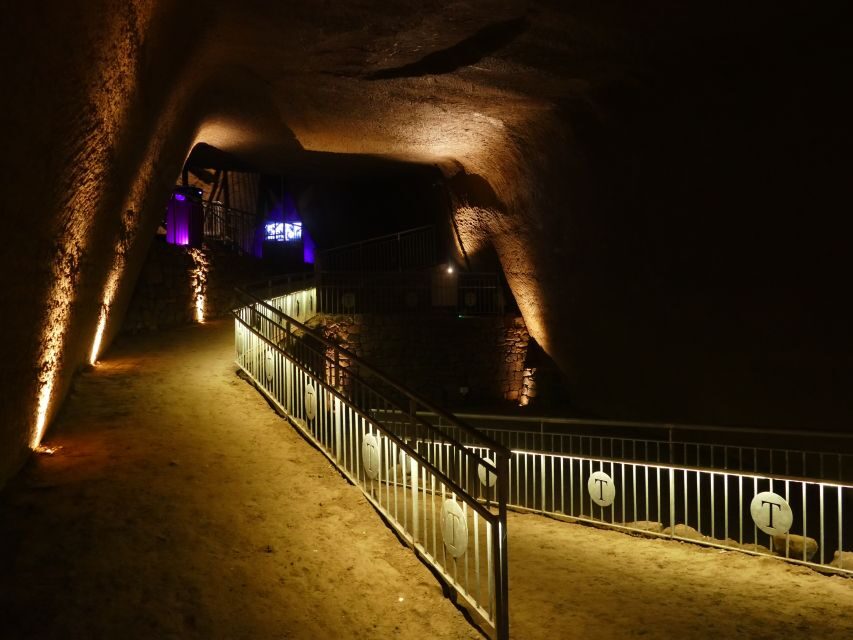
What makes it interesting is the way the space is presented. You’re not just seeing old stones; you’re seeing a living system concept: runoffs and water find their way through the historic cisterns, and the museum’s lighting helps you understand shapes and scale. That lighting matters. In a basement or crypt, shadows can flatten everything. Here, the technical illumination is designed to make the vaults and volumes readable.
It also connects layers of time. The basilica area was built in the mid-1600s by Cosimo Fanzago, and it sits on remains of an ancient Temple dedicated to Diana. So even when you’re standing in a guided “museum route,” you’re still in a religious site with a long timeline.
You can also read our reviews of more guided tours in Naples
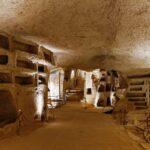


Where the tour starts: Naples below the Basilica’s basement
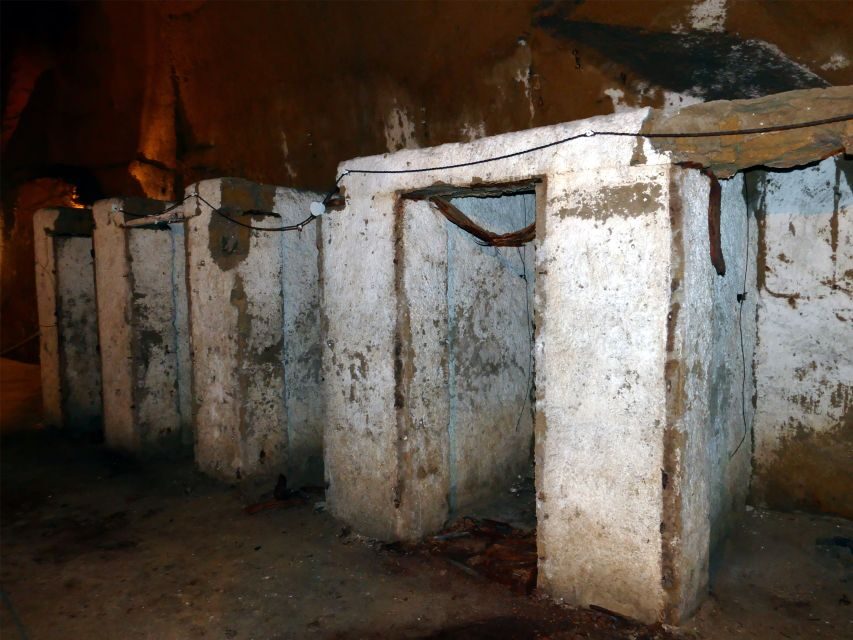
The experience begins in the area that functions like a hub for the underground route. Think of it as the staging point where you get oriented before descending into the deeper levels. From there, you move through the underground path of the Basilica of Pietrasanta, where the museum has created a guided walk through historical hydraulic spaces.
I like this kind of start because it sets expectations quickly. You get to understand what you’re looking at—cisterns, vaults, water circulation—before you go deeper and the scale changes. That’s also how you avoid the common underground-tour problem: arriving at the coolest part already confused.
The tour is guided in Italian and runs for 75 minutes, so you’ll likely feel the pacing keeps things clear. And because the group is capped at 10, the guide can adjust if people have questions or if some viewers need a bit more time to understand the lighting effect and the engineering logic.
Museo dell’Acqua di Napoli: the Greco-Roman cisterns you can actually see
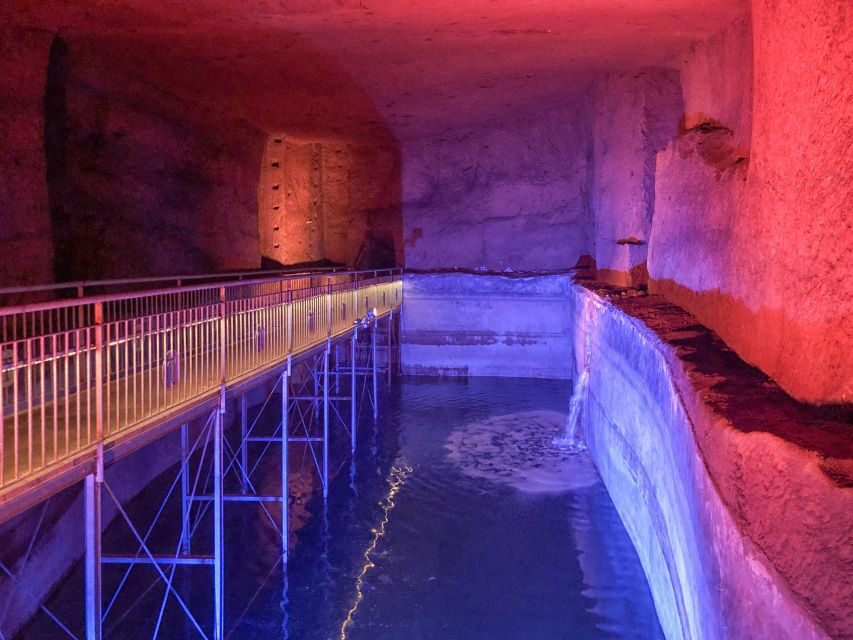
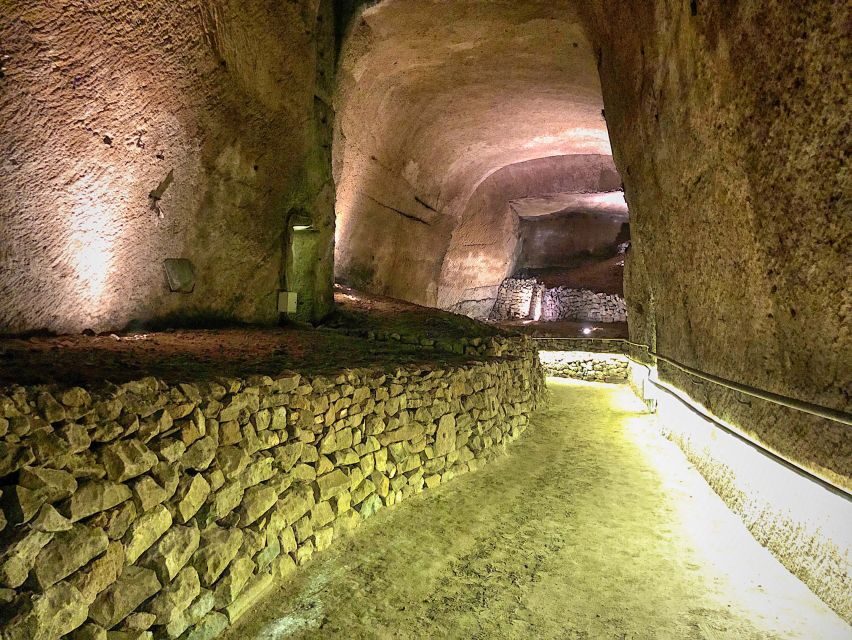
The heart of the visit is the Museo dell’Acqua di Napoli section, where you’ll encounter ancient storage and hydraulic architecture that’s been brought back into use. The cisterns were originally Greco-Roman, and the project revives their function—so the museum experience isn’t only about displaying objects. It’s about restoring how these structures relate to water.
This is one of the tour’s most praised elements, mainly because it changes how you see Naples. In a short window, you learn that the city’s survival and growth depended on water systems. That’s not a dry lecture, either. The site is built to show you forms: compartments, vaults, and passageways, with light designed to highlight the structures rather than hide them.
If you enjoy architectural details, you’ll appreciate that the museum emphasizes the volume of the underground spaces. If you don’t, you might still enjoy the human side of it: imagine trying to manage water in a dense historic center with limited room and constant practical needs. This tour turns that challenge into something tangible.
The Submerged Decumanus walkway and the lighting that explains the space
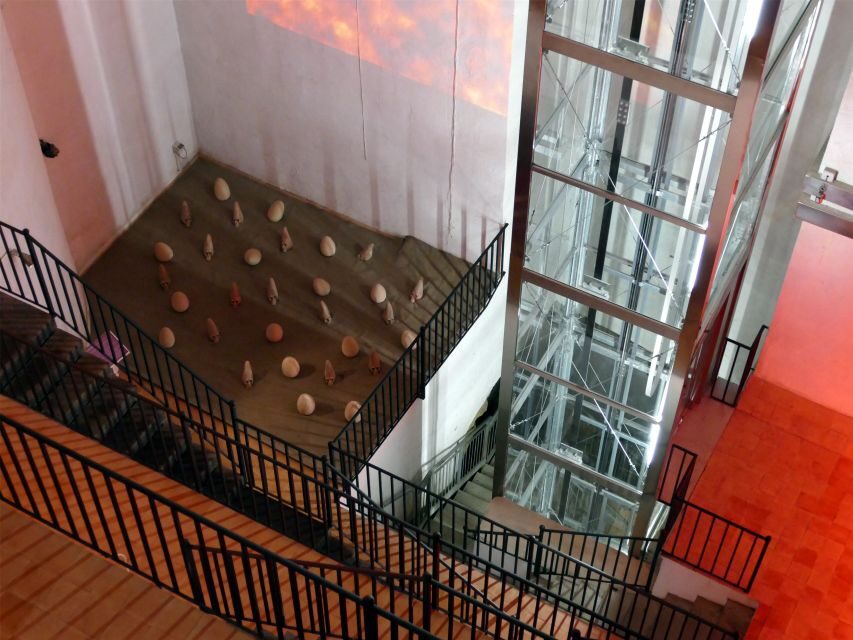
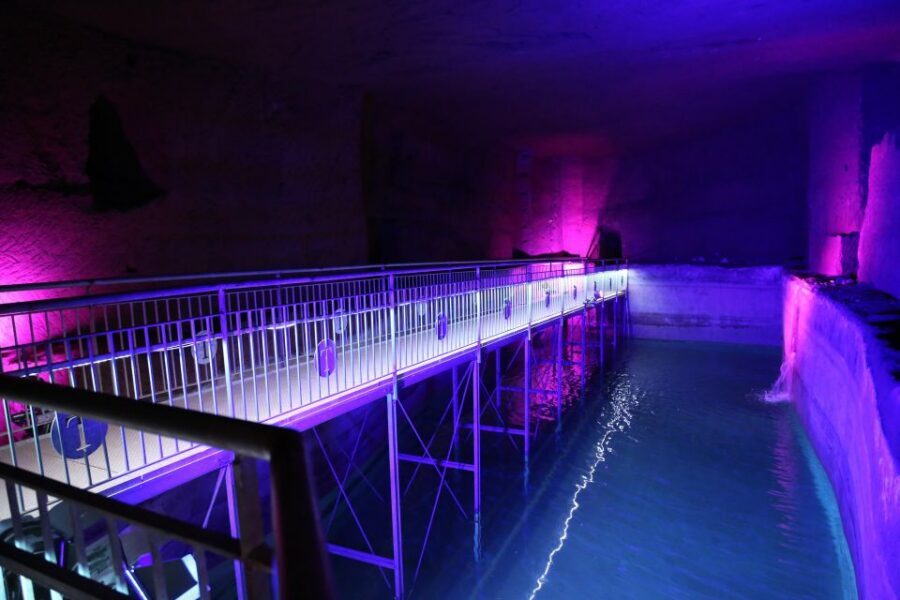
One of the tour’s standout features is a specific underground route called the Submerged Decumanus. The name might sound academic, but what matters to you is the effect: you walk through a designed path where the cistern environment is presented with technical lighting.
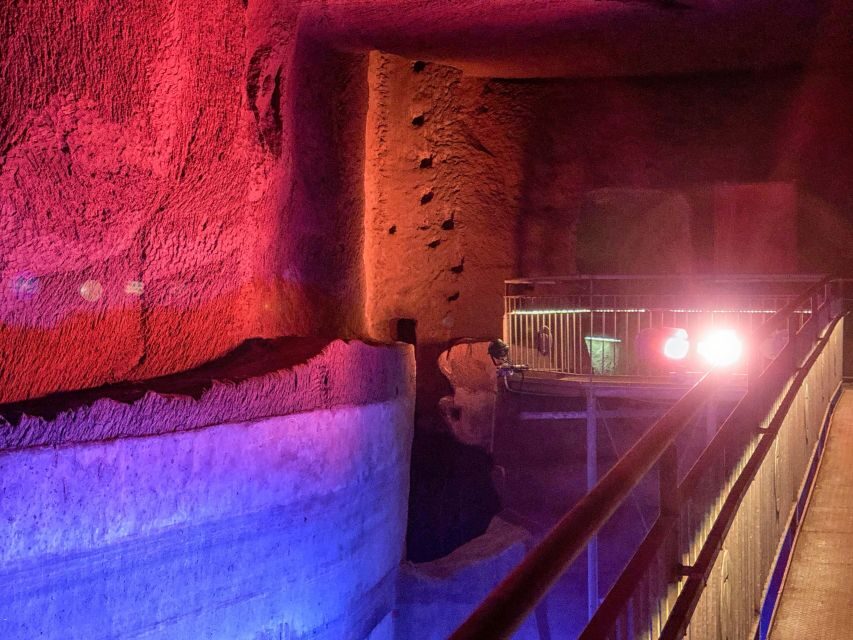
The museum lighting highlights vaults and volumes using lights and colors. Translation: the architecture isn’t just “there.” It becomes legible. You can follow the shapes, spot how the space curves, and understand where you are in relation to the cistern system. It’s especially helpful underground, where darkness normally flattens everything.
A nice touch: the visual design makes the place feel cinematic without turning it into a theme park. I find that balance rare. You’re still in a serious archaeological and hydraulic setting, but you’re guided to see it the right way.
And the best part? Because this is a guided visit, you’re not left to guess. The guide can point out what to notice and why it mattered.
The archaeological lift down to 35 meters: fast, practical, unforgettable
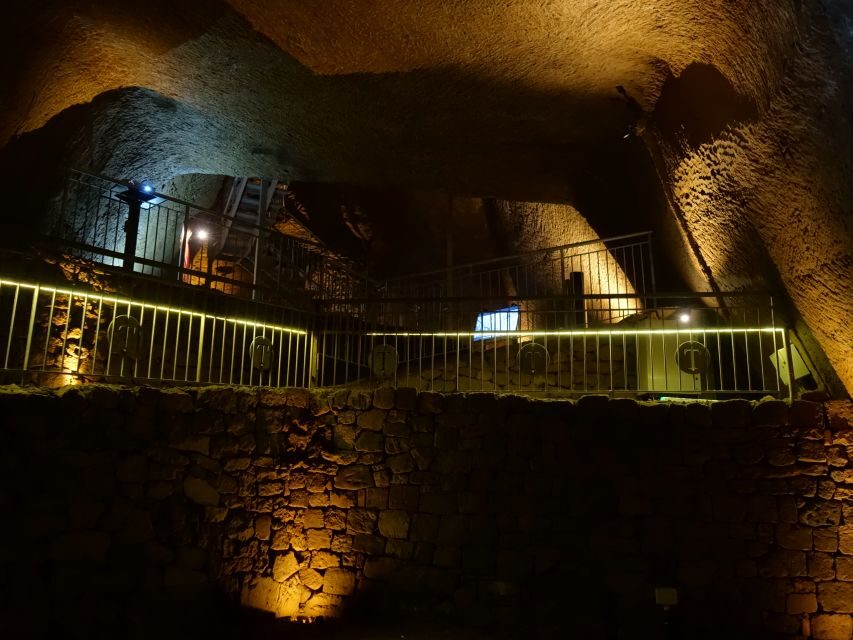
You’re not just walking down into the crypt. A major feature of the tour is the archaeological lift that connects the crypt environment with the subsoil 35 meters below. The description says it takes about 20 seconds, which is a clever way to compress a potentially long vertical journey into a short, controlled experience.
I like this because it changes the tour from an all-walking crawl into a more thoughtful timeline. You get the shock of going far underground quickly, then you settle into the museum route and start absorbing details. It also helps people keep their energy—75 minutes is long enough for a full story, but you don’t want to spend the whole time wrestling stairs.
This lift is described as the first archaeological lift in the historic center, installed to help connect different levels of the site. Even if you’re not obsessed with engineering, you’ll feel the purpose: it’s built to respect the archaeology while still giving you access.
You can also read our reviews of more museum experiences in Naples






Pace, group size, and what the 75 minutes really feels like
At 75 minutes total, this is a compact outing. You’re not signing up for a slow half-day with long waits between stops. Instead, you’re moving through a sequence where each part supports the next: orientation, cistern viewing, museum interpretation, and then the lift-assisted deep-level connection.
The group is limited to 10, which is a big deal underground. Small groups don’t get tangled in narrow spaces, and the guide can keep attention on the key features. Based on how well the tour is organized, it sounds like the staff runs a tight route—an important point in sites like this where timing and crowding can quickly become annoying.
Also, you’ll be in an Italian-speaking tour format. If your Italian is basic, you might still keep up with the visible content and the guide’s direction. But it helps to be comfortable with at least a few practical words about water, cisterns, and architecture.
Price and value: what $15 buys in Naples
$15 for a 75-minute guided visit is strong value for central Naples. You’re paying for three things at once: admission, a live Italian guide, and access to a distinctive underground installation that includes an archaeological lift. Many city attractions charge close to that level for far less access to special spaces.
The real value is that you leave with a different mental map of Naples. You’re not only saying you saw an underground site. You’re understanding how a historic city dealt with water—then you get to walk through the infrastructure and see it lit in a way that supports comprehension.
Add in the small group limit, and it feels like a guided experience rather than a timed entry shuffle. The visit also holds up well as a “one afternoon plan” if your schedule is tight and you want something that feels unmistakably local.
Who should book this LAPIS Museum visit
This tour fits best if you like:
- Underground architecture and restored engineering
- Sites where the lighting helps you understand structure
- Short, guided experiences that don’t drag
It’s also a good pick if you want a Naples experience that’s not just street-level. People who enjoy walking routes through historic spaces tend to love this because it’s literally a guided path inside the site.
One more practical note: it’s not suitable for people with mobility impairments and not for wheelchair users, based on the tour information. If that applies to you, it’s worth looking for an alternate Naples visit that matches your needs.
My take: should you book it?
Yes, I’d book it if you want an efficient, high-impact Naples outing focused on water engineering and underground architecture. The rating shown for the experience is 4.7 out of 5 across 46 reviews, and the feedback pattern points to two clear winners: the organization and the guided storytelling that makes the route feel meaningful rather than just sightseeing. I’d also take seriously the idea of Naples from a different angle—this is that kind of experience.
If you hate dark indoor spaces, long standing still, or you need step-free access, then skip it. But if you like cool environments, clear direction from a guide, and a short trip that pays off fast, LAPIS Museum is a smart use of time in Naples.
FAQ
Where is the LAPIS Museum tour located
It takes place in Naples, Campania, Italy, inside the Basilica of Pietrasanta as part of the LAPIS Museum experience.
How long is the guided visit
The tour duration is 75 minutes.
What does the ticket include
Your ticket includes admission plus an Italian-speaking tour guide.
What group size should I expect
It’s a small group, limited to 10 participants.
What language is the tour
The tour is conducted in Italian.
Is it wheelchair accessible or suitable for mobility impairments
No. The experience is not suitable for people with mobility impairments and not for wheelchair users.
Can I cancel for a full refund
Yes. You can cancel up to 24 hours in advance for a full refund.
Can I book without paying right away
Yes. You can reserve now & pay later, meaning you book your spot and pay nothing today.
How far in advance can I book
You can book the experience no later than 24 hours before your desired visit.
What are the main things you’ll see
You’ll visit the Museo dell’Acqua di Napoli, see Greco-Roman cisterns and the Submerged Decumanus underground path, and ride the archaeological lift down to 35 meters.