REVIEW · HOP-ON HOP-OFF TOURS
I Love Rome : Hop on Hop off Open Bus Tour
Book on Viator →Operated by Gray Line I Love Rome by Carrani Tours · Bookable on Viator
Rome moves fast. This bus helps you keep up.
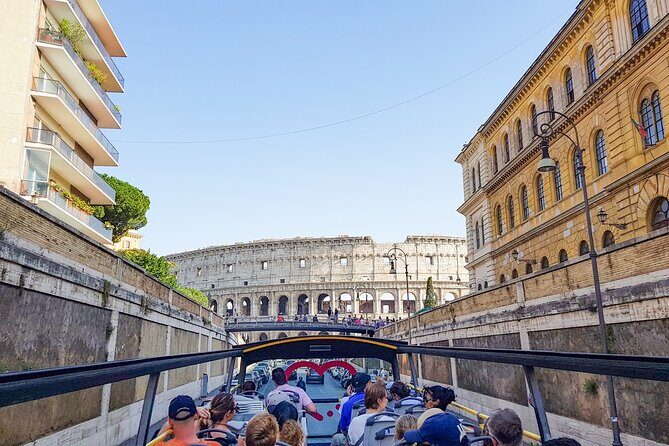
It’s a hop-on hop-off ride built for getting your bearings quickly, with audio headsets that talk while you pass the big sights. You can board at multiple marked stops and get off when you want to walk, then reboard later.
I especially like two things. First, the route puts you close to classic first-time targets like St. Mary Major and the Circo Massimo/Bocca della Verità area. Second, the narration is practical: you hear what you’re seeing through headphones in 12 languages, plus you get a map that follows the panoramic route.
One drawback to plan for: Stop 1 (near Termini) can be harder to spot than you’d expect, and that first pickup may take longer on busy days or when construction shifts the area around you.
In This Review
- Key highlights to know before you ride
- Getting oriented fast: where this bus fits in your Rome day
- Ticket value: why $21.12 can work (if you use it right)
- Route reality check: eight stops, one big closure, and lots of walking options
- Stop 1: Via Giovanni Giolitti 32 (near Termini)
- Stop 2: Piazza dell’Esquilino, 12 (St. Mary Major)
- Stop 3: Giardino degli Aranci (Circo Massimo)
- Stop 4: Via del Circo Massimo (Circo Massimo – Bocca della Verità)
- Stop 5: Via del Teatro di Marcello, 2 (Piazza Venezia – Roman Forum)
- Stop 6: Lungotevere Tor di Nona, 7 (Vatican City & Sistine Chapel area)
- Stop 7: Via Ludovisi, 73 (Spanish Steps – shopping area)
- Stop 8: Via Barberini, 12 (Barberini & Trevi Fountain)
- On-board audio and Wi‑Fi: the difference between fun and fuzzy
- Buses, doors, and crowds: what can affect your comfort
- Practical tips for each phase of your ride
- Before you board
- When you hop back on
- When you choose your gets-off
- Who this hop-on hop-off bus is best for
- Should you book the I Love Rome Hop on Hop off Open Bus?
- FAQ
- How long is the hop-on hop-off bus tour in Rome?
- Where is the first bus stop located?
- Which sights are on the route?
- What’s included with my ticket?
- What isn’t included?
- Does the bus run every day, and what are the hours?
- Do I have to present something when I reboard?
- Is cancellation free?
Key highlights to know before you ride
- Termini-area start point means an easy beginning if you’re arriving by train
- 12-language audio headsets make the ride useful, not just scenic
- Eight stop locations cover the Vatican, Spanish Steps, Trevi area, and central Roman sights
- Hop-on, hop-off pacing lets you trade bus time for walking time
- Wi‑Fi on board helps you check maps and routes as you go
- Colosseum Archeological Area stop is closed, so don’t plan on this exact Colosseum drop-off
Getting oriented fast: where this bus fits in your Rome day
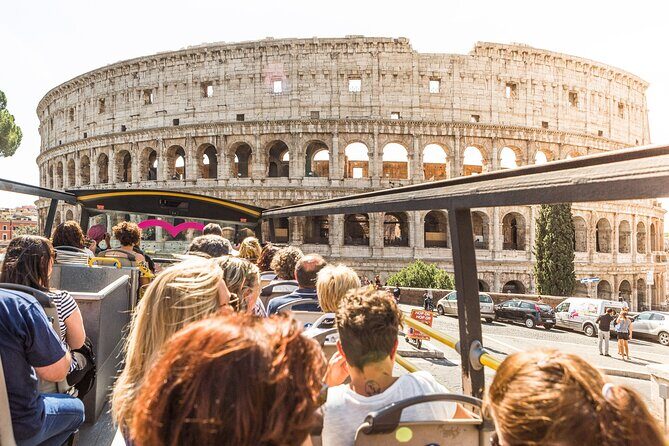
If Rome is your first stop (or your first few days), you’ll feel it right away: the streets twist, the sights are scattered, and you can lose half a day just figuring out routes. This open bus hop-on hop-off format is made to solve that problem.
You’re not paying for museum entry or a guided walk-through. You’re paying for a ride that drops you near major landmarks and keeps you moving without constant taxi-hopping. The “about 2 hours” timing is a helpful anchor, but the real value is that you can stretch the day by getting off and reboarding.
It also helps that the bus runs every day, so you’re not gambling on a single schedule. And yes, it’s a panoramic-style route, so you’re seeing Rome from the outside, not tucked into traffic on side streets.
You can also read our reviews of more tours and experiences in Rome.



Ticket value: why $21.12 can work (if you use it right)

The listed price is $21.12 per person, and that’s only a good deal if you treat it like transportation plus a guided overview. The tour includes audio headsets, a hop-on hop-off map, and Wi‑Fi available on board. You’ll also get commentary through the headphones with 12 languages—handy when you want context without stopping every two minutes.
Where you can feel the cost mismatch is when you expect the bus to replace paid attractions. It doesn’t include admission to museums and monuments. So you’ll still need tickets if you want to enter places like the Vatican sites or whatever you’re planning beyond quick views.
The “multi-use” angle is key. This is sold as hop-on hop-off multiple use tickets (except 1 Run). In plain terms: if you buy a longer-duration option, you can keep using the bus to bounce between areas rather than committing to a single nonstop route.
Route reality check: eight stops, one big closure, and lots of walking options
The route is built around named stops you can hop to on your schedule. Here’s what those stops mean for your day, and where you’ll likely spend your time once you get off.
Stop 1: Via Giovanni Giolitti 32 (near Termini)
This is your starting point by the train hub, and that matters. Termini is one of the easiest places to connect into Rome, so starting here keeps things simple if you’re not staying near the historic center.
That said, Stop 1 is also where you need to be alert. Some rides start smoothly, but others have reported delays and difficulty finding the correct pickup point—especially when construction changes what you see on the street. My practical advice: arrive with a buffer, have the address saved, and don’t assume the crowd will automatically point you to the right bus.
Stop 2: Piazza dell’Esquilino, 12 (St. Mary Major)
From Termini, you’ll drift toward one of Rome’s most famous churches. St. Mary Major is a common “yes, you should go in” stop because it’s prominent and easy to reach from central Rome once you’re dropped here.
Plan for it as a half-stop: you’ll likely get off, walk up, and spend time inside if it’s open for visits. Admission isn’t included, so treat this as the place where you pay attention to posted hours and any ticket rules.



Stop 3: Giardino degli Aranci (Circo Massimo)
This stop is practical because it combines two things you can use right away: a viewpoint area and the broader Circo Massimo zone. “Giardino degli Aranci” basically signals a lookout area, so you can catch city views and reset your mental map before you move closer to the center.
If you like archaeology-lite sightseeing (ruins you can walk around) more than strict museum time, this stop is a good trade. It’s also a nice break point if you’ve been walking since morning and want the bus to carry you between clusters.
Stop 4: Via del Circo Massimo (Circo Massimo – Bocca della Verità)
This is the stop that makes people smile. You’re in the orbit of Bocca della Verità, the famous stone face you’ve likely seen in photos and stories. Even if you don’t plan a long visit, the area is worth dropping at because it’s tied to a very specific Rome moment.
One consideration: the “you can do it fast” mindset doesn’t always work in Rome. Expect some walking and possible lines or crowding depending on the day. Your advantage is that you’re not rushing to a strict tour group; you’re hopping on and off.
Stop 5: Via del Teatro di Marcello, 2 (Piazza Venezia – Roman Forum)
This stop is your bridge to the ancient Rome zone. You’ll be near Piazza Venezia and the Roman Forum area, plus you’re close enough to understand the layout of the ruins once you’re on the ground.
Important heads-up: the Colosseum Archeological Area stop is closed indefinitely. That means you shouldn’t assume you’ll get dropped at the Colosseum itself on the exact stop you want. The Roman Forum drop helps you still orient, but if your heart is set on the Colosseum area, you’ll need a plan for walking or using another transport option from here.
Stop 6: Lungotevere Tor di Nona, 7 (Vatican City & Sistine Chapel area)
This is one of the biggest-ticket stops on the route. You’re getting access to the Vatican City & Sistine Chapel area, described as between via Panico and Via Mastro.
I like this because it keeps you from guessing how to get there when you’re short on time. But you still need to treat the Vatican as its own mission: admissions are not included, and getting in can take time with security checks and visitor flow. Your bus ride is the easy part. Your entrance plan is the important part.
Stop 7: Via Ludovisi, 73 (Spanish Steps – shopping area)
The Spanish Steps area is a classic “you’ll recognize it instantly” zone. This stop is useful if you want to combine sightseeing with wandering shops and side streets.
It’s also a smart reboarding point. If you get off here, you can spend time around the steps and then head back to the bus once you’ve had enough crowds for the day.
Stop 8: Via Barberini, 12 (Barberini & Trevi Fountain)
This is where the bus helps you land near the Trevi area. Trevi Fountain is close enough that you can plan a quick visit for photos and then use the bus again to continue your loop.
If you want a classic Rome evening, this is the stop you’d likely aim for. Just remember: the bus is not a skip-the-line ticket to anything. It’s the fastest way to reach the area and keep moving.
On-board audio and Wi‑Fi: the difference between fun and fuzzy
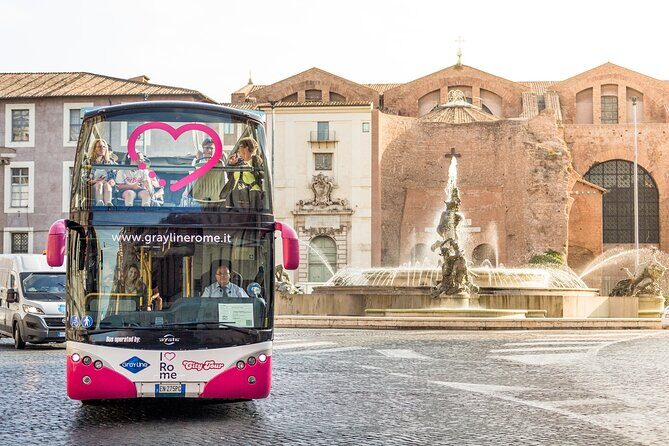
The headphones are a major selling point. You get narration via a headset, and it’s offered in 12 languages. That means you can understand what you’re passing without pulling out your phone every minute.
In the real world, audio quality can vary seat to seat. Some people have had narration that was harder to match to what they could see from where they were sitting. If you notice that, don’t stress. Use two things instead:
- The stop names and the map on board
- The actual landmarks you can see outside
Wi‑Fi available is also useful. You can check your walking route from the stop to your next target, especially if streets are busy or you’re trying to avoid dead-ends.
Buses, doors, and crowds: what can affect your comfort
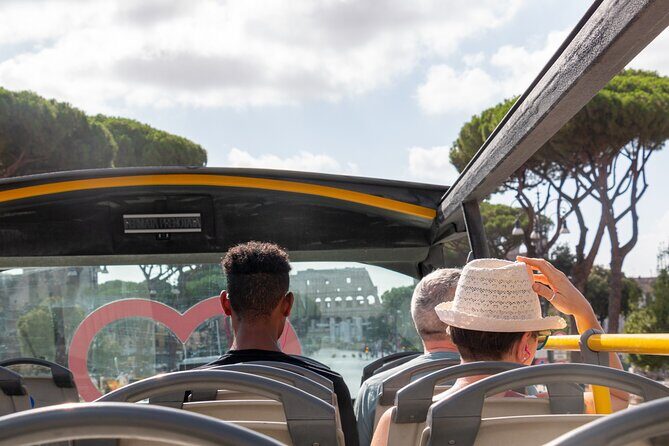
The experience should feel easy—until it doesn’t. A few operational issues have shown up in the day-to-day ride quality.
Some riders reported bus boarding quirks, like a door that didn’t open normally. Others described tight conditions and crowding on peak days (like Sundays). If you’re sensitive to that, go earlier in the day and treat seating as first-come.
If you need wheelchair access, pay extra attention. There are reports of wheelchair spaces being filled with luggage and a broken door preventing boarding for one rider. The tour data itself doesn’t spell out detailed accessibility rules beyond a note about small dogs (only admitted with kennel), so your best move is to plan for a smooth backup option if boarding doesn’t work as expected.
Finally, keep an eye on the schedule. Some people have reported a longer wait at the first pickup, while other stops stayed closer to a 15-minute time frame. Plan your day around Rome’s unpredictability, and you’ll feel less annoyed if delays pop up.
Practical tips for each phase of your ride
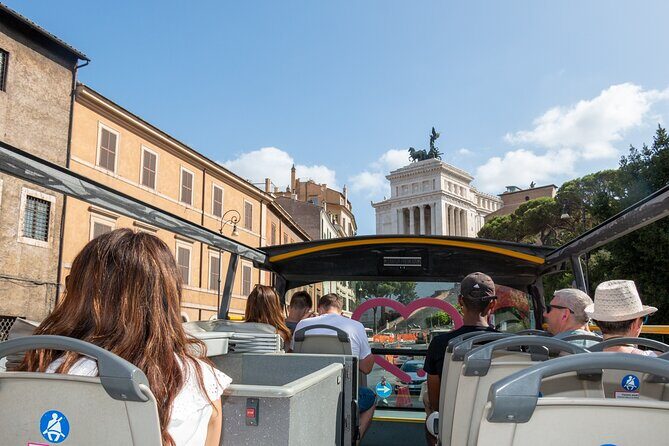
Here’s how to make this bus feel effortless instead of stressful.
Before you board
- Take a screenshot of the Stop 1 address (Via Giovanni Giolitti 32) and keep it ready for your arrival
- Have your mobile ticket accessible, but also be ready to keep any paper slip or ticket you receive
- Bring a little patience for crowds, especially on weekends
When you hop back on
This is one place where small details matter. Some riders have been surprised that they needed to present a specific slip each time they reboard, even after using an app barcode initially. So when you get your ticket, keep it in one place and plan on showing it when you get back on.
When you choose your gets-off
Don’t try to do everything from the bus. Use it like this:
- Use early stops to set your mental map
- Use mid-day stops for one anchor visit (church, Vatican area, or Forum zone)
- Use late-day stops for wandering time (Spanish Steps and Trevi area)
Who this hop-on hop-off bus is best for
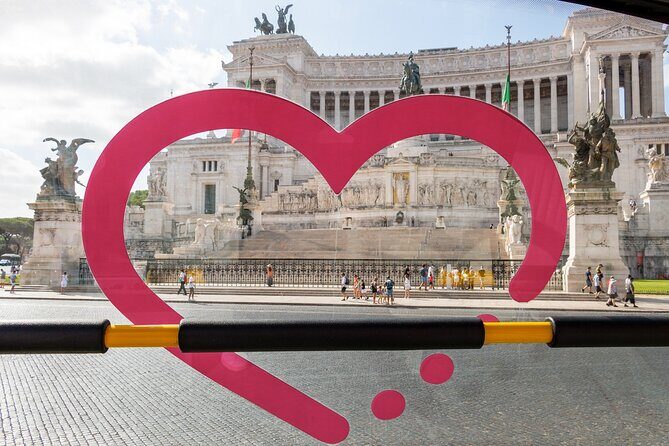
You’ll likely love this if:
- You’re in Rome for the first time and want main landmarks without planning every route
- You want flexibility—walk a lot when you feel like it, then rest on the bus
- You’re traveling with family and need a moving base near central sights
- You want an audio guide in multiple languages without paying for a private guide
You might skip or supplement it if:
- You have a tight plan that depends on a specific Colosseum-area stop (that stop is closed indefinitely)
- You’re expecting included museum entry (admissions are not included)
- You need perfect reliability at every stop, since stop-finding and schedule timing can vary
Should you book the I Love Rome Hop on Hop off Open Bus?
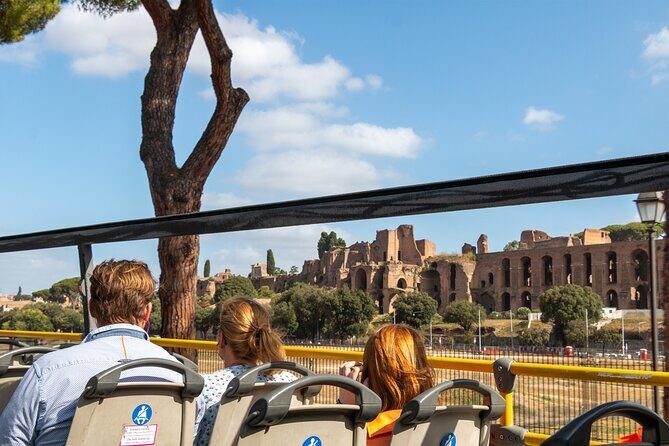
If you want a quick overview that helps you navigate Rome on your terms, this is a solid buy. At $21.12, with audio in 12 languages, a map, and Wi‑Fi, it’s one of the more practical ways to cover a lot of Rome without burning time on transit planning.
Just book with eyes open: Stop 1 can be tricky, crowds happen, and the Colosseum Archeological Area stop won’t be part of your day as hoped. If you’re okay mixing bus riding with targeted walking and you plan around separate admissions, you’ll get real value.
FAQ
How long is the hop-on hop-off bus tour in Rome?
The duration is listed as about 2 hours.
Where is the first bus stop located?
You start at Stop 1 on Via Giovanni Giolitti 32, near Termini Station.
Which sights are on the route?
The route includes areas for the Vatican City and Sistine Chapel, St. Mary Major, Circo Massimo, Bocca della Verità, Piazza Venezia and the Roman Forum area, the Spanish Steps shopping area, and the Trevi Fountain/Barberini area.
What’s included with my ticket?
Included items are a multilingual audio headset, a hop-on hop-off map of Rome showing the Panoramic route, Wi‑Fi available, and interesting commentary through the headphones in 12 languages.
What isn’t included?
Admission to attractions, monuments, and museums is not included.
Does the bus run every day, and what are the hours?
The bus operates every day. From 15 March 2025 to 1 November 2026 it runs 8:30 AM to 6:40 PM, with the last bus at 6:40 PM from Termini Station. From 3 November 2025 to 31 March 2026 it runs 8:30 AM to 5:40 PM, with the last bus at 5:40 PM from Termini Station.
Do I have to present something when I reboard?
You may need to present the ticket slip you receive each time you get back on the bus, not only a barcode from the app.
Is cancellation free?
Yes. You can cancel for a full refund up to 24 hours before the experience start time. If you cancel less than 24 hours before, there is no refund.