REVIEW · ROME
From Rome: Siena & San Gimignano Semiprivate Day Trip
Book on GetYourGuide →Operated by Romaetravel · Bookable on GetYourGuide
Tower views start before lunch.
This semiprivate day trip is a straight shot from Rome into Tuscany’s medieval world. You’ll travel through the Chianti hills by air-conditioned minivan, then spend time in San Gimignano and Siena, both UNESCO World Heritage sites. What makes it especially fun is that it mixes good walking sights with real-world breaks for wine and food tastings, so the day feels full without feeling chaotic.
Two things I really like: first, the chance to taste Vernaccia in San Gimignano, right where the white wine comes from. Second, Siena is all about atmosphere—Piazza del Campo and the view from the Mangia Tower give you that “I get it now” feeling about why people plan entire trips around this town. One possible drawback to plan for: lunch isn’t included, so you’ll want to budget time and money for a meal on your own.
In This Review
- Quick hits you’ll care about
- From Rome hotel pick-up to Tuscan hills
- San Gimignano: medieval towers and a Vernaccia tasting
- A winery stop for Chianti, plus local appetizers
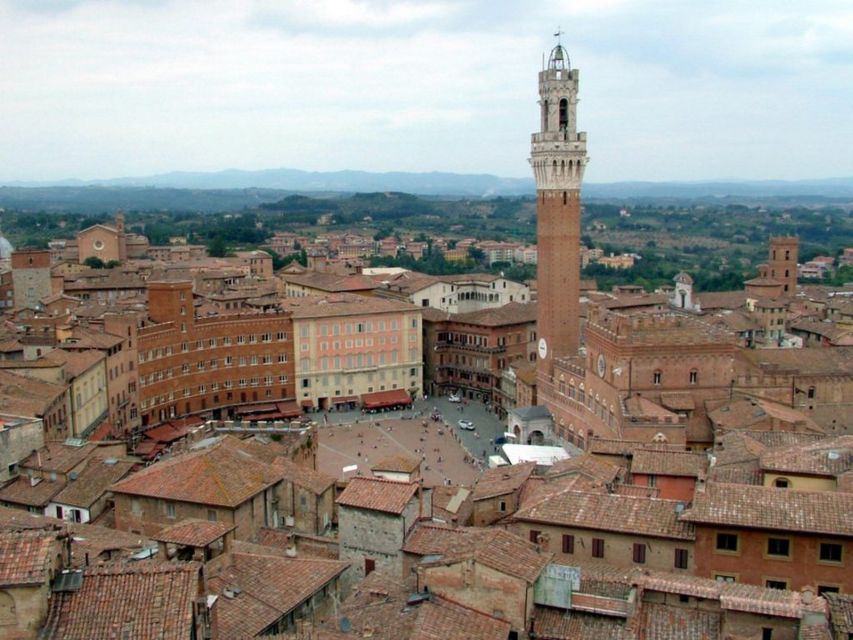
- Siena’s Piazza del Campo and the Mangia Tower views
- How the tastings fit into the day (and what they don’t cover)
- Price and value: is $451.69 worth it?
- Logistics that affect your experience more than you think
- Who should book this semiprivate Siena and San Gimignano day trip
- Should you book the Rome to Siena & San Gimignano day trip?
- FAQ
- How long is the day trip?
- What’s the group size?
- What languages are spoken by the guide?
- Where do I meet the group in Rome?
- What’s included in the price?
- Is lunch included?
- Do I need to pay tips?
- Does weather affect the tour?
- What should I bring?
Quick hits you’ll care about
- Small group capped at 14 means fewer delays and more time to ask questions.
- Vernaccia tasting in San Gimignano connects the wine to the streets you’re standing in.
- Chianti winery stop comes with local appetizers, not just a drink and a shrug.
- Siena highlights are built in: Piazza del Campo, Mangia Tower area, and the cathedral facade.
- Air-conditioned minivan helps a lot on a long Rome-to-Tuscany day.
- Pick-up and drop-off at your hotel inside the Aurelian Walls keeps things simple.
From Rome hotel pick-up to Tuscan hills
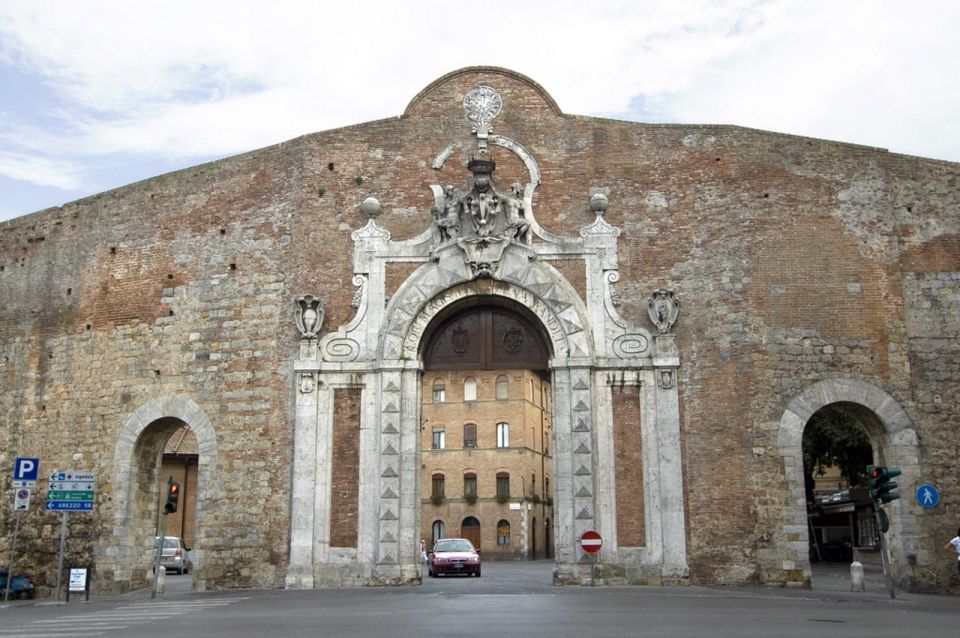
You start from your hotel in Rome inside the Aurelian Walls. That matters more than it sounds. Fewer long transfers at the start means you spend more of the day where the views and walking are. The tour uses an air-conditioned minivan, which is a lifesaver on warm days and still pleasant when you’re covering several towns in one day.
Once you’re moving, you’ll head out through the Tuscan countryside toward the Chianti area. This is one of those trips where the drive is part of the payoff: you’re not just commuting. You get that gradual shift from Roman streets to rolling hills, and by the time you reach the first medieval town, your brain is ready to slow down and look.
Group size stays limited to 14 participants, and you’ll have a live guide (English and Italian). That’s a sweet spot for a day trip. Big tour buses can feel like you’re herded. Smaller groups usually feel more conversational, especially when people ask practical questions about what to see next.
You can also read our reviews of more tours and experiences in Rome.



San Gimignano: medieval towers and a Vernaccia tasting
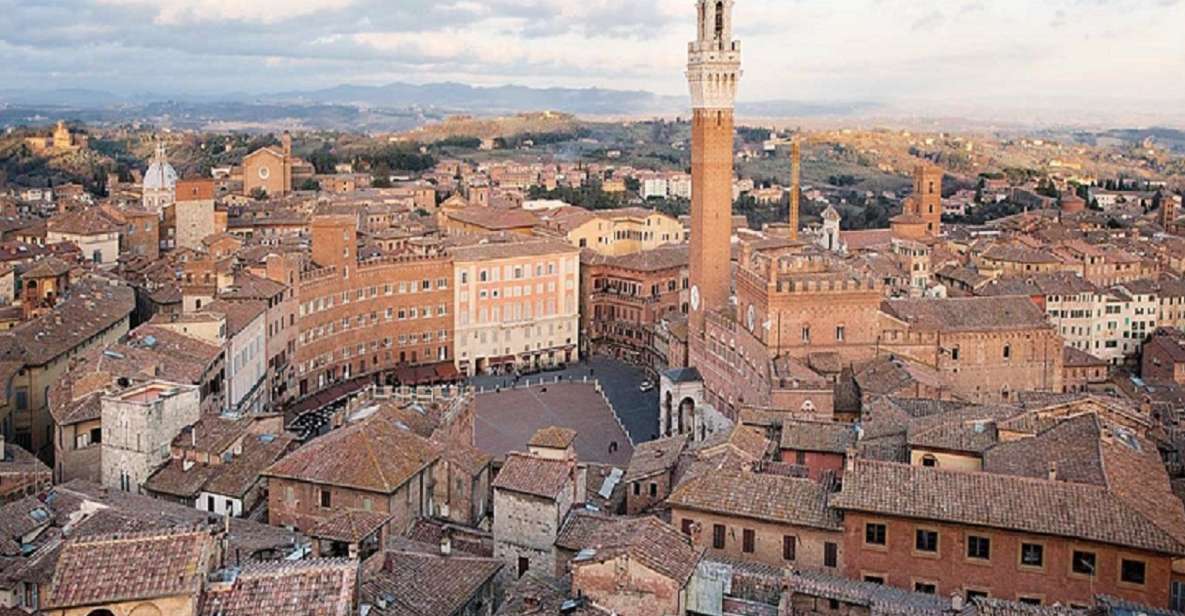
San Gimignano is famous for towers, and seeing them in person is a quick reality check. Photos make it look like a set. Up close, you notice how the towers shape sightlines and how the town hugs its medieval layout. The streets feel compact, and that’s why you’ll do real wandering instead of just quick photo stops.
You arrive in San Gimignano first, and the day is structured so you can enjoy the town before the later walking in Siena. That pacing helps. If you flip the order, your legs can feel heavier by the time you reach Siena. Starting here lets you soak in the best vibe with fresh energy.
Then comes the wine: Vernaccia. The tour includes a tasting of local products, and in San Gimignano that means the town’s world-famous white wine. The practical value of doing it here is simple: you’re tasting a local product in the local context. You’re not sampling wine from a generic shelf somewhere far away—you’re tasting it where the name comes from, with the medieval streets around you.
What to watch for as you walk: the town is made for people who enjoy going at a human pace. You’ll want comfortable shoes. Also, keep your camera handy, but don’t fall into pure snapping mode. Take a few slow minutes at street corners. The tower views are the kind that reward standing still.
A winery stop for Chianti, plus local appetizers
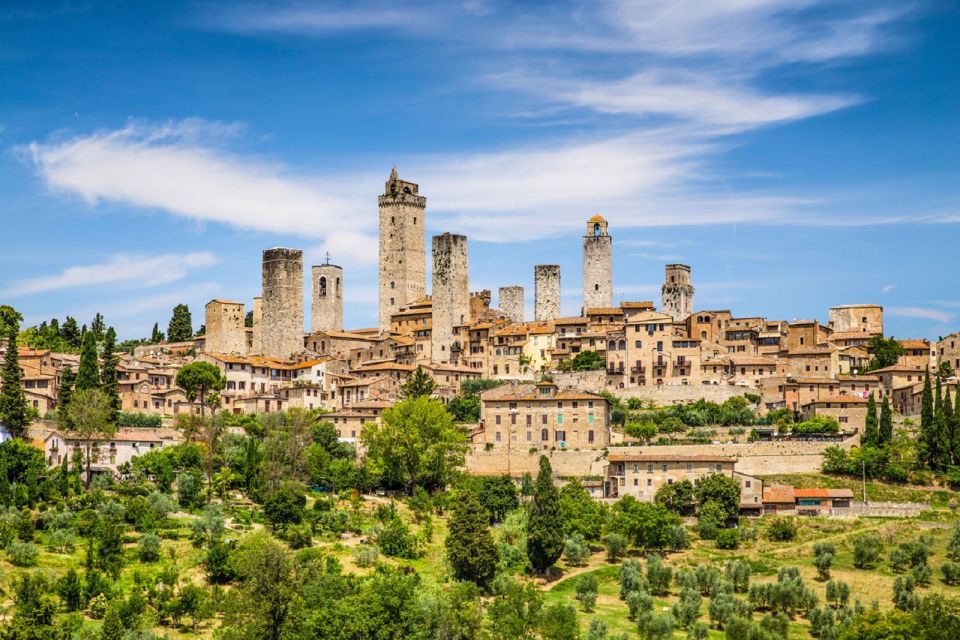
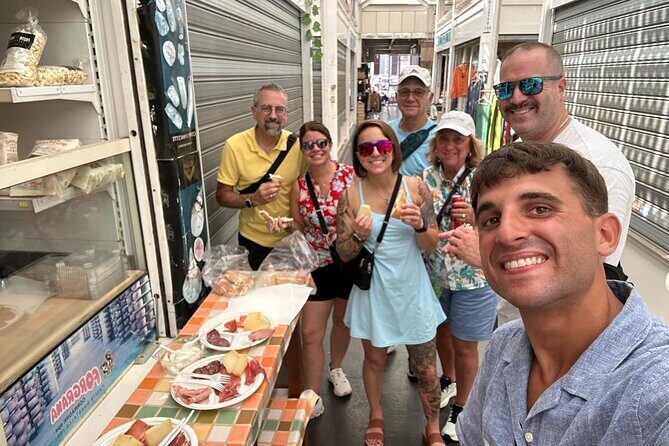
After San Gimignano, the trip moves to a nearby winery stop for a Chianti tasting. This is included in the day, and it’s more than a quick drink. You’ll get local appetizers alongside the wine, which helps you taste better and keeps the day from turning into nonstop walking on an empty stomach.
This part is especially good if you want a Tuscany wine moment without turning your day into a complicated scavenger hunt. A lot of Rome-to-Tuscany visitors try to do this on their own and end up spending time figuring out where to go and how to coordinate schedules. Here, it’s built in.
Practical tip: you’ll likely be standing and moving a bit during tastings, depending on the setting. So treat this like a mini break and a mini lesson. Ask questions if your guide offers them—guides are usually best at explaining what to look for in the glass and how regional wines differ.
Also remember: the tour includes tastings, not a full lunch. When you get to this winery stop, it can feel like the day is giving you a snack. That’s helpful, but you still need to plan your main meal later.
Siena’s Piazza del Campo and the Mangia Tower views
Siena is the kind of place where the main square hits you before you even read the guidebook. Your time in Siena includes a wander through the historic center, built around key landmarks.
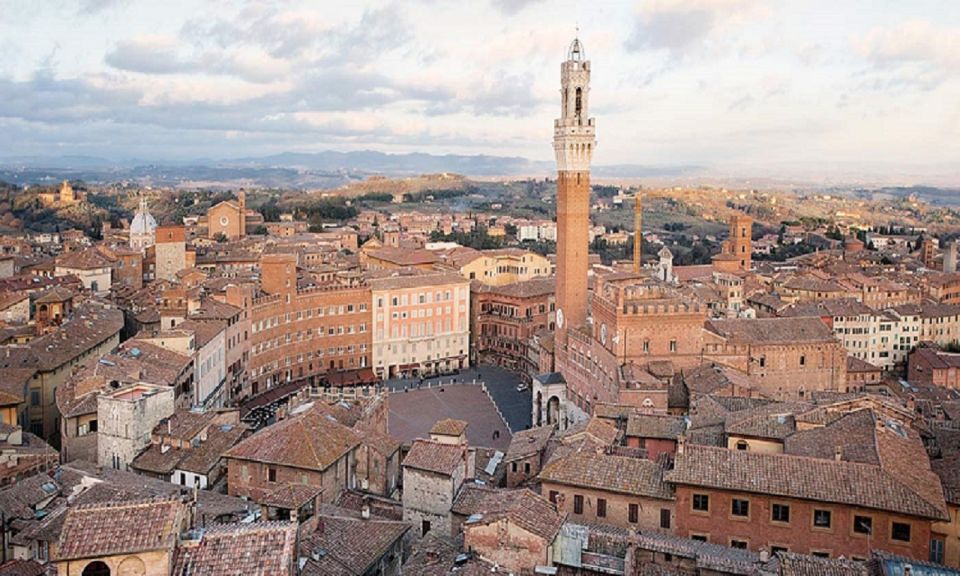
Piazza del Campo is the big one. This is the public square where the Palio di Siena horse race happens. Even if you’re not there in race season, you can still feel how the space is designed for crowds and energy. The shape of the square and the surrounding buildings help explain why the Palio is such a big deal here.
From there, you’ll have a chance to see the area around the Mangia Tower. The tower isn’t just a photo spot. It’s a way to understand how Siena used civic architecture to project power and pride. If you’re the kind of traveler who likes architecture without the museum fatigue, Siena does that well.
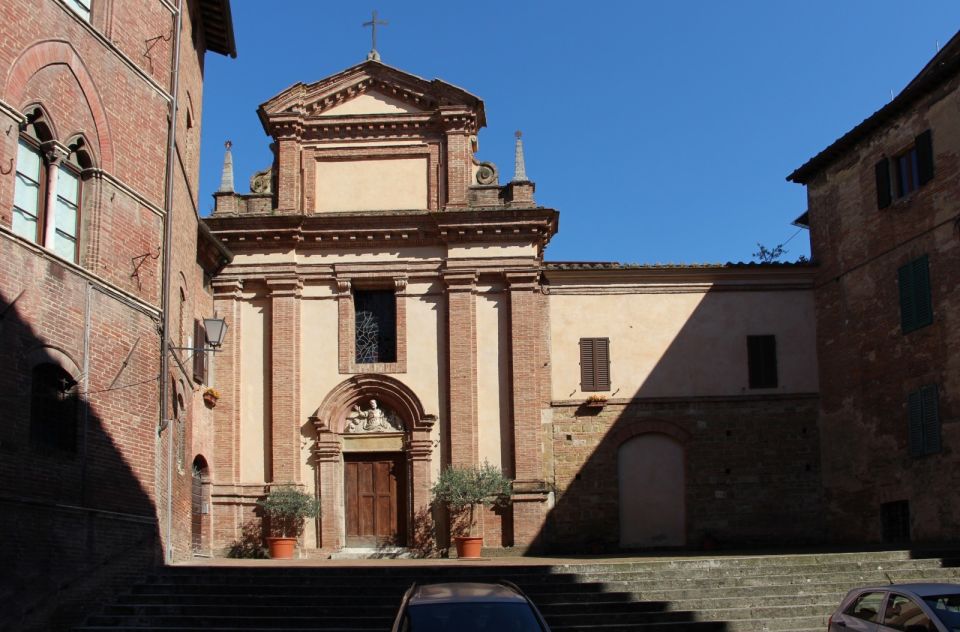
Next, the day includes the cathedral’s facade. The tour highlights the Romanesque-Gothic style you can admire as you approach. In a place like Siena, facades can be a full visual story—layers, details, and symbolism that you might miss if you’re hurrying. If you’ve been walking all morning, this is a good moment to slow down and look instead of rushing for the next checklist item.
How the tastings fit into the day (and what they don’t cover)
The day trip includes a tasting of local products: wine and food. That’s a big value point. Tastings give you a structured taste experience without forcing you to guess where to go or what to order.
But it’s important to be clear about what’s included and what isn’t. Food and drinks beyond the specified tastings aren’t included unless the tour states otherwise. Lunch isn’t included. So if you’re the type who needs a sit-down meal, plan on purchasing your own lunch (or a late snack) on your own schedule.
This tour also notes that tips are not included. That’s a normal expectation in Italy, but it’s good to know so you don’t get surprised at the end of a good day.
What I like about this setup is that it keeps the tour focused. You’re not stuck in a restaurant where the group feels rushed. Instead, tastings act as comfort stops while you keep moving through the towns.



Price and value: is $451.69 worth it?
At $451.69 per person, this is not a bargain-basement day trip. So here’s how to judge value the practical way: compare it to what you’d pay to replicate the day yourself in comfort.
You’re buying:
- Round-trip transport from central Rome in an air-conditioned minivan
- A live driver/guide (English/Italian)
- Hotel pick-up and drop-off within the Aurelian Walls area
- Two UNESCO World Heritage towns as part of one guided day
- Wine and food tastings (Vernaccia plus Chianti with appetizers)
If you’ve ever tried to do Rome-to-Tuscany logistics solo, you know the time cost is real. Train schedules, booking transfers, figuring out timing between two towns, and finding wineries that work with your pace can eat up a whole extra day. Paying for the guided structure can be worth it—especially if you want the UNESCO sites without spending your vacation in planning mode.
Is it expensive? Yes, compared to DIY transport. But for a one-day window—when you don’t want to trade your vacation time for logistics—this price starts to make sense.
The other value lever is the small group cap at 14. If you hate crowded tours, that alone can justify the cost because the day feels more human.
Logistics that affect your experience more than you think
This is a full-day trip. That means your comfort choices matter.
Bring:
- Comfortable shoes (medieval streets and walking add up)
- A camera (you’ll want it in both towns)
- Cash (the tour asks you to bring it, likely for personal purchases)
You’ll start by meeting your group at your hotel lobby at the scheduled time, and the tour asks you to be ready on time to avoid pick-up delays. That matters because the day depends on moving efficiently between towns.
One note to consider: on at least one booking, the day of the excursion didn’t match the initial meeting day and was moved to the next day. If your plans are tight, double-check your final start details so you’re not left scrambling.
Weather is also stated as not affecting the excursion. Still, wear layers. Tuscany days can shift.
Who should book this semiprivate Siena and San Gimignano day trip
This tour fits best if you:
- Want two UNESCO towns in one day without juggling transport
- Like wine tastings that are tied to place (Vernaccia in San Gimignano, Chianti at a winery)
- Prefer a small group pace over big-bus crowds
- Enjoy walking through historic centers and taking in the big civic landmarks
It may not be the best fit if you:
- Need a long, leisurely lunch and lots of free time (lunch isn’t included)
- Get tired with repeated walking during a single day
- Have very tight schedule constraints and can’t tolerate any start-time changes
Should you book the Rome to Siena & San Gimignano day trip?
If you want a one-day hit of Tuscany that’s structured, comfortable, and wine-included, I think this is a solid book. The real selling points are the pairing of San Gimignano + Vernaccia with Siena + Piazza del Campo + Mangia Tower area, plus the fact that you’re doing it with hotel pick-up, a live guide, and tastings built into the schedule.
Before you click confirm, do two quick sanity checks:
- Plan for your own lunch, since it’s not included.
- Wear shoes you trust for medieval stone streets, and keep your daypack light.
If those two boxes are easy for you, this tour is the kind of day trip that leaves you with photos, tastes, and that satisfying sense of having seen the real core of Tuscany—without turning your trip into a logistics project.
FAQ
How long is the day trip?
It’s a 1-day experience.
What’s the group size?
The group is small and limited to 14 participants.
What languages are spoken by the guide?
The live tour guide is available in English and Italian.
Where do I meet the group in Rome?
The start is at your hotel in Rome inside the Aurelian Walls.
What’s included in the price?
Transport by air-conditioned minivan, the driver/guide, pick-up and drop-off, and a tasting of local products (wine and food).
Is lunch included?
Food and drinks aren’t included unless specified, and lunch is not included.
Do I need to pay tips?
Tips are not included.
Does weather affect the tour?
The excursion is not affected by adverse weather conditions.
What should I bring?
Comfortable shoes, a camera, and cash.