REVIEW · NAPLES
Excellence Private Herculaneum Guided Tour with an Archeologist
Book on Viator →Operated by Grand Tour Experience · Bookable on Viator
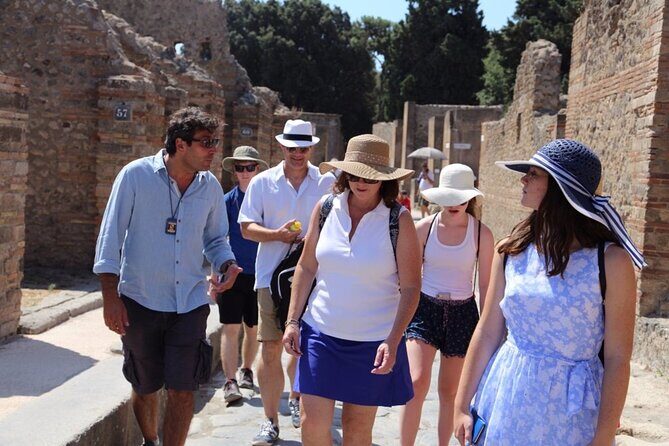
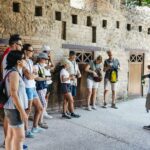
Herculaneum feels oddly personal—like the town got paused mid-day in 79 AD. This private guided tour is set up for real understanding, with an archaeologist-led walk through preserved homes, shops, public spaces, and thermal baths.
I especially like two things: you start at the seaside end of Parco Acheologico di Ercolano, so the route makes sense fast, and you get a guide who can explain what you’re looking at in plain terms. The main drawback is simple: Herculaneum can get hot, so you’ll enjoy the tour more if you plan an earlier time slot.
In This Review
- Stop 1: Parco Acheologico di Ercolano, starting from the seaside
- Key moments I’d plan around
- Building your bearings fast at the seaside edge
- Ancient shops and the main road: where town life actually happened
- Preserved homes: seeing daily life instead of just ruins
- The Roman gymnasium (Palestra): a public space with personality
- Thermal baths and the Roman spa route
- The Holy Terrace: religion as part of street life
- Artifacts kept in original form: why it feels so close
- About the tour length: 2 hours is plenty
- Price and what you actually get for $294.55
- Meeting point, timing, and getting there without stress
- Who this tour is for (and who should skip it)
- Should you book this private archaeologist tour?
- FAQ
- What language is the tour offered in?
- How long is the tour?
- Is the admission ticket included in the price?
- Is this a private tour?
- How many people are allowed in a group?
- Where do we meet for the tour?
- Does the tour use a mobile ticket?
- Are service animals allowed?
- Is it near public transportation?
- Is there free cancellation?
Stop 1: Parco Acheologico di Ercolano, starting from the seaside
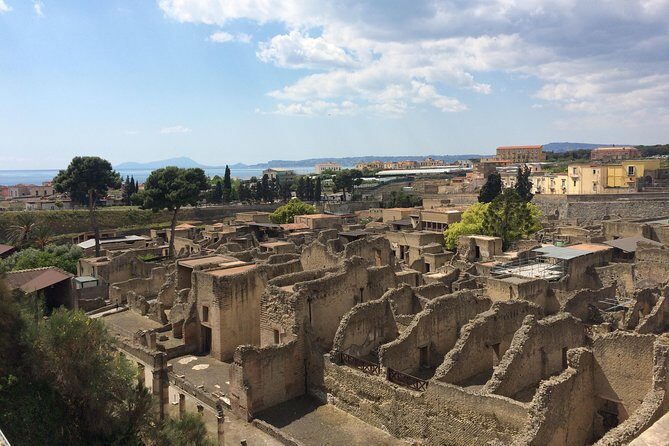
You’ll meet at the Herculaneum Ticket Office (80056 Ercolano) and begin your walk at the far end of town by the sea. That matters more than it sounds. Going from the seaside inward helps you build the layout like a map, not like a pile of sights.
You’ll also hear about the place where the bones of ancient inhabitants are still present. Standing there, you don’t just see ruins—you get a sense of people living their days, not just stones arranged for photos. The tour also points out artifacts that have kept their original forms for nearly 2,000 years. It’s one of those moments where you can’t help thinking: how did this survive?
Key moments I’d plan around
- Seaside start for easy orientation so the town feels like a town, not random streets
- Human history in context, including the area where bones remain
- Well-preserved daily-life spaces like homes, shops, and a Roman gym
- Thermal baths included in the story, not treated like an afterthought
- Holy Terrace visit, adding a religious layer to the everyday routine
You can also read our reviews of more guided tours in Naples


Building your bearings fast at the seaside edge
Herculaneum’s layout can feel confusing if you arrive on your own. On this tour, the route is designed so you start with the shoreline-side entry point and then work through the main circulation of the town. You’ll understand where you are in relation to the coast and how people moved through the area.
I also like that the experience gives you time for the details. The whole thing runs about 2 hours, and that seems to be just right for most people at a preserved archaeological site. Long enough to make sense of the big features, short enough that you’re not stuck when the sun gets heavy.
A bonus: this is private, with only your group participating. That usually means you can ask questions without watching your guide constantly switch gears for a crowd.
Ancient shops and the main road: where town life actually happened
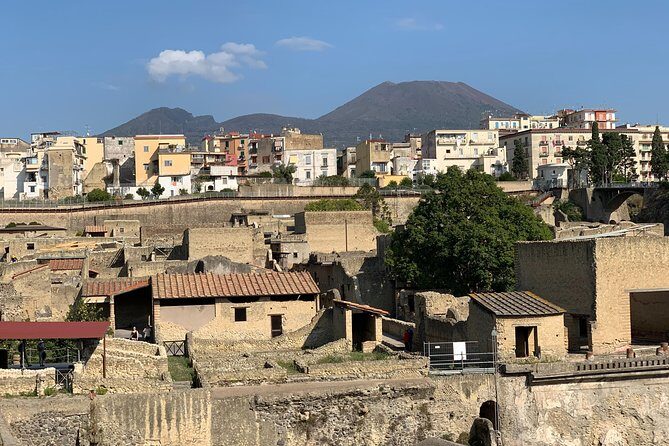
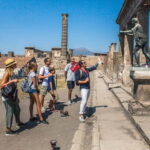
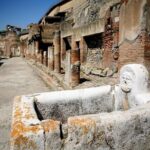
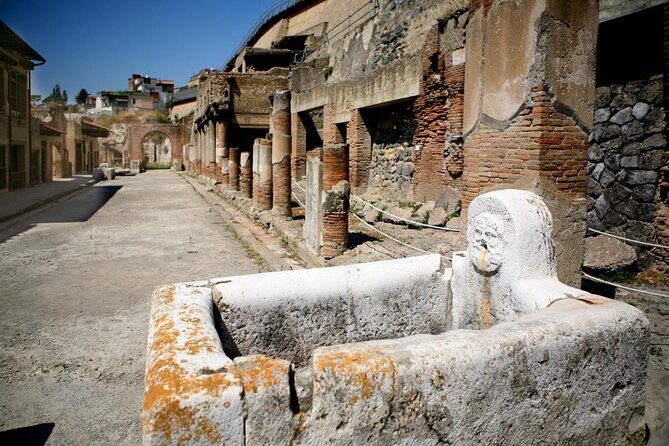
One of the best parts of the walk is the main road experience—where you see the rhythm of Herculaneum’s street-level life. The tour highlights ancient shops and well-preserved houses along the route, which helps you see how commerce and domestic life lined up.
You’ll also hear the town’s street terms (like Decumano and the main road flow). Even if you don’t remember the Roman vocabulary afterward, the effect sticks: you start noticing the layout, entrances, and how buildings faced the street.
Practical tip: take a slow moment at each cluster of buildings. This is not a rush-through site. If you keep stepping quickly, you’ll miss the little layout cues your guide is pointing out—like how spaces connect and how people likely used them day to day.
Preserved homes: seeing daily life instead of just ruins
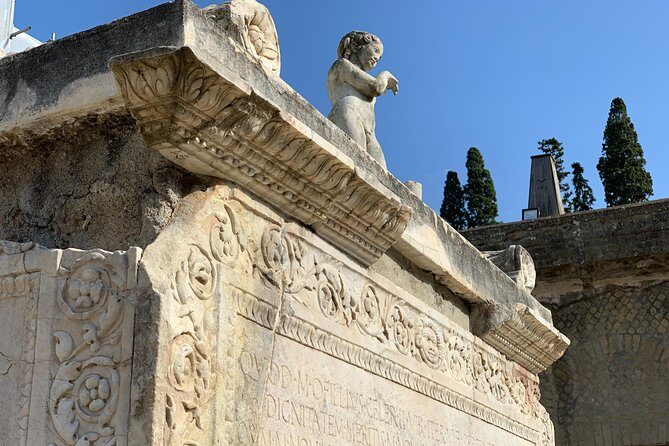
The preserved homes on this route are what make Herculaneum different from many ancient sites. Instead of seeing foundations only, you can often grasp the feel of the living spaces. The tour focuses on what mattered to residents—where you’d live, what the home looked like in structure, and how domestic areas worked alongside the street.
This is where a proper archaeological guide really pays off. Without help, you can easily treat a house as scenery. With a guide, you’re guided through what you’re looking at and why it’s important.
One detail I think is worth emphasizing: the tour is led by a professional archaeology tourist guide. The operator specifically states the guiding team is made up of archaeologists or students of archaeology, which addresses a common concern—getting a history explanation, but not a real archaeology explanation.
The Roman gymnasium (Palestra): a public space with personality
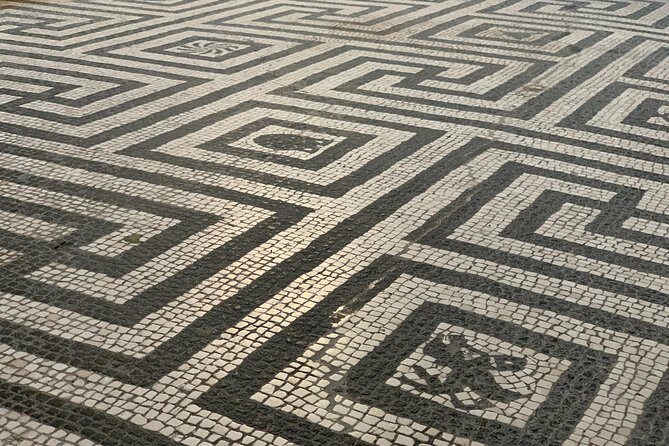
Not every ancient ruin tour spends time on the public workout and social spaces, but this one does. You’ll visit the Roman Palestra—the town’s gymnasium area.
Why you should care: public training spaces were daily life for many Romans. They weren’t only about exercise; these places also functioned as social hubs. Seeing this helps you move past the idea that the town was only made of homes and markets.
The guide’s job here is key: they connect what the space was used for with what you can actually see today. It’s the difference between reading a sign and understanding how the place likely worked in the first century AD.
You can also read our reviews of more private tours in Naples





Thermal baths and the Roman spa route
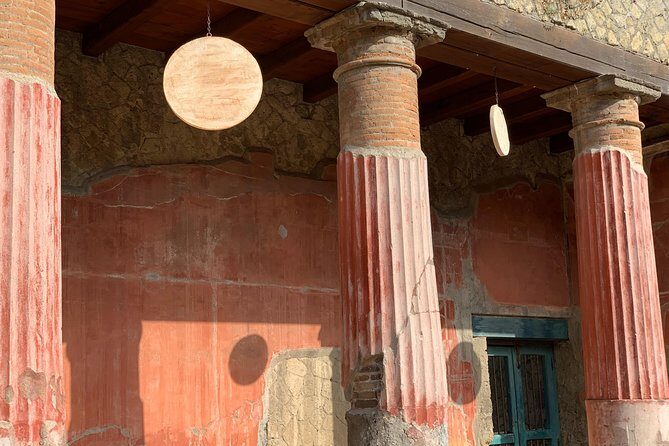
Then comes the thermal baths / Roman spa section. This is a favorite kind of stop for me in any ancient city because baths were central to routine—comfort, cleanliness, and community, all wrapped together.
Here, the value is in how the tour links the baths to the rest of town life. You don’t just jump from one object to another. You see how a public facility fit into the same built environment as shops, homes, and the gymnasium.
If you’re someone who likes everyday history (not just big monuments), the bath stop can be the moment you feel the town is most complete.
The Holy Terrace: religion as part of street life
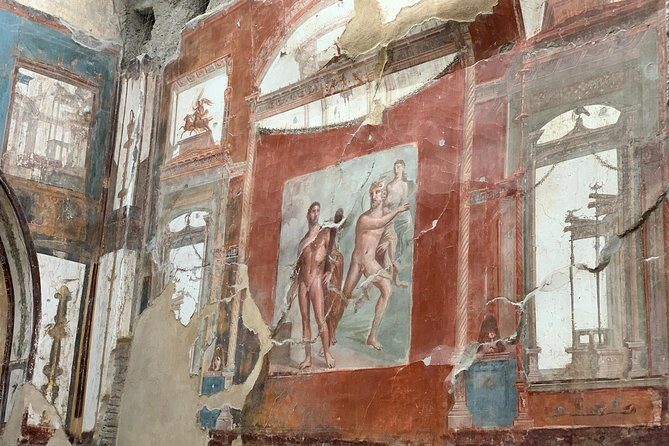
The tour also includes the Holy terrace. This is a helpful shift because it reminds you that Herculaneum wasn’t only practical life and commerce. Religious practice had its place in the town’s structure.
Even without heavy religious background, this stop can click because the terrace connects to what you’re already seeing: how space was organized, who used it, and why it would matter to residents.
If your goal is to understand the town as a functioning community, adding a sacred element helps balance the picture. Otherwise, you can end up with a one-note story that only covers daily routine.
Artifacts kept in original form: why it feels so close
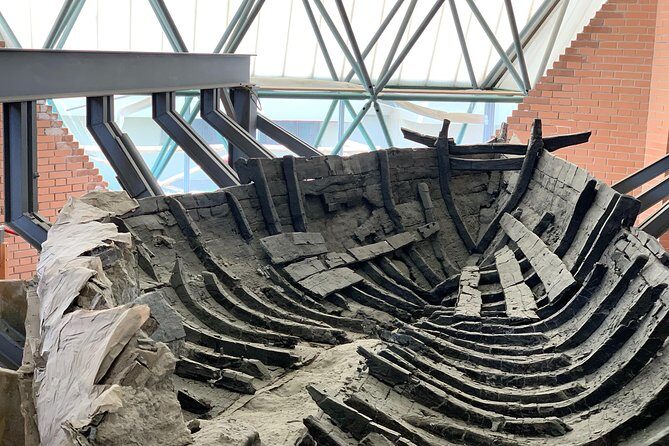
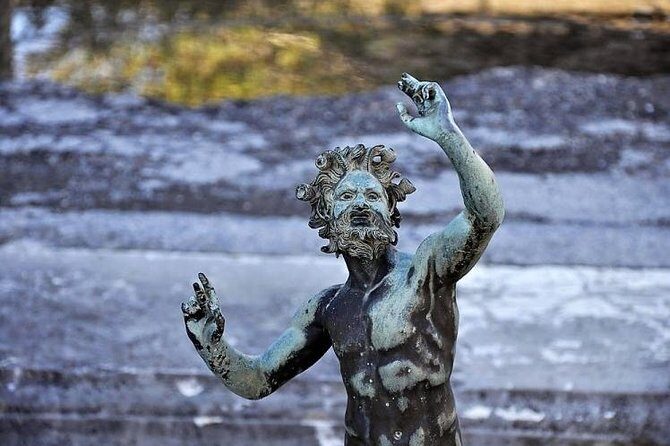
There’s a particular kind of thrill when a ruin has survived in a way that keeps shape and detail. This tour points you toward artifacts that have been preserved in original form for almost 2,000 years.
That’s not just impressive for the sake of it. It changes how you interpret the site. When objects hold their form, you can grasp function and design more easily. Your brain can make connections instead of guessing.
And then there’s that earlier stop area where the bones of ancient inhabitants still exist. It’s a reminder that archaeology is not a museum game. The town belonged to people with bodies and routines, and this place holds that evidence.
About the tour length: 2 hours is plenty
The tour runs about 2 hours. I think that’s a smart duration for Herculaneum. The site is concentrated, and the preserved elements can make you want to linger—especially in homes, baths, and public spaces.
Two hours gives you enough time to get the story in full, without turning it into a long slog. Also, the shorter it is, the more you can manage the heat. One piece of practical advice you’ll want to take seriously: go earlier when you can, because warmth can be intense.
Price and what you actually get for $294.55
The cost is $294.55 per group, and the group size can be up to 12 people. That structure matters. You’re not paying per person for the guide alone; you’re paying for a private archaeologist-led experience that your group can share.
It’s also helpful to know what’s included vs. not included:
- Included: a guided tour by a professional archaeology tourist guide, plus full office assistance
- Not included: admission tickets at €16.00 per person
So your real budget depends on your group size. If you’re traveling with others (family or friends), this can look much better value than per-person guided options.
One last practical note: the tour uses a mobile ticket, so plan on having your phone ready for check-in.
Meeting point, timing, and getting there without stress
You’ll start at the Herculaneum Ticket Office (80056 Ercolano). The tour ends back at the meeting point, which keeps logistics simple.
The site is also described as near public transportation, which is useful if you’re not sure how you’ll move around Naples-area day trips. And service animals are allowed, which is good to know if that affects your planning.
Who this tour is for (and who should skip it)
This private Herculaneum tour fits best if you want:
- an archaeology guide who can explain what you’re seeing in an organized way
- daily life focus: homes, shops, gym, and baths
- a flexible, private pace for questions and slower looking
You might not love it if you’re the type who likes to wander without structure. Herculaneum rewards curiosity, but a guided plan helps you connect the dots—especially at a site with lots of preserved elements.
Should you book this private archaeologist tour?
If your priority is understanding Herculaneum—not just walking through it—this is a strong pick. The tour is built around the town’s layout and key public-and-private spaces, with an archaeologist-led guide and a timing that works for most people (about 2 hours).
Book it if you’re traveling with a group (since the price is per group up to 12) and you want a clear story from seaside edge to shops, homes, palestra, baths, and the Holy terrace. If you’re budgeting, plan for admission tickets at €16 per person, and try to schedule earlier in the day to beat the heat.
FAQ
What language is the tour offered in?
The tour is offered in English.
How long is the tour?
It lasts about 2 hours.
Is the admission ticket included in the price?
No. Admission tickets cost €16.00 per person and are not included.
Is this a private tour?
Yes. It is private, and only your group participates.
How many people are allowed in a group?
The tour is priced per group up to 12 people.
Where do we meet for the tour?
You meet at the Herculaneum Ticket Office, 80056 Ercolano, Metropolitan City of Naples, Italy.
Does the tour use a mobile ticket?
Yes, the tour includes a mobile ticket.
Are service animals allowed?
Yes, service animals are allowed.
Is it near public transportation?
Yes, it is described as near public transportation.
Is there free cancellation?
Yes. You can cancel for a full refund up to 24 hours in advance.