REVIEW · ROME
Dark Heart of Rome: Facts, Legends, and Mystery Tour
Book on GetYourGuide →Operated by City Wonders Ltd. · Bookable on GetYourGuide
Rome gets darker after sunset.
This 90-minute night walk through central Rome mixes city legends with real landmarks—so you see Campo de’ Fiori, Piazza Farnese, Via Giulia, and Castel Sant’Angelo in a mood you just don’t get on daytime tours. The stories lean supernatural and historical at the same time, with the evening lights helping every alley feel a little older.
What I like most is the story-first guiding and the practical way the route works. Guides such as Elisabetta, Serena, Rob, and Max are praised for clear English, theatrical storytelling, and keeping a pace that still lets you hear every detail. One important catch: this tour isn’t built for mobility needs—wheelchairs aren’t accommodated, and strollers/pushchairs aren’t allowed—so it’s a shoes-on, walking-only kind of experience.
In This Review
- Key things to know before you go
- Why this night walk feels so different in Rome
- Price and value: the $14 trade that actually makes sense
- Where the tour starts (and how to spot your guide)
- Campo de’ Fiori after dark: executions, myths, and the mood of the square
- Piazza Farnese and the granite basins: a calmer kind of intrigue
- Via Giulia: Renaissance planning under streetlamp light
- Via del Governo Vecchio: the lanes that make the story believable
- Castel Sant’Angelo: Hadrian’s Mausoleum and a fortress full of meaning
- What kind of guide makes this tour work
- Walkability and pacing: what to watch for
- Who should book this (and who might skip it)
- Should you book Dark Heart of Rome?
- FAQ
- Where does the tour meet?
- How long is the Dark Heart of Rome tour?
- How much does it cost?
- Is the tour in English?
- What places does the tour cover?
- What should I bring?
- Is this tour wheelchair accessible?
- Are strollers or pushchairs allowed?
Key things to know before you go
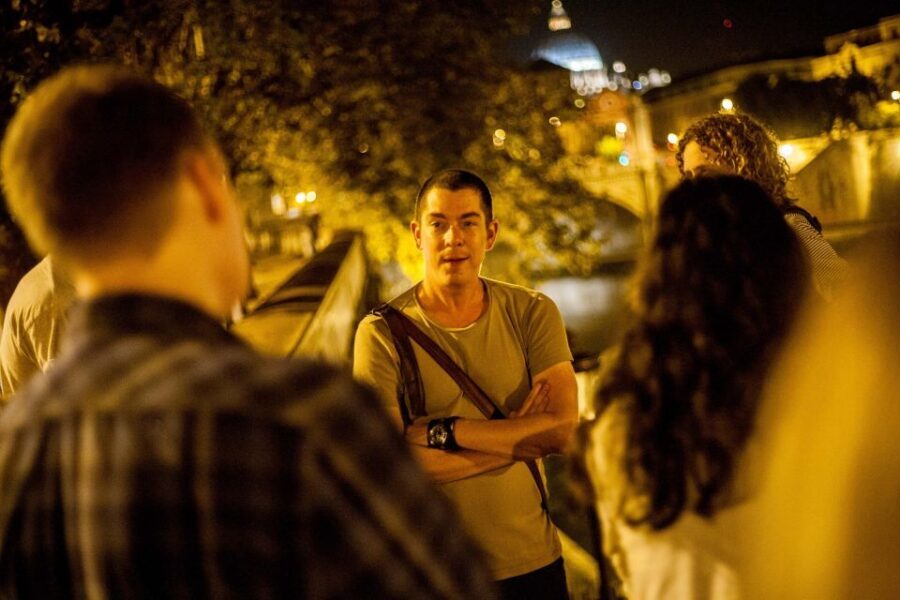
- Nighttime mood: Rome’s monuments look different after dark, especially in the historic center
- Campo de’ Fiori focus: you’ll hear what happened there and why it became a legend magnet
- Renaissance planning stops: Via Giulia is treated as a major design milestone, not just a street
- Castel Sant’Angelo included: you’ll connect the fortress to Hadrian’s Mausoleum and its mystery
- Photo-stop moments: Via del Governo Vecchio is built into the walk for quick stops and views
- Small-group feel: the route through lanes and squares tends to stay intimate
Why this night walk feels so different in Rome
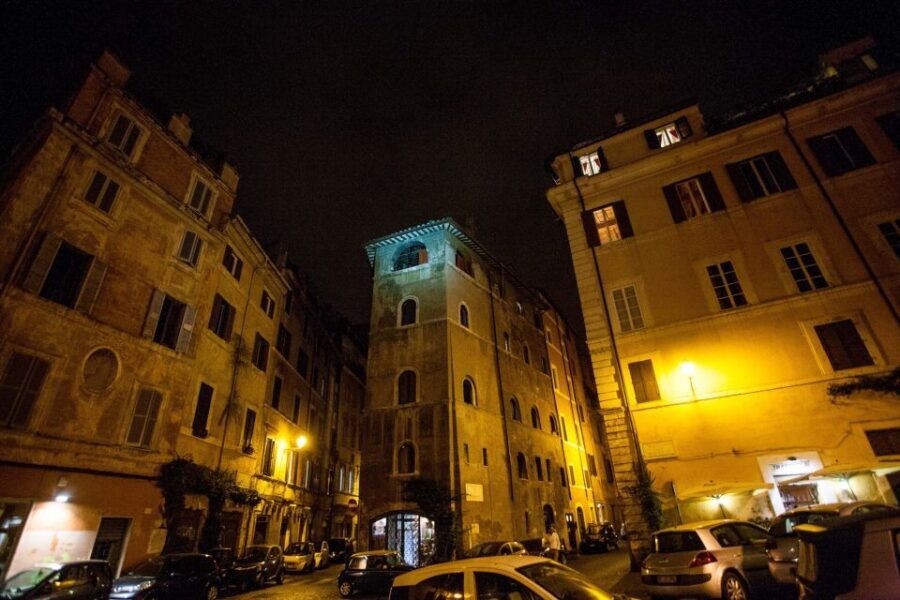
If daytime Rome is postcards, night Rome is something closer to a good mystery novel. You’re still in the same streets—Campo de’ Fiori, Piazza Farnese, Castel Sant’Angelo—but the light changes everything. Shadows collect where you’d normally see crowds. Sound carries differently. Even the pace feels slower, because you’re not weaving through tour buses and lunchtime groups.
This tour is also built around a specific idea: facts and legends shouldn’t be separate. The guide threads historical details into ghostly tales, so you’re not only looking at stone—you’re learning what people believed, feared, and explained over centuries. It’s a fun way to get a more human version of the city. Rome wasn’t just emperors and emperors’ speeches. It was everyday living, public drama, and people trying to make sense of the dark corners.
You can also read our reviews of more tours and experiences in Rome.



Price and value: the $14 trade that actually makes sense
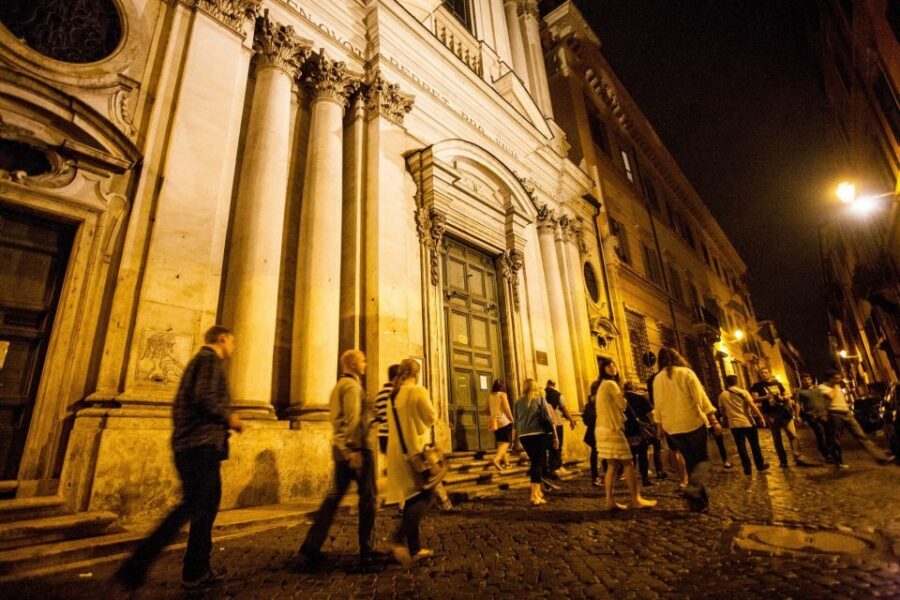
At $14 per person for about 1.5 hours, you’re paying mostly for two things: a guide who can turn the city into a story, and access to places you might skip because they’re not on the standard “top 10” list. You’re not buying a ticket to a big-ticket museum; you’re buying context. And context is what helps Rome stop feeling like a blur.
The value gets even better because the schedule is simple: a focused walk through central sights rather than switching between far-flung areas. That’s a practical win if you only have a short stay. Also, the reviews consistently highlight the guides’ ability to keep the atmosphere entertaining while staying understandable in English—and that matters more than many people expect.
Where the tour starts (and how to spot your guide)
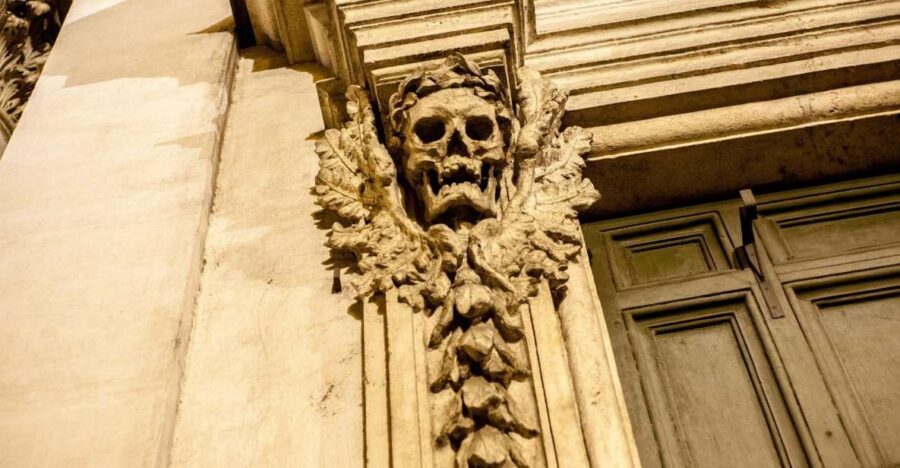
You’ll meet on the steps of San Andrea della Valle Church on Corso Vittorio Emanuele II. The meeting point is about 150 meters from Largo di Torre Argentina, on the left side if you’re heading toward the Tiber River. Your guide wears blue attire, which makes them easier to find in the dark.
Your tour then works its way through the historic center and ends near the Tiber at Lungotevere Castello 50, 00186 Roma. That ending matters. Many tours dump you back somewhere central but far from the river. This one drops you closer to a classic evening walk area.
Campo de’ Fiori after dark: executions, myths, and the mood of the square
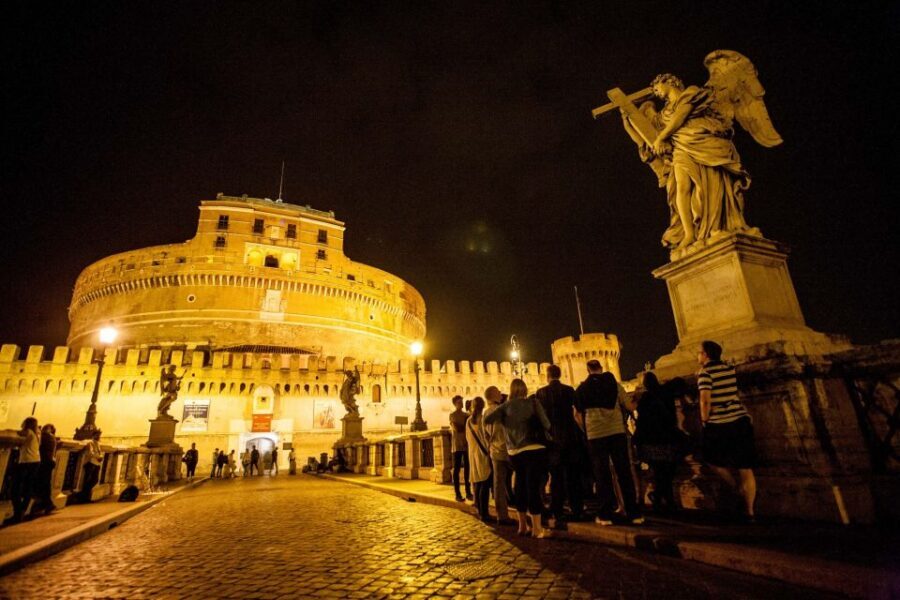
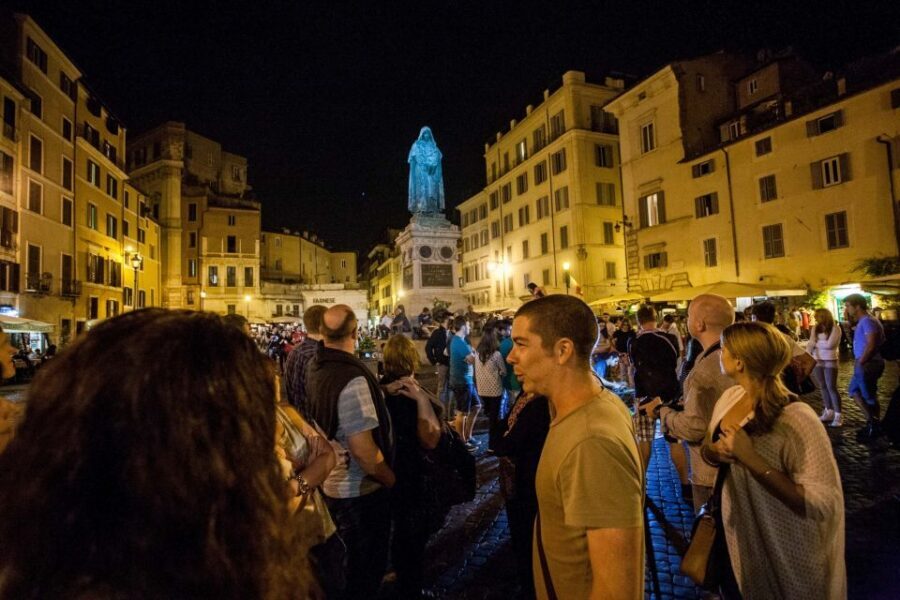
Campo de’ Fiori is one of those places you can’t really understand until someone tells you what went on there. On this tour, you don’t just pass through—you connect the square to its past, including the fact that public executions used to take place in the area.
That detail changes how the whole square feels when the sun is gone. Even if you’re familiar with the idea that Rome had harsh public punishment, hearing it woven into the evening legends helps it stick. You start noticing how squares like this functioned as stages: people gathered, authorities demonstrated power, and stories spread faster than truth.
This is one of the stops where the guide’s storytelling tone really matters. A good guide can keep it from becoming pure shock. You want the history, the human fear, and the legends that formed around it—without turning it into a gimmick.
Piazza Farnese and the granite basins: a calmer kind of intrigue
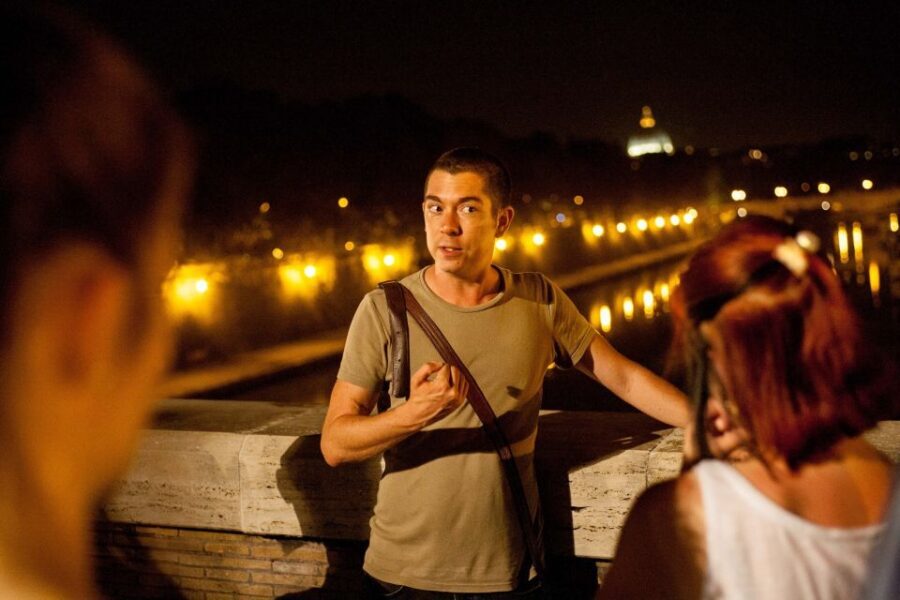
After Campo de’ Fiori, you move toward Piazza Farnese, which is known for visual drama—especially the fountains made from granite stone basins. During the day, it’s pretty easy to treat it like a nice break in the walk. At night, it becomes more reflective. The water and stone pick up the evening light, and the stories give you something to think about while you pause.
This stop works well because it’s not only about architecture. It’s a “switch” moment. You go from darker crowd-energy to a more controlled, formal plaza feel. That contrast is valuable. Rome’s power structures—religious, civic, and cultural—show up in where people gathered and how public space was designed.
If you like tours that balance spooky tales with real landmarks you can describe afterward, this is one of the strongest segments.



Via Giulia: Renaissance planning under streetlamp light
Then comes Via Giulia, and the tour treats it as more than just a route between sights. It’s framed as one of the first planning projects in Renaissance Rome, which is a useful concept if you’re trying to understand how Rome evolved from chaotic ancient streets into more intentional city design.
When you walk Via Giulia at night, you get a sense of order even in the small things: the street rhythm, the way buildings line up, and how the road feels designed rather than accidental. That can be hard to see when it’s busy, but after dark it becomes clearer.
This stop is also a good reminder that “dark Rome” isn’t only about murders and ghosts. The city’s darker side includes how power was organized—through planning, control, and authority. Renaissance Rome wasn’t magically gentle; it was simply more structured.
Via del Governo Vecchio: the lanes that make the story believable
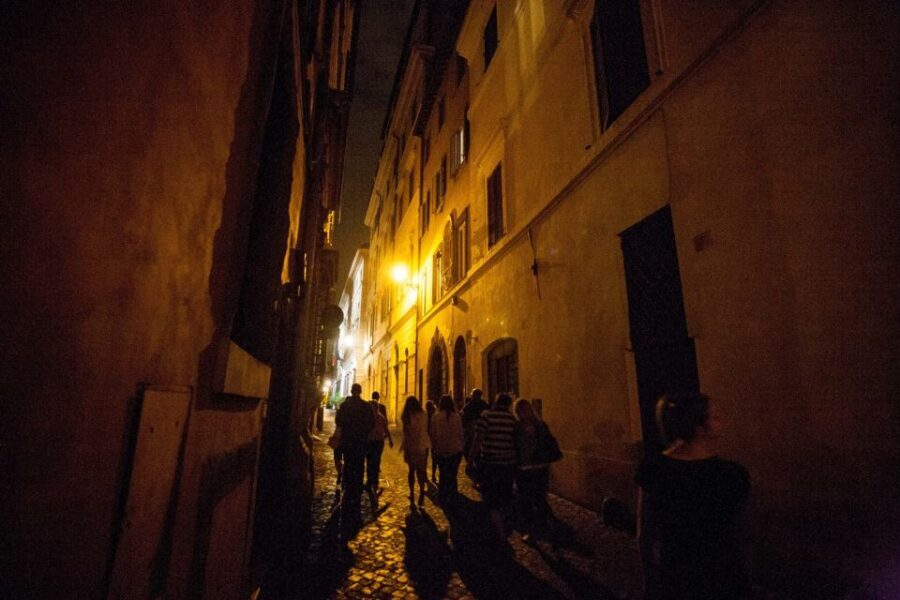
The tour includes Via del Governo Vecchio with a photo stop and time to visit and hear more guided info. This is the kind of street that makes walking tours feel worth it. Narrow lanes and turning sightlines help you understand how stories traveled—how witnesses saw things at odd angles, how rumors could spread block by block.
I like this part because it gives your brain a break from major landmarks. You’re not staring at one big building the whole time. Instead you’re collecting street texture. You’ll probably notice how the route feels slightly more cinematic here, which helps with the whole facts-and-legends approach.
Practical note: this is still a walking tour. Comfortable shoes really matter, especially if you’re visiting during cooler months when stone can be slippery or during hotter months when you’ll want to move steadily.
Castel Sant’Angelo: Hadrian’s Mausoleum and a fortress full of meaning
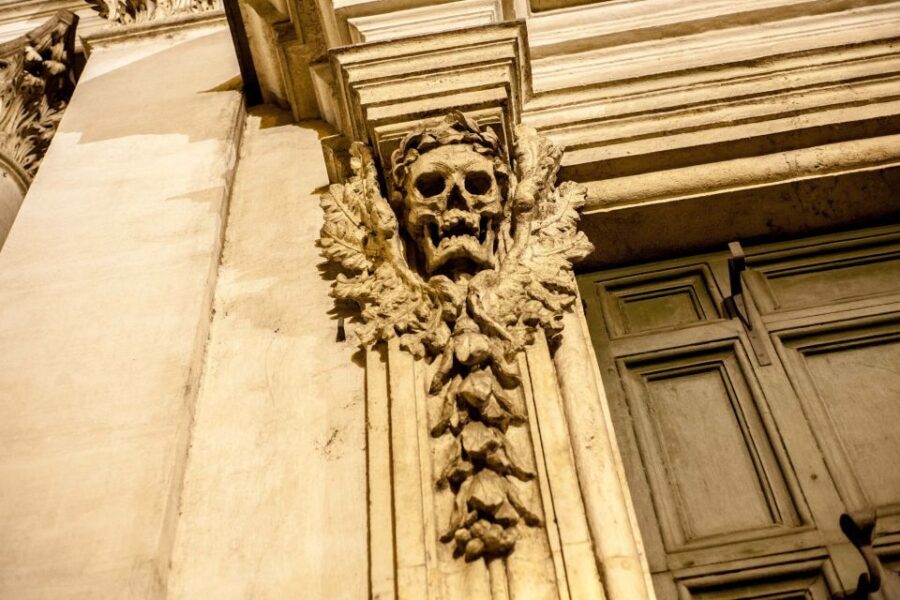
You finish with one of Rome’s best-known silhouettes: Castel Sant’Angelo. Here you connect the site to Hadrian’s Mausoleum and its long afterlife as a place tied to suspense and history.
At night, Castel Sant’Angelo feels like a character. It has bulk, it has presence, and it naturally supports mystery stories—because it has the look of something built to last and guard secrets. The tour includes photo stops here, plus guided commentary so you’re not just snapping pictures in the dark.
This is also a smart finale because it brings your evening into sharper focus. Earlier stops show you squares, street planning, and how public life created myths. Castel Sant’Angelo then gathers it all into one bigger symbol: stone designed for power, survival, and legacy.
If you’re the kind of traveler who likes a tour to leave you with a strong last image, this ending does the job.
What kind of guide makes this tour work
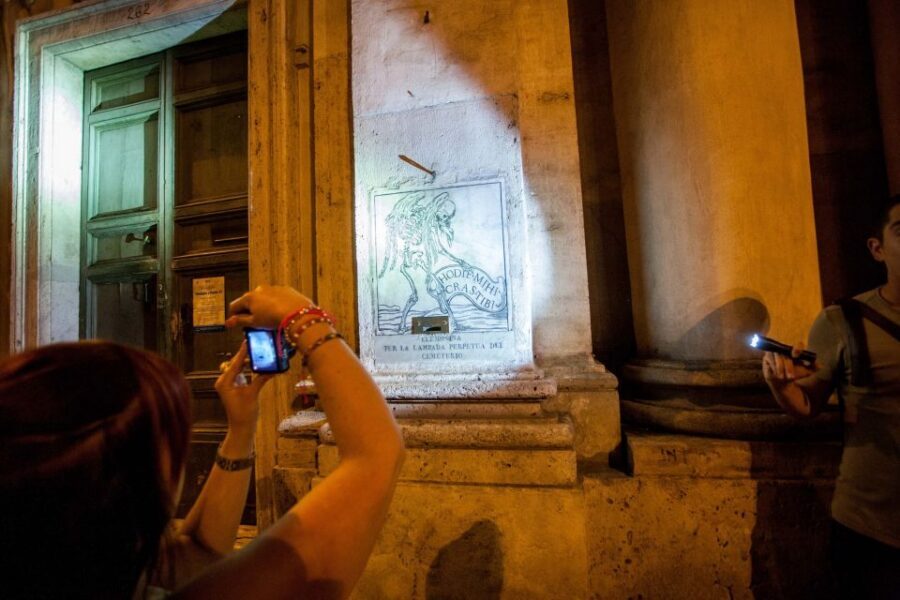
The experience rises or falls on the guide, and the pattern in the feedback is clear. Guides like Elisabetta, Elizabeta, Serena, Rob, Max, Amanda, and Pete are frequently described as fun story tellers with clear, loud English. Many also sound openly passionate, with a theatrical style that fits the subject.
That matters because this tour isn’t just informational. It’s meant to feel like you’re walking inside Rome’s rumor mill, guided by someone who knows how to pace suspense.
I’d take that as advice for your own expectations. If you want purely academic lectures, you may find the tone too theatrical. If you want a mix of history plus gripping stories, you’re in the right place.
Walkability and pacing: what to watch for
This tour is 90 minutes and involves walking through the historic center, including alleys and squares. You’ll need comfortable shoes, and it helps to be ready for some uneven street sections. The tour also doesn’t sound like it’s designed for long stops at every corner.
One consideration from feedback is that the pace can feel a bit fast for some people, and a few felt the content wasn’t as deep as they expected. If you’re the type who wants time to linger and read every plaque on your own, you might feel slightly rushed. If you’re happy with a guided highlight run where the goal is story + sites, you’ll likely feel right at home.
Who should book this (and who might skip it)
This tour is a great fit if you:
- want nighttime Rome without paying for a big museum ticket
- like the blend of legends + real places
- enjoy a guide who talks clearly and keeps things engaging
- want an experience different from the standard Colosseum and Vatican routines
It may be less ideal if you:
- need wheelchair access (not accommodated)
- plan to bring a stroller/pushchair (not allowed)
- dislike walking tours or get tired quickly on uneven historic streets
- prefer strictly academic history over dramatized storytelling
And one more practical thought: this tour pairs well with an evening plan nearby. Since it ends at Lungotevere Castello near the river, you can keep the night going with a riverside stroll.
Should you book Dark Heart of Rome?
Book it if you want a fun, story-driven walk through some of Rome’s most cinematic central areas, with Castel Sant’Angelo and the planning-minded streets of Renaissance Rome as big anchors. It’s also a strong value at $14, because you’re not just paying to see sights—you’re paying to understand why people built legends around them.
Skip it if you need step-free routes, if you’re traveling with a stroller, or if you want slow, museum-style depth. For everyone else, this is one of those rare night tours where the city’s mood does half the work for you. Just come ready to walk, listen, and let the darker side of Rome do its thing.
FAQ
Where does the tour meet?
Meet on the steps of San Andrea della Valle Church, on Corso Vittorio Emanuele II, about 150 meters from Largo di Torre Argentina. The guide wears blue attire and you’ll be on the left-hand side heading toward the Tiber River.
How long is the Dark Heart of Rome tour?
The tour lasts about 1.5 hours.
How much does it cost?
The price is $14 per person.
Is the tour in English?
Yes, it’s guided in English with an English-speaking guide.
What places does the tour cover?
You’ll walk through areas including Campo de’ Fiori, Piazza Farnese, Via Giulia, and Via del Governo Vecchio, with stops and photo moments at Castel Sant’Angelo.
What should I bring?
Wear comfortable shoes since it’s a walking tour.
Is this tour wheelchair accessible?
No. The tour is not suitable for wheelchair users and can’t accommodate guests with mobility impairments.
Are strollers or pushchairs allowed?
No. Baby strollers are not allowed on these tours.