Crime has a map in Rome. This is an evening walking tour that strings together real locations tied to trials, murders, and political violence, told in clear street-level terms. I love the small group size (up to 20), and I love the focus on exact sites like the area tied to Julius Caesar’s assassination—so the stories land where they happened. The one downside: parts of the route deal with dark WWII themes that can feel heavy.
The vibe is part history lesson, part crime narrative, and the guide—often named Mike—keeps things lively and conversation-friendly. You’ll meet at Piazza della Minerva at 6:00 pm, then walk through four stops over about 2 to 3 hours. It’s also practical: you get a mobile ticket, the tour runs in English, and the stops include one paid admission site while the others are free.
Just know what you’re signing up for: you’re walking, and it works best when the weather cooperates. If you’re sensitive to persecution and deportation stories, plan for that emotional weight. On the plus side, it’s designed to help you beat daytime heat and big crowds, which makes the evening timing more than just a marketing line.
In This Review
- Key highlights worth clocking before you go
- A 6 pm walk through Rome’s darker chapters
- Piazza della Minerva: Galileo’s trial setting and why it matters
- Largo Argentina: the area tied to Julius Caesar’s assassination
- Il Portico di Ottavia: Nazi occupation deportations in the same streets
- Campo de’ Fiori: papal executions, public punishment, and street life now
- How the guide keeps it fun without turning dark stories into noise
- Price and value: why $69.50 can still feel like a bargain
- Logistics that actually affect your day
- Who this tour is for (and who should skip it)
- Should you book Criminal Tour of Rome?
- FAQ
- How long is the Criminal Tour of Rome?
- Where does the tour start and end?
- What time does the tour begin?
- Is the tour in English?
- How big is the group?
- Are admission tickets included?
- What if the weather is bad?
Key highlights worth clocking before you go
- Evening timing at 6:00 pm helps you dodge heat and day crowds
- Four main stops: Piazza della Minerva, Largo Argentina, Portico di Ottavia, Campo de’ Fiori
- Big names in real places: Galileo’s trial site and Julius Caesar’s assassination area
- WWII occupation themes discussed at Portico di Ottavia
- Small group cap (max 20) for Q&A and a more personal feel
- Mobile ticket in English for an easy start
A 6 pm walk through Rome’s darker chapters
Rome can feel like a museum at noon. This tour chooses a better moment—late enough that the day crowd is thinner, but early enough that you’re still moving comfortably through the city. The result is a walk where history feels tied to street corners, not distant facts behind ropes.
This is also a smart format if you already know the postcard Rome basics. You’ll spend your time on the moments people feared most: trials, betrayals, public punishments, and wartime deportations. The story thread is crime and power, not just who ruled Rome on a timeline.
The best way to think about it: this isn’t a horror walk. It’s a guided explanation of how violence and persecution shaped Rome’s public life—and how those places still sit in plain sight.
You can also read our reviews of more tours and experiences in Rome.



Piazza della Minerva: Galileo’s trial setting and why it matters
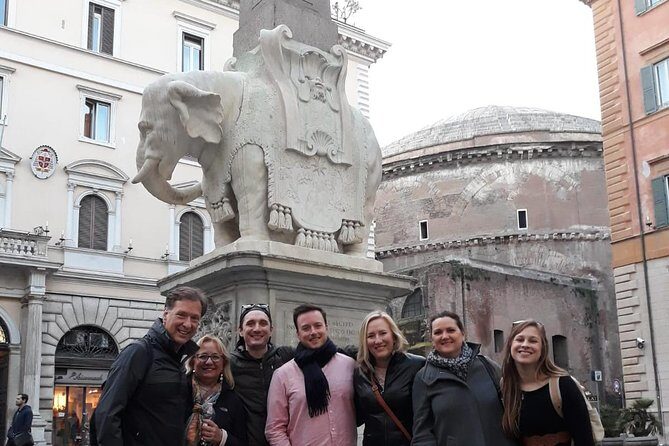
Your meeting point is Piazza della Minerva, right by the start of the story. From here, you begin at a spot tied to Galileo Galilei’s trial. The guide frames this as more than a famous name; it’s a lesson in how institutions controlled thought, belief, and speech.
What I like about starting here is the tone it sets. You get a clear “crime” theme immediately: not only physical violence, but the punishment of people who challenged authority. If you’ve ever wondered how power turns into procedure—judges, accusations, verdicts—this stop gives you that lens fast.
This first segment also includes an admission ticket, which helps keep your time efficient once you’re on-site. Expect a short, focused visit rather than a long detour.
Practical note: since this is the start of your walk, it’s a good moment to settle in, get oriented, and ask any basics you want the guide to cover later.
Largo Argentina: the area tied to Julius Caesar’s assassination
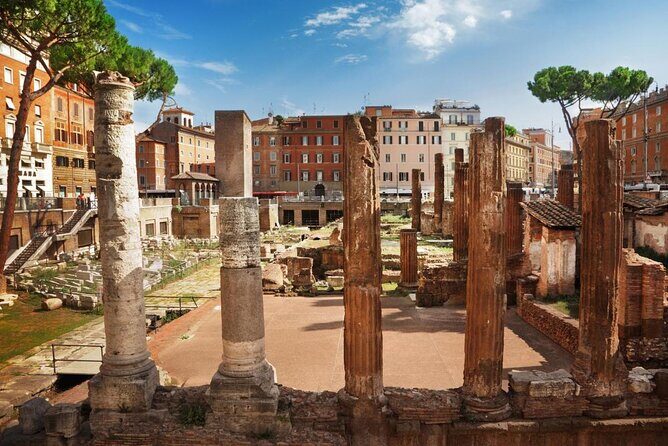
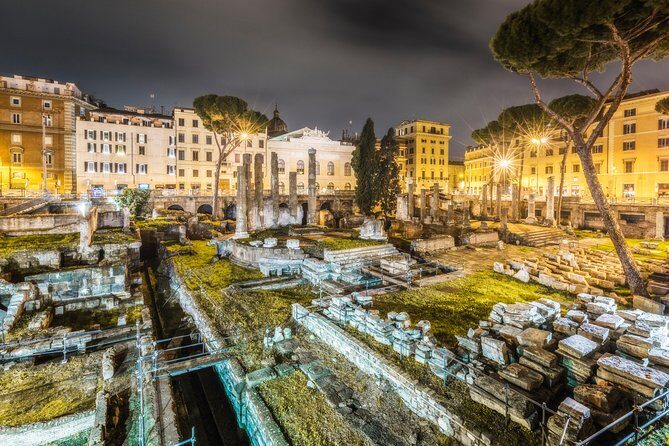
Next comes Largo Argentina, where you learn about the last days of Julius Caesar and see the exact location tied to his assassination. This stop is powerful because the story isn’t abstract. You’re shown where the event connects to the physical layout of the area.
If you’re the type who likes context, this stop is built for you. You’re not only hearing what happened; you’re also getting the political atmosphere that made it “inevitable” to some and catastrophic to others. Caesar in Rome isn’t just a biography—he’s a catalyst, and the guide explains the ripple effects.
This part is admission-free, so you can focus on listening rather than timing cash-and-tickets into your schedule. It’s also a good pace reset: a quick, targeted visit that keeps the tour moving without draining you.
One consideration: this is a short stop. If you want extra detail, keep your questions handy so you can use them before you move on.
Il Portico di Ottavia: Nazi occupation deportations in the same streets
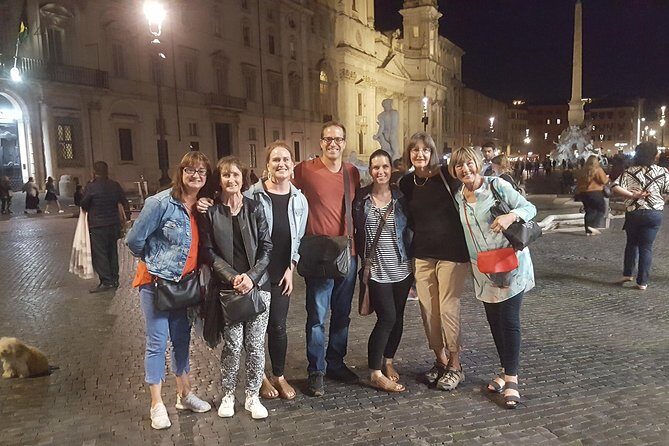
Then you shift from ancient Rome’s political violence to the far more recent violence of WWII. At Portico di Ottavia, the guide discusses deportation that took place in Rome during the Nazi occupation.
This is the emotionally heavier section of the walk. You’re dealing with persecution and forced removal—events that affected real families, real lives, and the communities that tried to survive. The guide’s job here is clarity and sensitivity, and you should expect the topic to be treated seriously.
I appreciate that this tour doesn’t pretend the past ended with antiquity. Rome’s “crime history” includes how ordinary streets became part of wartime control. Standing in a place where the story happened can make the timeline feel personal, not distant.
This stop is also admission-free, which helps keep the overall route easy to follow. But emotionally, it’s the kind of stop where you may want a moment before you rush to the next corner.
Campo de’ Fiori: papal executions, public punishment, and street life now
By the time you reach Campo de’ Fiori, the atmosphere is almost contradictory—in a good way. Today it’s known for lively square life, but it used to be a preferred spot for papal executions.
That contrast is the point. Rome keeps layering meaning on top of itself. The guide helps you read the square like a document: where people gathered, where consequences were made public, and how authority used spectacle.
If you like people-watching, this stop gives you both: you can listen to the story while the square’s current-day rhythm carries on. It’s one of the more memorable “see what changed” moments of the route.
This segment runs a bit longer than some stops, giving you time to process the contrast. Admission is free here too, so you’re mostly paying with attention.
Tip for your comfort: wear shoes you trust. Even when the route is mostly flat, you’re still walking across Rome’s uneven sidewalks and crossing streets on schedule.



How the guide keeps it fun without turning dark stories into noise
A big part of why this tour earns high marks is delivery. The guide—often named Mike—has a reputation for blending detailed explanation with a friendly, engaging style. That balance matters because the topic is not light, and jokes would feel wrong.
From what’s been shared, Mike’s approach is practical: he explains what you’re seeing, connects it to the broader political story, and makes room for questions as you walk. There’s also a sense of care at the end of the night, like helping you get your bearings and move smoothly to your next step (including getting pointed toward taxis and helpful food suggestions).
Group size plays into this. With a maximum of 20 people, you’re not lost in a wave of strangers. You’re more likely to feel like the guide can track where your attention is landing.
And it’s timed well. The evening start means you’re not suffering through the worst heat while learning about grim events. You’re also more likely to handle the emotional weight without getting overheated or exhausted.
Price and value: why $69.50 can still feel like a bargain
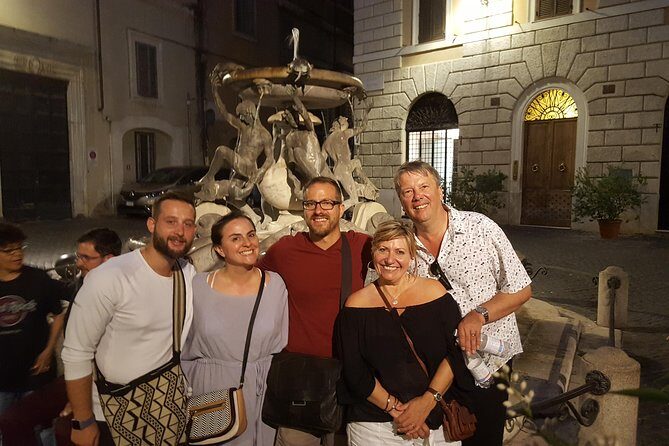
At $69.50 per person, this tour sits in a “serious but not outrageous” range for Rome. Here’s why it can feel like good value:
- All fees and taxes are included, so you’re not hit with a surprise bill later.
- One stop includes an admission ticket, while the other stops are free, so the price covers more than just walking.
- The duration is about 2 to 3 hours, meaning you get a full guided route rather than a quick, rushed taste.
Also, the tour includes what matters most: a guide who can connect the dots between locations and events. That’s the part you can’t DIY easily without losing time in the streets. You can read signs and plaques on your own, but a good guide helps you understand what you’re looking at—and why it matters beyond the postcard layer.
What’s not included: private transportation. So this is best if you’re happy using public transit, walking parts on your own, or already plan to be in central Rome around the meeting point.
Logistics that actually affect your day
This one has a few details that make planning simpler.
- Start at Piazza della Minerva, 38, 00186 Roma RM at 6:00 pm
- End back at the same meeting point
- Maximum 20 travelers
- Offered in English
- Mobile ticket for easier entry
- Near public transportation
- Service animals allowed
- Requires good weather
That last point matters. If Rome is rainy or miserable that evening, the tour may be rescheduled or refunded. So it’s smart to keep your evening flexible and have a backup plan for dinner if the timing shifts.
As for comfort: you’ll want good walking shoes and a light layer. Even if Rome is warm during the day, evenings can feel cooler—and you’ll be outside for several stops.
Who this tour is for (and who should skip it)
This tour is a great fit if you:
- want history connected to specific locations, not just general stories
- like politics and power, not only monuments
- enjoy walking tours but prefer a smaller group size
- are curious about Rome’s WWII footprint, not just antiquity
It may be less ideal if you:
- hate emotional WWII stories or prefer cheerful topics only
- need a very relaxed, slow-paced experience with minimal listening
- don’t enjoy walking in the evening, even when crowds are lower
It’s also a solid pick if you’ve already done the classic “greatest hits” tours. This adds a different angle, and it’s the kind of tour that can make you see the city’s squares and alleys as stage sets for human events.
Should you book Criminal Tour of Rome?
I’d book it if you want a focused evening walk that treats Rome like a living crime scene—trials, betrayals, executions, and WWII deportation stories anchored in real street locations. The combination of a small group, a guide who keeps the tone engaging, and a route that hits major sites makes it feel like more than a basic tour.
If you’re only looking for famous ruins and dramatic views, you might find the topic heavy or less visually exciting. But if you want the story behind the stones—especially the political and human side—this is a strong choice for your Rome week.
FAQ
How long is the Criminal Tour of Rome?
It runs about 2 to 3 hours.
Where does the tour start and end?
It starts at Piazza della Minerva, 38, 00186 Roma RM, Italy and ends back at the same meeting point.
What time does the tour begin?
The start time is 6:00 pm.
Is the tour in English?
Yes. It is offered in English.
How big is the group?
The tour has a maximum of 20 travelers.
Are admission tickets included?
An admission ticket is included for the first stop at Piazza della Minerva. The other stops listed are admission-free.
What if the weather is bad?
This tour requires good weather. If it is canceled due to poor weather, you’ll be offered a different date or a full refund.