REVIEW · COLOSSEUM TOURS
Colosseum with Gladiator Arena, Forum and Palatine in Spanish
Book on Viator →Operated by EnRoma.com · Bookable on Viator
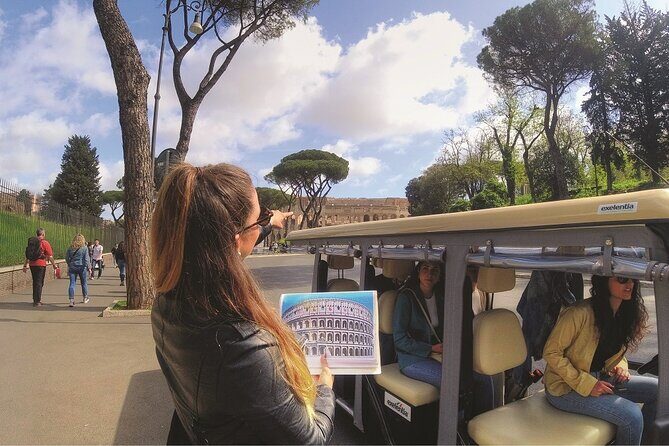
Walking into the Colosseum feels different. This Spanish tour is built around access through the gladiator gate, then a focused loop through the Palatine Hill viewpoints and the Roman Forum’s most important landmarks. I love the semi-private, very small group setup, because you get time to ask questions without the usual herd energy.
The biggest plus for me is how the guide can make the story land—one named guide, Tomás, stood out for his friendly humor and clear pacing. One consideration: you’ll need to match every person’s name on your booking to the ID/passport you bring, or entry can be denied.
In This Review
- Key highlights to know before you go
- Spanish, small-group Colosseum access that actually feels special
- Entering the Colosseum through the Gladiator Gate
- The Palatine Hill loop: Flavian palace spaces and the Farnese Terrace view
- Roman Forum essentials: Via Sacra, triumph arches, basilicas, and Caesar’s goodbye
- How the 3-hour format works for value (and not fatigue)
- Mobile ticket and small-group logistics that keep things smooth
- Price, admissions, and what you do (and don’t) get
- Who this Spanish Colosseum experience suits best
- Notes from real-world experience: making the day go right
- Should you book this Spanish Colosseum with Gladiator Arena access?
- FAQ
- Is the tour offered in Spanish?
- How long is the Colosseum, Palatine Hill, and Roman Forum tour?
- Is the entry ticket included?
- Do I get a mobile ticket?
- What size is the group?
- Where does the tour start and end?
- What do I need to bring for entry?
- What is not included in the price?
Key highlights to know before you go
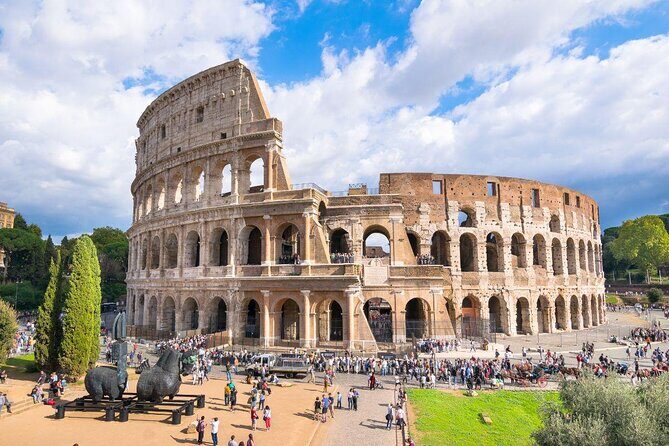
- Gladiator Gate entry: you’re not just looking at the Colosseum from the outside.
- Small-group feel (max 20): more attention, less waiting.
- Spanish-only experience: smooth and immersive if you’re comfortable with the language.
- Palatine viewpoint at the Farnese Terrace: Rome’s origin spots with strong sightlines.
- Via Sacra and major Forum monuments: you get a clean, guided “greatest hits” route.
Spanish, small-group Colosseum access that actually feels special
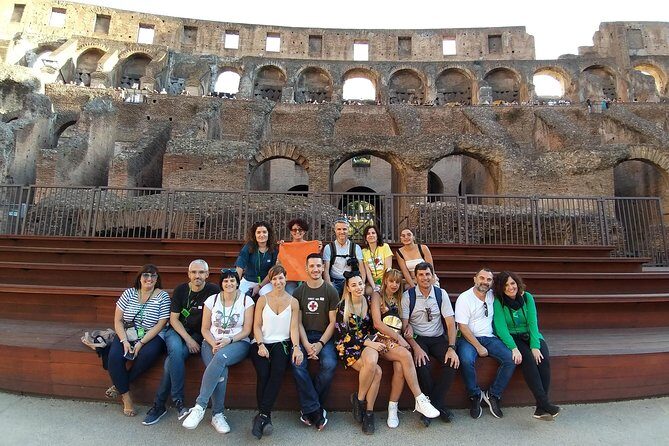
If you’re tired of tours that point and rush, this one is for you. The tone is Spanish throughout, and the pace stays controlled, which matters when you’re trying to make the Colosseum feel real instead of just impressive on a map. Expect a 3-hour plan designed to move efficiently between three top areas.
This is also a mobile ticket experience. That’s handy on travel days, since you’re not juggling paper slips or trying to find a printer at the last second. And because the group stays small (up to 20 people), the “before entry” moments tend to feel less chaotic than the big buses.
One of the underrated values here is the promise of a visit without lines. I can’t guarantee how every day runs, but the structure is clearly meant to save you the dead time that can drain the energy out of Rome’s top sights.
You can also read our reviews of more tours and experiences in Rome.



Entering the Colosseum through the Gladiator Gate
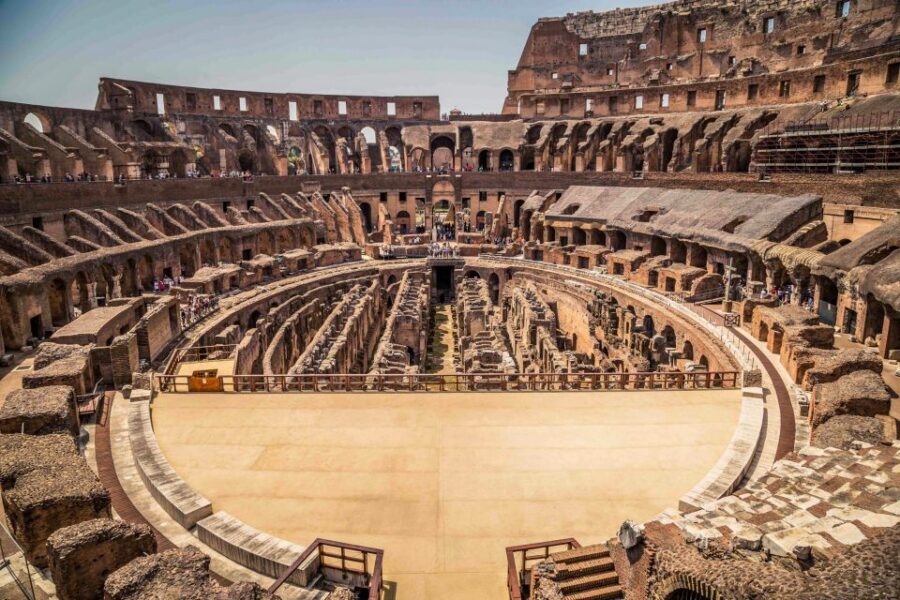
Here’s the moment that makes this tour worth it: you get inside the arena level, with entry described as going through the gladiator gate. Even if you’ve seen photos before, stepping into that space changes how you understand the scale. The Colosseum stops being a monument and starts being a stage.
The tour includes admission, and the time on-site is about one hour at the Colosseum interior. That’s a smart length: long enough to look around and absorb details, not so long that you feel swallowed by the crowds. You’ll be in the action zone where the sightlines and geometry of the building become obvious.
This is also where the Spanish guiding makes a difference. A good guide can translate the architecture into story—where fighters entered, how the space worked, and why spectators could feel so close to the event. If you’re the type who likes to connect facts to atmosphere, this will click fast.
The Palatine Hill loop: Flavian palace spaces and the Farnese Terrace view
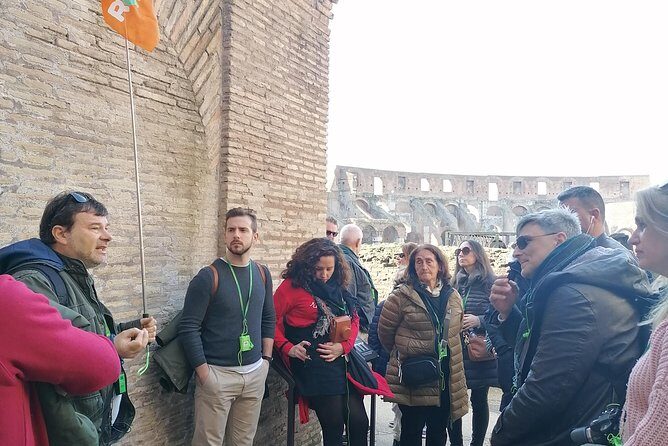
After the arena, you shift up and out toward the Palatine Hill. This part is less about “big wow” structures and more about feeling the layers of old Rome under your feet. You’ll be guided from the top of the Palatine to the Farnese Terrace, where you can contemplate the spots linked to how Rome began.
The experience includes roughly one hour on Palatine. The focus is on the spaces connected with the Flavia dynasty palace, and the way those places became symbols of Roman power. That emphasis matters, because Palatine can feel like an uneven collection of ruins if you don’t have a narrative to hold them together.
The Farnese Terrace angle is a big reason to do this stop with a guide. You get direction on what to look for, and you learn how to read the hill’s layout instead of just snapping photos from wherever you end up. I also like that the experience frames Palatine as the “power” side of Rome, not only the mythology side.
Possible drawback to consider: Palatine is outdoors and can be exposed, so plan for weather. If you’re visiting in hot season, you’ll appreciate a tour that moves at a manageable pace—exactly what a short, structured segment like this is meant to deliver.
Roman Forum essentials: Via Sacra, triumph arches, basilicas, and Caesar’s goodbye
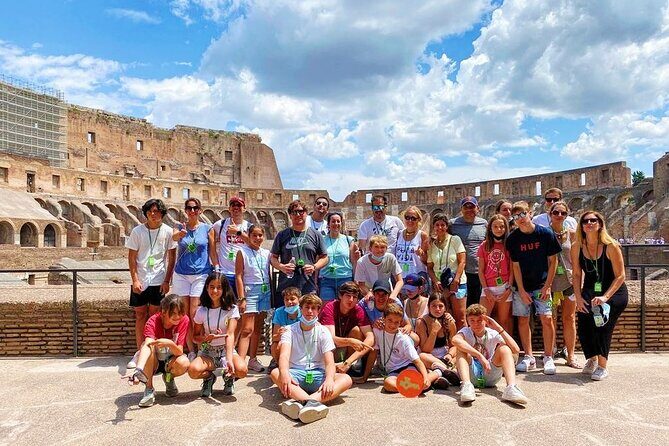
Then comes the Roman Forum, which is where Rome gets loud in the best way. You’ll walk the key route along the Via Sacra and see major monuments tied to the city’s public life. The included highlights are clearly spelled out: the Temple of Antoninus, the Curia, the Arches of Triumph of Titus and Septimius Severus, and large basilicas.
You also get a guided explanation around the memory of the place where Rome gave its last greeting to Julius Caesar. That kind of “anchoring” is what turns a pile of ruins into a place with emotional weight. It’s not just what’s there—it’s what happened there and why the site kept mattering.
This stop is also about one hour, which is ideal. The Forum can swallow an hour in a hurry if you’re wandering without a plan. With a guided route, you get the highlights while still having enough time to slow down and look carefully at details like inscriptions, arch forms, and how buildings relate to the street.
One practical note: the Forum is a walking environment, so comfortable shoes matter. Even on a guided plan, you’ll do real steps between key points, and you’ll want your body to keep up with your eyes.
How the 3-hour format works for value (and not fatigue)
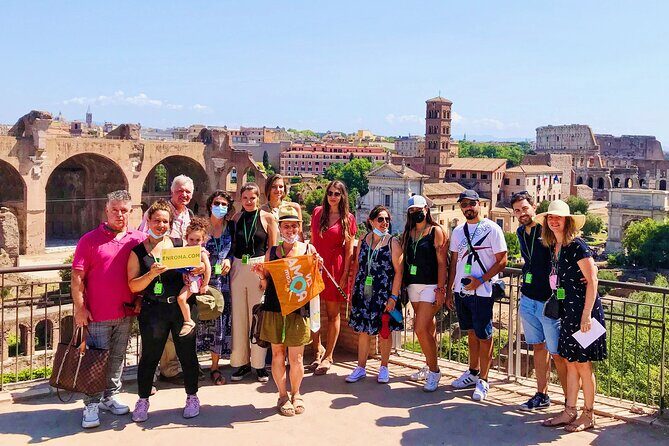
A common Rome problem is overcommitting. You book a long day, then spend most of it waiting in lines or stuck figuring out where to go next. This experience avoids some of that by keeping the overall time to about 3 hours and grouping three major zones into one clean loop.
Think of it like this:
- Colosseum gives you the emotional headline (arena access).
- Palatine gives you the high-ground context (power and origin sites).
- Forum gives you the civic storyline (public buildings and major moments).
That flow is useful because it builds understanding. You don’t just jump from monument to monument; you move from performance, to authority, to government and public life. If you only have a half-day window and want the big names covered, this format is a strong fit.
You should also consider the value vs. similar tours. At $90.57 per person, the price isn’t just paying for the guide. It’s paying for: the Spanish-language guided experience, admission included, and a setup aimed at minimizing time lost to lines. For many first-time Rome visits, that trade feels fair.



Mobile ticket and small-group logistics that keep things smooth
This is listed as a mobile ticket tour. That’s simple, but it still means you should keep your phone charged and have the ticket accessible on arrival. You’ll get confirmation at the time of booking.
The group size is capped at 20, which helps keep the pace human. In practice, smaller groups tend to mean fewer people blocking the view at each stop and more chance to get guidance on what to look for next.
There’s also a key administrative detail you can’t ignore: you must provide full names for all participants when booking. Entry depends on those names matching the ID or passport you bring. The tour info also warns that if the voucher doesn’t show the full names and matches what’s needed at the ticket office, entry to the Colosseum and Roman Forum may be denied.
I’m not trying to scare you; I’m trying to save you a hassle. Before you leave your hotel, double-check spelling for every person, especially accents and middle names.
Price, admissions, and what you do (and don’t) get
Let’s talk value plainly. The listed price is $90.57 per person, and it includes all fees and taxes. Admission tickets are also included for the Colosseum, Palatine Hill, and the Roman Forum segments, which is a big deal on Rome tours where add-ons can quietly balloon.
What’s not included is lunch and bottled water. That means you’ll want to plan a meal either before you start or after you finish. If you’re visiting in warmer months, bring a plan for hydration—water isn’t included, so don’t rely on it showing up at the right time.
At the end, the tour finishes near the Colosseum area (with the option to stay at the site if you wish). That’s practical: you can keep exploring nearby without recalculating your day.
Who this Spanish Colosseum experience suits best
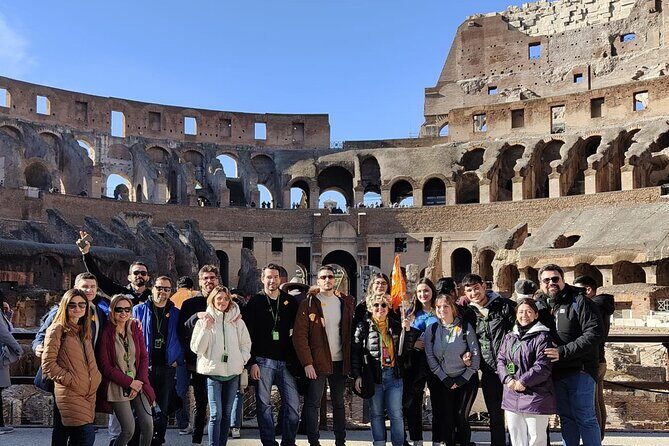
This tour fits best if you want three things: structure, story, and access. If you like your monuments explained through concrete moments—how power was shown, how public spaces worked, where Caesar fits into the narrative—then you’ll probably enjoy the way this plan connects sites.
It’s also a good choice if your schedule is tight. 3 hours means you can pair it with another Rome experience the same day, rather than losing half your trip to one sight.
If you’re comfortable enough with Spanish, the language choice is a real advantage. Spanish-only guiding can make explanations feel smoother and more detailed, especially when the guide is good at tone and pacing. The named guide Tomás being described as humorous and professional is a strong clue that you’ll get more than a list of facts.
If Spanish is not your strength, you might feel stuck—this is not positioned as a multilingual experience.
Notes from real-world experience: making the day go right
One thing I appreciate is that the experience is clearly designed as a route with a starting meeting point at Largo Corrado Ricci, Roma RM and finishing at the Colosseum area. Having those anchors matters in Rome, where streets can blur together quickly.
Still, here’s the honest travel mindset: keep an eye on your confirmation and meeting instructions, and arrive a bit early. One negative case shared in the ratings involved a guide not arriving, and that’s the kind of situation no one wants. You can’t control everything, but you can reduce the risk by being ready at the exact meeting spot on time.
Also, because entry depends on matching names on your voucher and your ID, handle that part carefully. It’s the kind of thing that can turn an otherwise great day into a stressful one.
Should you book this Spanish Colosseum with Gladiator Arena access?
I’d book this if you want a high-impact Colosseum experience with arena access, then a guided sweep that doesn’t forget the Palatine Hill and the Roman Forum’s key monuments. The small-group setup and Spanish guiding are a nice combo if you’re traveling with someone who prefers a guided story over self-paced wandering.
I’d think twice only if you don’t want to deal with strict name/ID matching, or if Spanish isn’t comfortable. Also, if you hate walking outdoors in heat, plan your day around the weather.
Overall, this is a solid value package because it bundles admissions and aims to save time—while still keeping the experience short enough to feel energetic.
FAQ
Is the tour offered in Spanish?
Yes. This is an exclusive visit in Spanish.
How long is the Colosseum, Palatine Hill, and Roman Forum tour?
It’s listed at about 3 hours.
Is the entry ticket included?
Yes. Admission tickets for the Colosseum, Palatine Hill, and Roman Forum are included.
Do I get a mobile ticket?
Yes. The tour uses a mobile ticket.
What size is the group?
The tour has a maximum of 20 travelers.
Where does the tour start and end?
It starts at Largo Corrado Ricci, Roma RM, Italy and ends at Colosseum, Piazza del Colosseo, 1, 00184 Roma RM, Italy. You can stay at the Colosseum after the tour if you wish.
What do I need to bring for entry?
You must present a valid passport or ID document that matches the name provided at booking. You also need to provide full names for all participants when booking.
What is not included in the price?
Lunch and bottled water are not included.