REVIEW · COLOSSEUM TOURS
Colosseum Underground, Roman Forum & Cesar Palace Special Access
Book on Viator →Operated by Atlas Tours · Bookable on Viator
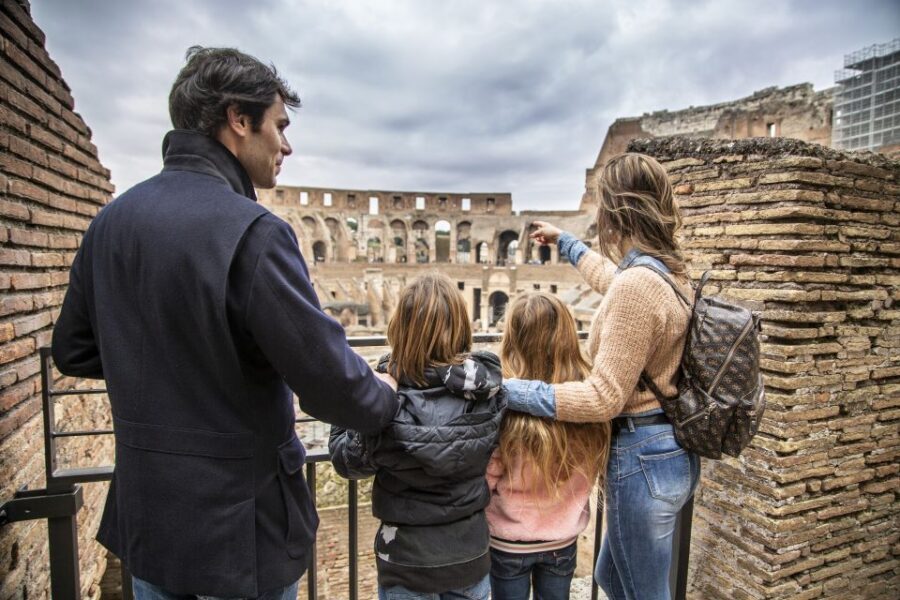
Three stops, one special Colosseum day. This tour is built around access most people never get: you enter the Colosseum through the Gladiator’s Gate, then move through the arena and underground spaces before continuing into the Roman Forum and Palatine Hill. Guides such as David and Polina are often singled out for turning stone corridors and ruined streets into clear, easy-to-follow stories.
I love how this combines three major sites into one smooth route, so you’re not wasting the day bouncing between ticket lines and far-apart landmarks. I also like the practical pace: the group stays small (max 24), and you get guided context for the big monuments you’d otherwise just snap photos of.
One thing to plan for: there’s a fair amount of walking on uneven ground and you’ll be on stairs. If you have knee or mobility limits, you’ll want to think about your comfort level before booking.
In This Review
- Key highlights at a glance
- What makes Gladiator’s Gate access so valuable
- Tour logistics: meeting at the Arch of Constantine and finishing in the Forum
- Stop 1: Colosseum Underground, arena access, and the Gladiator’s Gate route
- Stop 2: Roman Forum with temples, tombs, Vestal Virgins, and Caesar
- Stop 3: Palatine Hill and Caesar’s Palace (Palatine Hill)
- Guides make or break the experience (and this tour attracts top talent)
- Value for $144.82: why this package can beat the DIY route
- What to expect physically: moderate fitness, stairs, and uneven stone
- Who this tour suits best
- Should you book this Colosseum Underground + Forum + Palatine Hill tour?
- FAQ
- How long is the Colosseum Underground, Roman Forum & Caesar Palace Special Access tour?
- Where does the tour start and where does it end?
- Is the tour offered in English?
- Do I need to bring a passport or ID?
- What should I bring for comfort during the tour?
- Is there a refund if I cancel?
Key highlights at a glance
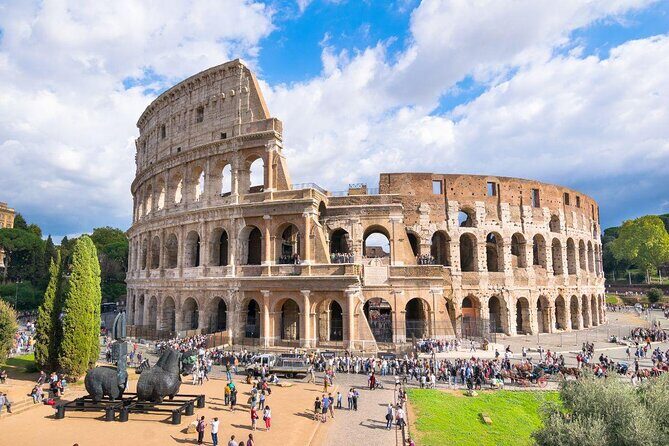
- Gladiator’s Gate entry to reach the Colosseum from the inside track, not the main crowd funnel
- Arena floor time plus photos before you head down into the underground spaces
- Colosseum dungeons and backstage areas that explain how fights and animal handling worked
- Roman Forum stops tied to recognizable spots like Julius Caesar’s tomb and the Vestal Virgins’ area
- Palatine Hill and Caesar’s Palace in one run, with structures spanning centuries
- Small group feel (up to 24) with an easy pace that still covers a lot in about 3 hours
What makes Gladiator’s Gate access so valuable
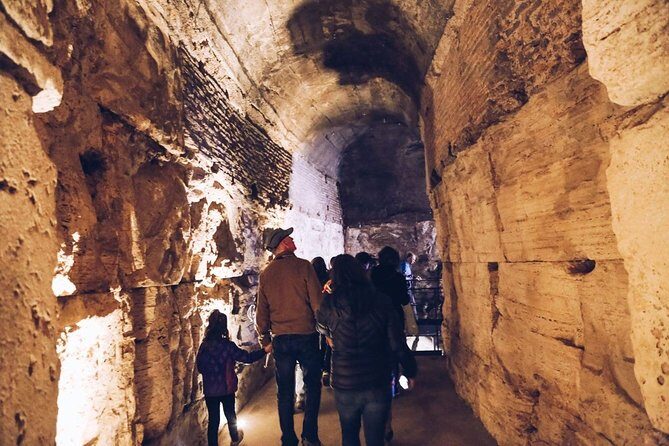
The Colosseum is one of those places where you either feel rushed and lost, or you get the “click” moments. This tour aims for the second one by changing how you enter and where you walk.
Most visitors approach from the outside and then get funneled through the standard entry experience. Here, you’re guided in through a privileged route—Gladiator’s Gate—so the whole visit starts with the right mindset. Instead of seeing only the monument face, you move into the building the way performers and staff did, which instantly makes the scale feel real.
Another smart part: you don’t just point at ruins. You spend time on the arena floor and then go down into the underground spaces (the backstage zone for gladiators and the areas tied to wild-beast handling). That combination turns what can be a very crowded, photo-only stop into something you can actually understand.
If you’re the type who likes architecture, movement, and how ancient buildings functioned day-to-day, you’ll get more out of this route than a standard surface visit.
You can also read our reviews of more tours and experiences in Rome.



Tour logistics: meeting at the Arch of Constantine and finishing in the Forum
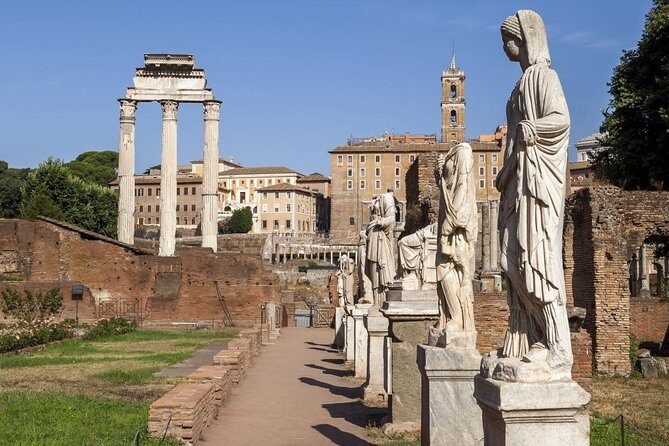
Plan for a concentrated, walk-forward day. The tour starts at the Arch of Constantine (Piazza del Colosseo) and ends in the center of the Roman Forum.
That ending matters more than it sounds. By the time you’re done with Palatine Hill and the Forum area, you’re basically placed in the middle of Rome’s historic core. It’s an easy setup for grabbing lunch, doing extra wandering, or catching public transport without having to cross the city.
You’ll also want to be ready for the “Rome reality” of the Colosseum area: security checks, crowd flow, and changing bottlenecks near major entry points. Guides sometimes handle these better than you could on your own—especially if you’re trying to avoid waiting around in the general lines.
Practical tips from the experience vibe: bring your documents (your name on the booking has to match your passport or ID), and keep an eye on your exact meeting location. A few past issues mentioned wrong meeting points or last-minute changes, so it’s worth double-checking your start time and where your guide will be.
Stop 1: Colosseum Underground, arena access, and the Gladiator’s Gate route
This is the headline moment. You begin at the Colosseum and skip the general entrance crowd flow by using the Gladiator’s Gate approach.
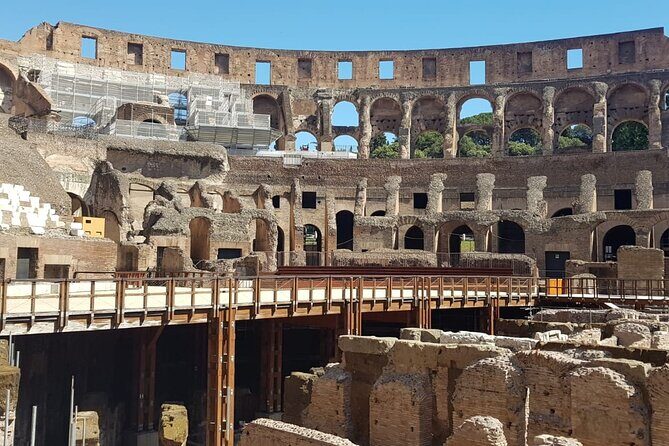
Once you’re inside, you’ll get a guided explanation of how people built and operated a stone stadium about two millennia ago. Then comes the part most people find jaw-dropping: you step onto the arena floor, walk around the space, and have time for photos—before you head into the underground levels.
Why that matters: the Colosseum isn’t just seats and arches. The real drama was below—where gladiators were kept and where spaces supported the fight spectacle. In the underground areas, the “why” of the building becomes obvious. You start to understand how the show moved: performers and animals were handled backstage, then routed up into the arena.
You’ll also see the parts commonly described as dungeons and backstage corridors. These are the areas where the history becomes physical. It’s one thing to read about ancient violence and entertainment; it’s another to stand in the service spaces and let the geometry do the explaining.
A few review details that are genuinely useful for you:
- The tour is rain or shine, so you should expect weather swings and dress accordingly.
- There can be heavy rain. If storms hit, you’ll still move through the same planned flow.
- Wear shoes made for uneven surfaces and stairs. Even with a good guide, you’ll still be on real Roman stone steps.
Stop 2: Roman Forum with temples, tombs, Vestal Virgins, and Caesar
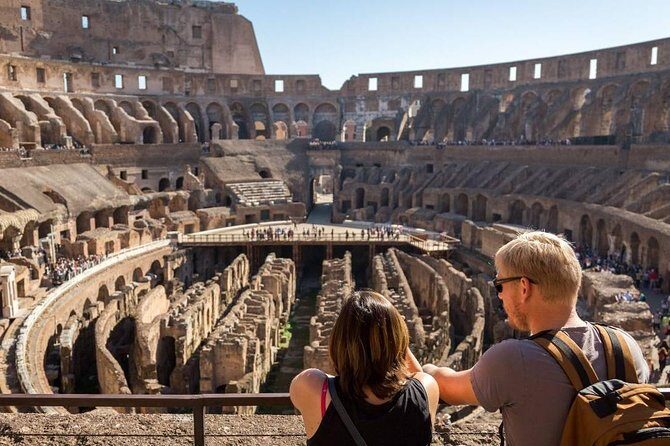
After the Colosseum, you transition into the Roman Forum, where the pace shifts from stadium drama to city-government and religion.
This stop includes key named areas and recognizable monuments: pagan temples and tombs, the space connected to the House of the Vestal Virgins, the Senate house area, and Julius Cesare’s tomb among other major ruins.
The value here is the way the guide ties everything together. In the Forum, it’s easy to wander among scattered columns and feel like you’re looking at disconnected fragments. With a good guide, the ruins start to feel like a working city—an official center where religion, politics, and public life overlapped.
What you’ll likely notice as you walk:
- The Forum feels “compressed,” like you’re seeing a lot in a small space, but it’s still spread out.
- The best understanding comes from listening to how each site functioned—temples weren’t just pretty backdrops, and civic spaces weren’t just for speeches.
- The Julius Caesar area is a great anchor. Once you understand that reference point, the surrounding ruins make more sense.
Time-wise, this stop is about an hour. That’s enough to hit the major points without turning it into an all-day grind, but it also means you’ll want to pay attention when the guide is pointing out the connections.
Stop 3: Palatine Hill and Caesar’s Palace (Palatine Hill)
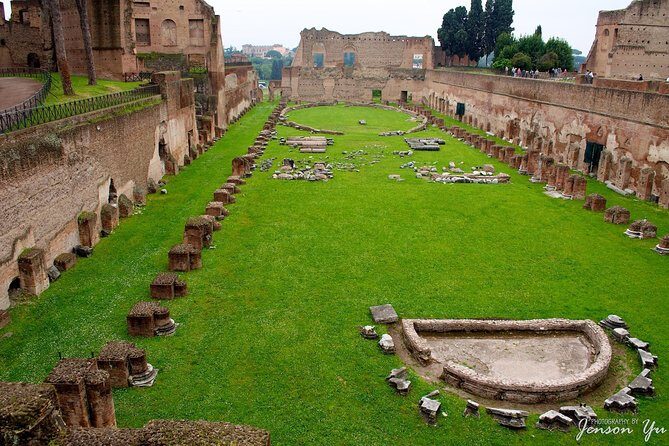
Next is Palatine Hill, often treated like the “bonus” section until you realize it’s one of the most important pieces of the ancient story.
Here you walk in the footsteps of emperors—some brilliant, some famously ruthless—and you explore what’s commonly called Caesar’s Palace, officially associated with the Palatine Hill complex. Palatine Hill is also where Rome’s origin story is tied in, with settlement dating nearly 3,000 years back.
One thing I like about this stop: the site layers time. You’re not only looking at ancient remains. Palatine Hill includes structures dating from B.C. periods through later eras, including Renaissance-era work and buildings tied to Benito Mussolini. That mix can help you understand Rome as a living city that keeps building over its own past.
You’ll have about an hour for this part, so think of it as a guided “best-of” overview that makes the hill worth revisiting later if you want.
If you’re sensitive to heat, this is where you’ll feel it most—Palatine Hill can be exposed, and you’ll be walking. Reviews also strongly push the practical “bring water” advice, and I agree: this is the part where hydration can make or break your comfort.



Guides make or break the experience (and this tour attracts top talent)
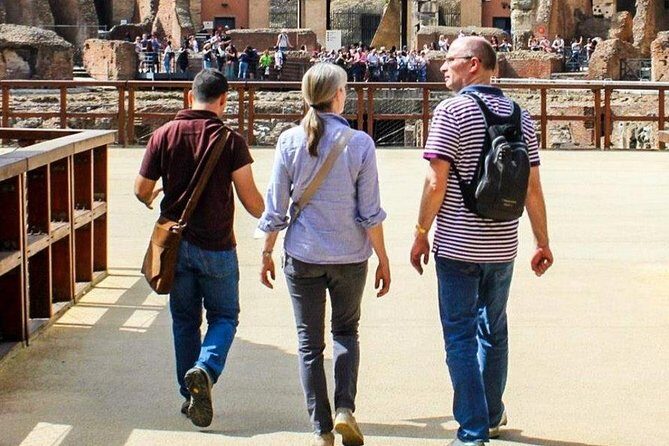
This tour lives or dies by storytelling. The Colosseum Underground route is not the kind of place where you can casually stroll and “figure it out” on your own without missing the point.
That’s why the guide spotlight in reviews is so consistent. People praise guides like Francesca, Polina, Selene, Paulina, Andre/Andrei, and Enrico for clear explanations and engaging delivery. Some are described as having archaeology backgrounds, and the effect is visible: you get mental images of how people moved and worked inside the building.
You’ll also hear a pattern in the best feedback:
- guides stay upbeat and funny without turning it into a joke show
- they keep a steady pace for small groups
- they answer questions and make the experience feel personal, even with a set itinerary
For your planning, that means you should show up on time and be ready to listen. Bring curiosity, not just your phone. You’ll get more out of the underground if you’re actively tracking how the spaces relate to the spectacle overhead.
Value for $144.82: why this package can beat the DIY route
At $144.82 per person for about 3 hours, this isn’t a bargain-style tour. But it can be good value if you care about access and time.
Here’s what you’re paying for in practical terms:
- Special Colosseum entry flow via Gladiator’s Gate (not the generic approach)
- Underground areas that most people never see in a standard visit
- Multiple major sites in one guided run: Colosseum, Roman Forum, and Palatine Hill
- A guide who explains how the building and city functioned, not just what it looks like
Admission tickets for the covered stops are included, and the pacing is designed to keep you moving without feeling like you’re sprinting.
If you try to DIY this, you’ll likely spend extra time solving logistics: buying the right tickets, matching timed entry, navigating between sites, and hoping you understand what you’re looking at once you arrive. With a group cap of 24, you also avoid the “huge herd” feeling that often comes with Rome’s most famous landmarks.
What to expect physically: moderate fitness, stairs, and uneven stone
This is the honest part of the planning. The tour calls for moderate physical fitness.
On the ground, you should expect:
- uneven surfaces
- steps and stairs
- long stretches where you’ll be standing to look at specific spots while listening
Underground spaces can also feel tighter and more enclosed than the Forum or Palatine Hill. That’s not a deal-breaker, but it’s a reason to wear good footwear and move at your own pace if you need to pause.
If you’re traveling with someone who has knee problems, plan extra care. Some guides are patient, but your comfort still matters. If walking is already hard for you in daily life, this may not be the easiest choice.
Who this tour suits best
This is a strong pick if you:
- want special access at the Colosseum, not just the typical view from the outside
- like guided context that turns ruins into something you can picture
- want a tight 3-hour overview that still hits three top-tier historic anchors
- travel with an interest in Roman spectacle, architecture, and how the city worked
It may be less ideal if you:
- struggle with stairs and uneven walking
- want a slow, sit-down museum-style pace
- prefer to linger for long periods at one site instead of moving through a set circuit
Should you book this Colosseum Underground + Forum + Palatine Hill tour?
I’d book it if your priority is getting into the Colosseum in a way that feels connected to the building’s function. Gladiator’s Gate plus underground access is the heart of the value, and pairing it with the Roman Forum and Palatine Hill makes it a time-efficient Rome day.
Two quick decision checks:
- Do you want your day to feel structured and guided for about 3 hours? If yes, this fits.
- Are you comfortable with stairs and uneven surfaces? If not, you may want to choose a less vertical route.
If you do book, do your homework the practical way: double-check that the names on your booking match your passport or ID, and confirm your meeting point so your start day stays calm.
FAQ
How long is the Colosseum Underground, Roman Forum & Caesar Palace Special Access tour?
It runs about 3 hours (approx.), with separate time blocks for the Colosseum, Roman Forum, and Palatine Hill.
Where does the tour start and where does it end?
The tour starts at the Arch of Constantine (Piazza del Colosseo) and ends in the center of the Roman Forum.
Is the tour offered in English?
Yes. The tour is offered in English.
Do I need to bring a passport or ID?
Yes. Each traveler must present a valid passport or ID document that matches the name provided at booking for entry to the Colosseum and Roman Forum.
What should I bring for comfort during the tour?
Bring water and sunscreen. The tour is mostly outside and involves walking, plus there can be hot conditions and rain.
Is there a refund if I cancel?
No. The experience is non-refundable and cannot be changed for any reason.