REVIEW · CASTEL SANTANGELO TOURS
Castel Sant’Angelo Small Group Tour
Book on Viator →Operated by City Walkers Tours · Bookable on Viator
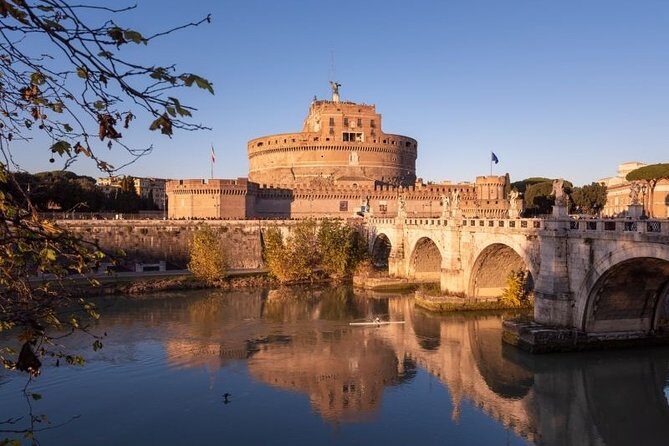
Castel Sant’Angelo is one of Rome’s simplest shortcuts to big history. You’ll cover a monument that started as Emperor Hadrian’s tomb, then kept changing jobs over centuries, ending as a papal fortress and refuge.
I love that this tour keeps the pace tight for a 2-hour visit, yet still gives you context that makes the rooms make sense. I also like that admission is handled for you, so you’re not stuck juggling tickets while your walk is getting started.
One thing to consider: it’s not a long “sit and listen” experience. There are steps inside, and you’ll be walking through a real fortress with corridors and stairs.
In This Review
- Key Things I’d Bet On
- Why Castel Sant’Angelo Works So Well for a Short Tour
- Meeting at Lungotevere Castello: The Small-Group Advantage
- The Walk to the Castle: Ponte Sant’Angelo Adds Instant Atmosphere
- Inside Castel Sant’Angelo: From Hadrian’s Tomb to a Fortress That Adapted
- Passetto di Borgo: The Pope’s Escape Story You Can Actually See
- The Guide Makes or Breaks It: What You Should Look for
- The Best Payoff: Rooftop Views Over Rome and the Tiber
- Price and Value: What You’re Paying For (and What You’re Not)
- Timing Tips: How to Fit This With a Vatican Day
- Who This Tour Is Best For
- Should You Book This Castel Sant’Angelo Small-Group Tour?
- FAQ
- How long is the Castel Sant’Angelo small-group tour?
- What languages is the tour offered in?
- Is the admission ticket included?
- What is the group size limit?
- Where do I meet the tour?
- Do I need to bring ID?
- What is the cancellation policy?
Key Things I’d Bet On
- Max 12 people means you get more interaction than with the huge groups.
- Admission included so the visit runs cleaner from meet-up to entrance.
- Passetto di Borgo context turns the castle from a viewpoint into a story.
- Rooftop panoramas over the Tiber and St. Peter’s land at the payoff moment.
- Audio headsets help you hear details without craning your neck.
Why Castel Sant’Angelo Works So Well for a Short Tour
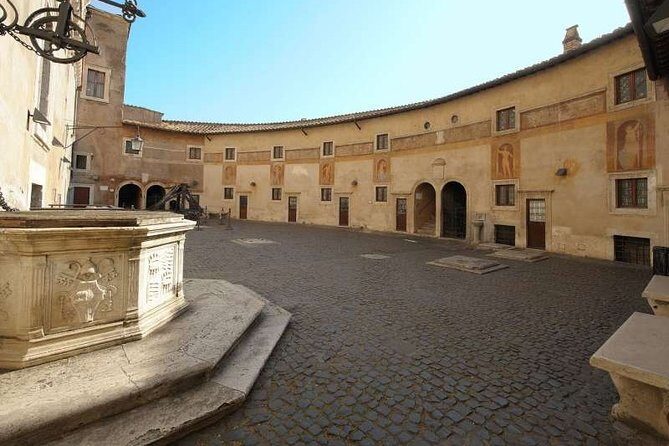
If your Rome itinerary is already tight, this is a smart pick. Castel Sant’Angelo sits in a spot where the Roman Empire story slides right into the medieval and papal chapters, all in one building that you can actually walk through.
The best part is how the guide frames what you’re seeing. Without that kind of narrative, you can still enjoy the architecture and the views, sure. But with it, the castle becomes a timeline you can trace room by room—Hadrian’s original purpose, the fortress era, then the papal use.
This tour is also built for attention span reality. Two hours is long enough to get inside and reach the big views, but short enough that it fits even when you’re bouncing between major sights.
You can also read our reviews of more tours and experiences in Rome.



Meeting at Lungotevere Castello: The Small-Group Advantage
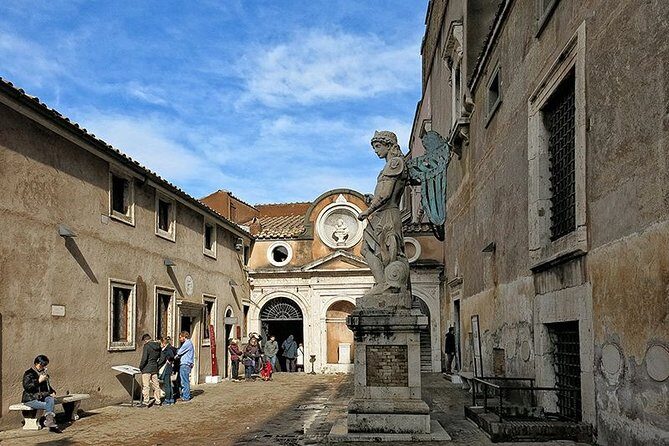
You’ll meet at Castel Sant’Angelo, Lungotevere Castello 50, 00193 Roma. The location is right where you want to be—easy to find and close to public transportation links.
That small-group size (up to 12) matters more than you’d think. It keeps the tour from turning into a slow shuffle where nobody can hear you, and it makes it easier to ask questions. In the best runs, guides like Alec and Oleg are praised for answering questions and keeping the mood lively, with Oleg in particular getting called out for humor.
Also, the guides tend to be good at the “how do we find each other” moment. Several guides are described as organized in the first minutes, including Sylvia and Silvia showing up with a paper listing names so you can start without stress.
If you’re the type who hates arriving early and waiting around, this setup is a relief.
The Walk to the Castle: Ponte Sant’Angelo Adds Instant Atmosphere
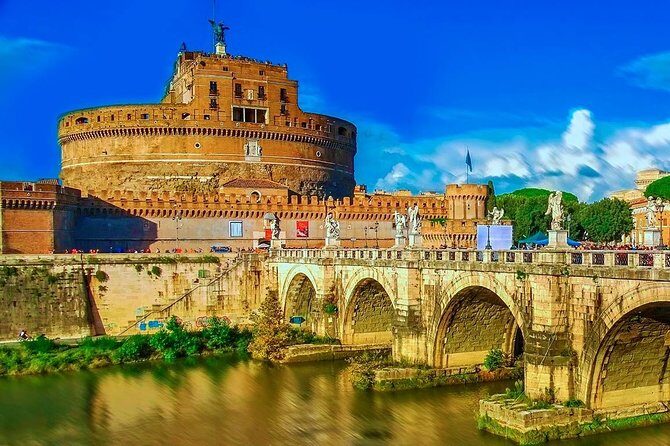
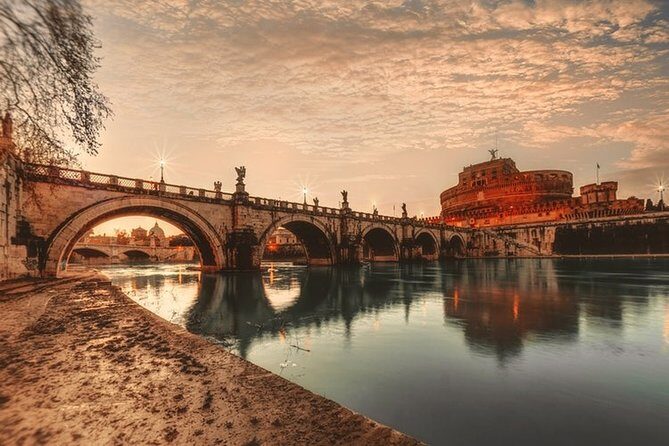
Before you even reach the main structure, the tour experience often starts with the approach. One big mention from the experience is the walk across Ponte Sant’Angelo, the bridge lined with angels, which helps set the tone.
It’s a small detail, but it works. That walk gives you a visual warm-up before you enter the fortress, and it puts you in the right mindset: this isn’t a museum-only stop. It’s a place tied to power, escape routes, and controlling movement near the Vatican side of the city.
If you’re doing this after a lot of walking already, this segment is still manageable. It’s not described as a strenuous hike, and the overall walking is often called easy, with the main stair work saved for inside the castle.
Inside Castel Sant’Angelo: From Hadrian’s Tomb to a Fortress That Adapted
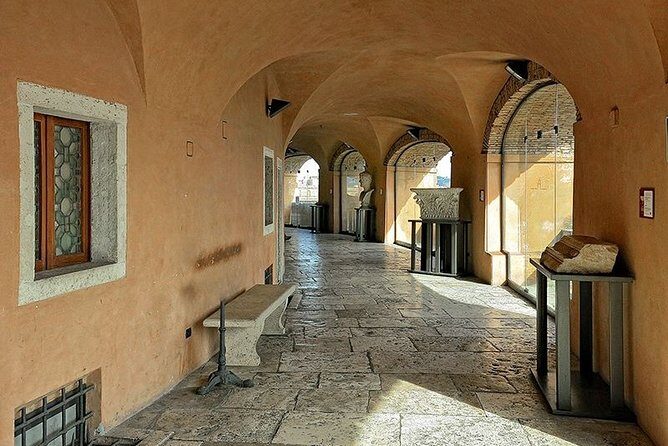
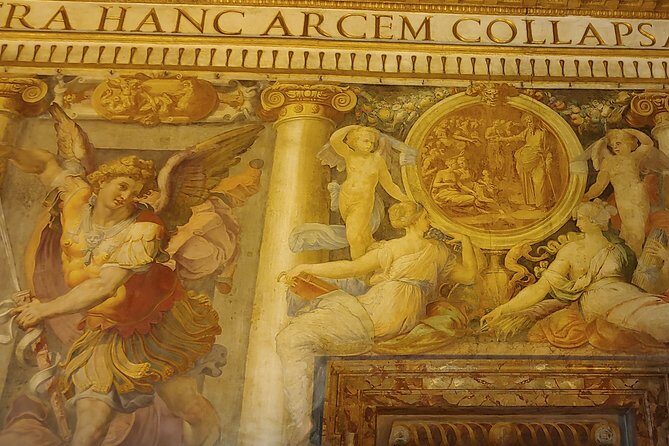
Castel Sant’Angelo’s big trick is change over time. You’ll learn the basic arc: Hadrian’s monumental tomb, then later roles that made it a stronghold because of its size and its strategic position to the north of the city.
As you move through the spaces, the story stays anchored to why the castle was useful. Late Roman and medieval Rome weren’t passive eras. You had threats, control, and need for defensible space, so the castle’s thick, fortress-ready structure makes sense when you hear how it was used.
The prison history is another part people point out. You’ll see the castle not just as an old building, but as a machine built to hold people, manage order, and keep authority close at hand. That’s also where the guide’s style really matters. If your guide is dynamic—Alec, Oleg, Sylvia, and Silvia are mentioned often—the visit feels like a sequence of cause and effect, not a checklist.
There’s also an end-to-end experience feel to the tour. One of the strongest comments sums it up as learning a lot of Rome’s history in one stop. Even if you already know some of the timeline, you still get better at connecting the dots.
Passetto di Borgo: The Pope’s Escape Story You Can Actually See
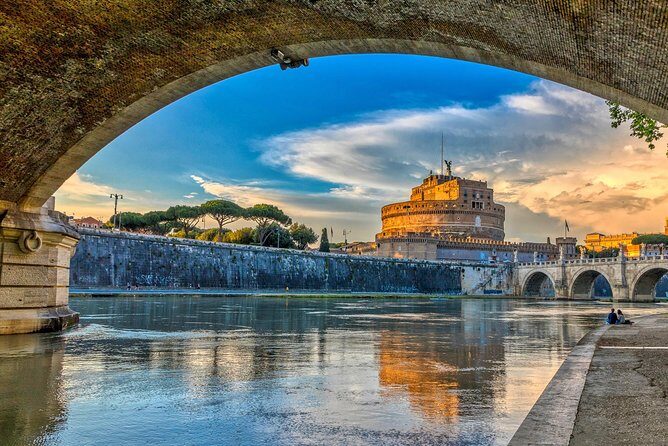
A standout element in how this monument is explained is the connection to the Vatican through Passetto di Borgo. This covered passageway is the kind of detail that can sound abstract until it’s tied to the castle’s purpose.
During the papal era, the pope could use that gateway for refuge. The guided explanation also covers why the castle wasn’t just defensive—it included papal apartments designed for comfort if the pope had to stay.
When your guide brings up the practical angle—movement, safety, and authority—it changes how you look at the building. Suddenly windows, corridors, and connections feel intentional. You’re not just admiring stone; you’re tracking a plan for surviving a crisis.
This is also a great moment for cross-connection. If you’ve visited Vatican sites the same day (especially the morning before), hearing how this passage worked gives your Vatican time context. It can make both experiences click together.



The Guide Makes or Breaks It: What You Should Look for
With a guided experience, the guide’s communication is the whole game. In the feedback you’ll hear recurring praise for guides who combine structure with personality.
Alec gets multiple mentions for being extremely informative and for connecting the castle to wider Rome context like papal history and major power centers. Oleg is described as hilarious, and Sylvia and Silvia are praised for pacing that doesn’t feel like information overload. Lorenzo also gets credit for contacting in advance to help you find the guide and for clear, good English.
What that tells you, practically: you should pick a time when you can be present for a full 2-hour story. If you show up rushed, cranky, or distracted, you’ll miss the part that makes Castel Sant’Angelo feel like Rome’s living history.
One more real-life note from the experience: audio headsets are often used and are mentioned as a big plus. That helps a lot in busy spots, where sound can bounce around and you’d rather not keep trying to hear over everyone else.
The Best Payoff: Rooftop Views Over Rome and the Tiber
Most people come for the views, but the tour helps you earn them. You reach the top after getting your bearings inside, so the panoramas land with meaning instead of being a random photo stop.
The skyline views include the Tiber River and sightlines toward St. Peter’s Basilica. You’re high enough to see Rome’s layout start to make sense, and the vantage points are described as breathtaking, especially late in the day when evening light starts showing up.
If you can plan it, this is where timing turns into a mini strategy. One pairing suggestion given is to do a late afternoon tour after a Vatican morning. A 16:30-ish slot is mentioned as a good match because you’ll get both the daily schedule flow and a nicer light for the final views.
If your feet are still holding up, that’s a great way to make the day feel intentional instead of rushed.
Price and Value: What You’re Paying For (and What You’re Not)
The price is $76.89 per person for about 2 hours, and it includes expert guiding plus admission tickets and booking fees. That inclusion is the main value lever. Castel Sant’Angelo is not a “free entry” site, and skipping the ticket hassle helps you start feeling like the day is running smoothly.
The ticket detail that matters: admission is listed as €16 for adults, and €0 for under 18. Your guide will have the entry process linked to the participant names, and museum staff check those tickets at the entrance.
What’s not included is private transportation. So if you’re coming from far away, you’ll use normal transit or walk. The good news is the meeting point is near public transportation.
At this price level, I think the real question is: do you want someone to translate the building into a story? If yes, this is good value because you’re buying clarity plus a structured path to the best viewpoint.
If you’re the type who enjoys wandering and reading slowly, you might save money by going on your own. But you’ll likely miss the “why” behind the castle’s transformations—especially the papal refuge angle tied to Passetto di Borgo.
Timing Tips: How to Fit This With a Vatican Day
If you’re doing Vatican museums or St. Peter’s nearby, you’ll get more out of this tour when you connect it mentally to what you already saw.
A suggested plan is: Vatican in the morning, then Castel Sant’Angelo late afternoon. That sequence works because you end with rooftop views as daylight changes, and the castle’s connection to the Vatican side of Rome isn’t just a fact—it becomes a picture you can hold.
Another plus: because the tour is only about 2 hours, it doesn’t force you into a whole day commitment. If your energy is mid-range, you can still enjoy this without feeling like you’re losing the rest of the day.
Who This Tour Is Best For
This is a strong choice for people who want a guided history beat without a long day. If you like the idea of seeing how one structure can shift roles—from tomb to fortress to prison to papal refuge—this tour is built for that kind of understanding.
It’s also a good pick if you care about views but don’t want them delivered as a quick line-and-a-click stop. The rooftop moment comes after you understand what you’re looking at, so it feels earned.
If you have limited mobility, be cautious. The experience is described as manageable with easy walking, but there are steps inside. You may want to plan for that in your pace choices.
And if you prefer asking questions, small-group format helps. People specifically mention guides who answer lots of questions, including Alec and Oleg.
Should You Book This Castel Sant’Angelo Small-Group Tour?
I’d book it if you want:
- More meaning than just walking around a fortress
- Included admission so the day stays smooth
- A small group experience that keeps the guide’s attention on the people in front of them
- A strong finish with rooftop views over the Tiber and St. Peter’s
I’d skip it or think twice if:
- You don’t want to handle any stairs at all
- You prefer a solo pace with lots of extra wandering time
- You’re mainly chasing a fast photo stop and nothing more
Overall, this is one of those Rome stops where a good guide turns stone into a story you can remember long after you leave. If your schedule is tight, it’s a smart use of your time.
FAQ
How long is the Castel Sant’Angelo small-group tour?
It runs for about 2 hours.
What languages is the tour offered in?
It’s offered in English, with guides also available in Italian or French.
Is the admission ticket included?
Yes. Admission tickets are included, and they are checked at the entrance by museum staff.
What is the group size limit?
The tour has a maximum of 12 travelers.
Where do I meet the tour?
The meeting point is Castel Sant’Angelo, Lungotevere Castello 50, 00193 Roma.
Do I need to bring ID?
Yes. You’ll need to bring a valid ID and make sure you provide the correct names of all participants at booking.
What is the cancellation policy?
Free cancellation is available up to 24 hours in advance for a full refund.