REVIEW · CASTEL SANTANGELO TOURS
Castel Sant’ Angelo: The most famous Fortress of Rome
Book on GetYourGuide →Operated by Vivicos International Travel · Bookable on GetYourGuide
Castel Sant’Angelo has a way of pulling you forward.
This fortress is Rome’s unusual mash-up of eras, starting as Emperor Hadrian’s tomb, then getting reshaped into a papal stronghold with prisons and escape routes. What makes it worth your time is that you don’t just walk through one “type” of place—you move through changing purposes, from ceremony to confinement, with some of the best city panoramas at the end.
I especially like two things: the skip-the-line approach and the chance to take in Rome from Angel’s Terrace. The skip-the-line entrance helps you keep your 2-hour window realistic, and the terrace view is the kind of payoff that turns a monument visit into a great half-day anchor.
One consideration: if you pick the audio guide option, you’ll need a smartphone and headphones, plus you should download the app/audio before you start (Wi‑Fi helps with that). If that part goes sideways, the experience can feel slower and more complicated than it needs to be.
In This Review
- Key highlights worth knowing
- Why Castel Sant’Angelo’s story moves faster than most Rome sights
- From Hadrian’s tomb to popes’ fortress: what you’re actually stepping into
- The practical value of skip-the-line entry in a 2-hour visit
- What’s inside: Papal Rooms, the Spiral Staircase, and Hadrian’s Ashes Hall
- Papal Rooms
- The Spiral Staircase
- Hall of Emperor Hadrian’s Ashes
- Angel’s Terrace: Rome views that make the ticket feel worth it
- Audio guide option: how to get value out of it (and avoid frustration)
- Ticket price and value: what you’re paying for in real terms
- What to bring, what not to bring, and how to keep your visit smooth
- Bring
- Not allowed
- Fast track timing note
- Where you’ll start: meeting point and why it can vary
- Who should book Castel Sant’Angelo this way
- Should you book Castel Sant’Angelo tickets through this option?
- FAQ
- How long is the Castel Sant’Angelo visit?
- Is a live guide included?
- What does the ticket include?
- Do I need a smartphone for the audio guide?
- What ID do I need to bring?
- What items are not allowed inside Castel Sant’Angelo?
Key highlights worth knowing
- Skip-the-line entry via a separate entrance to protect your time
- Angel’s Terrace viewpoints for wide Rome city photos, not just “nice views”
- Hadrian’s Tomb to Papal Fortress story in one continuous visit
- Spiral Staircase and Papal Rooms for a mix of spaces, not one long hallway
- Nominative tickets that require full participant names for entry
Why Castel Sant’Angelo’s story moves faster than most Rome sights
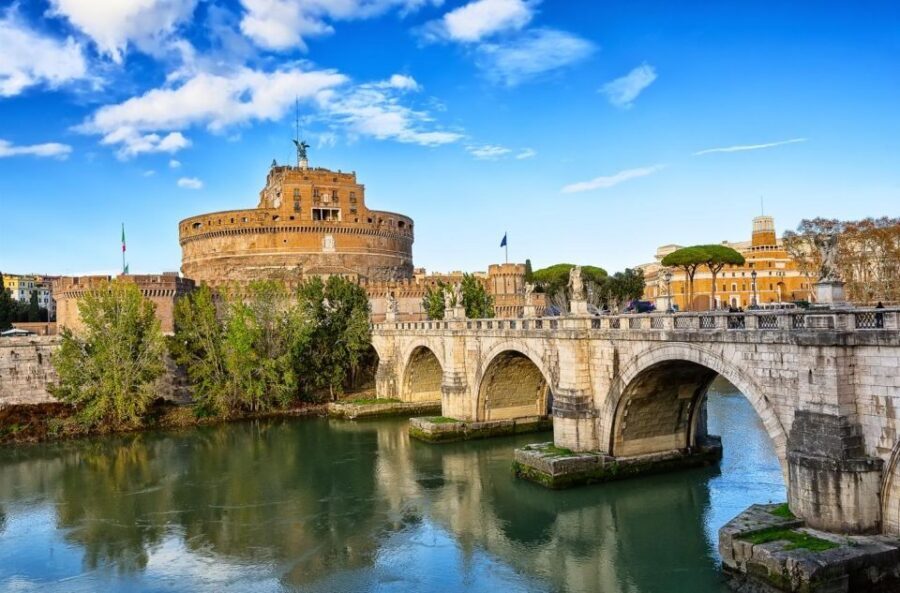
If you’ve visited a few Roman ruins already, Castel Sant’Angelo feels like a different kind of Rome. It isn’t just ancient stone. It’s an evolving machine built for power and survival, then reused and reinterpreted as the centuries changed.
The easiest way to understand it is to follow the building’s job changes. Roman-era it begins as the tomb of Emperor Hadrian. Early Renaissance it gets converted into a papal fortress. That shift matters because the spaces you’ll walk through were shaped by fear, control, and escape—not just by monument-making.
For you, that means the visit feels purposeful. You’re not wandering randomly through pretty rooms. You’re moving through a structure that was repeatedly re-engineered for real-world emergencies. And because the route loops through multiple highlights, the whole 2 hours stays active instead of turning into a slow museum trudge.
You can also read our reviews of more tours and experiences in Rome.



From Hadrian’s tomb to popes’ fortress: what you’re actually stepping into
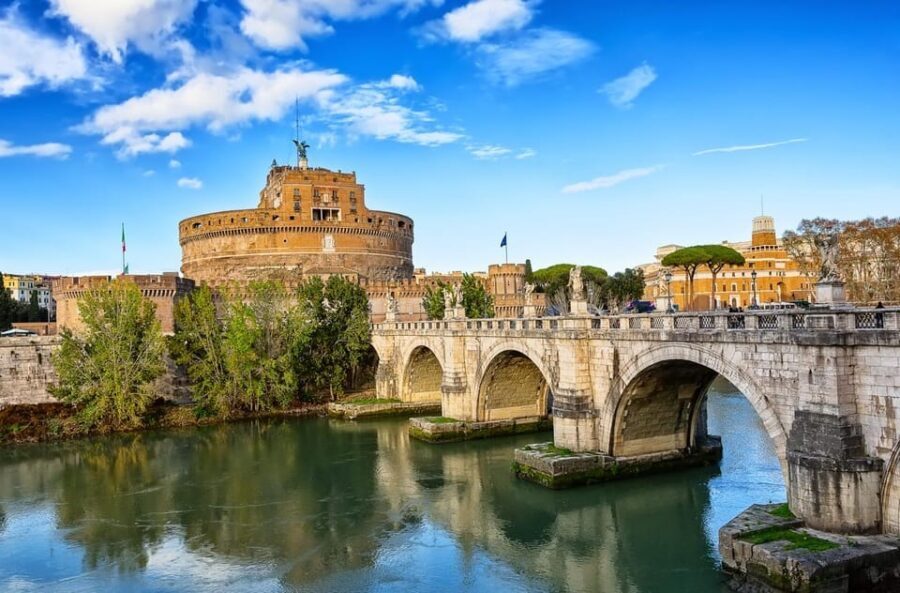
Castel Sant’Angelo is often described as one of Rome’s best-known fortresses, and that reputation isn’t just marketing. The core idea is simple: it started as a tomb, and later became part of the papacy’s defense system.
Here’s what that means as you visit:
- Roman beginnings: built in Roman times as the tomb of Emperor Hadrian.
- Renaissance transformation: converted into a papal fortress in the early Renaissance.
- A darker side: the fortress houses prisons and a place of execution.
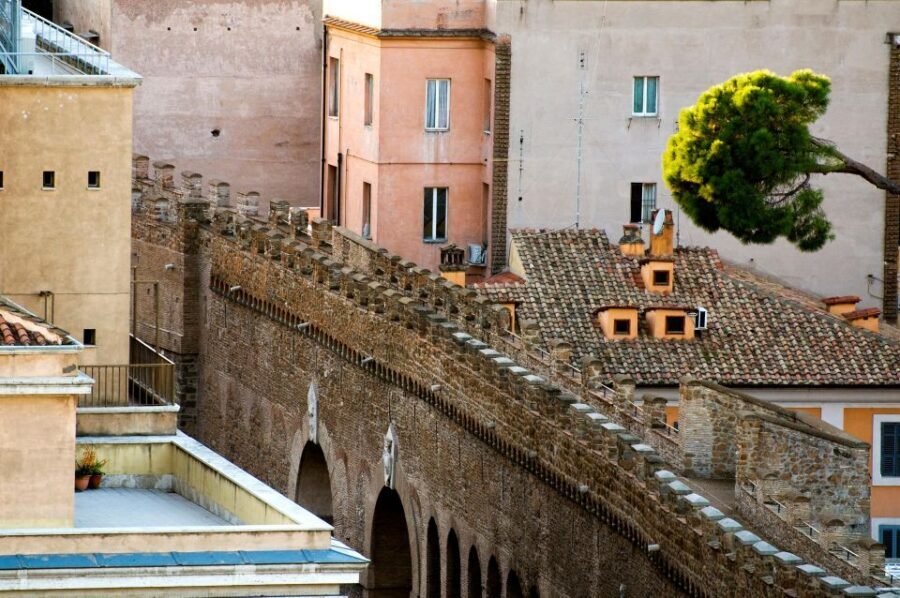
- A lifeline route: connected to the Vatican Palace via an elevated walkway, used by popes to escape in danger.
That elevated connection is a detail I love for how it changes your mental map of central Rome. You stop thinking of the Vatican as a separate zone and start picturing this fortress as part of a fast escape plan. Even without a guide explaining it in real time, the building’s purpose helps you “read” what you’re seeing.
The practical value of skip-the-line entry in a 2-hour visit

This is one of those Rome experiences where time matters. Castel Sant’Angelo is popular. If you show up hoping to wing it, the queue can eat your day.
That’s why the separate entrance skip-the-line approach is a big deal for value. You’re booking a timed-style visit with a 2-hour window, so the goal is to keep you inside the experience rather than stuck outside it. When you have limited time in Rome, that’s not a luxury—it’s smart planning.
It also shapes the kind of day you can build. You can pair this with other nearby sights without feeling like Castel Sant’Angelo will steal your schedule. It’s a great “anchor stop” because it combines indoor rooms, staircases, and an outdoor terrace payoff.
What’s inside: Papal Rooms, the Spiral Staircase, and Hadrian’s Ashes Hall
Once you’re through the entry flow, the experience is organized around major stops. You won’t be stuck staring at one room. You’ll move through named highlights that help the story land.
Papal Rooms
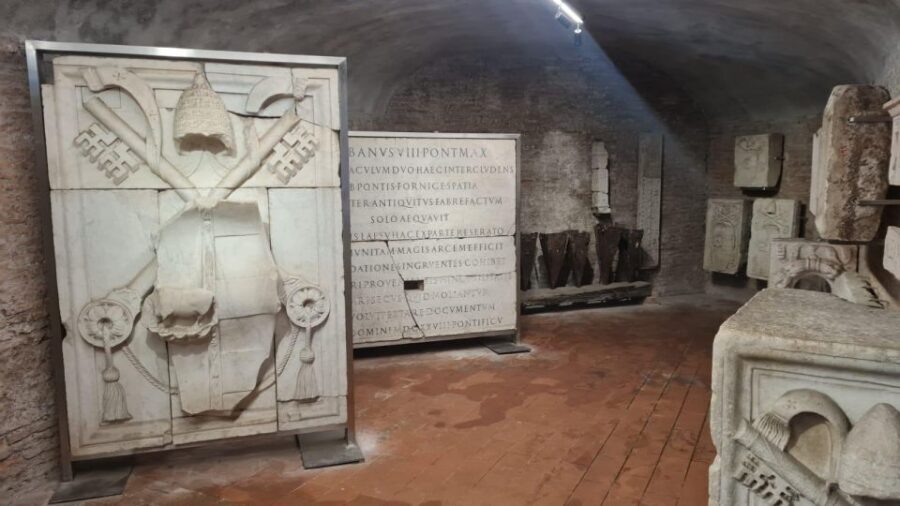
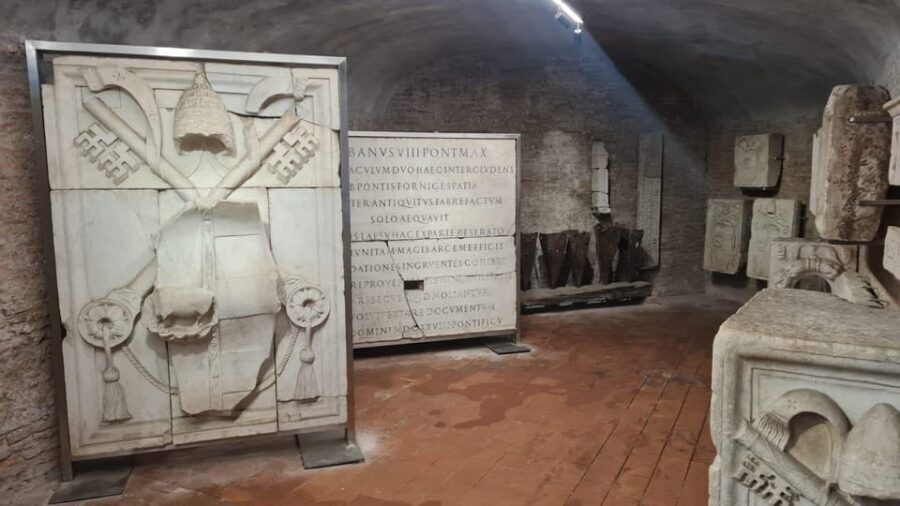
The Papal Rooms are where you feel the fortress’s “official” side. These are the rooms most tied to papal presence, and they fit the overall theme: this was no longer a tomb-only site. It became a fortress that still needed spaces for order, administration, and power.
If you like history told through architecture, you’ll appreciate how the rooms shift your expectations. Instead of purely monumental ancient structure, you’re looking at a building that had to function like a stronghold under later leadership.



The Spiral Staircase
The Spiral Staircase is one of those “you’ll remember this even if you forget everything else” features. It’s not just movement; it’s a rhythm change. Staircases in medieval/fortress sites do that job: they slow you down, force you to pay attention, and create a sense of progression.
In practical terms, it also means you’ll want to pace yourself if you’re sensitive to stairs. The route is designed as a tour path, but you’re still doing real vertical movement inside a fortress.
Hall of Emperor Hadrian’s Ashes
Then you reach the Hall of Emperor Hadrian’s Ashes, the part that brings you back to the building’s Roman origin. This is the stop that helps the whole visit click. You see how the structure’s original purpose didn’t disappear—it was folded into later uses.
Even if you’re not a die-hard Roman history person, you can feel why later rulers cared about keeping this place standing and meaningful. It’s a reminder that power often reuses what came before instead of starting from scratch.
Angel’s Terrace: Rome views that make the ticket feel worth it

If you ask me what sells Castel Sant’Angelo in one line, it’s this: Angel’s Terrace is the payoff point.
The terrace gives you city views from a fortress position, and that’s important. It’s not the same as looking out from street level. The height and framing make the panorama feel more dramatic and more “Rome-shaped.”
I love terrace views most when they’re not rushed. Here, the terrace is positioned as a major highlight, so you’re not just passing through. You get the chance to slow down, look around, and take photos that actually show spatial depth—how neighborhoods stack, how landmarks sit in relation to each other.
Practical tip: if you’re sensitive to crowds, aim for a slower moment at the terrace rather than the peak rush right when you arrive. The visit is timed, but you can still control your pace once you’re inside.
Audio guide option: how to get value out of it (and avoid frustration)
You have the option to add an audioguide in several languages, including Spanish, French, Italian, English, German, and Chinese. If you choose this, it’s a simple upgrade on paper.
The catch is that you need to be ready for it technically:
- You must have a smartphone and headphones.
- Download the audio guide before you start using Wi‑Fi. After download, it works without Wi‑Fi.
That’s not “nice to have” advice. It’s the difference between a smooth self-guided visit and a frustrating scramble once you’re in the fortress.
Also note the experience is quiet enough that audio makes a difference. Without it, you might still understand the big story—Hadrian, papal fortress, prisons—but the audio helps you connect scenes as you move through Papal Rooms, stairways, and terrace areas.
One more thing I’d watch: make sure the audio guide option you selected matches how many participants you have. If you buy for multiple people, double-check everything before you arrive, because the most common “problem” here is usually mismatch, not the monument itself.
Ticket price and value: what you’re paying for in real terms
The headline price listed for this experience is $39 per person, and the standard entrance ticket cost is €16 per person. You’ll also see additional charges for services and processing.
So is $39 “expensive”? Not if you think of it as buying three things:
1) Entrance to the fortress highlights
2) A time-saver through skip-the-line entry
3) Optional audio guide value if you select it
If you were to buy only the bare minimum entry ticket on the spot, you’d likely lose time waiting and risk less predictable timing. Here, the structured approach and separate entrance can translate directly into value—especially if Castel Sant’Angelo is one of your limited Rome priorities.
If you’re the type who prefers reading and exploring at your own speed, the audio guide can be worth it. If you prefer to wander without devices, you can still choose the ticket-only approach.
Either way, the price is strongest when you actually use the skip-the-line and keep your visit focused on the core route.
What to bring, what not to bring, and how to keep your visit smooth
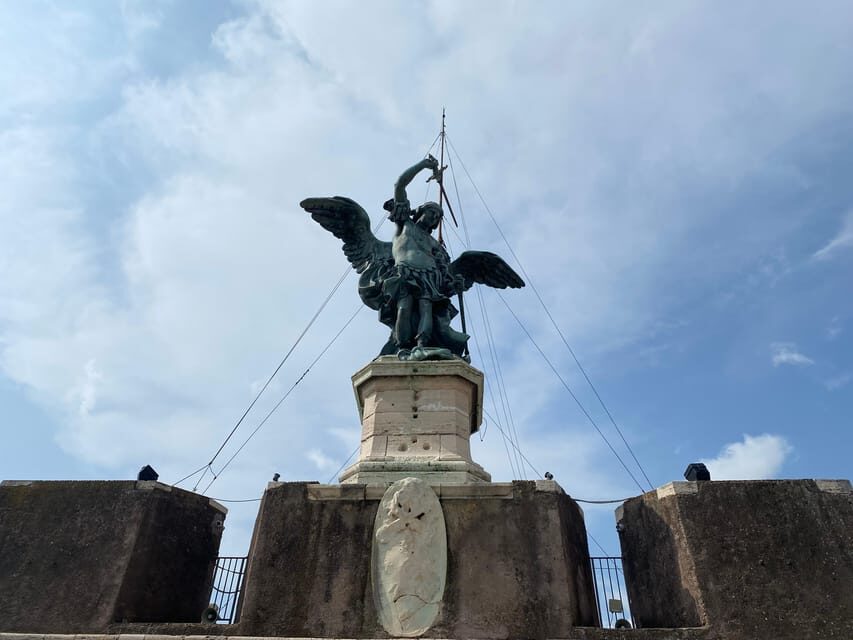
This is the part that prevents headaches.
Bring
- Passport or ID card
Not allowed
- Weapons or sharp objects
- Baby strollers
- Luggage or large bags
- Pets (assistance dogs allowed)
- Alcohol and drugs
Also plan around the fact that you’ll be inside a fortress route that includes staircases. Wear shoes you’re comfortable walking in. And if you’re using the audio guide, pack your headphones and make sure your phone battery is decent.
Fast track timing note
If you choose Fast Track tickets, book them at least one day before your visit. That matters because last-minute choices can limit your options.
Where you’ll start: meeting point and why it can vary
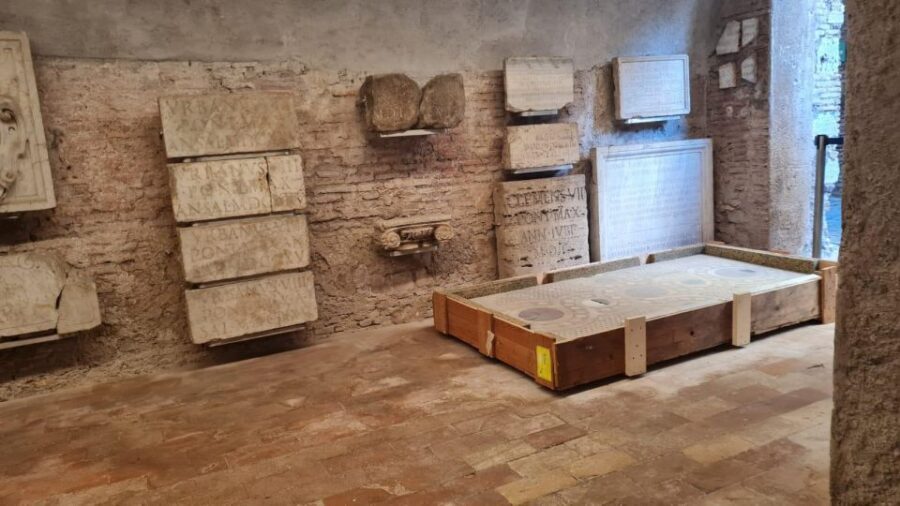
The meeting point may vary depending on the option booked. Translation: don’t assume there’s one universal street corner.
To avoid stress, treat your meeting instructions as the real truth for your specific ticket type. This is especially important with nominative tickets and skip-the-line entry, where timing and the correct access point help everything run smoothly.
Who should book Castel Sant’Angelo this way
This experience fits best if you:
- Want a 2-hour Rome stop that doesn’t require a full day
- Care about skip-the-line convenience
- Like monuments that explain themselves through purpose (tomb → fortress → terrace views)
- Prefer self-paced exploring with optional audio guidance
It’s also ideal for couples, friends, and independent travelers who don’t want to sync to a live guide schedule.
If you need a very guided narrative with someone constantly adjusting to your questions, this might feel more hands-off. In that case, audio plus your own pace might still work, but you’ll likely want extra preparation using your own reading before you arrive.
Should you book Castel Sant’Angelo tickets through this option?
I’d book it if you want three things: time savings, a clear route through major highlights, and an easy way to add an audio guide without hiring a live guide.
Here’s my quick decision checklist:
- If Castel Sant’Angelo is on your must-do list, skip-the-line value is real.
- If you pick audio, do the prep step: download before you start and bring headphones.
- If you’re buying tickets for multiple people, double-check that names are correct and match the nominative requirement, since entry depends on that.
If you hate dealing with your phone at attractions, you might still book, but consider sticking to the ticket option without audio. The terrace and fortress rooms are the core experience either way.
Bottom line: this is a smart way to handle a famous Rome monument in a short window—especially if you plan carefully with audio and your entry details.
FAQ
How long is the Castel Sant’Angelo visit?
The experience is valid for 2 hours. You can check availability to see starting times.
Is a live guide included?
No. A live guide is not included. You may have an optional audioguide instead, depending on your selected option.
What does the ticket include?
Included items depend on your option. Typically, you’ll get the Castel Sant’Angelo ticket and an audioguide if that option was selected.
Do I need a smartphone for the audio guide?
Yes. If you choose the audio guide option, you must have a smartphone and headphones. Download it before you start using Wi‑Fi; then it works without Wi‑Fi.
What ID do I need to bring?
Bring a passport or ID card.
What items are not allowed inside Castel Sant’Angelo?
You can’t bring weapons or sharp objects, baby strollers, luggage or large bags, or pets (assistance dogs are allowed).