REVIEW · COLOSSEUM TOURS
Ancient Rome unveiled: Colosseum with audioguide
Book on Viator →Operated by Italy Pass tours · Bookable on Viator
Rome’s biggest arena is easier than you think. What makes Ancient Rome Unveiled work is the mix of timed Colosseum access plus an audio guide you can use at your own pace. You get the key stops most first-timers want, and you’re not stuck waiting behind a big group for every move.
I especially like that the route covers three major areas in one go: the Colosseum, then Palatine Hill for views, and finally the Roman Forum for the context. One more plus: you’re not stuck guessing what you’re looking at, because the audio guide is built to explain the scenes and architecture as you go.
The main thing to consider: this is not a full live-guided tour of every corner. Arena/underground/III level access isn’t included, and you’ll be relying on the audio guide and materials more than a guide talking in your ear the whole time.
In This Review
- Key highlights worth planning for
- Entering The Colosseum Without Getting Stuck in Lines
- Inside the Colosseum: What You Can See (And What You Don’t)
- Palatine Hill: The Emperor’s View Over Rome
- The Roman Forum: Turning Ruins Into a Real Story
- Audio Guide + Materials: How to Get Real Value
- Price and Value: Why This Costs What It Costs
- Practical Notes That Can Make or Break Your Day
- Who This Tour Fits Best (And Who Should Skip It)
- Should You Book Ancient Rome Unveiled With Audioguide?
- FAQ
- How long is the experience?
- What language is the audioguide offered in?
- Is there a live guide during the tour?
- Does this include skip-the-line access to the Colosseum?
- Which parts of the Colosseum are included?
- Are the Arena, Underground, and III Level included?
- Do I also get access to Palatine Hill and the Roman Forum?
- Is an audio guide included?
- What documents do I need for entry?
- Is this tour refundable?
Key highlights worth planning for
- Timed Colosseum entry to reduce waiting and help you beat the worst of the lines
- First and second rings inside the Colosseum, with history and structure explained via audio
- Palatine Hill viewpoints where emperors and elites once lived
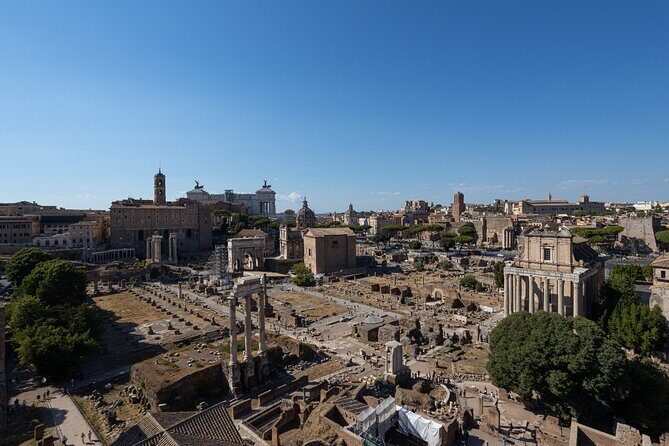
- Roman Forum open access so you can connect buildings to the political and daily-life story
- Audio guide + informational book style format, not a full live-guide experience
- Up to 24 people in the group, which usually feels more manageable than mega-tours
Entering The Colosseum Without Getting Stuck in Lines
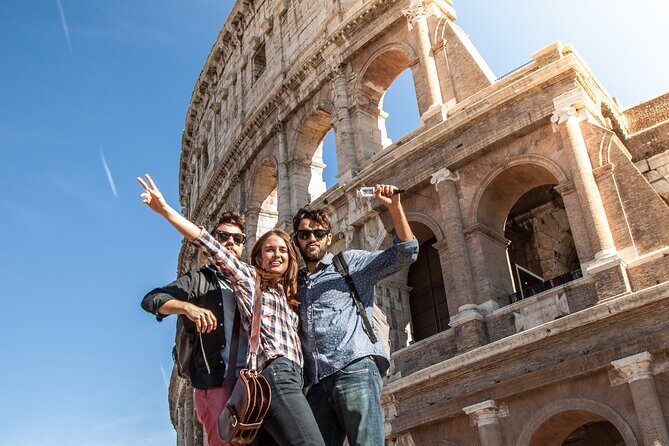
Your time starts at a set meeting point on Via Capo d’Africa, 24, near public transportation. The tour ends at Piazza del Colosseo, so you’ll finish right by the Colosseum area—handy if you want to keep exploring afterward on your own. The whole experience runs about 3 hours, so you’re moving at a real sightseeing pace.
The ticket includes Colosseum admission at your booked time and a reservation fee. In practical terms, that means you’re not arriving at the mercy of walk-up crowds. You still need to be prepared to go through security and get your bearings, but the “waiting in line forever” feeling is reduced.
One practical note from real-world experience: a small delay in getting your entry materials sorted can snowball. If you don’t receive the QR code or instructions you expect, or staff are hard to reach at the start, it’s possible to lose time while groups shuffle at ticket points. To protect your plan, I’d make sure you have your confirmation info and any access instructions saved on your phone before you leave the hotel.
You can also read our reviews of more tours and experiences in Rome.



Inside the Colosseum: What You Can See (And What You Don’t)
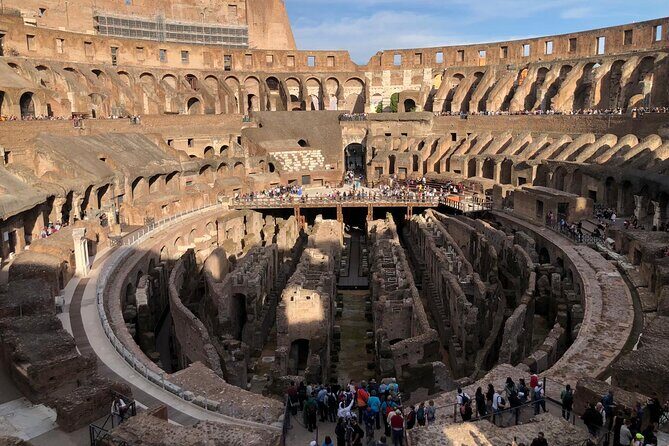
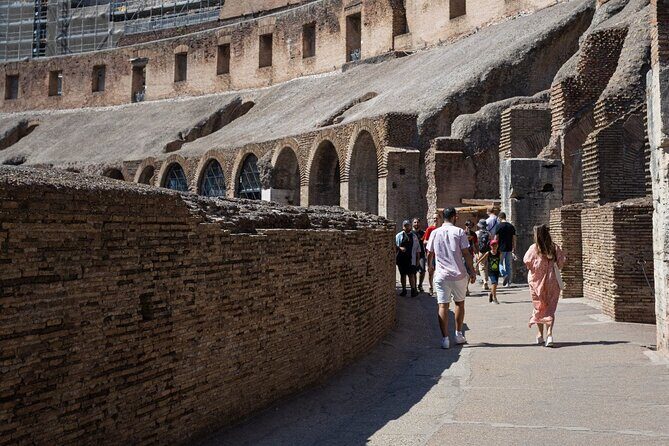
The Colosseum is the star, and the tour focuses on helping you understand what you’re seeing rather than just pointing and saying “cool, right?” You’ll visit the first and second ring inside the amphitheater, with audio help designed to cover the monument’s history and complex design.
This is a good format if you like to stop when something catches your eye—say, a section of seating, an architectural detail, or a place where you can picture what went on there. The experience is set up for self-paced exploring, so you control how long you linger.
You’ll also want to know what’s not included. The price covers Colosseum entry for the areas above, but not the Arena, Underground, or the III Level. If your must-do list includes those specific areas, you’ll need a different ticket or a different tour option that includes them.
There’s also an interesting detail: your Colosseum ticket includes access to any exhibitions in progress at the time of your visit. That can turn a visit from “just the structure” into something a little more seasonal and current, depending on what’s running.
Palatine Hill: The Emperor’s View Over Rome
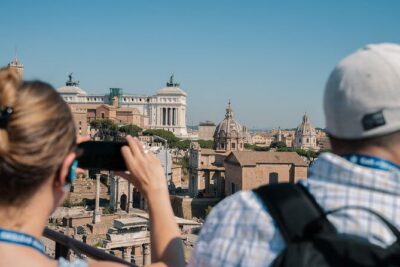
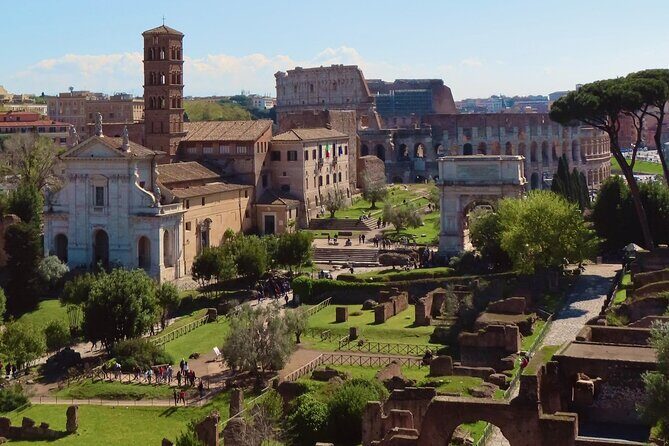
After the Colosseum, you climb into the story behind the story. Palatine Hill is one of Rome’s seven hills, and it’s famous because it served as the residence for emperors and aristocrats. In other words, while the Colosseum was entertainment for the masses, Palatine was power for the elite.
Expect to walk among ruins and remnants of palaces, temples, and gardens. The tone here changes from amphitheater spectacle to everyday grandeur—what it felt like to live close to Rome’s political gravity. Even if you’re not a hardcore architecture person, Palatine helps you understand why ancient Romans built where they did.
The payoff is the views from the top. You get a clearer sense of how the city is laid out and how these sites relate to each other. If you’re the kind of person who likes your photos to make sense later, this stop is a big win.
Time is also tighter here than you might think. With only about an hour, you’ll want to plan a “must-see” path so you don’t get distracted by every stone. Save the wander for the Roman Forum, where there’s more room to roam at your own rhythm.
The Roman Forum: Turning Ruins Into a Real Story

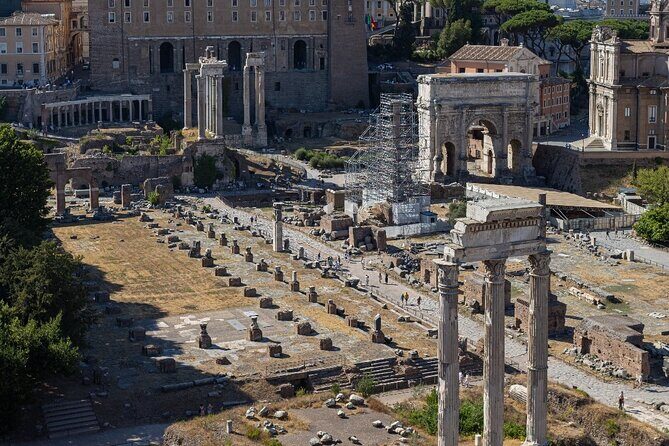
The Roman Forum is where your brain starts connecting dots. This area was once the center of Roman public life—political, religious, and commercial—so it’s not just temples and columns. It’s the stage where speeches happened, where public decisions played out, and where civic life moved day to day.
Your access includes an open entrance to the Roman Forum, Palatine, and Imperial Forum. That’s meaningful because it gives you flexibility to move through the space in an order that fits your energy, not just a strict stamp-and-go routine.
As you stroll, you’ll be able to visualize the “why” behind the layout: the marketplace feel, the presence of major temples, and the idea of orators shaping the fate of the Republic and Empire. The audio guide helps with this kind of mental mapping, because without guidance, a lot of ruins can look like “more ruins” in a sea of stone.
This stop works best when you slow down for a few key moments—finding a viewpoint, reading the shapes of the remains, and letting the explanations give you a framework. Don’t worry if you miss every detail; even partial context makes the Forum feel like a place with a pulse instead of a postcard set.
Audio Guide + Materials: How to Get Real Value
The tour includes an audio guide, plus the experience format centers on you using it while you move. There’s no live guide included, so your success depends on how you use the audio.
Here’s my practical advice for making it work smoothly:
- Before you enter, take a minute to check that the audio guide is ready and working.
- Use the audio at natural pause points, not while you’re speed-walking. Ruins are noisy in your head; the explanations land better when you can look around.
- If you end up without the QR code or access instructions you expected, don’t just wait silently. Have your confirmation details handy and be ready to get help fast, because time loss can happen quickly at the start.
One detail I really appreciate from on-the-ground comments: when everything runs well, the staff can hand over the materials on time and point you in the right direction. People have also mentioned feeling supported by timely emails and message reminders during the booking process. So do yourself a favor and keep those messages accessible. Save screenshots in case your signal is spotty.
Also worth noting: not everyone expects the experience to be more self-guided than “tour guide walks you to every stop.” If you love a person-led tour where you ask questions constantly, this format might feel a bit like you’re renting the knowledge instead of receiving it live. If you’re okay with learning on your feet, the audio guide style is a smart match for the Colosseum and Forum.
And yes—names can matter for confidence. One person highlighted a guide named Vincenza as being especially prepared, with energy that kept even a 10-year-old interested for the full stretch. If you’re lucky enough to have someone supportive during the handoff, it can make the whole start feel less confusing.



Price and Value: Why This Costs What It Costs
The price is $46.13 per person for an experience that runs about 3 hours. That sounds steep until you break down what’s actually included.
You’re getting:
- Colosseum reservation and admission tied to your booked time
- Access into the Colosseum interior areas that this ticket covers
- Audio guide
- Open entrance for the Roman Forum, Palatine, and Imperial Forum
- The Colosseum ticket value and reservation fee are identified as €18 + €2 per person, meaning the remaining cost covers services beyond the base ticket.
So what’s the “value” you’re paying for? Time savings and guidance. The Colosseum is famous for queues, and timed access plus a self-guided audio approach is a way to avoid wasting your short visit just standing still. The Forum and Palatine also benefit from context—without explanations, they can feel like a lot of scattered stone.
Is it the cheapest way to see Rome’s highlights? Probably not. But it’s also not paying for a full live guided group tour. If your goal is maximum sight-seeing per hour with minimal waiting, this price can make sense.
If your goal is “I want the full inside-the-structure experience,” remember you’ll be missing the Arena, Underground, and III Level. In that case, compare options that explicitly include those areas so you’re not paying and still leaving with unfinished business.
Practical Notes That Can Make or Break Your Day
This experience includes a key admin detail that you cannot ignore: you must provide the full names of all travelers when booking. At the ticket office, if the voucher doesn’t match the names, entry to the Colosseum and Roman Forum can be denied. You also need a valid passport or ID that matches the name provided.
That’s not “travel theater.” It’s how major sites in Rome work, and it’s an easy avoidable headache if you rush the booking or use nicknames.
Group size is capped at 24 travelers, which usually keeps things more organized than the giant bus-style crowds. Still, the area is crowded. Plan to move with purpose and expect lines for security and entry.
Also, because the experience format relies on your audio and materials, bring a fully charged phone (or plan an alternative audio solution). Rome’s “perfect photo moment” always happens right when your battery hits 8%.
Who This Tour Fits Best (And Who Should Skip It)
This is a strong fit if you want:
- The Colosseum + Palatine Hill + Roman Forum in one 3-hour plan
- A self-paced visit inside the Colosseum with audio support
- Access that reduces time lost in long queues
- Enough context to understand what you’re seeing without needing a full live guide
It may be less ideal if you:
- Want a live guide walking you through every single stop with constant narration
- Specifically want Arena, Underground, or III Level access (not included)
- Prefer a tour where everything is handled start-to-finish and you never touch an audio device or guide materials
If you’re traveling with kids, this kind of audio-guided structure can work well because you can adjust pace and repeat explanations if needed. One comment mentioned a 10-year-old staying interested for the full visit when the guide approach was strong. Audio + a clear route is often easier for families than very “lecture-heavy” tours.
Should You Book Ancient Rome Unveiled With Audioguide?
I’d book it if your priority is efficient, meaningful sightseeing: timed Colosseum entry, interior access for the rings included, and a quick but guided-feeling route to Palatine Hill and the Roman Forum. For the price, you’re paying for time saved and for the audio to turn stone into story.
I’d be cautious if you’re expecting a fully live-guided tour of everything. This is more “hands-on, audio-supported exploring” than “a guide talks nonstop.” Also double-check that you don’t need the Arena/Underground/III Level areas for your personal checklist.
If you go in with the right expectations—and you arrive with your details correct and your audio materials ready—you’ll get a lot out of three hours in Rome’s most famous archaeological zone.
FAQ
How long is the experience?
It lasts about 3 hours.
What language is the audioguide offered in?
English.
Is there a live guide during the tour?
No. A live guide is not included; you’ll use the audio guide.
Does this include skip-the-line access to the Colosseum?
Yes. You get Colosseum admission at your booked time, which helps you avoid long waits.
Which parts of the Colosseum are included?
This covers the interior visit for the first and second ring of the Colosseum.
Are the Arena, Underground, and III Level included?
No. Entrance to the Arena, Underground, and III Level of the Colosseum is not included.
Do I also get access to Palatine Hill and the Roman Forum?
Yes. Your ticket includes open entrance to the Roman Forum, Palatine, and Imperial Forum.
Is an audio guide included?
Yes. The experience includes an audio guide.
What documents do I need for entry?
Each traveler must present a valid passport or ID document matching the name provided at booking.
Is this tour refundable?
No. The experience is non-refundable and cannot be changed for any reason.