REVIEW · ROME
10 Wonders of Rome in 3 hrs
Book on Viator →Operated by Lock Your Tour · Bookable on Viator
Rome in a tight time window? This tour helps.
A 3-hour walk through central Rome can feel like chaos, so I like that this one is structured and stays focused on major landmarks. You’ll see the Colosseum area right away, then keep rolling through iconic spots like the Pantheon, Trevi Fountain, and the Spanish Steps, with plenty of time set aside for photo stops instead of just passing by. The vibe also stays light: guides like Joseph, Drita, and Isuf are described as funny and engaging, and many use quick quizzes to help you remember what you just learned.
Two things I’d call out as real wins: first, the small group size (max 12) means you’re not lost in the crowd when questions pop up. Second, you get practical, on-the-street help alongside the stories, including tips people ask for like how to use the subway. One consideration: it is still a walking tour. Expect a decent pace, and there can be stairs at the end, so wear good shoes.
In This Review
- Key takeaways before you go
- Why this 10 Wonders walk works so well
- Starting at Via del Monte Oppio: how the meeting sets you up
- Colosseum first: what you’ll see without entering
- Via dei Fori Imperiali and the Vittoriano: Rome’s grand political boulevard
- Pantheon time: church-in-use energy plus a coffee moment
- Pontifical Gregorian University: a smarter pause on the route
- Trevi Fountain: your classic photo stop, built to work
- Villa Borghese area panoramic viewpoint: the route’s best payoff
- Spanish Steps: design, romance, and another quick stop
- Tempio di Adriano and Marcus Aurelius: shorter looks with real context
- What’s included (and what that means for your time)
- Pacing, walking, and comfort: set yourself up to enjoy it
- Your guide matters: the style you can expect
- Is this tour good value for you?
- Should you book 10 Wonders of Rome in 3 hrs?
- FAQ
- How long is the 10 Wonders of Rome tour?
- Is admission included for the Colosseum or other monuments?
- What stops are included on the route?
- Where do you meet and where does it end?
- What language is the tour offered in?
- How big is the group?
- Is Trevi Fountain included and is there an admission fee?
- Is the tour walking-heavy?
- Are there any age limits?
- When do you get confirmation after booking?
Key takeaways before you go
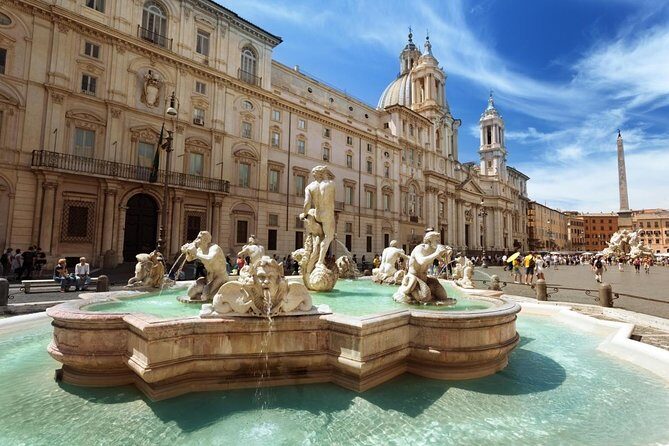
- 10 Wonders in about 3 hours: A fast orientation that helps you plan the rest of your trip.
- Small group, more attention: Max 12 people means fewer bottlenecks and more personal guidance.
- Photo-friendly pacing: Stops are built in, especially around Trevi Fountain and the viewpoints.
- No-entry tour: You see monuments from the outside, so it’s best for people who want quick context over long ticket lines.
- Coffee culture built in: At the Pantheon area, you may get an espresso treat and you’ll get nearby gelato suggestions.
- Interactive guides: Guides like Joseph, Drita, and Isuf often add quizzes and keep the mood playful while teaching.
Why this 10 Wonders walk works so well
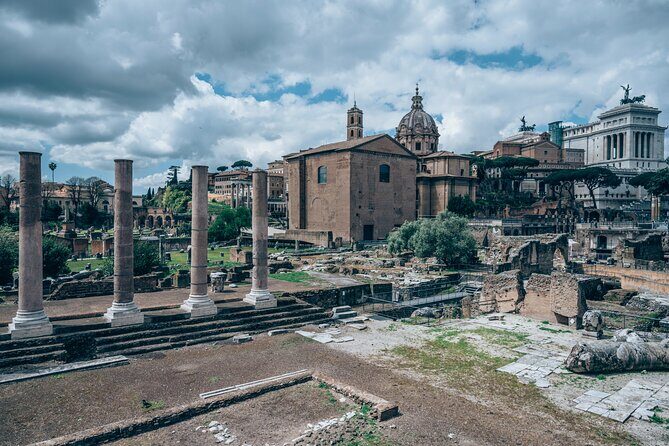
Rome’s big sights are spread out, and if you’re short on time, random wandering can turn into long detours and blurry photos. This tour solves that with a simple formula: hit several headline landmarks in one morning-or-afternoon session, then connect the dots with clear storytelling.
The real value here is not just that you’ll see famous places. It’s that the order makes sense. You start around the ancient center, move into the grand civic monuments, then shift toward Rome’s classic postcard zones like Trevi Fountain and the Spanish Steps. By the end, you’re also placed near a panoramic viewpoint area, so you get both street-level icons and a bigger sense of how the city sits on its hills.
And because it’s a walking tour with an official guide, you get the kind of explanations that help your eyes. The tour doesn’t ask you to memorize dates; it helps you recognize what you’re looking at and why it matters.
You can also read our reviews of more tours and experiences in Rome.



Starting at Via del Monte Oppio: how the meeting sets you up
You’ll meet at Via del Monte Oppio, 3, 00184 Roma RM, Italy. The tour ends at Viale del Belvedere, 00187 Roma RM, Italy. That end point location matters: it’s not a dead-return to the exact start. Instead, the route nudges you toward higher viewpoints near the Villa Borghese area.
You also get what I’d call practical reassurance: the meeting spot is near public transportation, and you’ll use a mobile ticket rather than scrambling for paper. If you’re trying to make your first day in Rome feel organized, this start-and-finish arrangement is a big help.
Colosseum first: what you’ll see without entering

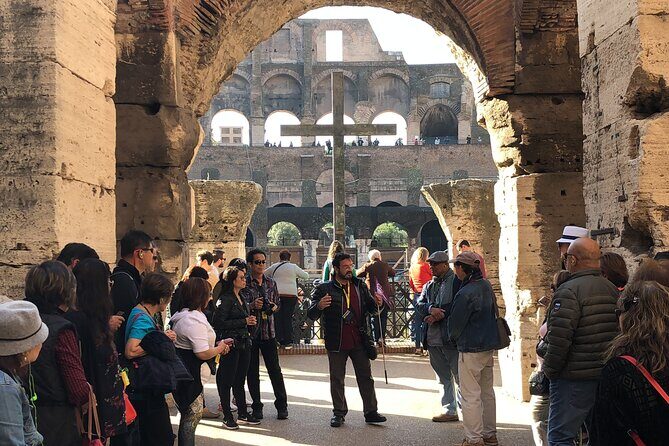
The experience begins in front of the Colosseum, with about 15 minutes at Stop 1. Admission tickets are not included, and the tour does not focus on getting inside. That might sound like a downside, but it’s actually the reason this itinerary can stay tight.
What you get instead is a guided look at how the Colosseum fits into the bigger ancient landscape. You’ll have time to orient yourself visually, grab those early photos, and get the basic story so that when you do decide to enter later (if you want), you’ll already know what you’re seeing.
Who this fits best: If your goal is “see the big hits and learn quickly,” this works perfectly.
Who might want more: If you’re the type who needs a full inside visit at each monument, you’ll likely want to pair this with separate timed-entry tickets later.
Via dei Fori Imperiali and the Vittoriano: Rome’s grand political boulevard
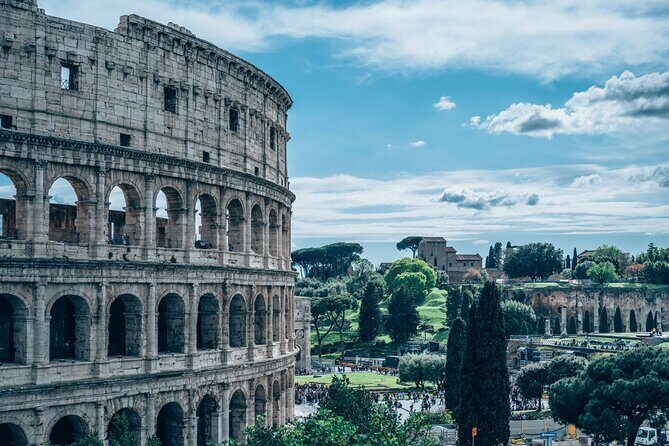
Next up you walk through Mussolini’s grand Via Dei Fori Imperiali, then head to Venezia Square for the Altar of the Fatherland, also known as the Vittoriano. You’ll have about 10 minutes here, plus time for photos in front of this striking monument.
This stop is one of those places where the guide’s context really helps. From the street, the Vittoriano can look like just another massive marble structure. With the explanation, it becomes easier to understand why it’s tied to national symbolism and how it anchors this end of Rome’s historic core.
Also, you’ll get a “Roman heart of the city” feeling here. You’re in the middle of things—busy streets, big views opening up, and lots of photo opportunities—so it’s a good moment to take a breather and reset before heading to smaller, more intimate landmarks.
Pantheon time: church-in-use energy plus a coffee moment
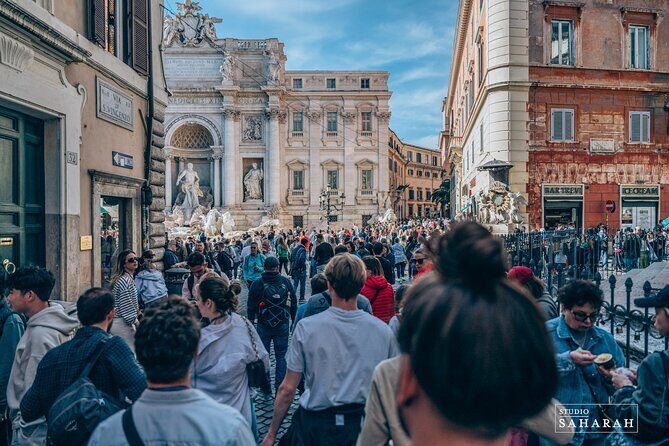
The Pantheon stop runs about 15 minutes. It’s still working as a church, and you’ll view it in that living-city context rather than as a closed museum piece. Admission is not included.
I especially like this stop because it hits two needs at once: it’s visually stunning and it’s practical. The tour builds in time for the experience, then offers a small break. The plan includes espresso as a treat near the Pantheon, and it also points you toward a well-known gelateria nearby: Gelateria Fiocco Di Neve. If you want your Rome day to feel more like a day out with a local than a checklist, this kind of touch matters.
Small tip for you: Because the Pantheon area is busy, don’t treat the whole stop as one long photo line. If your guide calls out the best angles, follow their lead and then use any extra moments for your own shots.



Pontifical Gregorian University: a smarter pause on the route

You’ll pass by the Pontifical Gregorian University for about 10 minutes. The tour highlights it as the first university founded by Jesuits. Admission isn’t part of the stop, since it’s mainly a passing-and-explaining moment.
This works well for a couple reasons. First, it gives variety. After big monuments, the tour shifts into educational and intellectual Rome. Second, it reminds you that Rome is not only ancient ruins and baroque facades—this city keeps institutions running, and those choices shape what you see today.
Trevi Fountain: your classic photo stop, built to work
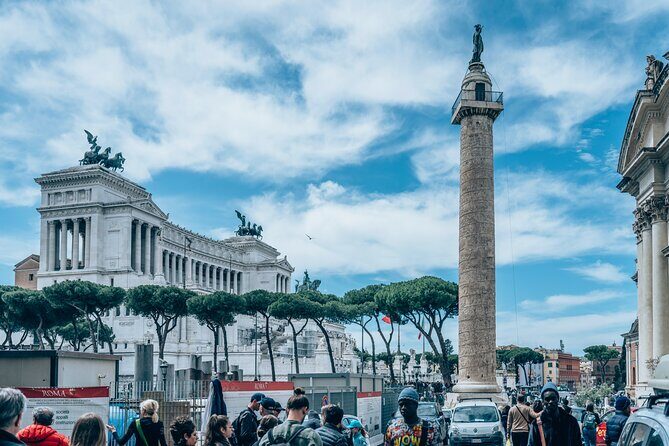
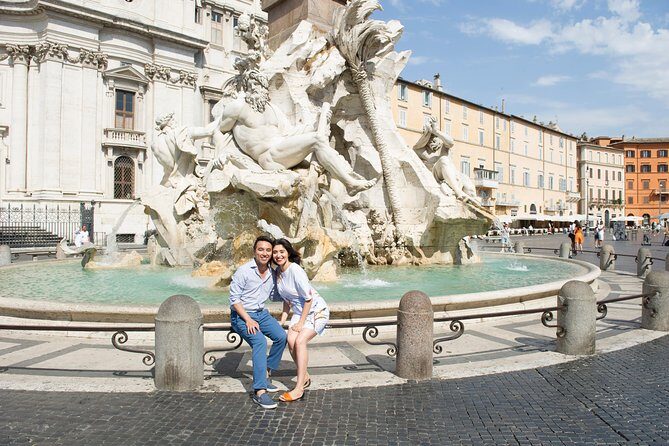
Trevi Fountain is one of the most photographed places on earth, so it’s smart that the tour gives it dedicated time (about 15 minutes). Admission is free for this stop.
This is also where guides seem to shine with practical help. Multiple accounts emphasize that guides know where to stand for photos and are willing to help you capture the moment well. If you want video or want someone to help frame you against the fountain, this is a good place for it.
How I’d approach this as a visitor: Focus on angles first, then decide how much time you want for just watching. Trevi is famous, but it can also feel crowded. Having a guided stop keeps it from becoming stress.
Villa Borghese area panoramic viewpoint: the route’s best payoff
After Trevi, the tour passes Villa Borghese Park and arrives at a secret panoramic view as the last destination. Exact details of the viewpoint are not spelled out, but the key idea is clear: you get a final elevated perspective to wrap up the walking loop.
This is often the part that makes the tour feel worth it. You’ve seen monuments up close at street level. Now you get the “oh, that’s how the city connects” moment. And yes, based on what’s been shared, there can be stairs at the end—so plan for that with comfortable shoes.
Spanish Steps: design, romance, and another quick stop
The Spanish Steps (the French/Spanish Steps) are next, with about 10 minutes at Stop 6. Admission is free here. You’ll get time to admire their unique design and the romantic atmosphere that makes this area so iconic.
This is also a spot where people tend to linger on their own, but the guided pacing helps you avoid spending too much time in one crowded pocket. The guide helps you keep moving while still getting those key sights.
Tempio di Adriano and Marcus Aurelius: shorter looks with real context
The final stretches include two more quick stops:
- Tempio di Adriano (about 5 minutes)
- Column of Marcus Aurelius (about 4 minutes)
Admission isn’t included at these stops, and the tour approach is quick visual orientation. Think of these as “bonus points” that fill in the gaps between the huge headline stops. With the right explanation, you can start noticing details that you’d otherwise miss—different sculptural styles, how the monuments relate to their surroundings, and why these pieces matter in the story of Rome.
What’s included (and what that means for your time)
The tour includes:
- Wi-Fi
- A walking tour with an official tour guide
Not included:
- Admission tickets, and the tour does not enter inside monuments
That combo is the heart of the value. Paying for guided time without paying for many monument entrances keeps the schedule moving. You’re paying for orientation, explanation, and pacing—not ticket lines.
At around $48.39 per person for about three hours, I think it’s best viewed as a “first-day Rome plan.” If you’ve never been to the city, you’ll leave with a clearer mental map and better choices for what to do next.
Pacing, walking, and comfort: set yourself up to enjoy it
The tour is designed for a moderate fitness level. It’s not described as wheelchair accessible, and because it’s still a walking route with stairs near the end, you should take comfort seriously.
My practical advice:
- Wear shoes you trust. Rome sidewalks can be unforgiving.
- Carry water. You’ll be outside a lot.
- If you’re sensitive to stairs, plan your energy for the last part.
The good news is that the stops aren’t just drive-bys. The experience is built around short, focused viewing times, and guides often include quick restroom or coffee breaks to keep the group moving smoothly.
Your guide matters: the style you can expect
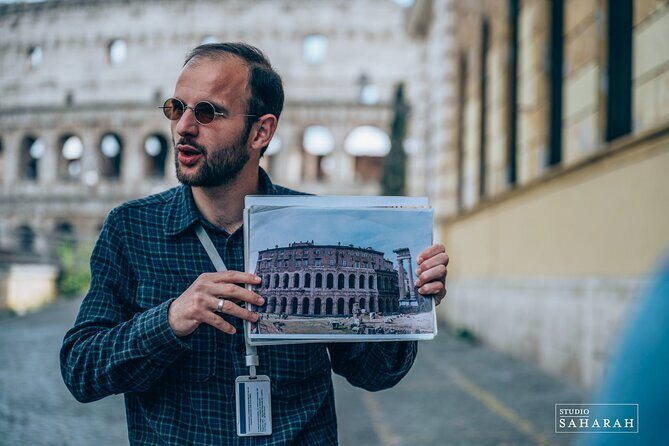
One of the strongest themes is guide energy. Guides like Joseph, Drita, and Isuf come up again and again, with mentions of smart storytelling, humor, and interactive moments like quizzes to help you remember key facts.
You’ll also benefit from “day-one” advice. Multiple people highlighted that the guide offered practical suggestions after the tour—where to eat, what to do next, and how to get around. That kind of follow-through is underrated. It turns a 3-hour tour into something you can keep using for the rest of your stay.
Is this tour good value for you?
Here’s how I’d decide:
You’ll likely love it if:
- You want a tight introduction to Rome’s major highlights
- You care about getting explanations, not just photos
- You like small groups and a guide who keeps things fun
- You’re okay with seeing monuments from the outside instead of entering every site
- You’re trying to maximize your first or second day
You might prefer a different format if:
- You want to go inside most major sights during this same window
- You’re very slow-walking or cautious about stairs
- You’d rather spend more time at fewer locations instead of covering many in a short session
Should you book 10 Wonders of Rome in 3 hrs?
If you’re weighing this against a “do it on your own” day, I’d lean toward booking—especially if it’s early in your trip. This tour gives you structure, photo stops, and context in about three hours, plus it leaves you better oriented for whatever you do next.
My only caution is the walking and stairs at the end. If that sounds doable for you, this is a strong way to get your bearings fast and leave with a mental map you can actually use.
FAQ
How long is the 10 Wonders of Rome tour?
It’s about 3 hours.
Is admission included for the Colosseum or other monuments?
No. Admission tickets are not included, and the tour does not enter inside the monuments.
What stops are included on the route?
The tour includes the Colosseum, Monumento a Vittorio Emanuele II (Vittoriano), the Pantheon, Pontifical Gregorian University (passing by), Trevi Fountain, Spanish Steps, Tempio di Adriano, Column of Marcus Aurelius, and a panoramic viewpoint after Villa Borghese Park.
Where do you meet and where does it end?
You meet at Via del Monte Oppio, 3, 00184 Roma RM, Italy and the tour ends at Viale del Belvedere, 00187 Roma RM, Italy.
What language is the tour offered in?
The tour is offered in English.
How big is the group?
The tour has a maximum of 12 travelers.
Is Trevi Fountain included and is there an admission fee?
Trevi Fountain is included, and admission is listed as free for this stop.
Is the tour walking-heavy?
Yes. It’s a walking tour and is described as suitable for people with moderate physical fitness.
Are there any age limits?
Participants must be 11 years old and up. Babies under 2 are free.
When do you get confirmation after booking?
You receive confirmation within 48 hours of booking, subject to availability.