REVIEW · NAPLES
The Phlegrean Fields Discover the ruins of Baia, Cuma and Pozzuoli
Book on Viator →Operated by Askos Tours · Bookable on Viator
Three ruins. One long day.
This tour takes you into the Phlegrean Fields to see ancient remains most people miss in Naples. You’ll move through three standout stops: the acropolis of Cuma, Baia’s archaeological area, and Pozzuoli’s amphitheater complex, all guided and paced for a full day.
I especially like two things. First, the guide-led route gives you context as you walk, so you’re not just looking at rocks. Second, the hotel or cruise port pickup plus private minivan transport saves hours of figuring out buses and connections.
One heads-up: key structures can be closed on some days. The best example is when the Cuma acropolis and the Flavian Amphiteather in Pozzuoli were reported closed, which shifts time toward Baia. Also, Cuma includes a short uphill climb, about a 10-minute walk.
In This Review
- Key highlights to know before you go
- What makes the Phlegrean Fields route feel different
- Cuma Acropolis: Apollo’s Temple and the Cave of Sybil
- Baia: Alfonso d’Aragona Castle, museum stops, and Roman Baths ruins
- Pozzuoli: Flavian Amphiteather and the volcanic lakes glimpses
- Pickup, private transport, and how the day stays sane
- The guide experience: more than just facts
- Price and value: what you’re actually paying for at about $618
- What to bring and how to pace yourself on ruins days
- Who this tour suits best
- Should you book this Phlegrean Fields tour?
- FAQ
- What sites are included on this tour?
- Where does pickup happen?
- What time does the tour start and how long is it?
- Is the tour private?
- Is English available?
- What is included in the price?
- Are meals included?
- Do I need comfortable shoes?
- What is the cancellation policy?
Key highlights to know before you go
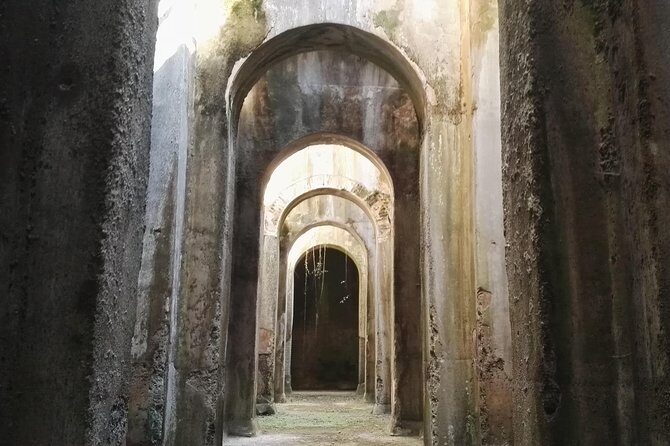
- Cuma’s Apollo Temple area + the Cave of the Sybil in one guided stop
- Baia’s Alfonso d’Aragona Castle terrace for photos and panorama time
- Roman Baths ruins inside the archaeological park at Baia
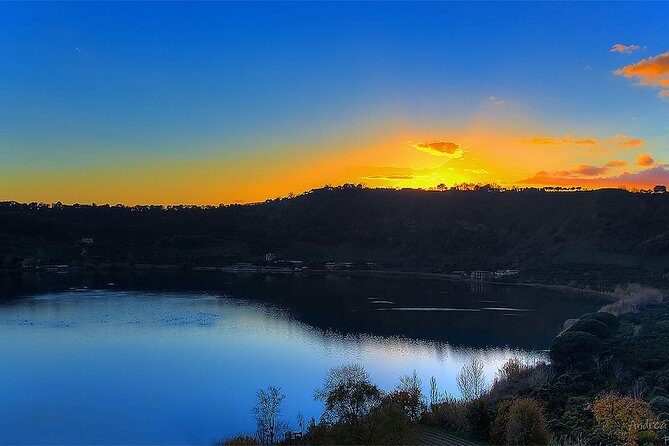
- Pozzuoli’s Flavian Amphiteather plus views toward volcanic lakes (D’Averno, Fusaro, Miseno)
- Private minivan with pickup and drop-off, so your day stays efficient
What makes the Phlegrean Fields route feel different
This isn’t a one-site museum run. It’s a connected sweep through the Phlegrean Fields, where the ruins are spread out and the timing matters. With a single full-day plan, you’re not wasting your morning stuck in transit or searching for where the next bus leaves.
The tour’s value shows up in the pacing. You start at 9:30 am, and you get a structured route that links Cuma to Baia to Pozzuoli, with transport built in. That’s ideal if you’re on a cruise, staying near Naples, or you want to see a lot without turning it into a logistics project.
You’ll also get the kind of guidance that changes the way you look at ancient sites. One guide experience tied to this area (Gennaro) is described as combining geology, history, and archaeology, and that matters here because the terrain and the ruins both tell part of the story.
You can also read our reviews of more tours and experiences in Naples.
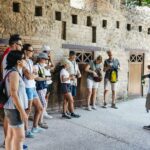

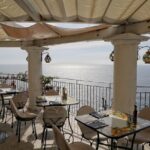
Cuma Acropolis: Apollo’s Temple and the Cave of Sybil
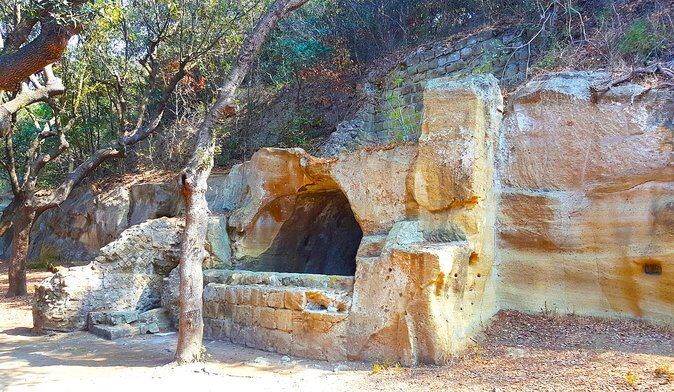
Cuma is usually the part that feels most “big journey for your effort.” You’re visiting the acropolis and getting access to the ruins tied to Apollo’s Temple and the Cave of the legendary prophetess Sybil. It’s a mix of architectural remains and a more atmospheric stop, so the guide can help you connect what you’re seeing to the myths and the setting.
The physical consideration is simple and real: the acropolis climb involves about a 10-minute uphill walk. If you’re even mildly limited on stairs or slopes, wear supportive shoes and expect some effort. The upside is that this isn’t a flat stroll—so when you reach vantage points, the payoff feels earned.
What I’d focus on during this stop:
- Look for the temple-area ruins where the guide’s notes help you place fragments in context.
- Give the Sybil cave stop a bit of mental space. This is the kind of visit where slowing down helps you understand the mood of the place.
- Keep your camera ready, but don’t treat it like a photo factory. Let the guide’s explanations shape where you stand.
If Cuma is closed on your day, that’s the one scenario that can throw off expectations. In at least one reported case, this stop couldn’t be visited, and the schedule shifted. It’s not something you can control, but it’s worth knowing if this is the main reason you booked.
Baia: Alfonso d’Aragona Castle, museum stops, and Roman Baths ruins
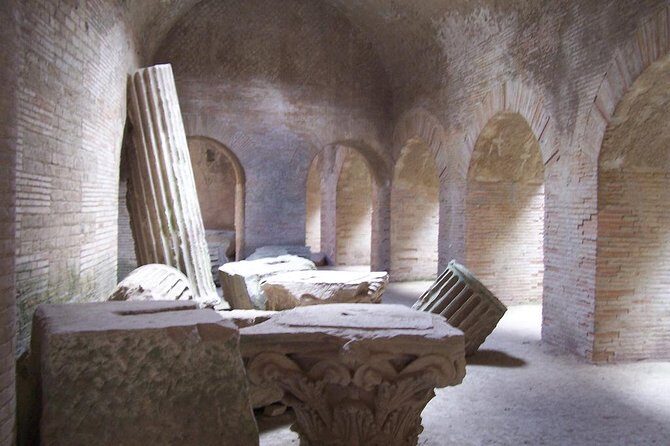
Baia is where the day often starts to feel more relaxed. You’ll see a castle linked to Alfonso d’Aragona, which today houses an archaeological museum of Baia. The castle setting gives you a natural photo moment and a built-in break from walking for a bit.
After the museum time, don’t rush past the best part: the terrace of the castle. Panoramas here are part of the attraction, and they give you a clearer sense of how spread out the ruins are. Even if you normally skip “view stops,” this terrace is worth using because it helps you connect the geography to the ruins you’ll see next.
Then comes the archaeological park with the Roman Baths ruins. This is the kind of site where a guide makes a difference. When you know what you’re looking for—areas that hint at how people moved through space, gathered, or used the baths—you start noticing patterns instead of just scanning for “wow.”
My practical take on Baia:
- Treat the castle and terrace as your reset button.
- Use the guide’s explanations at the Roman Baths ruins, because those sites reward careful observation.
- If your knees are cranky, Baia is often the stop where you can take short pauses without feeling like you’re falling behind.
Pozzuoli: Flavian Amphiteather and the volcanic lakes glimpses
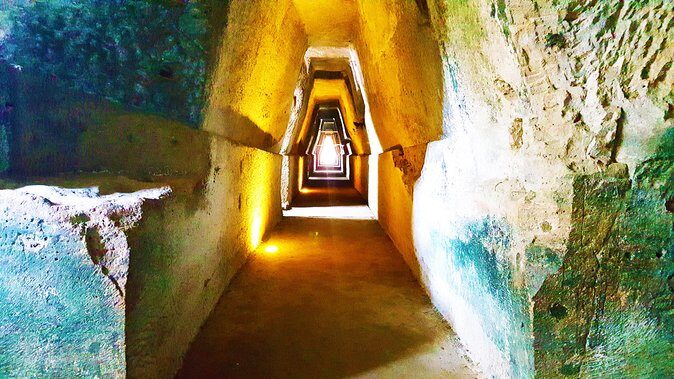
Pozzuoli gives you the biggest named building of the day: the Flavian Amphiteather. It’s described as one of the most important amphitheaters in the world, and even if you’re not a die-hard architecture person, amphitheaters are easy to read once someone points out how they functioned as public space.
This is also where that “opening hours can change your day” caution matters. In one instance tied to this route, the Flavian Amphiteather couldn’t be visited due to closure. If Pozzuoli is a top priority for you, it’s smart to keep expectations flexible and enjoy what you can see.
One of the most interesting extras here is the glimpse of volcanic lakes—D’Averno, Fusaro, and Miseno. You’re not asked to do a long hike for this part; it’s framed as a short look tied to the wider Phlegrean setting. That makes it easy to enjoy without burning time.
What you’ll likely appreciate at this stop:
- The scale of the amphitheater space, especially if the guide helps you imagine the flow of crowds.
- The lake glimpses as a contrast to the stone-and-sky feeling of Roman ruins.
- A photo break that doesn’t require more climbing.
Pickup, private transport, and how the day stays sane
This tour is built around convenience. You get full-day transportation by a private minivan with a professional driver, including pickup and drop-off. That matters because the Phlegrean Fields sites are spread out enough that public transport can turn into a guessing game.
Where you can be picked up is broad: cruise ports in Campania, your hotel, or other meeting locations within Naples, Salerno, and the Amalfi Coast. Start time is 9:30 am, and the day runs about 8 hours.
A private tour also changes the feel. It’s described as only your group participating, which means the guide can adjust pacing a bit instead of treating everyone like identical check-in bags. English is offered, and the tour uses a mobile ticket.
One more practical note: since meals aren’t included, your pickup-to-return schedule is your day’s backbone. Plan to eat before you go (if possible), or bring a simple snack mindset. Don’t count on having a sit-down meal placed perfectly on your timeline.


The guide experience: more than just facts
The standout praise for this tour isn’t about speed—it’s about understanding. One guide example tied to Baia and the Cuma area (Gennaro) is described as bringing a love for local geology, plus deep knowledge of archaeology and history. That’s exactly what you want on a ruins day, because the land and the remains are doing work at the same time.
In a good guided visit, you stop asking:
- What is this?
And start asking:
- Why does it look like this?
- What would people have noticed here?
- How do the pieces connect across stops?
You’ll likely get that kind of explanation throughout the day, especially when moving between Cuma’s temple area and cave setting, then into Baia’s castle and baths, and finally to Pozzuoli’s amphitheater and lake viewpoints.
If you’re the kind of person who likes your travel with some brain candy, this is a great match.
Price and value: what you’re actually paying for at about $618
At $618.08 per person, this isn’t a cheap add-on. But the price starts making sense when you itemize what’s included.
Your fee covers:
- Guidance and assistance for the full duration
- Full-day transport by private minivan with driver, including pickup/drop-off
- Local taxes, fuel, and parking expenses
- Admission fees for Phlegrean museum and sites
Meals are the only clear gap.
Here’s why that matters for value: admissions and transfers are often the hidden cost of day trips from Naples, especially when sites are scattered and parking isn’t free. When the tour includes admissions and a private vehicle, you’re paying for fewer unknowns and less time lost chasing logistics.
Also, the tour notes group discounts and a private format. If your group size fits what the operator supports, the per-person value can improve compared with piecing together separate tickets and transport.
What to bring and how to pace yourself on ruins days
This is a ruins day with walking and at least one uphill moment. Keep it simple.
Bring:
- Comfortable shoes (important for Cuma’s uphill climb)
- A camera or phone for the castle terrace panorama and amphitheater views
- Something small to drink or snack on if your stomach gets impatient (meals aren’t included)
Pace your expectations:
- Plan to spend real time at Cuma and Baia. Those are your “I’m glad I came” stops.
- Use Pozzuoli for the amphitheater focus and the volcanic lake glimpse. It’s satisfying even if you don’t turn it into a long exploration.
If you have mobility limits, the 10-minute uphill walk at Cuma is the key physical detail you should plan around.
Service animals are allowed, and the tour says most people can participate.
Who this tour suits best
This is a smart pick if:
- You want three major stops in one day without driving yourself
- You’re cruising in Campania and want a structured full-day plan
- You like ruins but also want someone to explain what you’re seeing
- Your group prefers a private tour with a flexible feel for your pace
It may not be ideal if:
- You hate uphill walking at all, since Cuma includes that climb
- Your trip is built around only one site being open (since closures can happen)
Should you book this Phlegrean Fields tour?
I’d book it if you want a well-run day that connects Cuma, Baia, and Pozzuoli without turning travel time into homework. The private transport and built-in admissions help you spend more of the day looking and learning, not planning.
It’s especially worth it if your top priority is understanding ruins through guidance, not just collecting photos. The guide reputation tied to this route (including someone like Gennaro, known for geology and archaeology knowledge) is a strong signal that the explanations can make the sites click.
One final decision tip: if you’re booking mainly for Cuma acropolis and Apollo Temple, keep a little flexibility. Opening hours can change, and the day may shift toward Baia if a site can’t be accessed.
FAQ
What sites are included on this tour?
You’ll visit the acropolis of Cuma (Apollo’s Temple ruins and the Cave of the Sybil), Baia (Alfonso d’Aragona Castle with the archaeological museum and the Roman Baths ruins), and Pozzuoli (the Flavian Amphiteather). You’ll also get a glimpse of the volcanic lakes D’Averno, Fusaro, and Miseno.
Where does pickup happen?
Pickup is offered at cruise ports in Campania, and also from clients’ hotels or other meeting locations within Naples, Salerno, and the Amalfi Coast.
What time does the tour start and how long is it?
The start time is 9:30 am, and the duration is approximately 8 hours.
Is the tour private?
Yes. It’s described as a private tour/activity, with only your group participating.
Is English available?
Yes, the tour is offered in English.
What is included in the price?
Included are guidance and assistance throughout the tour, full-day private minivan transportation with a professional driver (including pickup and drop-off), local taxes, fuel and parking expenses, and admission fees for the Phlegrean museum and sites.
Are meals included?
No. Meals are not included.
Do I need comfortable shoes?
Yes. Comfortable shoes are recommended, and climbing the acropolis of Cuma involves an uphill walk of about 10 minutes.
What is the cancellation policy?
Free cancellation is offered. You can cancel up to 24 hours in advance for a full refund.