REVIEW · ROME
Rome: Ticket and Tour Vatican Museum and Sistine Chapel
Book on GetYourGuide →Bookable on GetYourGuide
That line at the Vatican can be a headache.
This tour is built to reduce your stress and help you actually enjoy the art: you get a reserved entrance ticket and move through the Vatican Museums with a live guide, then finish with the Sistine Chapel’s big-ticket details.
I especially like how the route hits classic sights without feeling like a rushed checklist, including stops in the Pine Courtyard and the Gallery of Geographical Maps before you reach the chapel. I also appreciate the practical setup: headphones are included, and that makes a huge difference in a loud, crowded museum.
One consideration: the price is $73 per person, and while you’re paying for a guided, reserved-entry experience, it may feel steep if you only care about seeing the museum quickly and don’t plan to lean on the guide’s explanations. Also, Vatican security can add time in high season.
In This Review
- Key things to know before you go
- Skip the queues from Ottaviano: the smart start
- Vatican Museums stops that make the building feel like a story
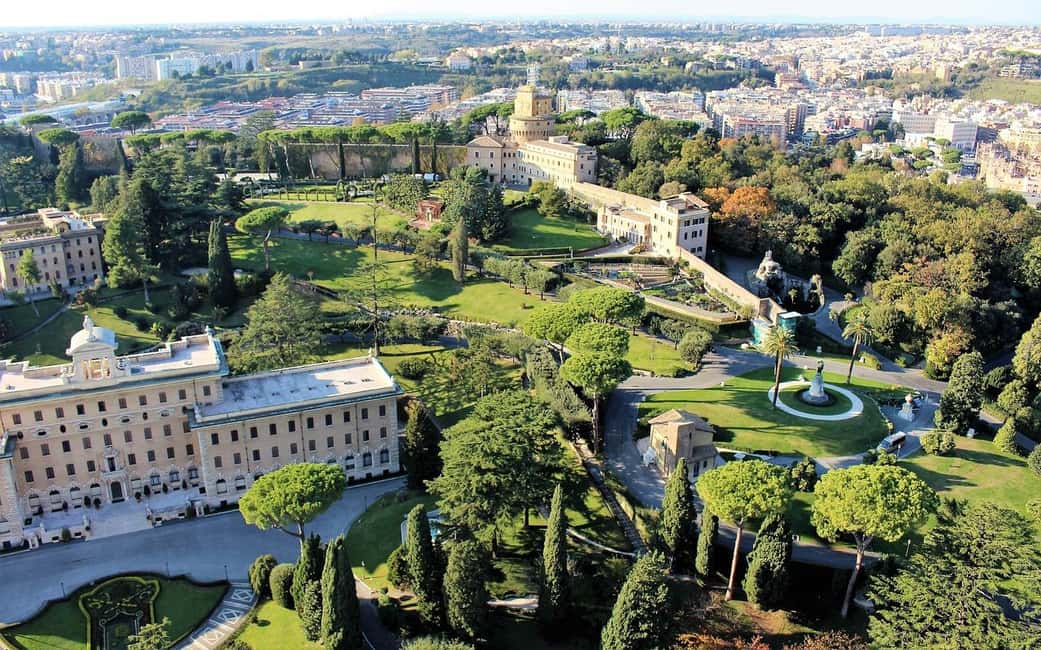
- Pine Courtyard: the reset button before the galleries
- Belvedere Courtyard: where classic sculpture energy lives
- Gallery of Geographical Maps: art with a travel-history edge
- Gallery of Candelabra and the Tapestry Gallery: texture and craft
- A note on what you’ll learn
- Sistine Chapel: how to see more than faces and ceilings
- The chapel experience is about pacing
- Photo stops are usually limited by the room’s rules
- Price and value: what $73 buys you in real terms
- Practical stuff that will save your day (dress, rules, and what to carry)
- What to bring
- Dress and behavior rules you need to know
- Security timing reality
- Who this tour suits best
- Should you book this Rome Vatican tour?
Key things to know before you go
- Reserved entry + skip-the-line helps you avoid the daily queue grind.
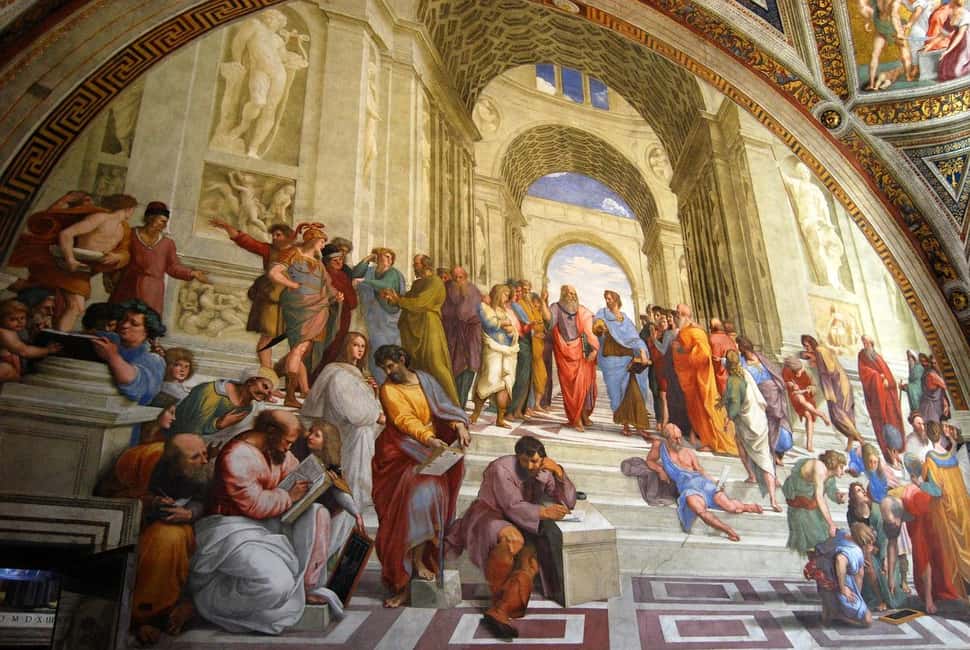
- Guided pacing targets major works like Michelangelo and Raphael instead of random wandering.
- Headphones included so you can hear the guide in busy galleries.
- Courtyards and map room stops (Pine Courtyard, Belvedere Courtyard, Maps Gallery) give the Vatican context beyond ceiling art.
- Sistine Chapel focus includes the visuals everyone talks about, including The Creation of Adam.
Skip the queues from Ottaviano: the smart start
Starting at Ottaviano is one of the tour’s quieter advantages. The meeting point is outside the Ottaviano metro, at the green kiosk with a blue C.I.S. Tours sign. That’s an easy anchor point once you’re in the neighborhood, and it cuts down on the “where do I wait” stress right before a high-demand site.
The other big win is the reserved entrance ticket and skip-the-line handling. The Vatican Museums draw huge crowds, and when you’re moving through that crowd, time is your real currency. This tour is designed so you enter directly with your guide, rather than spending your best energy standing in a long daily queue.
Also, plan for security. The Vatican requires airport-style screening, and in high season you can wait up to 30 minutes at the security checks. The tour helps with the museum entrance line, but it doesn’t eliminate the fact that security is part of the day.
Vatican Museums stops that make the building feel like a story
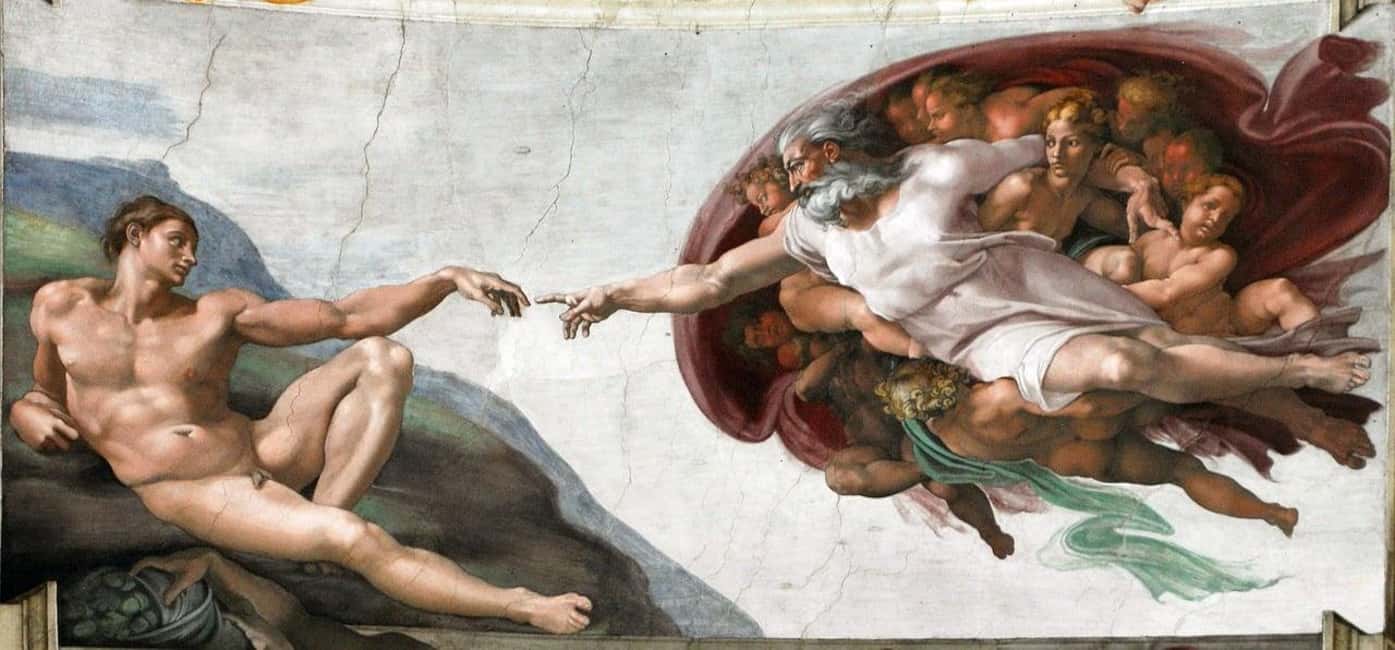
The tour spends about two hours in the Vatican Museums area, with photo stops plus guided time. That’s a useful length: long enough to see real highlights, short enough that you aren’t stuck in gallery fatigue.
You’ll go beyond the “look up at famous stuff” approach and get a tour that builds context room by room. The Vatican Museums are not just one long corridor of masterpieces. They’re organized like an experience, and this route leans into that.
Here’s what you can expect, and why each stop matters:
Pine Courtyard: the reset button before the galleries
The Pine Courtyard is the kind of place where you get your bearings. Even if you’ve seen photos, being there in person helps you understand the museum’s layout and scale. It’s also a nice early photo stop, so you’re not trying to capture every detail while your brain is still trying to catch up.
Belvedere Courtyard: where classic sculpture energy lives
Next up is the Belvedere Courtyard, another early “big space” stop. Courtyards work well on guided tours because you can pause, orient yourself, and then return to the slower pace of gallery viewing. It’s also a moment that breaks up the crowd flow, which helps your feet and patience.
Gallery of Geographical Maps: art with a travel-history edge
One of the more distinctive stops is the Gallery of Geographical Maps. Instead of treating the Vatican as only paintings and frescoes, this room shows how cartographers represented the world through the centuries. It’s not just educational background; it’s a reminder that the Vatican collected knowledge in more ways than one.
If you like history that connects to the real world—routes, borders, maps—you’ll probably enjoy this room more than you expect. It also gives a change of pace because you’re looking at maps rather than figures.
Gallery of Candelabra and the Tapestry Gallery: texture and craft
The Gallery of Candelabra brings strong visual drama—ornamental, architectural, and full of attention to form. Then there’s the Tapestry Gallery, where you shift from painted surfaces to woven ones.
These kinds of rooms matter because they keep the tour varied. If all you wanted was Michelangelo, you might get bored. If you’re curious about how the Vatican displays art forms, these stops help you understand the “how” behind the “what.”
A note on what you’ll learn
Your guide’s role here is to point out the key things most people miss. That includes helping you recognize major artists and major works, not just letting you skim labels. The goal is to get you from “I’ve heard of that” to “I get why it matters.”
One small downside to keep in mind: clear audio matters a lot in crowded spaces. In at least one case, the guide’s microphone was reported as inconsistent (sometimes too low, sometimes too high, and sometimes failing). The tour does include headphones, which should help, but if you’re sensitive to audio glitches, it’s worth being patient if it happens.
Sistine Chapel: how to see more than faces and ceilings
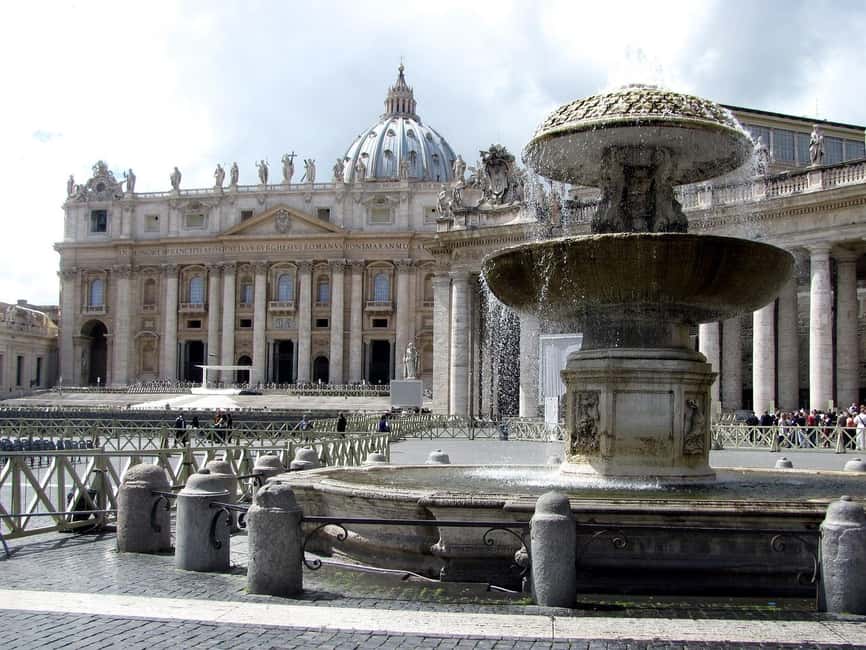
After the museum portion, the tour moves to the Sistine Chapel for about one hour of guided time. This is where you’ll focus on the chapel’s key visuals, including Michelangelo’s The Creation of Adam.
A one-hour guided slot is a practical choice. The Sistine Chapel is large and visually overwhelming, and most people waste time staring without direction. The guide helps you spot what’s important and explains the “why” behind the composition.
The chapel experience is about pacing
Even if you’ve seen images online, standing inside the Sistine Chapel changes your perspective. The scale and density of the scenes hits differently. The best way to enjoy it is to let the guide set the order: look where you’re told to look, then return with your own eyes after the meaning lands.
Photo stops are usually limited by the room’s rules
The schedule includes a photo stop, but the chapel itself has strict conditions and crowd behavior. The tour doesn’t promise you a photographer’s paradise. Instead, it prioritizes clarity and guided discovery, which is the right tradeoff if you want understanding over endless selfies.
Price and value: what $73 buys you in real terms
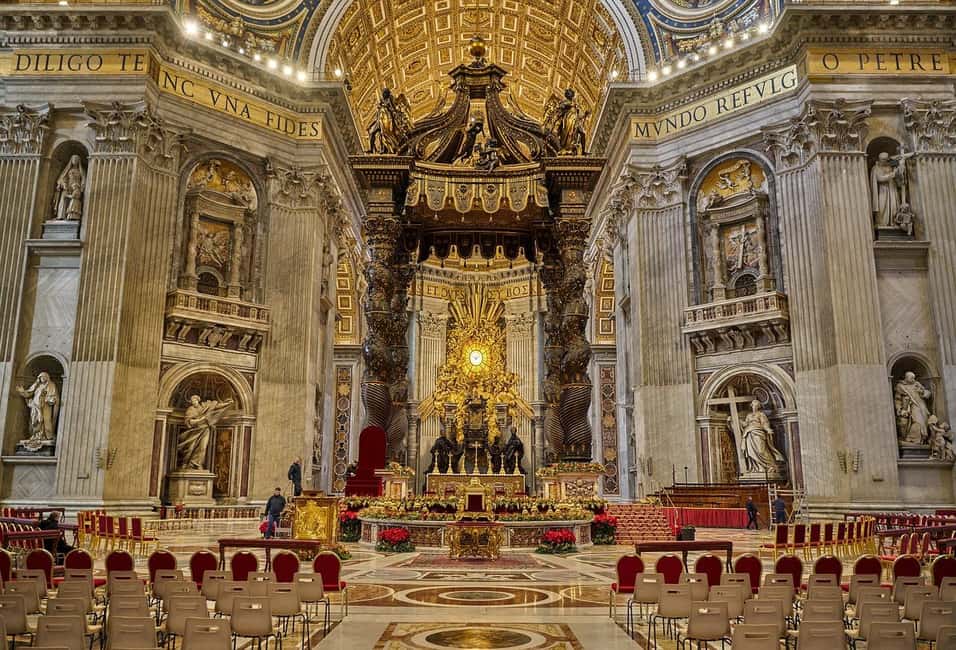
At $73 per person, this is not a budget add-on. The question is whether you’re buying time, clarity, and logistics comfort.
Here’s how the value stacks up based on what the tour includes:
- Reserved entrance ticket + skip-the-line entry: you’re paying to protect your schedule at a site where lines eat your day.
- Live guide: you’re paying for interpretation. The Vatican Museums can be massive; without help, many people leave with the feeling they “saw a lot” but didn’t connect the dots.
- Headphones included: that’s not common for every Vatican tour setup, and it matters for hearing the guide over crowds.
- Guided focus on Michelangelo and Raphael: the tour isn’t just a walk-through. It’s designed to land key works in a way you’ll remember.
One counterpoint: if you’re comparing only the entrance ticket cost, you might feel the price is elevated for the value of the museum entry alone. If that’s your mindset, you may decide to go self-guided. If you want the guide’s explanations and you care about making the art meaningful instead of just “viewing,” this cost makes more sense.
Practical stuff that will save your day (dress, rules, and what to carry)
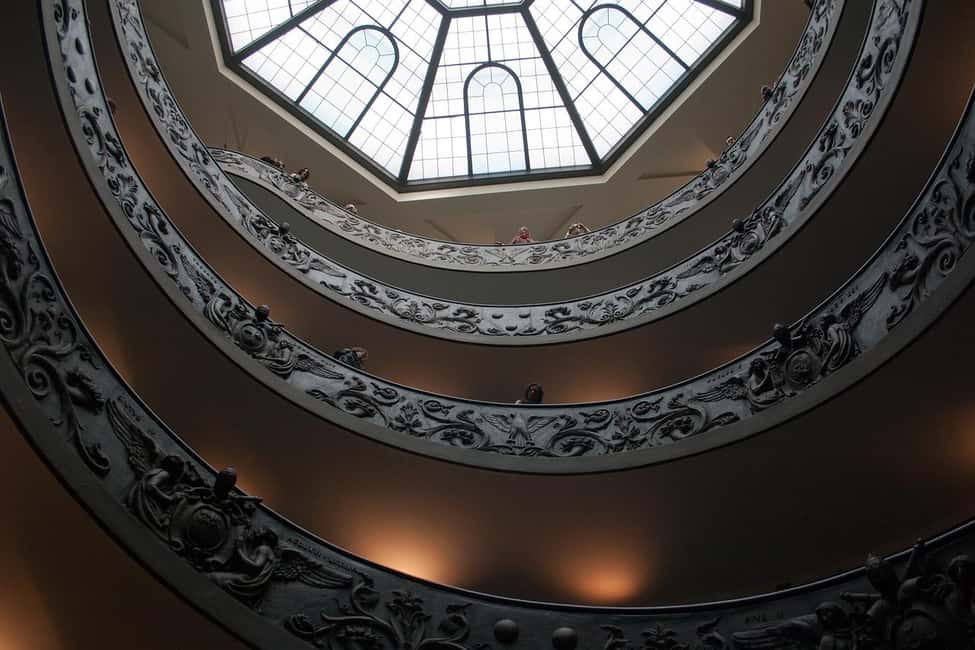
This tour runs inside a highly controlled museum environment. You’ll move through security, then galleries, then the chapel, so plan for comfort and compliance.
What to bring
- Passport or ID card, including for children
The tour info is very clear: enter participant names exactly when booking. If names are incorrect or incomplete, Vatican administration can deny access. Bring your document on the day of the tour.
Dress and behavior rules you need to know
Not allowed:
- Pets
- Shorts
- Short skirts
- Sleeveless shirts
- Large bags / luggage
- Food and drinks
- Weapons or sharp objects
- Alcohol and drugs
- Sprays or aerosols
- Glass objects
- Unaccompanied minors
If you’re arriving from sightseeing in warmer weather, this is the one checklist that can ruin your day if you forget. I’d rather adjust your outfit before you get there than hope you can sort it at the last minute.
Security timing reality
Even with skip-the-line entry for the museums, you still must pass airport-style security. In peak season, security can take up to 30 minutes. Build in a buffer so you’re not stressed if that part runs slow.
Who this tour suits best
This is a good fit for you if:
- You want high-impact art without spending your whole visit trapped in queues.
- You like guided context—especially for major artists like Michelangelo and Raphael.
- You want a guided walkthrough that includes specific rooms like the Maps Gallery and major chapel scenes.
It may feel less ideal if:
- You already know the art deeply and prefer wandering on your own.
- You’re budget-first and see this as “mostly museum entry with a guide.”
Also, accessibility note: it’s not suitable for wheelchair users. If you need step-free access, you’ll want a different format.
Should you book this Rome Vatican tour?
Book it if you value time saved, clear direction, and a tour that spends its limited hours in the right places, including the Sistine Chapel focus on scenes like The Creation of Adam. The combination of skip-the-line handling, reserved entry, and headphones is the practical reason this can feel worth it.
Skip it or reconsider if $73 feels like too much for you and you’d rather pay only for entry and then explore at your own speed. The Vatican Museums and Sistine Chapel are doable alone—but you’ll work harder to make sense of what you’re seeing.
If you want the day to feel structured and meaningful, this is one of the easier ways to get it done in a short window from Ottaviano.