REVIEW · BORGHESE GALLERY
Rome: Private Borghese Gallery Tour
Book on GetYourGuide →Operated by TOURS OF ROME · Bookable on GetYourGuide
Two and a half hours can feel like Rome in miniature. This private Borghese Gallery tour is built for focus: you get fast-track entry, then a guide steers you through major highlights by Caravaggio, Raphael, and Gian Lorenzo Bernini in the 17th-century setting of Villa Borghese Pinciana.
I especially like the personal pace (you can ask questions without the shuffle) and the way the guide connects the art to the Borghese collecting story. One consideration: the gallery has strict rules, including no bags (you’ll check them) and no photography inside, plus a formal dress code.
In This Review
- Key Highlights You’ll Actually Notice
- The Borghese Gallery’s Palace Setting Changes How You See Art
- Fast-Track Entrance and a Smooth Start at Piazzale del Museo Borghese
- Who the Tour Is Really For: One Guide, Two People, Real Questions
- Caravaggio in the Borghese: Dramatic Light, Human Feelings
- Raphael and Titian: When Mood Turns to Story
- Bernini and the Borghese Connection: Patronage Made Visible
- Sculptures, Antiquities, and Even Ancient Mosaics
- What Happens During Those 2.5 Hours
- Rules and Dress Code: Small Friction, No Surprises
- Price and Value: Is $458.47 Worth It?
- Best Fit: Art Lovers, Couples, and Anyone Short on Time
- Quick Practical Notes Before You Go
- Should You Book This Private Borghese Gallery Tour?
- FAQ
- How long is the Rome Private Borghese Gallery Tour?
- Where do we meet for the tour?
- Is the tour private?
- Does it include skip-the-ticket-line entry?
- What languages are available for the live guide?
- What’s included in the price?
- What’s not included?
- Are bags and photography allowed inside the museum?
Key Highlights You’ll Actually Notice
- Fast-track entrance so you spend less time waiting and more time looking closely
- Caravaggio showstoppers such as Boy with a Basket of Fruit and Sick Bacchus
- A private art historian guide who explains the why behind the masterpieces
- A palace-and-gardens setting tied to Scipione Borghese and architect Flaminio Ponzio
- Clear inside rules: plan for a bag check and no photos so you don’t get delayed
The Borghese Gallery’s Palace Setting Changes How You See Art
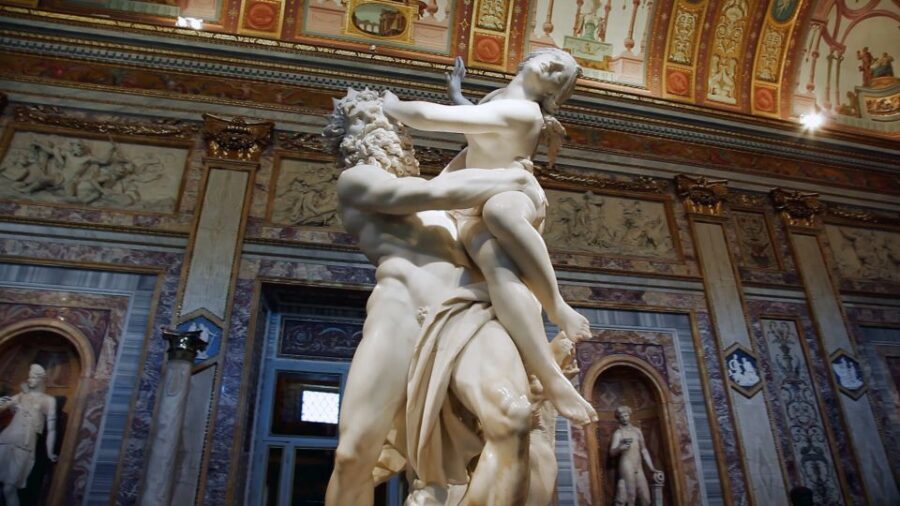
The Galleria Borghese is not just a museum you pass through. It’s housed in a former villa (Villa Borghese Pinciana) that connects to its surrounding gardens, so the whole experience feels like you’re stepping into a curated world rather than a warehouse of paintings. That matters, because the collection was assembled to impress, not to sit quietly in white rooms.
You’ll also get the key context that explains what you’re looking at. Cardinal Scipione Borghese, the nephew of Pope Paul V, kicked off the collection that fills the gallery today. Over time, the collection became a snapshot of taste and power: you can see why patrons went after dramatic Baroque art, why they hunted down specific artists, and how painting, sculpture, and antiquities were meant to talk to each other.
And yes, it’s a 17th-century palace with real atmosphere. The interior design and layout help you understand the display choices. You’re not just learning titles; you’re learning how the collection wants you to move through it.
You can also read our reviews of more tours and experiences in Borghese Gallery.
Fast-Track Entrance and a Smooth Start at Piazzale del Museo Borghese
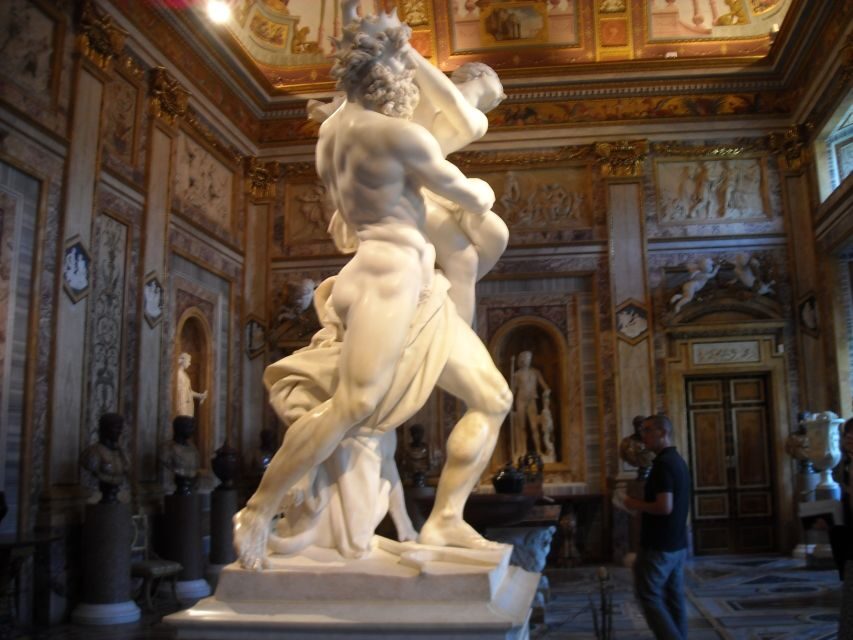
Your tour starts at the Galleria Borghese, Piazzale del Museo Borghese, 5, 00197 Roma. The big practical advantage here is the skip-the-ticket-line part. Rome lines can be slow and unpredictable, and time matters inside a gallery where access is managed.
When you arrive, your guide waits for you holding a sign with the company name. That’s helpful because the meeting point area can look busy even before you get inside. This is also where you’ll want to be ready for the no-bag rule, because the museum requires you to check handbags or backpacks in the cloak room before you start.
A private tour also tends to feel more efficient. Instead of stopping every few minutes for general orientation, you get a direct path into the collection with an art historian guide leading the way.
Who the Tour Is Really For: One Guide, Two People, Real Questions
This is a private group experience for up to 2 people, and the guide is an art historian. That setup makes a difference. If you’ve ever been in a group where questions get swallowed by the pace of the day, this tour avoids that problem.
You can go slower with details. You can ask why a subject was chosen. You can also focus on what you care about most—painting, sculpture, or the mix of antiquities that make this collection feel like a curated conversation across centuries.
From what I’ve seen in how guides describe the collection, the strongest angle is not just listing artworks. It’s interpreting the collection as a project: who Scipione Borghese was, what he wanted from artists like Caravaggio, and how the gallery’s selection reflects that ambition. If you get a guide like Franz, you’ll likely notice the same pattern that makes this experience stand out—answers that link the art to the people behind it, with a tone that stays friendly and practical.
Caravaggio in the Borghese: Dramatic Light, Human Feelings
Caravaggio is one of the main reasons people care about the Borghese Gallery, and this tour is built to spotlight him. The collection features several of his most famous works, including Boy with a Basket of Fruit, St Jerome Writing, and Sick Bacchus.
What makes Caravaggio click in person is the emotional intensity and the way the scenes feel lit from the inside. You’re not just looking at brushstrokes. You’re looking at a moment that seems to have weight—an expression, a posture, a stillness that doesn’t feel staged in the usual museum sense.
A good guide helps you see beyond the drama. You’ll likely learn what to look for: how the composition directs your eye, how the mood is built, and how Caravaggio’s reputation and style matched the taste of collectors at the time.
This is also where a private pace shines. If one painting grabs you, you can linger. If you want to compare two works back to back, you can do that. In a group tour, that kind of flexibility is harder.
Raphael and Titian: When Mood Turns to Story
After the Caravaggio focus, the tour shifts into other heavyweight names that round out the experience: Raphael, Titian, and more.
You’ll encounter Raphael’s Entombment of Christ and Titian’s Sacred and Profane Love, along with works by Peter Paul Rubens and Federico Barocci. Those names aren’t just brand recognition. They give you a chance to compare approaches.
Raphael’s Entombment leans more toward clarity and composed storytelling, while Titian’s Sacred and Profane Love sits in that space where symbolism and human feeling overlap. With a guide, the value is you don’t have to guess at what the scene might be saying. You can look for visual cues that point to meaning—then understand why those themes would have mattered to the Borghese collector’s world.
This section of the tour is a good reminder that Baroque art isn’t one mood. It’s a range: light vs. shadow, drama vs. elegance, religious devotion vs. carefully coded themes.
Bernini and the Borghese Connection: Patronage Made Visible
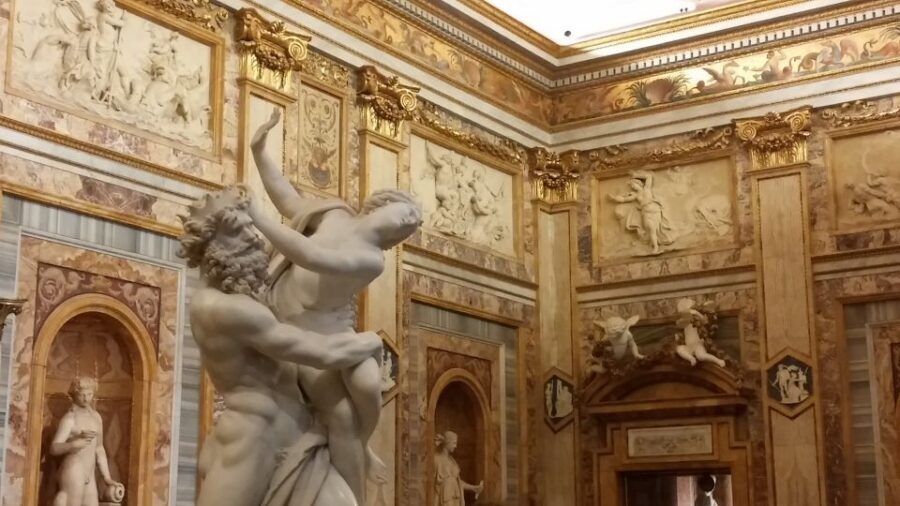
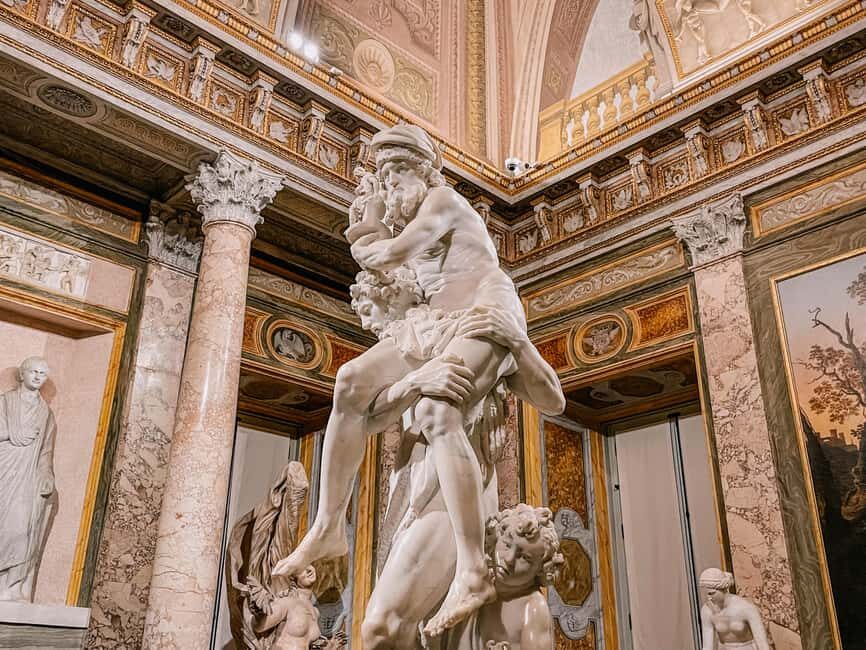
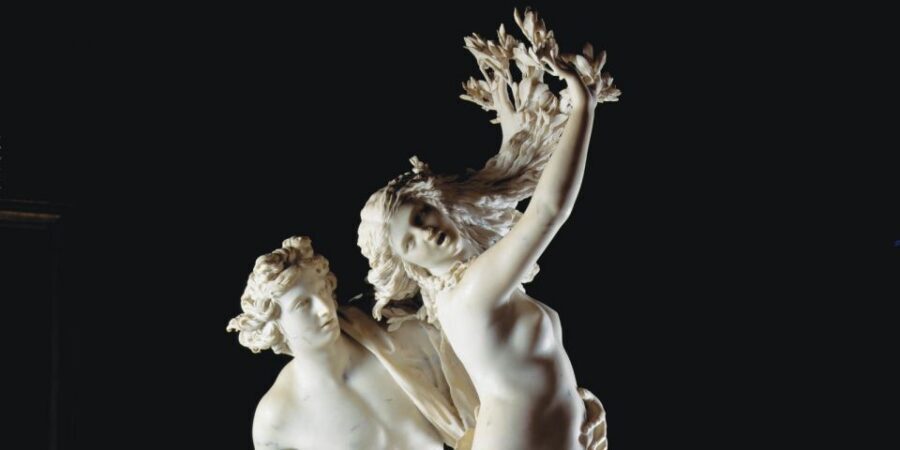
Bernini is part of the story in a big way. Scipione Borghese was an early patron of Gian Lorenzo Bernini, and that relationship helps explain why the gallery feels like more than a painting collection.
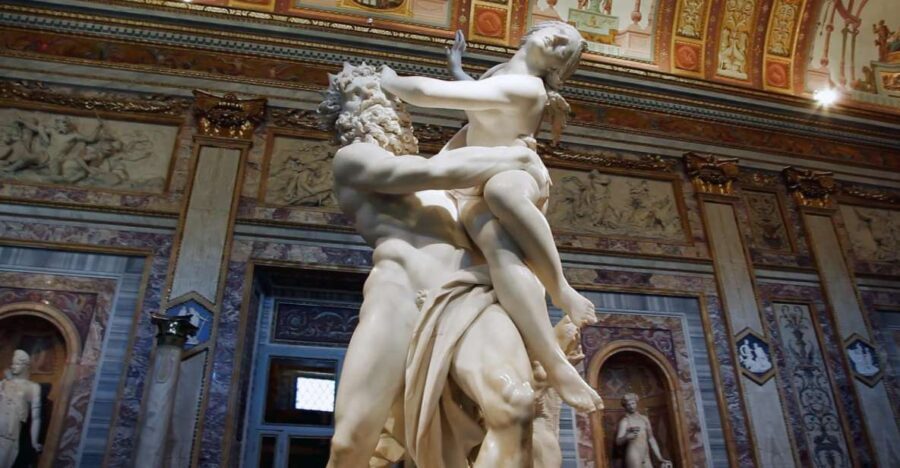
On this tour, you’re guided to see works by Bernini and other artists from the Baroque era, plus the broader mixture that includes sculptures and antiquities. Even when you don’t know the artist’s name going in, the guide context can make you notice what’s different: the sense of movement, the theatricality of pose, and the way sculpture can feel almost like it’s responding to the viewer.
The value here is that you connect art to motive. Patrons didn’t just pick favorites. They shaped reputations and influenced what the next generation would look like. When a guide ties the works to Scipione Borghese’s collecting choices, Bernini stops being a famous name and becomes a logical outcome of the collection’s ambitions.
Sculptures, Antiquities, and Even Ancient Mosaics
This tour isn’t limited to paintings. You’ll also experience sculptures and ancient mosaics, which is a major part of why the Borghese Gallery feels distinctive.
That mix matters because mosaics and antiquities change the way you understand Renaissance and Baroque collecting. The Borghese collection wasn’t designed to be a single-artist showcase. It’s a cabinet of taste, where older material provides context and prestige while contemporary artists bring energy.
When you see those categories side by side with a guide, you start to notice patterns in how themes travel. Subjects, materials, and even display choices reflect an educated collector’s idea of what culture should look like.
If you’re the type who normally skips non-painting galleries, this is the section where you might surprise yourself. The guide helps you treat each medium seriously instead of lumping it under art museum scenery.
What Happens During Those 2.5 Hours
The tour runs about 2.5 hours, and that time is used for a curated, guided path through the collection. You’re not meant to wander alone. The guide steers you from one highlight to the next with context so your attention stays on the works that matter most.
A practical way to think about it:
- You start by getting oriented inside the gallery and settling into the pace of a guided visit.
- Then you move through the collection with a focus on major artists, especially Caravaggio.
- You spend time on multiple media types—paintings, sculpture, and mosaics—so the experience doesn’t flatten into one style.
- You end back at the meeting point at the same location where you began.
Because it’s private, you can also adjust your focus. If you’re more interested in painting than sculpture, or you want more time with specific works, the guide can help you shape the attention within the time window.
Rules and Dress Code: Small Friction, No Surprises
If you want this tour to feel smooth, plan around the gallery rules. They’re not optional.
No bags inside. You’ll need to check handbags or backpacks in the museum cloak room before the tour starts. This is the kind of rule that can cause a bottleneck if you show up with a lot of stuff, so keep your day bag light.
No photography inside. That’s fairly common in major museums, but here it affects how you plan your day. Don’t rely on taking photos to remember details later. Instead, lean on the guide’s explanations and what you observe in person.
Dress code is formal. This is one of those “easy to forget” items that can matter more than you expect. If your outfit is casual, you’ll want to adjust before you go.
Comfortable shoes are a must. Even without a huge sprint between sites, you’re walking inside a palace setting and spending real time looking up close.
Price and Value: Is $458.47 Worth It?
The price is $458.47 per group, for up to 2 people, and the tour lasts about 2.5 hours. That may sound steep until you break down what you’re buying.
You’re paying for:
- Fast-track entrance, which saves time and reduces stress
- A private, on-the-spot guided experience led by an art historian
- Entrance fees included
- A tour format that lets you spend time where you actually care, instead of following a preset pace
If you’re traveling solo, the cost per person can feel harder to justify. If you’re a couple, or you’re traveling with a companion who also enjoys art, this price tends to make more sense. Think of it as buying time with an expert guide while keeping the experience tailored to you.
Also, the “value” angle for the Borghese Gallery is the context. The collection is full of major works, but the real payoff is understanding what you’re seeing and why the Borghese collection was assembled the way it was. A guided format turns a list of names into something you remember.
Best Fit: Art Lovers, Couples, and Anyone Short on Time
This tour works especially well if:
- You want a guided Borghese Gallery visit and don’t want to sort museum info by yourself
- You’re interested in Caravaggio, Raphael, and Bernini as specific artists
- You prefer a calmer experience with personal attention instead of moving as a group
- You’re visiting Rome for a limited time and want to focus on one top-tier art destination
It may be less ideal if you’re traveling with lots of luggage, hate formal dress requirements, or plan to take lots of photos. Since photography is not allowed and bags must be checked, you’ll have a tighter “travel light” setup.
Quick Practical Notes Before You Go
This tour ends back at the meeting point, so you’ll be able to continue your day nearby if you plan your route.
Transportation to and from the gallery isn’t included, so you’ll want to map out how you’ll get there and how you’ll return. The meeting address is clear—Piazzale del Museo Borghese, 5—so you can set it as a destination in your navigation app and keep things easy.
The tour language is English or Italian. If you’re comfortable in one, choose the one you’re most confident speaking in. It helps you get more out of the Q&A part of a private visit.
Should You Book This Private Borghese Gallery Tour?
I think this is a strong booking choice when you want real guidance, not just entry. The fast-track access plus a private art historian guide is a good match for the Borghese Gallery because the collection rewards attention. If you care about Caravaggio and want context for Raphael, Titian, Rubens, and Barocci, this tour’s format is built for that.
Book it if:
- You’re going with 1 other person and can split the group cost
- You want your time inside the gallery to be structured and explained
- You’re okay following rules like no bags, no photos, and formal dress
Skip or reconsider if:
- You’re hoping for a flexible, informal visit with zero friction
- You plan to carry a lot of items
- You mainly want quick photos and minimal explanation
If you’re choosing just one art-focused experience in Rome, this is one of the better ways to do it with less waiting and more understanding.
FAQ
How long is the Rome Private Borghese Gallery Tour?
The duration is 2.5 hours, and you should check availability to see starting times.
Where do we meet for the tour?
You meet at Galleria Borghese, Piazzale del Museo Borghese, 5, 00197 Roma.
Is the tour private?
Yes, it’s a private group tour.
Does it include skip-the-ticket-line entry?
Yes, it includes fast track entrance to the Borghese Gallery.
What languages are available for the live guide?
The live tour guide is available in English and Italian.
What’s included in the price?
Included are an art historian guide, a private tour, and entrance fees.
What’s not included?
Food and drinks, and transportation to and from the attractions are not included.
Are bags and photography allowed inside the museum?
Bags are not allowed, and you will need to check handbags or backpacks in the museum cloak room before starting. Photography inside is not allowed.