REVIEW · 2-DAY EXPERIENCES
Rome: Private 2-Day Guided City Highlights Tour
Book on GetYourGuide →Operated by Through Eternity Tours · Bookable on GetYourGuide
Rome can feel like a lot at once.
That is why a private two-day highlights tour works so well: you get the big sights in a smart order, with a guide who explains what you are actually looking at. You start with the ancient heart of the city and end each day with major viewpoints and art that most people only ever rush past.
I especially love two things here: first, the chance to see the Colosseum and Roman Forum with context that makes the ruins feel human, not just impressive. Second, the Vatican Museums and Sistine Chapel are handled with real art and story focus, not a sprint through rooms.
One consideration: parts of this plan can shift. St. Peter’s Basilica can have late closures for ceremonies and security, and the Vatican side may get a substitution so you still leave with a full day’s worth of major sights.
In This Review
- Key things you should know before you go
- Why this two-day private approach fits Rome
- Day one: from Arch of Constantine to Capitoline Hill views
- Colosseum and Roman Forum: what your guide makes click
- Classic Rome walk day one: Spanish Steps, Trevi, Navona, and more
- Day two starts in Vatican Museums: the order that matters
- St. Peter’s Basilica and Bernini’s piazza: turning wow into meaning
- Borgo Pio and Castel Sant’Angelo: finishing with a view
- Price: what $521.71 per person buys you in real terms
- Who this tour suits best
- Should you book this private Rome 2-day highlights tour?
- FAQ
- Where do we meet the guide on day one?
- Where do we meet the guide on day two?
- How long is the tour?
- What’s included in the price?
- What is not included?
- What languages are available for the guide?
- What should I bring?
- Are large bags allowed?
- Is the tour wheelchair accessible?
Key things you should know before you go
- Skip-the-line entry and express security keep your time for Rome, not queues
- Private guiding across two days means less rushing and more understanding
- Capitoline Hill bar break gives you a proper panoramic moment with a local feel
- Sistine Chapel focus includes stories tied to Michelangelo’s choices
- St. Peter’s + Bernini explanations helps the piazza and colonnade make sense
- Borgo Pio and Castel Sant’Angelo viewpoints add variety beyond the postcard list
Why this two-day private approach fits Rome
Rome is perfect for walking, but it is also packed. Even if you love crowds, the lineups can be demoralizing. This tour helps because it is built as a two-day arc: ancient Rome on day one, Vatican Rome on day two. That split matters. You are not trying to do Colosseum, Pantheon, Trevi, Vatican Museums, St. Peter’s, and Castel Sant’Angelo all in one exhausting day.
The private format also changes how you experience the city. You get an English-speaking guide (and Italian is offered too), and you follow a route that makes sense. It is not just where to go, but when. Your guide can keep you oriented, and you spend more time looking and less time searching.
The best part is the guiding. The reviews highlight an expert-level teaching style, including a standout guide named Robert. Another guide has a PhD in history, so you get explanations that are detailed without turning into a lecture. If you like history that connects to what you see in front of you, this is a strong match.
Day one: from Arch of Constantine to Capitoline Hill views
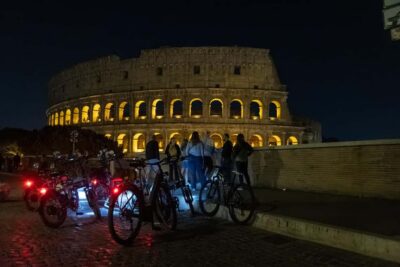
You start day one near the Arch of Constantine. It is a good opener because you can immediately connect imperial power, triumphal architecture, and later reuse of older artistic pieces. From there, the tour moves into the Colosseum area with a guided approach that frames what you are about to see: the scale, the purpose, and the human stories behind the stone.
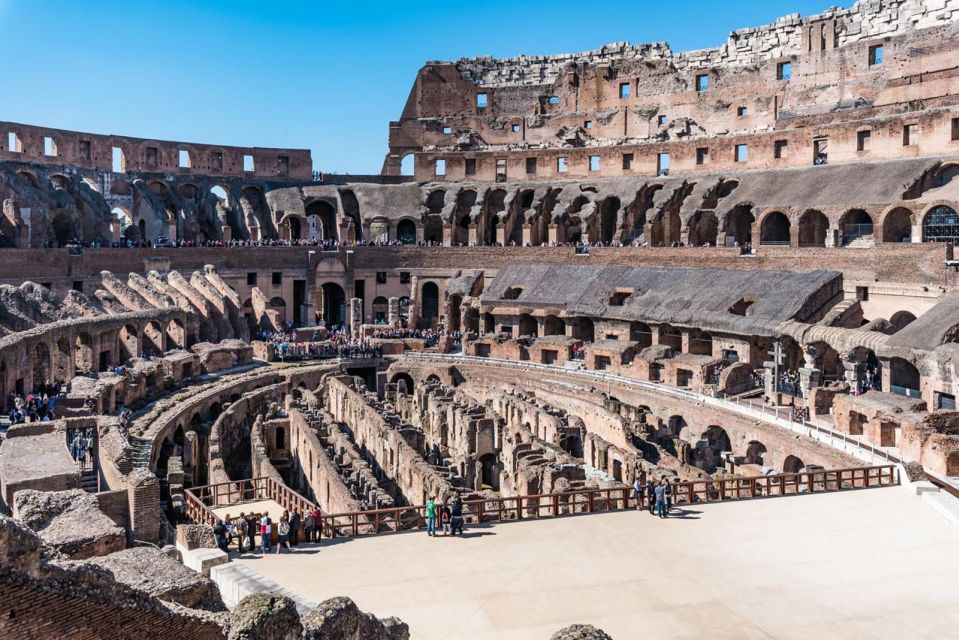
Next comes the Colosseum tour itself. You are not just ticking a box. You learn about the violence of the games and how gladiators lived. That might sound heavy, but it lands better when it is explained in context rather than as random facts. You start to notice details: how the space worked, what spectators would have experienced, and why this site became such a symbol.
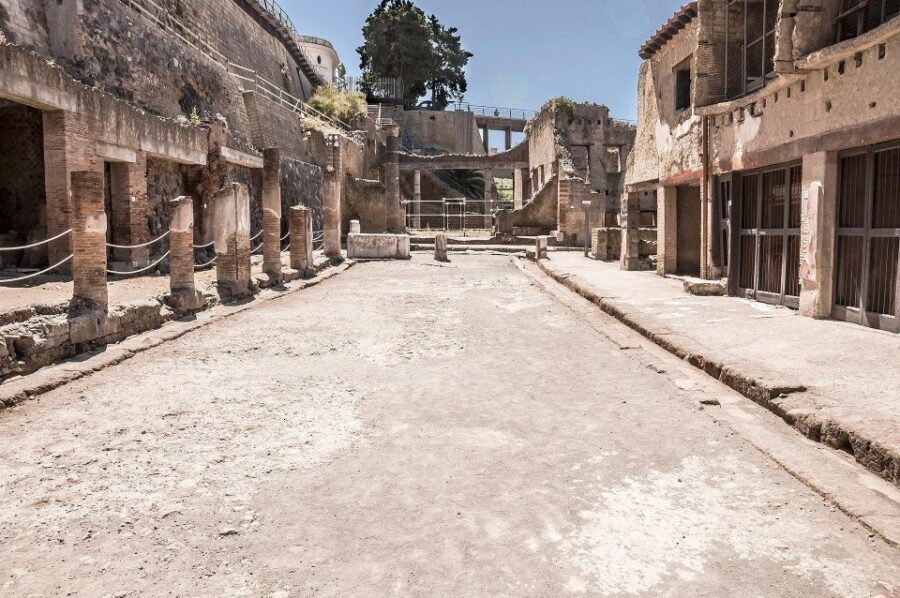
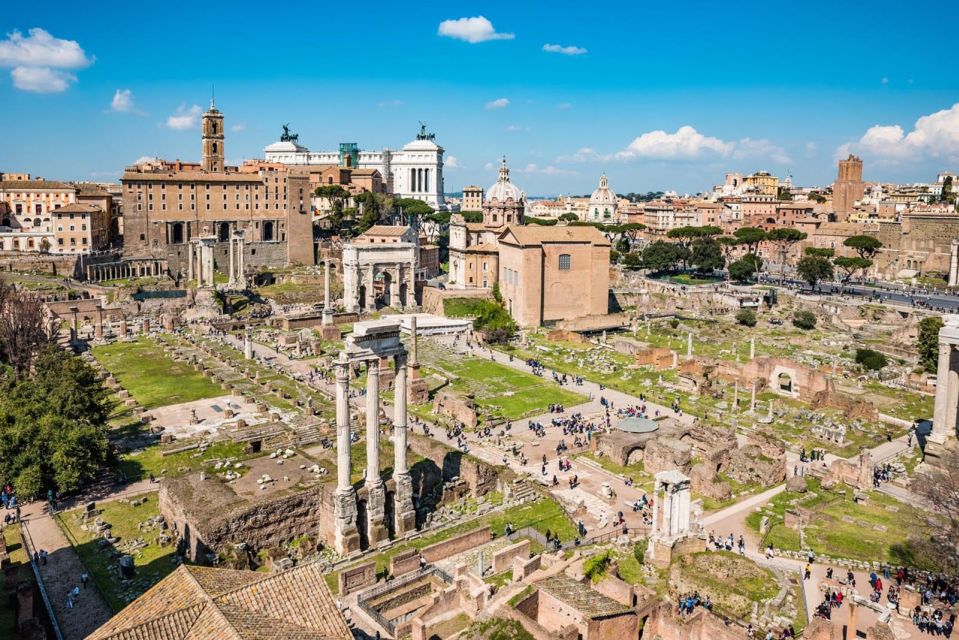
After the Colosseum, you walk to the Roman Forum, along with the Arch of Constantine area framing. The Forum is where Rome feels less like a monument and more like a workplace, political stage, and marketplace all at once. A short walk here can still feel long when you understand what each section represents.
Then you head to Capitoline Hill for a break in a bar with a panoramic view of the city. This stop is more than a rest. It helps you “read” Rome from above. You can point at neighborhoods and landmarks and understand how far the city spreads. It is a smart reset before the walk turns back into the classic sights.
Lunch happens in a restaurant recommended by your guide. Food is not included, so you are still making your own choice within the plan. But the value here is that you are eating in the middle of sightseeing with guidance on what is practical and local.
Colosseum and Roman Forum: what your guide makes click
The Colosseum and Forum are the top two Rome “wow” sites, but they are also easy to misunderstand if you just look at them like scenery. This is where a strong guide makes the difference.
In the Colosseum, the story beats matter. You get the violence of the games explained alongside how the arena functioned, and you learn what gladiators’ lives looked like. That shift turns the visit from giant-amphitheater appreciation into actual understanding. You start to see how the building shaped behavior: movement, noise, crowd reactions, and spectacle.
Then the Forum brings the larger picture. You explore the breathtaking ruins as a connected city space rather than scattered columns. This is where you can feel Roman power in physical form. Even when buildings are gone, the layout tells you what happened where.
Practical note: bring comfortable shoes and plan for standing and walking. This is especially true around ancient sites, where surfaces can be uneven and you will likely move at a steady pace to keep the day flowing.
If you care about more than photos, you will enjoy how the tour turns the ruins into a timeline. That is the real value: you leave knowing what you looked at.
Classic Rome walk day one: Spanish Steps, Trevi, Navona, and more
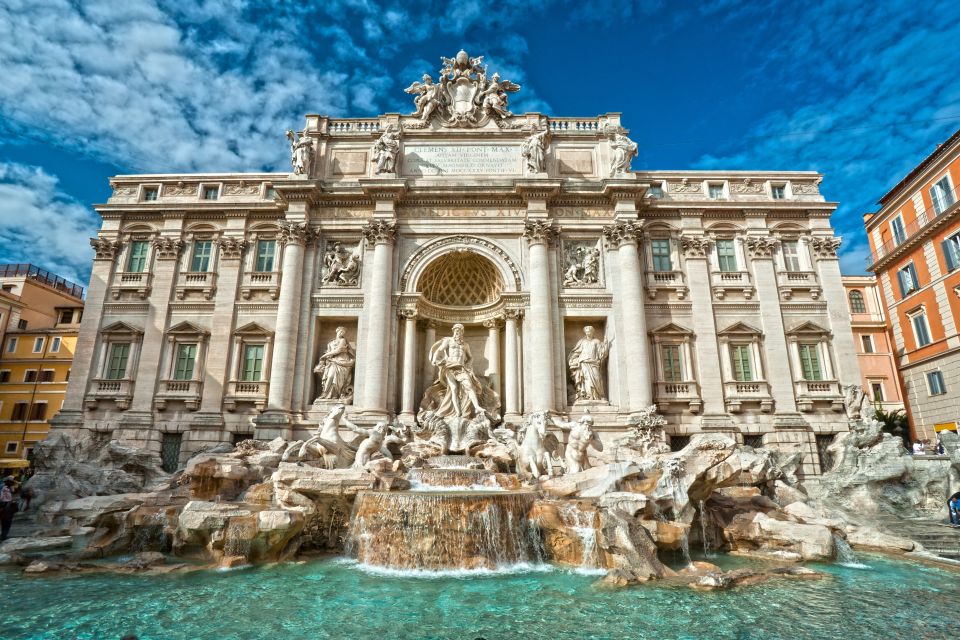
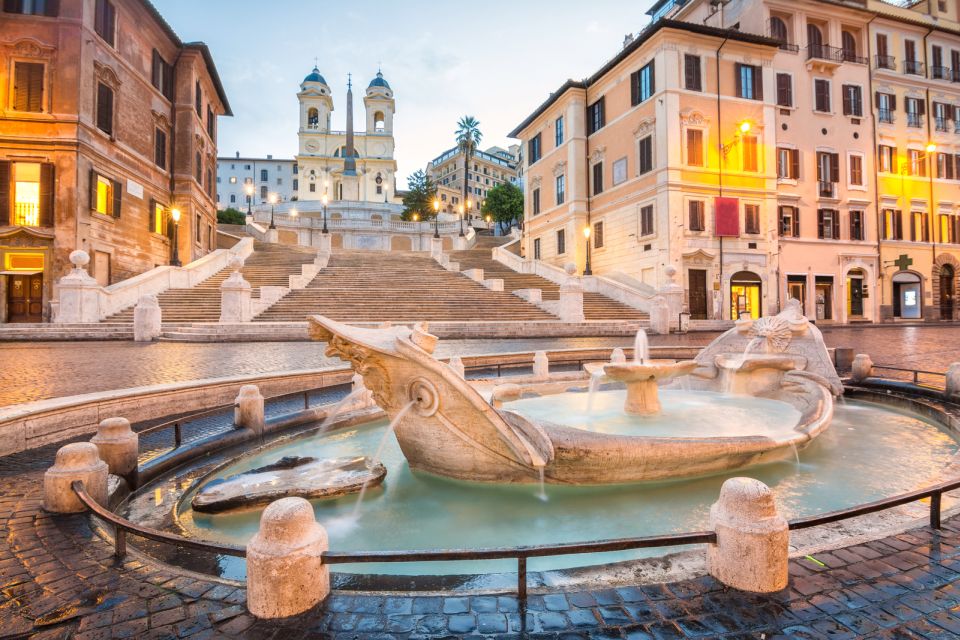
After Capitoline Hill and lunch, day one leans into the romance of Rome. You visit the Spanish Steps, then move to the Trevi Fountain where you can stand in the middle of the famous scene and make a wish. (The classic ritual is part of the fun, even if you are there mainly for the art and architecture.)
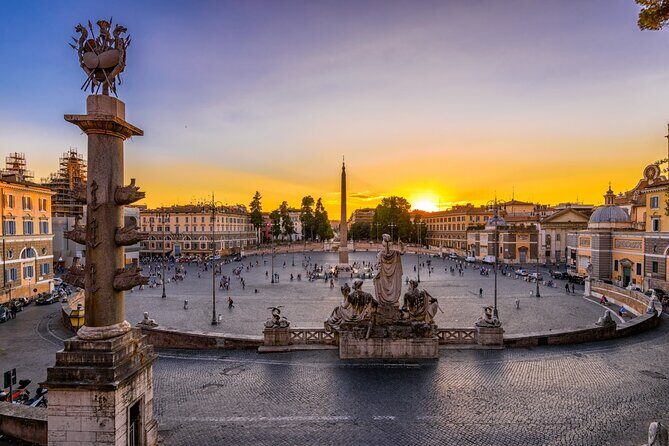
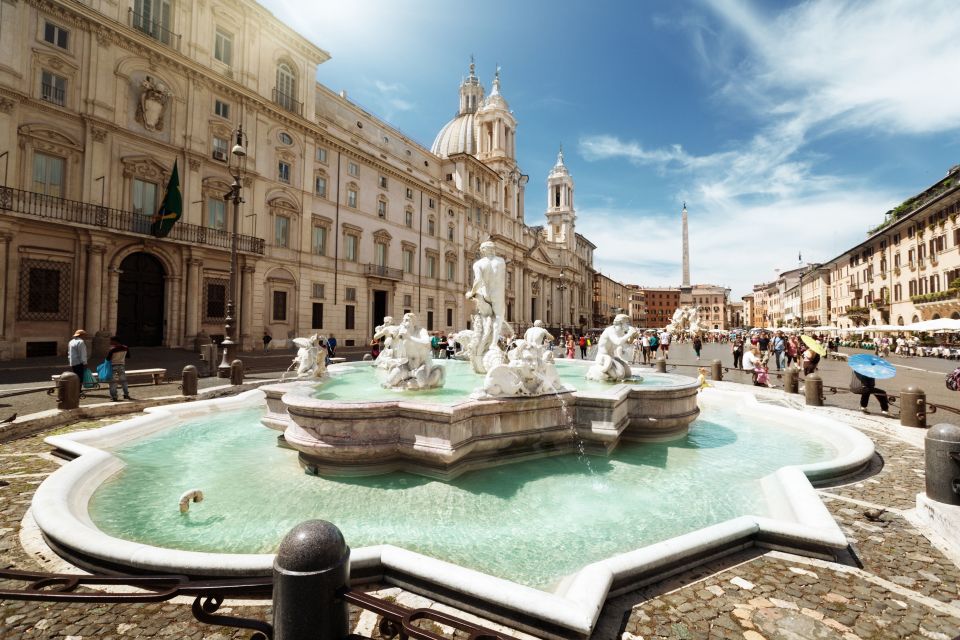
From Trevi, the tour continues into smaller squares that many people skip because they feel like background to the big hits. You stop at Piazza Sant’Eustachio, then head to Piazza Navona, and on to Campo de’Fiori. These are great for getting a feel for daily life. Navona gives you the sense of an old city stage, while Campo de’Fiori brings a more lived-in edge.
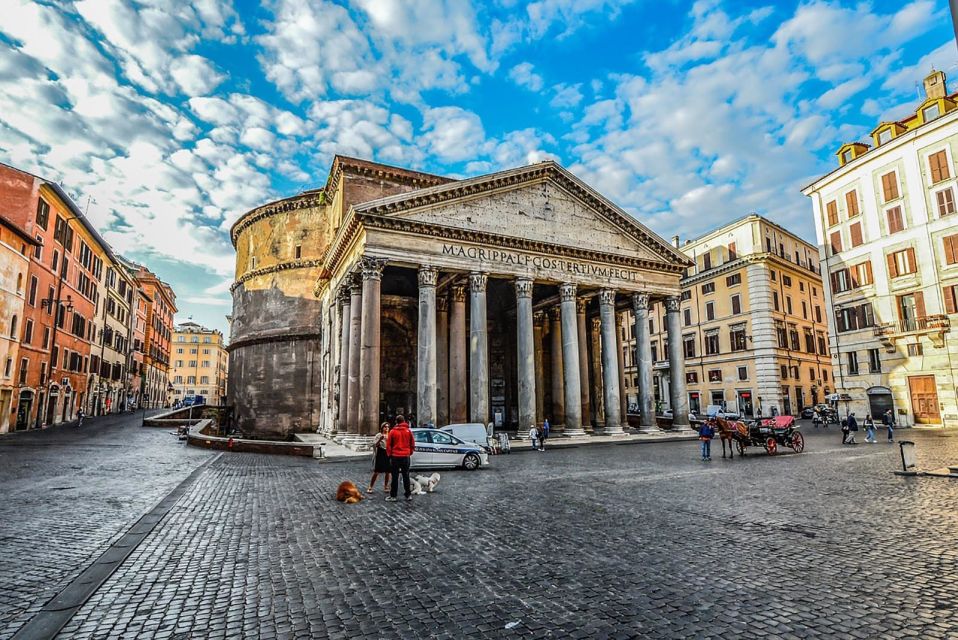
The plan also includes the Pantheon area and Hadrian’s Temple. This is a clever move because it balances the “baroque postcard” moments with a more timeless Roman core. Even if you have seen pictures before, the scale of the Pantheon area can surprise you. It helps to have someone explain what you are looking at so you notice the engineering and design choices.
You finish day one at Piazza Farnese. That ending works well because it is a proper place to pause, not just another camera stop. If you want Rome that feels both grand and walkable, day one nails that mix.
Day two starts in Vatican Museums: the order that matters
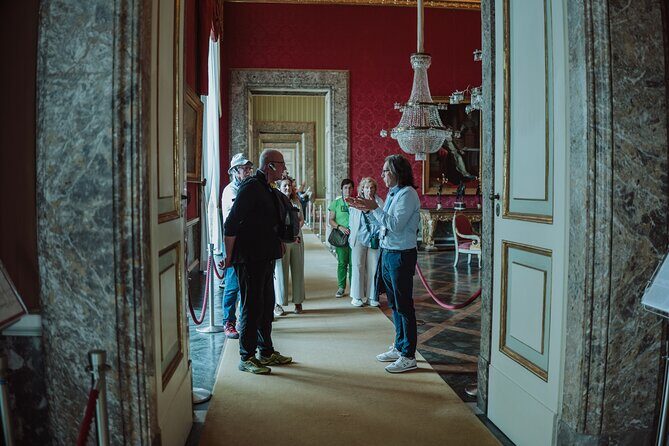
Day two focuses on the Vatican Museums, which is the right choice for a full day. These museums can overwhelm you fast if you do not have a route. Here, you get guided structure with major highlights.
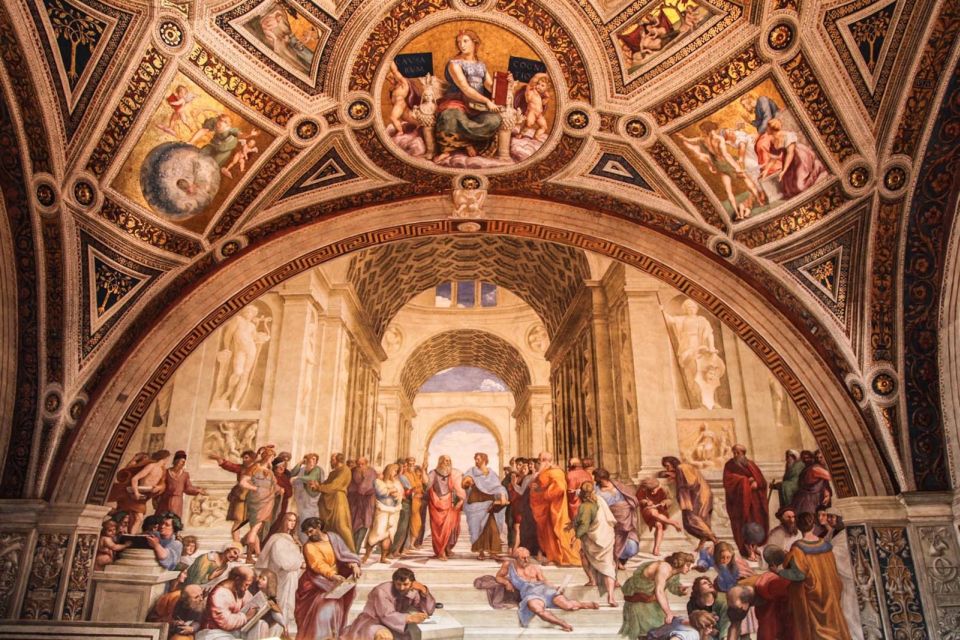
You begin with the Belvedere Courtyard, then move through the Raphael Rooms. These rooms are a big deal because they connect Renaissance art with the building’s cultural mission. Your guide’s job is to help you see what is stylistic and what is symbolic.
Then you hit the Sistine Chapel. The guide explains composition choices and tells stories about Michelangelo, including the extraordinary life behind the work. That framing is key. The ceiling can look impressive but still feel untouchable if you never learn what to look for. With this tour style, you understand why the arrangement feels the way it does.
Skip-the-line access and express security help a lot here. Vatican lines can eat your morning. This tour is designed to protect your time for actual rooms, not just waiting at metal detectors.
Lunch is next at a traditional restaurant. Food is not included, so you pay out of pocket, but you are still getting help choosing where to eat without derailing the schedule.
St. Peter’s Basilica and Bernini’s piazza: turning wow into meaning
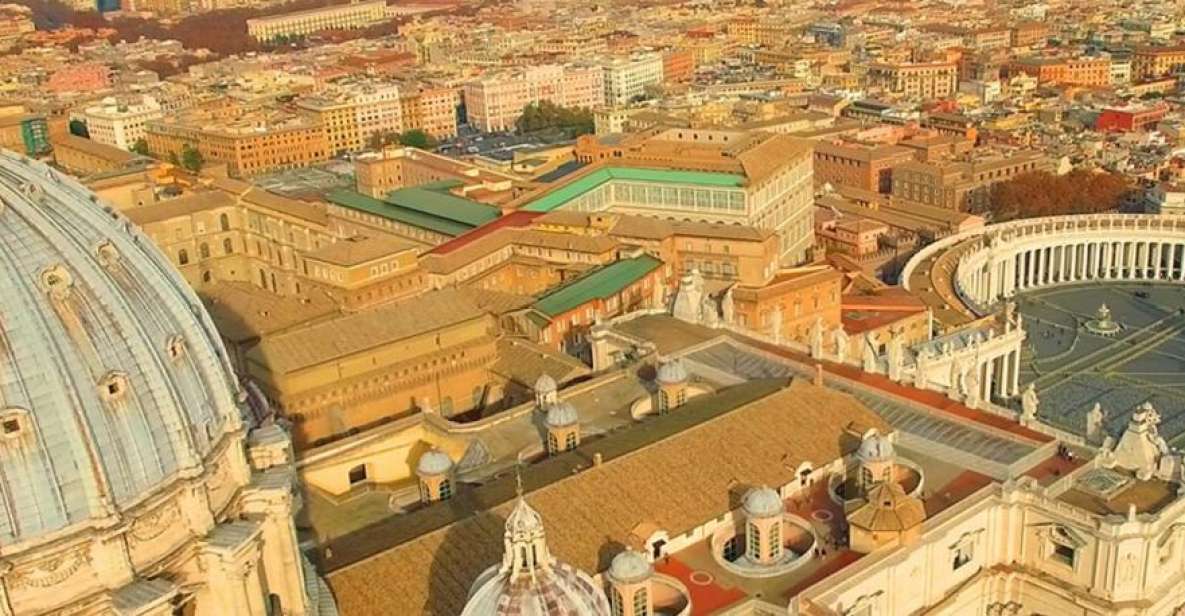
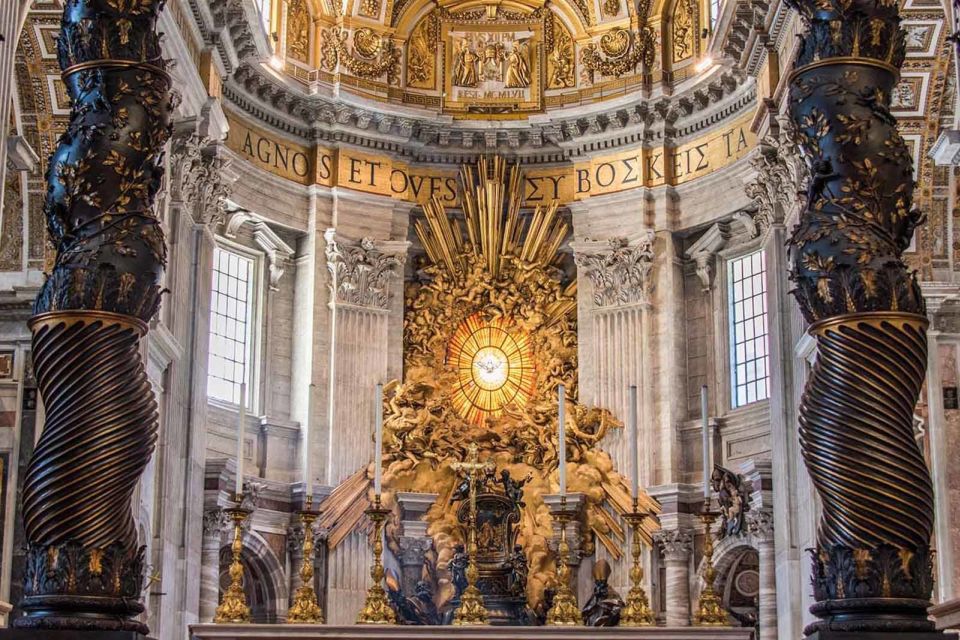
After lunch, the tour shifts to St. Peter’s Basilica. This is where you get the kind of architecture that makes you look up without realizing you are doing it. Your guide walks you through the impressive architecture and shares stories connected to popes and artists who shaped the Vatican.
You also hear about Bernini’s work, including the design of the piazza and the immense colonnade. This part is surprisingly important. A lot of people stand in the square, snap a few pictures, and move on. With the right explanation, you understand the sense of movement created by the colonnade and why the space feels theatrical.
Now, the one big caveat: St. Peter’s Basilica may close unexpectedly due to religious ceremonies and late security decisions. If that happens, the plan substitutes by exploring the Vatican Museums more in detail. Either way, you still get the Vatican focus, and you do not lose the day to an early dead-end.
Borgo Pio and Castel Sant’Angelo: finishing with a view
A classic Rome highlight list can forget the edges that make the city feel real. This tour doesn’t. After the Vatican, you stroll through Borgo Pio, described as a surviving medieval area.
Then you visit Castel Sant’Angelo, an imposing fortress that overlooks the Tiber. The best part is the payoff view: you can climb to the top for a spectacular perspective over the river and toward the Vatican. Even if you think you know Rome from postcards, those angles reset your sense of scale.
This finale is also practical. You end with a site that offers a clear sense of geography and direction. It gives you one last guided lens before the tour ends back at the meeting point.
Price: what $521.71 per person buys you in real terms
At $521.71 per person for a two-day private tour, this is not a budget option. But it is also not just paying for someone to hold your ticket. Here is what you are actually getting that can make the price feel more reasonable:
- Skip-the-line tickets to all the sites on the plan
- Skip-the-line express security on the Vatican side
- An English-speaking live guide (and you also have Italian available)
- A private setup across two days, so you avoid time lost to crowd management
- Headsets are included for groups of 6 or more, which helps if your party grows
- A flexible approach for typical disruptions like possible Basilica closures
What you are not getting is also clear: transportation and food and beverages are not included. So you should budget lunches and any drinks separately. You will likely spend extra money anyway in central Rome, so think of this tour as a way to buy back your time and reduce stress.
If you value understanding as much as seeing, the guide quality makes this price easier to swallow. The reviews emphasize guides with strong academic backgrounds, including Robert and a history PhD. That kind of teaching can turn a hard day of sightseeing into a memorable education.
Who this tour suits best
This fits best if you fall into one (or more) of these categories:
- You want the major Rome sites without spending half your day trapped in queues
- You like context and stories tied to what you see, not just “this is famous” facts
- You are traveling with mobility needs, since the tour is wheelchair accessible (with a separate route for wheelchair users)
- You want a plan that covers both ancient Rome and Vatican Rome without trying to mash everything into one marathon day
It might be less ideal if you love wandering entirely on your own schedule. This tour gives you a structured route, and that structure is the whole point.
Should you book this private Rome 2-day highlights tour?
I think you should book if your top goal is to see Rome’s headline attractions with smart pacing and a strong guide. Two days is the difference between rushing and really noticing. The skip-the-line setup helps, and the guidance style seems to be the star, with Robert highlighted as a standout and at least one guide bringing a PhD-level history background.
I would hesitate if you know you want complete freedom to set your own order, or if you are extremely sensitive to the possibility of changes at St. Peter’s Basilica. The tour has an adjustment plan, but flexibility still matters.
If you want the most value from Rome while keeping the experience calm, this is a solid choice.
FAQ
Where do we meet the guide on day one?
On day one, you meet your guide in front of the restaurant Angelino Ai Fori dal 1947.
Where do we meet the guide on day two?
On day two, you meet your guide in front of Caffe Vaticano at Viale Vaticano, 100.
How long is the tour?
The experience runs for 2 days.
What’s included in the price?
It includes an English-speaking guide, skip-the-line tickets to all the sites, and headsets (for groups of 6 or more).
What is not included?
Transportation to and from the meeting and end points is not included, and food and beverages are not included.
What languages are available for the guide?
The tour offers English and Italian.
What should I bring?
Bring comfortable shoes and water.
Are large bags allowed?
No. Luggage or large bags are not allowed.
Is the tour wheelchair accessible?
Yes. The tour is wheelchair accessible, and wheelchair users take a separate route. The provider asks you to let them know about mobility concerns during booking.