REVIEW · ROME
Rome: Colosseum, Roman Forum & Palatine Hill Guided Tour
Book on GetYourGuide →Bookable on GetYourGuide
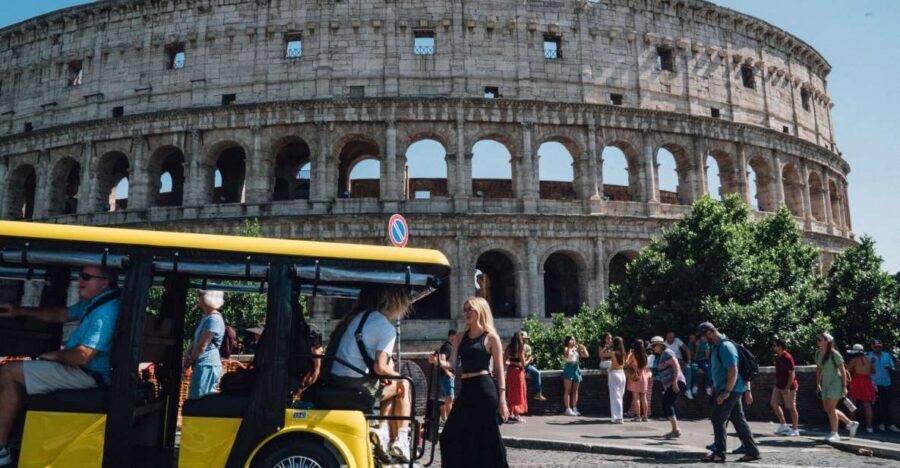
Few places in Rome hit like the Colosseum.
This tour strings together three of the biggest Ancient Rome sights with a live guide, so you’re not just staring at stones—you’re building a picture of how power, crowds, and everyday life worked here. I like that the pacing is set up to reduce waiting and keep you moving through the key zones.
What I especially like is the combination of skip-the-line entry (plus headsets) and the fact that you cover the Colosseum first, when the site feels easiest to handle. Another win: the Roman Forum + Palatine Hill pairing makes the story of Rome feel logical, from politics to the elite homes up on the hill.
One consideration: it’s still a lot of walking on uneven ground, and you can’t count on bathroom or snack stops being built in. Also, even with fast entry, you may still face some security checks at the Colosseum, so plan for a bit of waiting at the very start.
In This Review
- Key highlights to know before you go
- Arriving at Via delle Terme di Tito: where the tour really starts
- Skip-the-line entry: what it saves you (and what it can’t)
- Colosseum guided tour: arena views and crowd-level context
- Roman Forum: the political center you can actually picture
- Palatine Hill: Emperor’s Palace vibes and panoramic payoff
- Headsets, group control, and why your guide matters
- Pacing and breaks: the realistic part of a 2.5-hour plan
- Price and value: is $44.41 a good deal?
- Who this tour is best for (and who should choose differently)
- Should you book the Rome Colosseum, Roman Forum & Palatine Hill tour?
- FAQ
- How long is the Rome Colosseum, Roman Forum & Palatine Hill guided tour?
- What’s included in the ticket price?
- Where does the tour meet, and where does it end?
- What languages are available for the live guide?
- Is this tour suitable for wheelchair users or people with mobility impairments?
- What should I bring, and what is not allowed?
Key highlights to know before you go
- Skip-the-line access for the Colosseum and Roman Forum, plus entrance to Palatine Hill
- Headsets included, so you can actually hear your guide without crowding in
- Arena walkthrough storytelling at the Colosseum, not just photo stops
- Roman Forum explained as daily power, religious sites, and business spaces all in one
- Palatine Hill viewpoints tied to the story of imperial Rome
- Live guide in French, Spanish, English, German, or Italian
Arriving at Via delle Terme di Tito: where the tour really starts
The meeting point is Via delle Terme di Tito 93. If you’re coming by metro, you’ll reach the terrace above the Colosseo station, then walk along Via Nicola Salvi about 100 meters and turn left. It’s a straightforward walk, but Rome’s crowds can make it feel less so.
A practical tip: arrive early because the meeting spot can be easy to miss when multiple tour groups are nearby. If your tour time shifts, you’ll be notified by phone call or text—so keep your phone charged and on you.
Also note what this means for your day: you’re starting in the Colosseum area, so you’ll burn fewer minutes on logistics and more minutes inside the sites.
Skip-the-line entry: what it saves you (and what it can’t)
This is sold as skip-the-line entry for the Colosseum and the Roman Forum, and that’s a real value in Rome. The alternative is watching the line grow while you stand in the sun doing your best impression of a marble statue.
That said, the Colosseum still involves security screening. So even with fast access, you might encounter checks at entry. In other words: you’ll likely save time, but you shouldn’t assume zero waiting.
I’d treat it like this: you’re buying back energy. That matters because once you’re inside, the tour is designed to keep momentum across three major areas.
Colosseum guided tour: arena views and crowd-level context
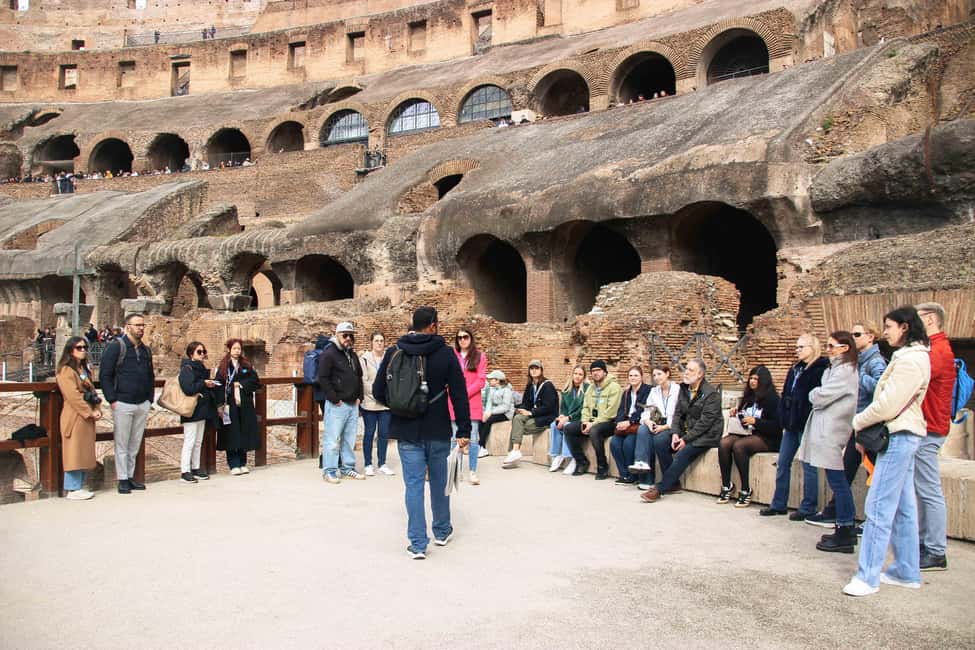
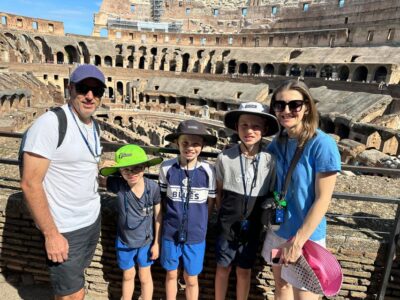
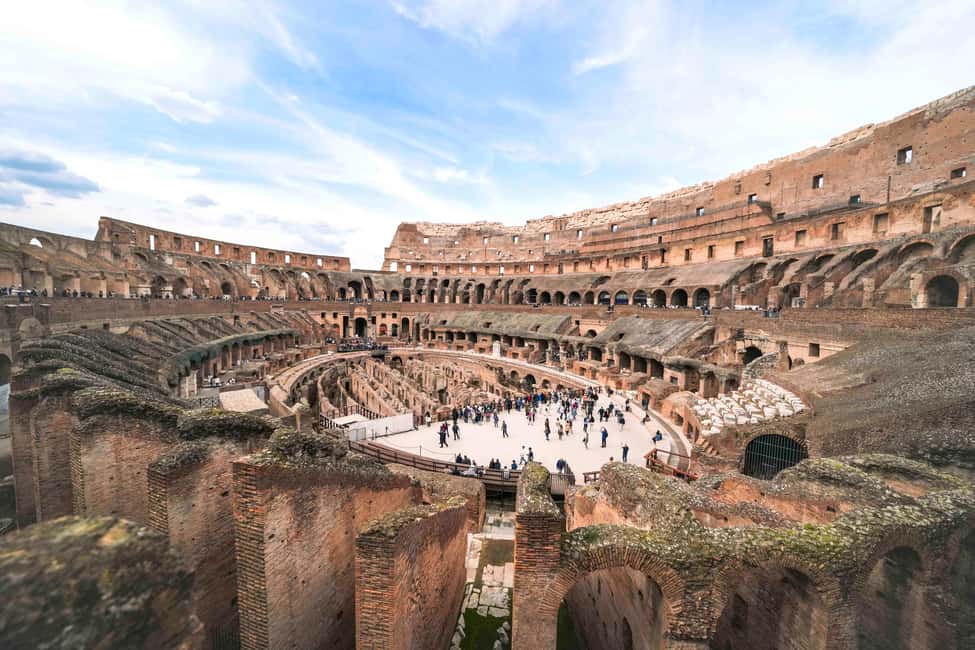
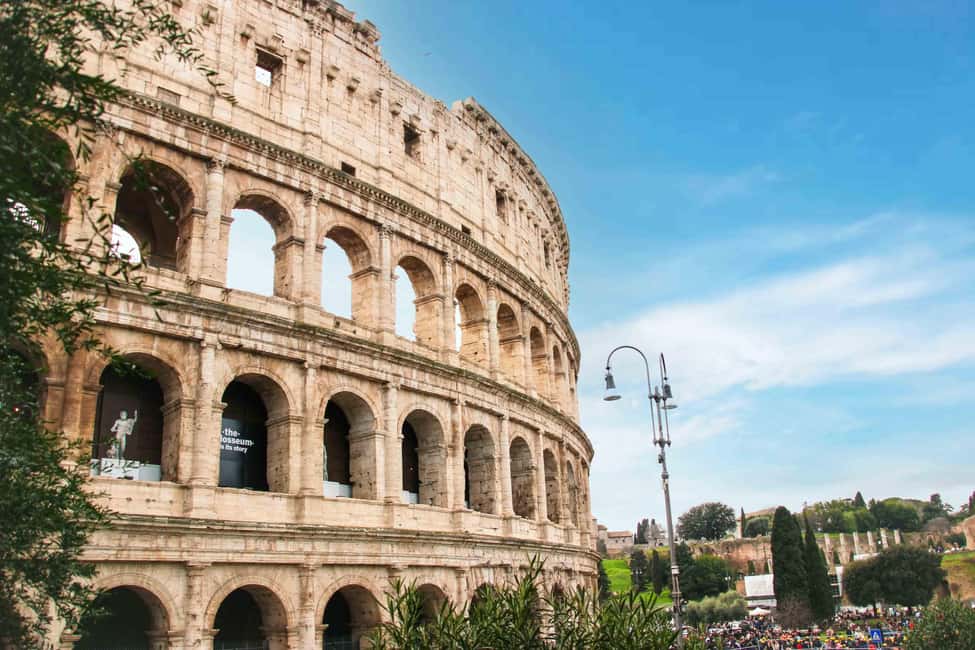
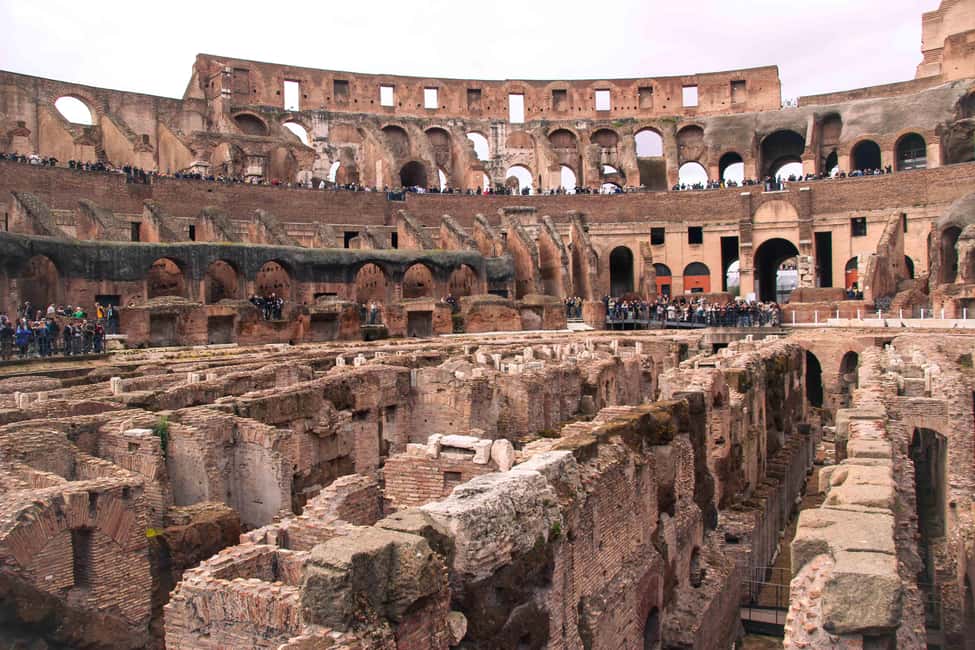
The Colosseum stop is guided for about one hour. You start with the world’s most famous amphitheater—the giant stage built for spectacle—and then you move in a way that lets the guide explain what you’re seeing.
What makes this stop work well is the order and the storytelling. You’ll hear how the arena functioned and why gladiator battles and mass events were built around public emotion and politics. Even if you’ve seen photos before, the guide helps you understand what the layout was meant to do.
One bonus I’ve seen mentioned by others: some groups have reported entering via a VIP-style gate and getting access to a portion of the arena that’s less frequently seen. Don’t count on that every time, but it’s a sign the operator may handle entry routes efficiently when possible.
If you’re choosing shoes, choose wisely. Reviews repeatedly point out comfy shoes, and I agree. Uneven stone and long stretches of standing can turn a great visit into a sore-foot survival challenge.
Roman Forum: the political center you can actually picture
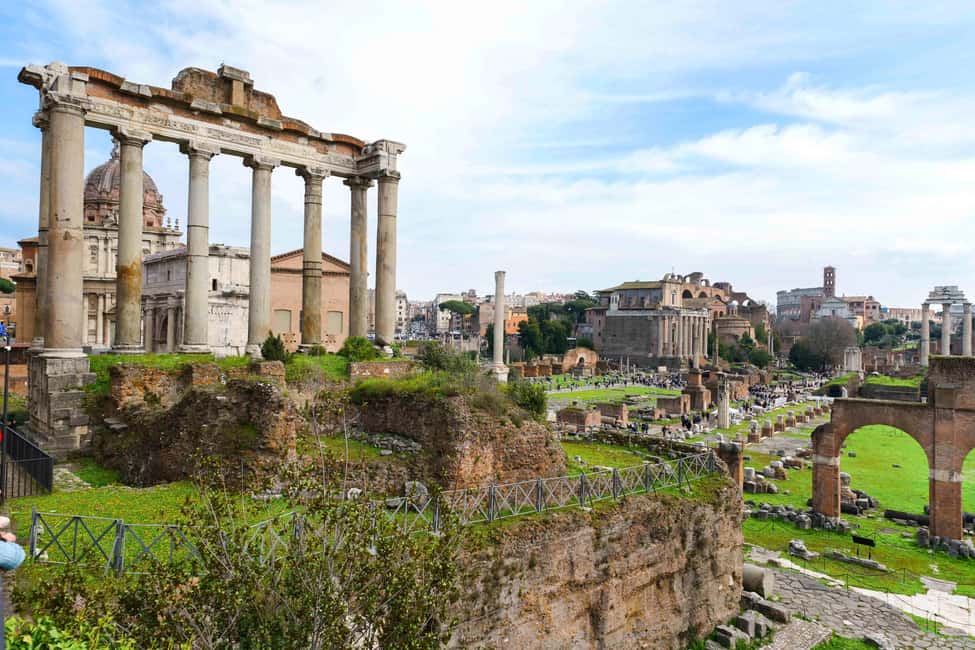
After the Colosseum, you’ll head to the Roman Forum for another guided hour. This is one of those places where it helps to have a human map. The Forum sits in a valley between the Palatine and the Capitoline hills, and the ruins feel scattered until someone explains what each area was used for.
The guide focuses on early Roman life and the big-picture mechanics: religion, government, and commerce all overlapped here. You’ll see the space where grand temples, basilicas, and market activity once pulled people into the same public conversation.
Here’s the value for you: without guidance, you can walk through and think, pretty ruins, where do I start? With a guide, the Forum becomes a working model of power—who built what, who used it, and why it mattered.
One caution: the Forum can feel like it takes forever when you’re alone, because you’re trying to connect the dots with your phone. With the tour, you get the dots connected for you, but that still doesn’t mean you’ll have unlimited time for lingering. If you want to wander slowly and deeply on your own, you’ll need to plan extra time beyond the tour duration.
Palatine Hill: Emperor’s Palace vibes and panoramic payoff
The last major stop is Palatine Hill, again about one hour with a guide. Palatine is often described as the birthplace area of Rome and the neighborhood of emperors and aristocrats, and that reputation isn’t just marketing.
What you’ll get here is the contrast: the Palatine is elevated, open, and scenic compared to the tight, archaeological feel of the Forum. The tour highlights panoramic vistas from the area connected with the Emperor’s Palace viewpoint, and those views help you grasp why elites liked being up here.
If the Colosseum is about public performance, Palatine is about private power. Your guide ties that together, pointing out how politics and luxury mixed in the daily life of Rome’s ruling classes.
Also, remember the tour ends back at the meeting point. That means you’ll likely finish still close to the Colosseum area, ready to either keep wandering or head onward for the rest of your itinerary.
Headsets, group control, and why your guide matters
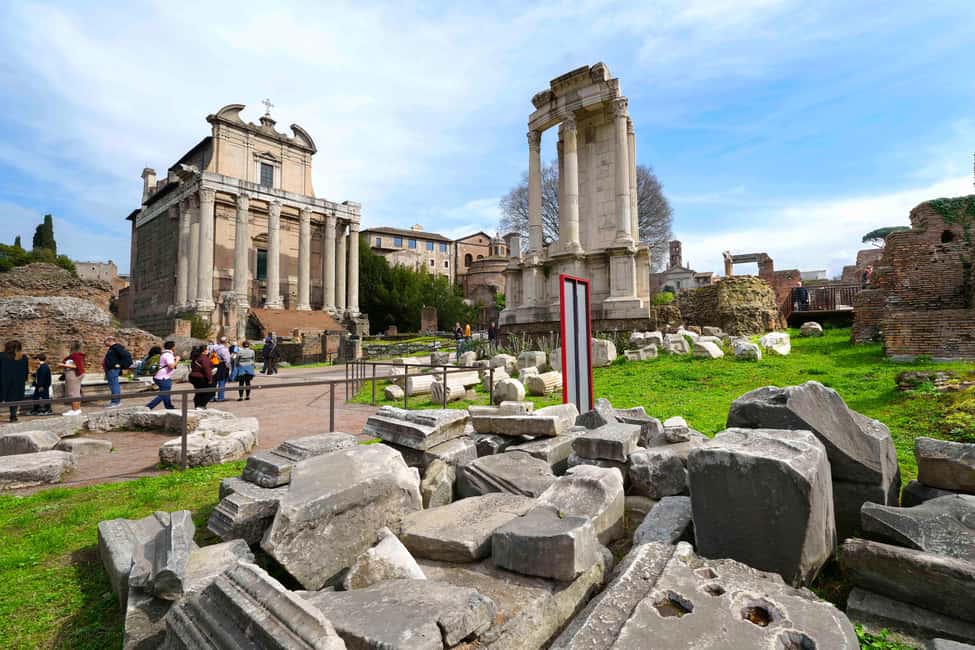
Headsets are included, which is a big deal at these sites. The Colosseum can be loud with wind, other tours, and your own footsteps. Headsets keep you from having to chase your guide’s voice over the crowd.
Group management also matters. A number of guides are noted for keeping groups together even in busy conditions, which reduces the frustrating moment where you’re separated and trying to catch up. If you get a guide like Dino, Giuseppe/Joseph, Irene, Claudia, Lara, or Laura, you’re typically in good hands based on past experiences—especially if you want humor mixed with solid explanations.
One more practical angle: the tour runs in multiple languages (French, Spanish, English, German, Italian). If you’re traveling with mixed language needs, this is an advantage, because you’re not stuck doing a choose-your-own-adventure translation with your group.
Pacing and breaks: the realistic part of a 2.5-hour plan
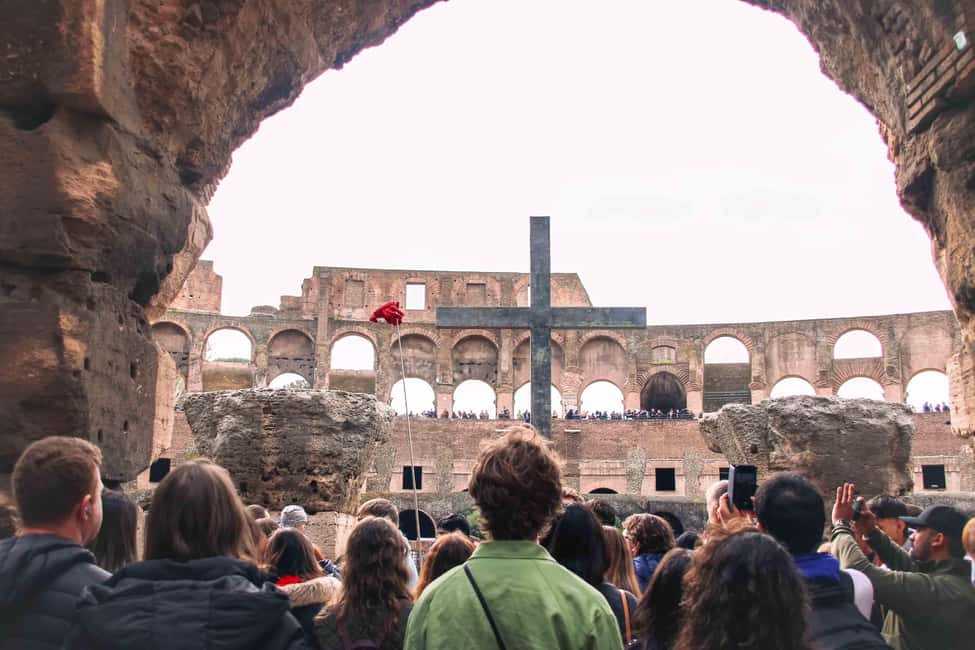
On paper, the tour is 2.5 hours, but real-world timing can shift with crowds, security checks, and how the group moves. Some departures have run longer in practice, and that usually means more walking and more time in the open sun.
So plan your day like this:
- Eat and drink before you go, because food and drink aren’t included.
- Use the restroom before meeting (or right at the start of your day), because the tour isn’t built around frequent breaks.
- Bring a water bottle and a light layer, since the tour operates in all weather.
This isn’t the kind of experience you do while lightly scrolling your way through Rome. It’s a focused route through top sites with a guide, so it’s best when you’re ready to pay attention and keep moving.
Price and value: is $44.41 a good deal?
At $44.41 per person, you’re paying for three key things: guided interpretation, included entrances, and time saved by skipping key lines.
If you tried to DIY this, you’d need tickets plus the extra mental load of figuring out where to stand, what to look for, and how to connect the Colosseum to the Forum to Palatine Hill. The guide compresses that learning curve into a couple of hours.
You’re also getting headsets. Even if you love guidebooks, headsets are the kind of small upgrade that makes the experience smoother in crowded spaces.
So the question isn’t only whether the price is low. It’s whether it buys you a calmer, more coherent experience at the sites that most punish wasted time. In my view, this tour earns its price when your priority is seeing the big three without turning Rome into a queue simulator.
Who this tour is best for (and who should choose differently)
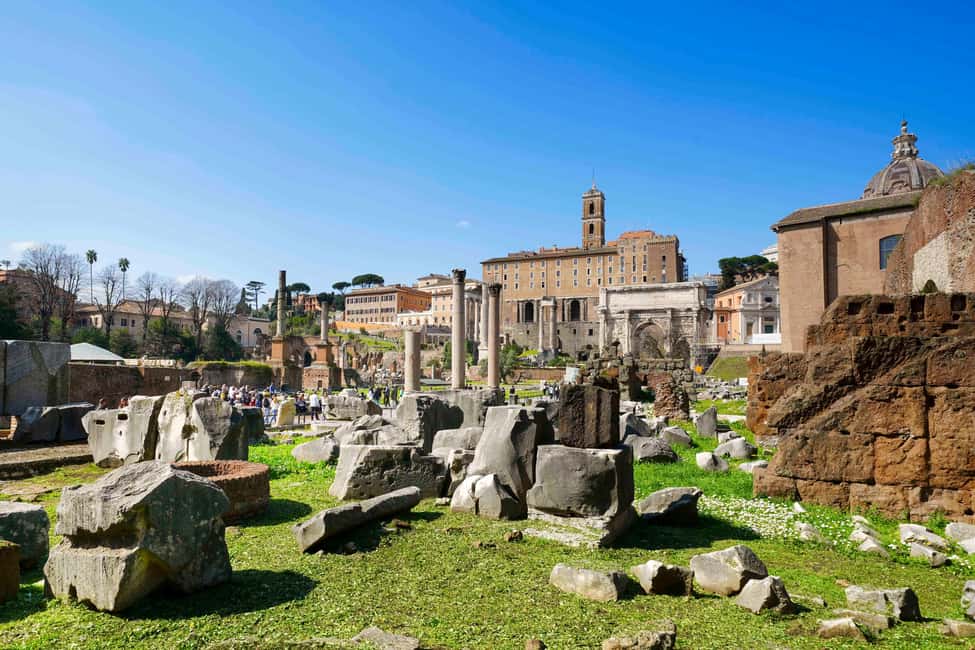
This tour is ideal if:
- You want the big highlights in one go: Colosseum, Roman Forum, Palatine Hill
- You prefer to understand what you’re seeing rather than read about it later
- You like a guided story arc, where politics and power connect across sites
- You want to reduce time lost to lines
It may not be ideal if:
- You’re sensitive to walking or uneven surfaces, since it’s not suitable for wheelchair users or people with mobility impairments
- You want lots of free time for slow exploration, snack runs, or restroom breaks
- You’re arriving at a low-energy moment and hope the tour will feel casual
And one more note: pets and weapons/sharp objects aren’t allowed, and there are rules about luggage (no large bags), plus no alcohol or drugs, and no glass objects. That’s typical for major attractions, but it’s worth remembering if you’re traveling with gear.
Should you book the Rome Colosseum, Roman Forum & Palatine Hill tour?
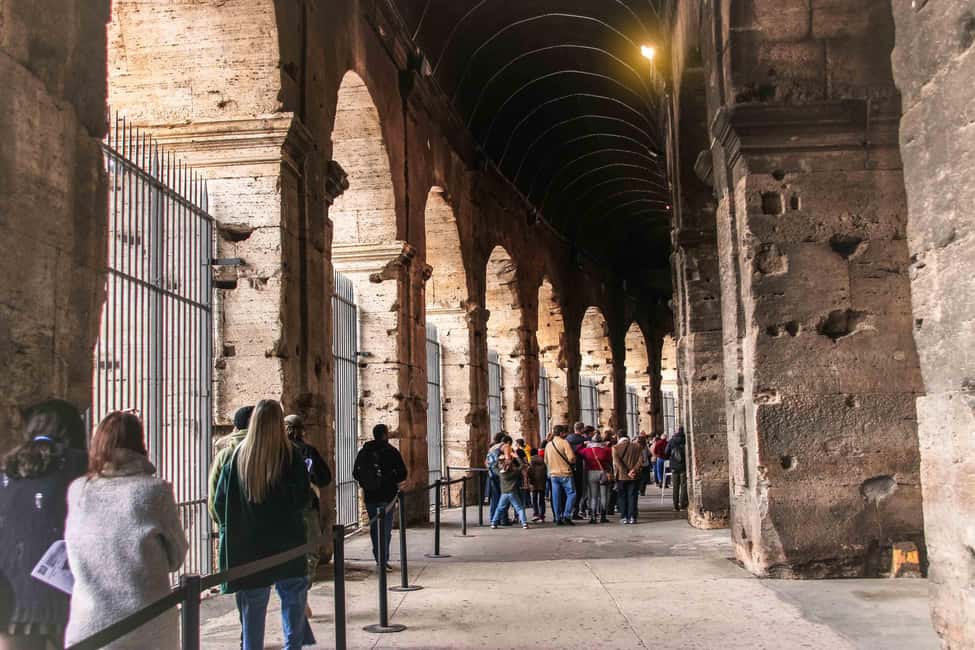
I’d book this if you want a guided, time-efficient route through the heart of Ancient Rome. The skip-the-line setup, included headsets, and the Colosseum → Forum → Palatine Hill story order make the experience feel structured instead of chaotic.
If you can handle a solid walking route and you like your history with a guide telling you what matters, this is a strong value for the money. If you need accessibility accommodations or a slower pace with extra breaks, you may want to look for a different format.
Bottom line: for first-time Rome visitors and history-curious travelers, this tour is one of the most practical ways to see the big three without losing half your day to standing around.
FAQ
How long is the Rome Colosseum, Roman Forum & Palatine Hill guided tour?
The tour duration is listed as 2.5 hours. Starting times vary, so you’ll need to check availability for the exact schedule.
What’s included in the ticket price?
The tour includes entrance to the Colosseum, Roman Forum, and Palatine Hill, plus a guided tour. Headsets are also included.
Where does the tour meet, and where does it end?
The tour starts at Via delle Terme di Tito 93. It ends back at the meeting point.
What languages are available for the live guide?
Live guides are offered in French, Spanish, English, German, and Italian.
Is this tour suitable for wheelchair users or people with mobility impairments?
No. It is listed as not suitable for people with mobility impairments and wheelchair users.
What should I bring, and what is not allowed?
Bring your passport or ID card (and children’s ID if applicable). Pets, weapons or sharp objects, luggage or large bags, alcohol and drugs, and glass objects are not allowed.