REVIEW · NAPLES
Private Shore Excursion from Naples to Pompeii, Sorrento and Positano
Book on Viator →Operated by Raphael Tours & Events · Bookable on Viator
A full day, packed with big wow. This private excursion strings together Pompeii’s archaeology with Sorrento and Positano time for your own pace, all with port pickup and a comfortable minivan.
I especially like the way Pompeii is handled: you get a 2.5-hour guided tour (not just a walk-by) with stops that hit the big scenes, from Teatro Grande to the forum and the main commercial street. And you’ll also get time to breathe in Sorrento and Positano, so you can shop, snack, and take photos without feeling herded.
One heads-up: roads and crowds can affect timing, and the driver may change the order of Pompeii and the Amalfi Coast depending on weather and traffic. That can matter if you’re trying to do everything, since there’s also plenty of walking with hills.
In This Review
- Key points to know before you go
- Naples Port Pickup to Pompeii: How the Day Actually Flows
- Pompeii Archaeological Park: A Guided Tour That Helps You See the City
- Sorrento at Your Own Pace: Shopping, Views, and Orange-Lemon Treats
- Positano: How to Use Your Free Time Without Burning It Up
- Transport, Guides, and the Cruise-Schedule Advantage
- Price and Value: What $671.03 Per Person Gets You
- Who This Tour Is Best For (and Who Should Rethink It)
- Should You Book This Naples to Pompeii and Positano Excursion?
- FAQ
- How long is the private shore excursion?
- Is pickup from the cruise port included?
- What Pompeii time do I get, and is it guided?
- Are admission tickets included for the stops?
- Will there be free time in Sorrento and Positano?
- Is lunch included?
- Does the tour include transportation?
- Will I skip long lines at Pompeii?
- Do I need a passport?
Key points to know before you go
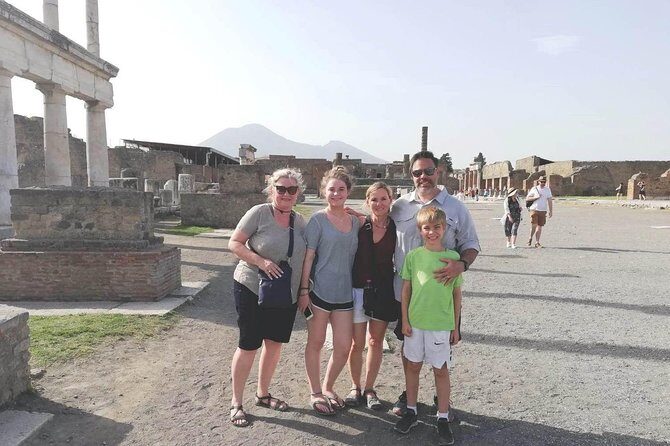
- Skip-the-line Pompeii entry with a guided tour that focuses on what to look for
- Teatro Grande, Teatro Piccolo, forum, and Via dell’Abbondanza are built into the Pompeii route
- Free time in both Sorrento and Positano, not just bus-window sightseeing
- Scenic photo stops and practical pacing along the coast with a driver who keeps you moving
- Private, air-conditioned minivan with port pickup and drop-off timed for cruise schedules
- Lunch is on your own, but guides often help you find a solid meal stop
Naples Port Pickup to Pompeii: How the Day Actually Flows
The day starts right at the cruise port. Your driver waits outside the terminal area, then you climb into an air-conditioned minivan and get moving. This matters more than it sounds: when you’re starting from a dock, minutes get eaten fast by getting off the ship, finding your meeting point, and dealing with lines. Here, you skip that stress and go straight into travel mode.
This tour is private, so it’s just your group. That gives you a smoother day than the big shared shuttles that stop at the same places as everyone else. It also means the driver can manage your schedule with your ship’s timing in mind. The plan is to return to the port with enough cushion to be back ahead of embarkation time.
One practical detail: the order of the day can shift. The driver may take you to either Pompeii first or the Amalfi Coast first, based on schedule constraints, weather, and crowds. That’s a smart choice in theory and can be a lifesaver in real life. If traffic is ugly, arriving early to the hardest stop (Pompeii or the coast) can make the difference between a relaxed visit and a rushed one. The “approx. 8 hours” timing is built around cruise-day reality, not tourist fantasy.
You’ll also want to dress for the geography. Even if you don’t climb for long stretches, Pompeii involves uneven ground and Sorrento/Positano mean steep streets and stairs. Comfortable walking shoes beat pretty shoes here.
You can also read our reviews of more private tours in Naples


Pompeii Archaeological Park: A Guided Tour That Helps You See the City
Pompeii is the reason most people come to this corner of Italy. But it’s also the reason some people get disappointed. The ruins are huge, and if you go without a plan, you can end up looking at stones and wondering what you’re missing.
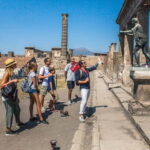
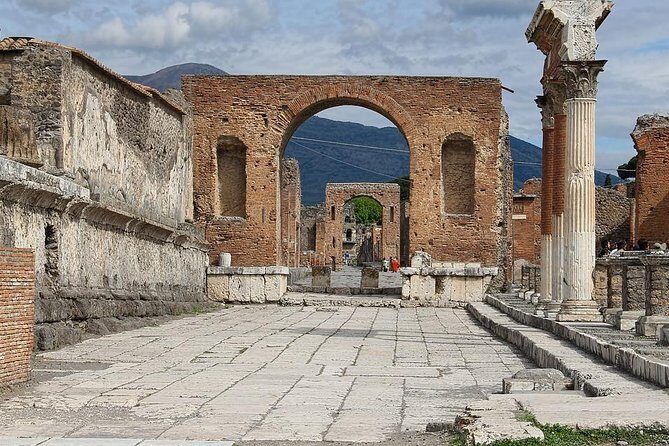
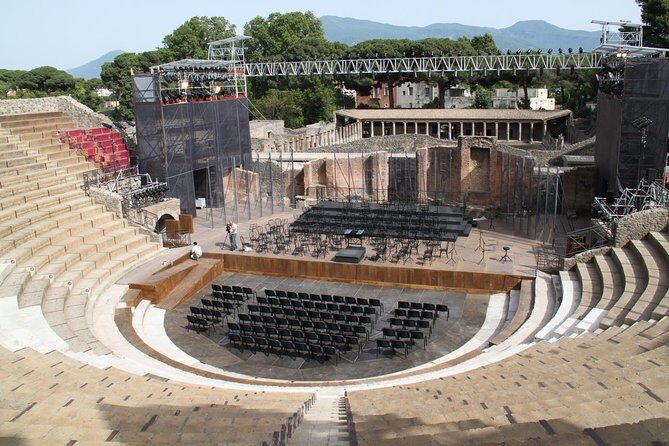
This is why the guided portion is so valuable. You get about 2.5 hours with a local guide. The route includes key areas like Teatro Grande (a major theater) and the Teatro Piccolo, where the acoustic design is a big part of what you’re meant to experience. You’ll also walk parts of the city’s principal street of commerce, with time set aside to understand how daily life worked when the city was alive and busy.
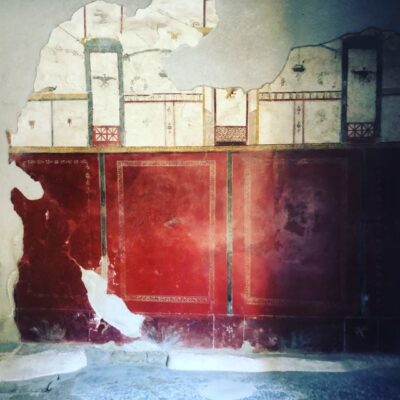
What I like is that the tour is structured around themes you can feel. You’re not only scanning artifacts; you’re walking through evidence of how people lived: domestic spaces, public buildings, and places tied to entertainment and community life. Pompeii’s thermal baths get attention too, so you’re not just seeing structures, you’re hearing how the plumbing and bathing system functioned.
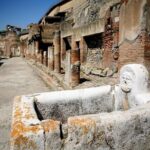
The itinerary also lists a handful of targeted stops for short visits, which keeps the day from turning into one long blur. You’ll pass through the main street area (Via dell’Abbondanza), see the forum (the city’s center), and you’ll have the guided context to connect these places. This kind of short, focused stop style is perfect on a cruise excursion because it prevents “we spent time but didn’t really learn anything” fatigue.
From the experience side, the Pompeii guides in this program can be excellent at making the site feel human. Names you might get include Lelo, Loretta, Rosanna, Alessandro, Jada, and Giada, and several have backgrounds as historians or archaeologists. One guide experience described Pompeii as something like a private visit, with the tour adjusted to avoid the most crowded areas where possible. That’s exactly the difference you want: fewer bottlenecks, more listening, more understanding.
Two reality checks. First, Pompeii is big, so even with a guide, you’ll only see a portion. Second, it’s walking, and it’s sun exposure. Plan for shade breaks when you can, bring water, and don’t assume the ruins will feel cool just because they’re ancient.
Sorrento at Your Own Pace: Shopping, Views, and Orange-Lemon Treats
After Pompeii, you head to Sorrento. This is the emotional shift point of the day: you go from a buried Roman world to a modern seaside town where you can actually sit down and breathe.
You’ll get time to explore Sorrento’s center on your own. That flexibility is what makes the excursion feel less mechanical. You can wander for gelato, browse shops, and do the kind of shopping that fits a short stop: small souvenirs, snacks, and locally made products.
Sorrento is famous for citrus, and this tour rightly nudges you toward that. Look for goods made from local oranges and lemons. Even if you don’t buy much, it’s a fun way to connect the place to the food you can taste later. Limoncello is often the headline, but the real value is the chance to sample and compare what’s available from shop to shop while the town is still warm and lively.
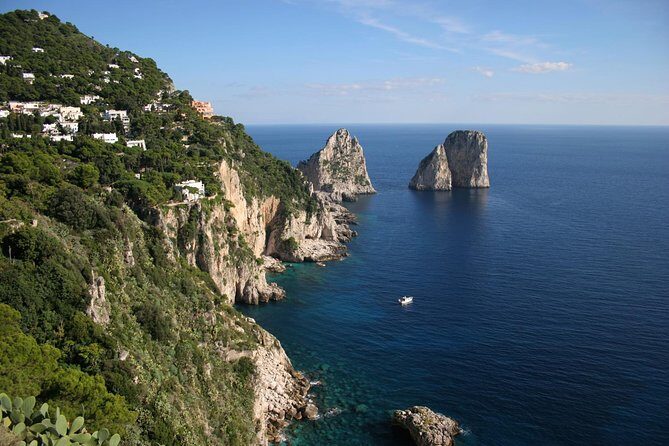
There’s also a specific panorama time built in at Piazza Tasso. You’ll stop for photos and views over the water. That kind of “pause and look” moment matters because Sorrento is not only about strolling. It’s about the coastline layout and the way the cliffs and sea fit together.
One practical tip: keep your pace flexible in Sorrento. If you move too fast trying to tick boxes, you lose the fun parts, like slipping into a shop for a quick tasting. And remember that you have to get back to your driver for the next leg.
Positano: How to Use Your Free Time Without Burning It Up
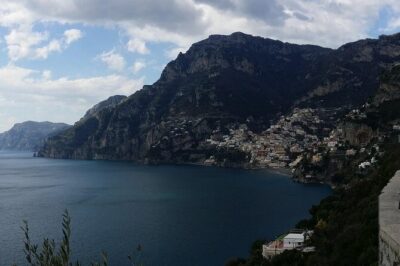
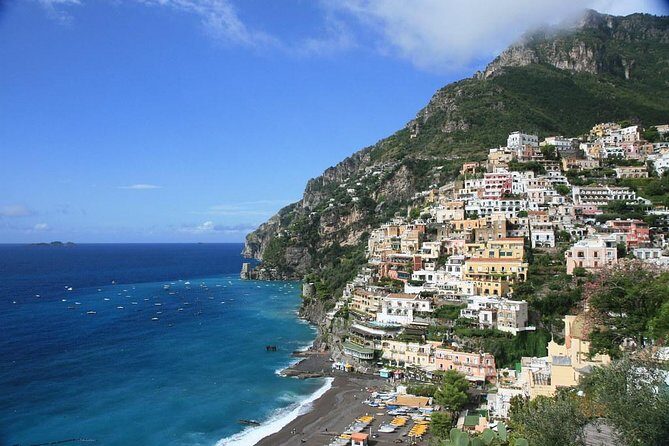
Positano is where the postcard gets real. But it’s also where time can disappear if you’re not careful. This tour gives you free time in Positano, so you can handle your visit your way: slow stroll, boutique browsing, café pause, or picture hunting.
The itinerary includes a stop at Chiesa di Santa Maria Assunta e Cripta Medievale, paired with about an hour for exploring. That’s enough time to enjoy the town’s vibe if you plan your walking. Positano streets can be steep and tight, and the town is very popular, so you’ll likely deal with crowds in the central areas.
So here’s how I’d approach it. First, set a simple priority. Pick one: shopping or views. If you try to do both at full speed, you’ll end up zigzagging and getting tired for no reason. Second, aim to spend your energy on the streets that give you the best water views. Many guides build this into their suggestions. You might be pointed toward a scenic route or a viewpoint that isn’t just the busiest one.
Lunch is not included on this tour, but guides often help you find it. In previous days, guides have steered groups toward well-regarded spots such as Da Costantino (a family-style seafood type of stop, depending on what the group orders) and other local restaurants like San Giovanni. If you want lunch, this is a perfect day to let your driver or guide suggest options that match your timing and preferences.
A caution from the real-world experience side: traffic can be rough, and if it’s particularly bad, the tour may reduce time on the Amalfi Coast. One group reported losing Sorrento sightseeing due to congestion and shifting the day to Positano. That doesn’t mean it’s typical, but it is why the Pompeii part is valuable and why you shouldn’t count on a perfectly balanced split in every scenario.
Transport, Guides, and the Cruise-Schedule Advantage
A lot of shore excursions promise comfort. This one backs it up with an air-conditioned minivan and private vehicle transport. You also get port pickup and drop-off, with the driver meeting you just outside your cruise ship terminal.
The “guaranteed to skip the long lines” detail is a big deal at Pompeii. Long lines can wipe out your planned time, and then you’re stuck racing the clock with a headache. Skipping lines helps you use your time for actual sightseeing and listening instead of standing.
What really raises the value is the combination of guides. You get a local guide for the Pompeii portion, plus a professional art historian guide. That sounds like a lot of “guiding,” but it plays out as better explanations. Pompeii isn’t only about ruins. It’s about interpreting what you’re seeing: the meaning of public spaces, how daily routines connected across the city, and why certain buildings matter.
In the Pompeii portion, you may meet guides like Lelo, Rosanna, Alessandro, Jada, or Giada, and multiple experiences highlighted the same traits: storytelling that makes the site feel alive, and pacing that tries to steer you away from the most crowded areas when possible. One guide experience described using shady spots to help during hot periods, which is exactly the kind of practical empathy that makes a long ruin walk survivable.
The other practical advantage is timing control. Your driver is responsible for keeping the day on track and returning you to the port ahead of embarkation. Even when the coastal roads get slow, you’re not left guessing. That’s a big part of why private tours work well for cruise passengers: you pay for certainty.
You can also read our reviews of more tours and experiences in Naples





Price and Value: What $671.03 Per Person Gets You
At $671.03 per person, this isn’t a budget excursion. But value here isn’t about whether it’s cheap. It’s about what you’re buying.
You’re paying for:
- Port pickup and drop-off tied to a cruise schedule
- Private, air-conditioned transport in a minivan
- A guided Pompeii experience with admission included
- Skip-the-line entry
- Professional guiding support (including an art historian guide)
- Free time built into Sorrento and Positano, so you’re not just sitting on a bus
Where the value really shows up is in Pompeii. A solid guided tour can turn Pompeii from confusing to memorable fast. And because the day is private, your guide can aim for a better flow through the site rather than reacting to a big shared crowd.
The “not included” item is lunch. That doesn’t ruin the value, but it does mean you should plan for it. If you want a sit-down meal, bring some flexibility in your timing and expect that your guide may suggest places that fit the schedule. If you’re more of a snack-and-stroll person, you can keep costs down and simply budget for light purchases during free time.
There’s also the fact that this is frequently booked around six to seven weeks in advance. That’s a sign of demand for exactly the itinerary you want: Pompeii plus two Amalfi Coast towns. If you’re traveling in peak season or on a busy cruise week, booking earlier tends to reduce last-minute stress.
Who This Tour Is Best For (and Who Should Rethink It)
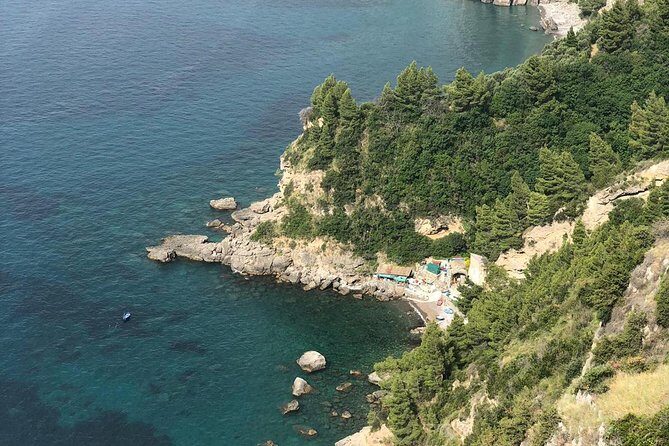
This private Naples-to-Pompeii-and-Amalfi day works especially well for:
- Cruise passengers who want to maximize their time on shore without gambling on timing
- Small families or groups who prefer a private vehicle over big group logistics
- People who care about Pompeii being explained, not just visited
- Travelers who want a mix of guided time (Pompeii) and flexible time (Sorrento and Positano)
It may be less ideal if:
- You’re very sensitive to stairs and hills. Even with guidance and planning, you’ll walk in all three areas.
- You’re expecting a totally even split of time across Sorrento and Positano. Traffic can shift the plan and shorten one town.
- You want zero uncertainty. Weather and crowds can affect the order of stops, and the day is still subject to what the roads allow.
One review flagged that a vehicle brake sound made the ride feel less safe for their group. That’s not something you can ignore as a concept, but you also can’t assume it’s common. Still, it’s a reasonable thought: if you’re traveling with anyone who is anxious about vehicle conditions, say so early and pay attention to how the car feels once you’re seated.
Another concern that shows up in a few experiences is heat and walking exhaustion. Pompeii plus coastal towns is not a gentle day. You’ll enjoy it more if you come prepared with sun protection, water, and sensible shoes.
Should You Book This Naples to Pompeii and Positano Excursion?
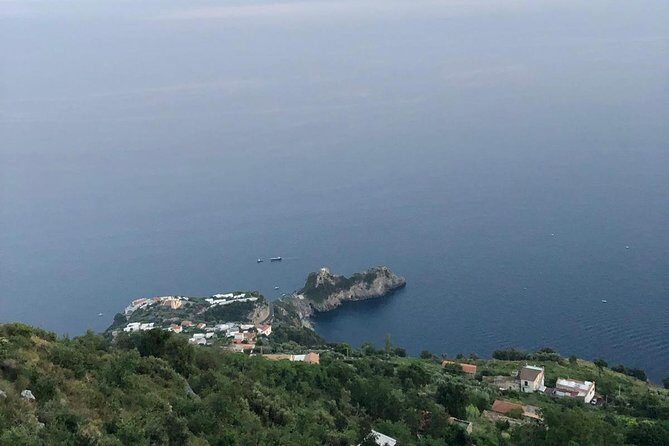
I’d book it if your top priority is Pompeii explained well, plus real time in Sorrento and Positano. The best version of this day is when your Pompeii guide helps you connect buildings to daily life, and your driver keeps the schedule tight enough that the Amalfi towns don’t feel like rushed stopovers.
Book it with extra confidence if:
- You want skip-the-line entry and a port-ready plan
- You like the idea of a 2.5-hour Pompeii tour rather than a quick walk
- You’re the kind of traveler who uses free time to wander and snack instead of chasing a checklist
Consider another approach if:
- You’re prone to getting overwhelmed by walking and steep streets
- You’re traveling on a day with heavy road traffic and you’d be upset if one town gets shortened
If you’re on a cruise and this is your one shot at Pompeii plus the Amalfi Coast, this excursion is built for that moment. The structure is smart, the Pompeii focus is strong, and the mix of guided and free time is exactly the way to enjoy this part of Italy without burning out.
FAQ
How long is the private shore excursion?
It runs for about 8 hours.
Is pickup from the cruise port included?
Yes. A driver meets you just outside your cruise ship terminal, and you’re also dropped back at the port.
What Pompeii time do I get, and is it guided?
You get about 2 hours 30 minutes of guided touring at Pompeii, with admission included.
Are admission tickets included for the stops?
Yes. The Pompeii-related stops listed for the itinerary include admission tickets.
Will there be free time in Sorrento and Positano?
Yes. You get free time in Sorrento and Positano. The itinerary includes a Sorrento panorama stop at Piazza Tasso (about 40 minutes) and an exploration period in Positano (about 1 hour).
Is lunch included?
No. Lunch is not included, though your guide may help with recommendations or getting you to a meal stop.
Does the tour include transportation?
Yes. You travel in an air-conditioned minivan with private vehicle transport.
Will I skip long lines at Pompeii?
Yes. The tour is guaranteed to skip the long lines.
Do I need a passport?
Yes. A current valid passport is required on the day of travel.