REVIEW · NAPLES
Pompeii: Small-Group Guided Tour with Skip-the-Line Ticket
Book on GetYourGuide →Operated by Walks In Europe · Bookable on GetYourGuide
Pompeii is the kind of place that grabs you fast. A guided walk turns a huge site into something you can actually follow, from the streets of Pompeii to the volcanic story of 79 AD. I like that skip-the-line entry gets you into the Pompeii Archaeological Park with less stress right away, not after you’ve burned an hour standing around.
Two things I really enjoy: first, the small-group, private format for up to 2 people per booking means you can ask questions and keep moving. Second, the guide brings the site to life with clear explanations of what you’re seeing, including the famous plaster casts of Pompeii’s residents.
One possible drawback: at just 2 hours, you’ll cover key highlights, but you won’t have time for every side street or every excavation detail. If you want to roam slowly on your own for hours, plan extra time after the tour.
Priority entry via a separate entrance reduces the queue hassle and helps you start seeing Pompeii sooner.
A guided route built around major stops keeps the city’s layout from feeling chaotic.
Plaster casts and everyday ruins help you understand what life looked like before Vesuvius.
A finish at the Foro Civile gives you a satisfying “big picture” end point.
Your guide can tailor the pace so you’re not cooked in the heat or stuck waiting in crowds.
In This Review
- Pompeii in Two Hours: What This Small-Group Tour Actually Gives You
- Meeting at Piazza Anfiteatro: Simple Start, Clear Target
- Skip-the-Line Entry: Why Priority Access Changes the Day
- Pompeii Archaeological Park: Getting Oriented Before You Go Stone-Serious
- What to watch for
- Amphitheater of Pompeii: Gladiator Theater, Up Close
- The main payoff
- House of the Faun: Art, Layout, and Why This Home Matters
- A practical tip for photos
- Temple of Apollo: Sacred Space and City Meaning
- Possible drawback
- Vetutius Placidus House and Thermopolium: Daily Life in Plain Sight
- Why I think this part matters
- Garden of the Fugitives: The Moment Pompeii Gets Heavy
- How long is enough here
- Foro Civile di Pompei: The Civic Heart, Ending on a Big Note
- Price and Value: Is $282.08 Worth It?
- Guide Styles You’ll Want to Look For (And What They Can Do for You)
- Practical Notes That Help Your Tour Go Smoothly
- Who This Tour Suits Best
- Should You Book This Pompeii Small-Group Tour?
- FAQ
- How long is the Pompeii small-group guided tour?
- Where do we meet for the tour?
- Does this tour include skip-the-line entry?
- Is the tour guided in English?
- What’s included in the price?
- What should I bring?
- Do visitors need ID to enter Pompeii?
- Is this tour wheelchair accessible?
Pompeii in Two Hours: What This Small-Group Tour Actually Gives You
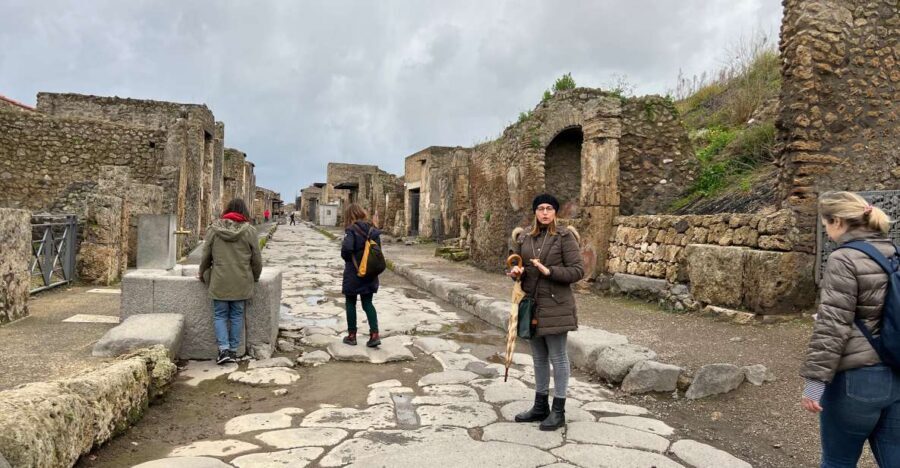
Pompeii is massive, and on your own it’s easy to lose the thread. You’ll wander, you’ll take photos, you’ll see gorgeous details… and later you’ll wonder what you just walked past. This tour is built to prevent that problem.
You get a live English guide leading a focused circuit through Pompeii’s headline locations. Because it’s designed around a small group (private, up to 2 per group booking), it’s easier to keep a steady pace, stop when something matters, and actually hear the story behind the stone.
Another big practical win: you start with pre-reserved tickets and skip-the-line access through a separate entrance. That matters in Pompeii, where lines and crowd flow can eat your energy fast. Spend that time looking instead.
Meeting at Piazza Anfiteatro: Simple Start, Clear Target
You meet at Piazza Immacolata. The key detail is where to look: you’ll find your guide just opposite the entrance gate of Piazza Anfiteatro, standing by a statue of the Virgin Mary holding a sign that says Walks In Europe.
Arrive 5 to 10 minutes early, because the tour can’t be joined once it starts. This isn’t a “wait around and catch up” kind of experience. If you’re running late, you risk missing the entry rhythm and the route.
Also: bring a hat and water. Pompeii is outdoors for long stretches, and even when the tour moves efficiently, you’ll still feel sun and heat.
You can also read our reviews of more tours and experiences in Naples


Skip-the-Line Entry: Why Priority Access Changes the Day
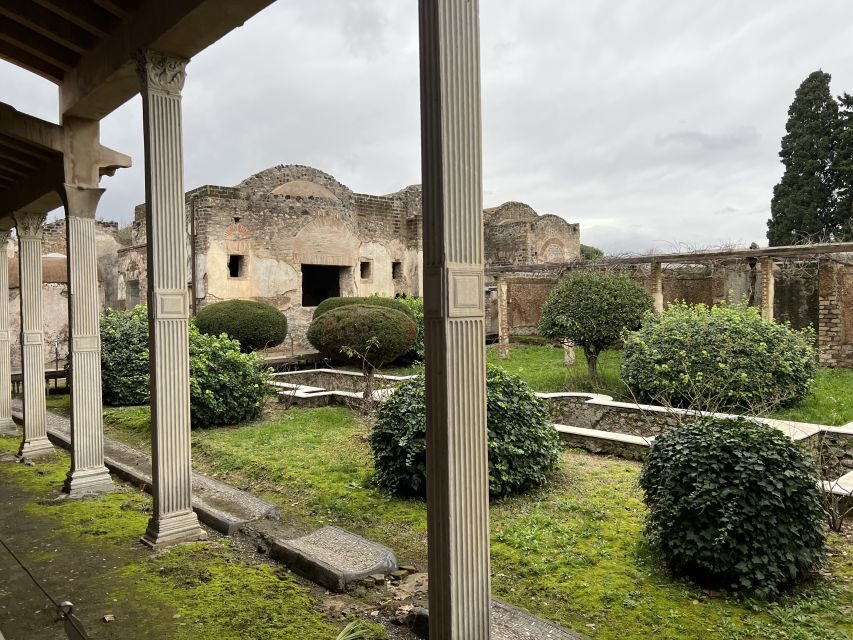
Here’s the honest value angle. Paying extra for a guided tour is only worth it if it saves you something real. In Pompeii, this product saves you queue time and gets you into the site faster via priority access.
That time difference sounds small until you’re standing in the heat, watching people stream through a different entrance. With priority tickets, your tour starts doing what you paid for: seeing the ruins, not watching other people wait.
And because the tour is timed and guided, you’re less likely to wander into the “wrong” parts of the park first. Getting the right order helps you make sense of the city’s shape and where the major sights fit.
Pompeii Archaeological Park: Getting Oriented Before You Go Stone-Serious
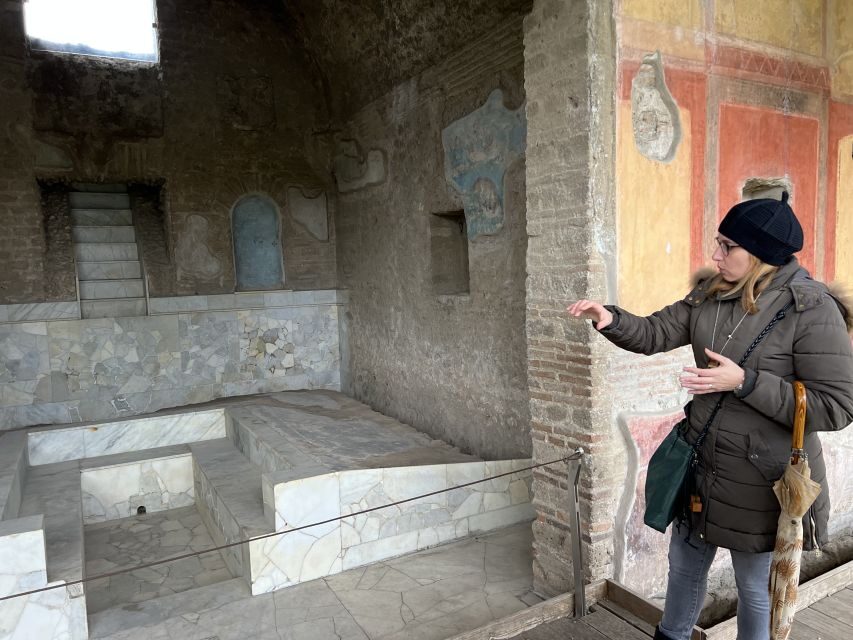
Your first actual stop is the Pompeii Archaeological Park itself. The plan is a short guided introduction and then a walk that helps you set your bearings quickly.
This opening matters more than you might think. Pompeii isn’t just one sight—it’s a whole urban system. When the guide frames what you’re looking at—streets, homes, public buildings, and where the major landmarks sit—you’ll read the site differently for the rest of the tour.
A good guide also connects visuals to context: Pompeii was preserved by volcanic ash after the eruption of Vesuvius in 79 AD. That preservation is why you can still make out room layouts, wall art, and everyday objects.
And yes, you should expect the tour to include the world-famous plaster-cast remains of some of the people who didn’t survive. Even if you’ve seen photos before, seeing the casts inside the site tends to hit harder because you’re standing in the same environment where it happened.
What to watch for
You’ll likely notice how the architecture and street patterns tell you how people moved through daily life—where you’d go for goods, where citizens relaxed, and where public events happened.
Amphitheater of Pompeii: Gladiator Theater, Up Close
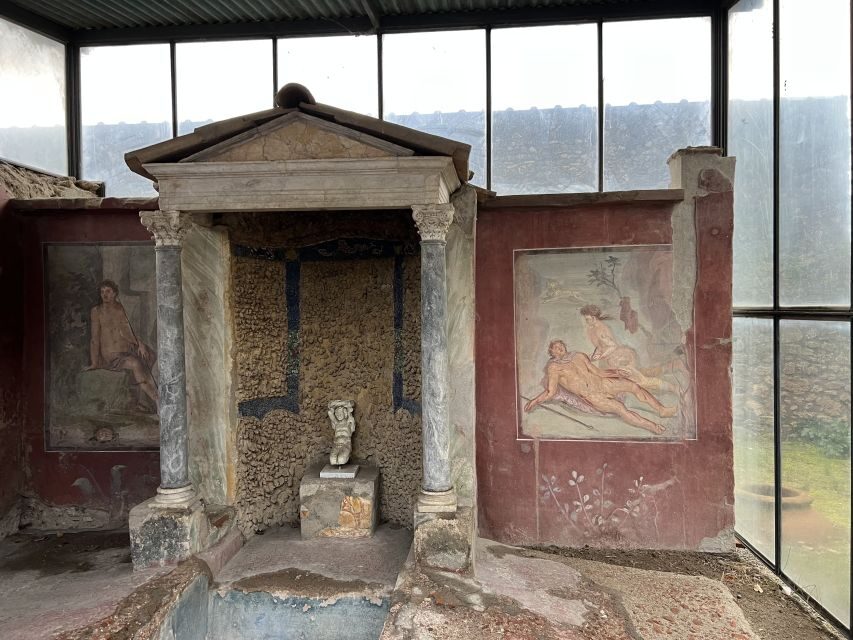
Next up is the Amphitheater of Pompeii. This is one of those places where you can feel the scale instantly. The guide’s job here is to help you picture the crowds and the event energy without turning it into a movie scene.
This stop is short enough to stay efficient, but long enough to appreciate the structure. You’re not just walking past a wall—you’re getting a guided look at how the amphitheater fit into Pompeii’s public life.
You can also read our reviews of more guided tours in Naples



The main payoff
You get to connect Pompeii’s entertainment culture to what you’ll see later in the forum and civic spaces. It’s easier when the guide points out what kind of gathering happened where.
House of the Faun: Art, Layout, and Why This Home Matters
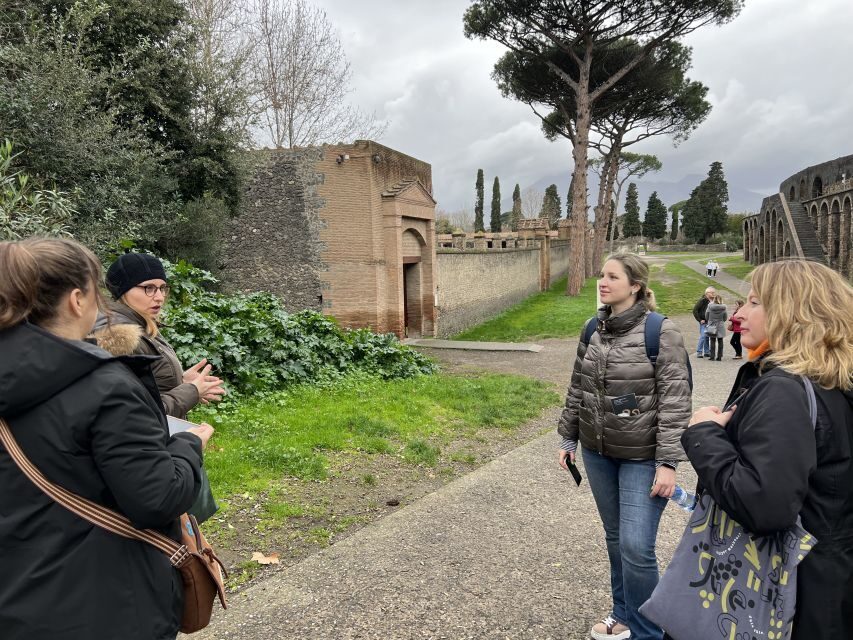
Then you head to the House of the Faun, one of Pompeii’s most famous residences. This is a highlight for people who like to see not only the ruins, but the details—what people valued, what they decorated with, and how rich and ordinary lived side by side.
The guide’s explanation usually helps you interpret the layout: where rooms were, how spaces were used, and what the surviving art and decoration tells you about taste and status.
A practical tip for photos
If you’re keen on photos, keep your expectations realistic. Pompeii is popular. You’ll get best results by listening for when the guide slows the group for photo moments, then using that window. The value of a guided group is that the timing tends to be smarter than aimless wandering.
Temple of Apollo: Sacred Space and City Meaning
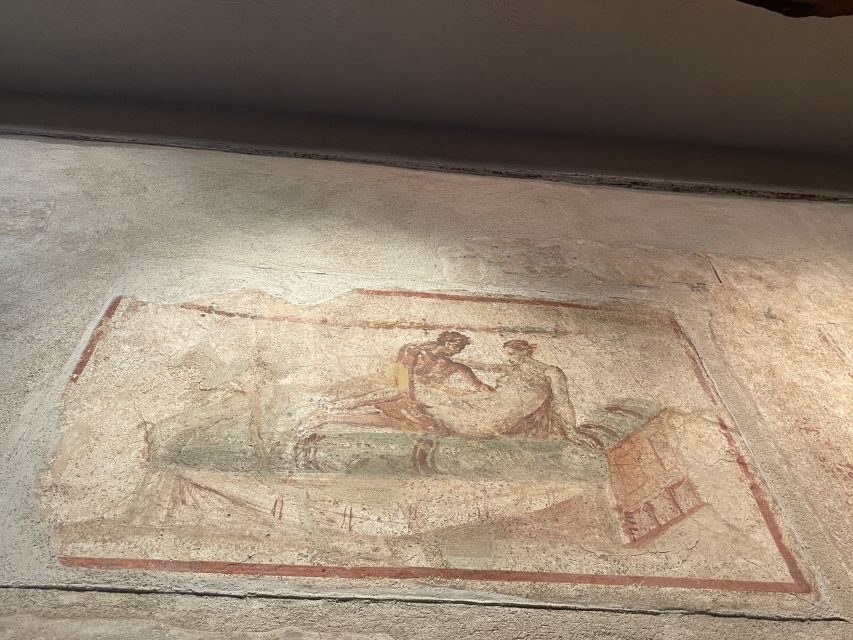
Next comes the Temple of Apollo, Pompeii. Temples in Pompeii aren’t just pretty buildings; they’re anchors for civic and religious life.
Here’s what I like about this stop on a guided route: the guide helps you see the temple as part of a larger system. You understand why sacred space mattered in the same city where people shopped, worked, relaxed, and attended public events.
If your brain keeps asking “what’s the point of standing here,” trust the structure. This is where the city starts making sense as more than a set of ruins.
Possible drawback
If you’re only into one narrow theme—like pure architecture or only everyday life—you may wish the tour had more time in one place. But the full route is what keeps the story coherent.
Vetutius Placidus House and Thermopolium: Daily Life in Plain Sight
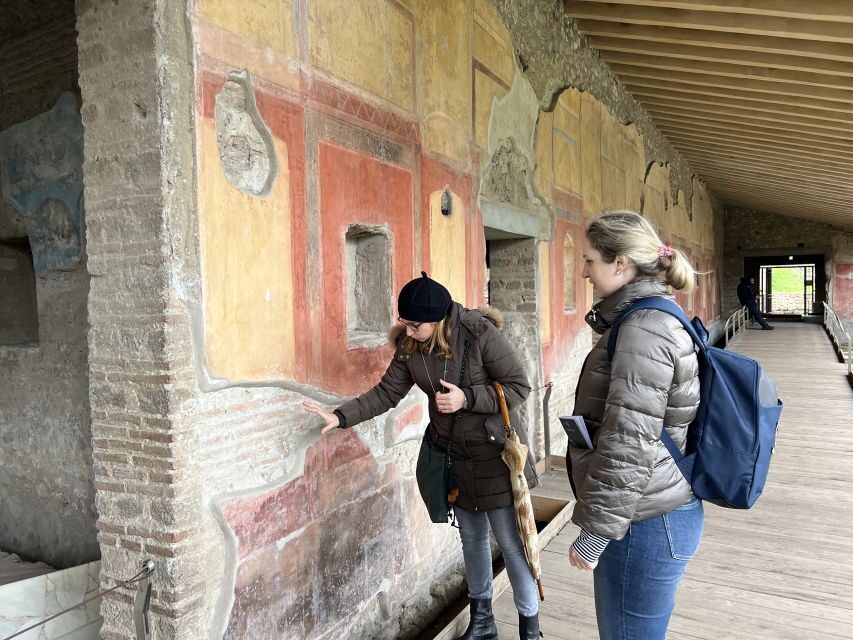
This stop pairs the Vetutius Placidus House with a thermopolium (a Roman-style quick-service eatery). That pairing is smart because it contrasts private luxury with public everyday routine.
You’ll learn how people lived and ate. This is where Pompeii can feel most human. You’re not just looking at elite spaces; you’re getting a glimpse of street-level commerce and the rhythm of meals in a working city.
Why I think this part matters
Pompeii gets turned into a dramatic story fast—eruption, ash, survival, death. But a good guide keeps snapping you back to the daily details: food, social spaces, and what the city looked like in real life.
Garden of the Fugitives: The Moment Pompeii Gets Heavy
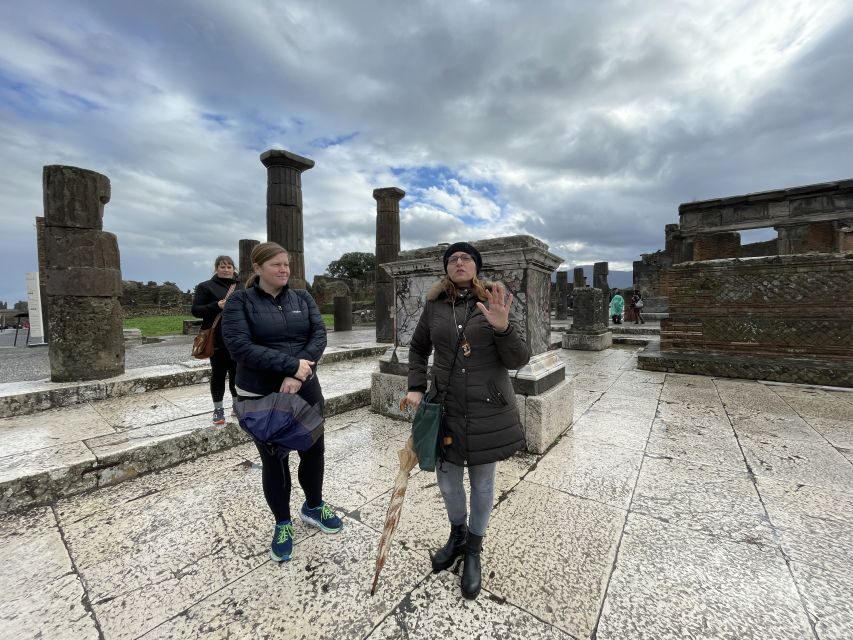
Then you go to the Garden of the Fugitives. This is a name that tells you the emotional tone right away, and it’s one of the reasons Pompeii feels so unforgettable.
When you pair this stop with the tour’s mention of the plaster casts, you get a stronger sense of the human scale of the disaster. It’s not abstract. The guide’s interpretation helps you understand what those remains and spaces mean, without turning it into shock tourism.
How long is enough here
You won’t be stuck forever. It’s a stop that benefits from a short, guided walk where you can take in the key points, then keep moving.
Foro Civile di Pompei: The Civic Heart, Ending on a Big Note
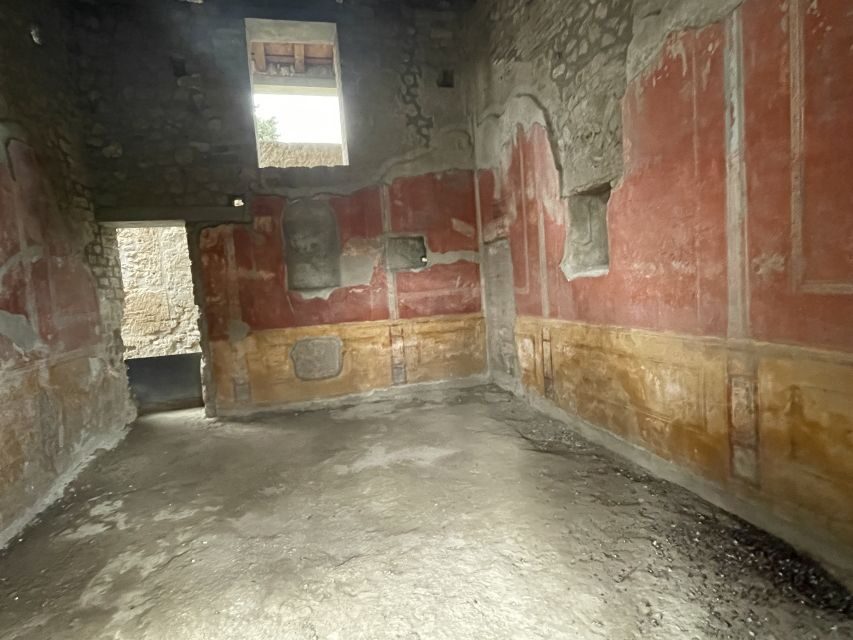
Finally, you reach the Foro Civile di Pompei. This is where the tour’s arc clicks into place.
The forum was the heart of Pompeii—civic life, public activity, and the kind of central space where you’d see people gather for major moments. Ending here helps you wrap your head around how the city functioned as a whole.
This is also a great time to ask your guide where to go next. Many of the guides in past groups have been the sort who will point out additional areas to visit after the tour.
Price and Value: Is $282.08 Worth It?
The price is listed at $282.08 per group up to 2. That’s not cheap, but it’s also not random. With Pompeii, you’re paying for three things that matter:
- Skip-the-line access: you save time and avoid queue fatigue.
- Guided interpretation: you understand what you’re seeing instead of just collecting photos.
- Small-group pace: you spend your limited time actually touring, not waiting for your bearings.
If you were going alone, you’d still pay entry and you’d still figure out what matters—just with more friction and a higher chance of missing key highlights. If you want a shortcut to the “important places plus meaning,” this format is a solid fit.
If you’re the type who loves wandering with zero structure and no guide, you might decide you’d rather spend that money on extra hours on your own. But if you want the most efficient, easiest way through Pompeii’s big hits, the price starts looking more fair.
Guide Styles You’ll Want to Look For (And What They Can Do for You)
One of the reasons this tour gets such high marks is the guide impact. Names that have shown up in past groups include Glauco, Vito, Caterina, Alicia, Laura, Giovanni, and Alessia. Different people, same goal: make Pompeii understandable and enjoyable.
Here are the guide traits to expect based on what’s been praised:
- Clear explanations of what you’re seeing and why it matters.
- Adjusting the pace when the site gets hot or crowded.
- Picking good viewpoints and photo moments.
- Finishing with practical recommendations for what to do after you leave the tour.
I’d take this seriously when booking. In Pompeii, a great guide is not a “nice extra.” It’s the difference between a sightseeing day and a day that sticks with you.
Practical Notes That Help Your Tour Go Smoothly
A few details will make the difference between calm and chaotic.
- Bring hat and water for outdoor stretches.
- Arrive early at Piazza Immacolata and look for the guide by the statue holding the Walks In Europe sign.
- Don’t plan to join late; once it starts, you can’t hop in.
- Bring ID: all visitors, including children, must provide a valid ID upon entry to the Pompeii Archaeological Site.
- Wheelchair access isn’t listed for this tour, so if mobility is a concern, you’ll want to check alternatives before booking.
Who This Tour Suits Best
This is a strong choice if you:
- Want to see Pompeii highlights without planning a route.
- Prefer an English guide and structured timing.
- Like mosaics, public buildings, and the “daily life” side of Roman culture.
- Think skip-the-line access is worth it for your time and energy.
It’s also a good fit for first-timers. Pompeii’s size can be intimidating. A guided flow keeps you from bouncing between far-apart areas and losing the story.
If you’re an archaeologically obsessed detail-hunter, you’ll probably want extra solo time after the tour to revisit areas that catch your attention.
Should You Book This Pompeii Small-Group Tour?
I’d book it if you want the easy, efficient route through Pompeii’s most important stops with priority entry and a guide who can explain what you’re seeing. Two hours is exactly the sweet spot for a “highlights plus meaning” visit, especially when you’re not trying to conquer the entire park on your own.
I would skip this specific tour if you already know Pompeii well, love roaming without structure, and are planning to spend many extra hours inside the park afterward anyway. In that case, you might just want entry tickets and freedom.
For most people, though, this is a practical way to turn Pompeii from a blur into a place you understand.
FAQ
How long is the Pompeii small-group guided tour?
The tour duration is 2 hours.
Where do we meet for the tour?
Meet at Piazza Immacolata, just opposite the entrance gate of Piazza Anfiteatro. Your guide will be by the statue of the Virgin Mary holding a sign that says Walks In Europe.
Does this tour include skip-the-line entry?
Yes. It includes pre-reserved tickets with skip-the-line access through a separate entrance.
Is the tour guided in English?
Yes, the live guide speaks English.
What’s included in the price?
It includes entry ticket to Pompeii, guided tour, and pre-reserved tickets for attractions with skip-the-line access.
What should I bring?
Bring a hat and water.
Do visitors need ID to enter Pompeii?
Yes. All visitors, including children, must provide a valid ID upon entry to the Pompeii Archaeological Site.
Is this tour wheelchair accessible?
It is not suitable for wheelchair users.