REVIEW · NAPLES
Neapolitan Pizzamaker for One Day
Book on Viator →Operated by Neapolitan Pizzamaker for One Day · Bookable on Viator
Pizza lessons in Naples hit different. This 3-hour Neapolitan pizzaiuolo workshop is run at the official school and tied to UNESCO recognition of Neapolitan pizza. I like the hands-on dough work and the wood-oven baking so you learn the method, not just the outcome.
One thing to plan for: the experience can get hot, and at least one past student noted there are no chairs and you stand for much of the cooking time.
In This Review
- Key things to know before you go
- Neapolitan Pizzamaker for One Day: what the class feels like
- Where you meet in Naples (and how to stay comfortable)
- Coffee + pizza history: why UNESCO pizza is more than trivia
- Hands-on dough work: kneading, shaping, and Margherita ingredients
- Wood-oven cooking: spreading, firing, and timing
- The tasting: what to notice after you bake
- Small group learning: why max 10 travelers matters
- Price and value: is $112.93 worth it?
- Practical tips: make it easier on yourself
- Who should book this Neapolitan pizza workshop
- Should you book Neapolitan Pizzamaker for One Day in Naples?
- FAQ
- How long is the Neapolitan Pizzamaker for One Day workshop?
- What time does the workshop run in Naples?
- Where do I meet the group?
- How many people are in the class?
- Is the workshop offered in English?
- What is the cancellation policy?
Key things to know before you go
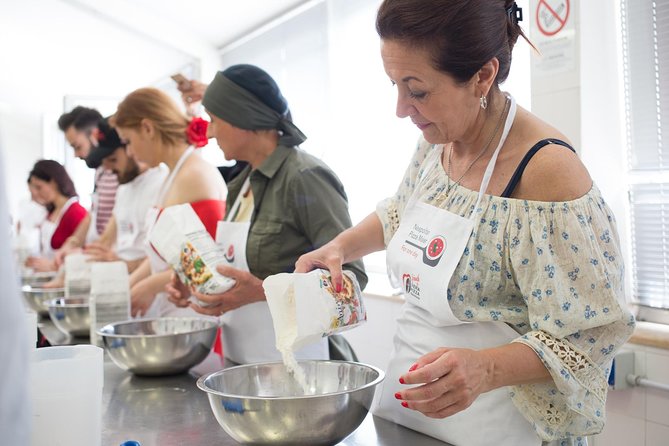
- Official pizzaiolo school experience focused on true Neapolitan technique
- Small group, max 10 travelers, so you can actually get feedback
- Hands-on from dough to topping, including Margherita-style seasoning
- Wood-oven cooking where firing and timing matter
- Peter teaches step-by-step, mixing history with real dough science
- Tasting at the end so you can judge what you made
Neapolitan Pizzamaker for One Day: what the class feels like
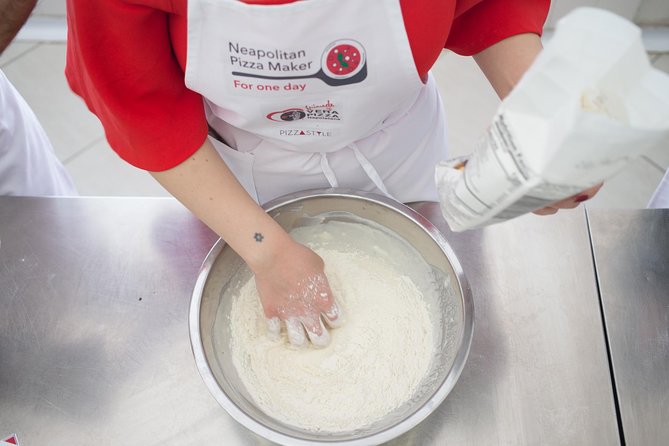
This is a short, focused workshop designed for people who want more than a “tour of pizza.” You’ll start with coffee and context, then move straight into action—kneading dough, shaping it, and baking it in a wood oven. By the end, you’ll eat the pizza you worked on, in wedges.
The vibe is practical. You’re not just watching. You’re learning the why behind the steps, so you can take the technique home. One review even framed it as the missing “science + history” piece for people who already make pizza at home.
You can also read our reviews of more tours and experiences in Naples.

Where you meet in Naples (and how to stay comfortable)

You’ll meet at Via Capododver? Nope—make sure you use the exact address: Via Capodod? It’s Via Capodimonte, 19a, 80131 Napoli NA, Italy. The class starts there and ends back at the same meeting point.
Because it’s near public transportation, you shouldn’t need a taxi just to show up. That matters, because Naples days can get chaotic fast. Also, since the activity lasts around three hours, you’ll want your timing to be on point—especially if you’re pairing it with other neighborhood stops.
A quick heads-up from real participants: you’ll likely be on your feet a lot. One person specifically mentioned there are no chairs, and that the room can get quite hot during cooking. Wear comfortable shoes and plan to move.
Coffee + pizza history: why UNESCO pizza is more than trivia
Your session starts with welcome coffee and a walkthrough of the history of true Neapolitan pizza. This isn’t trivia for trivia’s sake. Neapolitan pizza is recognized as an intangible heritage by UNESCO, and the class frames the craft as something cultural and specific—tied to ingredients, technique, and tradition.
I like this opening because it gives your brain something useful to hold onto while you work. When someone explains why the dough behaves a certain way, you stop treating it like magic. Instead, it becomes a set of steps you can actually repeat.
One review praised the way the instructor linked the role of ingredients to the outcome. Another person said they learned the “science and history” they’d been missing even after making pizza for years. That’s the sweet spot here: you get context, then you get your hands dirty.
Hands-on dough work: kneading, shaping, and Margherita ingredients
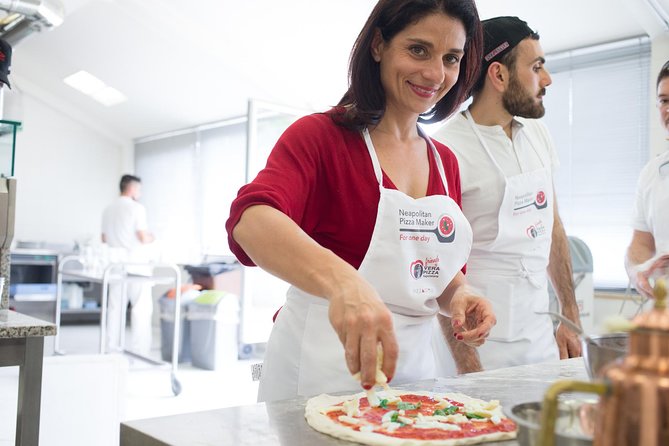
After the history piece, you’ll see a demonstration and then jump into making the dough yourself. This part is built around real steps: preparing the dough, working it, and handling the raw materials for the pizza—especially the Margherita style.
Here’s what makes this segment valuable for you: it’s not just “mix and hope.” The class is set up to teach dough management—how to work it, how to handle it at the right stage, and how the ingredients fit together. Even if you’ve made pizza before, this is the part where technique usually changes everything.
One standout detail from a review: basil was gathered directly from the school’s herb garden. That’s a small moment, but it tells you the class cares about freshness, not shortcuts. If you’re the type who notices scent and flavor, you’ll likely feel the difference once toppings hit the pizza.
Wood-oven cooking: spreading, firing, and timing
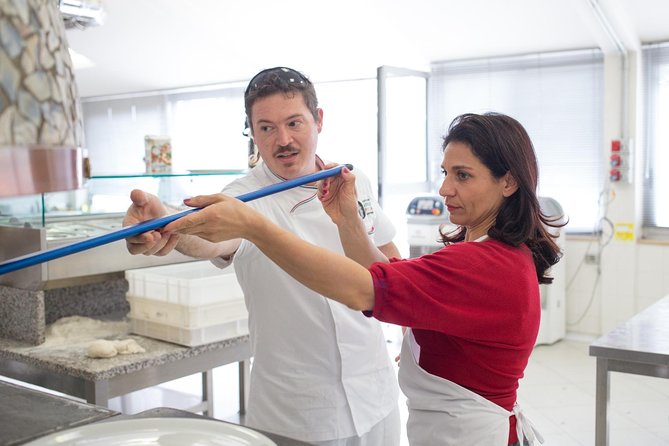
Next comes the part many people remember: you’ll spread and cook Neapolitan pizza in a wood oven. This is where “pizzaiuolo” stops being a word and turns into a set of real skills.
Wood-oven baking is fast, hot, and unforgiving. That’s why the instructor’s guidance matters. A review credited Peter with walking students through all the steps of managing dough and the firing process—clear, doable instruction for both first-timers and experienced pizza makers.
If you care about making better pizza at home, focus on these things during the oven stage:
- How the pizza is handled right before it goes in
- How timing affects texture and cooking
- How the dough and toppings behave under heat
And yes, the cooking stage can feel intense. One review mentioned the room was too hot and people were sweating while cooking. So don’t schedule something stressful right after. Give yourself time to cool down and reset.


The tasting: what to notice after you bake
At the end, you’ll taste the real Neapolitan pizza, served in wedges. This is more useful than it sounds. When you eat what you made, you can connect the result to the steps you performed earlier.
Try to notice a few basics:
- The balance between sauce, cheese, and basil
- The overall dough texture (thin areas should still feel right)
- How the aroma changes as the pizza cools
If you’re coming in with pizza expectations from home, this tasting is the reality check. One review called it the best tasting pizza the person had, and another said the finished pie was amazing. Even if you’re not chasing superlatives, the tasting is the moment where your learning turns into food memory.
Small group learning: why max 10 travelers matters
With a maximum of 10 travelers, this class is designed to avoid the “watch from the sidelines” problem. In a group that small, you’re more likely to get guidance when your dough needs adjustment.
It also makes the experience feel less like a production and more like a workshop. You’ll likely watch others work, but you’ll still get your own hands-on time with the process.
That small size also pairs well with the range of students. Reviews specifically mention it works for experienced pizza makers and first-timers alike. If you’re nervous about getting it wrong, that flexibility is a good sign.
Price and value: is $112.93 worth it?
At $112.93 per person, you’re paying for more than a meal. You’re paying for:
- Instruction from the chef/pizzaiolo (with step-by-step feedback)
- Hands-on dough work
- Ingredient use tied to the Margherita concept
- Wood-oven time and real baking conditions
- A sit-down-ish tasting at the end (even if the day is active)
Cooking classes that focus only on eating tend to feel overpriced fast. This one feels closer to skills training. The value jumps if you want to improve your own pizza-making, because you leave with a repeatable process: dough handling, topping approach, and oven timing.
Also, you’ll spend roughly three hours in one structured block. That’s good for travelers who don’t want a half-day sinkhole. If you have limited time in Naples, this format is efficient.
And one practical note: booking demand runs high. The experience is often reserved about 42 days in advance on average, so it’s smart to lock in your preferred time slot early.
Practical tips: make it easier on yourself
A few things will make your day smoother:
Wear:
- Comfortable shoes. You may stand a lot.
- Layers. Even if Naples is warm, kitchens and ovens can swing the temperature.
Time your day:
- If you pick the morning session, plan something light afterward. Cooking heat can linger.
- If you pick the afternoon session, you’ll still want an easy dinner plan later.
Expect instruction:
- The class is structured and organized, and multiple reviews praised clear, helpful teaching.
- Peter’s teaching style was specifically called out as passionate and step-by-step, which is exactly what you want when you’re learning dough science.
Language:
- Instruction is offered in English, and the workshop is designed to guide you through each stage, not just toss you ingredients.
Who should book this Neapolitan pizza workshop
You’ll love this if you:
- Want authentic Neapolitan pizza technique, especially the dough + wood-oven side
- Prefer a small group class where you get direct feedback
- Enjoy learning why ingredients and timing matter (not just what to do)
It might be less ideal if you:
- Struggle with standing for long stretches
- Heat sensitivity is a big deal for you (the cooking environment can run hot)
If you’re a pizza fan who normally eats and moves on, this class gives you a deeper angle on Naples. And if you already cook, you’ll likely appreciate the attention to dough management and the way the history is tied to technique.
Should you book Neapolitan Pizzamaker for One Day in Naples?
Yes—if you want hands-on Neapolitan pizza skills in a small, well-run class. The biggest selling points are the practical instruction (including Peter’s step-by-step approach) and the full process: dough work, Margherita-style ingredients, wood-oven baking, and tasting what you made.
Book ahead for the time slot you want, go in ready to stand and work, and you’ll walk away with more than a souvenir. You’ll walk away with pizza know-how you can actually use.
FAQ
How long is the Neapolitan Pizzamaker for One Day workshop?
It lasts about 3 hours.
What time does the workshop run in Naples?
It runs daily in two time slots: 10:00 am to 1:00 pm, and 3:00 pm to 6:00 pm.
Where do I meet the group?
The meeting point is Via Capodimonte, 19a, 80131 Napoli NA, Italy, and the activity ends back at the same meeting point.
How many people are in the class?
The workshop has a maximum of 10 travelers.
Is the workshop offered in English?
Yes, it is offered in English.
What is the cancellation policy?
You can cancel for free up to 24 hours in advance of the experience’s start time for a full refund. If you cancel less than 24 hours before, the amount paid is not refunded.