REVIEW · NAPLES
Naples: National Gallery of Capodimonte Tour
Book on GetYourGuide →Operated by Grand Tour Experience · Bookable on GetYourGuide
Art in Naples gets real here.
This Naples National Gallery of Capodimonte tour turns a huge museum visit into a focused, guided walk through the Royal Palace. You’ll start at Museo e Real Bosco di Capodimonte, then move into a collection built to house centuries of royal art legacies. I like that it’s not just “look at paintings”—it’s built around the museum’s own architecture and the way each floor tells a different story.
My favorite part is the art jumping across centuries without feeling random. You’ll trace major Neapolitan painting lines from the 15th through the 19th century, and you get named anchor stops like Caravaggio’s Flagellation and the Farnese Collection highlights. The tour also includes a break and a photo stop in the Capodimonte surroundings, which helps when you’re facing a lot of stairs and galleries.
One thing to plan for: with 2 hours, you won’t see every room. Capodimonte is big, so this is a best-of approach—excellent if you want clarity and impact, but not ideal if you’re hoping to linger over every single painting.
In This Review
- Key highlights to expect on this Capodimonte tour
- Capodimonte’s Royal Palace setting: a museum with built-in atmosphere
- The monumental stairs and the Farnese Collection payoff
- Neapolitan painting on the second floor: from medieval to Mannerism
- From Royal Apartments to modern surprise: Warhol on the third floor
- How the 2-hour tour actually feels in motion
- Tickets, skip-the-line, and why included entry matters
- Price and value: what you’re really paying for
- Who this tour suits best (and who should choose differently)
- Should you book this Naples National Gallery of Capodimonte tour?
- FAQ
- How long is the National Gallery of Capodimonte tour?
- Where do I meet, and where does the tour end?
- Is skip-the-line entry included?
- What’s included in the price?
- What languages are available for the live guide?
- Is the tour private and wheelchair accessible?
- Is there free cancellation?
Key highlights to expect on this Capodimonte tour

- Skip the ticket line so you spend more time looking and less time waiting
- Farnese Collection focus with works tied to Tiziano and the Renaissance circle
- A clear Naples art timeline from medieval-to-Renaissance-to-Mannerism
- Caravaggio’s Flagellation as a standout moment on the second floor
- A contemporary hit on the third floor, including Andy Warhol’s Vesuvius
- A local art historian guide who helps you connect what you’re seeing
Capodimonte’s Royal Palace setting: a museum with built-in atmosphere
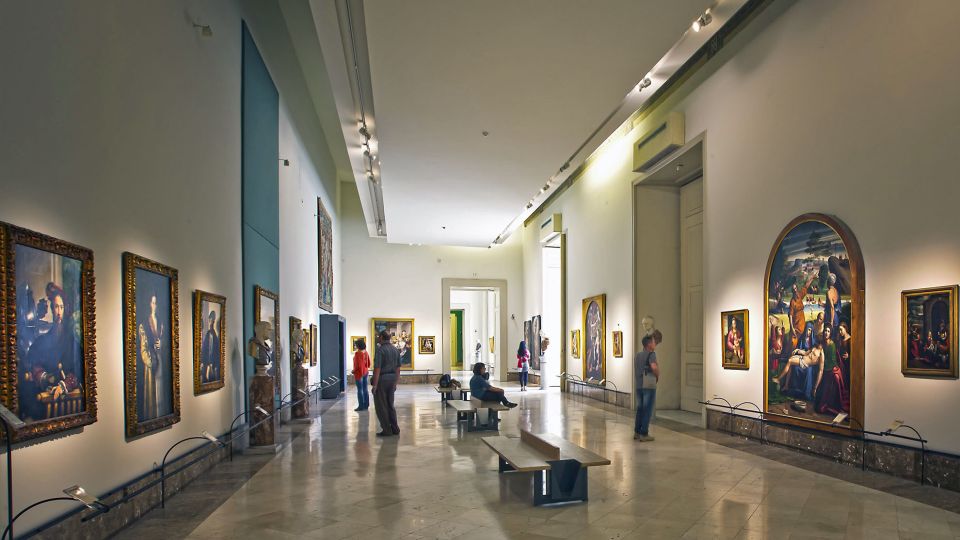
Capodimonte is one of those places where the setting matters as much as the art. The museum sits in a park, and you arrive thinking you’re going to a building—then you realize you’re stepping into an entire royal landscape. That matters in Naples, where the city’s energy is always nearby, but Capodimonte gives you space to slow down.
This collection is housed in a former Royal Palace. Those rooms were meant for the legacy of the Kings of Naples, so the museum’s structure supports that “timeline” feeling. Even before you reach major paintings, you can sense the intent: ceremonial rooms, monumental movement, and a guided route that keeps the focus on important works.
One more practical note: the tour involves moving through multiple floors and monumental spaces. Wear comfortable shoes. If you’re sensitive to stairs or walking, plan to go slowly at your own pace, but the tour is wheelchair accessible, which is a big help for many visitors.
You can also read our reviews of more tours and experiences in Naples.

The monumental stairs and the Farnese Collection payoff
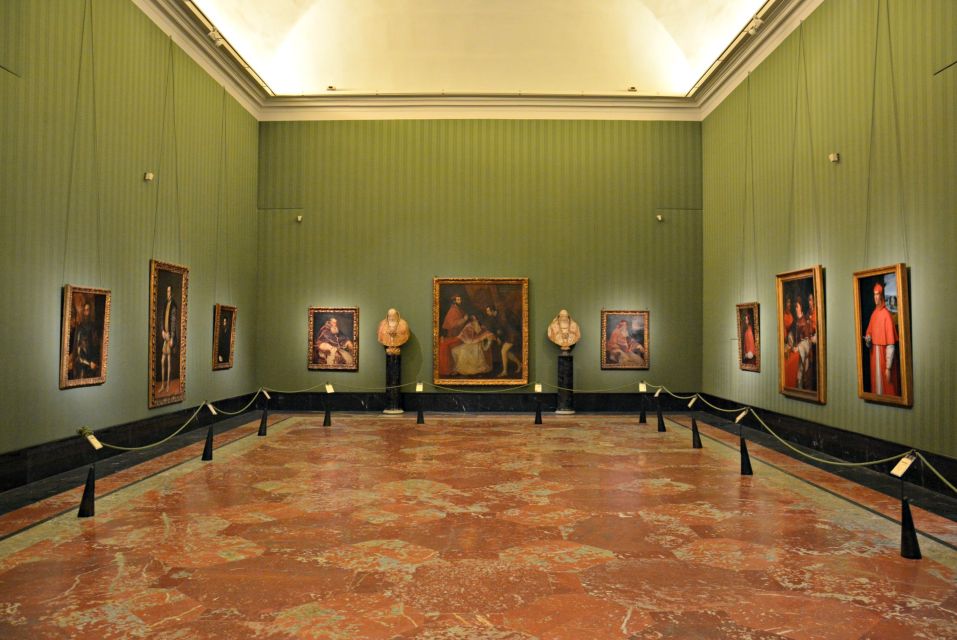
The tour’s flow starts to click when you tackle the monumental stairs. That’s not just a fancy entry moment—it’s a physical cue that you’re moving through different eras and collecting histories. You climb up, and then the focus shifts toward one of the museum’s major draws: the Farnese Collection.
From there, you’ll get a guided look at major Renaissance figures connected to the Farnese legacy. Names like Tiziano come up alongside artists such as Masolino and Masaccio. You’ll also hear about drawings connected to Raffaello and Michelangelo, which is a smart move because it shows the Renaissance not as one style, but as a workshop of ideas traveling through sketches and finished works.
I love tours like this because they don’t leave you stranded with big names and no context. Your guide helps you connect why these works belong together and how the museum uses its first-floor structure to group important legacies. It’s also a good place to reset your attention—especially if you’ve been bouncing around Naples streets all morning.
Neapolitan painting on the second floor: from medieval to Mannerism

The second floor is where the tour’s “Naples focus” really comes into view. Instead of the museum feeling like one giant art warehouse, it becomes a guided path through the evolution of painting in the region—from Medieval Ages through Renaissance and Mannerism.
The key idea here is not just “see more paintings.” It’s understanding how a place’s art changes with time. Neapolitan painting has its own rhythm and priorities, and Capodimonte organizes those shifts in a way that’s easier to follow than wandering freely.
And then you reach the moment many people remember: the light at the end of the corridor—Caravaggio’s Flagellation. Caravaggio is the kind of artist you feel instantly, even if you don’t know every detail. This tour helps you see why that work matters within the Neapolitan setting, and why it makes a perfect “mid-tour climax” after the Renaissance legacies upstairs.
If you’re the type who gets overwhelmed in big museums, this second-floor structure is a lifesaver. You get a storyline, and you’re not forced to choose what matters alone.
From Royal Apartments to modern surprise: Warhol on the third floor
Capodimonte keeps you honest by refusing to stay in one era. After the first floor’s movement through the Royal Apartments area, you shift into the museum’s third level of collecting—its contemporary wing.
What’s especially fun here is the contrast. On the third floor, one of the main works highlighted is Andy Warhol’s Vesuvius. That’s a smart way to end a museum tour in Naples. The city’s most famous natural drama is literally present in contemporary art language, which makes the museum feel less like a time capsule and more like a living conversation.
This final act also gives you a choice point. If you’re mostly here for Renaissance and Baroque masterpieces, the Warhol stop is quick and satisfying. If you enjoy cross-era comparisons, you’ll get a nice mental bridge from older iconography into modern interpretations.
I like ending on a work like Vesuvius because it helps the museum stick in your memory. You leave with a visual headline you can repeat later—something that isn’t just a name, but a mood.
How the 2-hour tour actually feels in motion
With 2 hours, the tour is designed to be efficient without turning into a sprint. You meet at Museo e Real Bosco di Capodimonte and the plan is simple: start there, go through the museum and royal grounds, take a break, and then return back to the meeting point.
Stop 1 is basically your “landing and orientation” moment. Arrive about 10 minutes early. That short buffer helps you find the group, get oriented, and settle before you start climbing. It also makes the first minutes calmer for anyone who’s dealing with Naples navigation stress.
Stop 2 is where the real rhythm happens: you spend time in the museum and the Royal Wood of Capodimonte area with a break and a photo stop. That pause is not just a nice perk. In a museum this big, a short reset keeps attention sharp so you don’t start zoning out halfway through.
Stop 3 is the return to the meeting point. I like this format. You’re not left wondering where the tour ends, and you don’t end up spending your last 20 minutes lost in a labyrinth of hallways.
A note for your expectations: this is a guided best-of experience. You’ll see major highlights and learn how they connect. You won’t see everything, and that’s the tradeoff for a short, story-driven visit.


Tickets, skip-the-line, and why included entry matters
This tour includes entrance tickets and offers skip the ticket line. That’s not a small detail in Naples. It’s the difference between arriving ready and arriving already irritated.
Having the tickets included also reduces decision fatigue. You don’t have to figure out which line, what time slot, or how to confirm entry while you’re trying to enjoy the day. For a short tour, that simplicity adds real value.
If you’ve ever tried to wing it in a major museum, you know what happens: you waste time at the entrance and then rush through galleries. Here, the tour structure helps you use the limited time you paid for.
Your guide also handles the “what to look at” problem. Big museums can make you feel like you’re doing homework. With a guide, you still look—you just look with direction.
Price and value: what you’re really paying for
The price shown is $249.23 per group up to 1 for a private group. At first glance, that’s a lot of money for a two-hour visit. But you’re not just buying access to paintings.
You’re buying:
- A private guided tour (not a packed group experience)
- Entrance tickets included
- Skip-the-line entry
- A plan that pulls you through multiple floors and key highlights
For a solo traveler, it may feel like a premium. For couples or friends traveling together, private pricing can become more reasonable if the “up to 1” limit matches your booking setup. If you’re traveling in a small group and want an organized path through Capodimonte’s best-known works, that structure is where the value shows up.
If you’re on a tight budget, you might compare it to self-guided museum tickets plus audio. But if you want a clearer storyline—Renaissance to Neapolitan painting to Baroque with named anchors—this format is a strong buy.
Who this tour suits best (and who should choose differently)
This tour is a great match for you if:
- You want a guided, highlight-focused museum visit
- You care about seeing specific named works like Flagellation and Warhol’s Vesuvius
- You prefer direction in a large museum instead of wandering
- You like the idea of an art historian guiding the “why” behind the “what”
It might not be the best fit if you’re the type who wants to sit for a long time in front of dozens of artworks. Capodimonte is huge, and 2 hours is simply not designed for deep, slow immersion.
Also consider your comfort with stairs and walking. The museum route involves monumental interior spaces, and while the tour is wheelchair accessible, you should still plan for movement through multiple floors and galleries.
Should you book this Naples National Gallery of Capodimonte tour?

Yes, if you want a smart, organized Capodimonte visit that hits the works you’ll remember. This tour is built to help you connect the museum’s royal architecture with a clear art timeline—then land on major anchors like Caravaggio and Warhol without making the experience feel scattered.
Skip it if you’re looking for an all-day, room-by-room museum marathon. But if you want a guided two-hour plan that brings the museum’s first, second, and third floors into one coherent story, this is a solid way to spend your time in Naples.
If your schedule is tight, the included tickets and skip-the-line entry make it an even easier decision.
FAQ
How long is the National Gallery of Capodimonte tour?
The tour duration is 2 hours.
Where do I meet, and where does the tour end?
You start at Museo e Real Bosco di Capodimonte, and the tour ends back at the same meeting point.
Is skip-the-line entry included?
Yes. The tour includes skip the ticket line.
What’s included in the price?
The tour includes a guided tour and entrance tickets. Transportation is not included.
What languages are available for the live guide?
The live tour guide is available in English and Italian.
Is the tour private and wheelchair accessible?
The tour is a private group and it is wheelchair accessible.
Is there free cancellation?
Yes, you can cancel up to 24 hours in advance for a full refund.